Quick logistical update: until summer, Mondays are Mexican World Heritage Sites, Thursdays are eclectic, and Saturdays are bonus park photos. I took the photos above yesterday in New Mexico and Colorado.
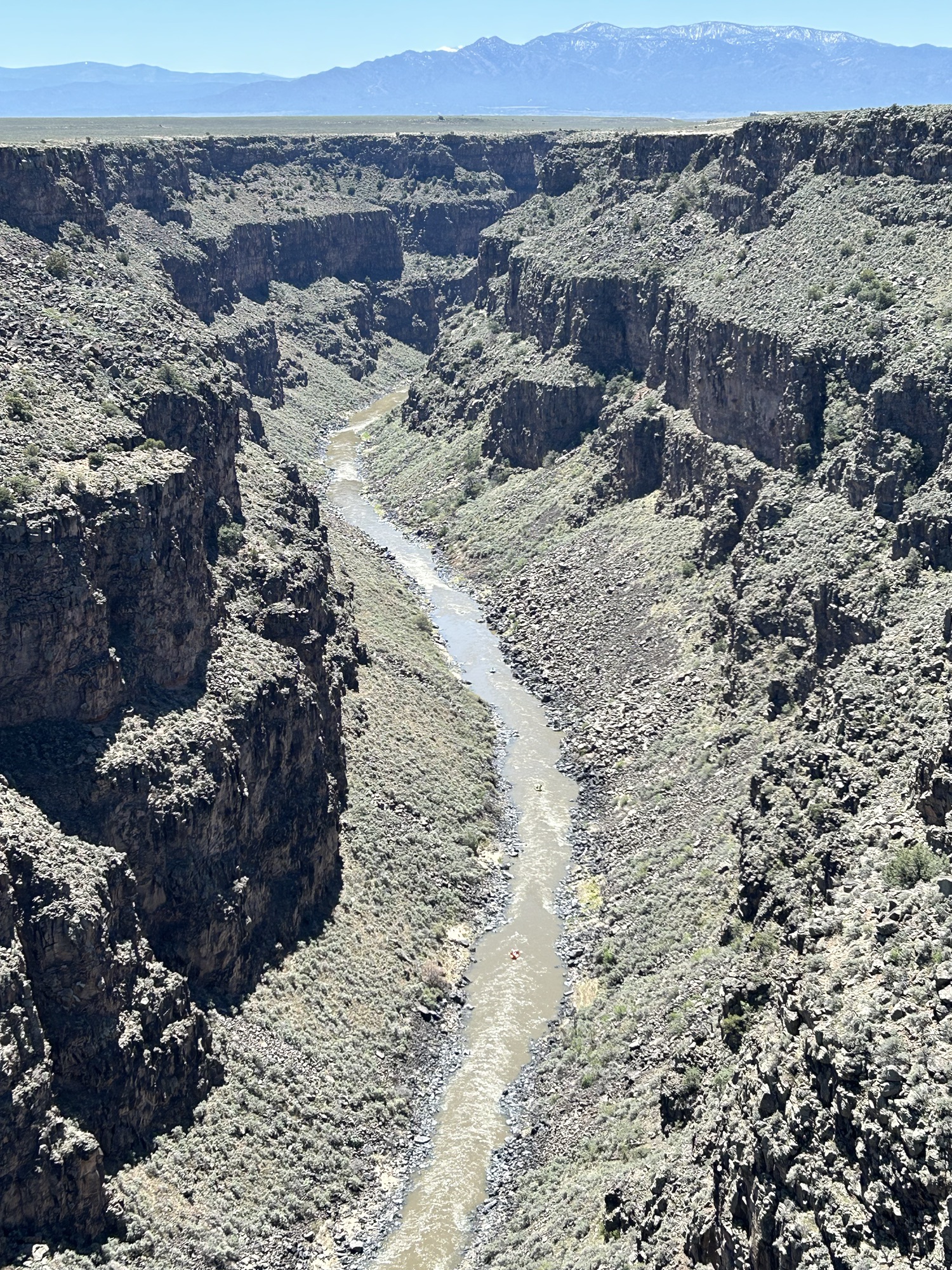
While technically in different regions, both National Heritage Areas are linked by the river, the mountains and our cultural heritage. The Rio Grande begins in the San Juan Mountains in south central Colorado and flows east through the San Luis Valley where it turns south into New Mexico. The scenic north section is called the Río Grande del Norte to distinguish it from the southern section that defines the Texas-Mexico border. The river flows through the Rio Grande Gorge and is now popular for whitewater rafting (see three rafts above left). In the distance are the Sangre de Cristo Mountains (both photos).
Native Americans and Spanish explorers traveled up and down the river, settling on the fertile valleys. The native land was claimed by the Spanish, Mexicans, and Texans, and for a dozen years, the Río Grande del Norte defined the US-Mexico border in Colorado, before the US claimed the land all the way to California by treaty in 1848. In the Civil War, Texas secessionists battled Colorado volunteers at Glorietta Pass in New Mexico to decide the war in the southwest.
The Northern Río Grande National Heritage Area in New Mexico celebrates this magnificent natural scenery and the cultural heritage it guided. It also includes Taos Pueblo, wild & scenic rivers, historic trails, scenic byways, and several cliff dwellings. Much of the land is also a BLM managed National Monument. The area is both beautiful and fascinating, and I was not going to miss another chance to drive through on my way northeast.
The Sangre de Cristo Mountains tower over the east side of the Río Grande del Norte from east of Santa Fe NM up into Colorado past the Great Sand Dunes. Meaning ‘blood of Christ’ in Spanish, the name likely refers to the scarlet colors of the mountains at sunset. The helpful illustration (my favorite photo above right) is on the Stations of the Cross trail up to a church that overlooks the historic San Luis Valley.
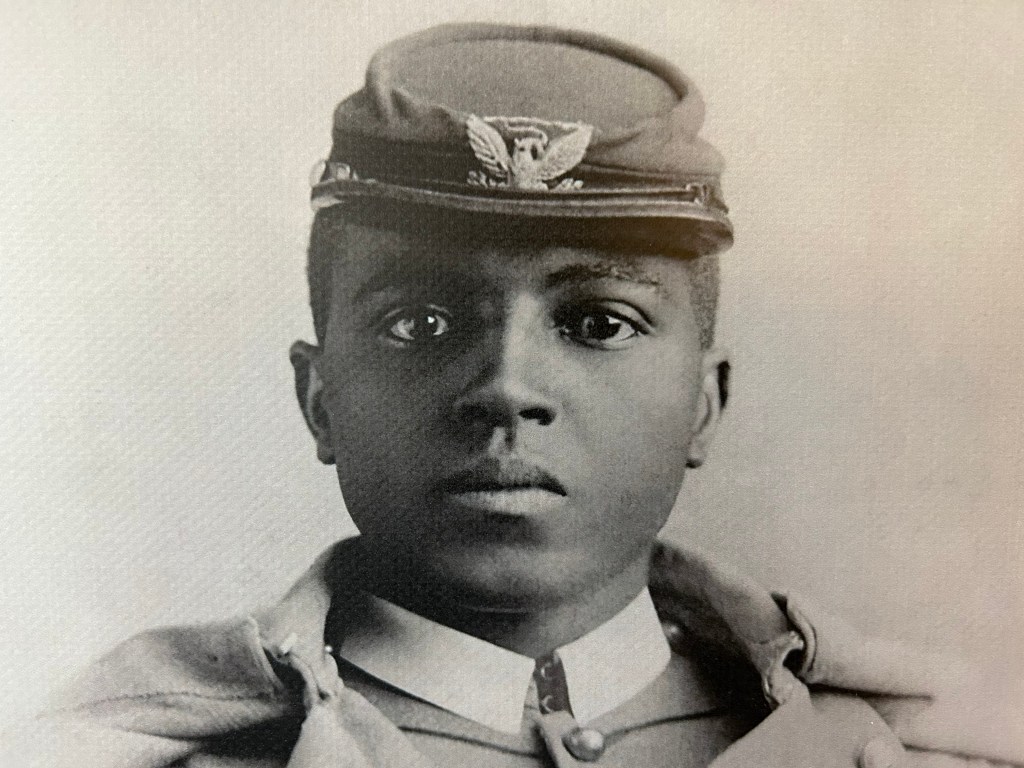
The Sangre de Cristo National Heritage Area in New Mexico borders the Northern Rio Grande National Heritage Area in Colorado, and includes the Cumbres and Toltec Scenic Railroad featured in Indiana Jones and the Last Crusade, the Monte Vista National Wildlife Refuge famed for Sandhill Cranes in March, and Fort Garland, a fine restored Kit Carson fort with an interesting museum on Buffalo Soldiers—one turned out to have been a woman who served for years as a man undetected. The area is lovely and pastoral amid snow-capped mountains, with many other worthy attractions, but I’m on the road again.
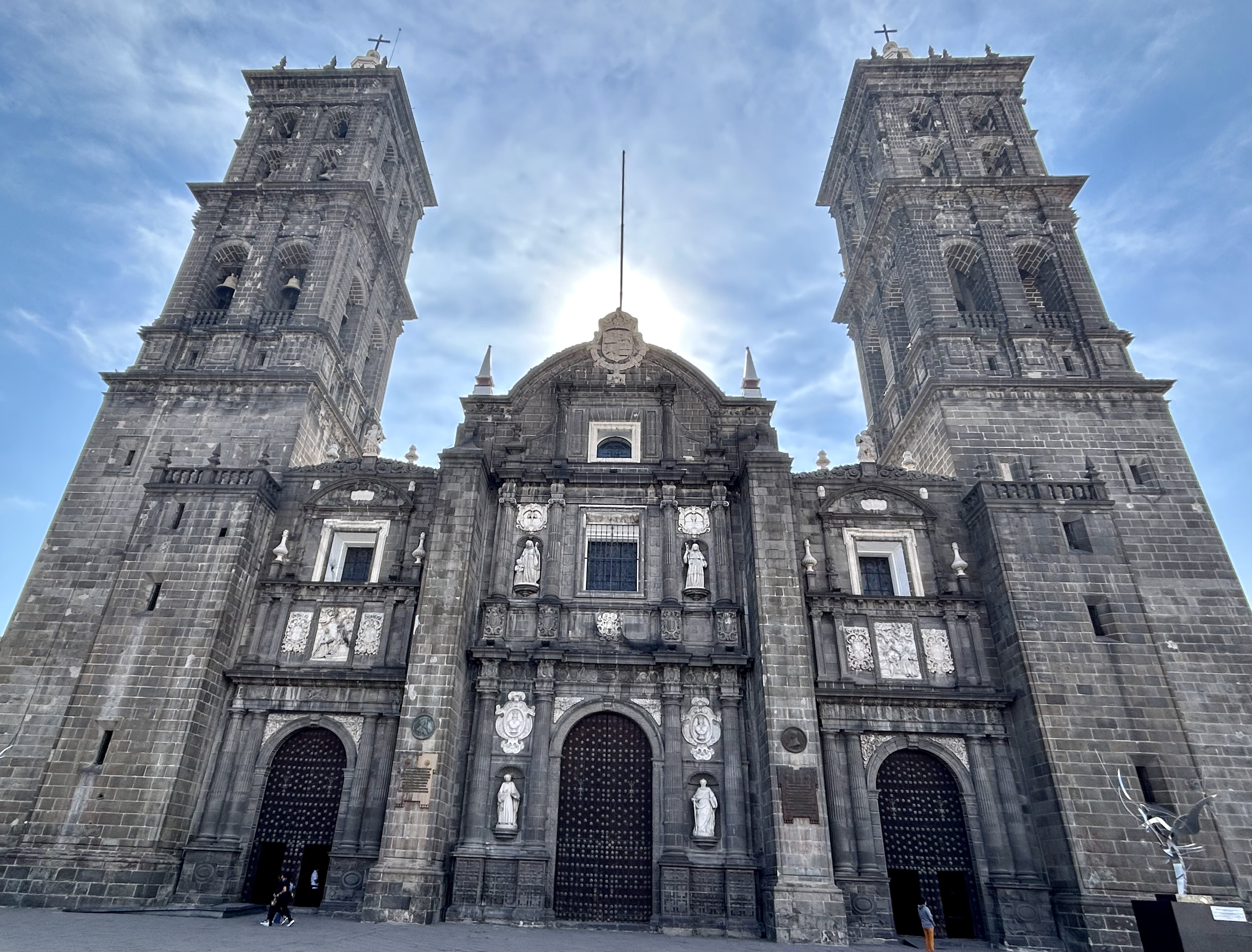
The city’s cathedral with its famed tall towers (above) is a primary reason UNESCO chose this city as a World Heritage Site. I spent a Sunday listening to bells, watching religious processions, and admiring many churches. But the whole historic district is marvelous! When Napoleon’s army tried to take the city in 1862, General Zaragoza defeated the French troops, earning recognition in the city’s official full name Heroica Puebla de Zaragoza. Of course, you already know about that victory, since we celebrate its anniversary on Cinco de Mayo.
While a pueblo is a town, Puebla refers to the Spanish settlers who founded the city between the port of Veracruz and Mexico City. The name comes from poblar (populate), so both people and peppers from Puebla are known as poblanos. Be sure to enjoy the poblano mole along with some local hard apple cider and other delicacies. The Ampara Museum is excellent, with a photo timeline showing civilization’s achievements by continent, beautiful artifacts, including a colorful Quetzal mural, rare and exquisite items from Teotihuacán, and a myriad collection illustrating the vibrant history of pre-colonial Mexico. There’s also a bullet-ridden house turned Museum of the Revolution after a 1910 dictatorial police raid. The zócalo, the green central square park next to the cathedral, is a perfect place to sit amidst the bustle and just soak up the atmosphere.
The volcano Popocatépetl was active, unleashing a huge cloud of smoke and ash, so the view of that Biosphere was not clear. I kept my distance. In the 16th century, the Franciscans built massive fortified monasteries below the volcanoes, and now 14 are recognized as a World Heritage Site. This one, named San Miguel Arcángel, is in the center of the small city of Huejotzingo, about 45 minutes from Puebla. This area is famous for carnival festivals, celebrating various conflicts and stories from before the Spanish arrived through the French invasion in the 18th century.
One use of the monasteries was for defense, and some played important roles in battles. This large monastery is an oasis behind high thick crenelated walls, enclosing an open plaza with beautiful old trees and behind more walls, a couple of lovely cloisters with fruit trees (above). There are renovations underway, due to seismic activity, but much can still be seen inside on a 75 peso ($4.50) tour. Just off the kitchen, there is a macabre holy relic display of skeletal, partly mummified remains in glass cases. Sundays the museum closes to accommodate services.
Feathered and fire serpents adorn the steps of the Quetzalcóatl Pyramid. Some weathering has occurred in the past 17 centuries, but once the eye sockets held black obsidian volcanic glass, the flames were painted bright red and feathers adorned with green jade. The museum (show your gate ticket for admission) near the Sun Pyramid shows murals, artifacts and has a large model of the site, which helps add details to the huge structures outside. None of the three pyramids can be climbed now, but I still walked a couple miles round trip, including the Moon Pyramid near where I started. I arrived early at 9 am, just as the hot air balloons were descending after their dawn tours. It’s an awesome place, but it can get hot and crowded by midday. I recommend staying nearby the night before.
At its peak, Teotihuacán was the largest city in the Americas, 6th largest in the world. Roughly, the city began sometime around 200 BC and fell around 550 CE. Much of their wealth came from obsidian tools, weapons and art, mined from local volcanoes and expertly knapped. The pyramids and related buildings show an elaborate religious class, but few signs of military or monarchs. The pyramids are designed to make observations for the Mesoamerican calendar, so the priests likely derived their power by determining the seasons. Best guess is that their civilization’s collapse was internal, with signs of drought and starvation, before simultaneous fires burned out the elites. The priests essentially had one job—to monitor the climate—, and they failed. Human success, growth, unsustainable use of natural resources, crop failure, and collapse, is a common pattern in ancient civilizations, and we are likely on a similar path due to carbon pollution.
The day after Pearl Harbor, an angry FDR called it ‘a date which will live in infamy’, and he began to restrict the rights of Japanese Americans. First there was a curfew, then bank accounts were seized overnight, businesses shuttered, homes were searched, guns were collected, cameras and radios were taken, Japanese language schools were closed, and travel was restricted. US citizens of German and Italian descent were free to live their lives, but US citizens of Japanese descent were not.
In February of 1942, first generation adult male immigrants in the Japanese American fishing community on Terminal Island—between the Ports of LA and Long Beach—were incarcerated by the FBI, followed by a 48 hour notice for all remaining inhabitants to evacuate. The whole community was the first to be incarcerated after FDR signed Executive Order 9066, and their entire neighborhood was razed. Then, at noon, on 30 March 1942: any person of Japanese descent found on Bainbridge Island—opposite Seattle—would be arrested and charged as a criminal. Families were given short notice, allowed two small bags—or one and a baby—, and were sent to the state fairground at Puyallup—near Tacoma. Barbed wire fences and armed soldiers surrounded the ‘assembly centers’. There, they were lined up by family, with their family number tags tied to their clothes, oldest in front, youngest in back.
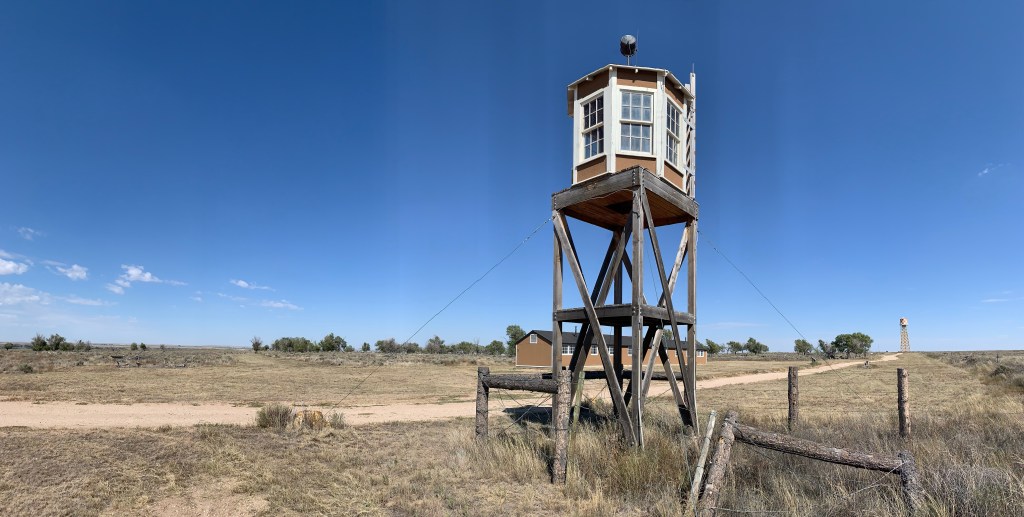
San Francisco residents went to Tanforan—now a shopping mall on the peninsula. Los Angeles residents were sent to Santa Anita or Pomona. Some were housed in racetrack horse stalls, which they needed to clean out themselves. California and half of Washington, Oregon and Arizona were declared ‘exclusion zones’ by the military, and no person of Japanese descent was allowed to remain there. Instead, they were transported from the assembly centers to one of ten camps. The American woman and her baby above were sent to Manzanar in California and then to Minidoka in Idaho. Others went to Amache in Colorado, Rohwer & Jerome in Arkansas, Topaz in Utah, Heart Mountain in Wyoming, Poston & Gila River in Arizona, and some were sent to the ‘segregation camp’ at Tule Lake in California near Oregon. Some male inmates were ordered to build their own barracks, latrines and other buildings. Women prepared meals for thousands. Guard towers were raised along barbed wire fences with searchlights and machine guns pointed inward. There was no privacy, not among family, not at meals, not in the group latrines and not in the group showers. The camps were in remote, desolate, dusty, unpopulated areas away from towns, many were deserts, some mountains and all were sabishii—lonely and forsaken.
Many Americans, including those incarcerated, were lied to about the program by our government: “temporary”, “for your own safety”, “normal” and “happy”. Even today, the program is referred to as “Japanese Internment Camps”, but the vast majority of those incarcerated were not Japanese, they were US citizens, mainly by birth, many never having been to Japan. Propaganda films lied and stated that “household belongings” were shipped to “pioneer villages”, that only those “within a stone’s throw” of military bases were forced to move, that people were “given jobs and more space in which to live” and “managed their own security”. The program was sold as being exemplarily generous, that the military provided for all needs and that the Japanese Americans “approved whole-heartedly”. Journalists and others were periodically given limited access only to the barracks of the most cooperative inmates.
In fact, there were water shortages, food shortages, food poisoning, unsafe living and working conditions, military brutality, unfair punishments, false charges, and inmates fatally shot, including a dog walker at Topaz, a truck driver at Tule Lake, and two protesters at Manzanar where guards fired into a crowd. Some elderly patients had been taken to the camps from their hospital beds, and over 1,850 died of disease and medical problems, including many infants. Complaints were discouraged or mocked. Pressure campaigns were used to enlist men into active combat in Europe. And always, anyone suspected of being disloyal was encouraged to renounce their citizenship and leave the country. In this system, particularly at Tule Lake, some reacted to their treatment by trying to be more Japanese, organizing protests and yelling Banzai—‘long live the Emperor’—at the guards.
They were Americans, and their Constitutional Rights of speech, to be secure in their homes and to due process were all violated for years. The root of this program was racism. Americans of Japanese descent were assumed to have loyalty to a foreign power, and even when they were natural born American citizens, they couldn’t be trusted and would have to prove their loyalty again and again. The Issei—1st generation—chose this country rather than the one of their birth. The Nissei—second generation—were born here, but some parents sent their children back for schooling Japan to preserve their language and culture. These children were called Kibei—returnees to America—, indicating that their parents wanted them to live here. All were Americans, either by their own choice or by their parents’. Only their fellow citizens refused to see them as truly Americans.
Although I quote Eleanor Roosevelt below, FDR and many other Americans believed in the ‘melting pot’—meaning melting metal to forge steel—, that Americans had a duty to assimilate and that their cultures would be purified into one culture. But the price of citizenship does not include giving up one’s culture, whether your name is Ohara or O’Hara. Imagine something happens in the future, and people of your family background are herded up and sent to Guantanamo. Even though you did nothing wrong, your guilt is suspected based on your family cultural background. Your communications are censored, and you are treated the same as foreigners or prisoners of war. And when you finally are freed, all your property has been taken, and nobody will help.
Visit national park sites for camps like Manzanar, Minidoka, Amache and Tule Lake, and interpretive sites in Seattle like the Klondike visitor center which partners with Bainbridge Island and the Wing Luke Museum. Topaz has a museum in Delta Utah (off I-15 towards Great Basin). Poston (off I-10) has a historic marker placed by internees & the Colorado River Indian Tribes near Parker on the Arizona border with California. Heart Mountain has an interpretive center between Cody and Powell in Wyoming (on the road between Yellowstone and Bighorn Canyon). Gila River is on restricted reservation land near Hohokam Pima—neither are open to the public—but the Huhugam Heritage Center has a small free exhibit, not far from Phoenix. There’s a museum in McGehee Arkansas for Rohwer and a monument for Jerome; both are just south of Arkansas Post. The Hawaiian experience was very different, but Honouliuli will eventually open as a historic site. Please encourage your elected representatives to preserve the history at all the camps.
I encourage you to read more about the experiences of the Americans who were sent to American Concentration Camps during WWII: Farewell to Manzanar, Only What We Could Carry, Journey to Topaz, Snow Falling on Cedars, and They Called Us Enemy, among many others. And take a moment to think about how you would feel, if it happened to your family.
“We have no common race in this country, but we have an ideal to which all of us are loyal: we cannot progress if we look down upon any group of people amongst us because of race or religion. Every citizen in this country has a right to our basic freedoms, to justice and to equality of opportunity. We retain the right to lead our individual lives as we please, but we can only do so if we grant to others the freedoms that we wish for ourselves.”
Eleanor Roosevelt, after visiting Gila River during WWII
UNESCO recognizes this colorful, artistic city for its historic zone reflecting its native and colonial combined roots. Otomi musicians and doll vendors walked in the narrow alleyways winding around grand churches, much as they have for hundreds of years. Beautiful public plazas with historic groves of trees, Baroque churches, vibrant architecture, and galleries fill the spaces. And art flows into the streets, with public displays of famous paintings, both local and international exhibited outside. While I intended to focus on the history of revolutionary conspirators, the trial of Maximillian and the drafting of the Mexican constitution, the fascinating streets pulled me away from the Teatro de la República and had me wandering around in circles taking in the atmosphere amazed. This is a cultural feast!
While not a national park site, I just had to stop to see the legendary Gunfight at OK Corral. The shootout was so quick I only got this photo of the aftermath. As mass shootings go now, I doubt this one from 1881 would make the news today. Now mass shooters kill more in one hour than any old west gunslinger did in their lives.
This Arizona town—named after a silver claim wrongly thought hopeless—is not far from a Butterfield Stage stop, and it has restored horse-drawn stagecoaches that take folks around the historic center of town. Boot Hill cemetery is another famous site here, but there are loads of historic saloons, re-enactments, museums, shops and more.
The “world’s largest rose tree” is in a courtyard near the courthouse, and it’s amazing how large plants can get if we let them grow. Nellie Cashman ran a string of successful businesses here before moving on to the Klondike. Three Mexican Revolutionaries were convicted in the old county courthouse here, along with the Bisbee Massacre gang. And Geronimo had his famous photo taken by the photographer who had a studio above.
West of town is the San Pedro Riparian conservation area, which protects nature and both Native American and Spanish sites. Further west on the other side of Apache Peak is Las Cienegas—the marshes—conservation area, which is a beautiful protected grassy lowland in a historic ranching area. Since many tourists fly around burning carbon these days, they miss these distinct and fascinating features of the old west.
The first school for African Americans began in Boston in 1798, was named Abiel Smith in 1815 and joined the Boston Public School System in 1816. In 1847, Sarah Roberts was denied admission to a closer, better funded white school, and her father sued, hiring Robert Morris, an African American attorney. The case ended up being forcefully argued by Abolitionist Charles Sumner—who was later beaten with a cane in the US Senate—, but lost. However, five years after the verdict, Massachusetts voted to outlaw public school segregation in 1855, 100 years before the US Supreme Court. And black education advanced elsewhere, such as Wilberforce College, begun by the African Methodist Episcopal (AME) Church in 1856 in Ohio, the first college owned and run by African Americans.
That school desegregation law might not have come to pass if not for the extraordinary Frederick Douglass. Taught the alphabet as a 12 year old Maryland house slave, then denied further education and fiercely beaten, Frederick secretly taught himself to read and write. With the encouragement of Anna Murray, a free black woman from Baltimore, he escaped, married her and settled in Massachusetts. He joined the AME Zion Church (following Harriet Tubman and Sojourner Truth) and became a preacher in 1839. From then until his death 56 years later, Douglass was a paid speaker for Civil Rights. He befriended William Lloyd Garrison and began speaking to Abolitionists about his escape from slavery. He toured the northern states with the Anti-Slavery Society, and he toured Ireland and Great Britain, lecturing in churches. In England he befriended the Abolitionist Thomas Clarkson who got Parliament to end slavery in its colonies, and his English supporters bought Douglass’ freedom from his owner in Maryland. He returned to fight for abolition, desegregation and suffrage. Douglass wrote three best-selling autobiographies, and many readers were astonished that his speeches and books were the work of a former slave. He worked on the Underground Railroad with Tubman and with John Brown. During and after the Civil War he worked with Presidents. He fought for women’s suffrage. While not a traditional educator, Douglass changed many people’s minds, the most influential force for advancing Civil Rights in American History. In fact many of his works have not since been surpassed, such as his 1852 speech “What to the Slave is the Fourth of July?”
Emancipation brought an immediate need for schools, and northern churchgoing Abolitionist ladies, both white and black, went south to teach, even as the Civil War was just beginning. The Penn School was founded in South Carolina in 1862. Hampton University began as a ‘contraband school’, and attracted one ex-slave named Booker T. Washington to walk across Virginia to go to school. He founded the Tuskegee Institute in Georgia and hired another ex-slave named George Washington Carver, who would bring early bookmobiles or wagons loaded with techniques to improve agriculture into the fields to educate thousands of ex-slaves. Freedman Bureau schools were built along the border, including at Harpers Ferry, where Douglass and WEB DuBois lectured the children of slaves at Storer College. Booker T. Washington met Sears philanthropist Julius Rosenwald, whose parents lived next to self-educatedAbe Lincoln, and in 1911 they began building 5,000 Rosenwald Schools across the south.
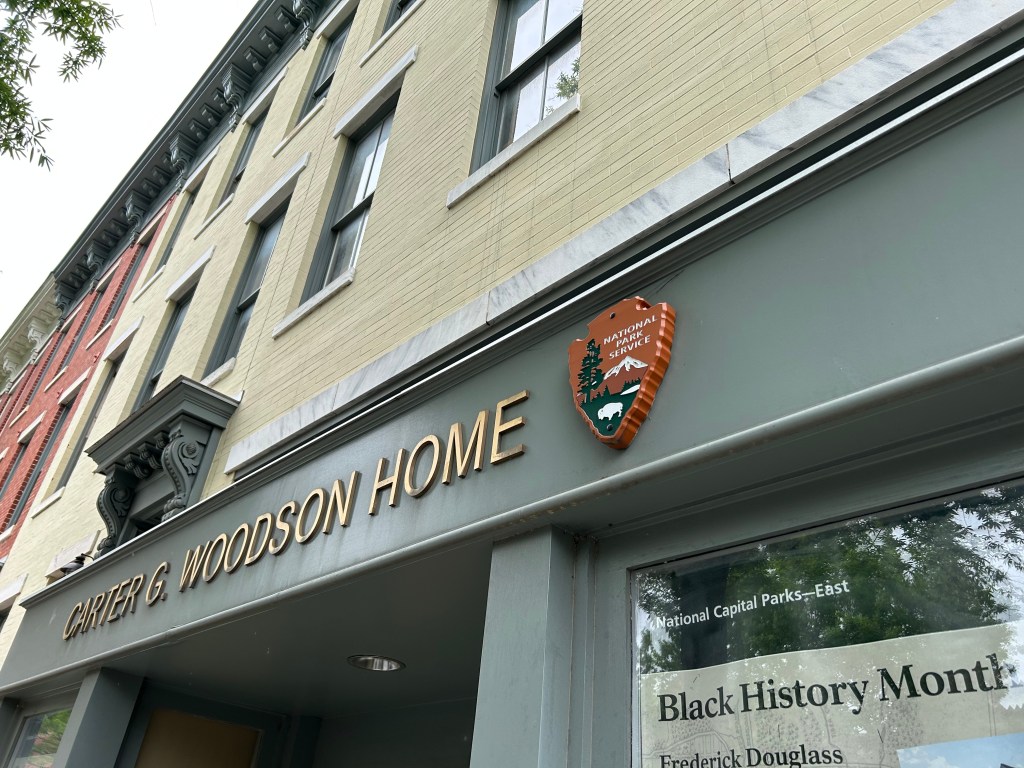
While desperately needed, education was starkly unequal, and white teachers often had different expectations and goals for African American children. In Native American schools, education meant cultural obliteration, as native languages, songs, oral histories, traditions and cultural connections were severed, punished and often lost. Education needs people who respect, support and celebrate their students, culture and communities. Carter G. Woodson—the only Harvard History PhD whose parents had been enslaved—understood that, and he went on to lead the national education movement for African Americans in Washington DC, nationally raising standards, publishing, and mentoring future leaders, like educator and presidential advisor Mary McLeod Bethune. Dr Woodson believed that African American History needed to be studied and understood, and it is largely due to his efforts that we have Black History Month.
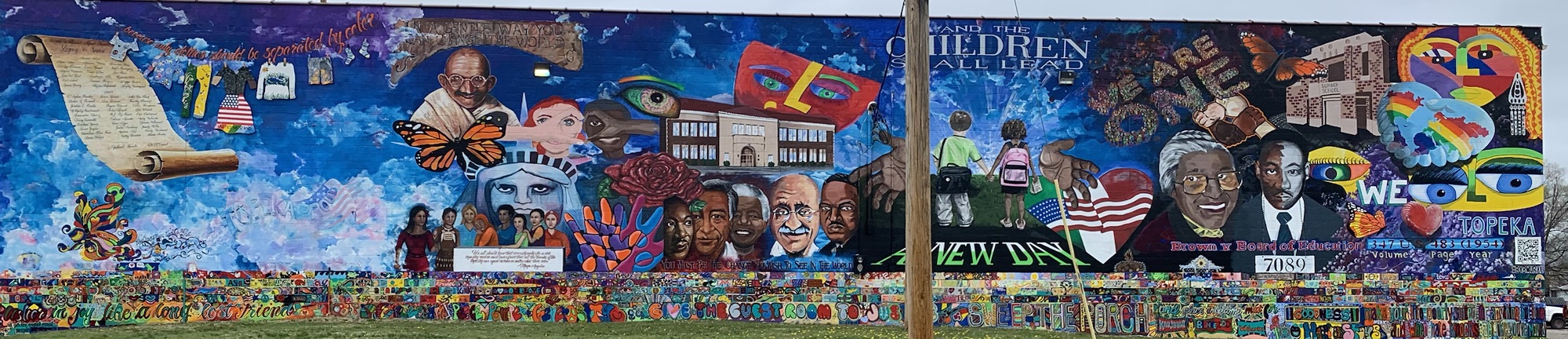
Ultimately, the Supreme Court had to decide that segregated schools were unfair, damaging to black children and unconstitutional, in Brown v Board (see community mural above). In Texas there’s a segregated school for Mexican American children, shut down after Brown, that shows an unequal school. Desegregation led to race riots at Little Rock Central High School, and Eisenhower sent in the 101st Airborne to walk black children to school. Some districts shut schools down for years rather than integrate.
Education is still too segregated in the US, and recent studies suggest racial disparities in education are now getting worse, especially as the Supreme Court no longer enforces Civil Rights laws effectively. For hundreds of years it was illegal for slaves to learn. No reading, no math, no writing, just the darkest ignorance, enforced by the whip. The men and women who struggled to lift themselves and others out of that darkness, knew the value of education for themselves and their children. Our teachers perform this heroic task every day, with little recognition, fighting against the cruelty of ignorance. Anne Sullivan brought Helen Keller out of darkness by teaching, becoming the first woman interred at the Olmsted designed National Cathedral, followed by her most famous student. We have traveled a great distance on the road to educational equality, but we must not turn back. We must keep teaching and learning and not stop until we get there.
“Thus the thoughtless drift backward toward slavery.”
Carter G. Woodson, from The Mis-Education of the Negro
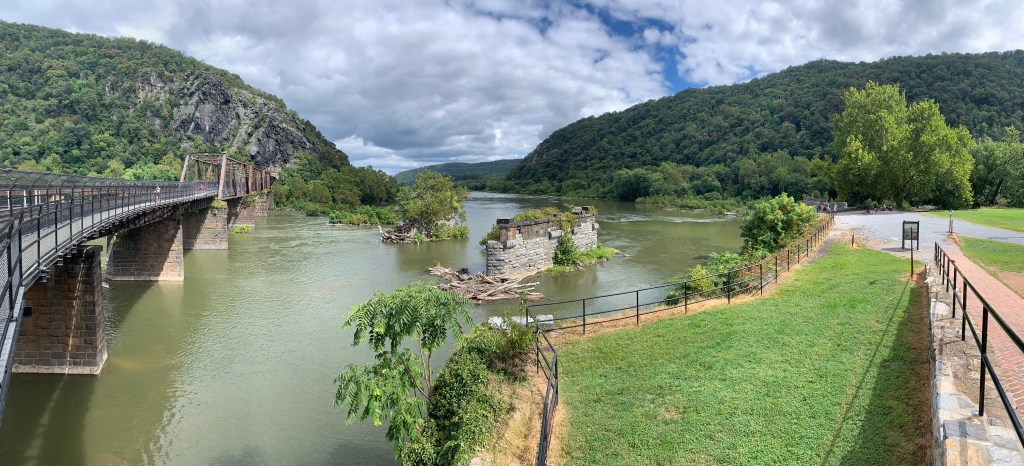
The precursor to the Civil War was John Brown’s raid on Harpers Ferry arsenal in 1859. Lee, Jackson & Jeb Stuart were all there in uniform, before they turned against our country. Douglass & Tubman were not in the raid, although they were involved. Booth arrived to witness Brown’s execution. The government may have quickly restored order in town, but across the country people divided into abolitionists or secessionists. Lincoln, arguing against slavery, was elected in 1860, and southern states began to secede to protect slavery.
The Confederacy raised an army and attacked Fort Sumter in April of 1861. That same month, Union soldiers were attacked by Confederate sympathizers in Baltimore, leading Clara Barton to begin her service as a nurse. In May three escaped slaves were granted protection as ‘contraband’ at Fort Monroe in northern Virginia. Lincoln sent troops south where they were incompetently led into battle at Manassas in Virginia in July. The Confederates also won at Wilson’s Creek but were unable to take Missouri. The Union won at Carnifex Ferry in September, causing West Virginia to split from Virginia and become a state in 1863. In November, the Union Navy took Port Royal South Carolina, liberating 10,000 slaves, many forming the first African American regiment there one year later.
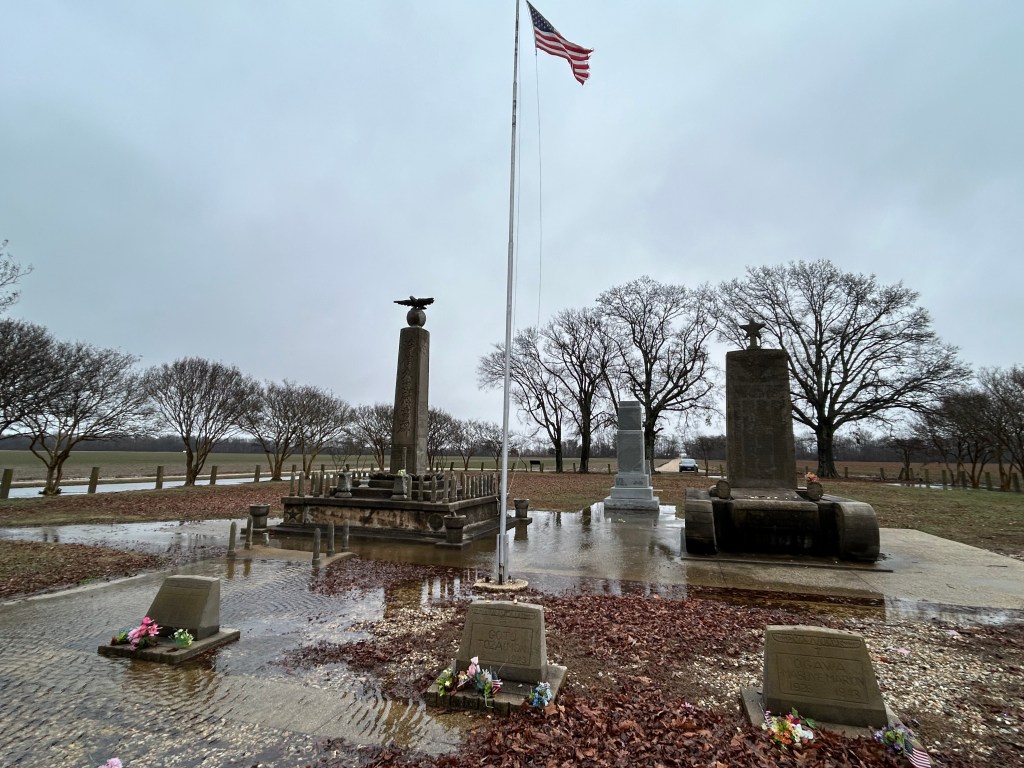
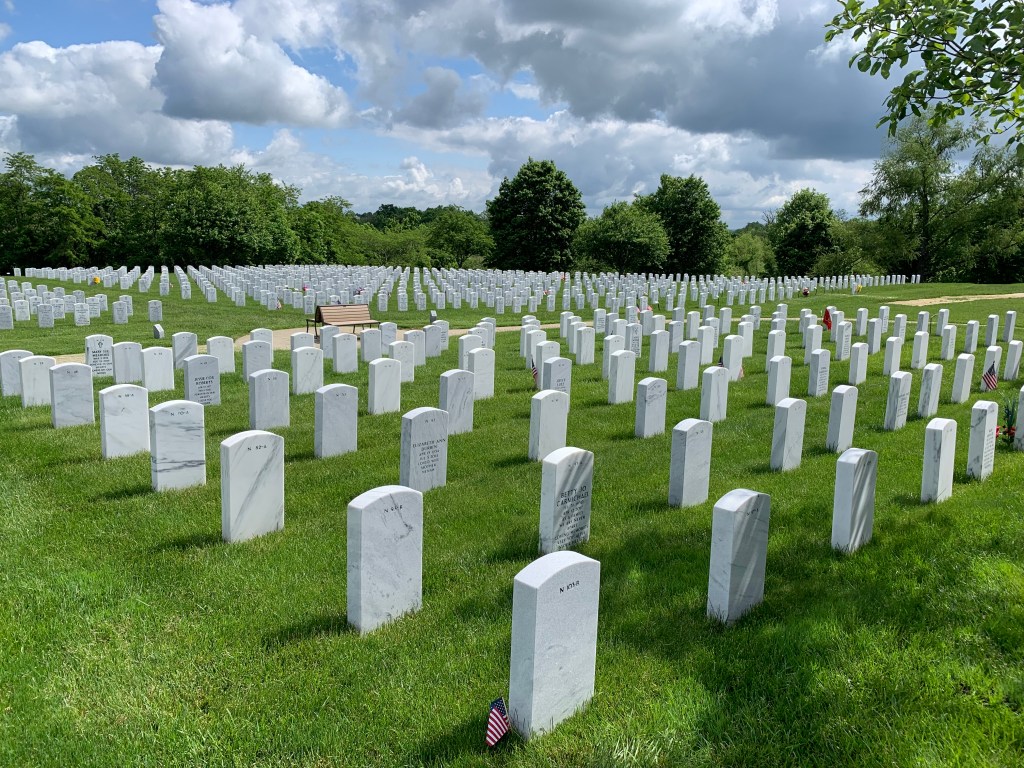
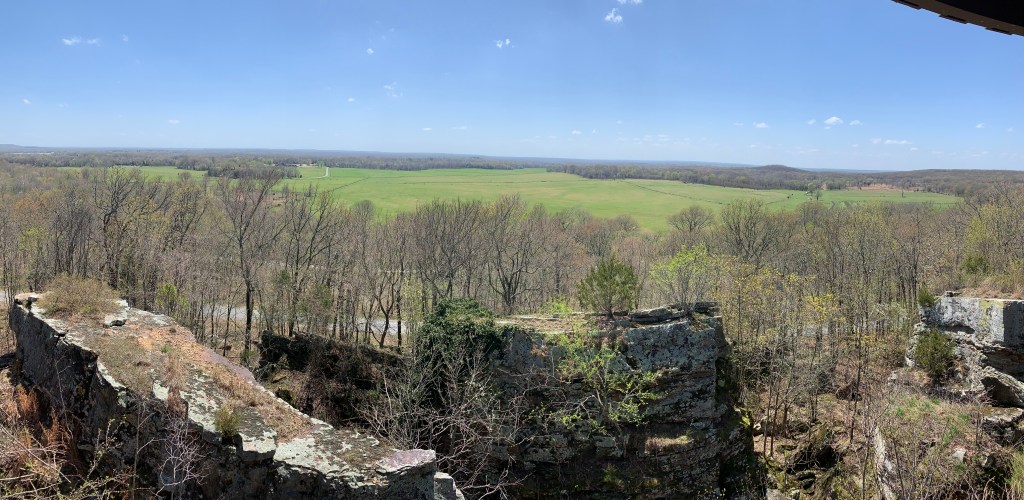
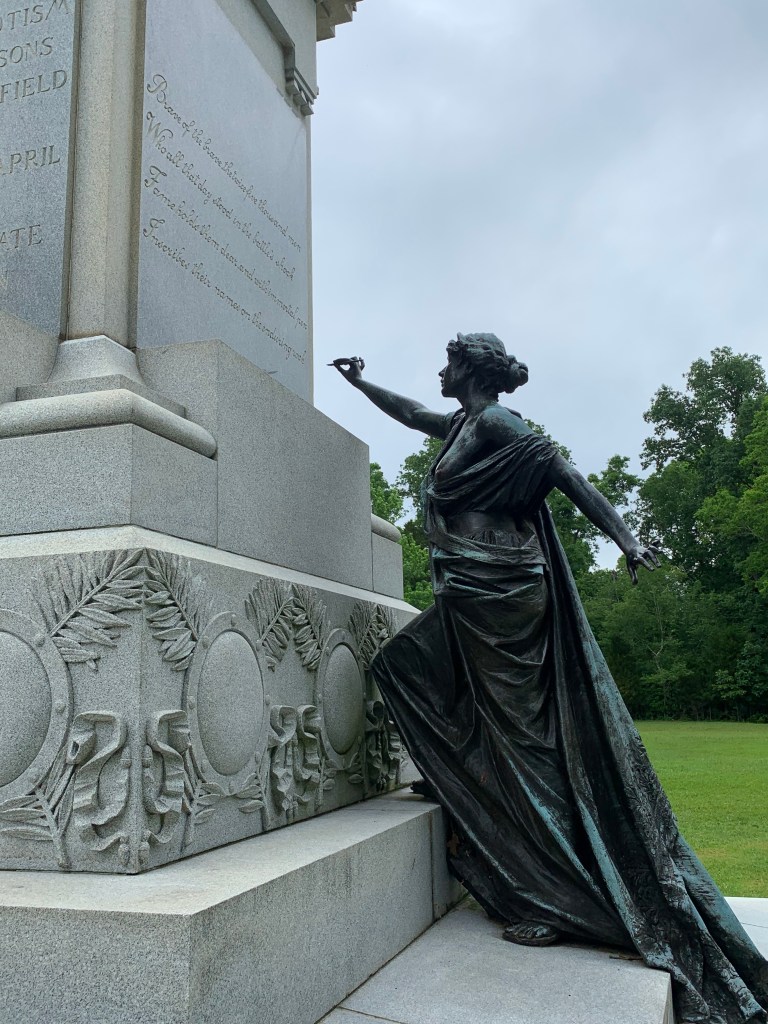
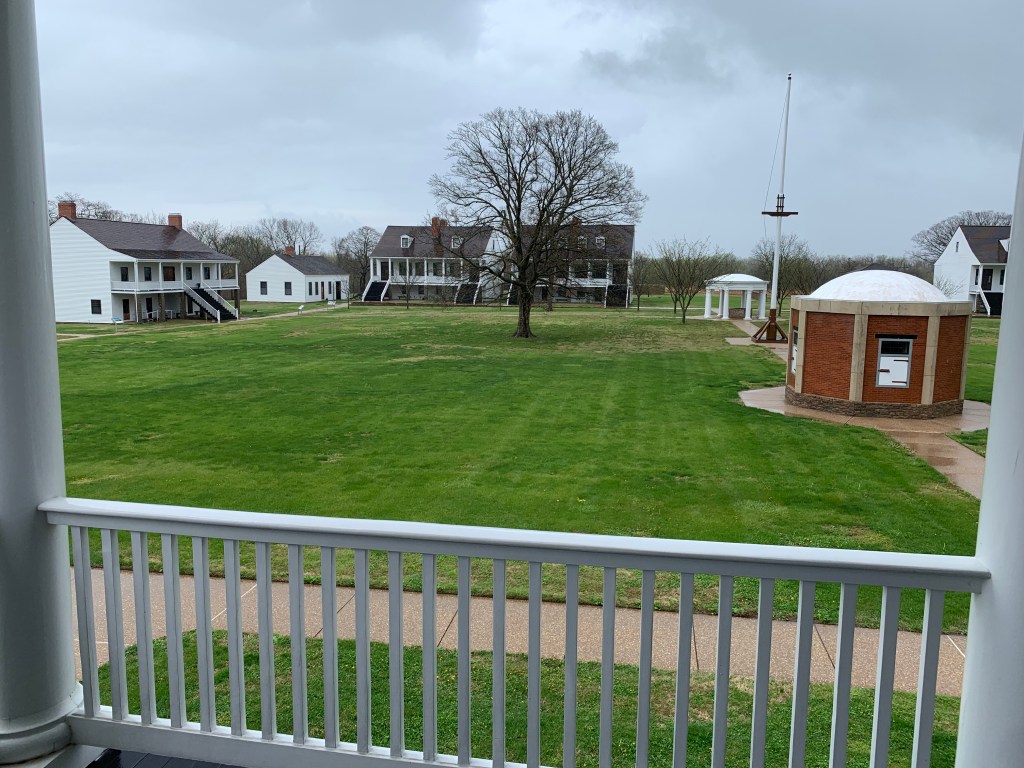
In January 1862 the Union won at Mill Springs Kentucky, followed the next month by Grant taking Fort Donelson on the strategic Cumberland River in northwest Tennessee. In March the Union won again at Pea Ridge in Arkansas and at Glorietta Pass in New Mexico, supported by Fort Union cavalry. In Tennessee in April, Shiloh (above) was a costly victory, followed by naval victories at Fort Pulaski blockading Savannah Georgia and the capture of New Orleans in Louisiana, where three more African American regiments would form within a year. In May the Union took Yorktown in Virginia, but in June the Union failed in its approach to Richmond. Then in August another loss at Manassas again. The Confederates marched into Maryland, but lost at Antietam in September. In December, the Union failed again in Virginia at Fredricksburg.
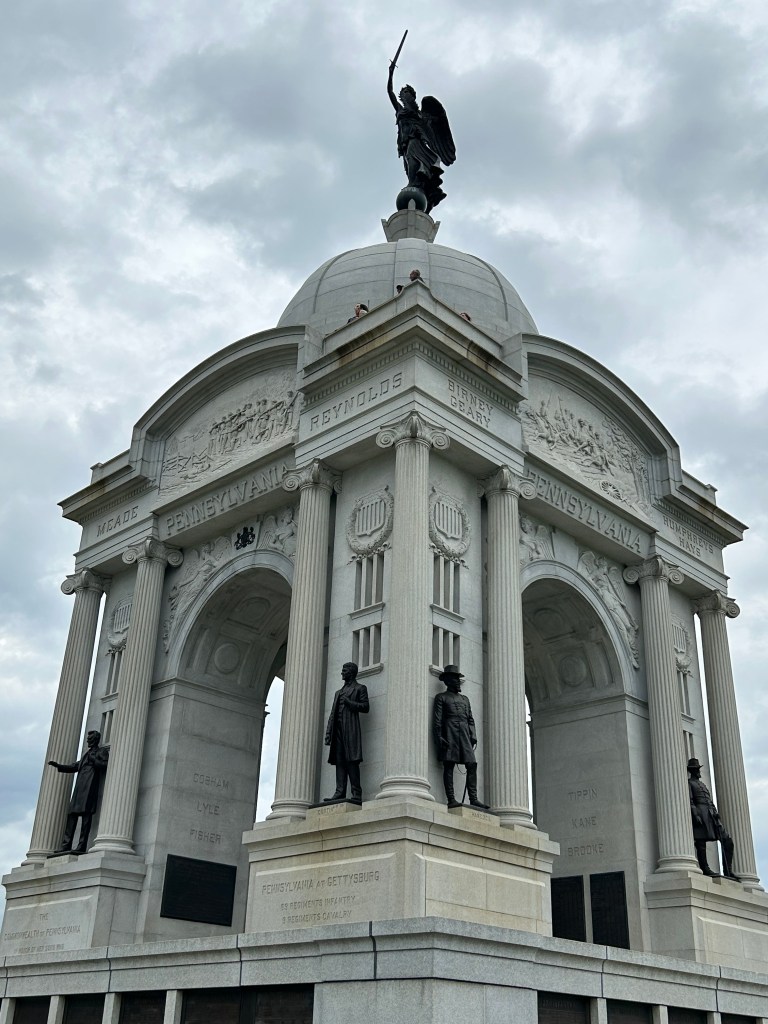
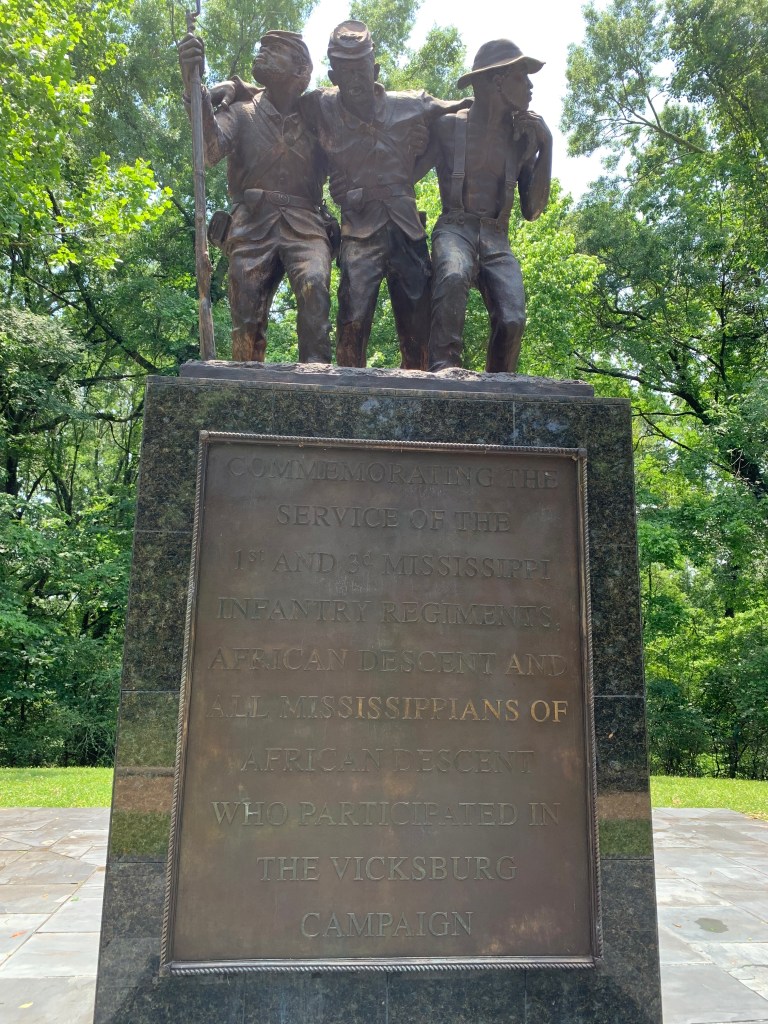
On the 1st of January 1863, the Emancipation Proclamation was read first with immediate effect to the SC 1st Volunteers, freeing them, their families and friends forever. Many more emancipated and free African American men would join the Union army at bases like Camp Nelson in Kentucky, Fort Scott in Kansas, and New Bedford and Boston in Massachusetts. That same winter the Union won at Stones River in Tennessee but lost at Chancellorsville in Virginia in spring. On June 2nd, Union spy Harriet Tubman led 150 African American soldiers to free 700 slaves at Combahee Ferry. Lee marched north again, losing decisively in July at Gettysburg in Pennsylvania. Grant concluded his siege of Vicksburg the next day, July 4th. In the fall the Union advanced to the border of Tennessee and Georgia at Chattanooga and Chickamauga.
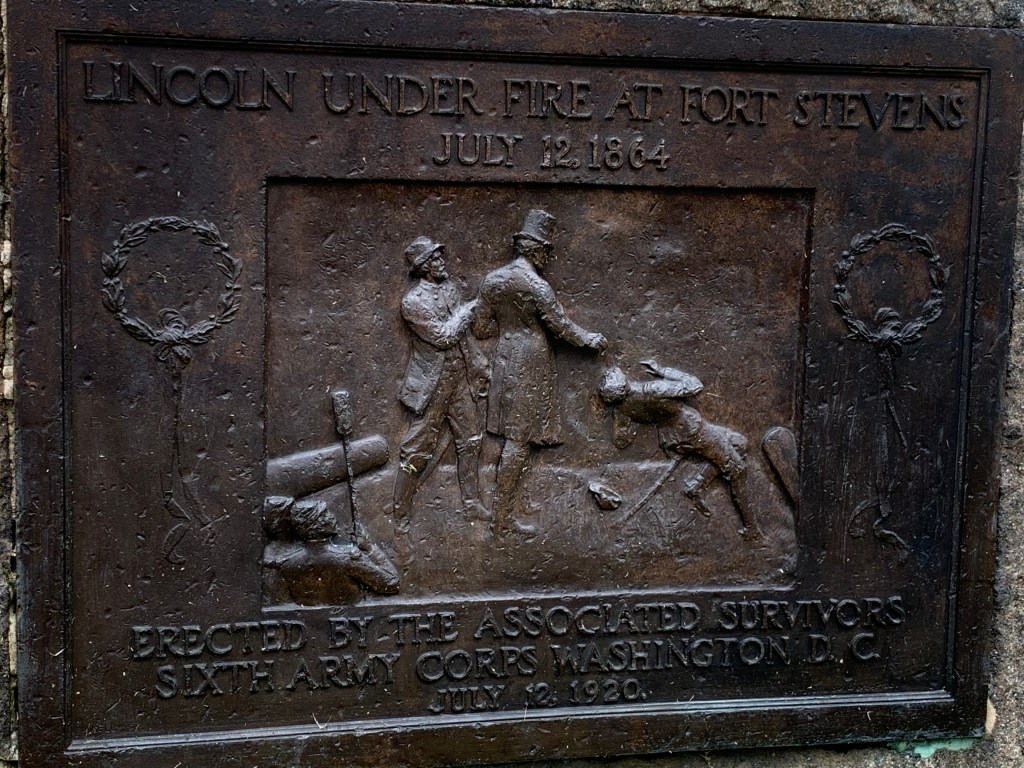
In 1864 the Union took northern Virginia with extensive fighting in Spotsylvania county. Slowly Grant was advancing towards Richmond, at one point outmaneuvering Lee at Petersburg and beginning a long siege of both cities. Meanwhile, Sherman was advancing in Mississippi, despite delays at Brices Cross Roads and Tupelo. In Georgia, Sherman was stopped at Kennesaw Mountain in July, before resuming his march to the sea. With the Confederate capital under siege, Lee ordered a sneak attack on the Union capital in July, crucially delayed at Monocacy in Maryland, after which snipers fired at Fort Stevens in DC. In August, Farragut took the last major southern port of Mobile Bay in Alabama. And in October, the Union defended the Shenandoah Valley at Cedar Creek in Virginia.
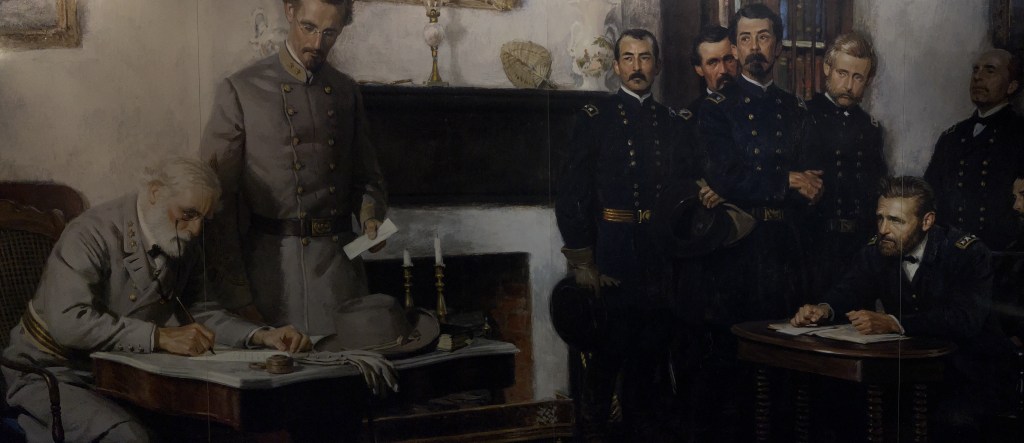
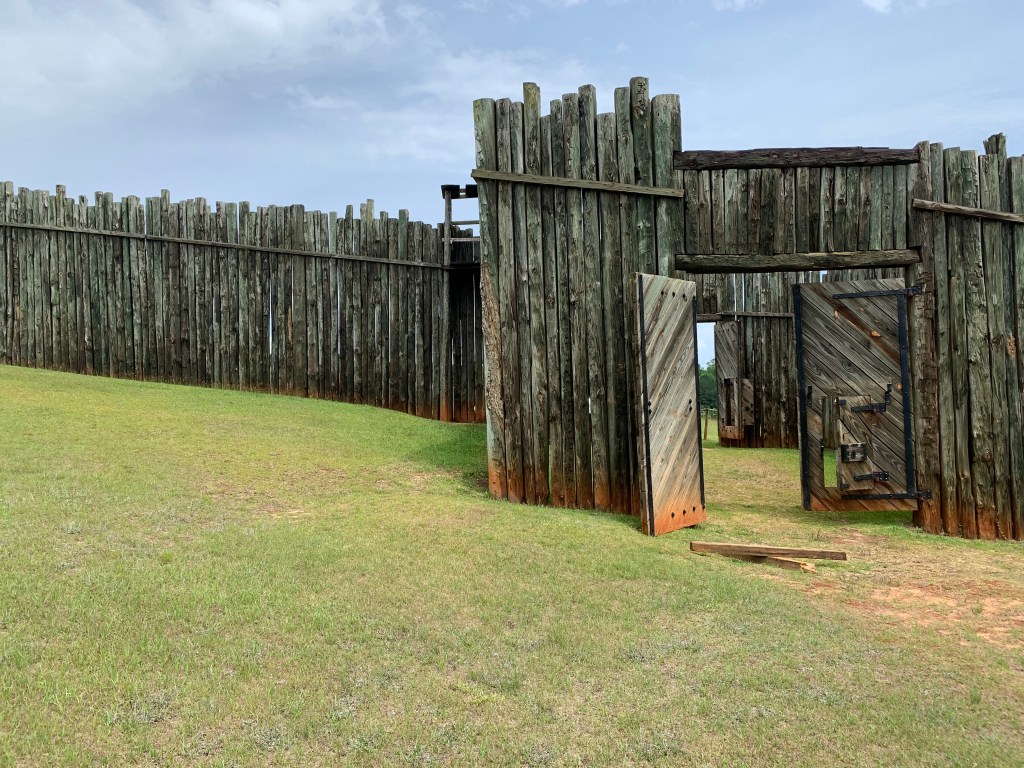
In the spring of 1865, after a months-long siege, Lee abandoned both Petersburg and Richmond, retreated and then surrendered in Appomattox in April. Andersonville was liberated in May. The CSS Shenandoah, which circumnavigated the globe during the war seizing African American crews from whaling ships, surrendered in Liverpool England in November, the last act of the war.
The precursor to the Civil War was John Brown’s raid on Harpers Ferry arsenal in 1859. Lee, Jackson & Jeb Stuart were all there in uniform, before they turned against our country. Douglass & Tubman were not in the raid, although they were involved. Booth arrived to witness Brown’s execution. The government may have quickly restored order in town, but across the country people divided into abolitionists or secessionists. Lincoln, arguing against slavery, was elected in 1860, and southern states began to secede to protect slavery.
The Confederacy raised an army and attacked Fort Sumter in April of 1861. That same month, Union soldiers were attacked by Confederate sympathizers in Baltimore, leading Clara Barton to begin her service as a nurse. In May three escaped slaves were granted protection as ‘contraband’ at Fort Monroe in northern Virginia. Lincoln sent troops south where they were incompetently led into battle at Manassas in Virginia in July. The Confederates also won at Wilson’s Creek but were unable to take Missouri. The Union won at Carnifex Ferry in September, causing West Virginia to split from Virginia and become a state in 1863. In November, the Union Navy took Port Royal South Carolina, liberating 10,000 slaves, many forming the first African American regiment there one year later.
In January 1862 the Union won at Mill Springs Kentucky, followed the next month by Grant taking Fort Donelson on the strategic Cumberland River in northwest Tennessee. In March the Union won again at Pea Ridge in Arkansas and at Glorietta Pass in New Mexico, supported by Fort Union cavalry. In Tennessee in April, Shiloh (above) was a costly victory, followed by naval victories at Fort Pulaski blockading Savannah Georgia and the capture of New Orleans in Louisiana, where three more African American regiments would form within a year. In May the Union took Yorktown in Virginia, but in June the Union failed in its approach to Richmond. Then in August another loss at Manassas again. The Confederates marched into Maryland, but lost at Antietam in September. In December, the Union failed again in Virginia at Fredricksburg.
On the 1st of January 1863, the Emancipation Proclamation was read first with immediate effect to the SC 1st Volunteers, freeing them, their families and friends forever. Many more emancipated and free African American men would join the Union army at bases like Camp Nelson in Kentucky, Fort Scott in Kansas, and New Bedford and Boston in Massachusetts. That same winter the Union won at Stones River in Tennessee but lost at Chancellorsville in Virginia in spring. On June 2nd, Union spy Harriet Tubman led 150 African American soldiers to free 700 slaves at Combahee Ferry. Lee marched north again, losing decisively in July at Gettysburg in Pennsylvania. Grant concluded his siege of Vicksburg the next day, July 4th. In the fall the Union advanced to the border of Tennessee and Georgia at Chattanooga and Chickamauga.
In 1864 the Union took northern Virginia with extensive fighting in Spotsylvania county. Slowly Grant was advancing towards Richmond, at one point outmaneuvering Lee at Petersburg and beginning a long siege of both cities. Meanwhile, Sherman was advancing in Mississippi, despite delays at Brices Cross Roads and Tupelo. In Georgia, Sherman was stopped at Kennesaw Mountain in July, before resuming his march to the sea. With the Confederate capital under siege, Lee ordered a sneak attack on the Union capital in July, crucially delayed at Monocacy in Maryland, after which snipers fired at Fort Stevens in DC. In August, Farragut took the last major southern port of Mobile Bay in Alabama. And in October, the Union defended the Shenandoah Valley at Cedar Creek in Virginia.
In the spring of 1865, after a months-long siege, Lee abandoned both Petersburg and Richmond, retreated and then surrendered in Appomattox in April. Andersonville was liberated in May. The CSS Shenandoah, which circumnavigated the globe during the war seizing African American crews from whaling ships, surrendered in Liverpool England in November, the last act of the war.


























 Zero Carbon Travel