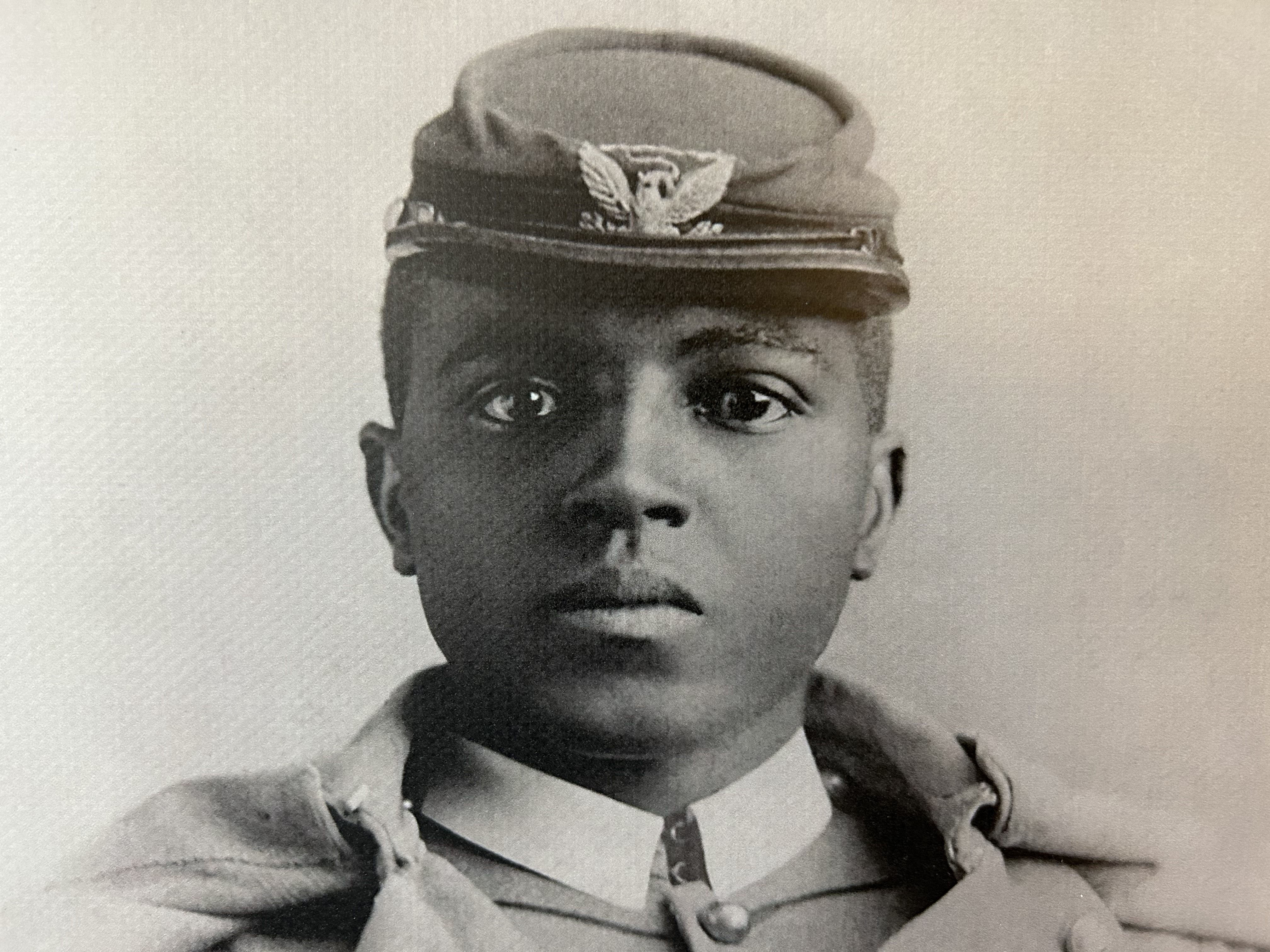
Charles Young’s father was born into slavery, escaped and joined an African American heavy artillery regiment in the Civil War. His mother and grandmother were also born into slavery but were educated and taught Charles as a boy.
Charles Young was the third African American West Point graduate to become an officer, and in 1901 he became the first African American Captain in the Army. Young was also the first African American superintendent of a National Park, Sequoia, and he eventually became the first African American Colonel in our Army.
The park here reflects the community in Wilberforce, which is the site of the first University owned and operated by African Americans. Young taught military tactics and how to be a soldier. The University also employed luminaries including WEB DuBois, voting rights activist Hallie Q. Brown, and the poet Paul L. Dunbar, all of whom enjoyed the hospitality and vibrant discussions held regularly at the Young family home, once a stop on the Underground Railroad. The Young house is still in the midst of extensive renovations, and there’s a small exhibit inside a nearby seminary library.
Young was an excellent officer, who overcame great prejudices during his interesting career, but the site is also dedicated to the many African Americans who served with him and after him. In the west, these soldiers were known as Buffalo Soldiers, due to their curly black hair, and their service is recognized at 20 different national parks, including Forts Bowie, Davis, Larned, Point, Union and Vancouver. Tragically, much of their service was against Native Americans.
 Zero Carbon Travel
Pingback: The Road to Equal Education | Zero Carbon Travel
Pingback: Black History Month | Zero Carbon Travel
Pingback: Black History Month | Zero Carbon Travel
Pingback: Northern Rio Grande and Sangre de Cristo National Heritage Areas | Zero Carbon Travel