Black History Month

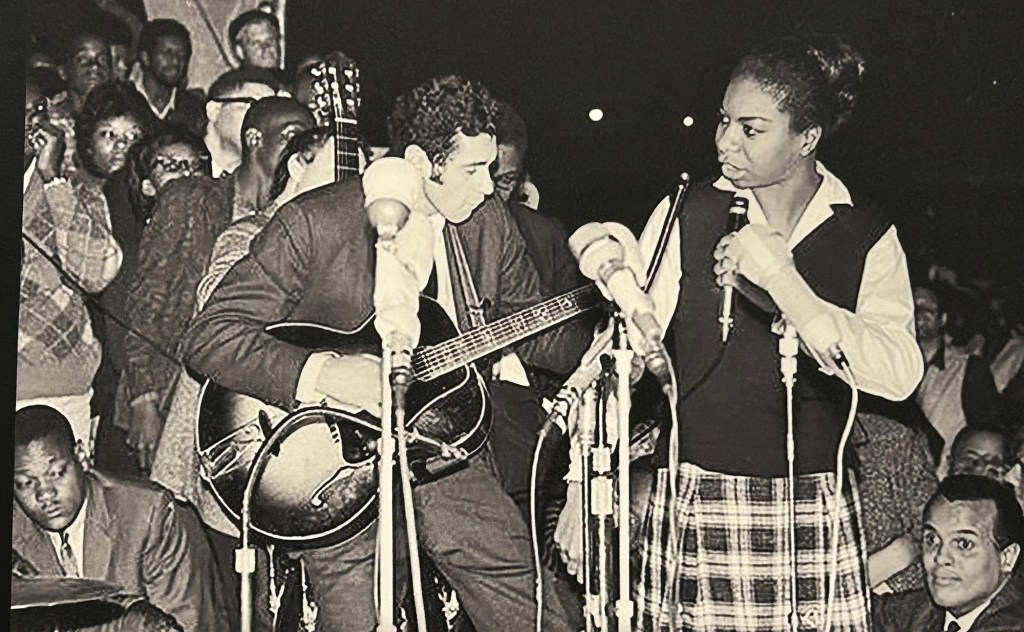
Nina Simone on the march from Selma to Montgomery, with Harry Belafonte lower right.

Black History is about much more than emancipation and education. Beyond the basic rights to liberty and literacy, Americans have a right to pursue happiness. All year long, the national park service celebrates those who broke the barriers that denied black people their full rights as citizens.

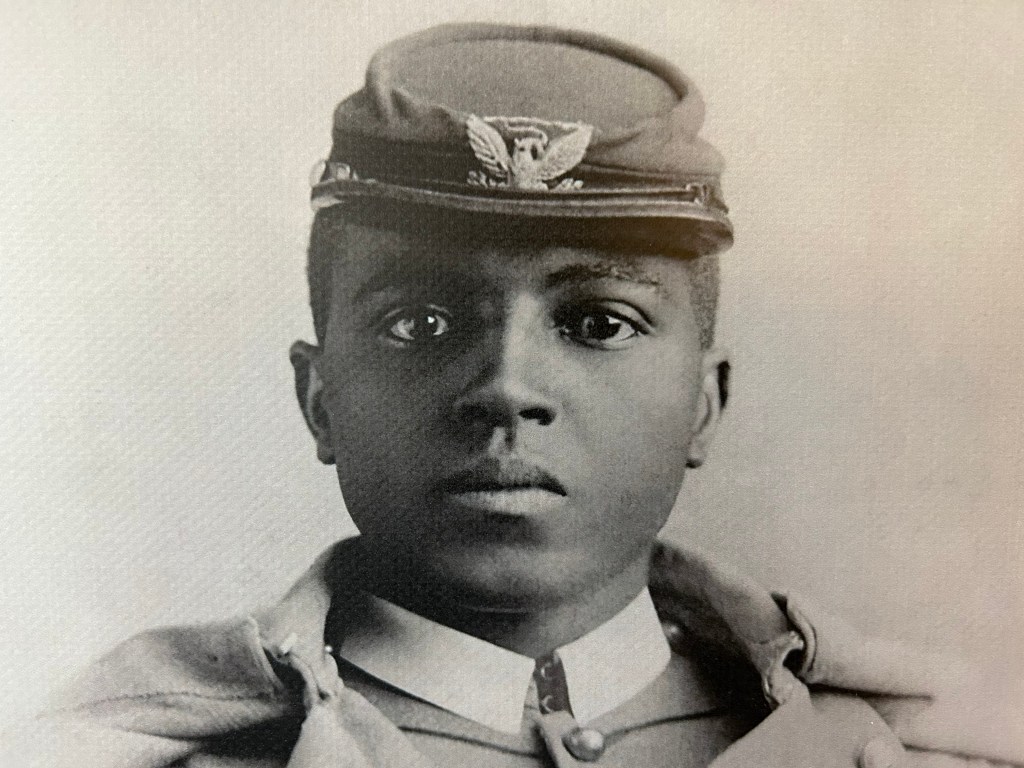
The African Burial Ground predates our country, includes both free and slave, and is today a powerful symbol of the right to belong, be recognized and be remembered. New Philadelphia, Illinois, was the first town in American officially founded by an ex-slave in 1836. Camp Nelson became a focal point for escaped slaves during the Civil War, both as refugees deserving help and as soldiers with a right to fight in uniform. Nicodemus, Kansas, 1877, is the oldest black settlement west of the Mississippi, and it still lives. Jazz began before the turn of the century in New Orleans. In 1903, Charles Young, born a slave, became the first black national park superintendent, and in 1917 became the first black Army Colonel (surpassing Dr Alexander Augusta, Bvt. Lt. Col. during the Civil War). 

The Springfield Race Riot of 1908 sparked the creation of the NAACP, illustrating both the danger of race hatred and the need for African American advancement. In 1911, Maggie Walker, daughter of a slave, became the first African American woman to found and run a bank, among her many civic accomplishments in Richmond, Virginia, and nationally. In April 1939 after being refused the right to sing elsewhere, Marion Anderson made national news singing at the Lincoln Memorial.

WWII brought new opportunities, including employment for African American women among the Rosie the Riveters who built our fleets and the Tuskegee Airmen who helped turn around the war by defending our bombers over Germany. Tragically, segregation in the military led to the Port Chicago disaster in 1944, which in turn led to desegregation in the military. 

Eisenhower was President in 1955, and America was a very conservative, 88% white, 95% Christian country. Still, when Mamie Till-Mobley’s boy was brutally murdered in Mississippi, she shocked the conscience of the nation with his open casket, sparking the Civil Rights Movement. In 1961, black and white Freedom Riders rode buses to integrate interstate travel, lunch counters and restrooms, but were attacked by “Citizens Councils for Racial Integrity”: the KKK. Despite school desegregation, Normandy Veteran Medgar Evers was denied law school admittance due to his race, so he worked with the NAACP on desegregation, civil rights protests and an investigation into Till’s murder. Returning home the morning after listening to JFK (below) promising to desegregate “hotels, restaurants, theaters, retail stores, and similar establishments”, Evers found his FBI protection detail had been suddenly withdrawn, and he was shot in his driveway, unintentionally desegregating the white hospitals of Mississippi shortly before dying.

That September, the KKK killed four young black girls by bombing a church in Birmingham. In November, JFK was assassinated. But the movement did not stop; it grew. In 1965, in Selma, Alabama, three times residents marched towards Montgomery to try to register to vote and to protest. First, they were beaten bloody and unconscious on the street by police on horseback. Second, they were stopped by legal action. And Third, they marched 54 miles to the capitol in Montgomery, joined by people from across the country, 25,000 strong, ultimately securing the Voting Rights Act a few months later.

The Reverend Dr Martin Luther King, Jr, who led that march and many others, gave his life for Civil Rights, along with many others. On 28 August 1963 in front of the Lincoln Memorial, he said, “I have a dream that my four little children will one day live in a nation where they will not be judged by the color of their skin but by the content of their character.” Well, two of his children are now dead, and his youngest is 60. I believe we failed to achieve his dream in his timeframe. But we must not stop trying.

”One hundred years of delay have passed since President Lincoln freed the slaves,
yet their heirs, their grandsons, are not fully free.
They are not yet freed from the bonds of injustice.
They are not yet freed from social and economic oppression.
And this Nation, for all its hopes and all its boasts,
will not be fully free until all its citizens are free.” 

President John F. Kennedy, Televised Address to the Nation on Civil Rights, 11 June 1963

Rohwer

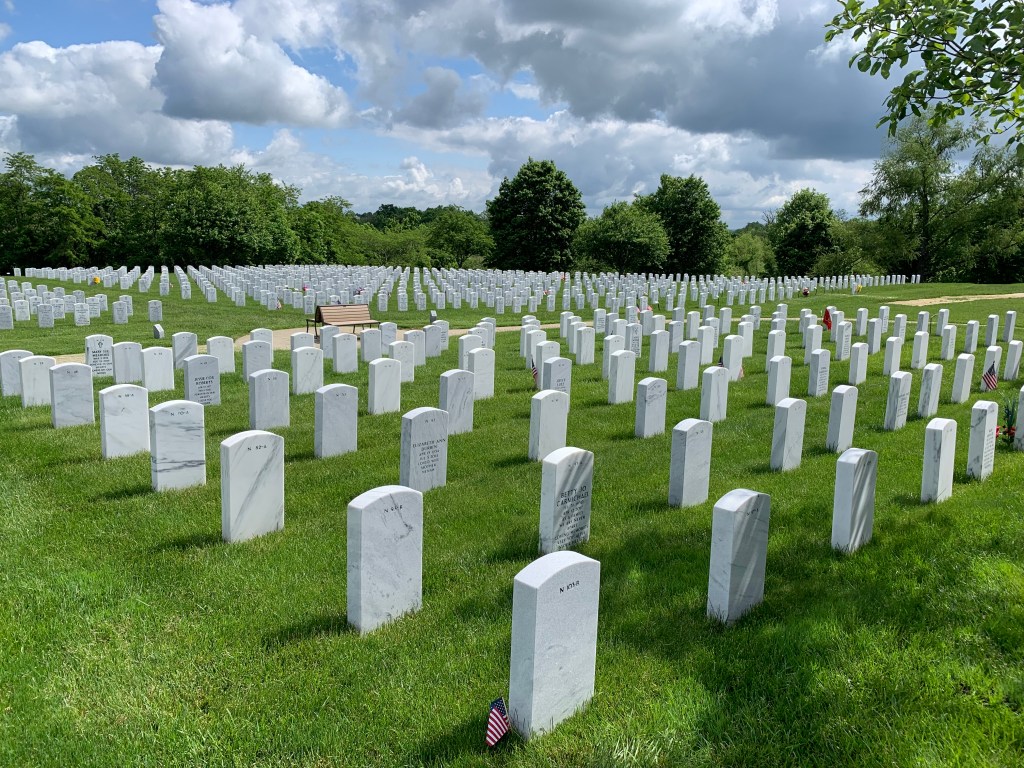
The last American concentration camp to close was Rohwer, Arkansas, deep in the delta near the Arkansas Post. There’s an echo of history, since that site is part of the Trail of Tears, when another group of Americans were forcibly removed from their homes unconstitutionally and sent to live in government reservations. The vast camp soon returned to farmland, so little remains besides the cemetery above. Several of the graves mark infants and elderly inmates. The monument to the right is to the 442nd Regimental Combat team, the most highly decorated unit in US military history. They served in Europe, while their families were imprisoned. 

The neighboring town of McGehee maintains the excellent WWII Japanese American Internment Museum about both Rohwer and Jerome. The sculptor Ruth Asawa was imprisoned here. Another inmate at Rohwer was a 5 year old boy named George Takei, who later played Lt. Sulu on the original Star Trek. 

“And it became normal for me to go to school in a black tar-paper barrack
and begin the school day with a pledge of allegiance to the flag.
I could see the barbed wire fence and the sentry tower
right outside my schoolhouse window
as I recited the words,
‘with liberty and justice for all’.”

George Takei, speech at the museum on 16 April 2018

Here are my visits to all the American Concentration Camps.

The Road to Equal Education

The first school for African Americans began in Boston in 1798, was named Abiel Smith in 1815 and joined the Boston Public School System in 1816. In 1847, Sarah Roberts was denied admission to a closer, better funded white school, and her father sued, hiring Robert Morris, an African American attorney. The case ended up being forcefully argued by Abolitionist Charles Sumner—who was later beaten with a cane in the US Senate—, but lost. However, five years after the verdict, Massachusetts voted to outlaw public school segregation in 1855, 100 years before the US Supreme Court. And black education advanced elsewhere, such as Wilberforce College, begun by the African Methodist Episcopal (AME) Church in 1856 in Ohio, the first college owned and run by African Americans. 

That school desegregation law might not have come to pass if not for the extraordinary Frederick Douglass. Taught the alphabet as a 12 year old Maryland house slave, then denied further education and fiercely beaten, Frederick secretly taught himself to read and write. With the encouragement of Anna Murray, a free black woman from Baltimore, he escaped, married her and settled in Massachusetts. He joined the AME Zion Church (following Harriet Tubman and Sojourner Truth) and became a preacher in 1839. From then until his death 56 years later, Douglass was a paid speaker for Civil Rights. He befriended William Lloyd Garrison and began speaking to Abolitionists about his escape from slavery. He toured the northern states with the Anti-Slavery Society, and he toured Ireland and Great Britain, lecturing in churches. In England he befriended the Abolitionist Thomas Clarkson who got Parliament to end slavery in its colonies, and his English supporters bought Douglass’ freedom from his owner in Maryland. He returned to fight for abolition, desegregation and suffrage. Douglass wrote three best-selling autobiographies, and many readers were astonished that his speeches and books were the work of a former slave. He worked on the Underground Railroad with Tubman and with John Brown. During and after the Civil War he worked with Presidents. He fought for women’s suffrage. While not a traditional educator, Douglass changed many people’s minds, the most influential force for advancing Civil Rights in American History. In fact many of his works have not since been surpassed, such as his 1852 speech “What to the Slave is the Fourth of July?” 
Emancipation brought an immediate need for schools, and northern churchgoing Abolitionist ladies, both white and black, went south to teach, even as the Civil War was just beginning. The Penn School was founded in South Carolina in 1862. Hampton University began as a ‘contraband school’, and attracted one ex-slave named Booker T. Washington to walk across Virginia to go to school. He founded the Tuskegee Institute in Georgia and hired another ex-slave named George Washington Carver, who would bring early bookmobiles or wagons loaded with techniques to improve agriculture into the fields to educate thousands of ex-slaves. Freedman Bureau schools were built along the border, including at Harpers Ferry, where Douglass and WEB DuBois lectured the children of slaves at Storer College. Booker T. Washington met Sears philanthropist Julius Rosenwald, whose parents lived next to self-educated Abe Lincoln, and in 1911 they began building 5,000 Rosenwald Schools across the south. 

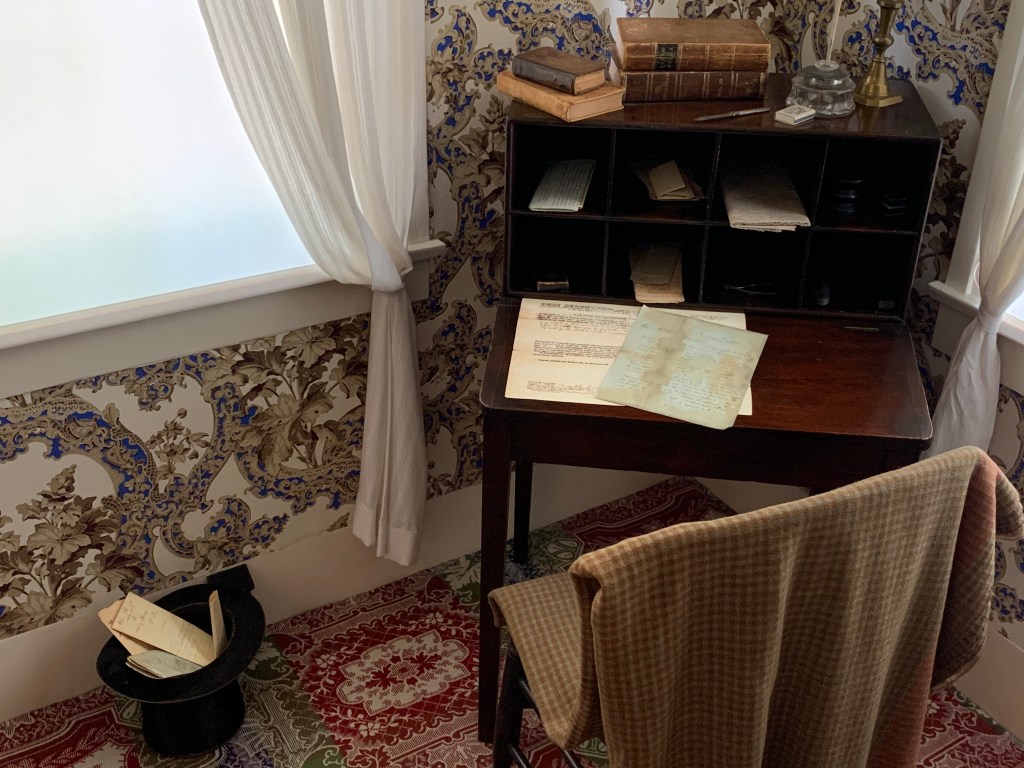
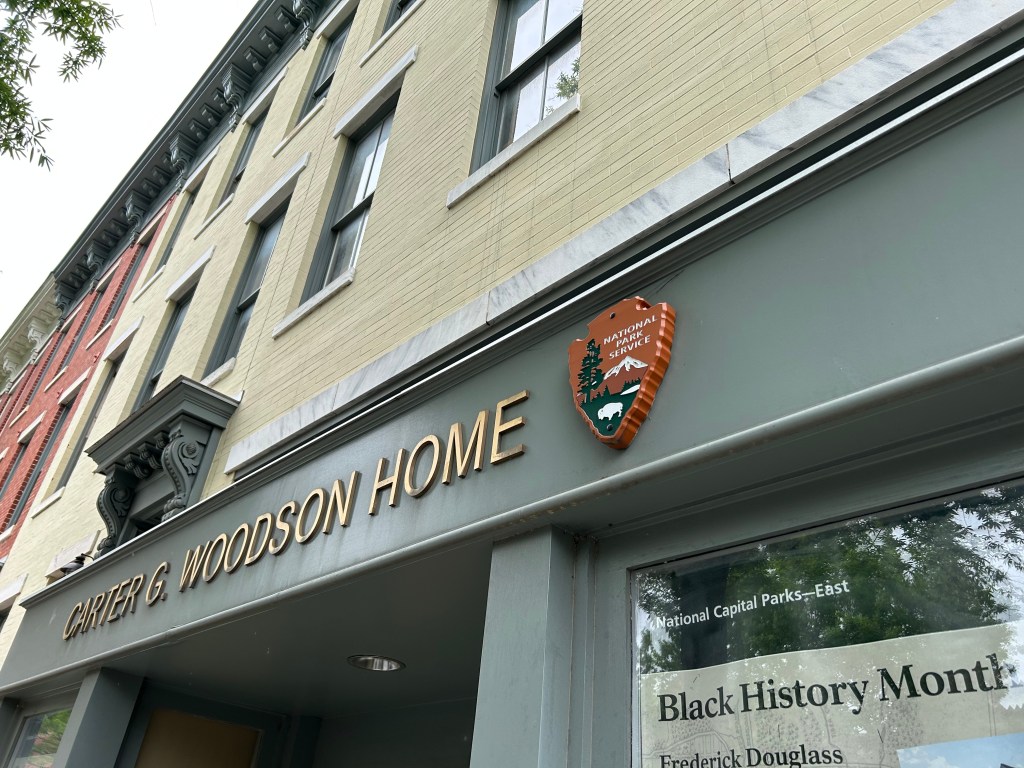
While desperately needed, education was starkly unequal, and white teachers often had different expectations and goals for African American children. In Native American schools, education meant cultural obliteration, as native languages, songs, oral histories, traditions and cultural connections were severed, punished and often lost. Education needs people who respect, support and celebrate their students, culture and communities. Carter G. Woodson—the only Harvard History PhD whose parents had been enslaved—understood that, and he went on to lead the national education movement for African Americans in Washington DC, nationally raising standards, publishing, and mentoring future leaders, like educator and presidential advisor Mary McLeod Bethune. Dr Woodson believed that African American History needed to be studied and understood, and it is largely due to his efforts that we have Black History Month. 

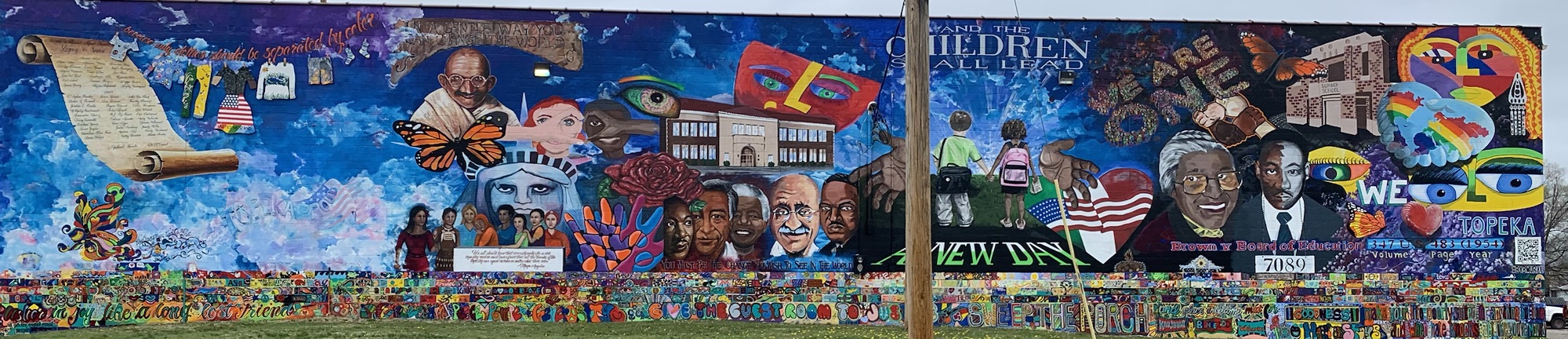
Ultimately, the Supreme Court had to decide that segregated schools were unfair, damaging to black children and unconstitutional, in Brown v Board (see community mural above). In Texas there’s a segregated school for Mexican American children, shut down after Brown, that shows an unequal school. Desegregation led to race riots at Little Rock Central High School, and Eisenhower sent in the 101st Airborne to walk black children to school. Some districts shut schools down for years rather than integrate.

Education is still too segregated in the US, and recent studies suggest racial disparities in education are now getting worse, especially as the Supreme Court no longer enforces Civil Rights laws effectively. For hundreds of years it was illegal for slaves to learn. No reading, no math, no writing, just the darkest ignorance, enforced by the whip. The men and women who struggled to lift themselves and others out of that darkness, knew the value of education for themselves and their children. Our teachers perform this heroic task every day, with little recognition, fighting against the cruelty of ignorance. Anne Sullivan brought Helen Keller out of darkness by teaching, becoming the first woman interred at the Olmsted designed National Cathedral, followed by her most famous student. We have traveled a great distance on the road to educational equality, but we must not turn back. We must keep teaching and learning and not stop until we get there. 

“Thus the thoughtless drift backward toward slavery.”

Carter G. Woodson, from The Mis-Education of the Negro

Jerome

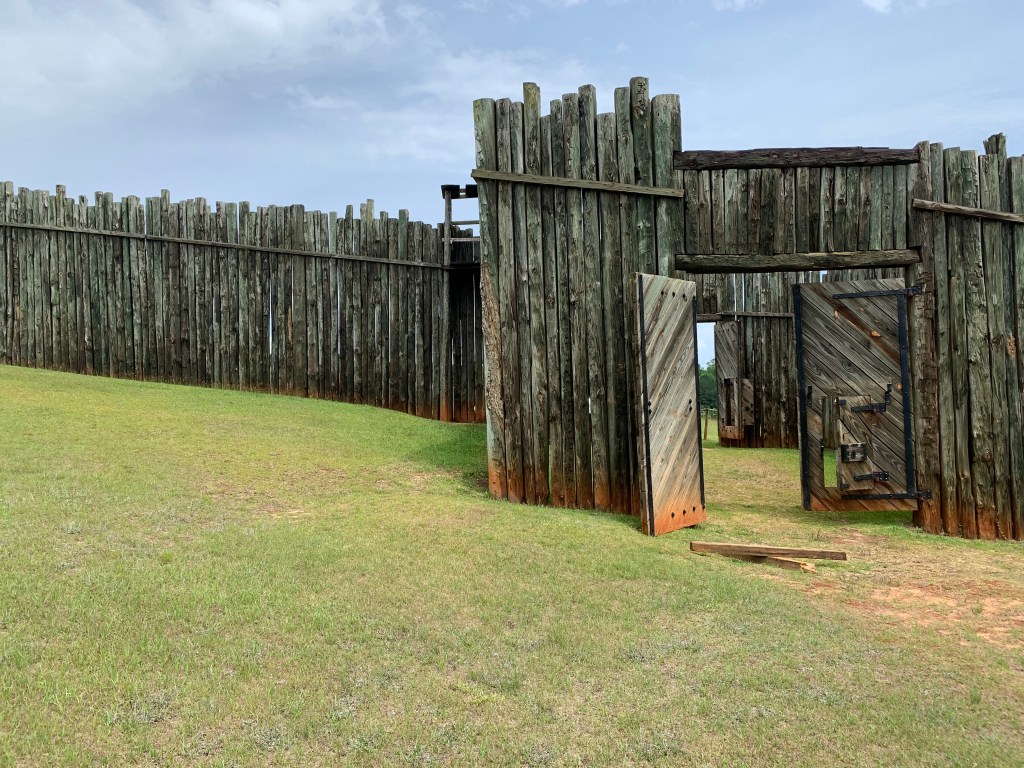
Jerome was the last American concentration camp to open and the first to close, as it was converted into a POW camp for Germans. The military acquired the land as a result of a tax default, and over 8,000 Americans of Japanese descent were incarcerated here in the southeast corner of Arkansas, deep in the Mississippi Bayou. The Governor of Arkansas insisted that none of the prisoners be allowed to remain in his legally segregated state after the war and that all of the guards be white. When it closed, the prisoners here were mostly transferred to the other camp in Arkansas, with some sent to Amache, Gila River and Heart Mountain; ‘trouble makers’ who protested had already been sent to Tule Lake. Besides the monument above, there is a deteriorating old smokestack from the infirmary visible in the distance to the right. Nothing else remains, and the land is now a working farm. 

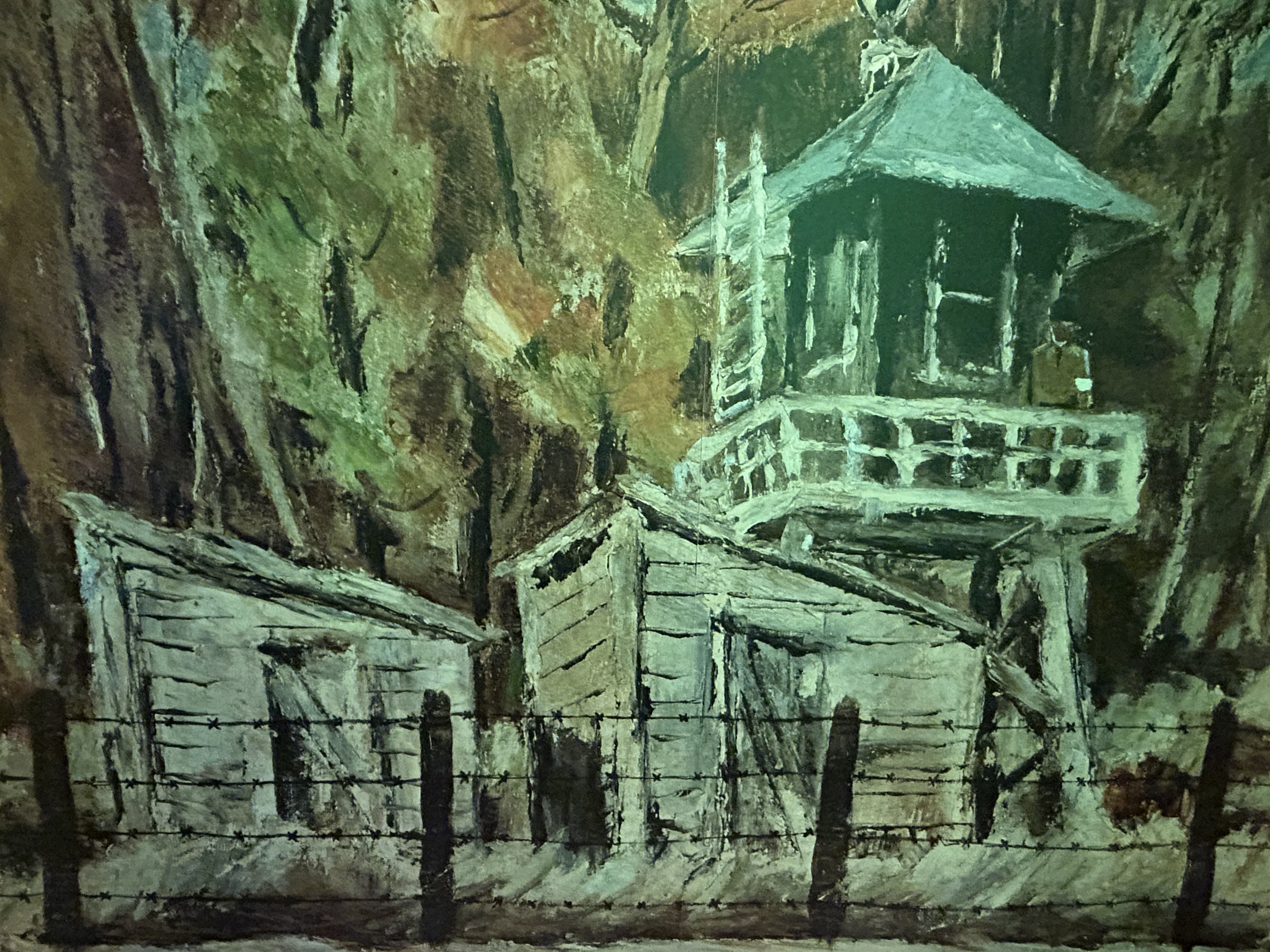
Nothing except a shameful unconstitutional history, a duty to be better Americans, and memories. Below is detail from a painting by Henry Sugimoto showing how he remembered his time at Jerome. The painting is on display with many other exhibits at the WWII Japanese American Internment Museum in McGehee about 20 miles north. The museum is excellent, open Thursday to Saturday, and is the result of talented, caring and dedicated townspeople working to preserve this important history without federal funding. 

Here are my visits to all the American Concentration Camps.

All Civil War Parks

The precursor to the Civil War was John Brown’s raid on Harpers Ferry arsenal in 1859. Lee, Jackson & Jeb Stuart were all there in uniform, before they turned against our country. Douglass & Tubman were not in the raid, although they were involved. Booth arrived to witness Brown’s execution. The government may have quickly restored order in town, but across the country people divided into abolitionists or secessionists. Lincoln, arguing against slavery, was elected in 1860, and southern states began to secede to protect slavery.

The Confederacy raised an army and attacked Fort Sumter in April of 1861. That same month, Union soldiers were attacked by Confederate sympathizers in Baltimore, leading Clara Barton to begin her service as a nurse. In May three escaped slaves were granted protection as ‘contraband’ at Fort Monroe in northern Virginia. Lincoln sent troops south where they were incompetently led into battle at Manassas in Virginia in July. The Confederates also won at Wilson’s Creek but were unable to take Missouri. The Union won at Carnifex Ferry in September, causing West Virginia to split from Virginia and become a state in 1863. In November, the Union Navy took Port Royal South Carolina, liberating 10,000 slaves, many forming the first African American regiment there one year later. 

In January 1862 the Union won at Mill Springs Kentucky, followed the next month by Grant taking Fort Donelson on the strategic Cumberland River in northwest Tennessee. In March the Union won again at Pea Ridge in Arkansas and at Glorietta Pass in New Mexico, supported by Fort Union cavalry. In Tennessee in April, Shiloh (above) was a costly victory, followed by naval victories at Fort Pulaski blockading Savannah Georgia and the capture of New Orleans in Louisiana, where three more African American regiments would form within a year. In May the Union took Yorktown in Virginia, but in June the Union failed in its approach to Richmond. Then in August another loss at Manassas again. The Confederates marched into Maryland, but lost at Antietam in September. In December, the Union failed again in Virginia at Fredricksburg.

On the 1st of January 1863, the Emancipation Proclamation was read first with immediate effect to the SC 1st Volunteers, freeing them, their families and friends forever. Many more emancipated and free African American men would join the Union army at bases like Camp Nelson in Kentucky, Fort Scott in Kansas, and New Bedford and Boston in Massachusetts. That same winter the Union won at Stones River in Tennessee but lost at Chancellorsville in Virginia in spring. On June 2nd, Union spy Harriet Tubman led 150 African American soldiers to free 700 slaves at Combahee Ferry. Lee marched north again, losing decisively in July at Gettysburg in Pennsylvania. Grant concluded his siege of Vicksburg the next day, July 4th. In the fall the Union advanced to the border of Tennessee and Georgia at Chattanooga and Chickamauga.

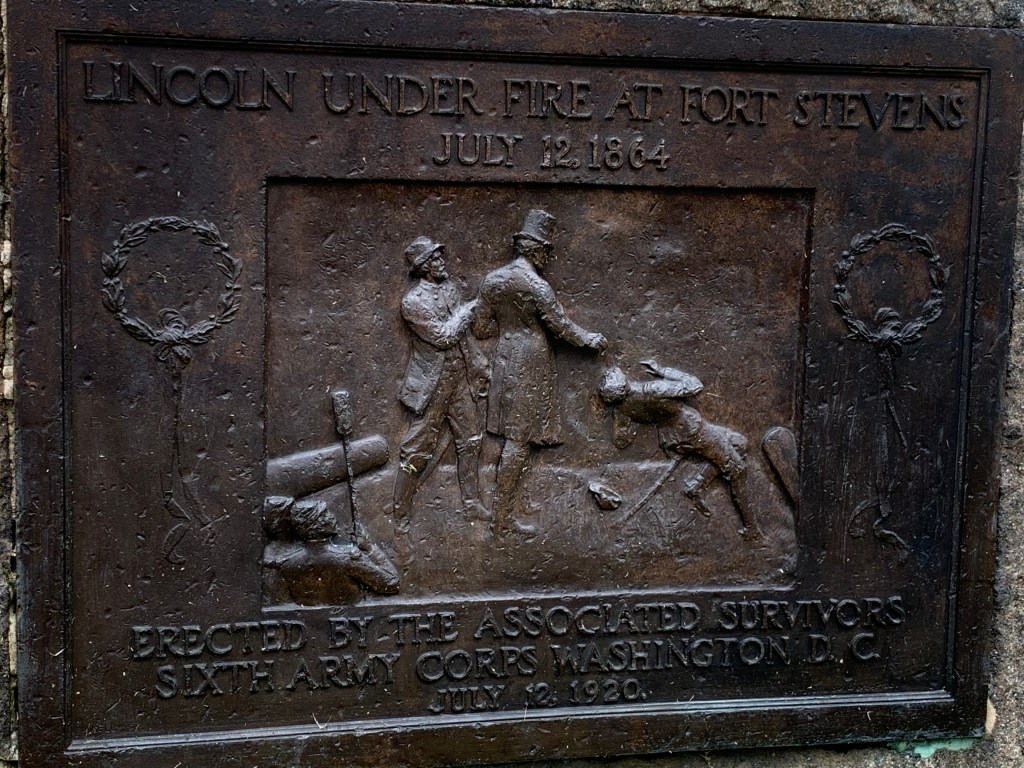
In 1864 the Union took northern Virginia with extensive fighting in Spotsylvania county. Slowly Grant was advancing towards Richmond, at one point outmaneuvering Lee at Petersburg and beginning a long siege of both cities. Meanwhile, Sherman was advancing in Mississippi, despite delays at Brices Cross Roads and Tupelo. In Georgia, Sherman was stopped at Kennesaw Mountain in July, before resuming his march to the sea. With the Confederate capital under siege, Lee ordered a sneak attack on the Union capital in July, crucially delayed at Monocacy in Maryland, after which snipers fired at Fort Stevens in DC. In August, Farragut took the last major southern port of Mobile Bay in Alabama. And in October, the Union defended the Shenandoah Valley at Cedar Creek in Virginia.

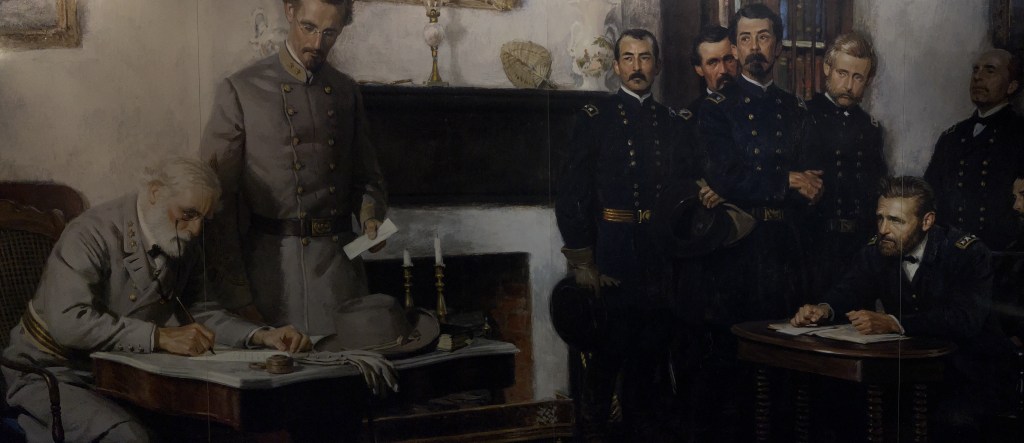
In the spring of 1865, after a months-long siege, Lee abandoned both Petersburg and Richmond, retreated and then surrendered in Appomattox in April. Andersonville was liberated in May. The CSS Shenandoah, which circumnavigated the globe during the war seizing African American crews from whaling ships, surrendered in Liverpool England in November, the last act of the war.

Selma to Montgomery National Historic Trail

Dallas County Alabama systematically denied its 15,000 African American residents from registering to vote, using poll taxes, literacy tests, white-only primaries, and grandfather clauses, which made registration easier for those whose ancestors voted when only whites could vote. In 1963, with older people intimidated by murderous KKK raids or being fired for speaking out, organizers asked local high school students to protest. They did, meeting in churches—the only places they could safely assemble—and they were trained in non-violent protesting. Students marched by the thousands, staged lunch counter sit-ins, were beaten and arrested. All civil rights meetings were then banned by a local judge in 1964. Then, the Reverend Dr Martin Luther King, Jr came to Selma to speak in defiance of that ban, bringing national media attention. The contrast between black citizens, old and young, assembling peacefully to try to register to vote, and the police who denied their rights violently—criminals with badges—was to play out on TV. 

The teachers marched with their students. The police filled the jails with hundreds of students. Beatings outside churches turned uglier, and on 18 February 1965, while protecting his family, Jimmy Lee Jackson was shot to death by a police officer who was not punished. In response, the people decided to march 54 miles to the state capital in Montgomery. The police responded at the Edmund Pettus Bridge—the first step in the march—with billy clubs, horses and tear gas. Bloody Sunday, 7 March 1965. The TV coverage made the protest national overnight. Dr King organized a second march, but stopped on the bridge to avoid violence and due to a federal injunction. Rev James Reeb was killed on 11 March. LBJ called out the national guard, saying “we shall overcome” in a major speech 15 March. On 17 March, a judge cleared the injunction. Then Dr King led a third march, all the way from Selma to Montgomery from 21 to 25 March. Singers like Sammy Davis Jr, Nina Simone, and Harry Belafonte encouraged 25,000 marchers along the route. Upon arrival at the statehouse, Dr King gave his “How Long, Not Long” speech, including the phrase, “the arc of the moral universe is long, but it bends toward justice”. LBJ signed the Voting Rights Act on 6 August 1965. 

Selma may have been the turning point that enfranchised millions of African Americans, but the city and surrounding ‘black belt’ in central Alabama has suffered economic exclusion. Burned out buildings are common there today. The national park service is currently renovating several historic buildings in Selma including an interpretive center, and there’s also a Voting Rights Museum just across the Edmund Pettus Bridge which has an excellent, detailed display. Selma’s sights include the churches, lodgings and offices used by the organizers, and the jail where they were incarcerated. Halfway on the trail, near where Viola Liuzzo was murdered by the KKK, the park service has another interpretive center with an excellent multimedia film. Along US 80 are the four campsites used by the marchers.  And on the campus of Alabama State University in Montgomery, there’s another interpretive center with a different, also excellent film. And Montgomery sights include the state Capitol, a memorial designed by Maya Lin, and the Rosa Parks Museum, along with various archives and gathering areas. The drive is easy, and I recommend all three stops for the complete experience. 

The King Center in Atlanta gives a broad and deep view into the life and works of Dr King, as well as the ongoing non-violent international justice movement. The Birmingham Civil Rights Institute explores how deeply segregation divided society, how violent the oppression became both across the street in the park and at the 16th Street Baptist Church where four young girls were killed by the KKK in a bombing, and how strong the Civil Rights Movement became. But the Selma to Montgomery trail, with its searing photos and video testimony of foot soldiers, brings history to life. The open racism (see photo) is shocking and revealing. In one of the films, a white woman argues that since Jefferson Davis was their president, Lincoln’s Emancipation Proclamation has no effect, that slavery is still the law. Such vile hatred does not dissipate overnight. Indeed, in both subtle and ugly ways, racism still divides our society. So we must feel this history again to continue fighting more effectively. 

Here are my visits to all parks in Alabama.

Road to Abolition

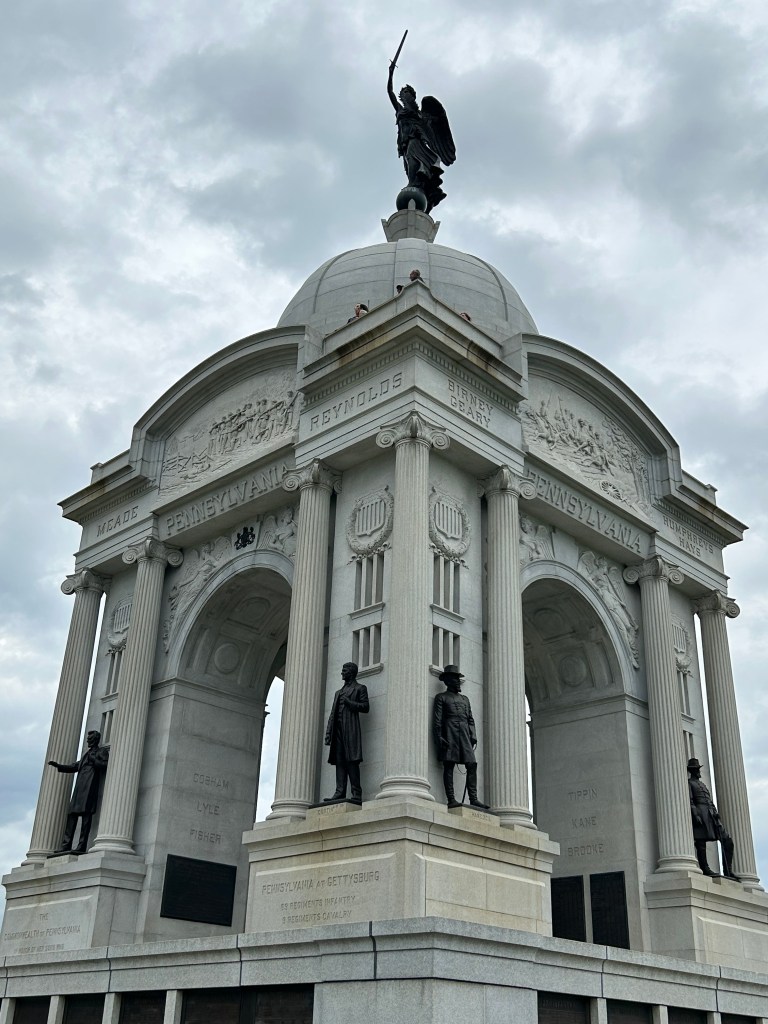
The American movement to abolish slavery began before the Constitution was written. In 1780, Pennsylvania enacted a law gradually abolishing slavery. When he was in Philadelphia as President, George Washington tried to evade this law by rotating his slaves back to Virginia, although one, Oney Judge, escaped and lived out her life in New Hampshire, despite Washington’s efforts to reclaim her. By 1783 the Supreme Court of Massachusetts declared slavery unconstitutional in the state, abolishing it and making the state a focal point for abolition for the next 80 years. Thomas Jefferson called slavery immoral, a threat to the nation and contrary to the laws of nature, but he didn’t free his own slaves and edited his own anti-slavery views out of the final draft of the Constitution to placate other slaveowners, like Charles Pinckney. Before John Dickinson signed the Constitution in 1787, he freed his slaves unconditionally in 1786. 

The Northwest Territories, now the northeastern states of the Midwest, were free in 1787 before they became states, and by 1817, all but one of the states north of the Mason-Dixon Line abolished slavery either immediately or over time. Delaware was the exception, where slavery persisted despite being viewed as abhorrent by Quakers, such as Thomas Garrett, who ultimately helped liberate over 2,500 slaves. The Liberator, a weekly newspaper begun in 1831 in Boston by William Garrison, spread throughout the free states, making Abolition a national issue and sparking direct action, including liberating slaves south of the Mason-Dixon. 

In 1838 Frederick Douglass escaped slavery in Maryland by train through Delaware to Philadelphia, and quickly he married in New York and settled in New Bedford. That same September, self-educated Douglass went to Nantucket to hear his favorite publisher Garrison speak and was asked to speak himself, giving his first-hand views of slavery. 20 years later, Douglass had written two best-selling autobiographies, toured the North, traveled to London, and was giving fiery speeches to abolitionists at Boston’s African Meeting House.

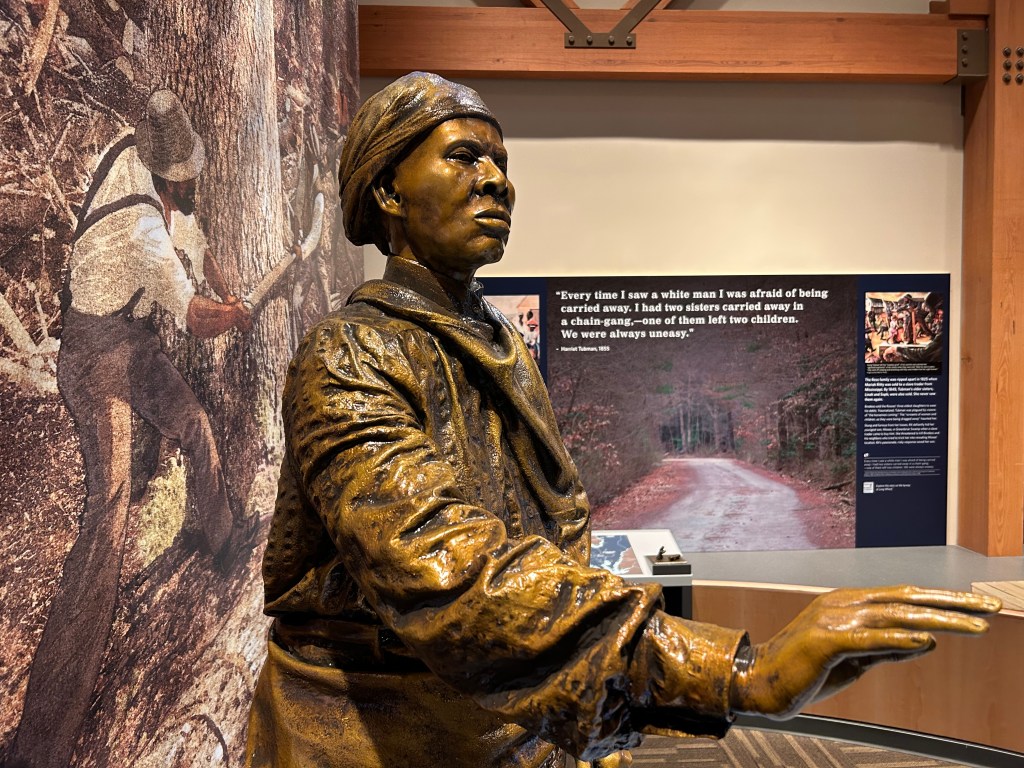
Fellow escaped Maryland slave Harriet Tubman was in the audience, listening to Douglass speak and raising funds there for the Underground Railroad, when she wasn’t liberating slaves in Maryland herself or with her friend Garrett. The Underground Railroad also helped slaves escape up the Mississippi River to New Philadelphia—an Illinois town founded in 1836 by a freed slave—before escaping the reach of the Fugitive Slave Act by crossing the Canadian border. Few of the stops on the Underground Railroad still exist, but I believe Mammoth Cave may have been one, as the enslaved tour guide had rare freedom to organize both tours for visiting Abolitionists and temporary lodgings for “servants”. 

Abolition was also fought in the courts. In 1839, Africans took over the slave ship Amistad, killed the captain and cook and demanded the crew sail back to Africa. Caught off of New York, their murder trial pitted racist President Van Buren against abolitionist John Quincy Adams. The Supreme Court found that the Africans had been kidnapped, had acted within their legal rights to avoid slavery, and were free. The courts were struggling with slavery, where one’s race could change legally from state to state, depending on one’s ancestry. In 1846 a court found a Florida woman, once a slave from Senegal, to be legally Spanish, allowing her to inherit her owner/husband’s plantation. The legislative fight over slavery in new states broke into armed confIict in Kansas in 1854. In 1857, the Supreme Court ruled against a slave named Dred Scott who had sued for freedom in St Louis, arguing that he had become free while in Illinois. Abolitionists, enraged, funded John Brown’s 1859 raid on Harpers Ferry. 

Secession did not stop slaves from trying to self-emancipate. Every Union border outpost or advance into Confederate territory became a magnet for escaping slaves. In 1861, on the day Virginia seceded, three slaves turned up at Fort Monroe and were given protection by the Union Army, which officially labeled them ‘contraband’ meaning ‘illegal to possess’. When the Confederates evacuated Port Royal in late 1861, 10,000 slaves were effectively freed, and Harriet Tubman soon arrived to expand her network of spies and liberators. One of the first Union naval victories happened in 1862, when enslaved pilot Robert Smalls commandeered a Confederate ship, sailed past Fort Sumter at night with his friends & families to freedom, and gave the ship to the Union Navy in nearby Port Royal. 

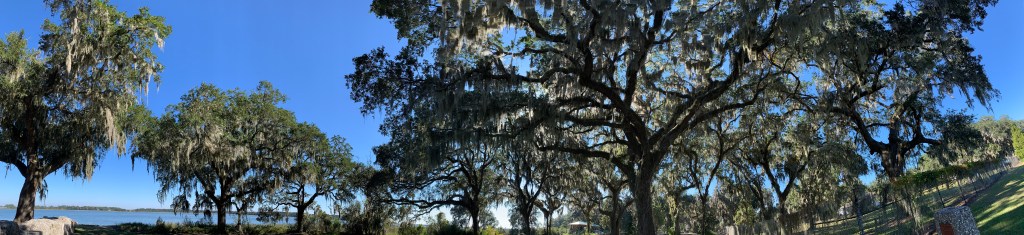
Abraham Lincoln, whose experiences as a boy and as an anti-slavery advocate had prepared him to be President at this crucial time, issued the Emancipation Proclamation on New Years Day 1863—first read under the Emancipation Oaks at Port Royal South Carolina (see photo above)—, both freeing slaves and allowing the formation of African American regiments to fight for freedom, first at Port Royal in South Carolina, then in Massachusetts, Kansas and Kentucky. In 1865, the 13th Amendment abolishing slavery was proposed, passed, signed and ratified, abolishing slavery in the United States, almost. 

In 1866 the ‘Five Civilized Tribes’ in Oklahoma changed their laws to recognize that slavery was no longer legal, making the law legally effective nationally that June. While emancipation reached Texas on Juneteenth 1865, the state officially ratified the 13th Amendment in 1870. Delaware rejected the 13th Amendment in 1865, and they finally ratified it in 1901. Kentucky ratified the 13th Amendment in 1976. And Mississippi, the last state, ratified the 13th Amendment in 1995, but neglected to inform the National Archives to make it official, until 2013. 

Traveling to all the national park sites related to Abolitionism has been deeply moving, and I especially recommend the Boston African American Historic Site, the Harriet Tubman National Historical Park in upstate New York, and most of all, Reconstruction Era National Historical Park near Beaufort, South Carolina. Next week I will cover the Civil War. 

Emmett Till and Mamie Till-Mobley National Monument

”Let the people see what they did to my boy.”

Mamie Till-Mobley

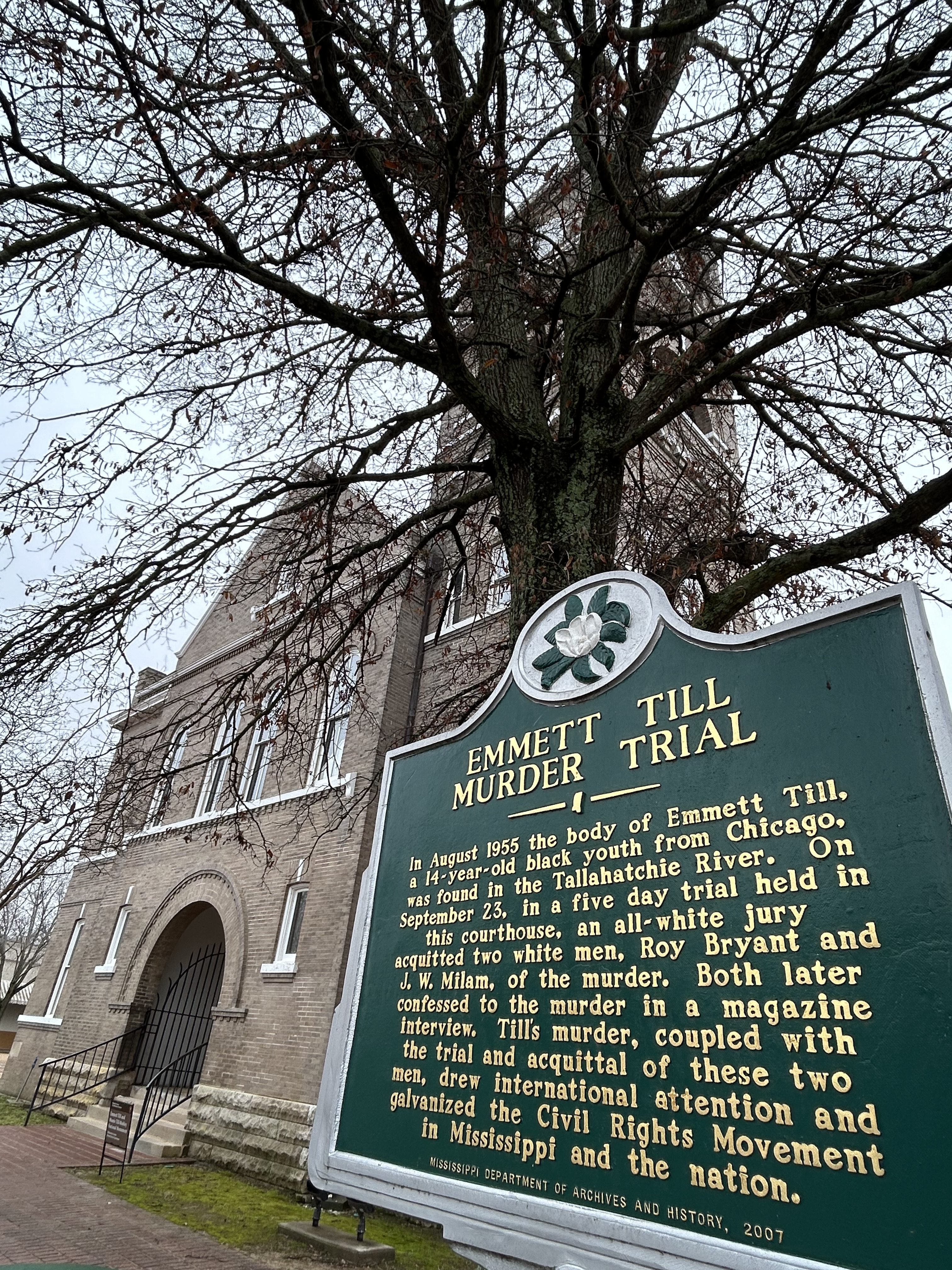
The animosity against African Americans, especially in the Deep South, is hard to comprehend, but it is deep, real, persistent and extremely dangerous. Emmett Till’s mother warned him, but even she underestimated the risk. In late August of 1955, Emmett Till was kidnapped from his great uncle’s home by a shopkeeper’s husband and his half-brother, who accused Emmett of whistling at the shopkeeper, a white woman. From past midnight to pre-dawn, the two men, along with several others, held Emmett, aged 14, in the back of a pickup truck, drove around the county, terrorized him, tortured him, shot him and dumped his body in the river. Witnesses reported hearing Emmett’s screams all over town for hours. His great uncle reported the kidnapping, the men were arrested, and the body was found a few days later. His mother, saying “let the world see what I see”, insisted on an open casket at the funeral in Chicago. Jet magazine published photos of his brutalized body. His mother became a lifetime activist, author and motivational speaker on education, poverty and Civil Rights with the NAACP. Many consider Emmett Till’s killing to be the beginning of the Civil Rights Movement, not least because Rosa Parks cited Emmett as the reason she kept her seat on the bus in Montgomery on 1 December 1955. 

The trial was a foregone conclusion. Outside the courthouse (below) stood a statue dedicated to the “Heroes” of the Confederacy. Inside there was no justice. Instead of jurors, police, court officers and elected officials defending the Law, the courthouse became the focal point of a deep criminal conspiracy, based on racism. Witnesses were intimidated, hidden, immunized and silenced. Emmett’s great uncle testified at the trial, pointing out the kidnappers and murderers, and then he left town immediately and went into hiding under a false name. And for many years afterwards, there has been a concerted effort to conceal the truth. Evidence lost. Signs have been repeatedly shot and torn down. Historic artifacts and structures intentionally left to ruin or demolished. One witness, in hiding for decades under another name, still received death threats demanding silence. The confederate statue still stands in front of the courthouse, just left of the photo. 

But despite the legacy of lies, terror and violence, people still work to tell the truth about Emmett Till. Especially if you’re exploring the new monument’s sites in Illinois and Mississippi, I recommend reading the darkly fascinating stories in the Emmett Till Memory Project app, after being introduced to it by one of the contributors at the Emmett Till Interpretive Center across from the courthouse in Sumner, MS. Emmett Till’s coffin is on display at the National Museum of African American History and Culture in Washington DC. His name was given to the Anti-Lynching Act of 2022. And this new national monument was established by President Biden on 25 July 2023, on what would have been Emmett Till’s 82nd birthday. 

Here are my visits to all parks in Illinois and Mississippi.

Why Do We Need the NPS to Help Us Tell Our History?

Often, there’s a local reluctance to allow government outsiders to tell ‘our’ history. Communities will occasionally refuse to cooperate or turn over any control over their sites to the National Park Service. Reagan’s boyhood home famously stays independent, concerned that his legacy might be tarnished. Sometimes politicians get involved directly in changing the way history is told, and even bend the narrative away from self-evident facts, such as at Andrew Johnson’s site. 

Debates often become heated with charges that one side is “revising history” to fit preconceived views. But honest historians do not rewrite history to suit their tastes. A good historian should try to revise their understanding of history, always to make it more accurate. In the UK, “revising” means “studying for exams”, meaning reviewing the material to understand it better. Sometimes a new fact comes along, such as a DNA test proving who is related to Thomas Jefferson. Views and interests change too, which also require us to revise our understanding of history, as we have new questions to answer. Future history books must be updated to include the most accurate information and to address the needs of future generations. 

Bad historians ignore new facts, preferring the old version they learned, even if false. Some even intentionally mislead children to try to hide shameful episodes, claiming to protect them from the truth. Some dishonestly smear historical figures or downplay historic events in order to promote a world view based on propaganda, such as what happened with General Grant. Lying to kids or trying to brainwash the public to further a dishonest agenda is never acceptable. 

But the park service has experience and expertise to help sites reach more people accurately and effectively. They hire researchers to find more information to expand everyone’s knowledge. They conduct renovations carefully to restore sites to how they appeared at specific times. They know how to create films, displays and foreign language brochures. Sometimes the park service gets it wrong, prompting debate, review and new efforts. Sometimes the site is best managed by a specialized local group, often in partnership with the park service, such as the Tenement Museum in NYC. Still, the park service’s job is to preserve, inspire, educate and make sites more fun for all. So typically, it’s at least worth letting them help. 

I have a good education, do extra research on each site and form my own views, but I also try to understand, verify facts and frequently ask questions. Almost always, the park rangers can quickly disabuse me of erroneous views, since they are experts. Occasionally, I meet the odd ranger with views in contradiction to the facts or find errors on display, and I bring those to the attention of other park service employees. Getting the stories right can be difficult, but almost always the park rangers are determined to do their best to tell the story correctly, effectively and well. That’s what they do. 

I mention this now, after visiting the Gulf Islands site. In both Mississippi and Florida, the park service does a good job in accurately telling the history of the gulf coast, including the dark history of the Civil War. Unfortunately, the US military turned over the most important historical sites, Forts Gaines and Morgan, over to the state of Alabama, where I’ve observed troubling patterns. I believe the national park service would do a much better job telling the history.

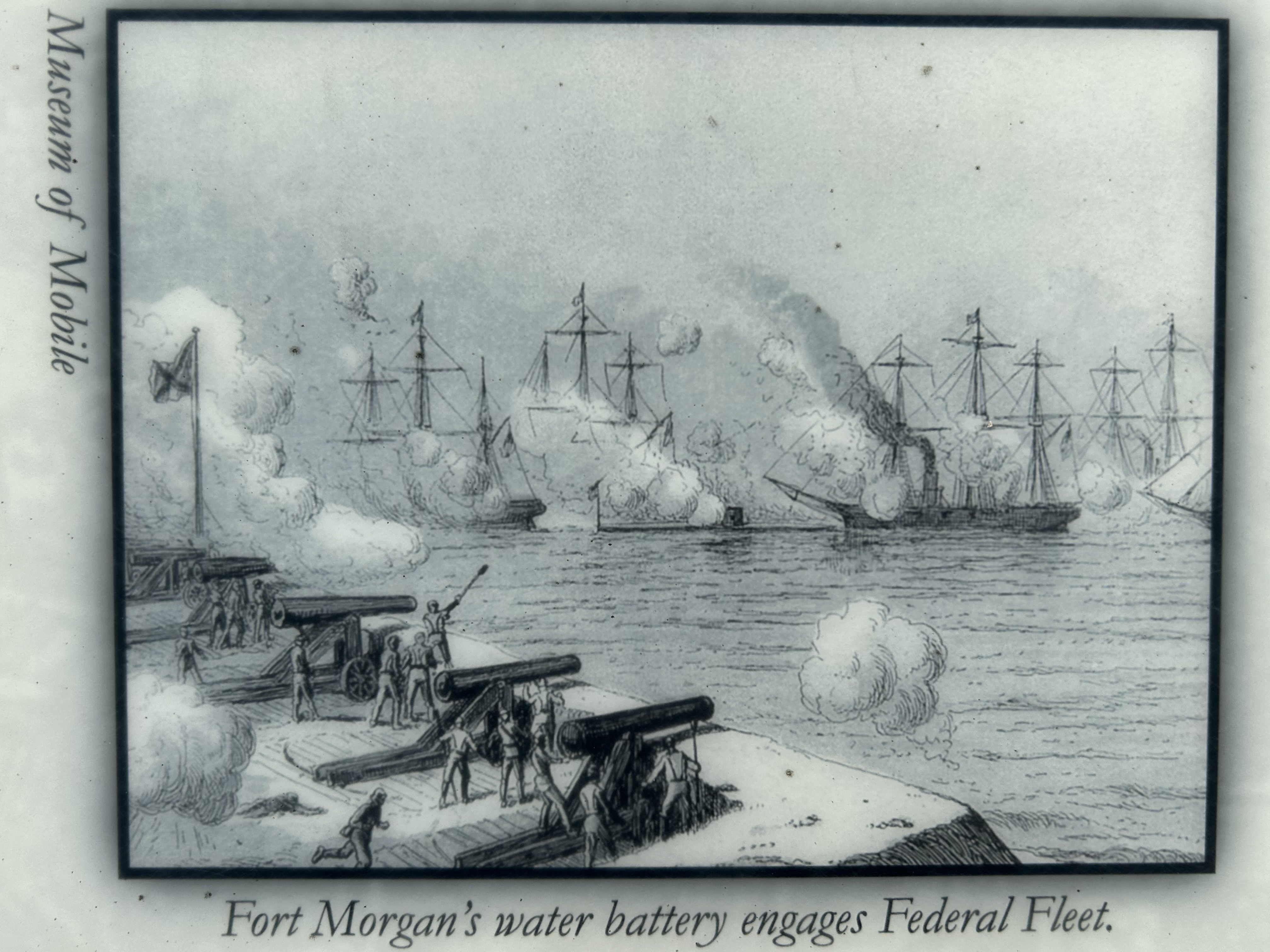
Visitors to Fort Morgan might not learn which side won the Battle of Mobile Bay or why that matters. The information may be there, but it is not presented effectively. Here are my recent notes. 

  • Website focuses on the history of old fort Bowyer more than the Civil War era Fort Morgan. 
  • Park brochure timeline covers fort’s history but buries highlights in obscure details. 
  • The Battle of Mobile Bay battery site and plaques are not shown on the map. 
  • Civil War panel neglects critical Union victories at the end, such as Richmond, Petersburg and the surrender at Appomattox. 
  • Flag pavilion plaques show the US flag as only operational in 1813, ignoring the period from 1864 to the present.
  • Posters in gift shop celebrate the sinking of the Union ship Tecumseh and the early success of the CSS Tennessee. 
  • Bookstore focuses on Confederate defense of Mobile 50 miles away, rather than on the pivotal Union naval victory of Mobile Bay 50 yards away. 

There are only two ways to reach the Battle of Mobile Bay battery site.

  • 1) go straight through to the far side of the fort, enter a series of tunnels (use your phone for light) on the right, wander through a maze of passageways, pass through several huge empty rooms, find a small doorway around a corner leading outside, return on the grass between the inner and outer walls, cross the moat, climb a ramp (no handholds) to the top of the outer wall, climb steps through some fortifications, climb some more steps, and go around the outside of the fence that appears to block your path. Or…. 
  • 2) go behind the restrooms on the far side of the parking lot, climb up through a different battery of fortifications, walk along to the far left, find a narrow stairway up a hill, climb it even though it appears to be blocked at the top, wander along the top of the outer wall to the outer edge of the fence mentioned in step 1, circumvent it and climb up to the top above Battery Thomas.  

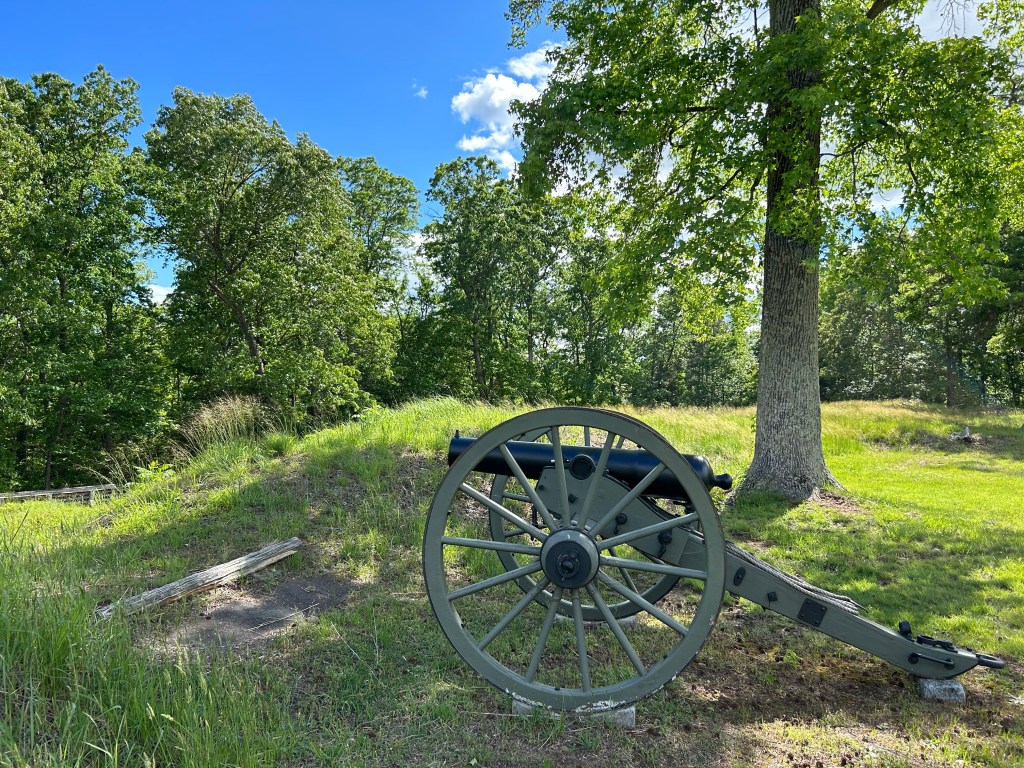
In neither case are there any signs, arrows, map references, guideposts or signals to find the spot, and it’s best to wear sturdy non-slip shoes. Finding the well-written and illustrated displays (e.g. photo above) was a nice surprise, as I only climbed up there because I got lost exploring and wanted to get a look at the ship channel. Frankly, hiding the panels appears to be an intentional effort to obscure or erase the true and important history that led to the end of the Confederacy and slavery. 

If the park service managed the site, I’m sure they would tell the story of one of our country’s greatest naval victories accurately and effectively, preserving that important history, inspiring, educating and delighting future generations. Especially today, on the first day of Black History Month, it’s critical to get history right. That’s why we need the NPS to help us with our history. 

Gulf Islands National Seashore (& Admiral Farragut)

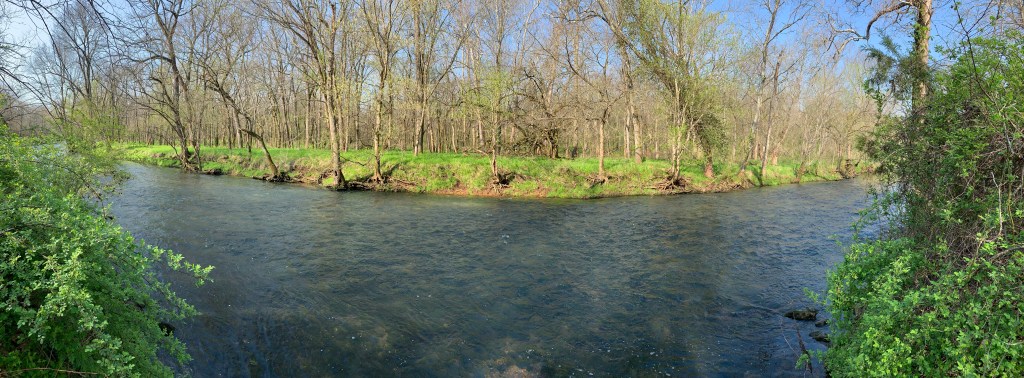
While I like the park and plan to visit it again in warmer weather, the seashore skips over the most important section in the middle. In Mississippi, the park includes the Davis Bayou (photo below) with a nice visitor center and park film, and from mid-March to October you can take a ferry out to Ship Island, look for bottlenose dolphins, explore the beaches and visit a Civil War fort. In the Florida section of the park, there are also birds, long stretches of storm-swept and once segregated beaches, old forts first built by the Spanish and later used by the Confederacy, and another visitor center (closed when I tried to visit) to explore near Pensacola. But the Gulf Islands of Alabama are not part of the national park unit. Forts Gaines and Morgan, the guardians of Mobile Bay, are Alabama State Parks. But that’s where the action was. 

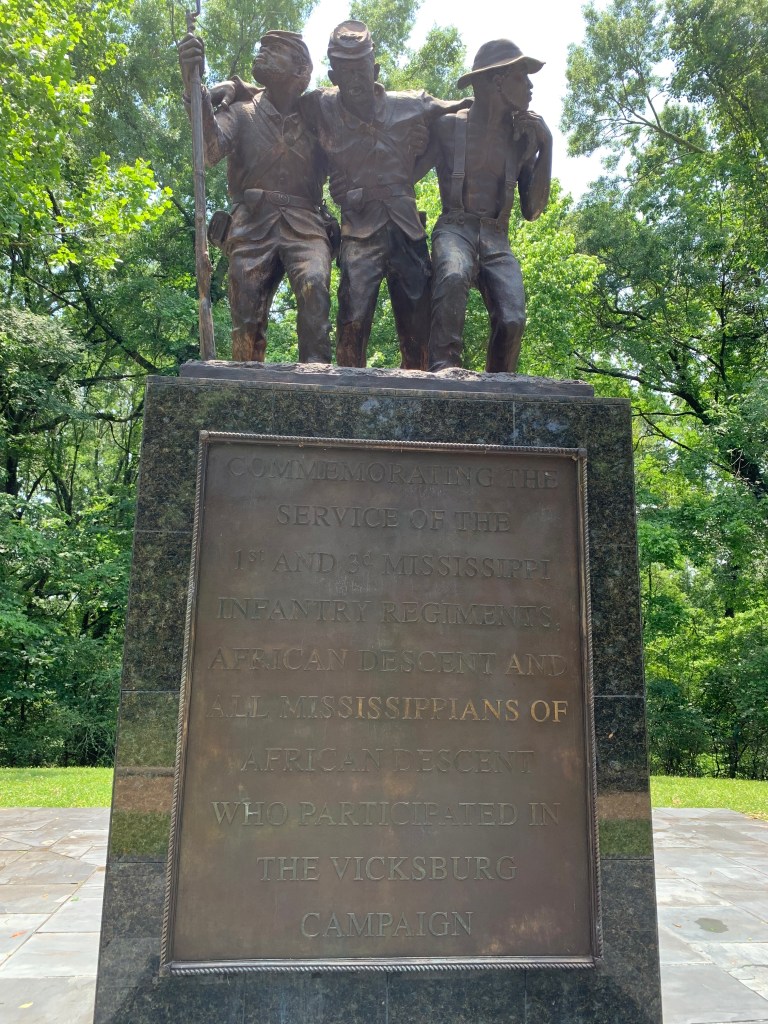
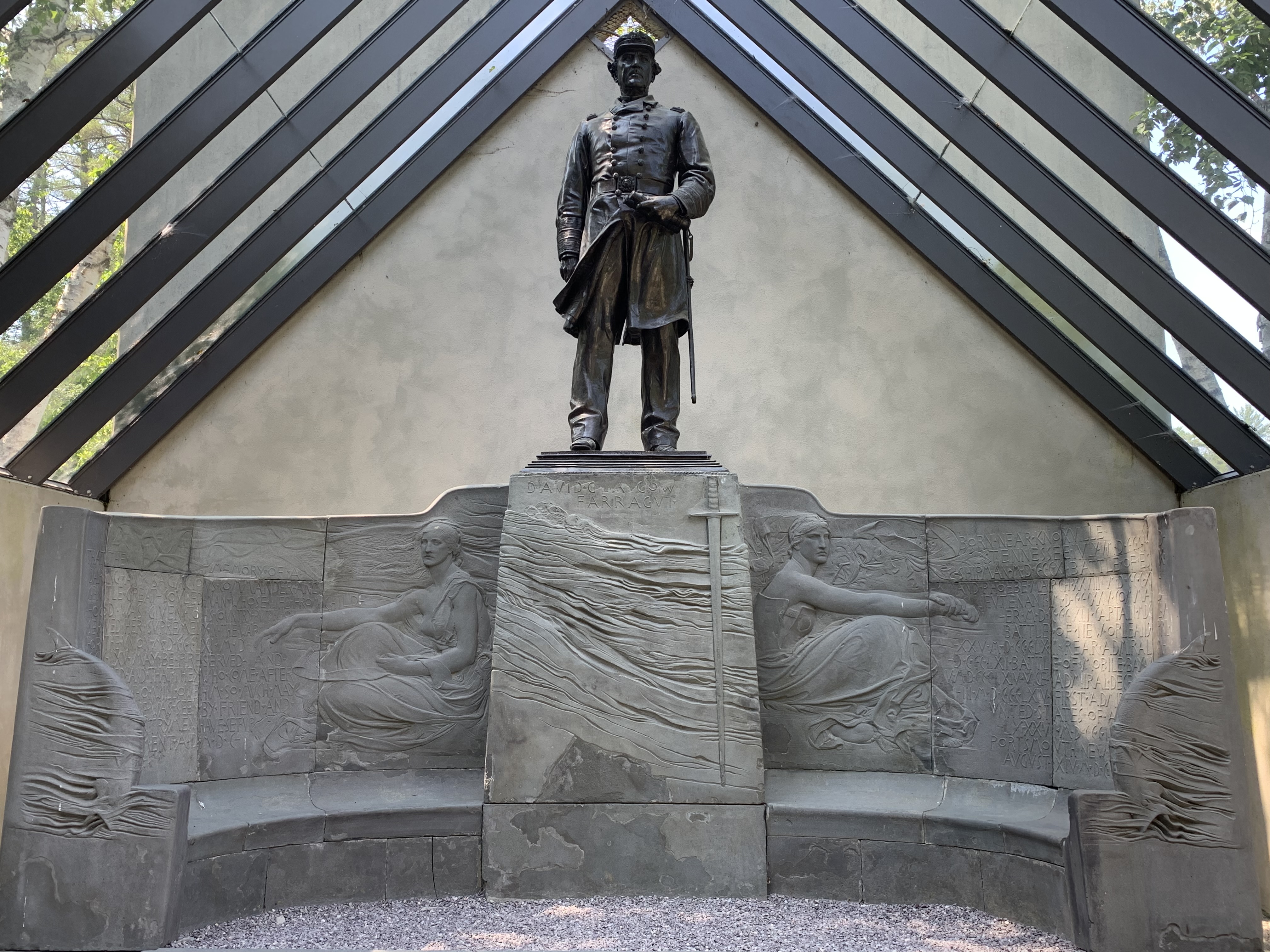
General Grant relied on combined naval and land forces to take Fort Donelson in February 1862, which cut off the Cumberland River from the Mississippi. In April, Flag-Officer David Farragut (depicted by Gaudens above) began his gulf coast campaign by sailing up past the forts guarding the Mississippi and taking New Orleans. After the Union freed the city, three regiments of African American troops were quickly organized, and many of those men first served on the Gulf Islands, helping retake the forts along the gulf coast. In June, Farragut was wounded near Vicksburg. 

The Confederacy’s last large port was Mobile Bay. In 1863 the Union took Vicksburg, but to speed the end the war, now Rear Admiral Farragut needed to sail past the forts guarding Mobile Bay. In 1864, the Confederacy, having learned from their mistakes in New Orleans, had heavily reinforced Mobile Bay’s naval defenses among the many fortifications along the Gulf Coast. Fort Gaines guarded the shallower west side of the bay, and Fort Morgan guarded the deep water ship channel from the east side. The gaps were filled with floating sea-mines, called ‘torpedoes’ at the time. And the port was guarded by the massive ironclad CSS Tennessee, the most powerful warship in the world. 

Farragut had four small new ironclad ‘monitors’ leading his fleet: the Chickasaw, Manhattan, Tecumseh, and Winnebago. He decided to run the gauntlet up the main channel into the large bay, boldly trying to move fast and far enough to get out of range of Fort Morgan’s guns. Under fire from the fort, the Union navy advanced with its ships lashed in pairs with the monitors on the side taking the heaviest fire. Farragut climbed into the rigging to get a view above the thick smoke. The Tecumseh crossed a mine field to engage the Tennessee, exploded one and sank immediately with 93 lost. 

Seeing his fleet hesitating and the Tennessee closing in, Farragut yelled down something to the effect of “damn the torpedoes, full speed ahead!” The remaining monitors surrounded the Tennessee, disabled her and eventually blasted a hole, injuring the Confederate Admiral. The rest of the fleet entered the bay, got behind the forts, and shelled them. The Army, including African American regiments from New Orleans, approached the forts, which surrendered, first Gaines without much of a fight, and then Morgan after a heavy siege. 

Mobile Bay was closed, cutting off supplies to the Confederacy. And the Confederate Army was tied down defending the city, helping open up Sherman’s march to Atlanta. While Alabama’s Gulf Islands are not part of the national park service site, they are in the middle of the line of hurricane barrier islands and sandy peninsulas where this major Civil War battle was fought on land and sea. Admiral Farragut and the Union Navy’s contributions to ending the Civil War must not be forgotten. 

Here are my visits to all parks in Alabama, Florida and Mississippi.