All Pacific Northwest Sites

Alaska awaits, but in the meantime, I have visited all 4 National Parks and 16 park units in the Pacific Northwest region, plus 2 heritage areas, 1 affiliate, trails and biospheres. Part of the Manhattan Project NHP is in Washington too.

The four national parks all contain snow capped volcanoes. There are fossil, cave and geologic sites, 3 lake recreation areas, and many fascinating historic sites to enjoy. The region is beautiful, with rugged coastline, forests, mountains and wildlife.

Idaho

Oregon

Washington

Read my posts, and get out there and enjoy!
Cascade Head Biosphere

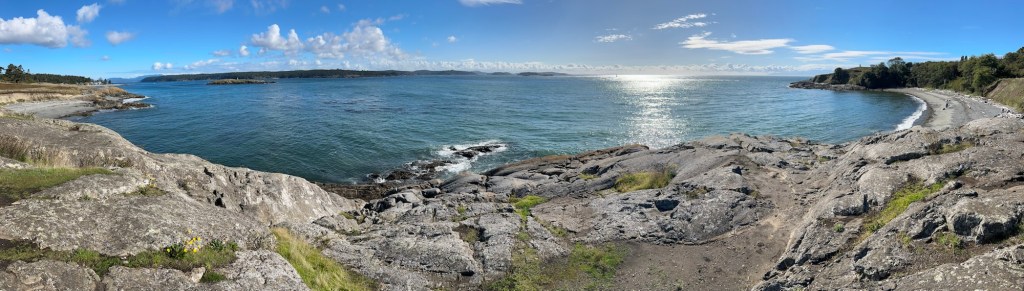
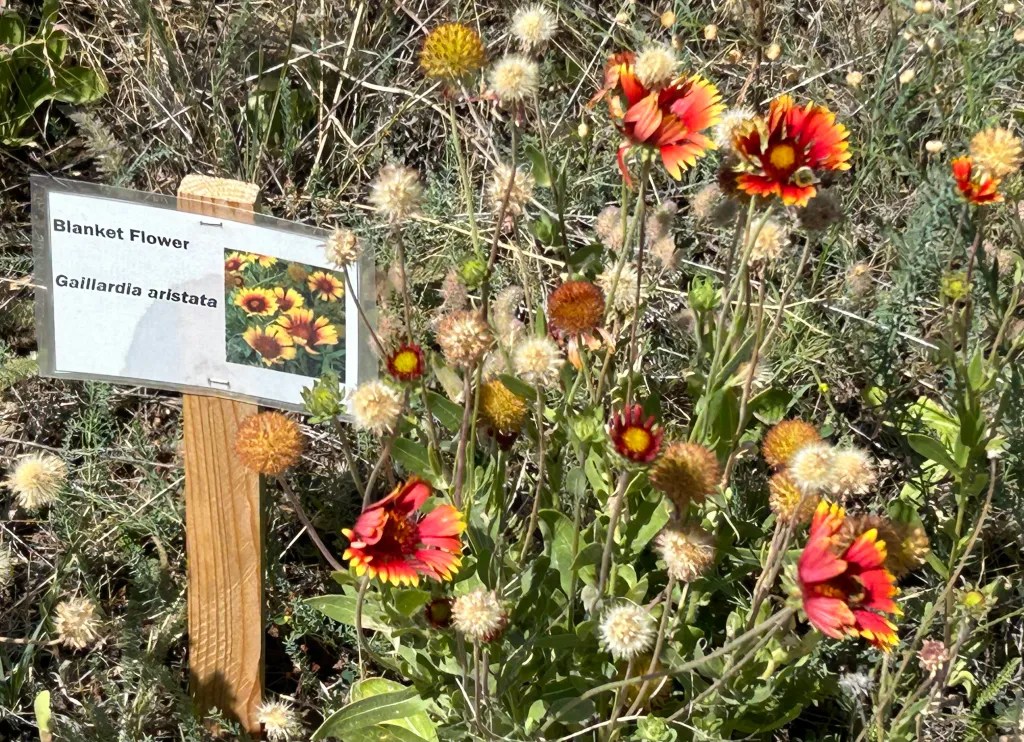
The Salmon River flows into the Pacific just out of sight between the headland and the beach above. The trail up here to the lower viewpoint starts at the boat launch, climbs through a lovely mossy old growth grove and crosses a few small bridges—the cascades were hidden in the brush—before reaching the meadow where a rare flower and butterfly live. There’s an upper viewpoint some 700 feet further up the hill, but I figured the closer view was better.

This UNESCO Biosphere is mostly on Nature Conservancy land, thanks to concerned citizens who rallied to protect it. Definitely needed the birdsong app: white-crowned sparrow, golden-crowned kinglet, chestnut-backed chickadee, pacific wren and a brown creeper, not to mention the usual coastal waterfowl and some raptor I couldn’t identify. Lovely spot on the Oregon coast with about a dozen other hikers on the trail on a beautiful day last fall.

Washington in Photos

Celebrating completing the Evergreen State!

Ebey’s Landing NHR, Fort Vancouver NHS, Klondike Gold Rush NHP, Lake Chelan NRA, Lake Roosevelt NRA, Mount Rainier NP, North Cascades NP, Olympic NP, Ross Lake NRA, San Juan Island NHP and Whitman Mission NHS are all above. Affiliate Wing Luke Museum is in Seattle, which is part of both the Mountains to Sound Greenway NHA and the Maritime Washington NHA. Parts of the Lewis & Clark, Nez Perce and Manhattan Project NHPs and sections of the Ice Age Floods NGT, Lewis & Clark NHT and Oregon NHT are in Washington too.

San Juan Island National Historic Park

Most of our border with Canada is a straight line from Minnesota to the Pacific, except for Canada’s Vancouver Island, which dips below the line. When the border was negotiated, the treaty put the border through the “middle of the channel”, i.e. the Straits of Georgia and Juan de Fuca. Except where the San Juan Islands are in the middle, and then which is the main channel becomes a matter of interpretation. San Juan Island is much closer to Victoria Canada than to the mainland, so the British claimed it. But the Haro Strait is larger than the rest of the channel, so the Americans claimed San Juan Island too. Nobody really cared much about the sparsely populated islands, until an American squatter killed a British pig for rooting in his garden. Then, both sides prepared for war.

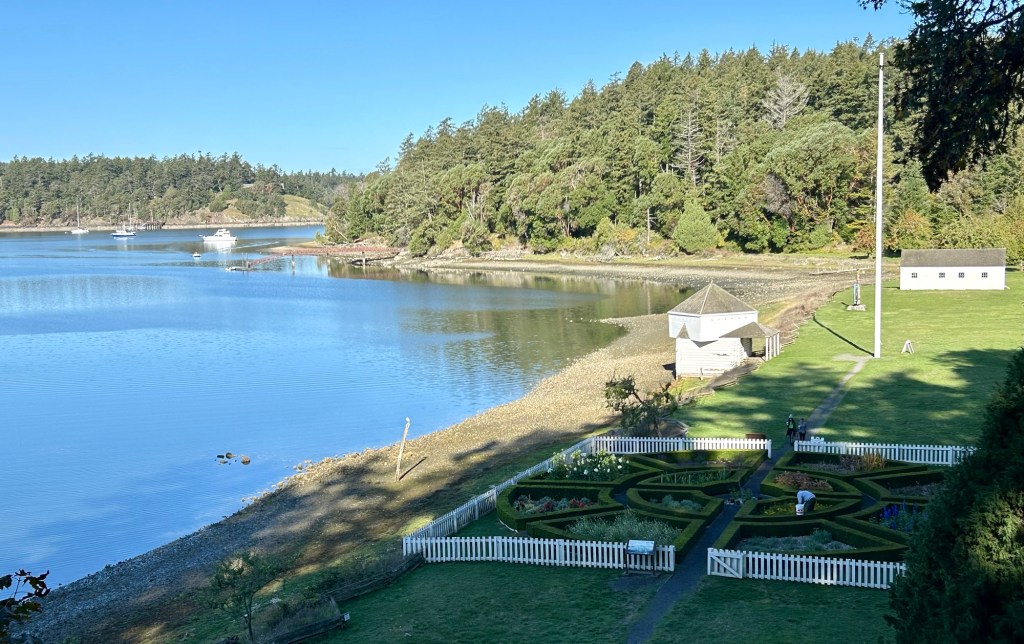
English Camp in the northwest is lovely, set on a well protected bay amidst large oaks, hemlock, and madrona trees. Well supplied from Victoria, the British created a formal garden above, kept calm and carried on. The Americans—actually the Robert’s Rules of Order writer—built a fort on the exposed southeastern point, conducted rigorous drills and maintained strict discipline. Large flag poles were erected at both camps. At the time, the US was entering the Civil War, so the government sent General Scott to negotiate peace. Fortunately, the border dispute was settled diplomatically.

There is an interpretive center at the American camp, while the English camp visitor center was closed when I visited late last September. Regular car ferries run to San Juan Island, with pleasant views along the way. Friday Harbor is between the English and American camps, 9 and 6 miles respectively, and has nice restaurants and more.

Crater Lake National Park

The cloaked inhabitants can’t be seen on Wizard Island under Watchman’s Overlook above, nor can the massive moss beds in our nation’s deepest lake. But there’s plenty of evidence of volcanic activity, including lava flows, cinder cones and the caldera itself. The lake is restricted, but there are a few summer boat tours from Cleetwood Cove. The rim road on the far left side is often under construction, but there are many trails and overlooks elsewhere including from the Rim Village off to the right. Due to snow, the Scenic Rim Drive is usually closed from November through June, if not longer. The outside of the mountain is also worth exploring, such as a one mile hike through Godfrey’s Glen in the south. Signs of 2017 wildfires are seen near the north entrance, and the forests of Oregon are getting hotter and drier due to carbon pollution.

I’m finally catching up on my summer travel backlog, just California national parks for the remaining Mondays of the year. Thursday posts will also continue eclectically.

Olympic National Park

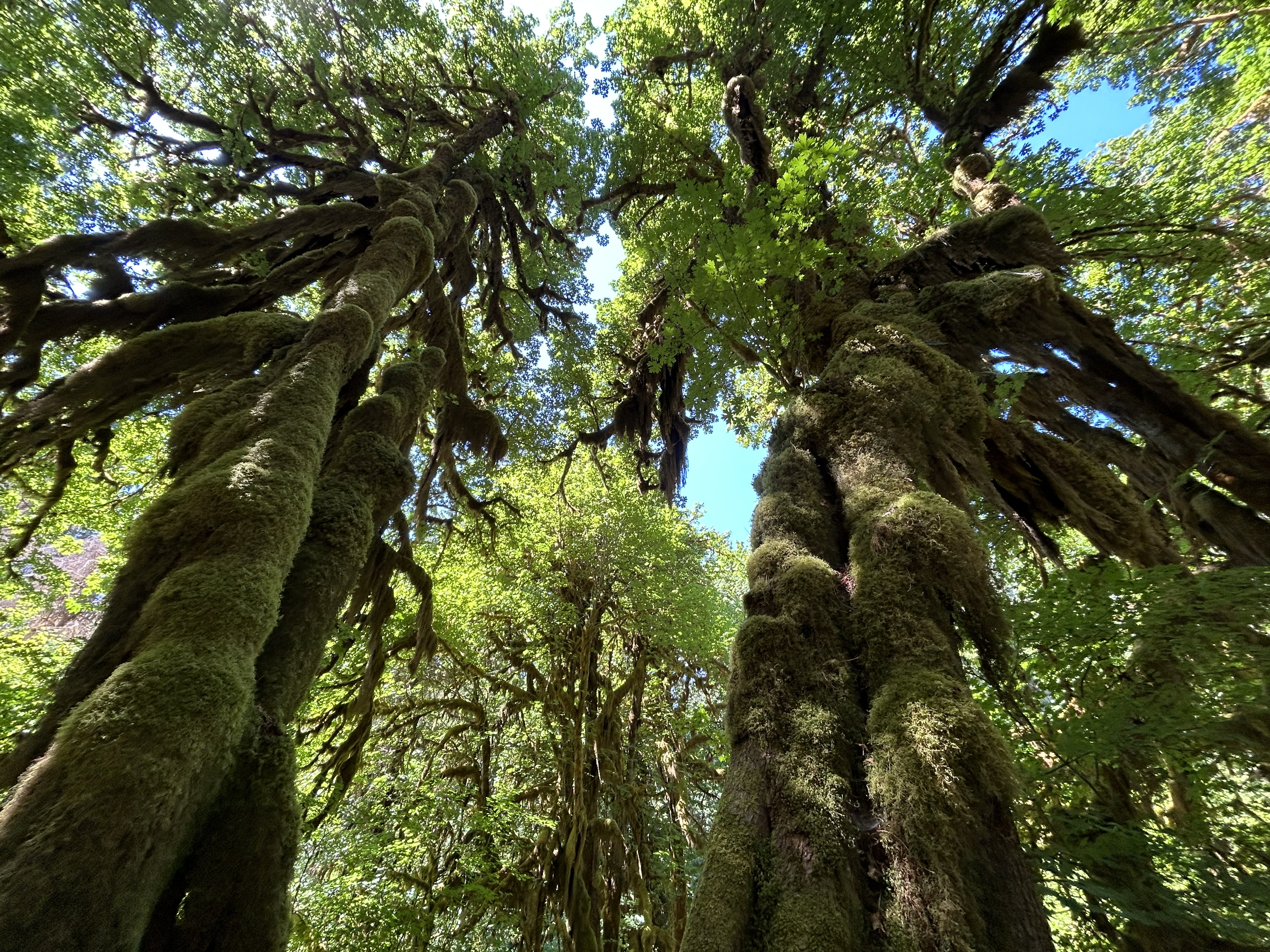
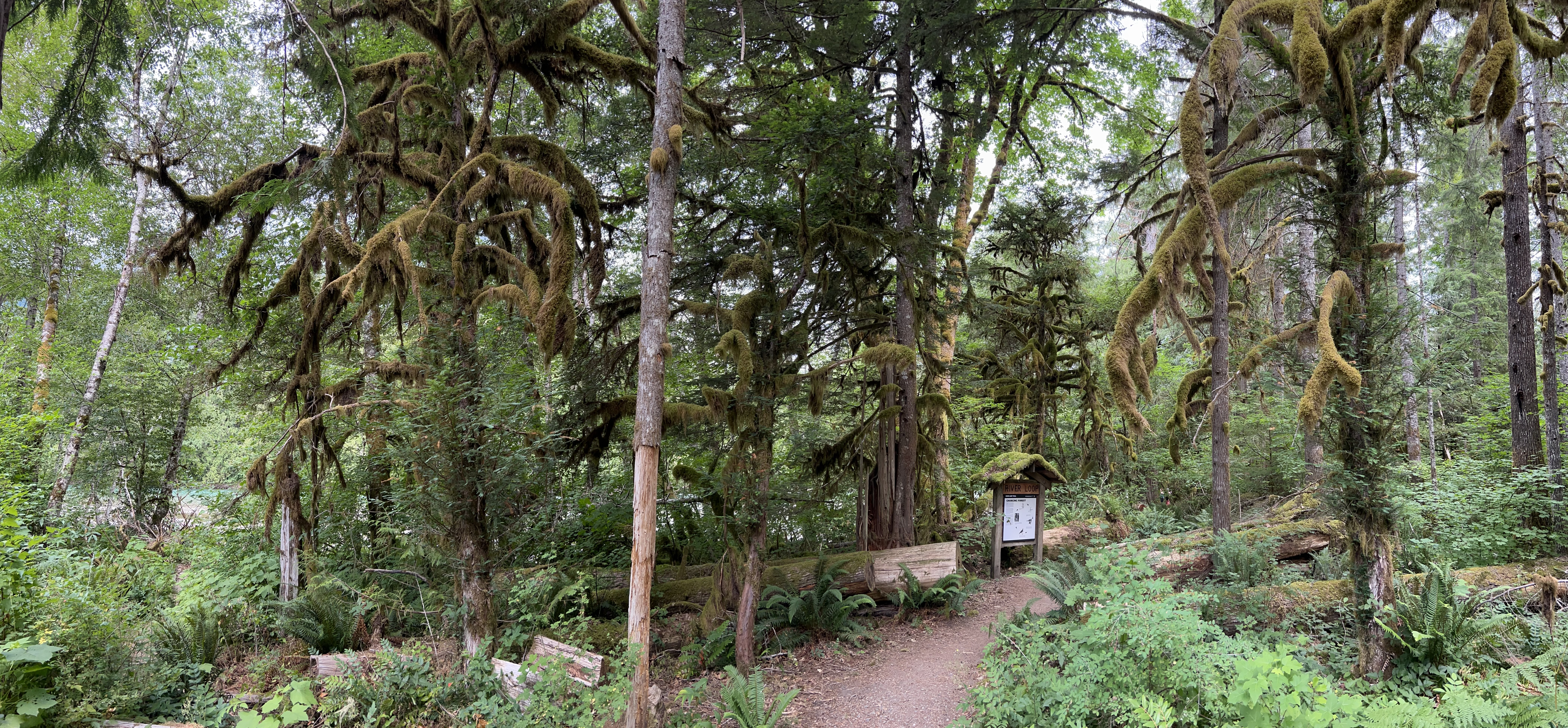
Even though the Hoh Rain Forest is on the far side of the park from Seattle, it’s popular in July, so I watched an otter playing in the water for half an hour while waiting my turn to drive through the gate to look for parking. (A parking map at the gate would save everyone time). The Hall of Mosses Trail above is easily hiked from the visitor center, and it’s impressive and definitely worth the trip. Several of the trees appear to be 1000 years old, and the streams are clear from spring water, where I saw tiny salmon among the bright green watercress.

There are some signs that the increased heat from carbon pollution is damaging some of the mosses, and while the overall annual precipitation has remained the same, it’s more concentrated in heavy downpours and less in the misty fog-drip that these sensitive plants require. The glaciers are also disappearing rapidly and will disappear completely in a few decades or less, severely impacting all the downstream ecosystems. Still, it’s my favorite park for moss.

Of course, Olympic also has mountains, including Hurricane Ridge and Mount Olympus, which feeds the Hoh and Queets Rivers. There’s a Hot Springs resort at Sol Duc and boating at Lake Crescent. The Olympic Peninsula also has Native American Reservations which help manage the coastal wilderness, wildlife refuge and marine sanctuary. For me, their crown jewel is their large temperate rainforest, but the other areas are also stunning. Some artists are painting the glaciers before they melt, but wouldn’t it be better if we all did our part to reduce our carbon footprints?

Mount Rainier National Park

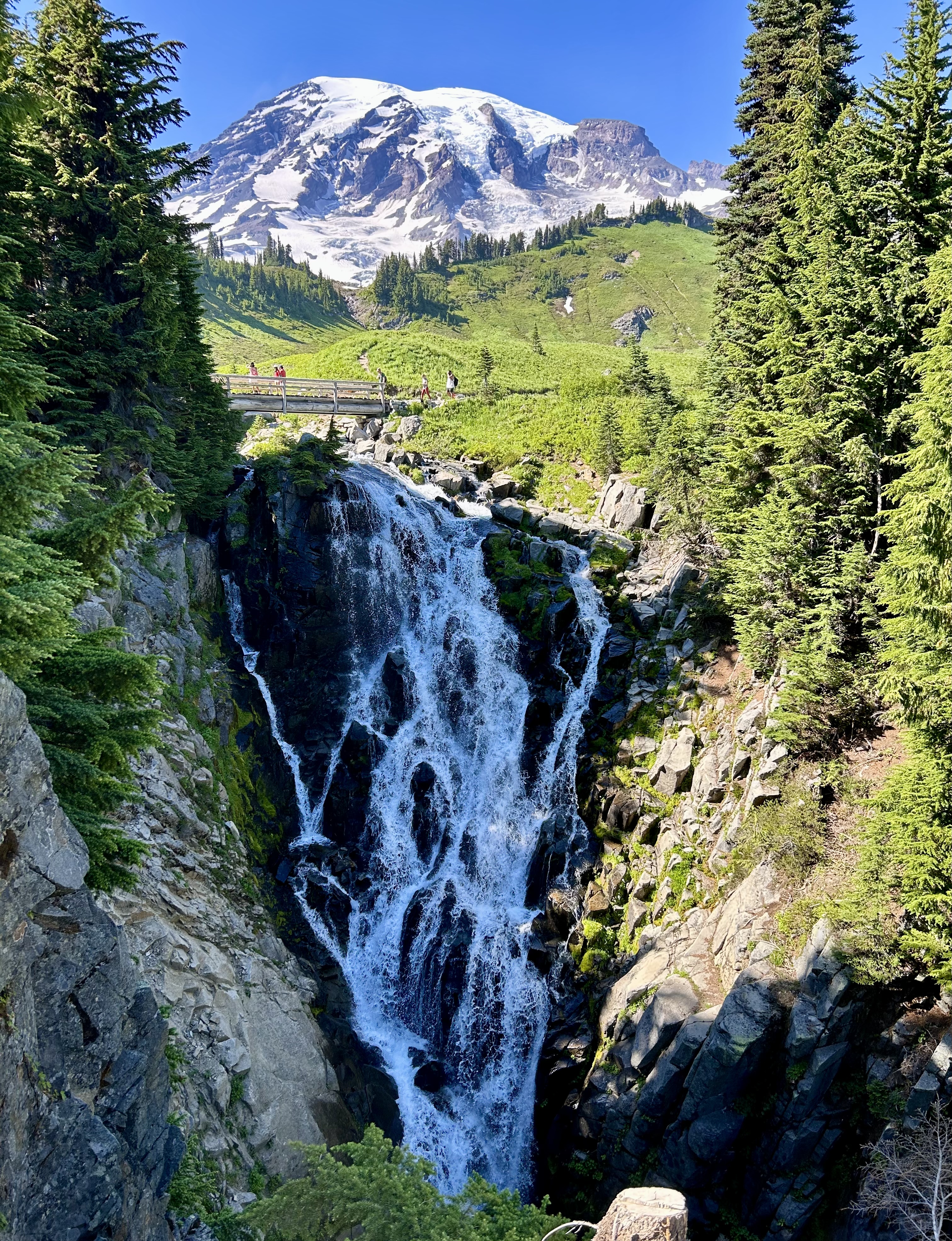
Panorama Point above is about 1,500’ above the Paradise parking lot, halfway along the 5 mile ‘strenuous’ Skyline loop trail, just under halfway up the mountain. In July, there were waterfalls, snow on sections of the trail, wildflowers and marmots. Mts St Helens, Adams & Hood all visible in the distance. The northwest and southeast corners of the park both have old growth forests, along the Carbon River Rainforest—which is open for bicycling on the first few miles—and the Ohanapecosh River Grove of the Patriarchs Trails respectively. I understand why Muir extolled Rainier as the best of the volcanic peaks in this area.

“Of all the fire mountains which like beacons,
once blazed along the Pacific Coast,
Mount Rainier is the noblest.

John Muir

For me, it’s another return trip after several decades since my brother and sister and I took a hike and a photo up here somewhere. I was pleased to see the forest looking healthy, the clear streams near the top, the glacial gray rivers on the way down and the blue glacial lakes below, as I remember. Of course, when the rapidly receding glaciers disappear, the whole ecology will be severely disrupted. But for now, I’m happy to visit a place like this when the rest of the country is under a carbon fueled heat dome.

North Cascades National Park

This photo looks down from the High Bridge at the end of the road 11 miles from Stehekin (rent an e-bike) on Lake Chelan. Here the bridge connects to the Pacific Crest Trail which cuts northeast across the southern wilderness on the last leg to Canada. The northern wilderness section of the multi-park complex is across the Skagit River and west of Ross Lake up to the Canadian border.

Both the north and south roadless wilderness areas have many high peaks with receding glaciers, so the hiking isn’t easy. And the wildlife includes black bears, cougars, gray wolves and grizzly bears. Careless campers closed one campsite by leaving food for bears to find, and another was closed due to grizzlies fighting over a nearby carcass. Being long of tooth and short of courage, I just hiked the short Agnes Gorge Trail on the edge of the wilderness to catch some more glimpses of rushing Stehekin River.

Wilderness, of course, has now ended. Now that our carbon pollution is changing the climate globally, there is nowhere on earth unaffected by humans. With that change comes responsibility. Since we no longer allow nature to keep itself in equilibrium, we must act to restore balance. We broke it, so now we own it. The park has increasingly fierce wildfires, which we exacerbated. So the extra damage is our fault, and we must fix it.