Bryce Canyon is spectacular in April with a chance of snow on the hoodoos. The best of Bryce is a horse or better a mule ride down into the canyon, and the park concessionaire starts riding tours on April 1. The canyon rim is around 8,500 feet, so late snow and leftover morning ice are quite possible. Except for a couple roads up to mountain peak lookout trails, the park opens for spring between the end of the first week and mid-April. If you are a serious hiker and want all the trails open, then I’d recommend the first half of October before the snow falls. Otherwise, I’d check the weather, wear a thermal layer and go in the second half of April, when wildlife and flowers are just emerging after a cold winter. May or September are also nice, as they are at most parks.
Canyonlands has good weather in April and has many different places to explore by bike, drive or hike. The roads and trails are often rough especially after rain, but there are wildflowers. Campgrounds require early reservations and background camping requires permits, gear and experience.
Capitol Reef has some excellent hiking in April ~65° F. There may be some rain, but that brings wildflowers. Some like visiting the orchards in fruit picking season, but I’d rather be biking here when the orchards are in bloom.
April has pleasant weather for taking photos of the Petrified Forest with wildflowers. Summer is too hot and winter is too cold. You need decent weather to hike around, and the contrast between the fossilized trees and living flowers is nice.
First Saturday of the month, so here are the three National Parks best visited in March. See January and February for more.
March is a tricky month for parks, as many parks are still in winter or are too cold and wet to enjoy. But in the west at higher elevation, spring comes earlier and a few parks are fairly dry year round. Arches, Joshua Tree and Pinnacles are my March park picks.
Let’s be honest, an enjoyable experience at Arches is all about parking. Ideally, you want to stop at each arch spot, hike a bit, take photos and then move on to the next. If it’s overly crowded, that can be difficult, even with timed entry or arriving at sunrise. Since it’s too hot in summer, the shoulder seasons are crowded. Winter is too cold, and slick rock trails are dangerous when there’s ice. The solution is March. Snow is rare, but it makes a better photo if you see any on or through an arch. Temperatures are fine, with most daytime highs in the 70° F range. There will still be plenty of people, but not nearly as many as Spring Break. Sure, fall is fine too, but you could say that about most of the parks.
Joshua Tree is a great spot for hiking and camping, but the campgrounds are mostly at ~4,000 feet. So winter is uncomfortable, and as the park is in the Colorado and Mojave deserts, summer is uncomfortable too. I prefer March, when you can see wildflowers. The trees and rocks are great, but it’s even better to find a pretty little flower unexpectedly blooming off some rough trail. Like Arches, the park is popular and crowded at Spring Break.
Pinnacles similarly is high, relatively dry, and has limited trail side parking, so I like March there before Spring Break. But there’s a special reason to go in March (or maybe October), as the entire Bear Gulch cave is open. My favorite part of Pinnacles are the caves, but due to bats raising their young, many underground areas are off limits for months of the year. The weather is fine for hiking too, and you can see wildflowers.
Hope this series helps you plan your next national park adventure!
In case you want to visit all the National Parks in the contiguous US, this year I’m sharing my recommendations for 3-5 National Parks to visit each month. By the end of the year, you’ll have a full list of all 51 parks, evenly spread out over the different seasons with as few compromises as possible.
Since January is typically the coldest month, it makes sense to visit southern Florida, the only tropical climate in the continental US. That means Biscayne, the Dry Tortugas and the Everglades. These are beautiful parks for enjoying snorkeling, beaches and nature outdoors, so January is a great month for avoiding the hot, humid weather with afternoon thunderstorms that would bother you much of the rest of the year.
Hurricane season is lengthening, and now some tropical storms form in May before the official season of June through November. I visited the Dry Tortugas in May with an eye on the weather, and I was lucky. Some see sea turtles up close, but I was not lucky. Nesting beaches are often off-limits, and the water visibility wasn’t as clear for snorkeling as it would be in January. If you want to see the turtles, take the short, low altitude seaplane out to the Dry Tortugas, and you will see them swimming all year long.
Sometimes a winter storm will bring winds down to the keys with cold snaps in the 50s, but they don’t last. Many places that rent snorkel gear will have various wetsuits to keep you comfortable, if needed, but the water temperature usually stays above 70° F. Day highs are around 75° F, and most evenings are very mild.
Since the Everglades are dry in January, wildlife tends to concentrate around reliable water sources, making them easier to spot. Birding is best in January, as many migratory birds are in the park, and large charismatic birds like roseate spoonbills and wood storks are laying eggs. And there are few mosquitoes in January.
Weather makes a big difference in how much we enjoy our park visits, so—despite the high season costs—, I recommend visiting these three tropical parks in January, when most other parks are cold, closed and difficult to access. Plan ahead, be flexible on where to stay, and be efficient with your time to save money. But enjoy your time on a tropical beach or amongst the mangroves while others are home shoveling snow.
For 2026, I resolve to complete all UNESCO sites in half of Canada’s provinces, make a third road trip to Mexico, find even more national monuments and recreation areas in the US, and drive to southeast Alaska. Logistical challenges and new site designations may thwart my plans, but I will do my best.
Weekly Monday posts will continue to be a new visit. Thursdays will still be sporadic summaries and viewpoints. The first Saturday of each month will be park recommendations. And mid-month on Saturdays I will highlight a climate issue. Hope you have a happy New Year!
Once I get to a park, I like to explore, preferably without burning carbon. I have a folding e-bike (Gocycle G4) and a folding kayak (Oru Bay) that fit in my car (Tesla 3LR). I also bring an old packraft (Kokopelli) for remote camping trips. [To be clear, I receive zero compensation related to any products or services, neither referral bonuses nor discounts.] Despite some wonderful experiences, I would not recommend anyone buy any of these products, which all have drawbacks. Instead, pick what works best for you.
In many parks—especially for normal folk who don’t visit a hundred a year—the smart paddling choice is to rent. Often the only way to get a pickup / drop off is free with a rental. If you don’t paddle frequently, this ends up being relatively cheap, with less hassle and without maintenance. Many places are very concerned about invasive species, so careful cleaning and drying of your own equipment is time consuming too, not to mention fees for licenses and mussel stickers.
My folding kayak works well for shallow, flat water. I have a spray skirt for whitewater, but it’s best in swamps like Congaree and Big Thicket or in long relatively flat rivers like the Delaware or Big South Fork. Because it tracks straighter than my packraft would go, I can cover a lot of ground, frequently passing younger, fitter raft paddlers. It’s a bit expensive, tippy, and it doesn’t carry a lot of gear, so I use it for day trips. But folks renting $90 a day gear often say ‘good idea’ when they see me pull my kayak out of my car trunk, not realizing this is possible. Their guides look much less pleased with the idea.
I wish I had a lighter packraft, as mine is almost as heavy as my 25 pound folding kayak. But it packs up small and carries much more gear, so that’s the only option when the campsites are far from the car. The Kokopelli is also more appropriate for whitewater than my Oru.
Which brings me to my new inflatable boat (Takacat 260) with electric outboard (E-propulsion Spirit Plus). Charging my new outboard battery with a solar panel (above) is easy, and the battery floats. While heavier than I would like, this is the lightest combo I could find. With a solar panel, I can run this at low speed all day, even charging underway. I find it works best when carrying gear across open bays or trying to cover longer distances when time is short. One surprising benefit is that I can approach birds very quietly and closely both in the water and on rocks or shore, with a more stable platform for photos. If everyone switched to electric, the shores would be much quieter and cleaner.
My favorite place in Baja is Loreto, above. It’s a magical town, both Mexican and touristy, with good restaurants, not too big nor crowded, near beautiful beaches and with quality tours to explore the bay. The bay and islands are part of a national park, where I saw blue whales. Simple restaurants on nearby beaches have the freshest seafood: try Vista al Mar.
Winter is the time to see the gray whales in their favorite lagoons, mating and raising their calves. And some of the tour operators offer rock painting and other tours, if it’s too cold or windy for watching whales. Ensenada has vineyards with wine tasting in the surrounding valleys. And folks enjoy biking, fishing, hiking, horseback riding, kayaking and more along the whole peninsula. More folks should make the drive from the US state of Alta—‘upper’—California to the Mexican state of Baja—‘lower’—California and Baja California Sur—‘south’.
Everyone who has driven to Baja has stories, but there’s a lot of BS from people who want to make it sound more rugged and dangerous than it is. Americans often drive big expensive campers with all sorts of extra gear, imagining they’re on some challenging off-road expedition, like one of the Baja races. They talk about camping at some perfect remote cove only accessible with a specialized vehicle and extreme skills, even though many beautiful beaches are on easily driven roads. I saw a van roll over after swerving to avoid a pothole on the highway, so I think the last thing you need is some top-heavy monstrosity. (Driver said he was fine, but I asked the police nearby to check on him).
While I saw several large motorcycle packs of ‘rugged individuals’ staying at comfortable hotels, I drove my Tesla 3, with a low center of gravity that steers well, and I visited some of the most wonderful places in Mexico, without drama. As on my drive to Mexico City, I was neither asked for bribes nor witnessed any crimes. There’s much less traffic in Baja, and there’s no need for a car permit in Baja or neighboring Rocky Point. I crossed the border at Tecate, where I simply drove through without a wait. There are a few checkpoints, but—besides asking questions about my car—they typically just wanted to know my destination, to be sure I wasn’t trying to drive at night. (Due to politics, returning to the US is far more time-consuming than it was last year, as inspections have increased significantly).
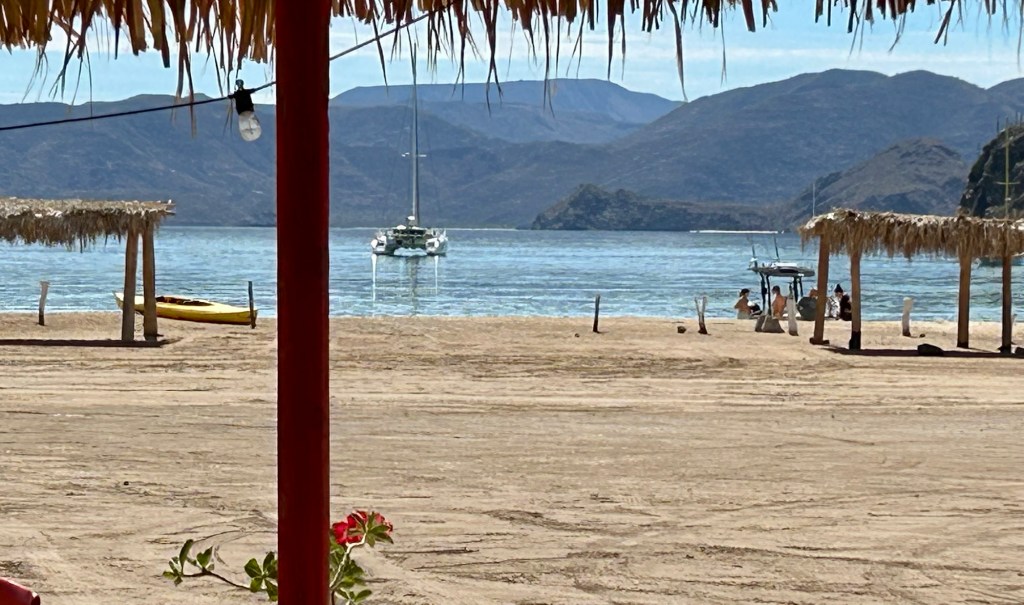
50 years ago maybe, you needed a small private plane to stay at Hotel Serenidad, one of John Wayne’s old favorites, but I just drove there. The restaurant still has delicious food, and the atmosphere is tranquil. The road was a little bumpy, but I charged my Tesla 3 at a nearby hotel, while playing with their dogs. Then, down the coast, I had one of my favorite meals, aquachiles mixto, at Ana’s restaurant on Playa Santispac, while mesmerized by the view from my table below.
The plain truth is that Baja is drivable by electric vehicle, and I was surprised to see only two Teslas south of Ensenada. Even the US CBP officer was surprised that I had driven my Tesla 3 all the way to La Paz and asked about road conditions and charging. There are two routes from the last Supercharger in Ensenada, either via Hotel Cataviña and the pacific highway or via San Felipe on the more recently paved ’faster’ route. I took the pacific route, since it’s a few miles shorter. Sure, my car lost signal for the whole round trip between Ensenada and LaPaz, so it missed the time zone change between north and south Baja. But I used my iPhone to navigate, entering my next destination whenever I was in a town large enough to have cell service or at a place with WiFi.
The destination chargers I found on PlugShare are much slower than superchargers: +42 miles/hour, but some are free with lunch or $20 to charge. La Paz to Loreto can be done in one drive, and both ends have hotels with free charging for guests. (Here’s a tip. If you’re charging overnight, don’t set a full charge as ‘one time only’. When I woke up, a power outage during the night had reset my charge level from full back to daily 80%.) I drove Bahía de Los Angeles to Ensenada in one long day, charging in San Quintín. The trick is to obey the speed limits and take your time. Since charging is so slow, there’s no point in saving 40 minutes speeding, only to have to charge for an extra hour when you arrive. Besides, you need time to avoid potholes.
Although too many people have thrown trash along the roads and too many developments and small buildings have been abandoned, Baja is still very scenic, with beautiful beaches, craggy peaks, canyons, deserts, dunes, farms, salt flats, volcanoes, date palms, countless cacti, osprey, and more. OK, it can be dusty and dirty, but not everywhere. Mexico is an informal country, and Baja is even more so, where folks just do things their own way. (Every margarita I drank, tasted different than the last). But if you put a smile on your face, be patient, thoughtful and keep your eyes open, then Baja is a beautiful place to visit, especially in a small electric car!
My medium term goal is to visit all the parks in the lower 48 states in my electric car, and that necessarily includes taking an occasional car ferry. I would prefer never to take carbon burning transportation, but I’m neither going to risk my life nor break the law, nor encourage anyone else to do so. Some river roads, coastal highways and islands rely on ferries—such as in the Outer Banks or San Juan Islands above—, without practical alternatives. The only way to visit the Statue of Liberty or Alcatraz is to take the ferry.
My general rule is to arrive at each park by zero emission vehicle but to take park transport as needed to enjoy the park, like at Steamtown. Whenever I can, I encourage park employees to replace their old transport with solar powered electric boats, which would be perfect at Fort Matanzas. And the NPS is slowly converting its transportation to renewable, for example at Zion.
Pick the best in each of the six regions completed
Visit Canada and Mexico again to see more world heritage sites and biospheres
So I plan to cross the country again this year in my electric car, seeing National Parks from California to Florida, World Heritage Sites from Canada to Mexico, and various lesser known but still important small sites. Logistical challenges or new park designations (thanks Joe) may thwart my plans, but I resolve to do my best.
The posting schedule should continue unchanged all year. Mondays are site visits. Thursdays are typically viewpoints and summaries. And every other Saturday I plan to post a state photo summary. Thanks for following along!
To visit 16 of Mexico’s World Heritage Sites in a zero emission vehicle, I drove round trip from Texas to Mexico City, through 13 Mexican states, and, while a bit bumpy, I enjoyed the trip very much. All my trip report links are at the end of this post.
If you read online comments in the US, you might get the idea that traveling in Mexico is impossible or foolhardy at best. Well, you can’t believe everything you read online (except this blog of course). Over the entire trip, I was only asked for one ‘bribe’ of $1, to park briefly in a student parking lot without a student id. The state police, national guard and military were all very professional and waved me through either without comment or after glancing at my car permit. While I saw crime on the TV news in Mexico, I observed none.
After driving in Mexico, I finally understand driving in Texas. Instead of overpasses, underpasses and clover leafs, just use ‘retornos’ or U-turns. Folks leave the nice highways, well, they’re on their own, immediately. Want to slow traffic, without relying on folks to obey signs? Just use lots of speed-bumps or topes. Although, there are even more techniques to learn. First, always be alert. Pothole! Second, drive halfway in the breakdown lane to avoid head-on collisions with oncoming passing traffic. Third, always be alert, seriously, you need to pay attention and think while driving. Drivers are generally nice, but get out of the way of speed demons and quickly pass vehicles that wouldn’t be allowed on the roads in the US.
All Mexico is divided into three parts. Mexico City is best navigated by metro, with its one way streets, traffic and lack of parking. Traffic can be stultifying. Of course, electric cars are exempt from the Hoy No Circula—‘no driving today’—restrictions, which otherwise limit your access to the city according to the last character of your license plate. Circumnavigating the city on the ring road requires tolls: take your ticket and be prepared to pay cash (although a few places take credit cards). Remember the metro is 5 pesos or ~30 cents.
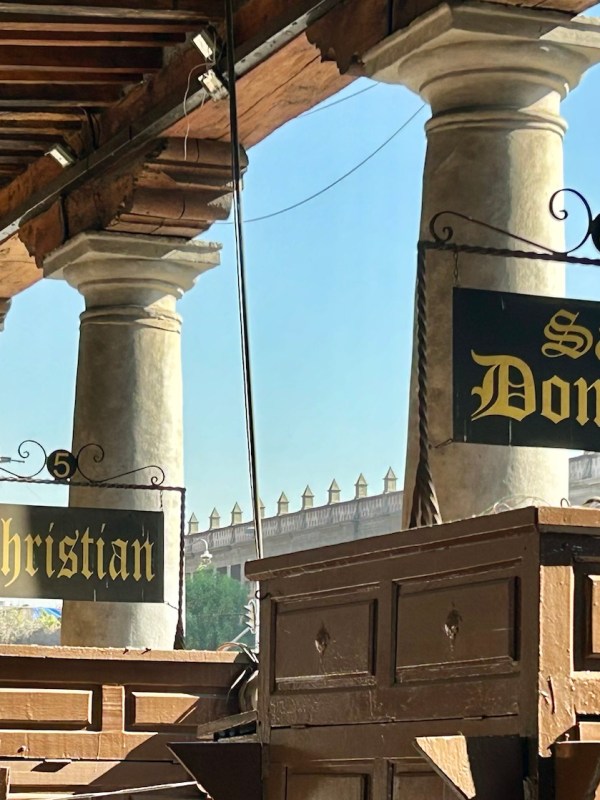
The mid-sized cities and tourist areas outside Mexico City are still crowded, but passable by private car. I was frequently fortunate to find parking very near World Heritage Sites in mid-sized city centers. Of course, the more touristy, the more likely that the roads are cobblestone. San Miguel de Allende may be magical, but I scraped the bottom of my car several times on medieval stones. Better to park outside the historic zones and walk. Still, driving your own car gets you to places that are otherwise challenging to reach.
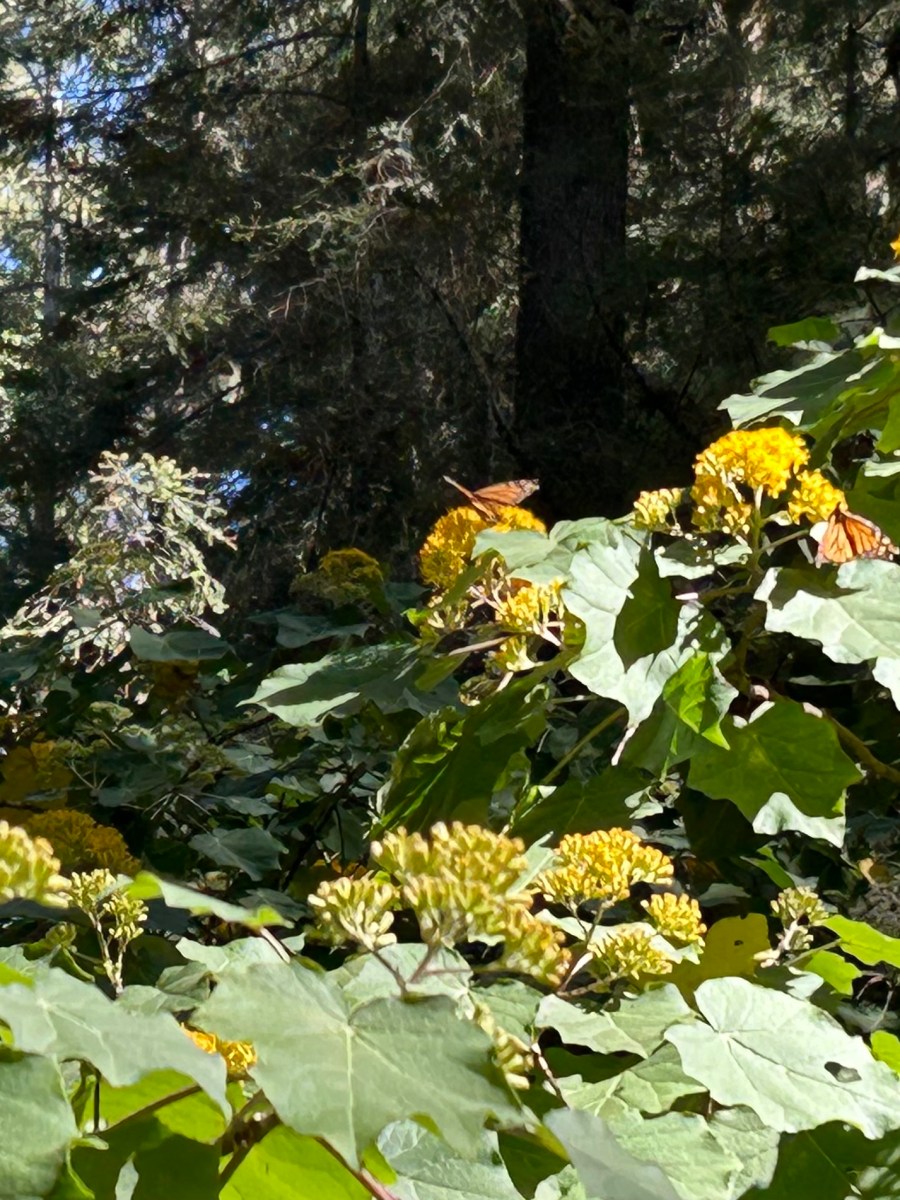
And then there are the mountains and remote villages. Ah, lovely! But no signal to navigate. I got lost three times near the butterfly reserve. Once, my navigation asked me to drive between two trees on each side of a hiking trail. But I must admit, some of the most beautiful places in Mexico are just off the grid. Horse-driven ploughs, indigenous costumes, and forest-covered volcanoes await. Long drives are best on toll roads with frequent $5 to $15 tolls.
On this trip, I used Superchargers exclusively, and I only saw half a dozen Teslas in Mexico, including my own, mostly at chargers. Unlike the US, there isn’t a government subsidy for most electric cars, so my car was not just unusual, but uneconomical in the short run. I got few comments or looks, and the valet parking attendants had never driven one before (and didn’t like them). There are a few other electric models that I saw on TV, which we don’t have in the US, and I spotted a few of those in Mexico. But overall, electric cars are an elite affair, with parking and charging in the most expensive malls in expensive neighborhoods. I found the supercharger network from McAllen to Puebla accessible and without gaps, although it’s better to charge whenever you can, just in case you need a lot of air conditioning or have to detour.
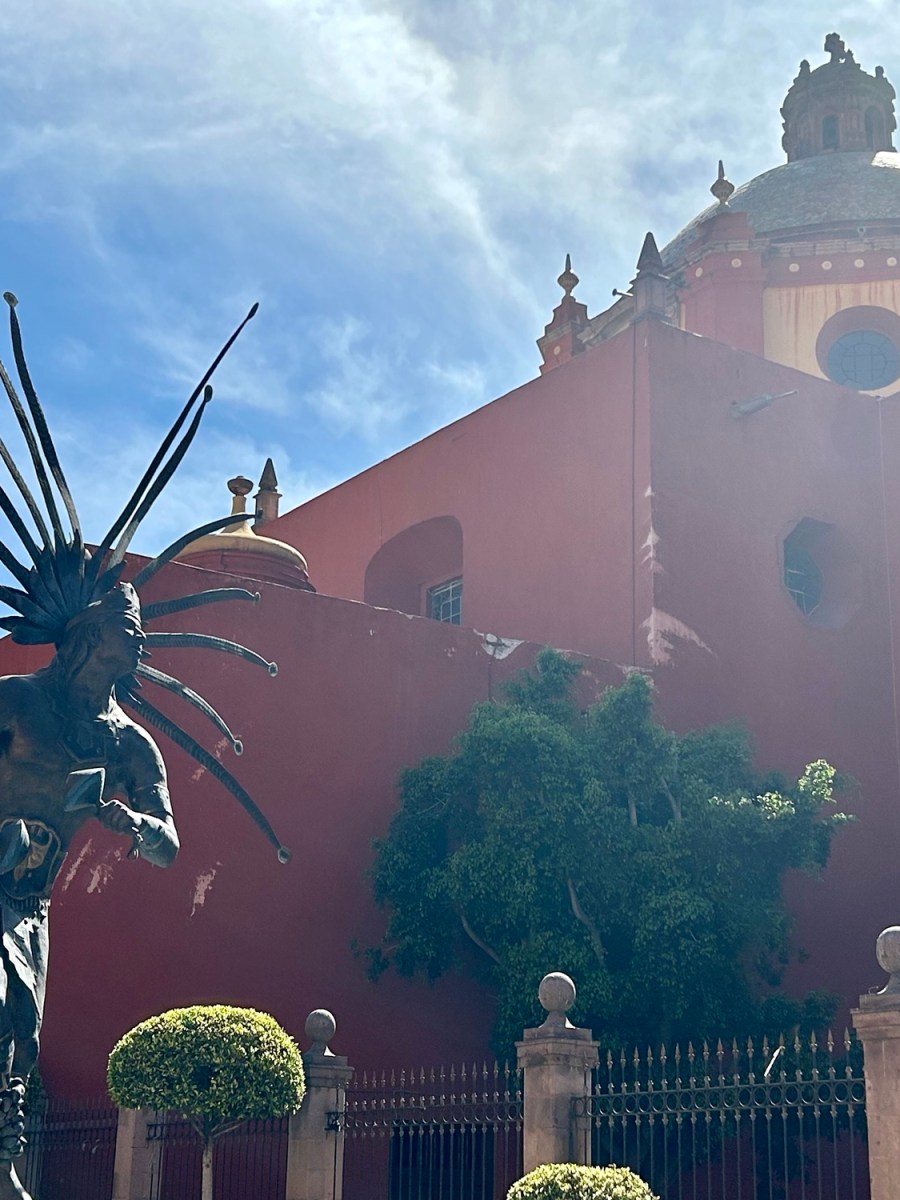
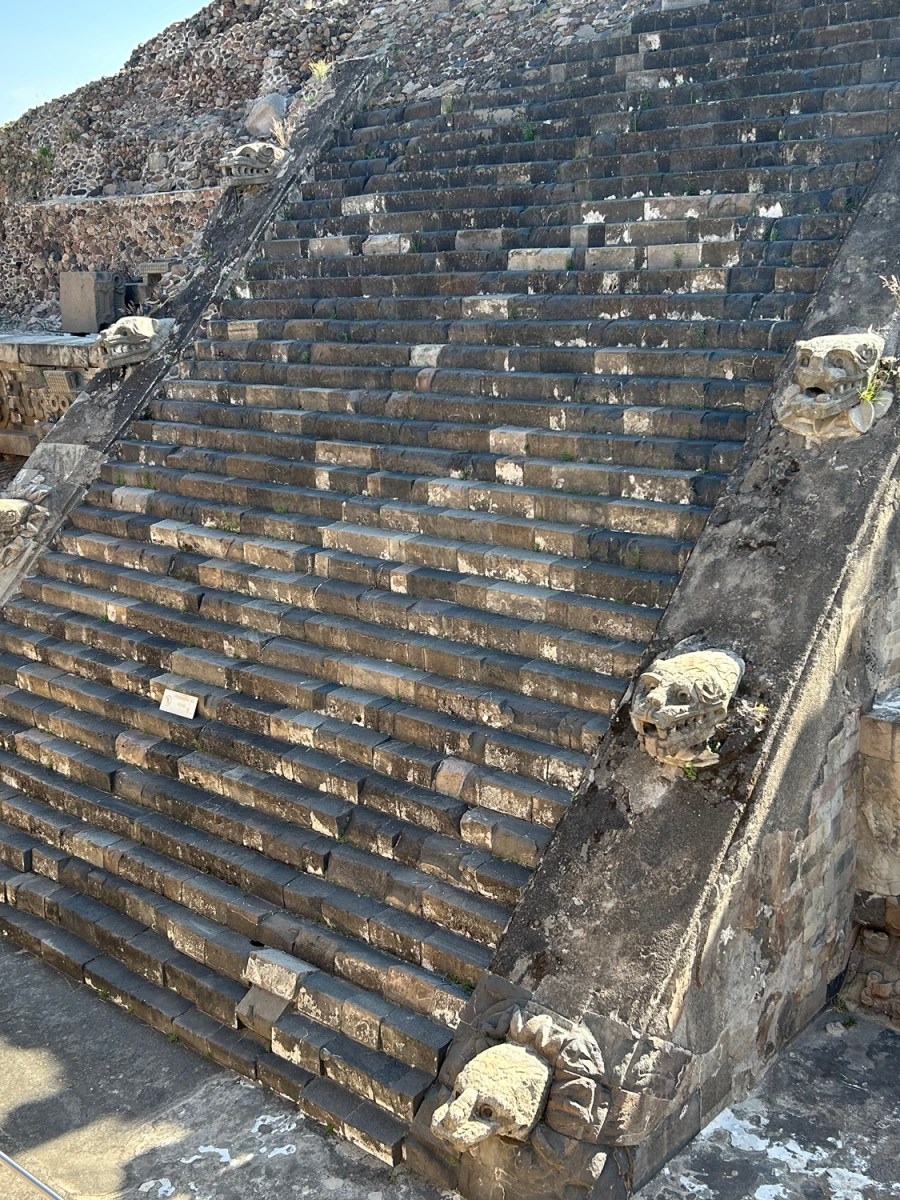
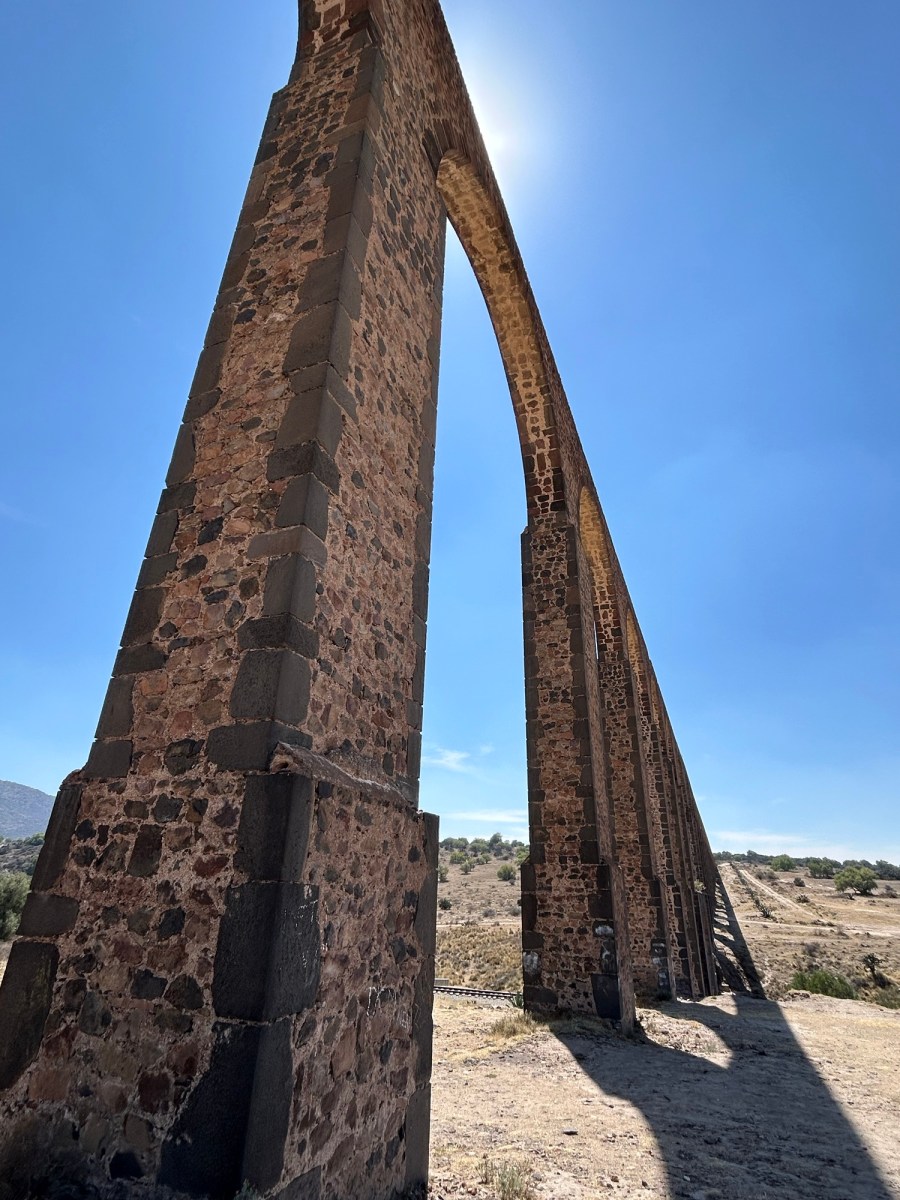
While Mexico might seem intimidating or unrefined, the truth is that it’s worth the trouble. There are European-style cathedrals, ancient pyramids (photo from Anthropology Museum), glorious art, scrumptious food, and natural wonders that are well worth driving a couple days with the trucks on the long highways. An unexpected side benefit to driving was passing through three UNESCO Biospheres along the way: Cumbres de Monterrey, La Primavera near Tequila, and Los Volcanes near Mt Popocatépetl. I reviewed the State Department warnings and used them to plan my trip, but, again, the best way to avoid crime is to avoid drugs and be careful. Americans should take advantage of the wonderful travel opportunities just south of our border, and I’m not talking about all-you-can-whatever resorts that you fly into. See the real Mexico, and drive electric!
Visit several World Heritage Sites in Mexico and Canada—Done, will post by year end.
Complete the North Atlantic & Midwest regions—1/2 done, in progress.
While I haven’t posted all my visits yet, I’m officially up to 380 out of 429 park sites, plus most of the heritage areas, trails & about 1/2 the affiliates. Next Monday will be the end of my Mexican World Heritage Site roadtrip, so after that Mondays will switch back to US parks, including affiliates, trails and heritage areas. Thursdays will continue to be eclectic, with various regional summaries, logistics and opinions. Look for some new zero carbon vehicle announcements. I’m cutting back on the Saturday state photo posts to every other week for the rest of the year. Turns out there are a limited number of states—who knew?—including some I haven’t completed yet. Thanks for reading!









 Zero Carbon Travel