Women’s History Month

Women’s contributions to our history have too often been ignored or downplayed. Several of the official national park sites primarily focus on telling women’s history, but the park service maintains a far longer list of women who deserve more recognition. The park service says that ‘women’s history can be found in all parks’, but that’s another way of saying that women’s history is secondary in most parks.

First listed are official park sites that focus on telling important women’s history well, and it includes suffragettes, abolitionists, business women, laborers, and political leaders.

Second is a very incomplete list of historically important women often mentioned at national park sites (links go to NPS articles), but without the recognition of their own official park sites. The list below has suffragettes, scientists, and women who fought for the rights of others, and all who must be remembered. A few of these are currently being considered for park recognition, along with a Votes for Women History Trail. My apologies for those I know I’m leaving off the list below.

Who was the first American woman to win the Nobel Peace Prize? The only woman to win the Medal of Honor? Our first Congresswoman, elected before women could vote? If there’s a woman on this list you haven’t heard about, please do yourself a favor and click her link below.

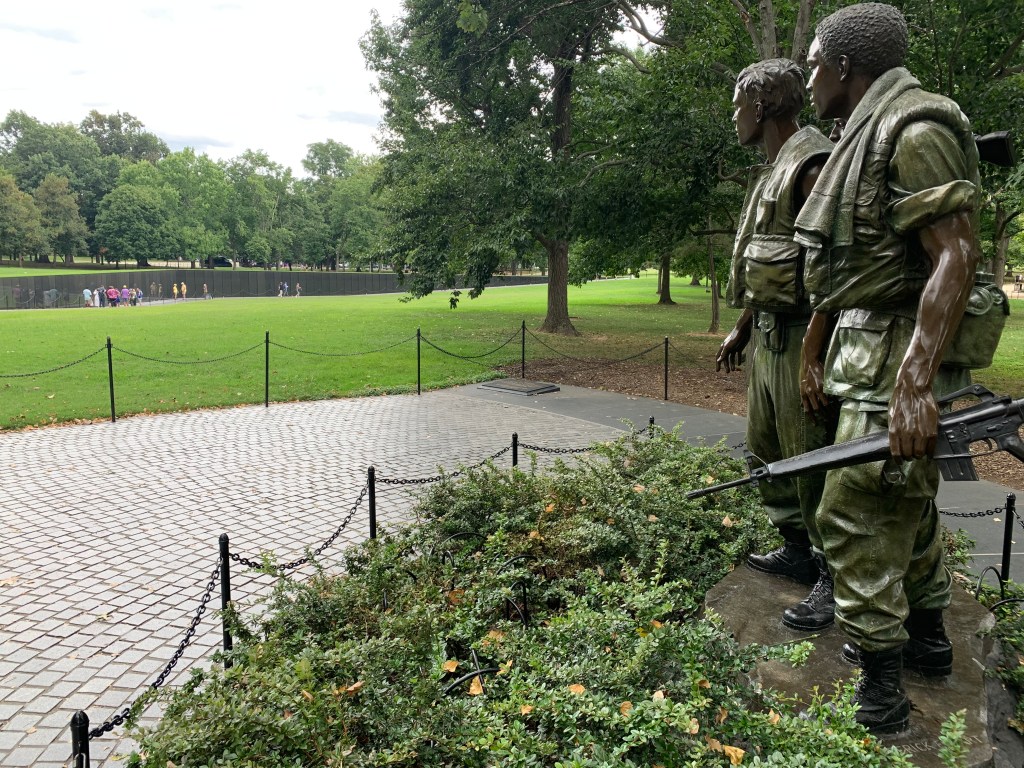
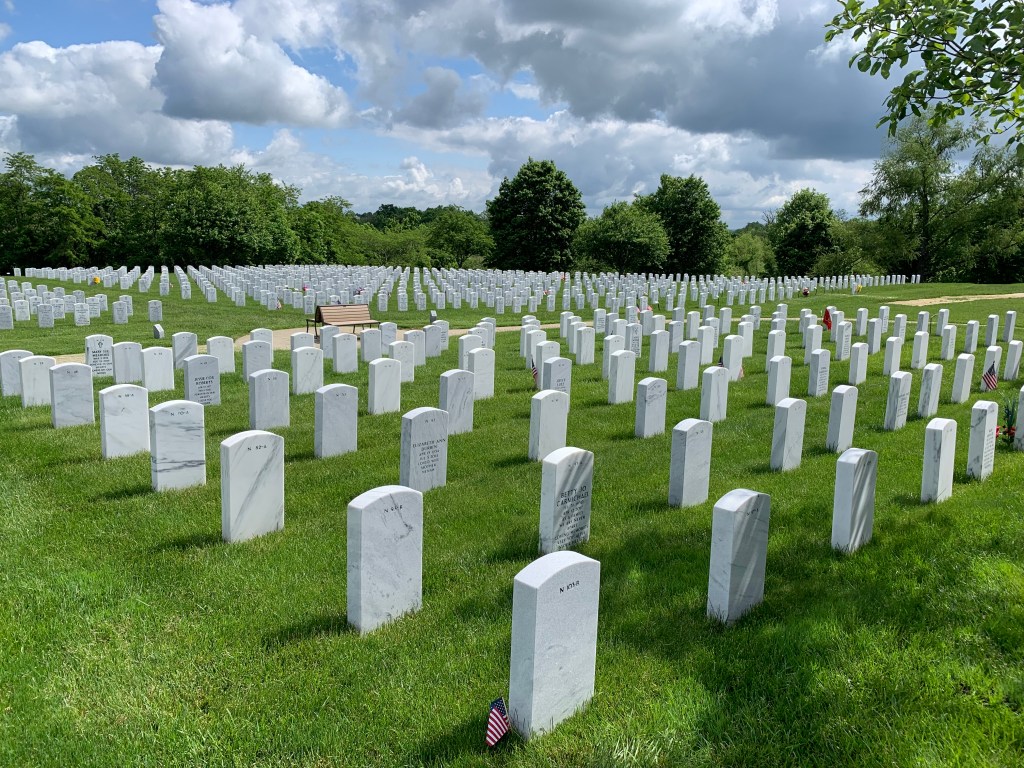
Many famous women also are at rest in Arlington National Cemetery, including astronauts, code-breakers, a Pulitzer-winning journalist and a Supreme Court Justice. But there’s just one memorial—Military Women’s Memorial—for all the women who served in war, despite the diverse stories of women in the Revolution, War of 1812, US-Mexican War, Civil War, WWI, WWII, WASPs, and the rest. We all need to do a better job of remembering and telling Women’s History, with more official, public recognition.

Black History Month

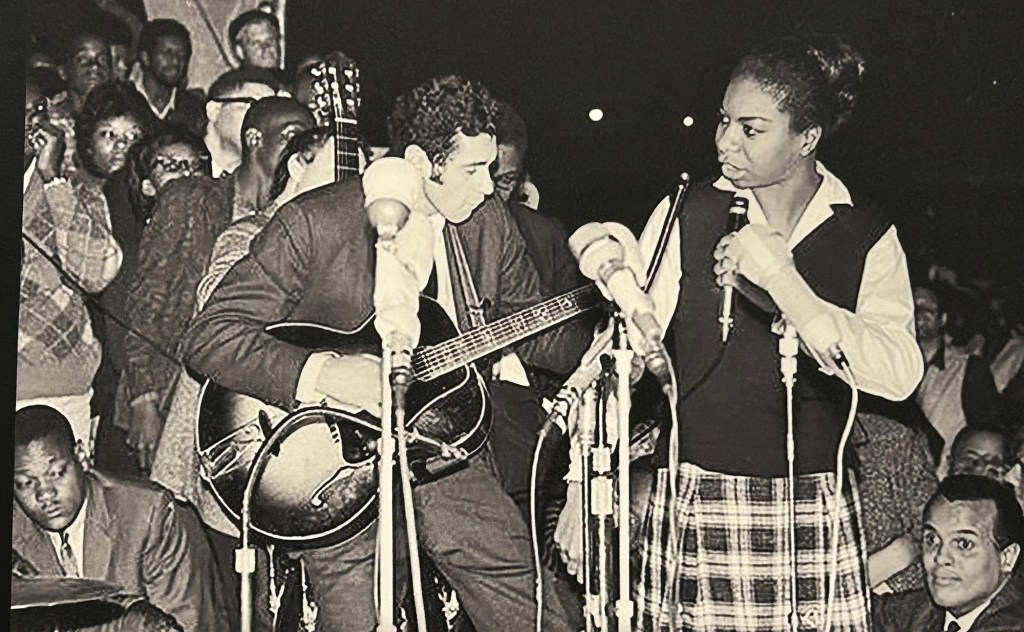
Nina Simone on the march from Selma to Montgomery, with Harry Belafonte lower right.

Black History is about much more than emancipation and education. Beyond the basic rights to liberty and literacy, Americans have a right to pursue happiness. All year long, the national park service celebrates those who broke the barriers that denied black people their full rights as citizens.

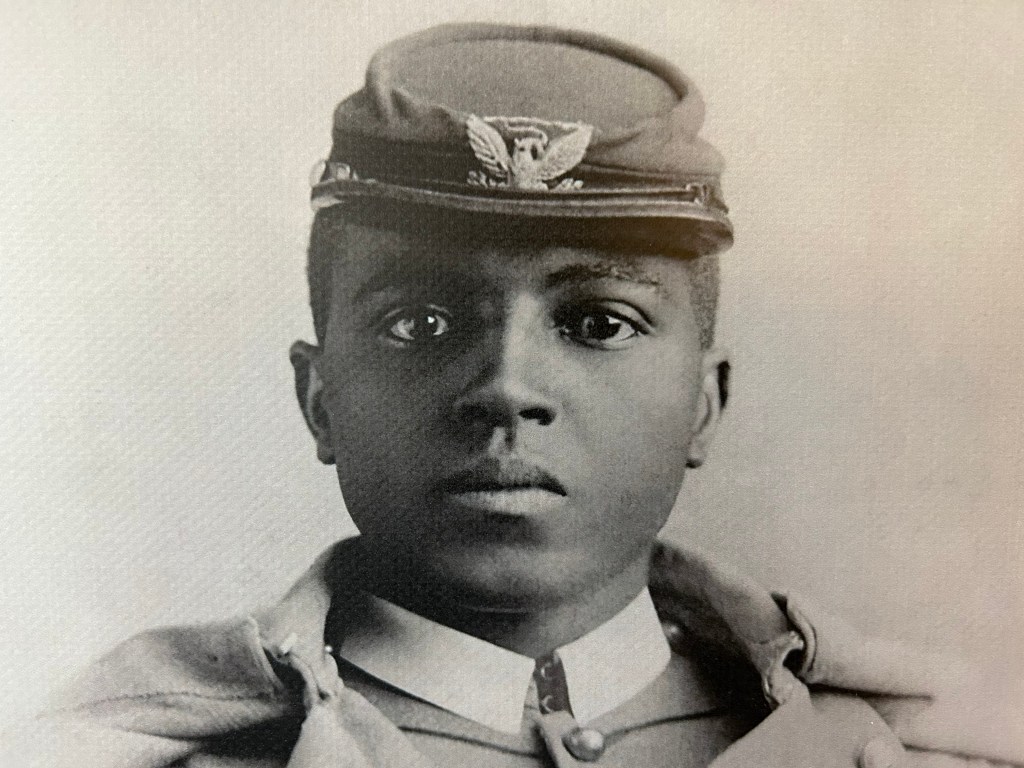
The African Burial Ground predates our country, includes both free and slave, and is today a powerful symbol of the right to belong, be recognized and be remembered. New Philadelphia, Illinois, was the first town in American officially founded by an ex-slave in 1836. Camp Nelson became a focal point for escaped slaves during the Civil War, both as refugees deserving help and as soldiers with a right to fight in uniform. Nicodemus, Kansas, 1877, is the oldest black settlement west of the Mississippi, and it still lives. Jazz began before the turn of the century in New Orleans. In 1903, Charles Young, born a slave, became the first black national park superintendent, and in 1917 became the first black Army Colonel (surpassing Dr Alexander Augusta, Bvt. Lt. Col. during the Civil War). 

The Springfield Race Riot of 1908 sparked the creation of the NAACP, illustrating both the danger of race hatred and the need for African American advancement. In 1911, Maggie Walker, daughter of a slave, became the first African American woman to found and run a bank, among her many civic accomplishments in Richmond, Virginia, and nationally. In April 1939 after being refused the right to sing elsewhere, Marion Anderson made national news singing at the Lincoln Memorial.

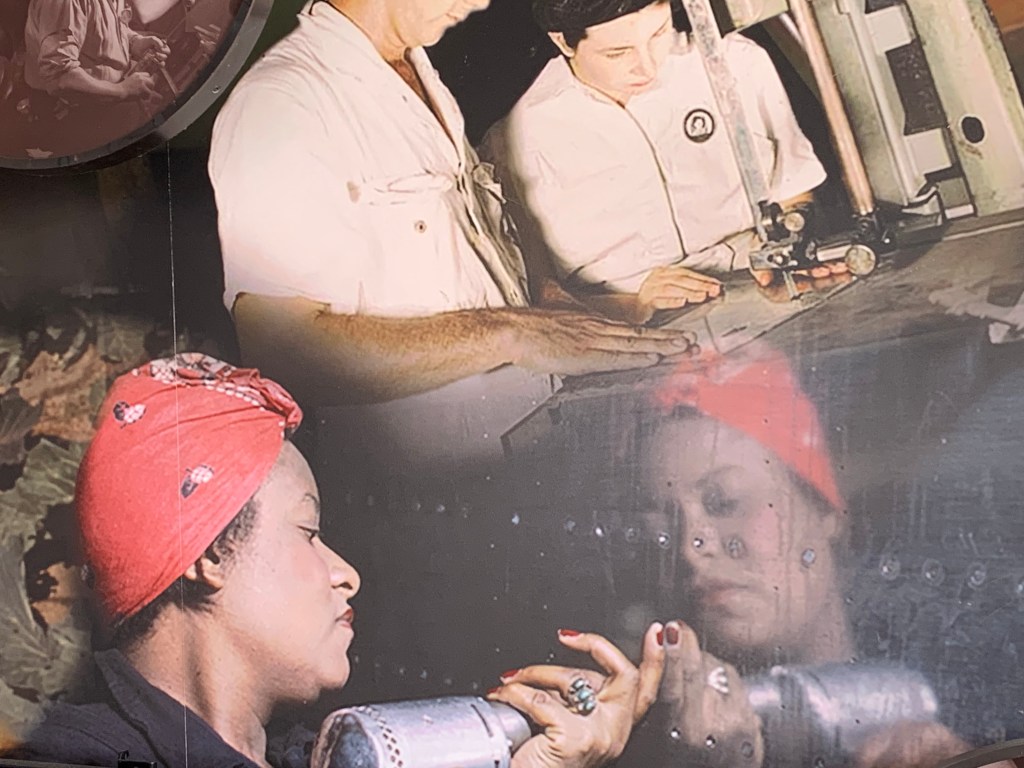
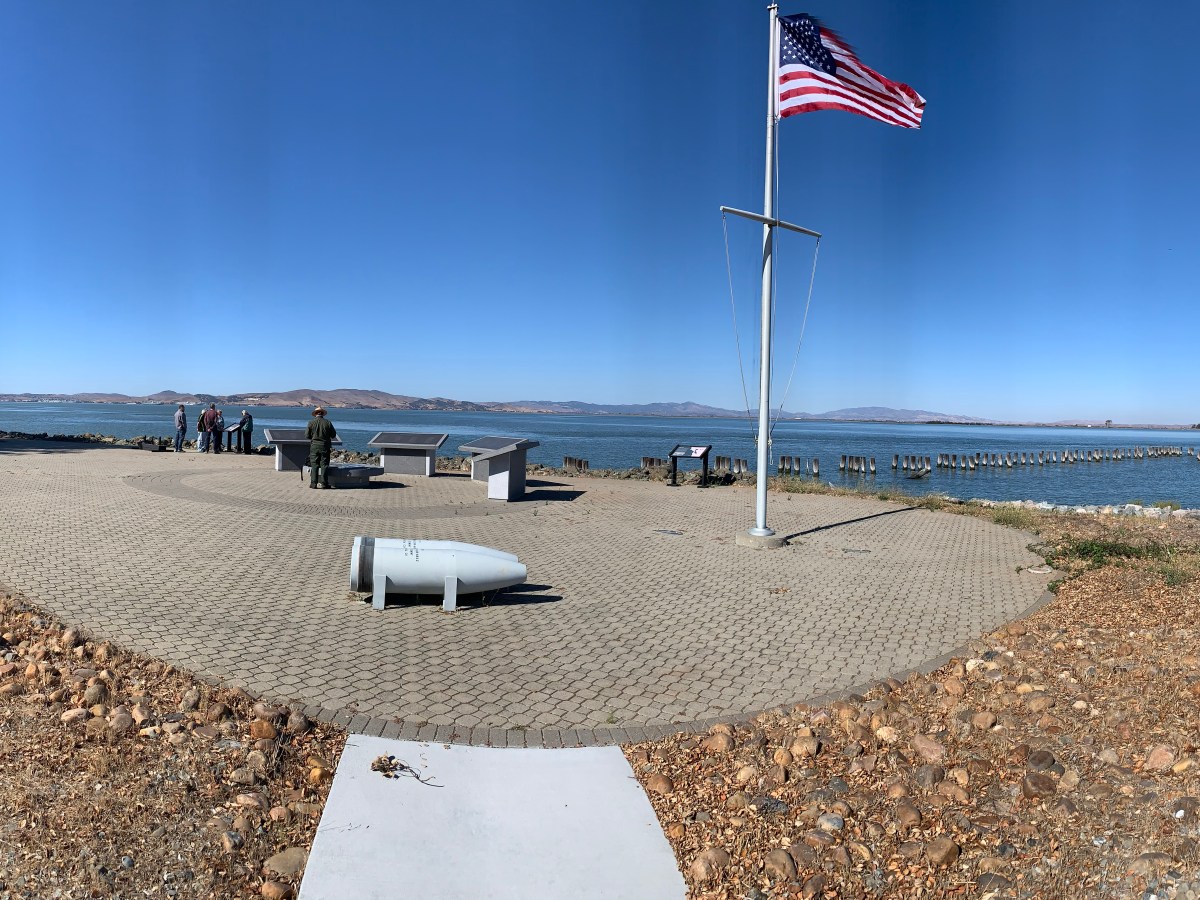
WWII brought new opportunities, including employment for African American women among the Rosie the Riveters who built our fleets and the Tuskegee Airmen who helped turn around the war by defending our bombers over Germany. Tragically, segregation in the military led to the Port Chicago disaster in 1944, which in turn led to desegregation in the military. 

Eisenhower was President in 1955, and America was a very conservative, 88% white, 95% Christian country. Still, when Mamie Till-Mobley’s boy was brutally murdered in Mississippi, she shocked the conscience of the nation with his open casket, sparking the Civil Rights Movement. In 1961, black and white Freedom Riders rode buses to integrate interstate travel, lunch counters and restrooms, but were attacked by “Citizens Councils for Racial Integrity”: the KKK. Despite school desegregation, Normandy Veteran Medgar Evers was denied law school admittance due to his race, so he worked with the NAACP on desegregation, civil rights protests and an investigation into Till’s murder. Returning home the morning after listening to JFK (below) promising to desegregate “hotels, restaurants, theaters, retail stores, and similar establishments”, Evers found his FBI protection detail had been suddenly withdrawn, and he was shot in his driveway, unintentionally desegregating the white hospitals of Mississippi shortly before dying.

That September, the KKK killed four young black girls by bombing a church in Birmingham. In November, JFK was assassinated. But the movement did not stop; it grew. In 1965, in Selma, Alabama, three times residents marched towards Montgomery to try to register to vote and to protest. First, they were beaten bloody and unconscious on the street by police on horseback. Second, they were stopped by legal action. And Third, they marched 54 miles to the capitol in Montgomery, joined by people from across the country, 25,000 strong, ultimately securing the Voting Rights Act a few months later.

The Reverend Dr Martin Luther King, Jr, who led that march and many others, gave his life for Civil Rights, along with many others. On 28 August 1963 in front of the Lincoln Memorial, he said, “I have a dream that my four little children will one day live in a nation where they will not be judged by the color of their skin but by the content of their character.” Well, two of his children are now dead, and his youngest is 60. I believe we failed to achieve his dream in his timeframe. But we must not stop trying.

”One hundred years of delay have passed since President Lincoln freed the slaves,
yet their heirs, their grandsons, are not fully free.
They are not yet freed from the bonds of injustice.
They are not yet freed from social and economic oppression.
And this Nation, for all its hopes and all its boasts,
will not be fully free until all its citizens are free.” 

President John F. Kennedy, Televised Address to the Nation on Civil Rights, 11 June 1963

The Road to Equal Education

The first school for African Americans began in Boston in 1798, was named Abiel Smith in 1815 and joined the Boston Public School System in 1816. In 1847, Sarah Roberts was denied admission to a closer, better funded white school, and her father sued, hiring Robert Morris, an African American attorney. The case ended up being forcefully argued by Abolitionist Charles Sumner—who was later beaten with a cane in the US Senate—, but lost. However, five years after the verdict, Massachusetts voted to outlaw public school segregation in 1855, 100 years before the US Supreme Court. And black education advanced elsewhere, such as Wilberforce College, begun by the African Methodist Episcopal (AME) Church in 1856 in Ohio, the first college owned and run by African Americans. 

That school desegregation law might not have come to pass if not for the extraordinary Frederick Douglass. Taught the alphabet as a 12 year old Maryland house slave, then denied further education and fiercely beaten, Frederick secretly taught himself to read and write. With the encouragement of Anna Murray, a free black woman from Baltimore, he escaped, married her and settled in Massachusetts. He joined the AME Zion Church (following Harriet Tubman and Sojourner Truth) and became a preacher in 1839. From then until his death 56 years later, Douglass was a paid speaker for Civil Rights. He befriended William Lloyd Garrison and began speaking to Abolitionists about his escape from slavery. He toured the northern states with the Anti-Slavery Society, and he toured Ireland and Great Britain, lecturing in churches. In England he befriended the Abolitionist Thomas Clarkson who got Parliament to end slavery in its colonies, and his English supporters bought Douglass’ freedom from his owner in Maryland. He returned to fight for abolition, desegregation and suffrage. Douglass wrote three best-selling autobiographies, and many readers were astonished that his speeches and books were the work of a former slave. He worked on the Underground Railroad with Tubman and with John Brown. During and after the Civil War he worked with Presidents. He fought for women’s suffrage. While not a traditional educator, Douglass changed many people’s minds, the most influential force for advancing Civil Rights in American History. In fact many of his works have not since been surpassed, such as his 1852 speech “What to the Slave is the Fourth of July?” 

Emancipation brought an immediate need for schools, and northern churchgoing Abolitionist ladies, both white and black, went south to teach, even as the Civil War was just beginning. The Penn School was founded in South Carolina in 1862. Hampton University began as a ‘contraband school’, and attracted one ex-slave named Booker T. Washington to walk across Virginia to go to school. He founded the Tuskegee Institute in Georgia and hired another ex-slave named George Washington Carver, who would bring early bookmobiles or wagons loaded with techniques to improve agriculture into the fields to educate thousands of ex-slaves. Freedman Bureau schools were built along the border, including at Harpers Ferry, where Douglass and WEB DuBois lectured the children of slaves at Storer College. Booker T. Washington met Sears philanthropist Julius Rosenwald, whose parents lived next to self-educated Abe Lincoln, and in 1911 they began building 5,000 Rosenwald Schools across the south. 

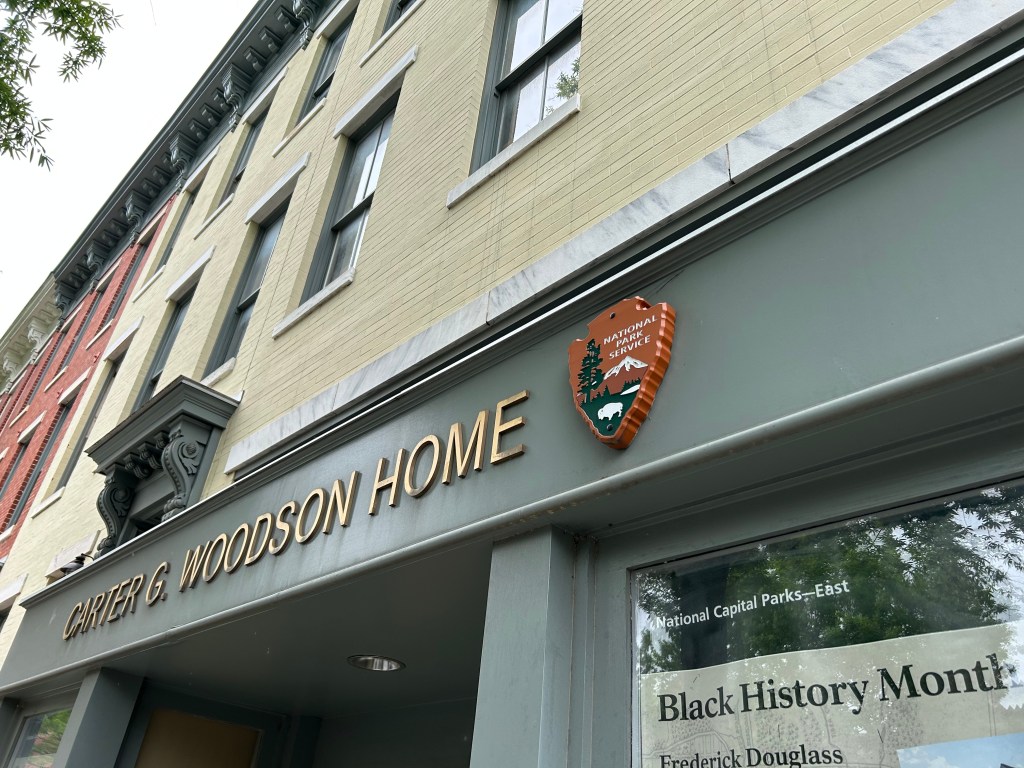
While desperately needed, education was starkly unequal, and white teachers often had different expectations and goals for African American children. In Native American schools, education meant cultural obliteration, as native languages, songs, oral histories, traditions and cultural connections were severed, punished and often lost. Education needs people who respect, support and celebrate their students, culture and communities. Carter G. Woodson—the only Harvard History PhD whose parents had been enslaved—understood that, and he went on to lead the national education movement for African Americans in Washington DC, nationally raising standards, publishing, and mentoring future leaders, like educator and presidential advisor Mary McLeod Bethune. Dr Woodson believed that African American History needed to be studied and understood, and it is largely due to his efforts that we have Black History Month. 

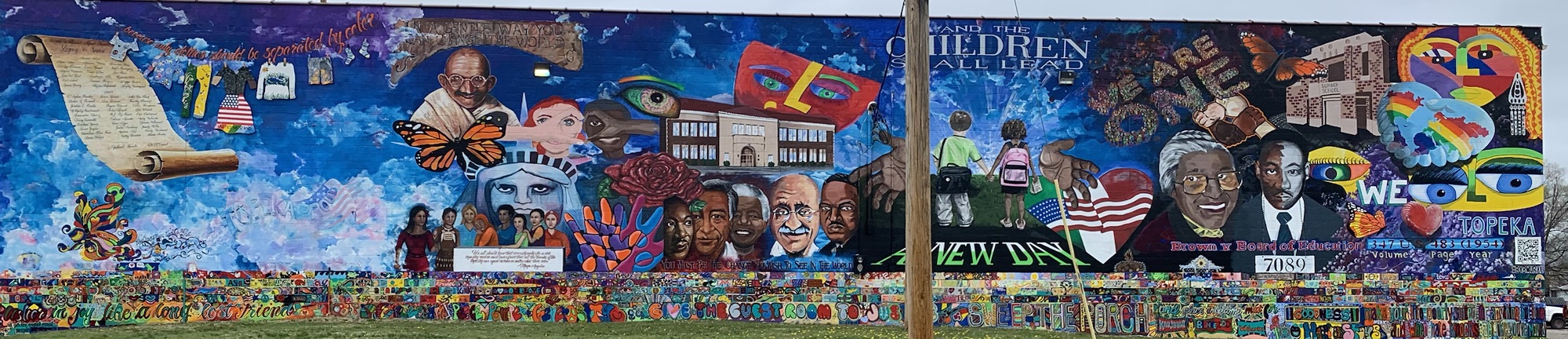
Ultimately, the Supreme Court had to decide that segregated schools were unfair, damaging to black children and unconstitutional, in Brown v Board (see community mural above). In Texas there’s a segregated school for Mexican American children, shut down after Brown, that shows an unequal school. Desegregation led to race riots at Little Rock Central High School, and Eisenhower sent in the 101st Airborne to walk black children to school. Some districts shut schools down for years rather than integrate.

Education is still too segregated in the US, and recent studies suggest racial disparities in education are now getting worse, especially as the Supreme Court no longer enforces Civil Rights laws effectively. For hundreds of years it was illegal for slaves to learn. No reading, no math, no writing, just the darkest ignorance, enforced by the whip. The men and women who struggled to lift themselves and others out of that darkness, knew the value of education for themselves and their children. Our teachers perform this heroic task every day, with little recognition, fighting against the cruelty of ignorance. Anne Sullivan brought Helen Keller out of darkness by teaching, becoming the first woman interred at the Olmsted designed National Cathedral, followed by her most famous student. We have traveled a great distance on the road to educational equality, but we must not turn back. We must keep teaching and learning and not stop until we get there. 

“Thus the thoughtless drift backward toward slavery.”

Carter G. Woodson, from The Mis-Education of the Negro

All Civil War Battles, Zero Carbon Travel

The precursor to the Civil War was John Brown’s raid on Harpers Ferry arsenal in 1859. Lee, Jackson & Jeb Stuart were all there in uniform, before they turned against our country. Douglass & Tubman were not in the raid, although they were involved. Booth arrived to witness Brown’s execution. The government may have quickly restored order in town, but across the country people divided into abolitionists or secessionists. Lincoln, arguing against slavery, was elected in 1860, and southern states began to secede to protect slavery.

The Confederacy raised an army and attacked Fort Sumter in April of 1861. That same month, Union soldiers were attacked by Confederate sympathizers in Baltimore, leading Clara Barton to begin her service as a nurse. In May three escaped slaves were granted protection as ‘contraband’ at Fort Monroe in northern Virginia. Lincoln sent troops south where they were incompetently led into battle at Manassas in Virginia in July. The Confederates also won at Wilson’s Creek but were unable to take Missouri. The Union won at Carnifex Ferry in September, causing West Virginia to split from Virginia and become a state in 1863. In November, the Union Navy took Port Royal South Carolina, liberating 10,000 slaves, many forming the first African American regiment there one year later. 

In January 1862 the Union won at Mill Springs Kentucky, followed the next month by Grant taking Fort Donelson on the strategic Cumberland River in northwest Tennessee. In March the Union won again at Pea Ridge in Arkansas and at Glorietta Pass in New Mexico, supported by Fort Union cavalry. In Tennessee in April, Shiloh (above) was a costly victory, followed by naval victories at Fort Pulaski blockading Savannah Georgia and the capture of New Orleans in Louisiana, where three more African American regiments would form within a year. In May the Union took Yorktown in Virginia, but in June the Union failed in its approach to Richmond. Then in August another loss at Manassas again. The Confederates marched into Maryland, but lost at Antietam in September. In December, the Union failed again in Virginia at Fredricksburg.

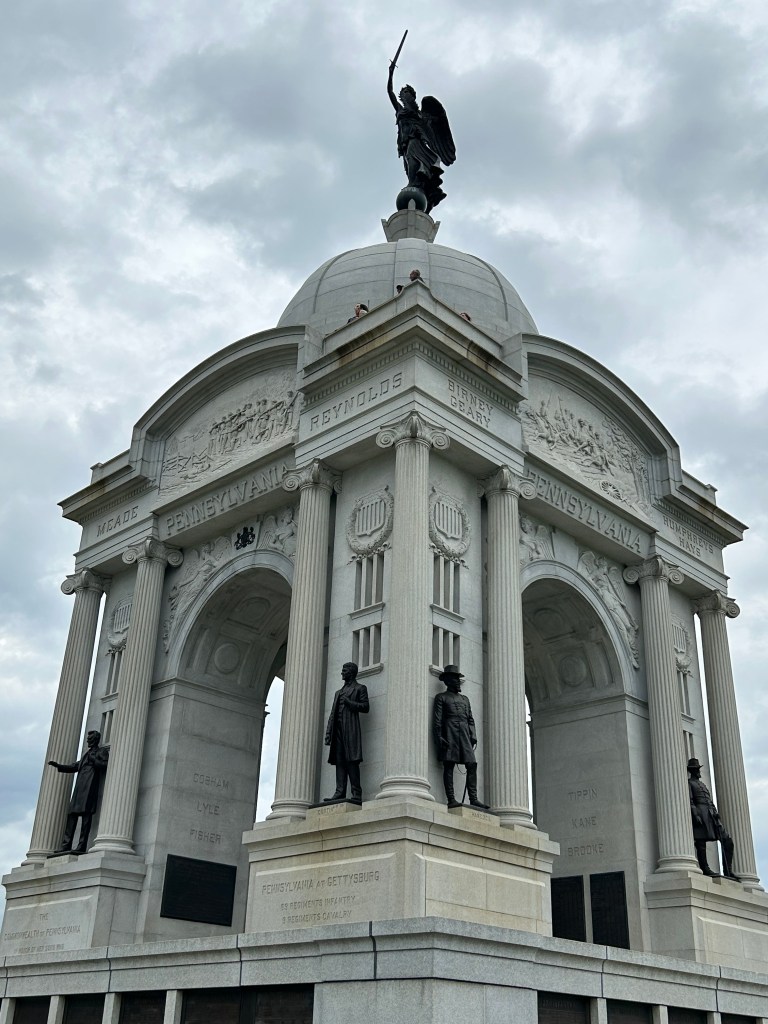
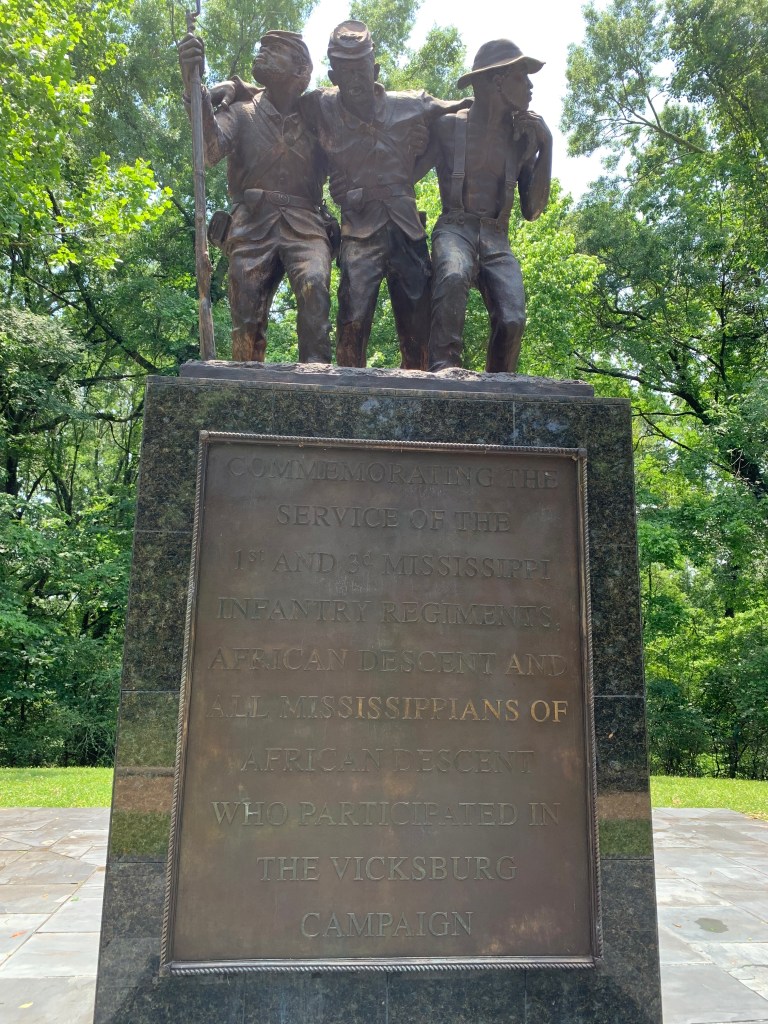
On the 1st of January 1863, the Emancipation Proclamation was read first with immediate effect to the SC 1st Volunteers, freeing them, their families and friends forever. Many more emancipated and free African American men would join the Union army at bases like Camp Nelson in Kentucky, Fort Scott in Kansas, and New Bedford and Boston in Massachusetts. That same winter the Union won at Stones River in Tennessee but lost at Chancellorsville in Virginia in spring. On June 2nd, Union spy Harriet Tubman led 150 African American soldiers to free 700 slaves at Combahee Ferry. Lee marched north again, losing decisively in July at Gettysburg in Pennsylvania. Grant concluded his siege of Vicksburg the next day, July 4th. In the fall the Union advanced to the border of Tennessee and Georgia at Chattanooga and Chickamauga.

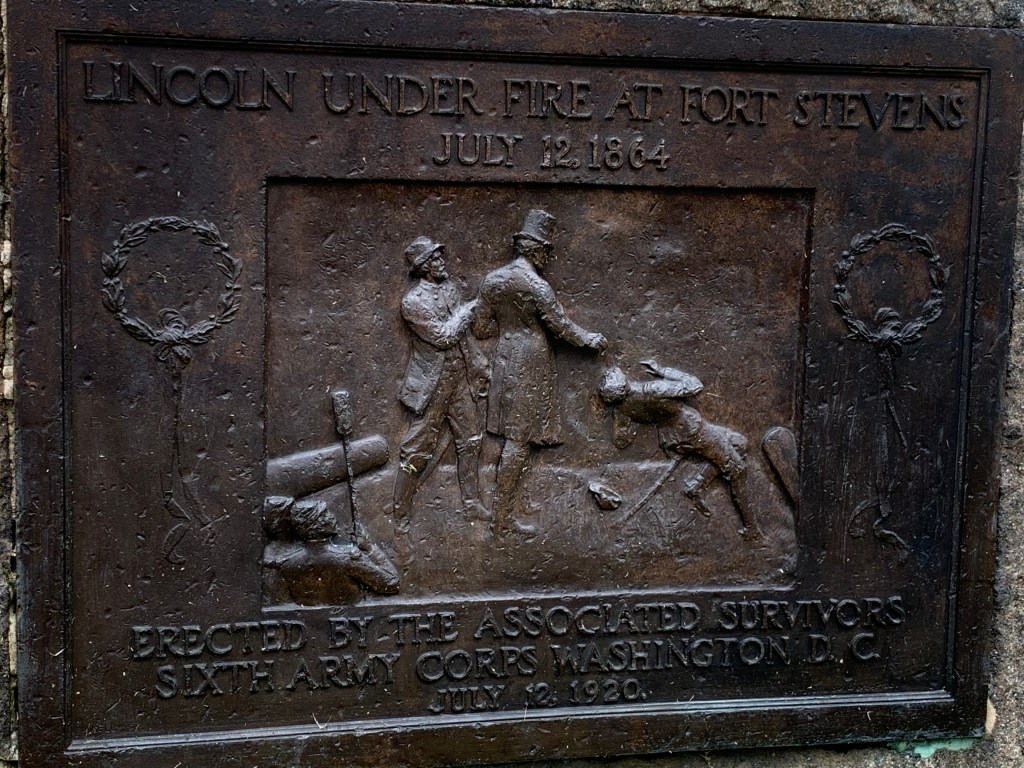
In 1864 the Union took northern Virginia with extensive fighting in Spotsylvania county. Slowly Grant was advancing towards Richmond, at one point outmaneuvering Lee at Petersburg and beginning a long siege of both cities. Meanwhile, Sherman was advancing in Mississippi, despite delays at Brices Cross Roads and Tupelo. In Georgia, Sherman was stopped at Kennesaw Mountain in July, before resuming his march to the sea. With the Confederate capital under siege, Lee ordered a sneak attack on the Union capital in July, crucially delayed at Monocacy in Maryland, after which snipers fired at Fort Stevens in DC. In August, Farragut took the last major southern port of Mobile Bay in Alabama. And in October, the Union defended the Shenandoah Valley at Cedar Creek in Virginia.

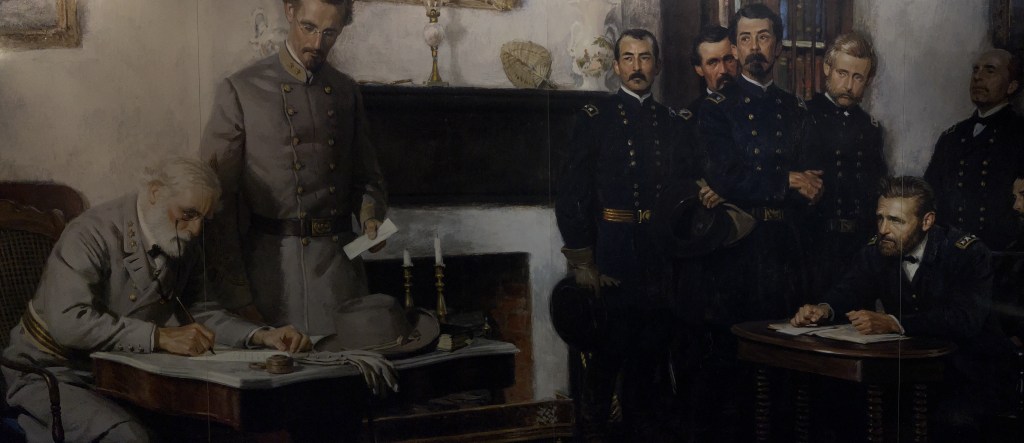
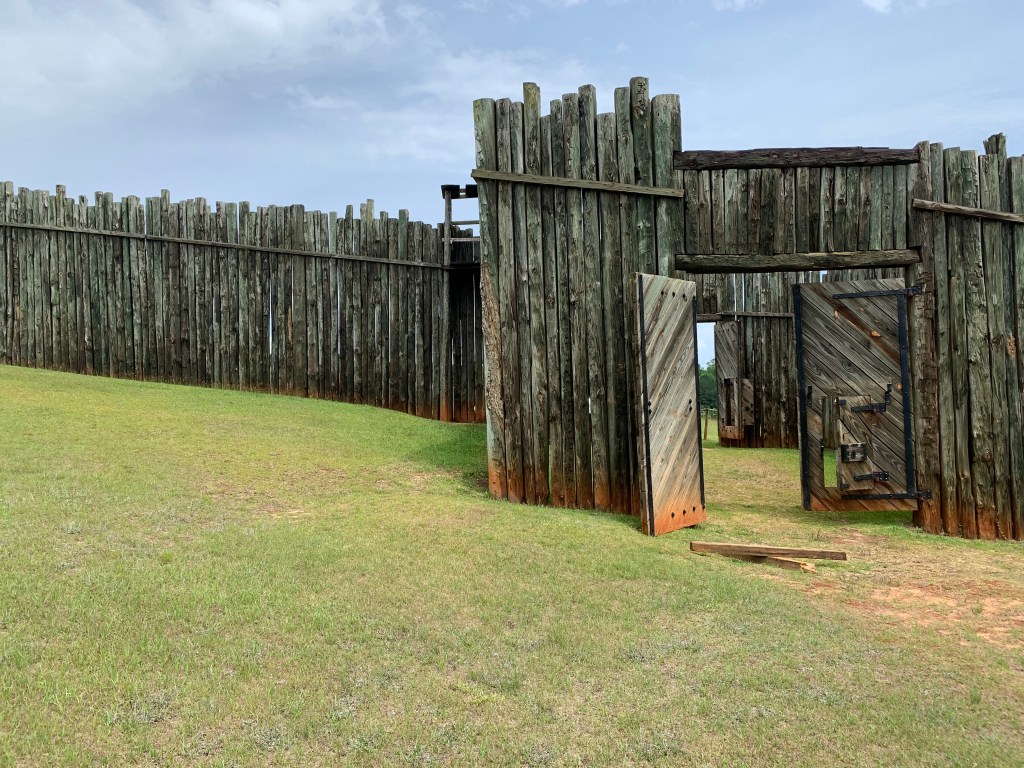
In the spring of 1865, after a months-long siege, Lee abandoned both Petersburg and Richmond, retreated and then surrendered in Appomattox in April. Andersonville was liberated in May. The CSS Shenandoah, which circumnavigated the globe during the war seizing African American crews from whaling ships, surrendered in Liverpool England in November, the last act of the war.

All Civil War Parks

The precursor to the Civil War was John Brown’s raid on Harpers Ferry arsenal in 1859. Lee, Jackson & Jeb Stuart were all there in uniform, before they turned against our country. Douglass & Tubman were not in the raid, although they were involved. Booth arrived to witness Brown’s execution. The government may have quickly restored order in town, but across the country people divided into abolitionists or secessionists. Lincoln, arguing against slavery, was elected in 1860, and southern states began to secede to protect slavery.

The Confederacy raised an army and attacked Fort Sumter in April of 1861. That same month, Union soldiers were attacked by Confederate sympathizers in Baltimore, leading Clara Barton to begin her service as a nurse. In May three escaped slaves were granted protection as ‘contraband’ at Fort Monroe in northern Virginia. Lincoln sent troops south where they were incompetently led into battle at Manassas in Virginia in July. The Confederates also won at Wilson’s Creek but were unable to take Missouri. The Union won at Carnifex Ferry in September, causing West Virginia to split from Virginia and become a state in 1863. In November, the Union Navy took Port Royal South Carolina, liberating 10,000 slaves, many forming the first African American regiment there one year later. 

In January 1862 the Union won at Mill Springs Kentucky, followed the next month by Grant taking Fort Donelson on the strategic Cumberland River in northwest Tennessee. In March the Union won again at Pea Ridge in Arkansas and at Glorietta Pass in New Mexico, supported by Fort Union cavalry. In Tennessee in April, Shiloh (above) was a costly victory, followed by naval victories at Fort Pulaski blockading Savannah Georgia and the capture of New Orleans in Louisiana, where three more African American regiments would form within a year. In May the Union took Yorktown in Virginia, but in June the Union failed in its approach to Richmond. Then in August another loss at Manassas again. The Confederates marched into Maryland, but lost at Antietam in September. In December, the Union failed again in Virginia at Fredricksburg.

On the 1st of January 1863, the Emancipation Proclamation was read first with immediate effect to the SC 1st Volunteers, freeing them, their families and friends forever. Many more emancipated and free African American men would join the Union army at bases like Camp Nelson in Kentucky, Fort Scott in Kansas, and New Bedford and Boston in Massachusetts. That same winter the Union won at Stones River in Tennessee but lost at Chancellorsville in Virginia in spring. On June 2nd, Union spy Harriet Tubman led 150 African American soldiers to free 700 slaves at Combahee Ferry. Lee marched north again, losing decisively in July at Gettysburg in Pennsylvania. Grant concluded his siege of Vicksburg the next day, July 4th. In the fall the Union advanced to the border of Tennessee and Georgia at Chattanooga and Chickamauga.

In 1864 the Union took northern Virginia with extensive fighting in Spotsylvania county. Slowly Grant was advancing towards Richmond, at one point outmaneuvering Lee at Petersburg and beginning a long siege of both cities. Meanwhile, Sherman was advancing in Mississippi, despite delays at Brices Cross Roads and Tupelo. In Georgia, Sherman was stopped at Kennesaw Mountain in July, before resuming his march to the sea. With the Confederate capital under siege, Lee ordered a sneak attack on the Union capital in July, crucially delayed at Monocacy in Maryland, after which snipers fired at Fort Stevens in DC. In August, Farragut took the last major southern port of Mobile Bay in Alabama. And in October, the Union defended the Shenandoah Valley at Cedar Creek in Virginia.

In the spring of 1865, after a months-long siege, Lee abandoned both Petersburg and Richmond, retreated and then surrendered in Appomattox in April. Andersonville was liberated in May. The CSS Shenandoah, which circumnavigated the globe during the war seizing African American crews from whaling ships, surrendered in Liverpool England in November, the last act of the war.

Road to Abolition

The American movement to abolish slavery began before the Constitution was written. In 1780, Pennsylvania enacted a law gradually abolishing slavery. When he was in Philadelphia as President, George Washington tried to evade this law by rotating his slaves back to Virginia, although one, Oney Judge, escaped and lived out her life in New Hampshire, despite Washington’s efforts to reclaim her. By 1783 the Supreme Court of Massachusetts declared slavery unconstitutional in the state, abolishing it and making the state a focal point for abolition for the next 80 years. Thomas Jefferson called slavery immoral, a threat to the nation and contrary to the laws of nature, but he didn’t free his own slaves and edited his own anti-slavery views out of the final draft of the Constitution to placate other slaveowners, like Charles Pinckney. Before John Dickinson signed the Constitution in 1787, he freed his slaves unconditionally in 1786. 

The Northwest Territories, now the northeastern states of the Midwest, were free in 1787 before they became states, and by 1817, all but one of the states north of the Mason-Dixon Line abolished slavery either immediately or over time. Delaware was the exception, where slavery persisted despite being viewed as abhorrent by Quakers, such as Thomas Garrett, who ultimately helped liberate over 2,500 slaves. The Liberator, a weekly newspaper begun in 1831 in Boston by William Garrison, spread throughout the free states, making Abolition a national issue and sparking direct action, including liberating slaves south of the Mason-Dixon. 
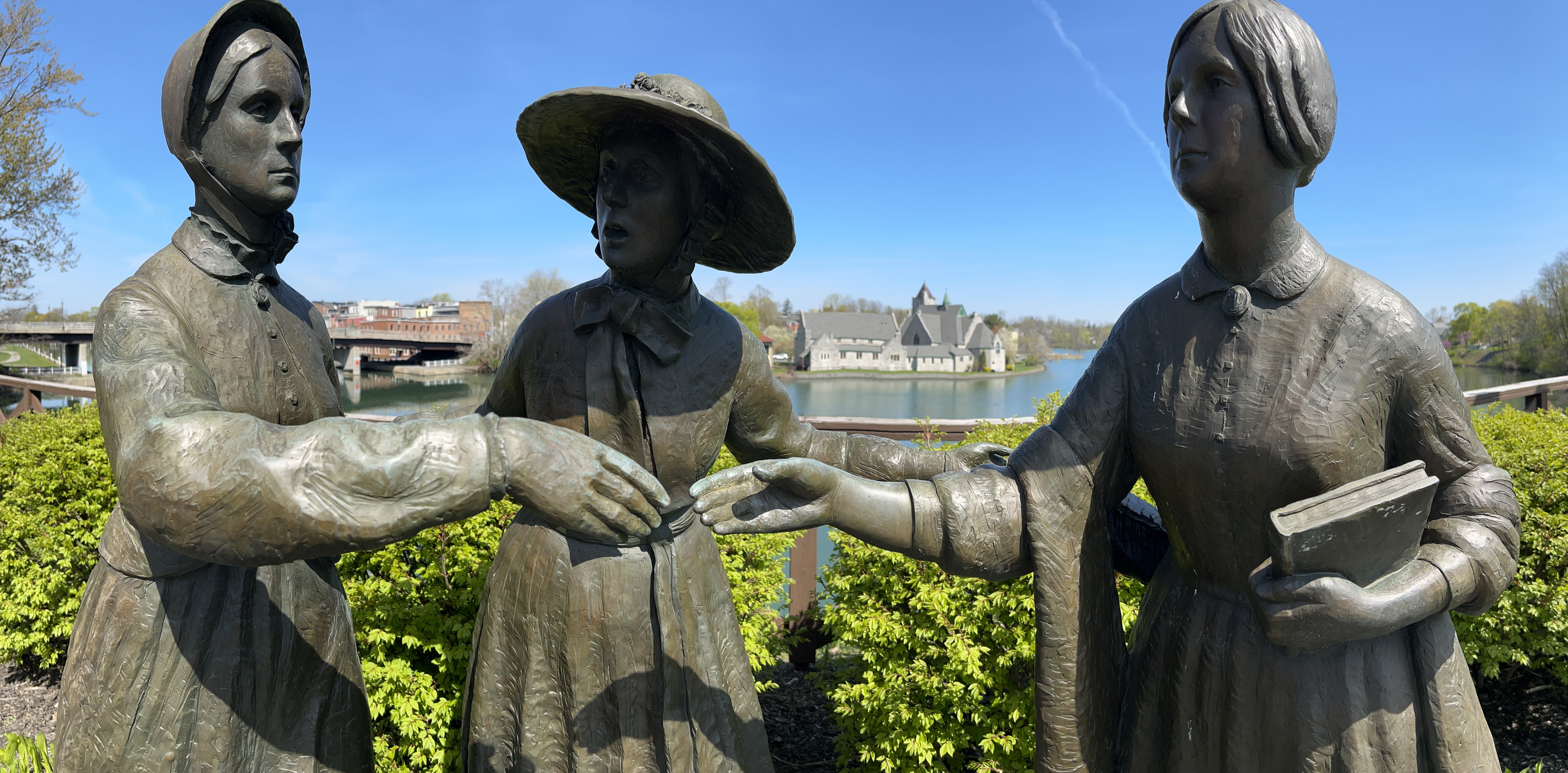
In 1838 Frederick Douglass escaped slavery in Maryland by train through Delaware to Philadelphia, and quickly he married in New York and settled in New Bedford. That same September, self-educated Douglass went to Nantucket to hear his favorite publisher Garrison speak and was asked to speak himself, giving his first-hand views of slavery. 20 years later, Douglass had written two best-selling autobiographies, toured the North, traveled to London, and was giving fiery speeches to abolitionists at Boston’s African Meeting House.

Fellow escaped Maryland slave Harriet Tubman was in the audience, listening to Douglass speak and raising funds there for the Underground Railroad, when she wasn’t liberating slaves in Maryland herself or with her friend Garrett. The Underground Railroad also helped slaves escape up the Mississippi River to New Philadelphia—an Illinois town founded in 1836 by a freed slave—before escaping the reach of the Fugitive Slave Act by crossing the Canadian border. Few of the stops on the Underground Railroad still exist, but I believe Mammoth Cave may have been one, as the enslaved tour guide had rare freedom to organize both tours for visiting Abolitionists and temporary lodgings for “servants”. 

Abolition was also fought in the courts. In 1839, Africans took over the slave ship Amistad, killed the captain and cook and demanded the crew sail back to Africa. Caught off of New York, their murder trial pitted racist President Van Buren against abolitionist John Quincy Adams. The Supreme Court found that the Africans had been kidnapped, had acted within their legal rights to avoid slavery, and were free. The courts were struggling with slavery, where one’s race could change legally from state to state, depending on one’s ancestry. In 1846 a court found a Florida woman, once a slave from Senegal, to be legally Spanish, allowing her to inherit her owner/husband’s plantation. The legislative fight over slavery in new states broke into armed confIict in Kansas in 1854. In 1857, the Supreme Court ruled against a slave named Dred Scott who had sued for freedom in St Louis, arguing that he had become free while in Illinois. Abolitionists, enraged, funded John Brown’s 1859 raid on Harpers Ferry. 

Secession did not stop slaves from trying to self-emancipate. Every Union border outpost or advance into Confederate territory became a magnet for escaping slaves. In 1861, on the day Virginia seceded, three slaves turned up at Fort Monroe and were given protection by the Union Army, which officially labeled them ‘contraband’ meaning ‘illegal to possess’. When the Confederates evacuated Port Royal in late 1861, 10,000 slaves were effectively freed, and Harriet Tubman soon arrived to expand her network of spies and liberators. One of the first Union naval victories happened in 1862, when enslaved pilot Robert Smalls commandeered a Confederate ship, sailed past Fort Sumter at night with his friends & families to freedom, and gave the ship to the Union Navy in nearby Port Royal. 

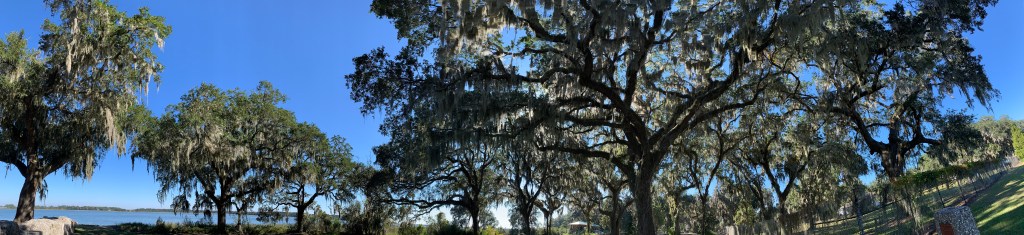
Abraham Lincoln, whose experiences as a boy and as an anti-slavery advocate had prepared him to be President at this crucial time, issued the Emancipation Proclamation on New Years Day 1863—first read under the Emancipation Oaks at Port Royal South Carolina (see photo above)—, both freeing slaves and allowing the formation of African American regiments to fight for freedom, first at Port Royal in South Carolina, then in Massachusetts, Kansas and Kentucky. In 1865, the 13th Amendment abolishing slavery was proposed, passed, signed and ratified, abolishing slavery in the United States, almost. 

In 1866 the ‘Five Civilized Tribes’ in Oklahoma changed their laws to recognize that slavery was no longer legal, making the law legally effective nationally that June. While emancipation reached Texas on Juneteenth 1865, the state officially ratified the 13th Amendment in 1870. Delaware rejected the 13th Amendment in 1865, and they finally ratified it in 1901. Kentucky ratified the 13th Amendment in 1976. And Mississippi, the last state, ratified the 13th Amendment in 1995, but neglected to inform the National Archives to make it official, until 2013. 

Traveling to all the national park sites related to Abolitionism has been deeply moving, and I especially recommend the Boston African American Historic Site, the Harriet Tubman National Historical Park in upstate New York, and most of all, Reconstruction Era National Historical Park near Beaufort, South Carolina. Next week I will cover the Civil War. 

All Labor Sites, Zero Carbon

I recently completed visits by electric vehicle to all US national park sites primarily focused on (paid) labor issues, including agriculture, mills, mining, railroads and steel. Even more interesting than learning about dangerous early working conditions, was realizing that the worst cases of labor conflicts and disasters in our history share common circumstances. When there is excess capital with extreme time pressure to achieve returns especially in a limited geographic area, owners engaged in hyper-competition often resort to unethical, unsafe and/or illegal tactics to extract profits at the expense of their own employees.

Agriculture

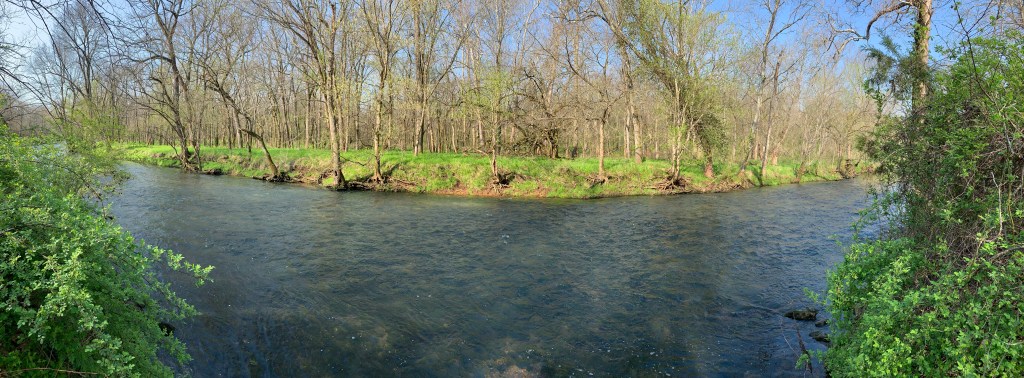
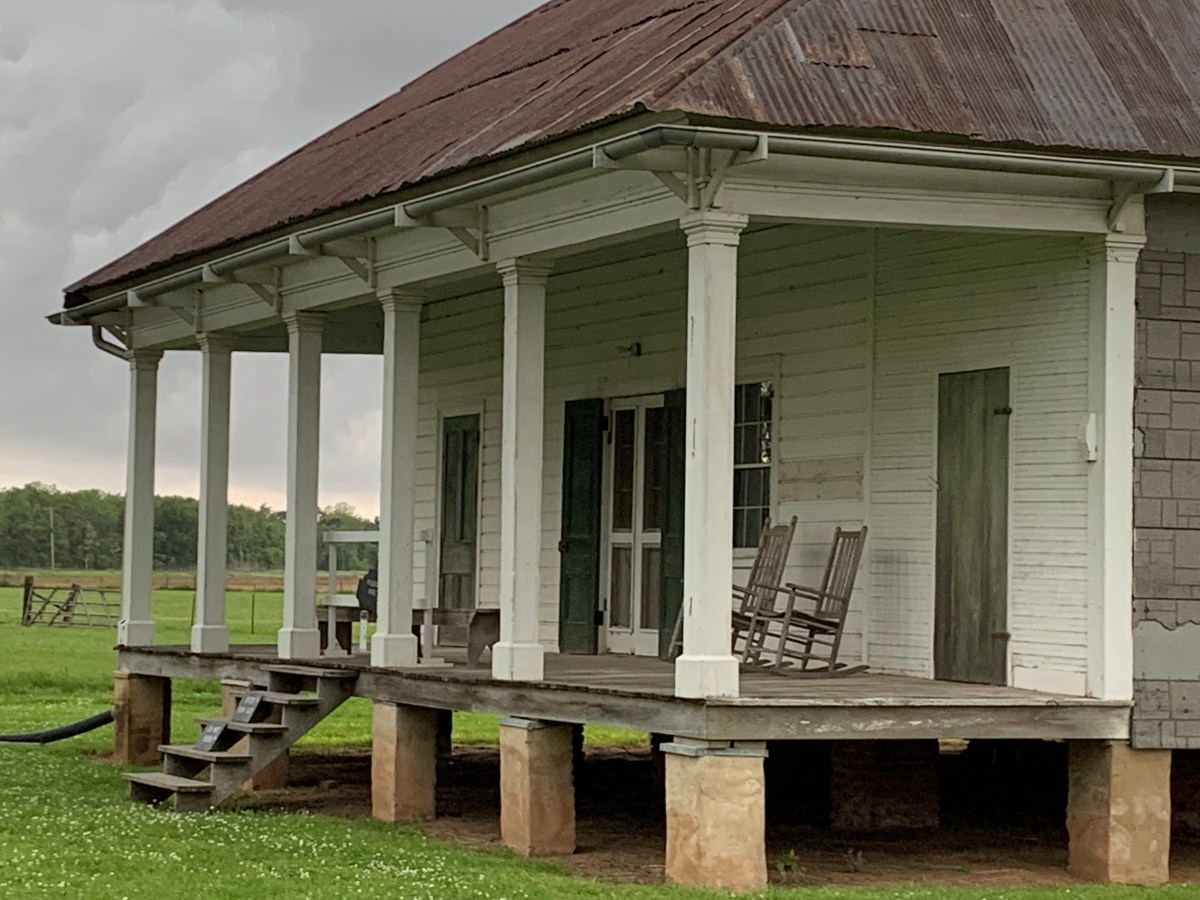
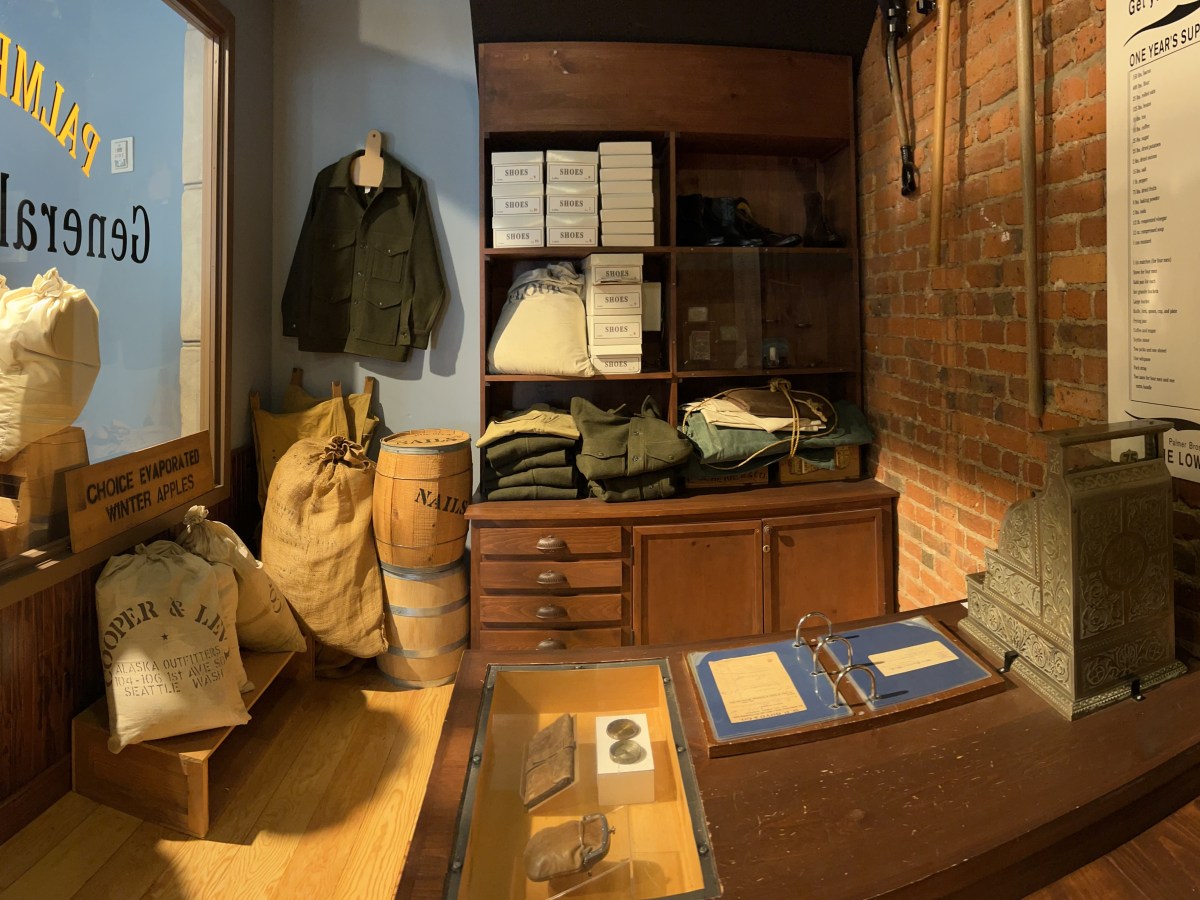
After visiting one more site, I will write a separate post about slavery. Even after emancipation, agriculture continued to exploit farm labor brutally, through sharecropping & tenant farming, where workers were kept in perpetual debt to the owner.  Cane River is a good place to learn how a plantation adapted to exploit farm labor in different ways from before the revolution to WWII.  As black workers moved into industry after that war, agriculture began to exploit more migrant workers, especially Pilipino & Mexican workers on the west coast.  National chains engaged in ruthless competition with local owners over the most productive fruit farmland in California—supported by unjust foreign labor policies—cutting labor costs to maintain profits as prices fell.  César Chávez park is a good place to learn about the history and resulting farm worker strike.   

Mills 

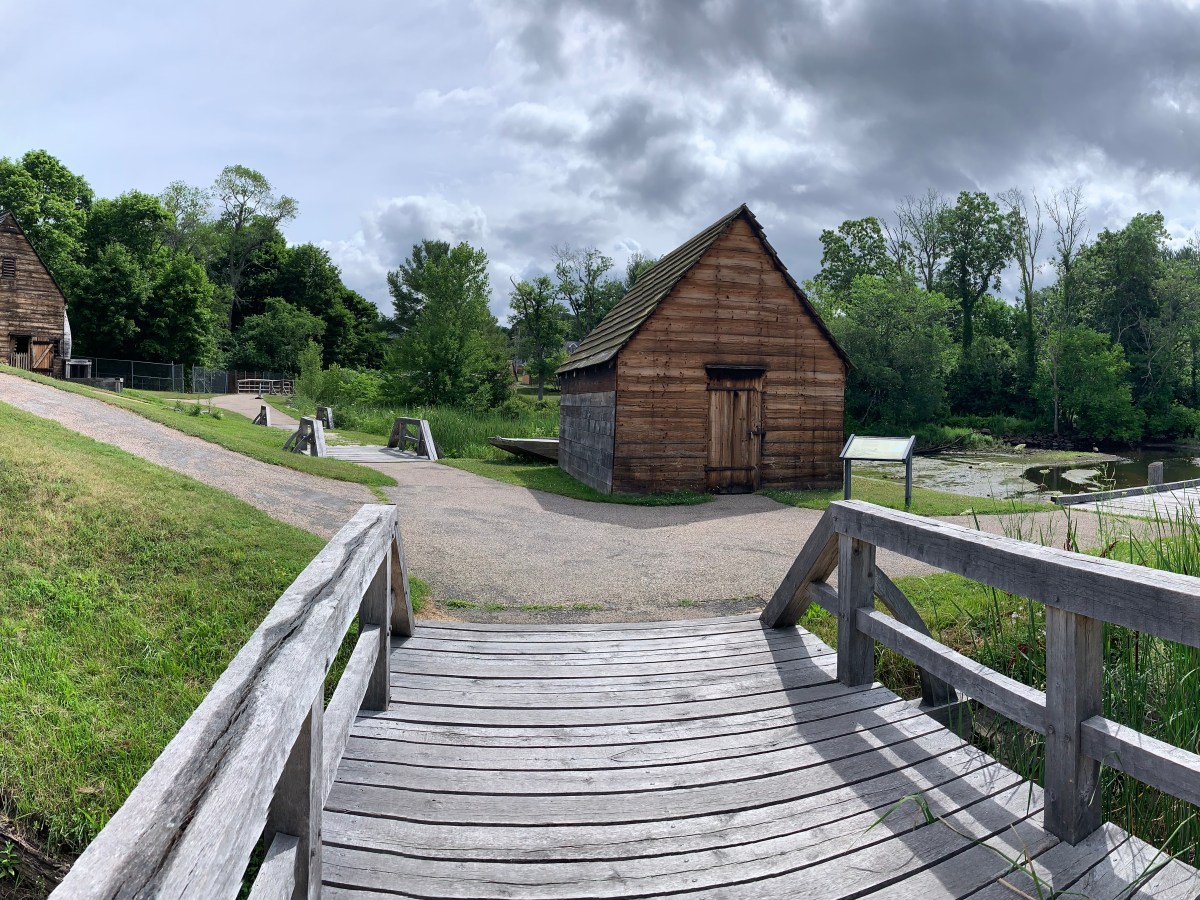
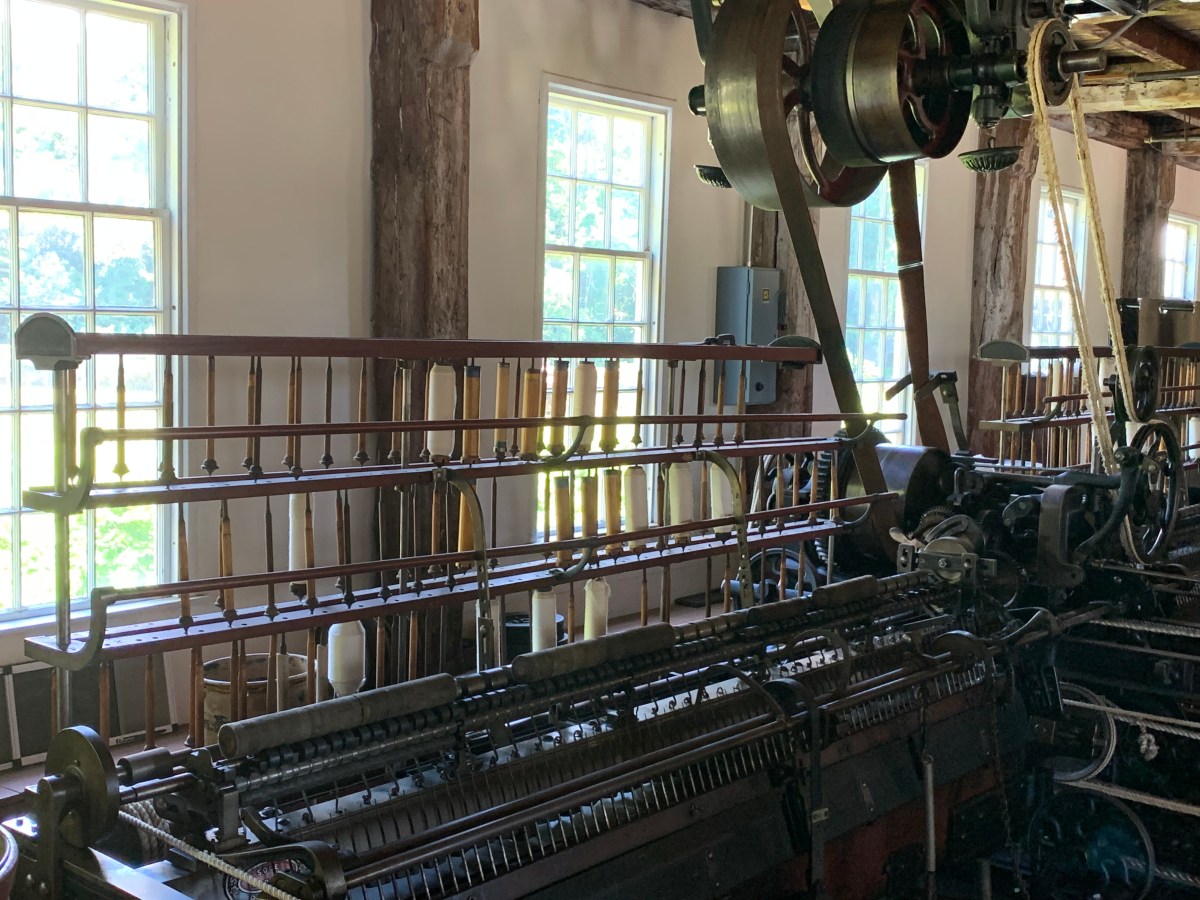
Water-powered industrial mills pre-date our country, but they were refined and boomed after the revolution.  The company town developed near the first cotton mills in Rhode Island and were copied at similar sites in New JerseyMassachusetts and Ohio.  Before electrification allowed factories to be built in cheaper locations, mill towns only formed in very specific places along rivers with large volume water falls near ports.  This meant concentrated competition among many firms using the same techniques.  Labor needed training and skilled, small fingers were more nimble than large.  So, owners hired women and children.  Immigrants arrived by the boat load.  Supplies of cotton came from slave plantations often owned by the mill owners.  The incredible boom in productivity led to collapses in prices.  70+ hour work weeks, strict control of women’s lives, economic control of labor through company housing, stores, entertainment and even churches, and child labor became used to sustain competitive advantage.  Strikes, often organized by women, were oppressed with dirty tricks and pressure tactics including media smear campaigns and violence.  Safety was disregarded, as seen in disasters like Pemberton Mill near Lowell in 1860 when over 100 women & children were crushed by heavy machinery or 50 years later in the Triangle Shirtwaist garment district fire.  

Mining

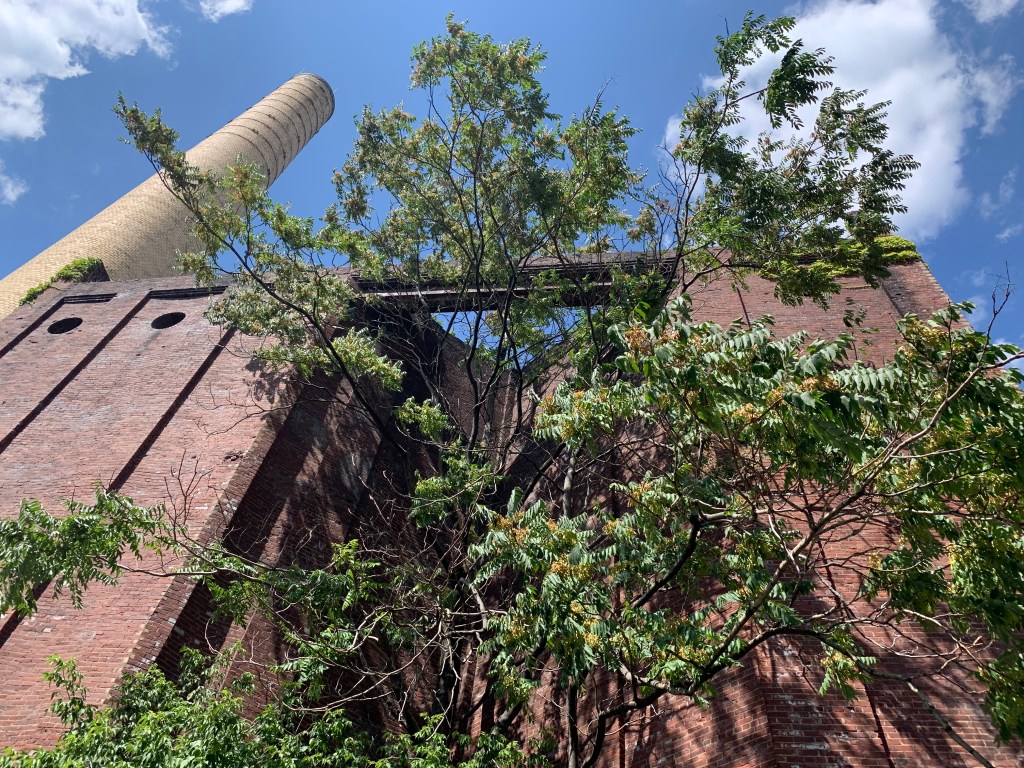
Mines often create cruel capitalism conditions.  Investors see growing demand & high prices and over-invest, funding multiple aggressive firms with similar equipment.  Labor and small operators flood the area, with everyone trying to ‘strike it rich’ with the mother lode.  From black lung in coal country to radiation sickness in uranium mines, owners sacrifice miner lives and crush strikes with violence and dirty tricks.  (Watch “Harlan County USA”).  The world’s largest pure copper lode was found and mined in upper Michigan (see photo), where at a Christmas party for striking families upstairs in Keweenaw’s Italian Hall, an anti-unionist outside shouted ‘fire’ and blocked the door: 59 children and 14 parents were crushed to death.   

Railroads 

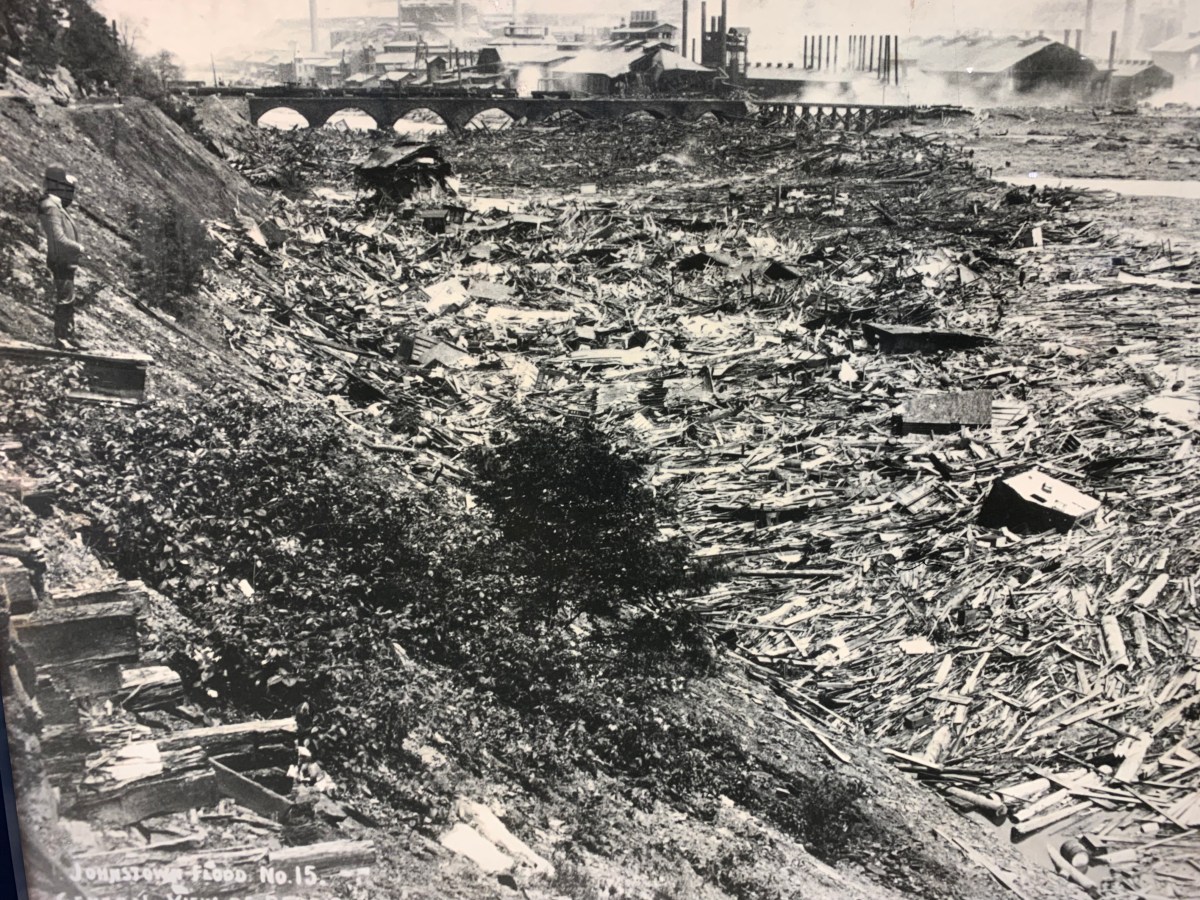
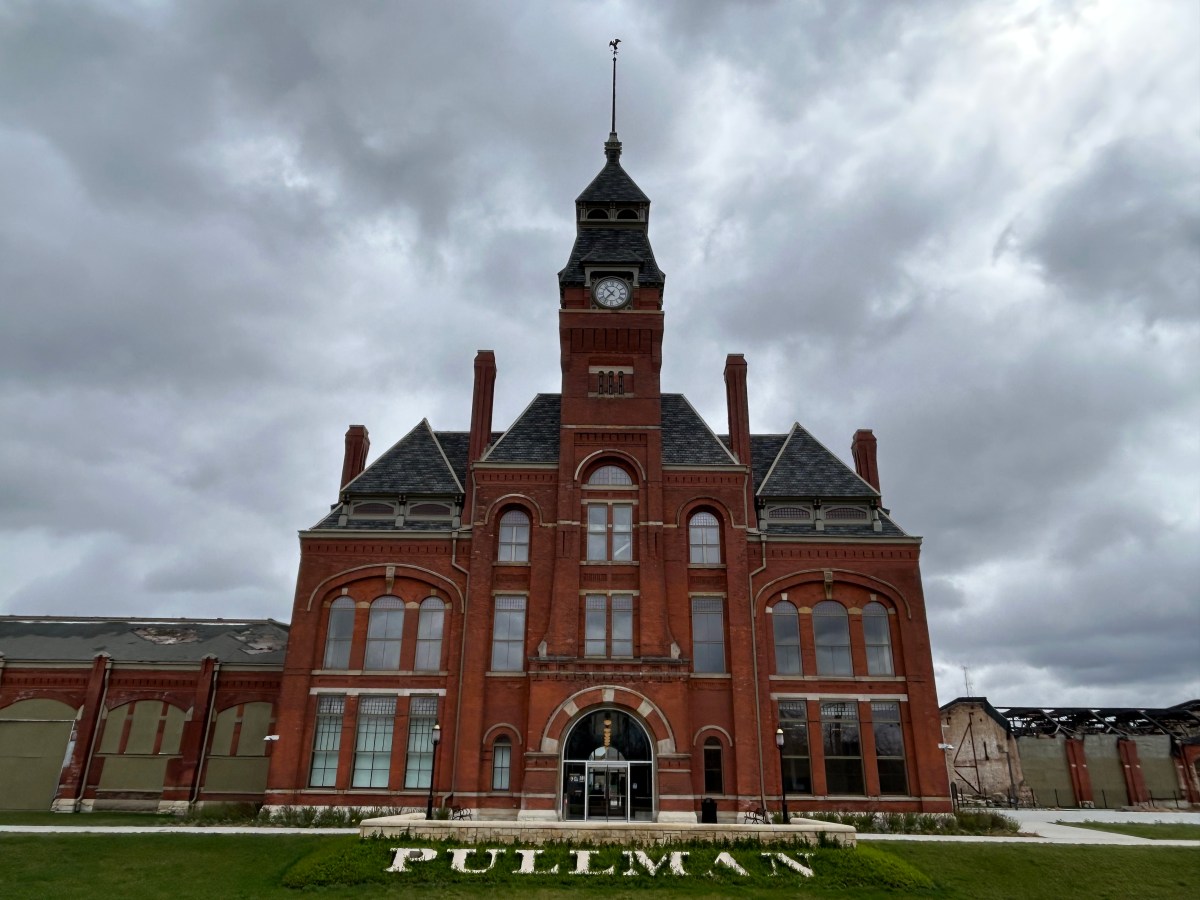
Disregard for the lives of their workers became part of the gilded age tycoon culture.  Despite repeated safety warnings, the wealthy club members on Lake Conemaugh voted to raise their dam an extra two feet to avoid dirtying their hems while crossing.  The resulting flood wiped out the company town of Johnstown Pennsylvania, killing over 2,200 people.  Speculation on railroad stocks led to frequent booms and busts and much over-investment, with only limited lines becoming profitable.  Labor was also imported from China with strict laws prohibiting settling permanently.  Railroad owners faced diminishing returns, and repeatedly pressed labor for concessions, provoking a massive strike led by Pullman porters.  Rather than negotiate, management bought the US Attorney General and influenced President Cleveland to bring in the troops.  

Steel

The history of labor is replete with examples of class division: people of color, women, children and immigrants are systematically paid less. Capitalists can cut labor costs by keeping one group down, which they leverage to lower labor costs for all. World War II broke standard labor practices, hiring women and minorities to build ships and produce armaments, but as after other wars, many labor gains were later lost. Racism is not always understood as an economic tactic, but the history of labor and civil rights are inextricably linked. Birmingham Alabama had a hyper-competitive steel industry—as the only location in the world with significant amounts of iron, coal and limestone nearby—, and owners organized to divide labor along racial lines to lower their costs: they codified racial segregation, including prohibiting black and white children from playing together.  The modern civil rights movement grew in response to racist social policies imposed by steel factory owners seeking to perpetuate a two-tiered wage system. 

Lessons

Capitalism is mutually beneficial for customers, employees, owners and society. But especially when an owner is at personal risk in a hyper competitive business with diminishing returns, there is an incentive to cheat, act unethically or even commit crimes.  Some capitalists use their wealth & power to corrupt government and civic leaders, influencing media and disenfranchising voters. Cruel labor conditions have persisted in this country for centuries, changing only with war, disasters, violent strikes or specific market collapse: i.e. too late.  

If we learn from history, we can curb the excesses of hyper-competitive capitalism. Look for large concentrations of capital aggressively competing to dominate a single market in a short time frame. Look for extreme funding of misinformation, government corruption, efforts to divide the public and restrict voting. Hold business leaders to strict legal and ethical behavior. Then, perhaps, the next tragic chapter in our labor history can be avoided. 

All Rocky Mountain Parks, Zero Carbon

I recently completed visits to all national park units in the Rocky Mountain region by electric vehicle, including 3 in North Dakota, 5 in South Dakota, 5 in Montana, 6 in Wyoming, 10 in Colorado and 12 in Utah. I count multi-state parks where I spend my time, and I pick a favorite from each state at the end.

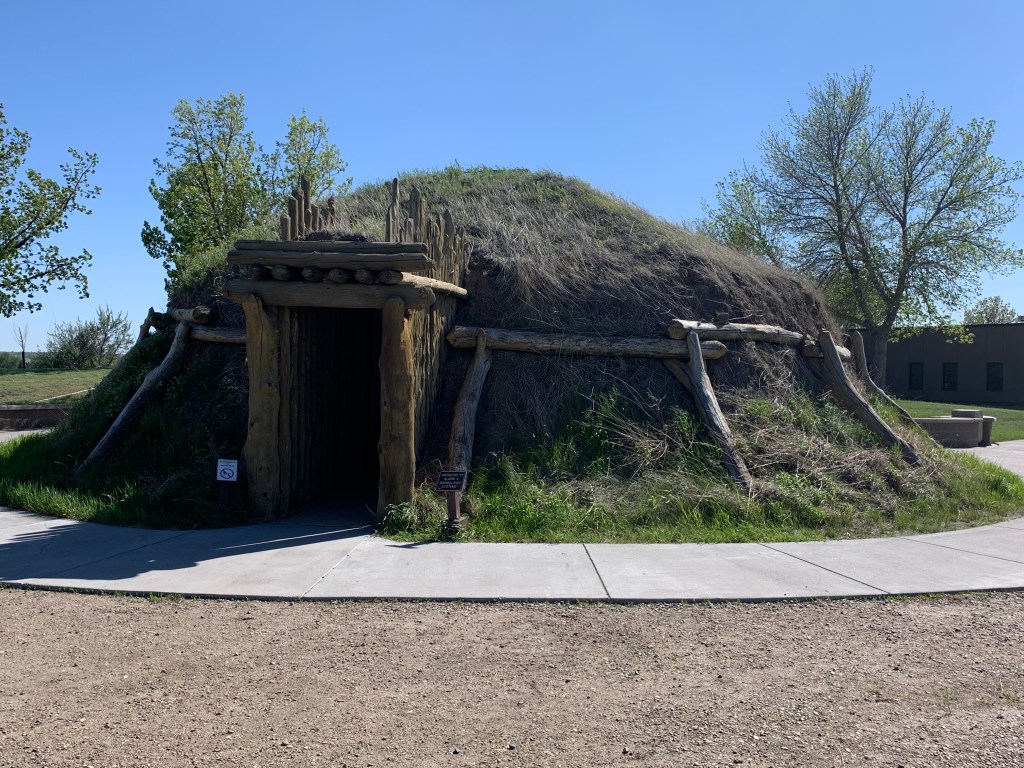
North Dakota’s parks are each glorious. At Knife River early Native American life is revealed in middens, plants, a round earthlodge, and living exhibits. At Fort Union the early interactions between Native Americans and fur traders also come to life. And Teddy Roosevelt’s 3 park areas protect both wildlife and the formative experience of our greatest conservationist president. And the state has the only affiliate in the region, International Peace Garden.

South Dakota’s parks cluster in the southwest corner, but they are varied. Wind and Jewel Caves give entry to the subterranean world, Badlands to the wall across the wide foreboding landscape, Mt Rushmore to the Black Hill cliffs, and Minuteman to the Cold War apocalyptic thinking.

Montana has two powerful parks describing our tragic history of brutal war against Native Americans: Big Hole and Little Bighorn. Grant-Kohrs preserves a piece of the old cowboy west, and Bighorn Canyon has striking views and wild horses. Glacier is stunning, rugged and a great place for horse riding, backcountry camping, kayaking and hiking.

Wyoming has parks in each corner, but the best are in the northwest. Fossil Butte does an admirable job of illustrating the full scale of evolution on earth, Devils Tower evokes some otherworldly monolith, and Fort Laramie recalls the days of wagon trains and unjust war on Native Americans. But Grand Teton, the Rockefeller Parkway and Yellowstone, in particular, are spectacular.

Half of Colorado’s parks preserve some of its impressive scenery, and half preserve the past. Black Canyon, Great Sand Dunes and Rocky Mountain National Parks are self-explanatory and awesome. Curecanti and Colorado also have dramatic canyon views. Bent’s Old Fort is a trading post out of a western movie, and Florissant protects fossilized trees, plants and animals from eons ago. Mesa Verde National Park (one of four in the state) and Yucca House preserve early native dwellings and artifacts, and Sand Creek preserves a shameful massacre of Native Americans by US troops and volunteers.

Utah has more than their fair share of scenic parks: Cedar Breaks vistas and Timpanogos Cave up in the mountains, Rainbow and Natural Bridges, Dinosaur fossils, Hovenweep native ruins and the Golden Spike. Oh, and they also have the big five: Arches, Bryce, Canyonlands, Capitol Reef and Zion National Parks. (Full disclosure: I drove to a stamp office for my official Rainbow Bridge EV visit and then took a carbon-burning tour boat to enjoy the park).

My favorite parks in each state are wildlife refuge Teddy Roosevelt, starkly scenic Badlands, dramatic drive & trails Glacier, geyser popping Yellowstone, native dwelling etched Mesa Verde (see Cliff Palace photo above) and stunning hikes Zion. While other regions may have more total park units, Rocky Mountain has many of the most spectacular parks in the system.

All Caving Parks, Zero Carbon

I recently completed visits to all the caving parks by electric vehicle. To be clear, with caves running under all 50 states and over 100 parks having some type of named cave, this only lists parks where the primary activity is to visit a cave, almost always on a guided tour.

Subconsciously I become a bit claustrophobic in subterranean spaces, so I compensate by imagining what type of monsters best suit the scene. Rangers who do cave tours are quick to get this humor, although it’s best not to spook other troglocenes—cave visitors—in case anyone is seriously fearful. Below, I describe both the scientific cave category and my own cave creature category.

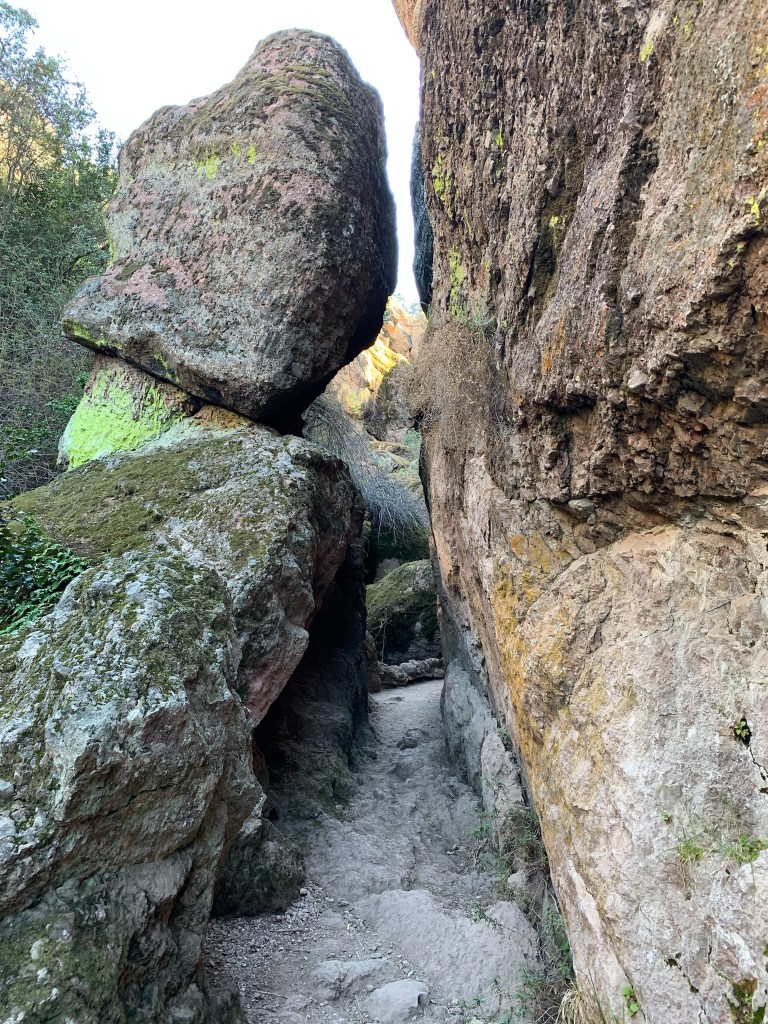
Talus caves are formed when boulders stack up in narrow passages, and Pinnacles in California is the unit to explore these. The large boulders and varying heights made me feel like a dwarf, my first category.

“Caves, they say! Caves! Holes to fly in time of war, to store fodder in!
My good Legolas, do you know that the caverns of Helm’s Deep are vast and beautiful? There would be an endless pilgrimage of Dwarves, merely to gaze at them, if such things were known to be. Aye indeed, they would pay pure gold for a brief glance!”

— Gimli

California’s Lava Beds is the best place to explore different types of lava tube caves, and the skulls and ice-cold rooms are ghostly. Craters of the Moon in Idaho has a similar cave, but obviously that’s more werewolf. El Malpais is more for self-guided, serious spelunkers, but many natural entrances can be seen. Definitely bats.

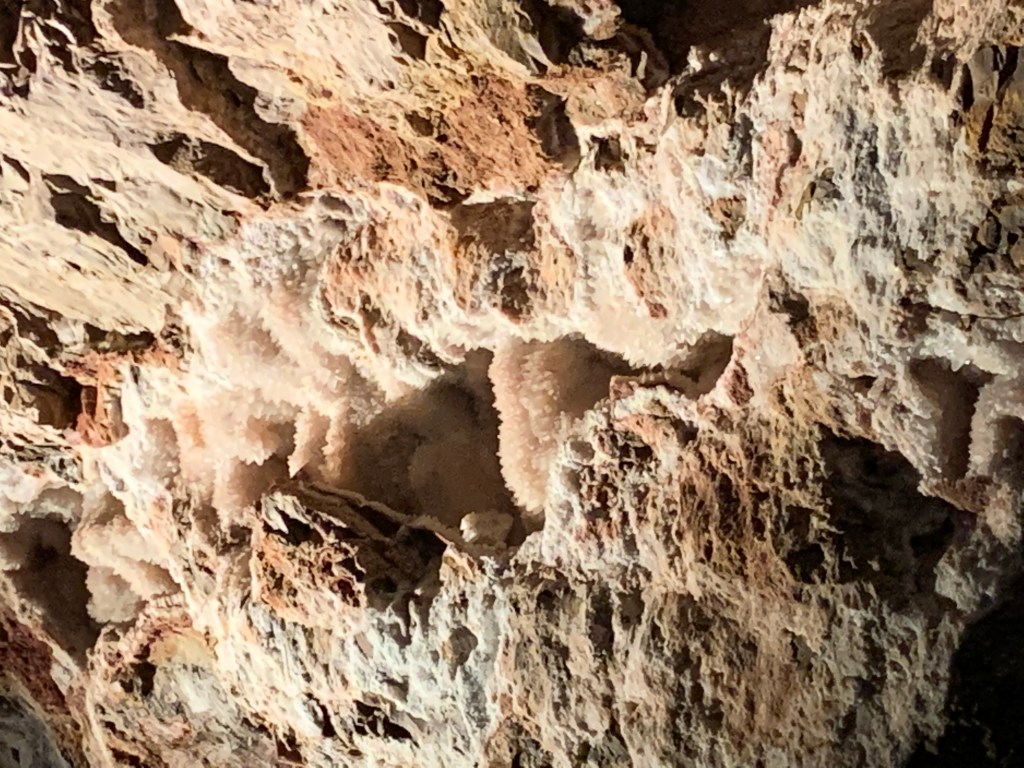
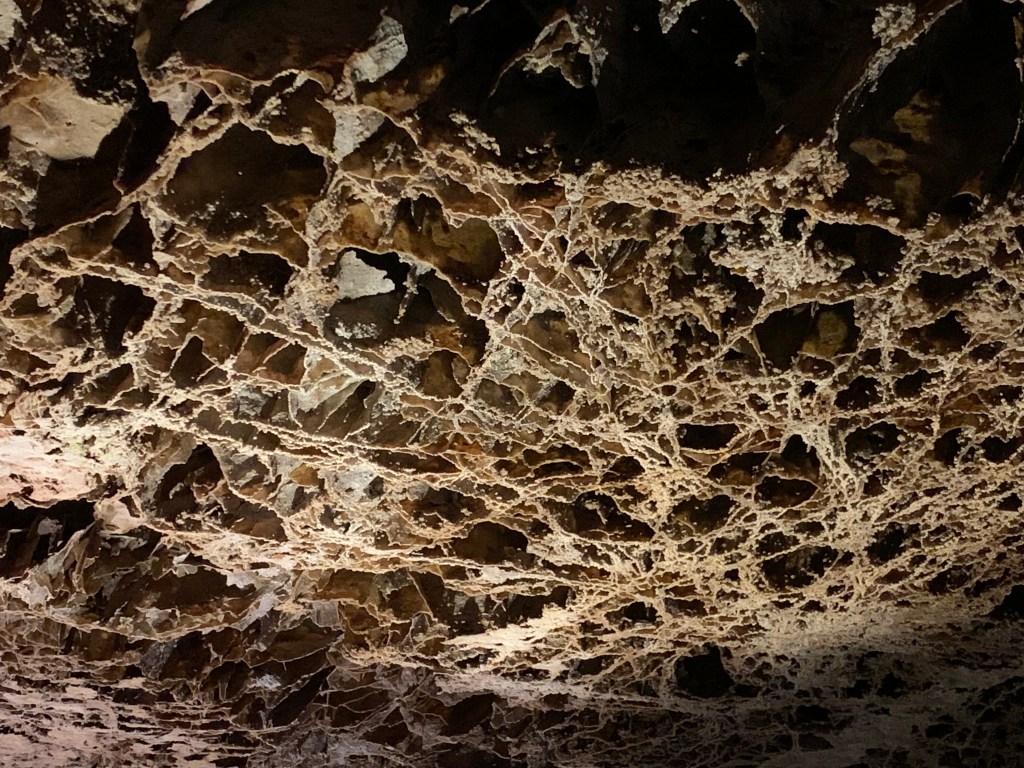
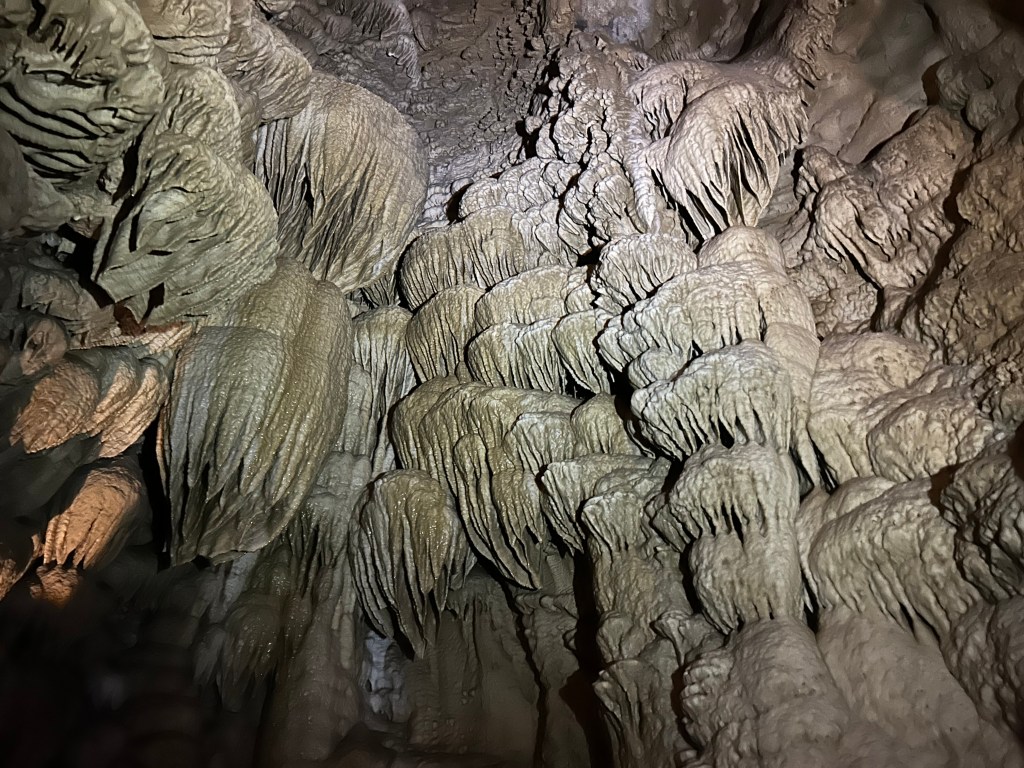
My favorite cave park is Timpanogos in Utah, due to the good condition and variety of speleothems (features created by water). The alien features evoke melon heads. Solution caves, created when liquids dissolve bedrock, are the most common types of cave parks. Carlsbad in New Mexico is the largest with grand speleothems that tower overhead (see photo). Try not to listen for goblin drums coming from the deep. Mammoth in Kentucky is the longest in the world with tunnels fit for lizard people. South Dakota’s Jewel and Wind caves rank 3 & 7 in the world for length, each with different speleothems to see. Also, think Djinn and Minotaur, respectively. Oregon completed my solution cave set, and it’s a good example of a marble cave. Definitely a troll cave.

That’s my complete list of caving parks. Great Basin is not primarily a caving park despite dragonesque Lehman Caves, because the park has such wonderful above-ground scenic views and alpine hiking. Neither is the vampiresque Karst-cave Ozark, since paddling is primary. Nor is archaeological Russell in Alabama. Before going zero carbon, we visited lava tubes in Hawaii, but there’s flowing lava to see. The parks have many more mines, ice, sea or littoral caves, but not primarily for caving.

And always remember to wear completely different clothes and shoes when visiting different caves, so you can help prevent the spread of the lethal white nose syndrome among different populations of bats! I never imagined I’d use all those Chuck Taylors I bought during their bankruptcy underground; perfect in case I need to run from a basilisk.

All Parks in the Mid-Atlantic, Zero Carbon

I recently completed visits to all national park units in the Mid-Atlantic region by electric vehicle, including First State in Delaware, 4 in New Jersey, 5 in West Virginia, 13 in Maryland, 16 in Pennsylvania and 17 in Virginia. I have also completed all the NPS affiliate sites, national heritage areas and NPS run trails in the region. Parks that stretch across multiple states count in whichever state I focus more of my visit, and I pick a few favorites at the end.

New Jersey does not deserve all the grief it gets from NYC talk show hosts. Get off the turnpike; it’s scenic and interesting. Great Egg Harbor River is lovely, Morristown is historic, Paterson Great Falls is impressive and Thomas Edison is fascinating.

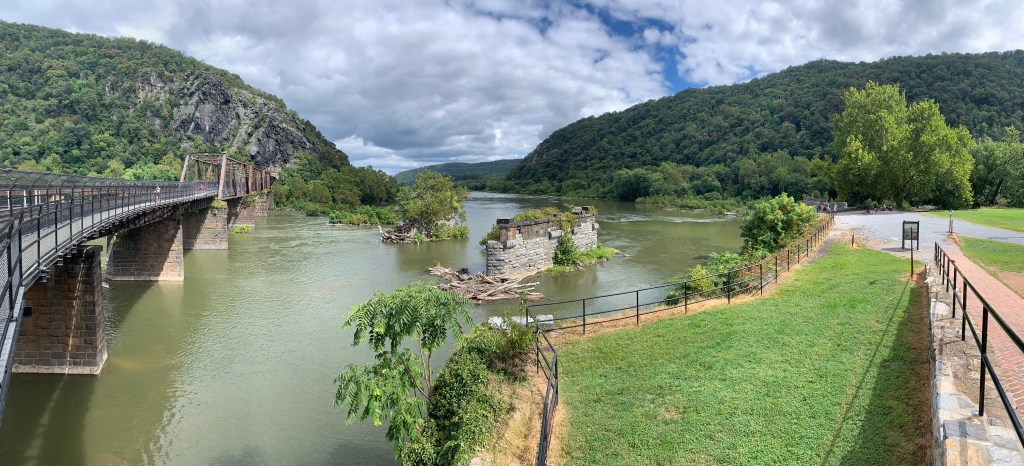
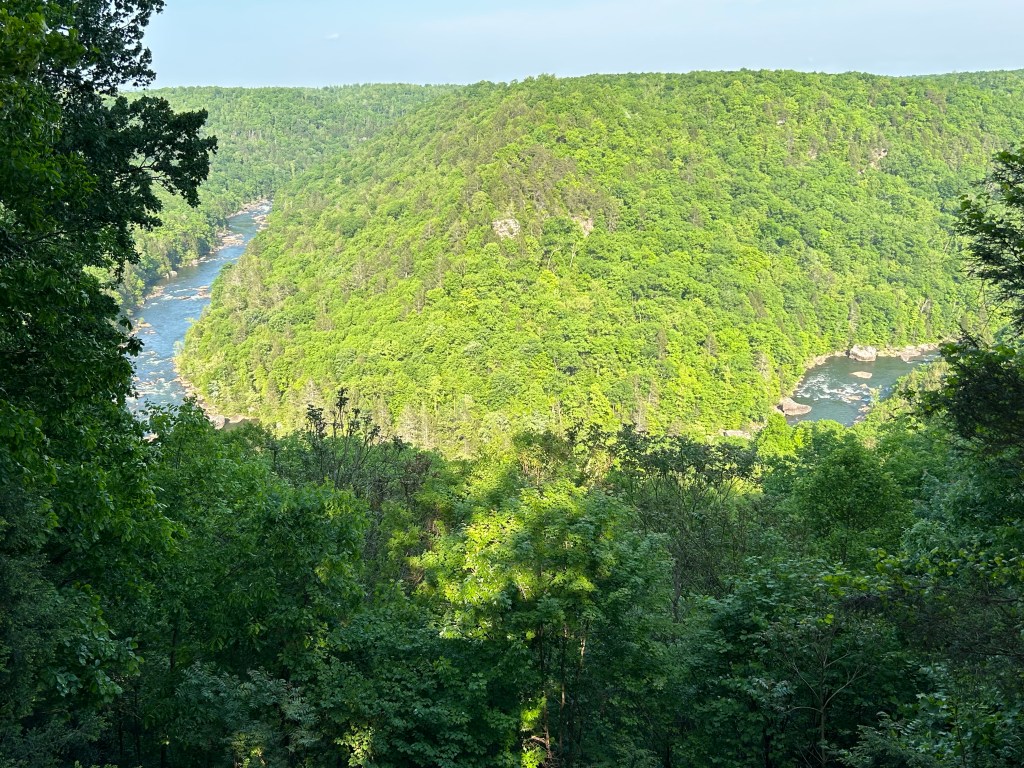
West Virginia is almost heaven. Harpers Ferry is one of my favorite parks and it hosts the Appalachian Trail HQ. The three river parks, Bluestone, Gauley and New—a National Park—, contrast the dangerous and polluting history of coal mining with the beauty of nature when given our protection.

Maryland may be a small state, but it is packed with parks from Catoctin Mountain, down the C&O Canal, past the Greenbelt, down to Piscataway, out to the Underground Railroad and all the way to Assateague’s seashore. It’s also packed with history, from Hampton & Stone, to Forts Washington & McHenry, to Antietam & Monocacy and Clara Barton.

Pennsylvania’s parks are historic. There’s early US history at Fort Necessity, Hopewell Furnace, Independence, Kosciuszko, Valley Forge and Friendship Hill. There’s transportation history at Allegheny Portage and Steamtown. There are imagined terrors from Poe, and real terror at Johnstown Flood and Flight 93. There’s Gettysburg, where Eisenhower lived. There’s a new unit, Carlisle Indian Boarding School. And there are the Gap, Middle and Upper parts of the Delaware River, first explored by Europeans in the 17th century, who traded with the natives who lived here for millennia.

Virginia has the first British colony (see photo) and the birthplace of our first President. Many of Virginia’s parks are Civil War battle sites, including Manassas, Cedar Creek, Fredericksburg, Richmond and Petersburg. Others relate to slavery, the end of the war & civil rights, including Arlington House, Fort Monroe, Appomattox, Booker T. Washington and Maggie L. Walker. I enjoyed driving Shenandoah’s Skyline Drive, the Potomac Heritage Trail to Prince William Forest and the GW Parkway on my way to Wolf Trap. Virginia is for park lovers.

My favorite parks in each state are First, Edison, Harpers, McHenry, Independence and Colonial, but your favorite parks should be based on your interests.