Continental Divide National Scenic Trail

As we prepare to cross into a new year, take a moment to think about the high ground that divides the west from the east. Rivers, agriculture, ports and cities all are shaped and developed by changing elevation across the land. Watersheds support different species and define much of our history. Colonial America is set east of the Appalachians, along rivers like the Savannah, Susquehanna and Hudson that flow into the Atlantic, while the Ohio and Tennessee Rivers flow down the western slopes on their way to the Mississippi and Gulf of Mexico. But from Alaska to Tierra del Fuego, all of the Americas are divided by one great line of mountains and high elevations.

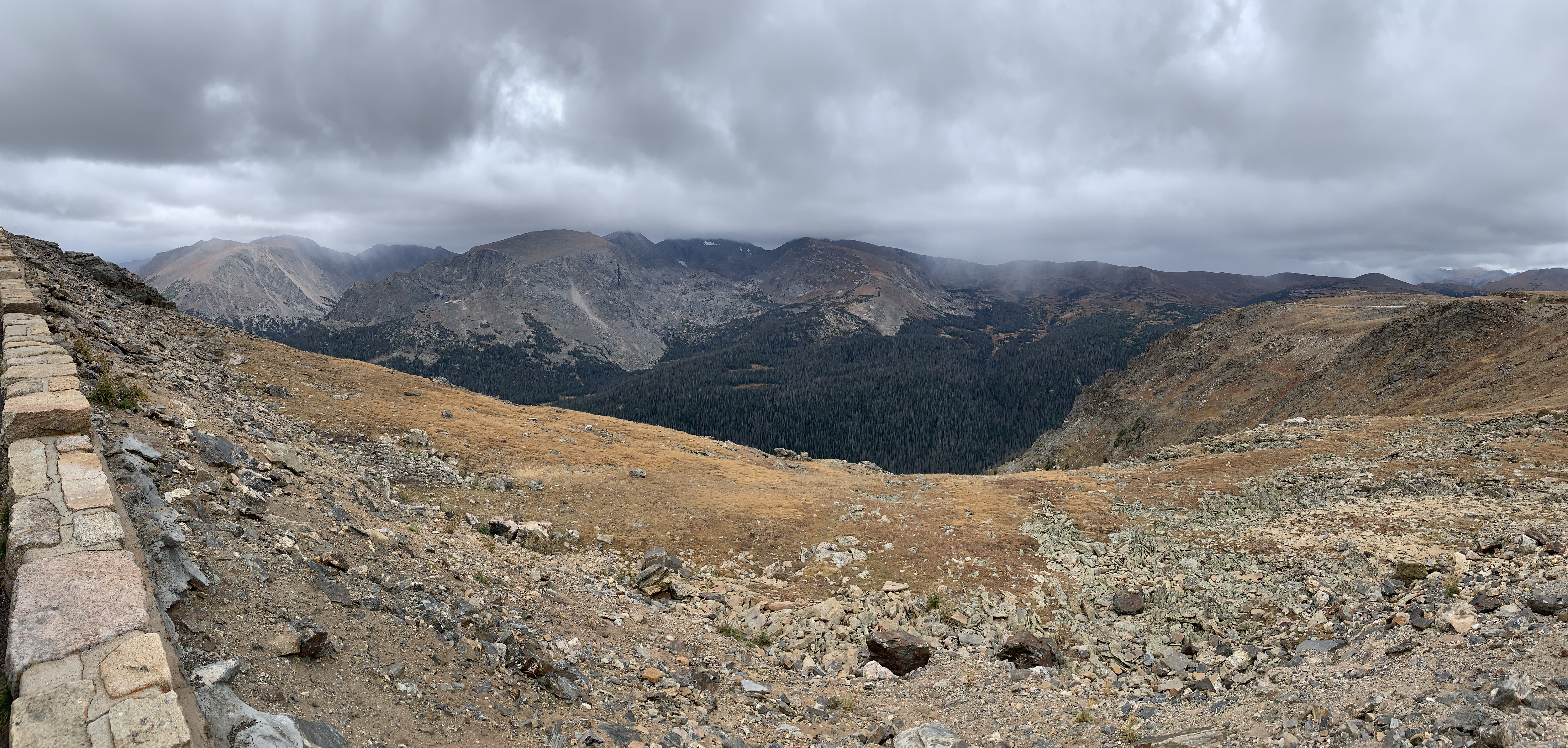
In the US, the 3,100 mile Forest Service managed trail starts at the New Mexico border, runs up near the Gila Cliff Dwellings, through El Malpais, cuts up west above Taos into Colorado, winds high through the Rockies, near Camp Hale, reaching its highest point at 14,270 feet on Gray’s Peak and then crosses through Rocky Mountain park (see photo). Here are the headwaters of both the North Platte River that flows east to the Mississippi and the Colorado River that flows west to the Sea of Cortez.

The trail continues north into Wyoming, where it crosses the Pioneer trails, through Yellowstone, where it crosses the Lewis & Clark trail, near the headwaters of both the Snake River which flows west to the Pacific and the Missouri River which flows east to the Mississippi. The mountainous divide continues up into Idaho and Montana, above Big Hole and Grant-Kohrs, connects with the Pacific Northwest trail and crosses through Glacier to Waterton in Canada. In Glacier, the epic trail summits Triple Divide Peak, which marks the hydrological apex of North America, where the Atlantic, Pacific and Arctic watersheds meet. Hope you have a happy new year!

Fort Stanwix National Monument

Yes, I’m back with a bang! Tesla is still working on my car (Chaco was tough on the springs), but rather than hold me hostage, they’re letting me travel around in a Model S until my car is ready. And the fort celebrates the 1777 victory for two weeks in mid-August with hourly cannon fire!

This fort has it all: drawbridge, sally-port, parapets, ramparts, and meticulously detailed barracks. And it’s open, labeled, extremely photogenic and great fun to climb around and explore. A small crowd gathers just a few yards from the cannon just below the colonial officer walking in the photo, and each step is demonstrated from candle to boom!

Long before we became an independent country, French fur traders gathered at this natural portage between the St Lawrence Seaway and the Hudson River and bought beaver pelts from Native Americans to make hats. I drove up the Hudson River Valley, along the Mohawk River and saw signs for Oneida Lake which drains into Lake Ontario. A short portage here connects the two watersheds, making this a strategic point in the middle of New York State, later connected by the Erie Canal. Control of this portage had international repercussions, as colonial powers divided up the globe.

The British built the original fort after capturing the area during the French & Indian War, and George Washington rebuilt it to defend the territory from the British. The key battle happened when a British Colonel led troops from the Great Lakes to meet with General Burgoyne’s force from Montreal in order to separate New England from the rest of the colonies. Both sides were joined by Native American warriors, and there was a particularly bloody ambush in the woods near the fort. The Patriots defended the fort for about 3 weeks before Benedict Arnold’s reinforcements (when he was still on our side) disrupted the plan, leading to Burgoyne’s surrender at Saratoga. Regardless of which side they fought on, the Native Americans were eventually forced to cede lands in New York, Ohio and Pennsylvania, in return for some annual compensation and limited sovereignty over their remaining land near here.