El Camino Real de Tierra Adentro

The Plaza Santo Domingo in the historic center of Mexico City is the southern terminus of ‘The Royal Road of the Interior Land’, a World Heritage Site. As you can see above, some vendors still use traditional market stands on this trade trail first developed by pre-Columbian empires. The whole trail was originally a native trading route for turquoise, obsidian and feathers, and after the Spanish conquest, it was used for military, religious expansion and for silver. From this plaza, the road runs north through San Miguel de Allende and Guanajuato all the way through El Paso (‘the pass’) to Santa Fe (‘holy faith’). The US section—with the same Spanish name—is a national historic trail.

In the background is the Palace of the Inquisition, which arrived from Spain to punish the son of Hernán Cortés, Martín, who threatened independence in 1566. Public burnings of witches and heretics were common for ~250 years, until Mexican Independence ended the practice in 1820. The ‘palace’ now houses a UNAM medical museum, although there is a small gory museum of the inquisition a few blocks away. Mexico City is the largest and oldest city in North America, and it is well worth visiting to be able to walk in the footsteps of history.

Navajo National Monument

In the center of the alcove across the canyon is the cliff dwelling of Betatakin. Due to Covid, the five mile guided hiking tour is currently suspended, but a 1.3 mile round trip hike to the the view above is open and beautiful. There’s also normally a 17 mile permitted hike to Keet Seel, a large and well preserved village, where guided tours are also currently suspended. Navajo Nation is taking a cautious approach to the pandemic, and masks are required. Please respect their wishes and culture.

Many visitors confuse this site with Monument Valley Navajo Tribal Park, which has been featured in many western films, but that site is northwest of here and run by Navajo Nation, not the park service. This park service site is in the Tsegi Canyon area and preserves Ancestral Puebloan dwellings, culture and homeland. As well as builders, they were great traders of tools, pottery, turquoise, shells, parrots and macaws. The Hopi, Navajo, Paiute and Zuni are some of the tribes that trace their roots back to this site. The visitor center has some trade items on exhibit and a gift store.

Natchez Trace Parkway

The “trace” or trail from Natchez to Nashville is now a parkway, under strict protection of the park service which limits development. The National Scenic Trail, also a park unit, has miles of hiking & equestrian trails along the way. I’ve more or less driven the length now, with lots of side trips to nearby sights, and the dense spring foliage is beautiful, soothing and seems endless.
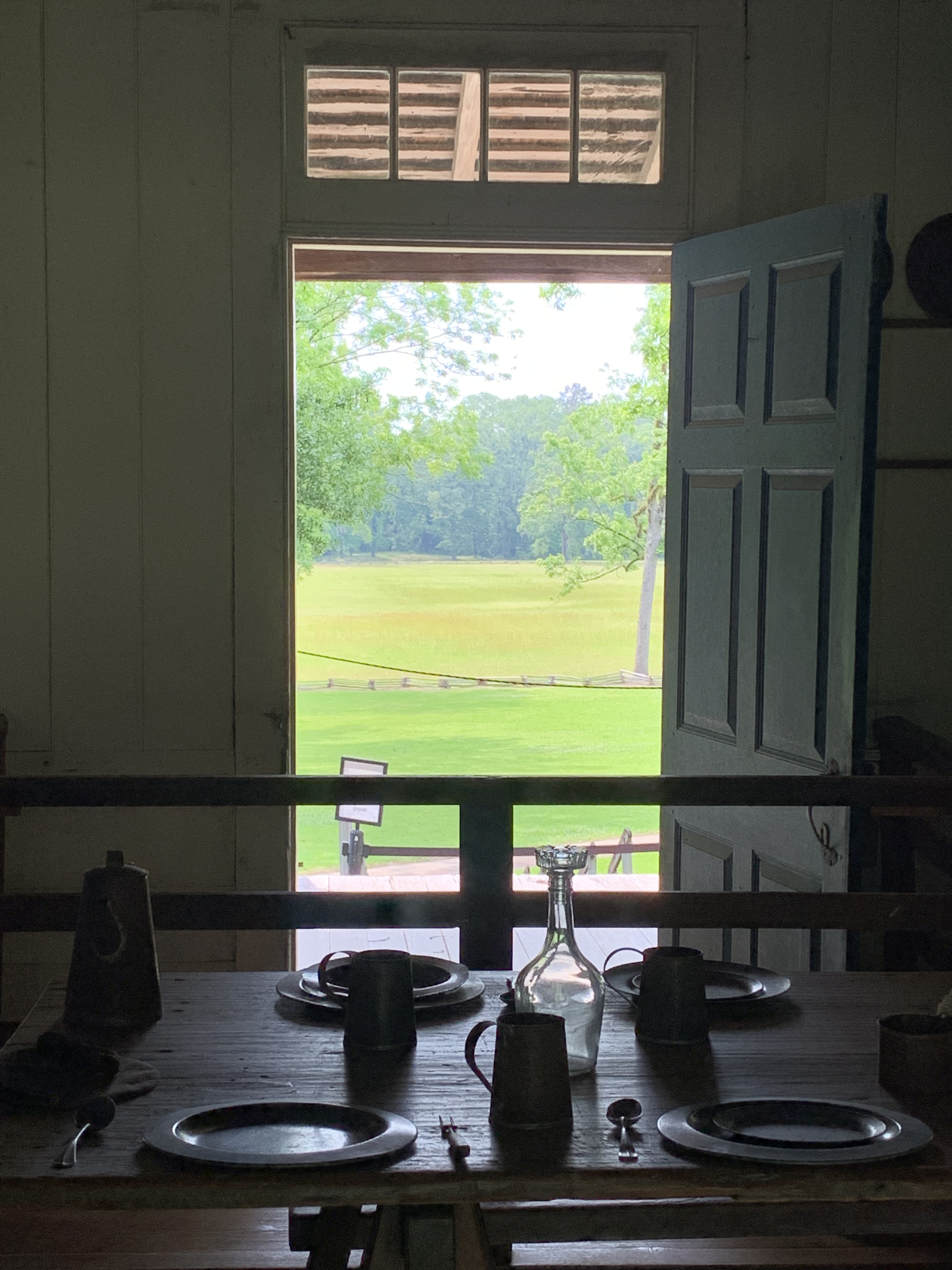
The first stop traditionally is at Mount Locust pictured above, and the route was typically used northbound, returning by boat. The trail is far older than our country, as French fur traders followed Native American trading routes that had been used for thousands of years. After the steamship was invented, most people stopped walking, which put an end to the proprietor’s lucrative business of selling whiskey, food and basic shelter at the ”stand” or simple roadside inn.

We tend to see history as inevitable, and don’t often think about what might or should have been different. But the people back then were constantly trying to learn, make changes and adapt. The land in the photo belonged to Native Americans, then was claimed by England, then by America, then worked by slaves who turned sharecroppers, and is now run by the park service. At each transition there was loss and opportunity. Only fortunate and adaptable people made it through turbulent changes. Injustice was resolved by war. No success or failure was inevitable. In hindsight, better choices could and should have been made.

I need to believe that we’re capable of learning, making changes and adapting. Dramatic change is inevitable, common behaviors suddenly become unthinkable, and those who can’t change usually suffer most. The extent of damage from the climate crisis has not yet been determined. Not all the coming extinctions are inevitable. The actions we take today make a difference to our future. We must stop burning carbon now, no matter how inconvenient, and we must prepare for the coming challenges.