Whale Blubber & Vineyard Wind

Butler Flats Light (above) has marked the entrance to New Bedford Harbor in Massachusetts since 1898. It was a clever bit of engineering by a marine architect using a caisson or box to pump out the water for construction, and every day it’s used for navigation by the famed scallop fleet, ferries, the occasional tall ship, and many other boats passing through the hurricane barrier. When the light was built, New Bedford still dominated the whaling industry, sending ships on long voyages to harpoon whales, melt their blubber into oil and return to fuel America.

Behind the light are two wind turbines, which provide electricity today without extinguishing any species. Despite the preposterous claims of fossil fuel industry funded politicians, there is no such thing as ‘windmill cancer’ and bird strikes are rare. But folks who live near the turbines complain that they cast shadows, are noisy or are ugly, so new wind turbines are now built far offshore, south of Martha’s Vineyard. The current project is known as Vineyard Wind, with 62 turbines each generating 13 megawatts when complete. Currently, there’s a pause after a blade broke, requiring inspections and clean up. Massachusetts recently committed to roughly quadrupling wind projects in the area.

The turbine assembly is based in New Bedford, with final installation of the towers at sea. Interestingly, to protect whales from construction noise, they create a circular curtain of bubbles rising up from around the foundation on the seabed. They got the idea from whales, who create a circular curtain of bubbles underneath schools of fish to herd them together into a bite sized meal. Thousands of locals work on the project, in a boon to the economy, and the first project will provide relatively cheap, green energy to 400,000 homes. I’ve observed the gimbaled tower segments and long blades being transported out to sea by huge construction ships on the same routes once used by whaling ships.

Progress is beautiful, especially when it helps save so many different species on earth from extinction. Back in the day, whalers would have argued that smelly whale oil was ‘indispensable’ and ‘higher quality’ than alternative fuels, and they resisted progress. Today, that seems absurd, although now the fossil fuel industry lies routinely to protect its profits. Ironically, during the Civil War, the US government helped launch the fossil fuel industry by buying their new fuel and taxing alternatives to save the Union. Now we need the government to help us transition quickly to green energy to save life on Earth and leave the smelly old fuels unburned.

Biospheres of the Southwest

This is a photo of a photo of a Texas Horned Lizard in the arid Chihuahuan Desert scrubland, from a roadside plaque near Las Cruces, New Mexico. The actual habitat is within the White Sands Missile Range and is off limits to the public. This UNESCO recognized special biosphere, Jornada—meaning day’s journey without water—, is open to scientific researchers from USDA, USFWS and NMSU, with limited school trips to the Chihuahuan Desert Nature Park in the southernmost corner. For many decades, the Department of Agriculture has been studying the climate here, gathering useful data about the fragile desert ecosystem. The Fish and Wildlife Service mostly focuses on the Bighorn Sheep and other species in the adjacent San Andres Mountains. New Mexico State University organizes research efforts and assists student scientists. 

While you can’t visit the Jornada biosphere or disturb the wildlife, these scientific research zones are extremely important for understanding global climate change and the ecosystems that support unique species. But the southwest region has two internationally recognized biospheres that you can visit: Big Bend and Big Thicket. Big Bend, like Jornada, is part of the Chihuahua Desert, and it also includes a biodiverse riverine ecosystem. Big Thicket is one of the most biodiverse places in the US, where the bayous, leafy forests, pine forests, plains and sand hills intersect and provide habitat for thousands of species. While these areas provide enjoyable excursions for Americans, they are also important beyond our borders. Scientists from all over the world actively support protecting and studying these areas to ensure the survival of species globally.

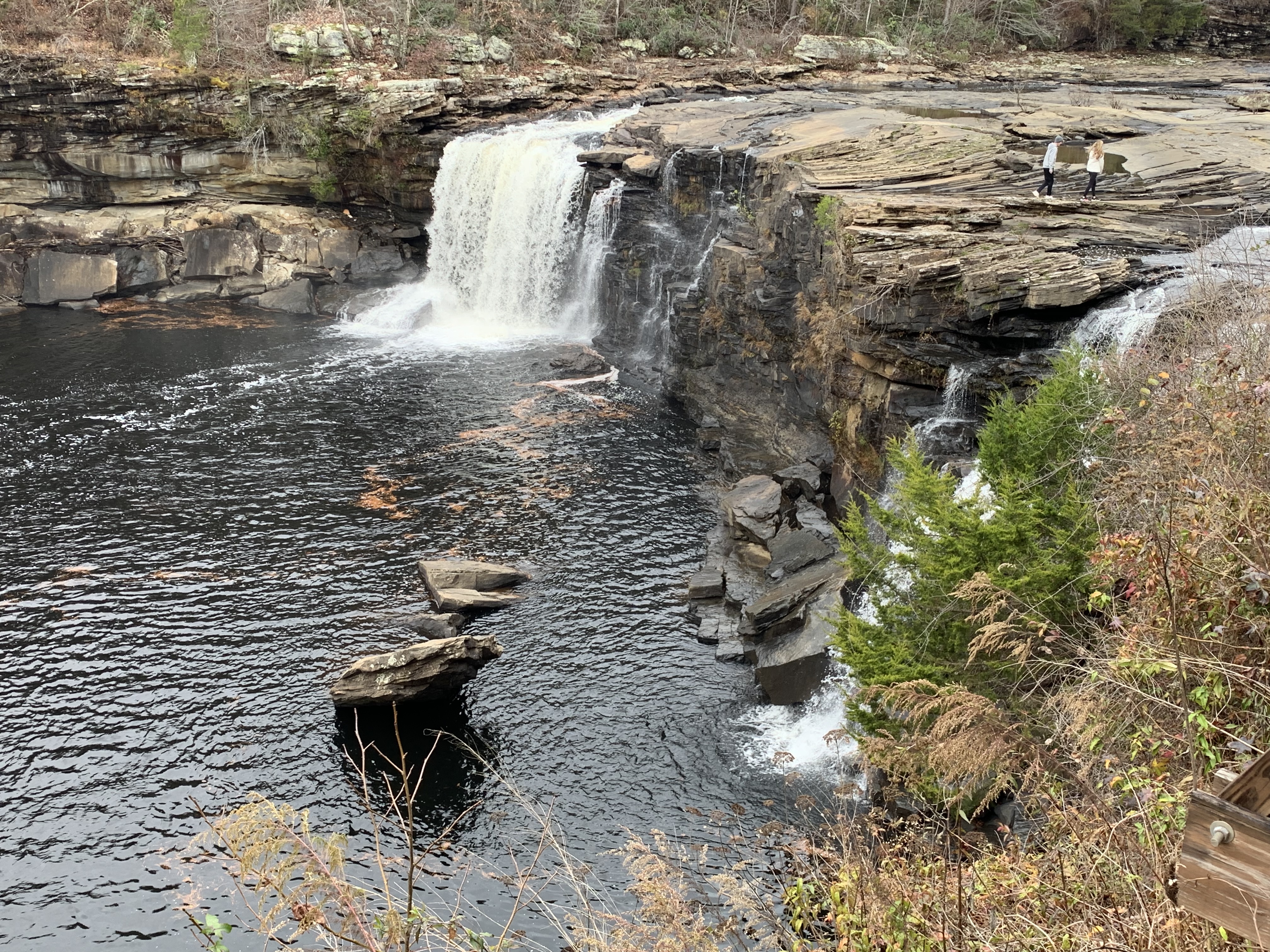
Little River Canyon National Preserve

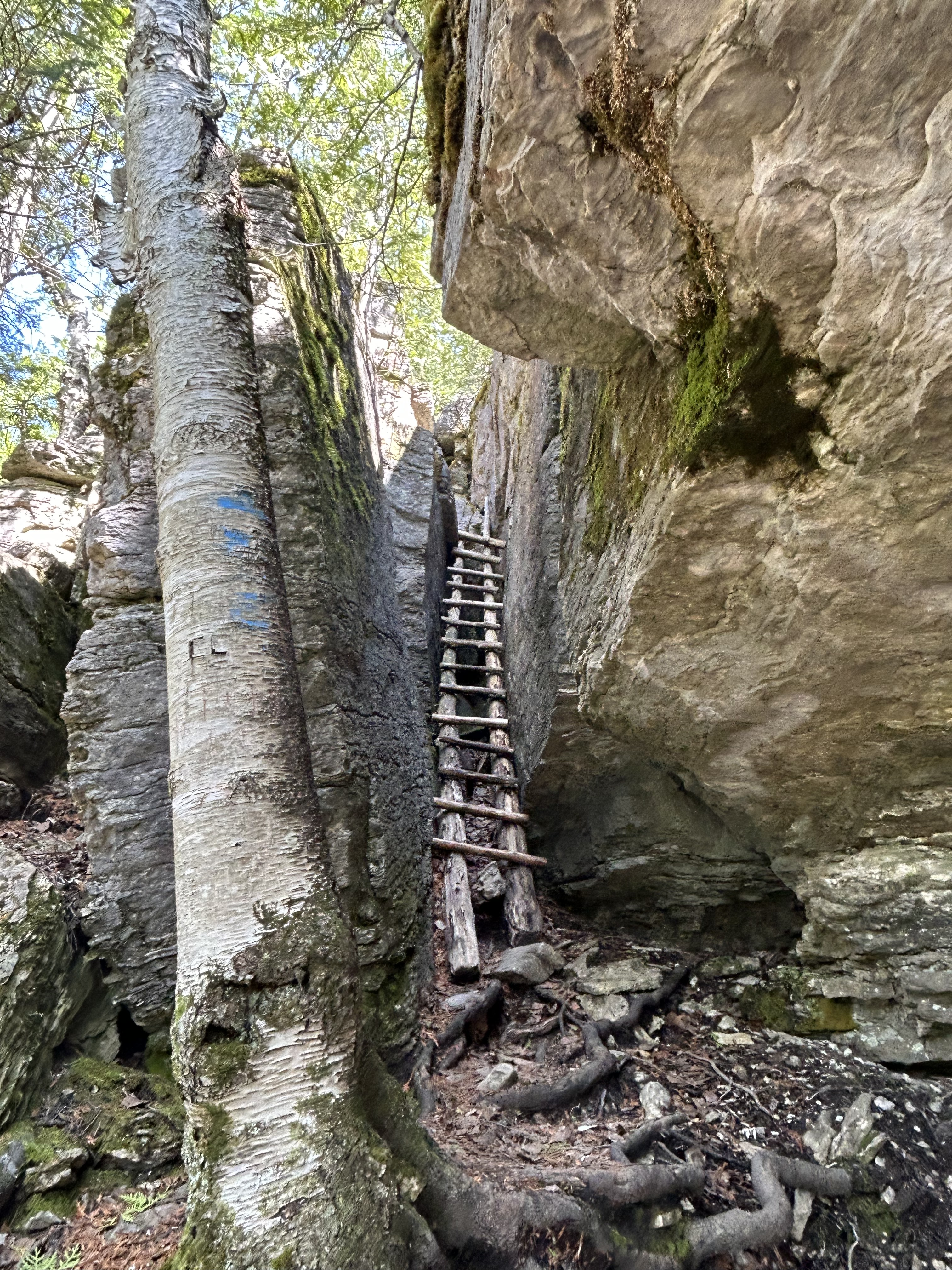
One popular question is itinerary planning, which is essential, although my plans never survive contact with the road. The same trails must be picked up again in different seasons, and inevitably, they retrace the steps of early Americans. The old hunting grounds, early trade routes, forts and battlegrounds often overlap in places like this, and, especially when they’re preserved in a more natural state, it’s easier to imagine those who came this way before us.

After their long history of interacting with the Spanish, French and British in the southeast, five tribes had become accustomed to European ways enough to be called “civilized”: the Choctaw, Chickasaw, Creek, Seminole and Cherokee. But the US government forcibly removed them to Oklahoma anyway. Most crossed the Mississippi near Memphis, as I did. The Cherokee were split into three groups: the old settlers who moved west before the removal, those forced to walk the Trail of Tears, and those who escaped removal and still live east of Great Smoky. Here, at a natural crossing point through the canyon palisades, the couple in the photo above walk on the Trail of Tears, near where Cherokee families were rounded up into a wooden palisade known as Fort Payne.

The park helps preserve that history, although the primary mission is to protect the many species that live in this important nature sanctuary. The canyon is known among rock climbers for the challenging cliffs, and if you hike downstream there’s a swimming hole near Martha’s Falls. The river isn’t runnable by amateurs, so stick to the scenic drive along the rim, admire the views from a half dozen overlooks and try not to miss the peak foliage like I did. The road isn’t wide enough for both bikes and cars, and, as usual, the former lose out. There’s a park film at the friendly visitor center and an Ol’ Tymer’s BBQ nearby.

Time for me to get back on the road. I passed through Muscle Shoals on my way here, but now I have Georgia on my mind. Places like this are bittersweet, when you reflect on the past or consider the future, but that’s what enriches travel. And our choices make a difference too. Supporting Native American businesses, for example, seems the least we should do to recognize past wrongs. And unless we stop our carbon pollution, these small sanctuaries will prove insufficient to preserve diverse species for any who may follow us.

Tule Springs Fossil Beds National Monument

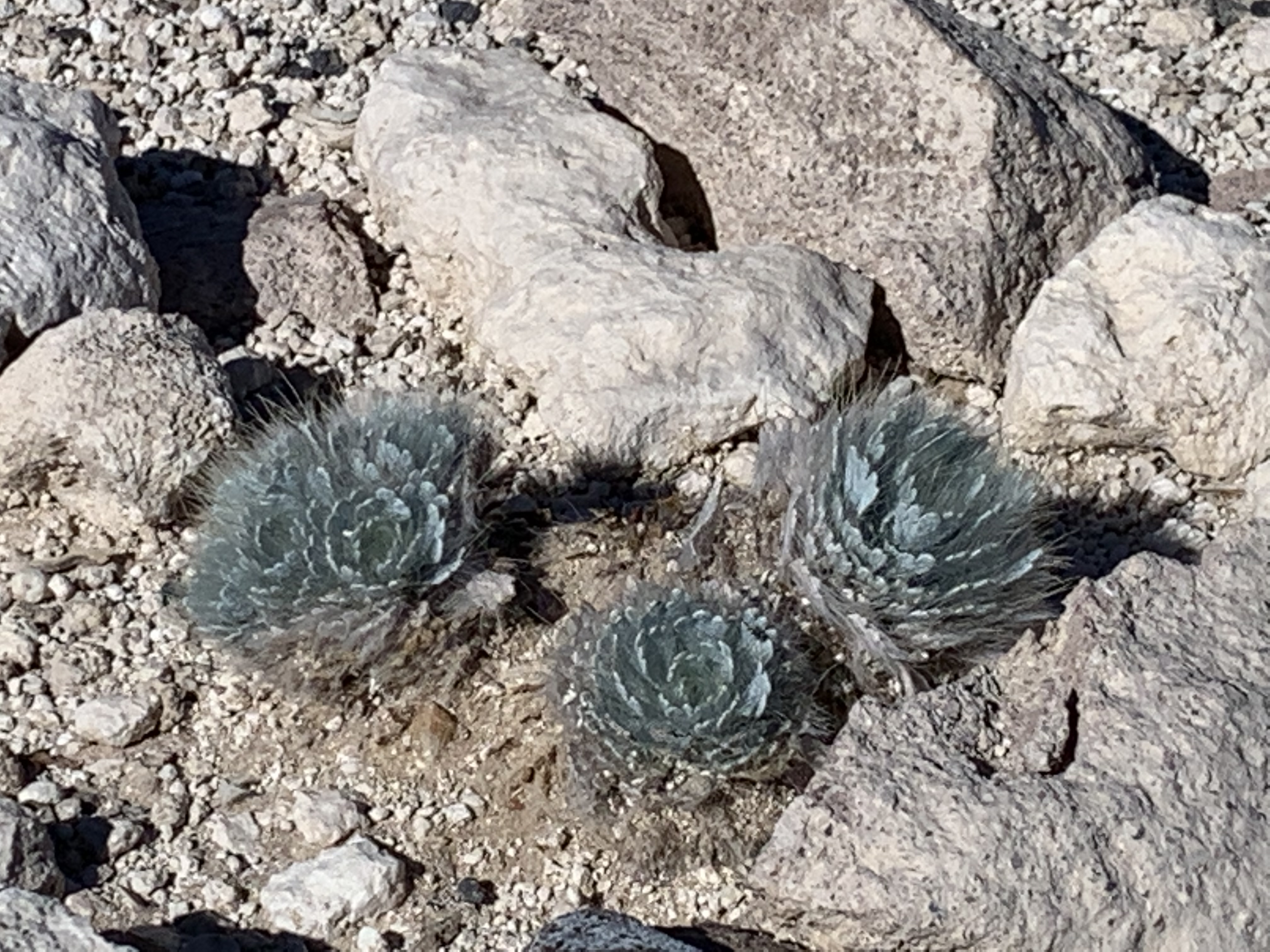
I’m pretty sure these are the endangered Las Vegas Bearpoppy with yellow flowers in spring. Endangered, because Vegas sprawl exceeds monumental. Honestly, there wasn’t much else to see in this “still in planning stage” park site. There’s a temporary 3.25 mile Alicante Loop Trail and parking on North Aliante Parkway at West Moonlight Falls Ave, but the desert is subtle in natural features. There are mats of desert mistletoe in the acacia and mesquite, but they’re parasitic plants best appreciated by the rare silky flycatcher. Despite free dog waste bags and signs, the locals use this place to let their pets run off leash and much of the brush has poop and trash stuck in it. The park extends for miles from North Vegas up 95 northwest, and hopefully they will soon be employing a ranger to protect the park from the residents and pets of the lushly landscaped neighborhoods across the street. Vegas isn’t known for keeping realistic boundaries.

Lake Meredith National Recreation Area

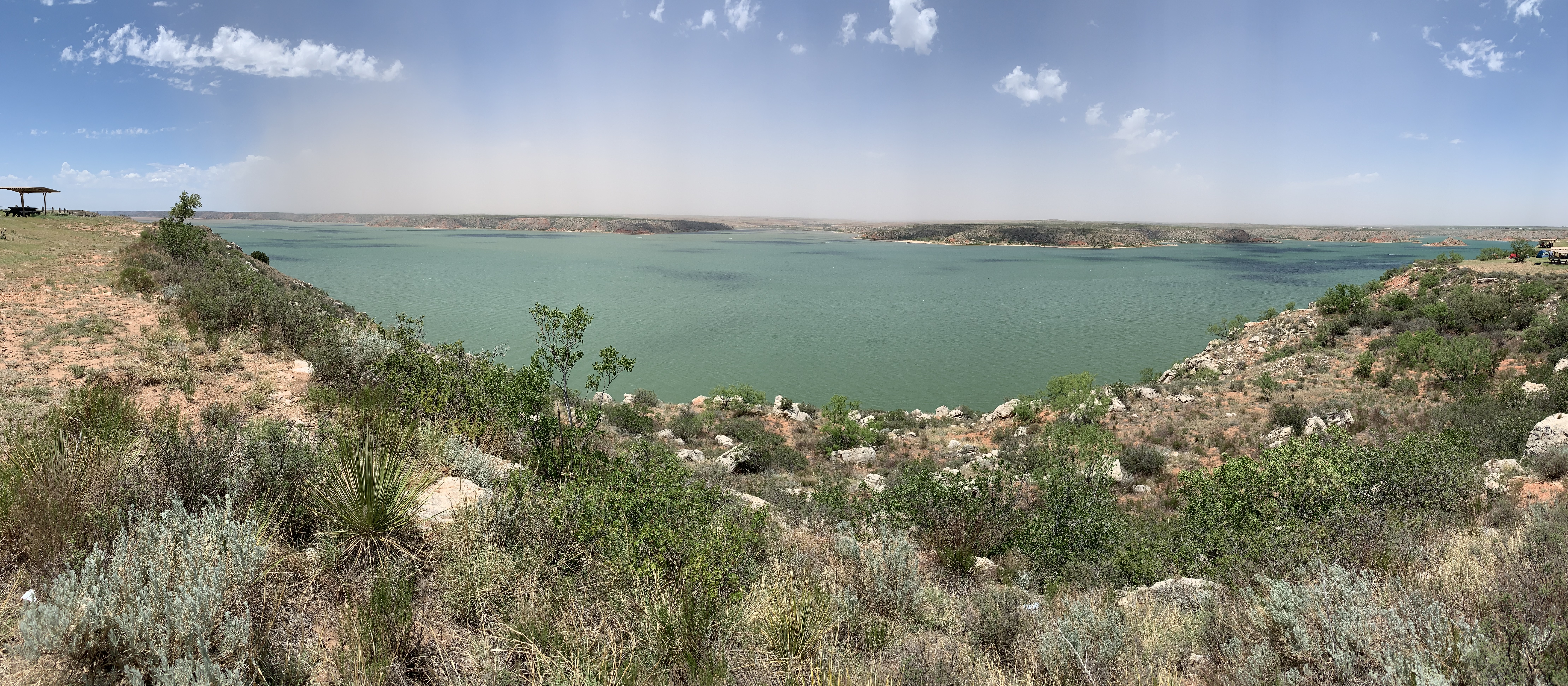
The Canadian River flows from the Colorado/ New Mexico border through Texas and joins the Arkansas River in eastern Oklahoma, but a dam here creates Lake Meredith. I had planned to kayak here next year, but I think I’ve decided against it. Most of the water craft are loud, fast, gas-guzzling powerboats, the lake has shrunk dramatically due to water diversion to cities, and Spring Canyon where the park service once had wildlife paddling tours is now more of a separate small pond.

When Congress sets aside these areas for recreation, there’s some effort made to protect the natural beauty, but it’s mostly done for the benefit of only one species: us. There’s a garden in this NRA for the monarch butterfly migration at the visitor center for the neighboring Alibates Flint Quarries, but it is ridiculously tiny. I can’t see how migrating birds could use the lake with all the motorboats. The lake is more of an artificial water park, rather than a wildlife refuge. On the interstates, I see signs for “wildlife parks”, which are basically zoos. But once animals are locked up in cages and fed, they are no longer wildlife.

I don’t think people understand (or care) that once the real wildlife is gone, it will be gone forever. Our government needs to prioritize saving species, due to the climate crisis, and that requires leadership to make significant changes right now. There should be a cabinet-level biologist directing policies across government to make sure we maximize the chances for species to survive. Water parks and zoos can be built anywhere with recycled water, but natural ecosystems need to be protected, especially along our western rivers.