All NPS National Recreation Areas

There are 18 NRAs managed by the park service for biking, boating, camping, fishing, hiking, horse riding, swimming and other activities. (I should note that there are also 13 NRAs managed by the US Forest Service, and I plan to visit some of those too.)

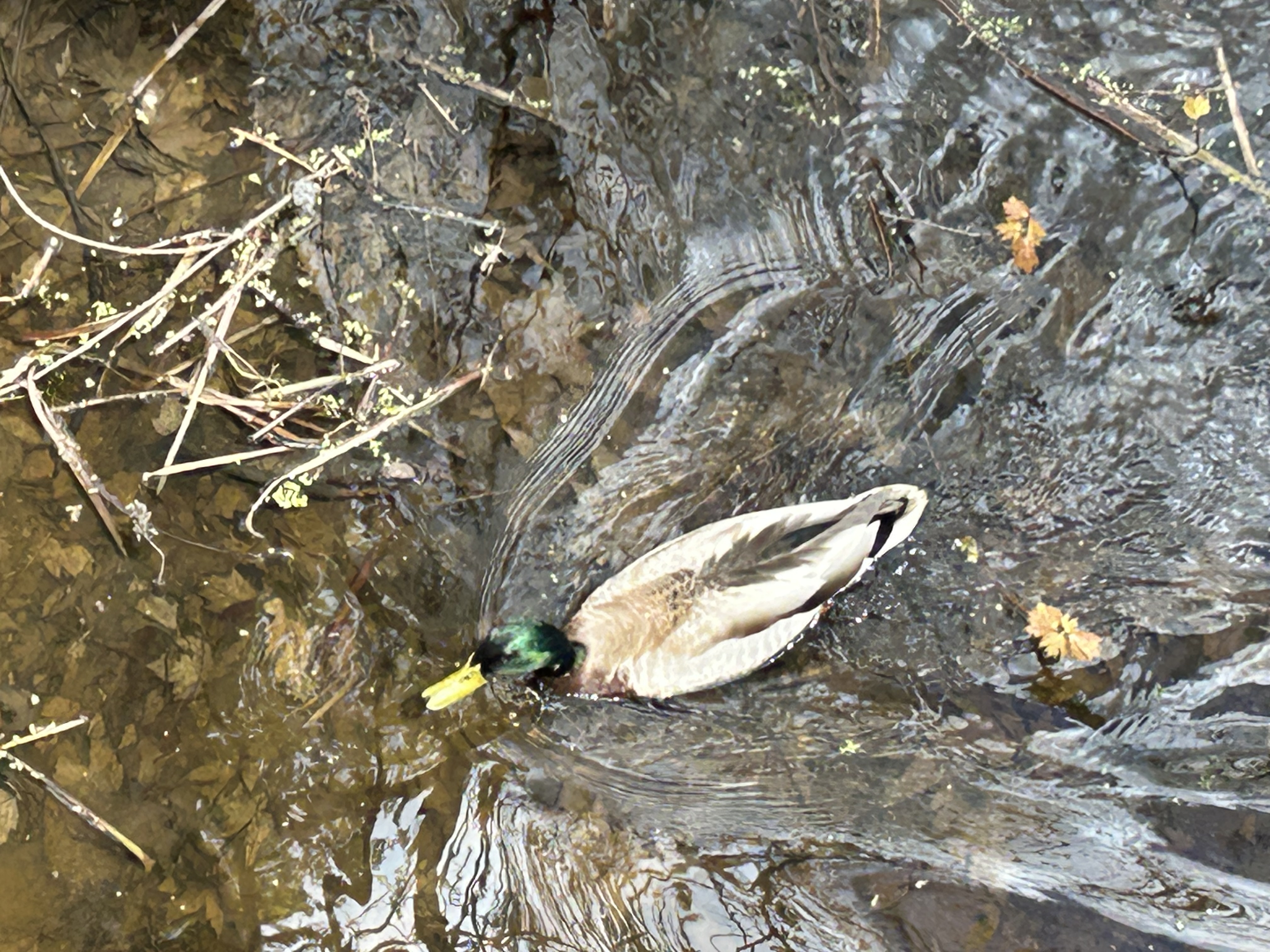
Two are in the North Atlantic region: Boston Harbor Islands and Gateway, which is shared with the Mid-Atlantic region. Both are great for birdwatching and hiking along the shorelines.

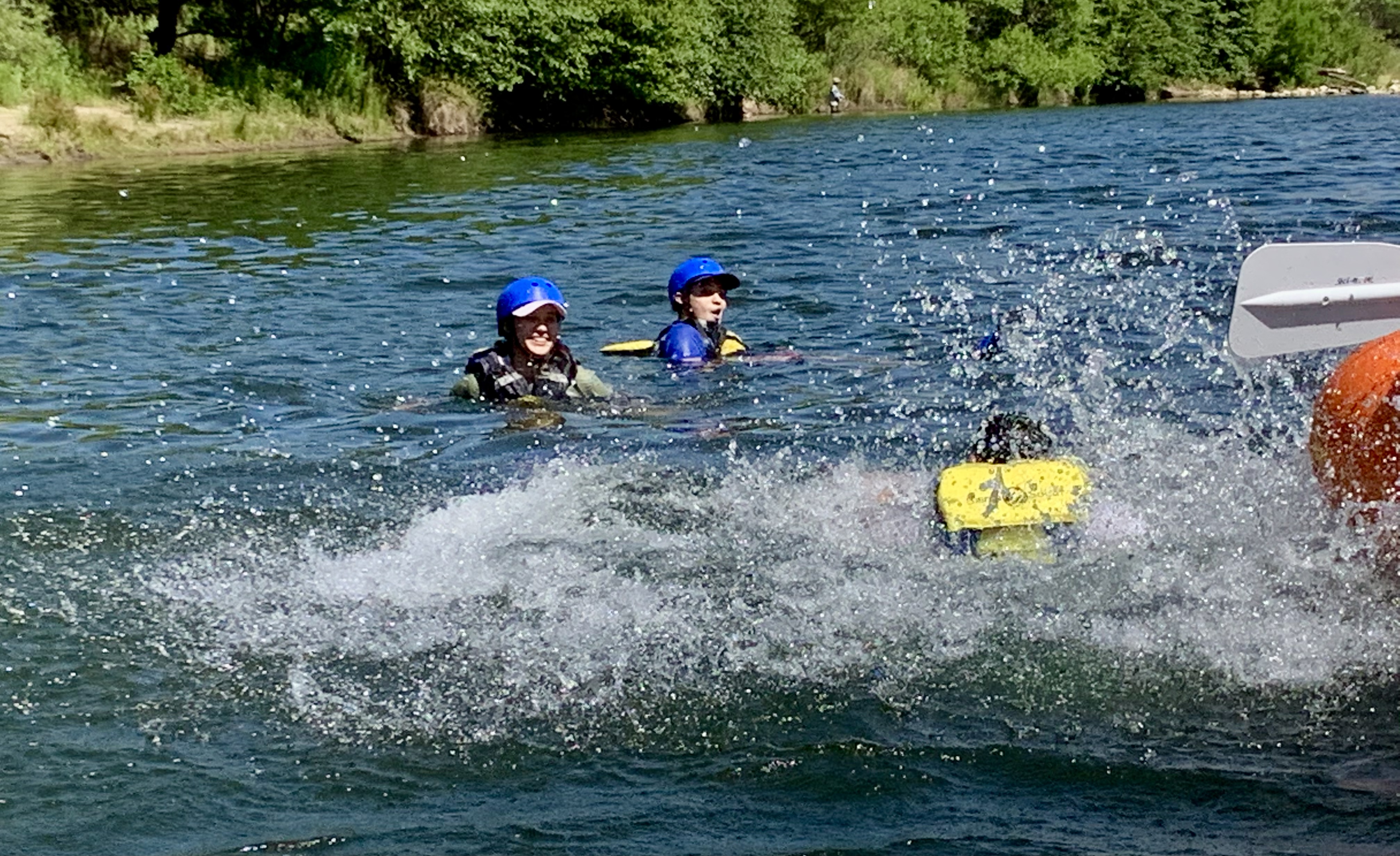
The Mid-Atlantic has two more: Delaware Water Gap and Gauley River, plus the Upper Delaware Scenic and Recreational River. All are great for paddling, although Gauley is more challenging.

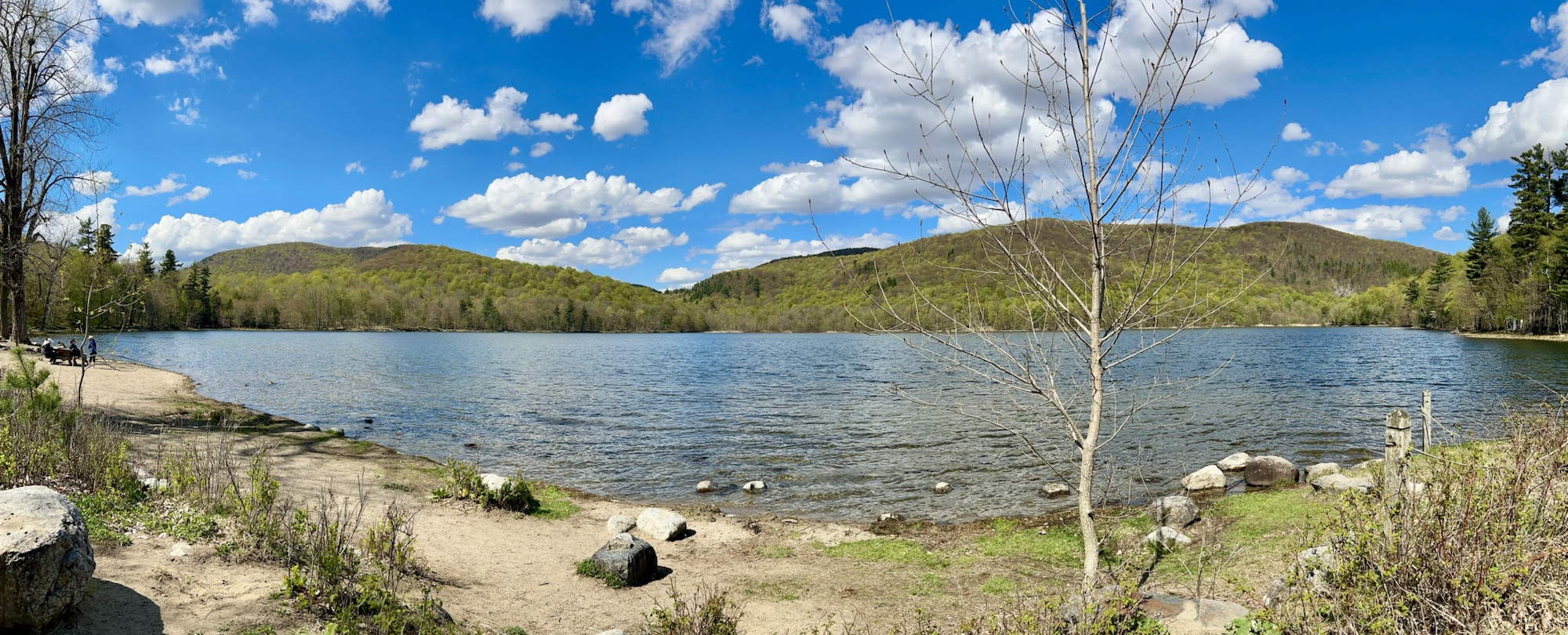
Three are in the Pacific Northwest: Lake Chelan, Lake Roosevelt and Ross Lake. All have great lakeside camping.

Three are in the Rocky Mountain region: Bighorn Canyon, Curecanti and Glen Canyon, which is shared with the Western region. Each has great views.

The Western region has four more: Golden Gate, Lake Mead, Santa Monica Mountains and Whiskeytown, each unique.

The Southeast has one: Chattahoochee River, which is great for hiking and maybe tubing near Atlanta. Plus they have the Big South Fork National River & Recreation Area, which is great for paddling.

And the Southwest region has Amistad, Chickasaw and Lake Meredith, which all take advantage of dams for boating.

Oh, and while the Midwest doesn’t have any NRAs, they do have the Mississippi National River and Recreation Area and the Missouri National Recreational River, both with lovely hiking and paddling.

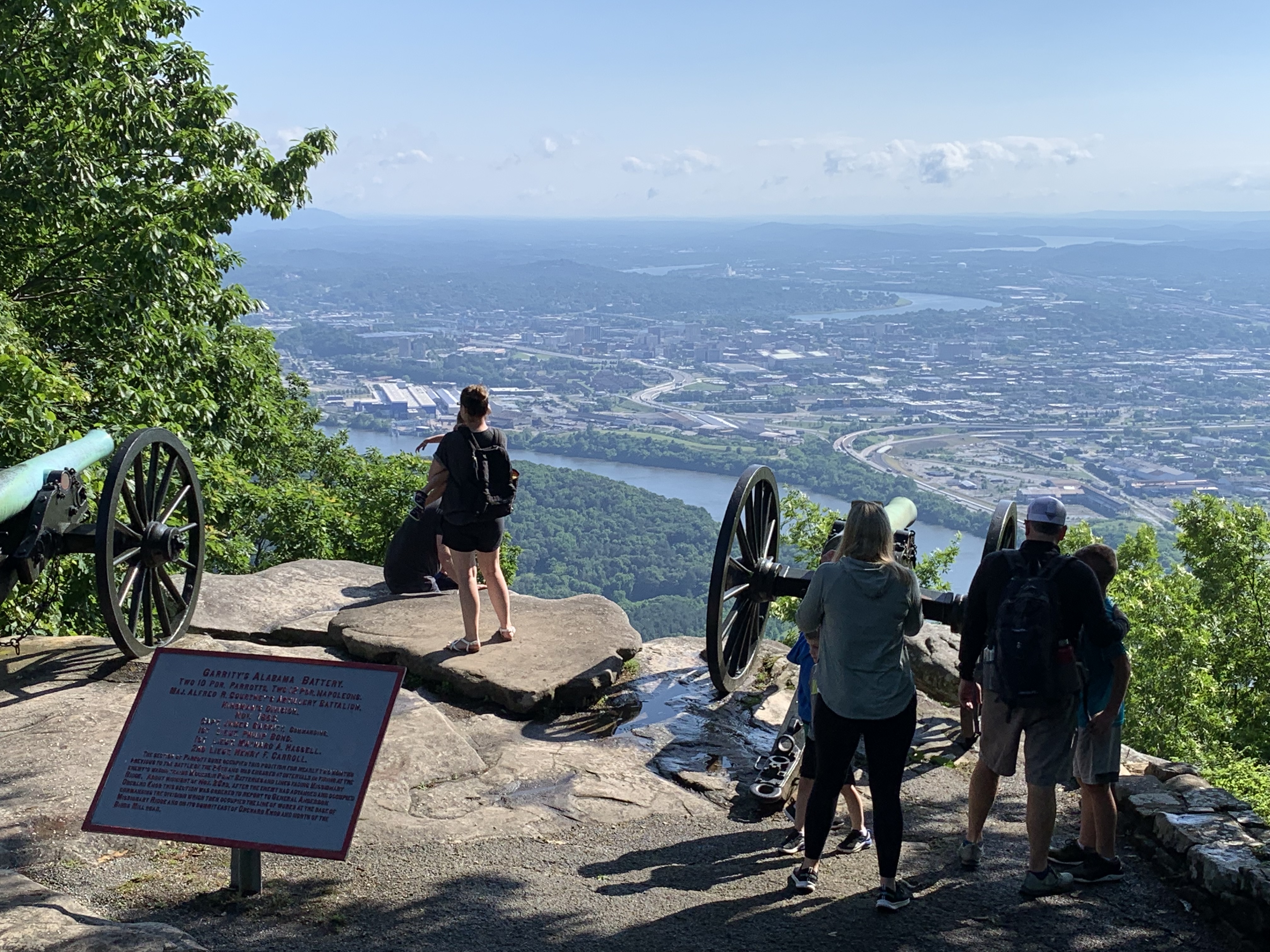
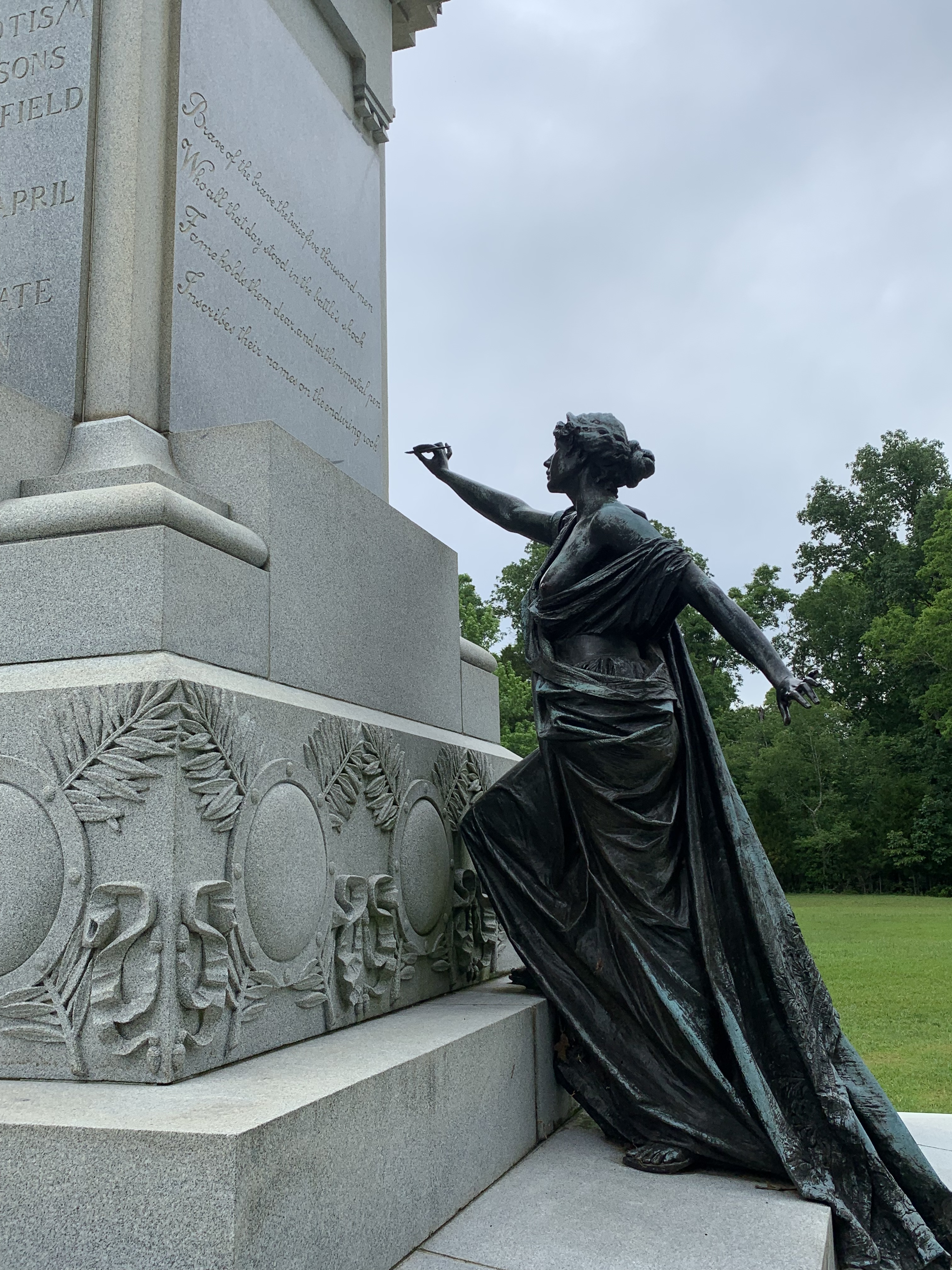
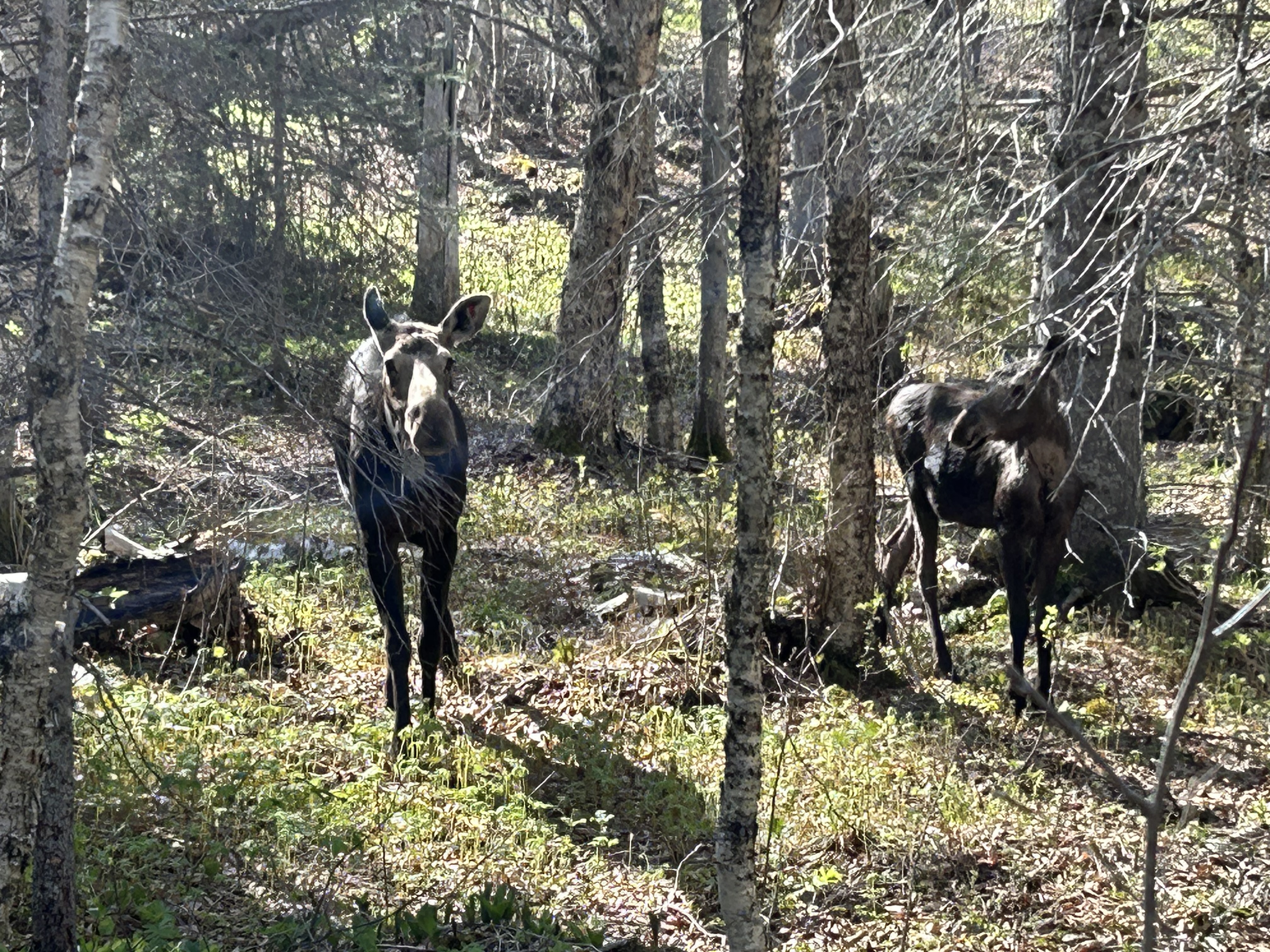
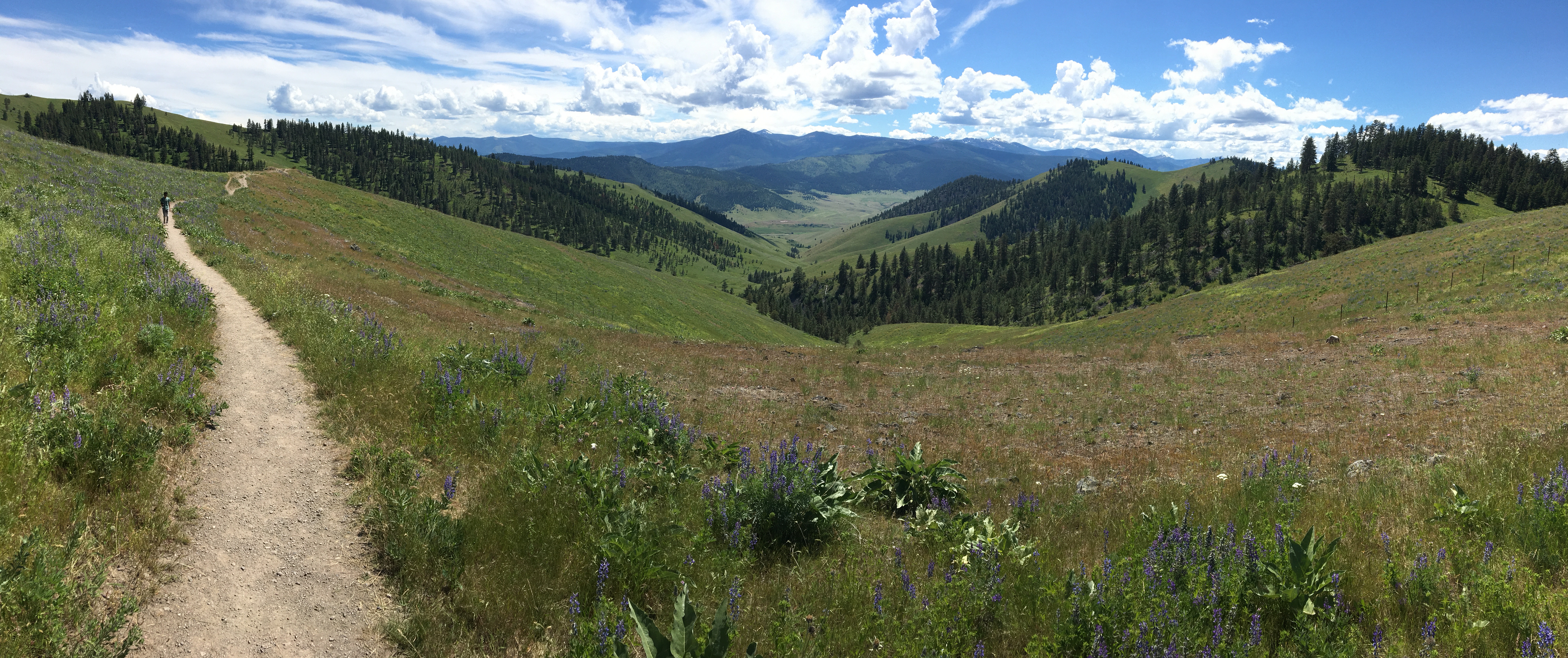
Tennessee in Photos

Celebrating completing the Volunteer State!

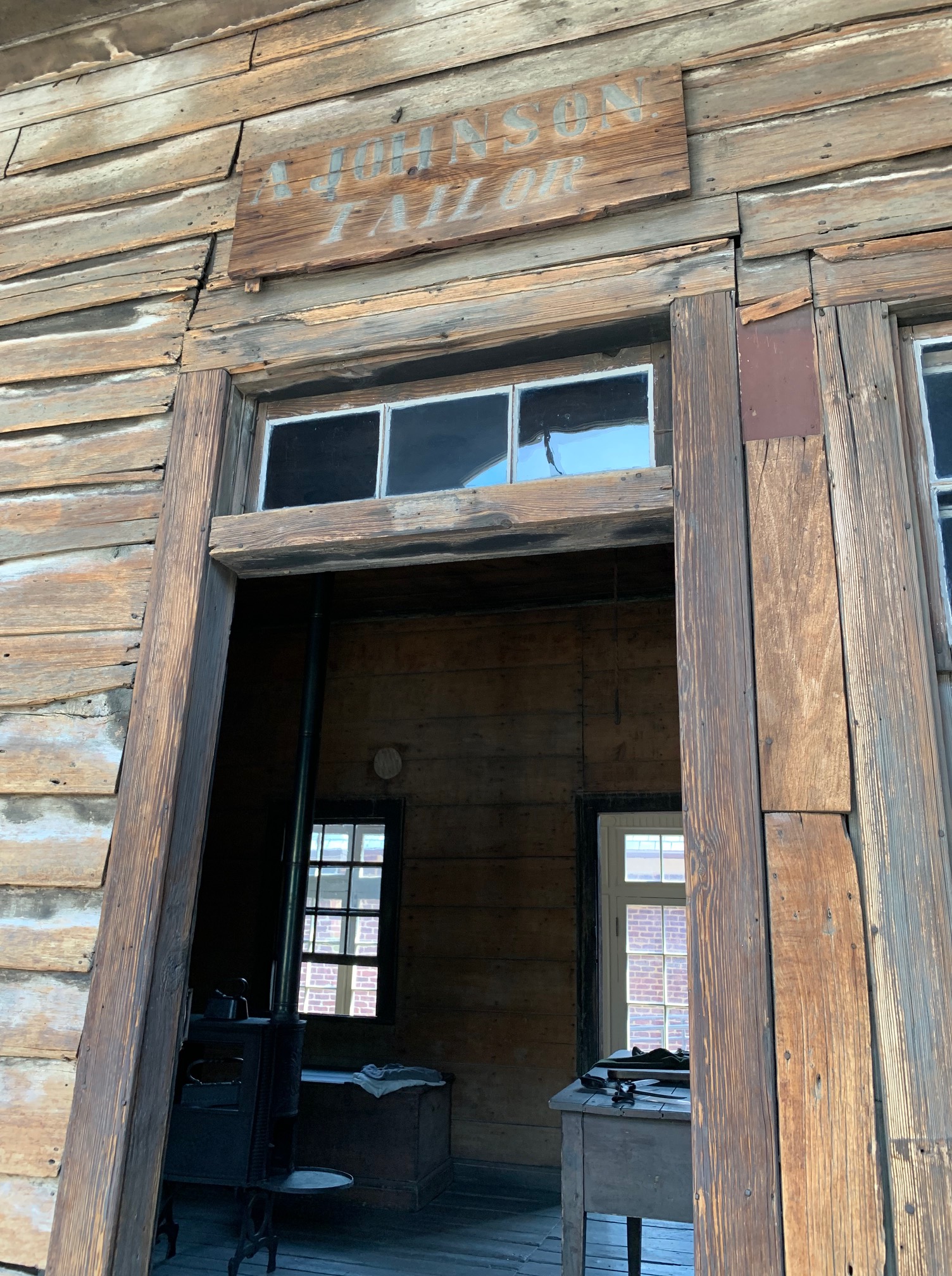
Andrew Johnson NHS, Chickamauga & Chattanooga NMP (partly in Georgia), Fort Donelson NB (partly in Kentucky), Great Smoky Mountains NP & WHS (partly in North Carolina), Obed WSR, Shiloh NMP (partly in Mississippi), and Stones River NB are above. Big South Fork NRRA, Cumberland Gap NHP, Natchez Trace Parkway & National Scenic Trail, Overmountain Victory NHT, and Trail of Tears NHT are also partly in the state. Tennessee is an NHA dedicated to the Civil War, which includes the affiliate site, Parkers Cross Roads.

Best of the Midwest

Best Park: Isle Royale. Wildlife, wilderness, multi-day hiking, boating, camping, forests, mountains, waters. Isle Royale, above, is the best Midwest park in many categories, despite being the least visited national park in the lower 48.

Best State: Missouri. Under-appreciated Missouri has Ozark Scenic Riverways, a karst-cavern, spring-fed paddling, sparkling gem, and Ste. Geneviève, a cultural midwestern marvel, not to mention Gateway Arch and more.

The Midwest specializes in history, exemplified by these best-in-class parks.

Best Bicycling: Cuyahoga Valley.

Best Heritage Area: Freedom’s Frontier.

Best Museum(s): Dayton Aviation.

Best Native American Site: Pipestone.

Best Place to Lose Yourself in Nature: Voyageurs. (Get a boat-in campsite.)

Best Ranger: Nicodemus. She’s part of the living heritage.

Best Scenery: Pictured Rocks.

Best Trail: Learn About all the Pioneer Trails at Scotts Bluff.

Best World Heritage Site: Taliesin.

Most Tragic Folk Song: Keweenaw.

Read more about all parks in the Midwest region.

Mid-Atlantic Trails

5 historic trails link multiple sites in the region, and 3 scenic trails are park units. Here’s a quick summary in case you are interested in exploring the trails in the region.

Historic trails

Scenic trails

Susquehanna National Heritage Area

The Zimmerman center above is the launching point for summer boat rides on the river in the background, a colonial era museum, the trailhead through a Susquehannock tribal area, local HQ for the Captain John Smith Chesapeake NHT, and the HQ for the Susquehanna NHA. I’m glad I stopped here last month, since the staff cleared up some of my misconceptions.

The museum here does a good job in describing the contact between the colonial explorer John Smith and the natives. The staff also confirmed my suspicion that Captain Smith could not have traveled to all the points up river shown on his trail. Even his small exploring boat could not sail up waterfalls and over rocky shoals. So Smith’s historic trail map does not match the explorer’s actual historic trail. The NPS describes the trail as “a water-based trail following the coastline of the Chesapeake Bay and its tributary rivers”, which would be great, if this were a scenic trail, but it’s a historic trail, named for a real explorer. [No word yet from the NPS on fixing this.]

Amidst handling school groups with aplomb, the staff also nicely answered my questions about the broad heritage area. If you’re interested in the colonial era, you should visit the county history museum in York, which has several colonial buildings, including a tavern, where our revolutionary leaders, the Continental Congress, fled during the British occupation of Philadelphia from 1777 to 1778. While exploring, you will likely see both Mennonite and Amish community members, such as around Loganton in the scenic area up the west branch of the river.

Rocky Mountain Trails

8 trails cross the Rocky Mountain region, including 6 National Historic Trails and a National Geologic Trail that link multiple sites, plus the North Country National Scenic Trail that is an individual park unit. Here’s a quick summary in case you are interested in exploring the trails in the region.

Ice Age National Scenic Trail

The trail is not straight. It meanders through Michigan’s wooded hills, green valleys and along its rivers and lakes. The trail begins along the Niagara Escarpment that separates Green Bay from Lake Michigan, then south below Madison, before crossing the Wisconsin River at Lake Wisconsin. Then it passes up across the bluff on the right with its characteristic rough rock glacial remnants on the steep slope to the north beach of Devil’s Lake above before continuing north to the Wisconsin Dells with iconic eroded rocks. Eventually it crosses the state to end at the St Croix River.

President Biden elevated the trail to a full national park unit, but many of the most scenic sections are in state parks or affiliated scientific reserves. Wisconsin Dells itself is quite commercialized, with water parks and pricey tours, even though the layered rock can be seen in several different places along the Wisconsin River. State parks like above or Mirror Lake have fine scenery, camping and miles of maintained trails. I tend to rush around and then spend too much time at supper clubs, but it’s worth slowing down a bit here to enjoy the natural beauty. For more, read my earlier post about the Ice Age Trails.

Adirondack Biosphere & Champlain Valley National Heritage Partnership

Much of upstate New York belongs to the Adirondacks, with old mountains, lakes, forests, wildlife and scenery. Two of the more famous tourist spots are the High Falls Gorge (above) and the Ausable Chasm (below), both on the Ausable River—from the French ‘au sable’ meaning ‘sandy’—which is fed from Lake Placid and flows down to Lake Champlain. Since they’re well developed old trails, walking along the secure walkways and overlooks costs about $20 each, but I think they’re still worth it, though neither is quite the scale I imagined for the ‘Grand Canyon of the East’.

Lake Champlain is part of the water route from New York City to Quebec, so several key battles were fought in the area, including at Saratoga and during the War of 1812. The British were winning in 1814, having sacked DC, but Thomas Macdonough won the Battle of Lake Champlain aboard his ship, the USS Saratoga, thwarting a British invasion down the Hudson in 1814.

This National Heritage Area preserves both history and beautiful nature, including Marsh-Billings-Rockefeller in Vermont. The Champlain-Adirondack Biosphere is also recognized by UNESCO for its forests, wetlands and mountains in both upstate NY and about 1/2 of Vermont. Unfortunately, the Trump administration ended the only other UNESCO Biosphere in the North Atlantic Region at New Hampshire’s Hubbard Brook hardwood forest research. Still, there are many other fascinating places to visit in this diverse heritage area, such as the Antique Boat Museum in Clayton New York on the St Lawrence River, as well as the scenic homelands of the Algonquin and Iroquois people near the Canadian border.

Driving a Tesla 3 to Mexico City

To visit 16 of Mexico’s World Heritage Sites in a zero emission vehicle, I drove round trip from Texas to Mexico City, through 13 Mexican states, and, while a bit bumpy, I enjoyed the trip very much. All my trip report links are at the end of this post.

If you read online comments in the US, you might get the idea that traveling in Mexico is impossible or foolhardy at best. Well, you can’t believe everything you read online (except this blog of course). Over the entire trip, I was only asked for one ‘bribe’ of $1, to park briefly in a student parking lot without a student id. The state police, national guard and military were all very professional and waved me through either without comment or after glancing at my car permit. While I saw crime on the TV news in Mexico, I observed none.

After driving in Mexico, I finally understand driving in Texas. Instead of overpasses, underpasses and clover leafs, just use ‘retornos’ or U-turns. Folks leave the nice highways, well, they’re on their own, immediately. Want to slow traffic, without relying on folks to obey signs? Just use lots of speed-bumps or topes. Although, there are even more techniques to learn. First, always be alert. Pothole! Second, drive halfway in the breakdown lane to avoid head-on collisions with oncoming passing traffic. Third, always be alert, seriously, you need to pay attention and think while driving. Drivers are generally nice, but get out of the way of speed demons and quickly pass vehicles that wouldn’t be allowed on the roads in the US.

All Mexico is divided into three parts. Mexico City is best navigated by metro, with its one way streets, traffic and lack of parking. Traffic can be stultifying. Of course, electric cars are exempt from the Hoy No Circula—‘no driving today’—restrictions, which otherwise limit your access to the city according to the last character of your license plate. Circumnavigating the city on the ring road requires tolls: take your ticket and be prepared to pay cash (although a few places take credit cards). Remember the metro is 5 pesos or ~30 cents.

The mid-sized cities and tourist areas outside Mexico City are still crowded, but passable by private car. I was frequently fortunate to find parking very near World Heritage Sites in mid-sized city centers. Of course, the more touristy, the more likely that the roads are cobblestone. San Miguel de Allende may be magical, but I scraped the bottom of my car several times on medieval stones. Better to park outside the historic zones and walk. Still, driving your own car gets you to places that are otherwise challenging to reach.

And then there are the mountains and remote villages. Ah, lovely! But no signal to navigate. I got lost three times near the butterfly reserve. Once, my navigation asked me to drive between two trees on each side of a hiking trail. But I must admit, some of the most beautiful places in Mexico are just off the grid. Horse-driven ploughs, indigenous costumes, and forest-covered volcanoes await. Long drives are best on toll roads with frequent $5 to $15 tolls.

On this trip, I used Superchargers exclusively, and I only saw half a dozen Teslas in Mexico, including my own, mostly at chargers. Unlike the US, there isn’t a government subsidy for most electric cars, so my car was not just unusual, but uneconomical in the short run. I got few comments or looks, and the valet parking attendants had never driven one before (and didn’t like them). There are a few other electric models that I saw on TV, which we don’t have in the US, and I spotted a few of those in Mexico. But overall, electric cars are an elite affair, with parking and charging in the most expensive malls in expensive neighborhoods. I found the supercharger network from McAllen to Puebla accessible and without gaps, although it’s better to charge whenever you can, just in case you need a lot of air conditioning or have to detour.

While Mexico might seem intimidating or unrefined, the truth is that it’s worth the trouble. There are European-style cathedrals, ancient pyramids (photo from Anthropology Museum), glorious art, scrumptious food, and natural wonders that are well worth driving a couple days with the trucks on the long highways. An unexpected side benefit to driving was passing through three UNESCO Biospheres along the way: Cumbres de Monterrey, La Primavera near Tequila, and Los Volcanes near Mt Popocatépetl. I reviewed the State Department warnings and used them to plan my trip, but, again, the best way to avoid crime is to avoid drugs and be careful. Americans should take advantage of the wonderful travel opportunities just south of our border, and I’m not talking about all-you-can-whatever resorts that you fly into. See the real Mexico, and drive electric!

Read about the trip!

Guanajuato

On the right is the Alhóndiga, an old grain exchange,…

Querétaro

UNESCO recognizes this colorful, artistic city for its historic zone…

Teotihuacán

Feathered and fire serpents adorn the steps of the Quetzalcóatl…

Puebla

The city’s cathedral with its famed tall towers (above) is…

Xochicalco

If you were disappointed by not being able to climb…

Xochimilco

This is only half of a World Heritage Site, Mexico…

UNAM

University City, the main campus of UNAM, the National Autonomous…

Tequila

Technically, the name of this UNESCO World Heritage Site is…

New Mexico in Photos

Celebrating completion of all parks in the Land of Enchantment: Aztec Ruins, Bandelier, Capulin Volcano, Carlsbad Caverns NP, Chaco Culture, El Malpais, El Morro, Fort Union NM, Gila Cliff Dwellings, Los Alamos, Pecos NHP, Petroglyph, Salinas Pueblo Missions, Valles Caldera and White Sands NP. The Northern Rio Grande NHA is here, and the Butterfield Overland, El Camino Real de Tierra Adentro, Santa Fe and the Old Spanish trails all pass through too. There are also three World Heritage Sites, more than any other state: Carlsbad Caverns, Chaco Culture and Taos Pueblo. Enjoy!