Southeast Trails

The southeast includes some of our oldest and most scenic trails, and the Florida NST, Natchez Trace NST and the Selma to Montgomery NHT are unique to the Southeast. Both Appalachian and Natchez Trace scenic trails are individual park units. Here’s a quick summary in case you are interested in exploring the trails in the region.

National Historic Trails

  • Lewis & Clark 1804-1806, runs along northern Kentucky, and they did some fossil hunting for Jefferson at Big Bone Lick.
  • Overmountain Victory celebrates the trail crossed by Patriots in 1780 to turn the war.
  • Selma to Montgomery has several fine exhibits at both ends and at a few stops along the way. Highly recommended.
  • Trail of Tears ~1830 to ~1850, Native Americans from all across the region were forcibly removed on this trail that crosses through most states in the region. There are numerous sites along the trail, including Little River Canyon.

National Scenic Trails

Midwest Trails

10 trails cross the Midwest region, including 8 National Historic Trails linking multiple sites, plus the Ice Age and North Country National Scenic Trails which are individual park units. Only the Ice Age NST is unique to the Midwest, while the other trails continue on into other regions. Here’s a quick summary in case you are interested in exploring the trails in the region.

  • Ice Age NST formed when 100,000 year old ice melted 11,000 years ago, lovely winding trails over hills and dells in Wisconsin.
  • Santa Fe NHT used from prehistory to present by natives, Spanish, cavalry, settlers, BNSF, Route 66 and now I-55, 44, 40, 15 and 10. I like the Mahaffie stop in Kansas above.
    • “Well it winds from Chicago to L.A,
      More than 2000 miles all the way”
      —Bobby Troup
  • Lewis & Clark NHT 1804-1806, Seaman joined Lewis in Ohio, Clark & York joined in Indiana, they entered the Purchase from Illinois, see replicas at the boat museum in Missouri, a Kanza earth-lodge in Kansas, many sites along the Missouri River in Nebraska, and memorials of the only expedition fatality, Sgt. Floyd, in Iowa.
  • Trail of Tears NHT ~1830 to ~1850, part passed through southern Illinois and Missouri, where the Trail of Tears State Park overlooks the Mississippi.
  • The Pioneer Trails, Independence Missouri has a Frontier Trails Museum, Scotts Bluff and Chimney Rock in Nebraska are scenic.
    • Oregon NHT 1836-1869, from western Missouri, through Kansas & Nebraska.
    • California NHT 1841 to 1869, same midwestern route as above.
    • Mormon Pioneer NHT 1846-1847, from western Illinois, through Iowa & Nebraska.
  • Stage & Mail Trails, follow the link for some recommended stops.
    • Butterfield Overland NHT 1857-1861, only a small portion is in Missouri.
    • Pony Express NHT 1860-1861, follows the pioneer trails through Kansas & Nebraska.
  • North Country NST, established in 1980 and designated a unit in 2023, is still a bit disjointed, but in the region, it runs from Fort Miamis in Ohio, up through Michigan, along the cliffs through Pictured Rocks NL below, across Wisconsin, and from Grand Portage NM through Minnesota.

New Jersey Coastal Heritage Trail Route

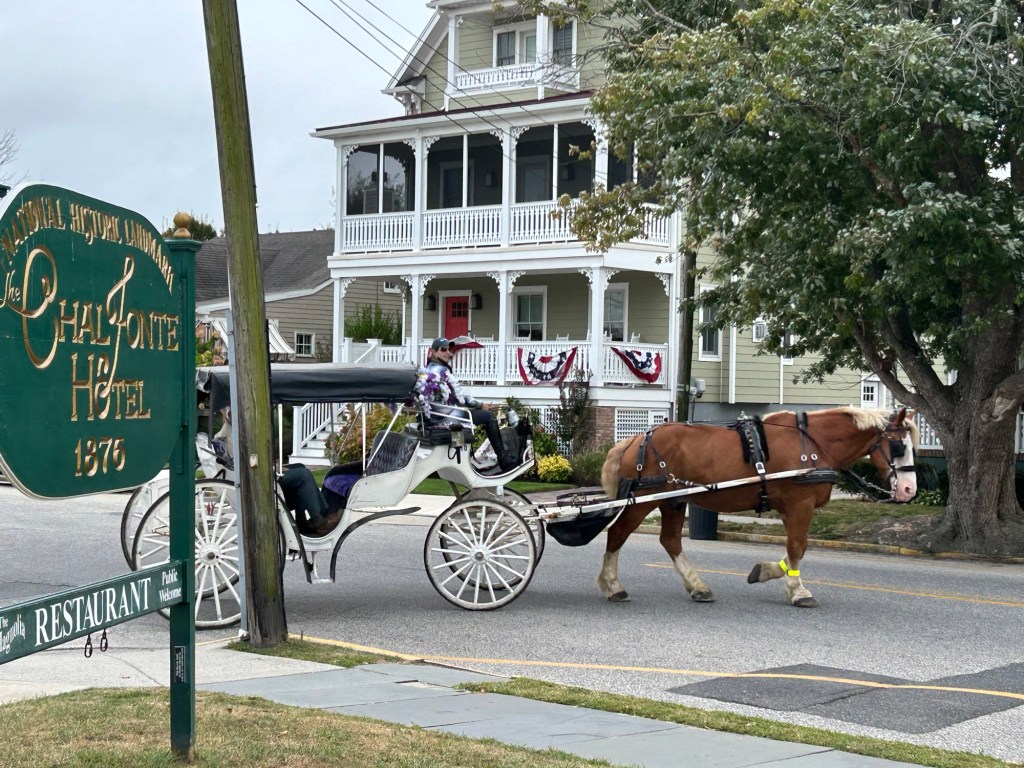
Before coming here, I wasn’t sure if this was an affiliate, a heritage area or a trail, but I thought a road trip along the NJ coast between Cape May and Sandy Hook, worthwhile. Cape May above is a lovely old town with Victorian style, boats and beaches. The Pine Barrens near Great Egg Harbor extend for miles. There are wildlife refuges, lighthouses, and historic sites, especially around the Battle of Monmouth, where Washington’s troops eked out a victory after training in Valley Forge. Locals freely admit that Seaside Heights is tacky, but much of the Jersey shore is both classy and trendy, especially in areas like Asbury Park. Technically, it turns out that this is a lapsed trail, that once partnered with the park service and was considered for heritage area status, which explains why it still appears as an obscure NPS site in a few places, but it is no longer authorized under the national park service. However, I’m glad my mistake and my curiosity about this area drove me here, and I enjoyed exploring this fascinating stretch of historic coast.

Southwest Trails

7 trails cross the Southwest region, including 6 National Historic Trails linking multiple sites, plus a National Scenic Trail. Here’s a quick summary in case you are interested in exploring the trails in the region.

  • Butterfield Overland NHT passed through Arkansas, Oklahoma, Texas and New Mexico (although the photo below is near a stop across the Arizona border in Tombstone).
  • Continental Divide NST crosses through New Mexico from Taos past the Gila Cliff Dwellings.
  • Four Old Spanish trails cross through the region.
    • El Camino Real de Los Tejas from Laredo Texas to Louisiana.
    • El Camino Real de Tierra Adentro from El Paso to Santa Fe.
    • The Santa Fe NHT from Santa Fe (Fort Union above) through Oklahoma to St Louis.
    • And the Old Spanish Trail from Santa Fe to LA.
  • Trail of Tears NHT passes through Arkansas on the way to Oklahoma.

All Abraham Lincoln Sites

Abraham Lincoln is remembered in the name of four national park sites and one national heritage area, and he is an integral part of at least four more sites, not to mention numerous other national and state sites, landmarks, parks and much more.

Abraham Lincoln National Heritage Area is in Illinois, and it includes hundreds of waysides, visitors centers, historic sites, debate sites, Lincoln’s impressive tomb in Springfield, tour routes, museums and more. The Lincoln Home and the nearby Presidential Library & Museum are key partners with the non-profit that preserves his legacy and cooperates with towns and others who celebrate Lincoln and promote Lincoln tourism.

The NPS recognizes the following four sites as integral to understanding his legacy, but many of the Civil War sites and more are part of the full story, particularly Gettysburg and Appomattox. There’s even a Lincoln story (photo above) in the defense of Washington DC.

If you’re looking for trip ideas, consider a road trip in an electric vehicle focusing on Lincoln!

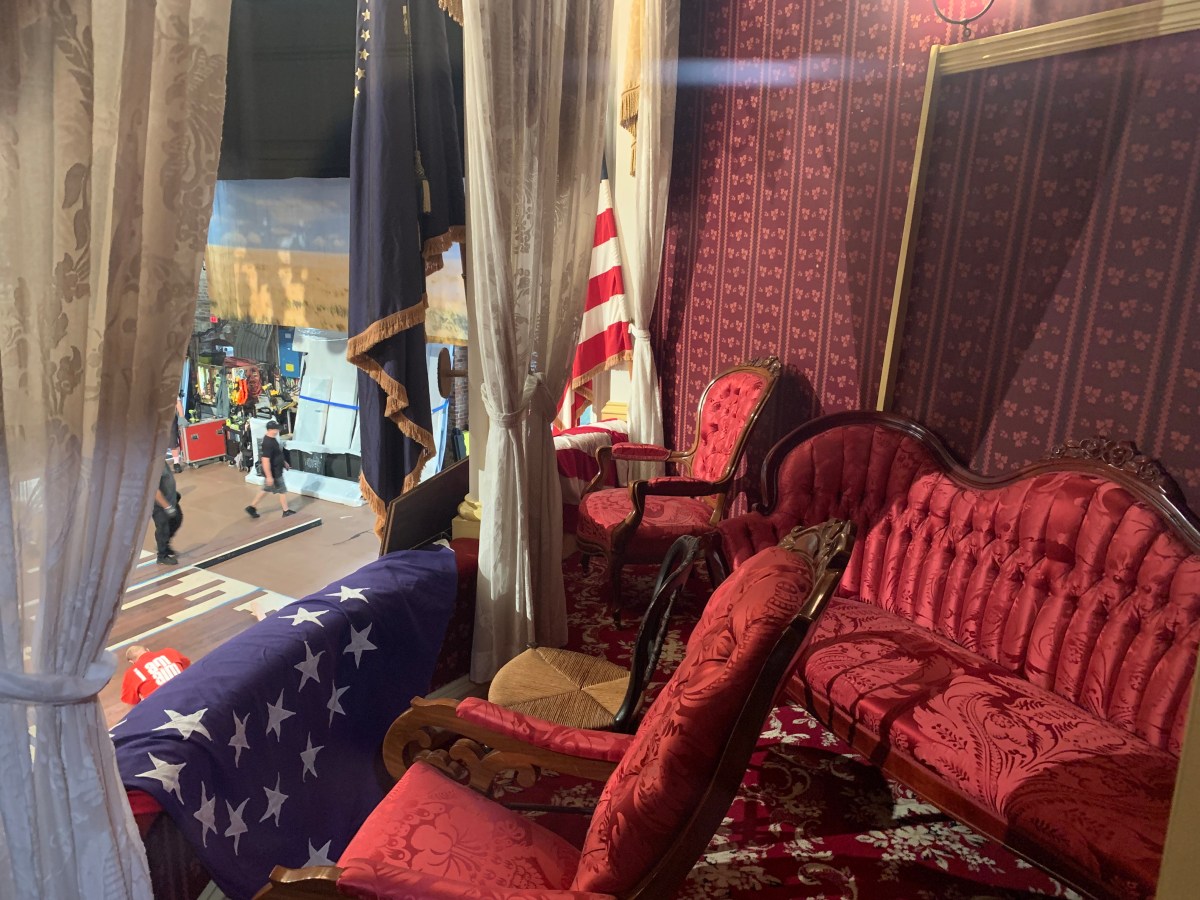
Ford’s Theatre

“By God, that will be the last speech that he will ever make!” John Wilkes Booth A Shakespearean actor, infuriated…

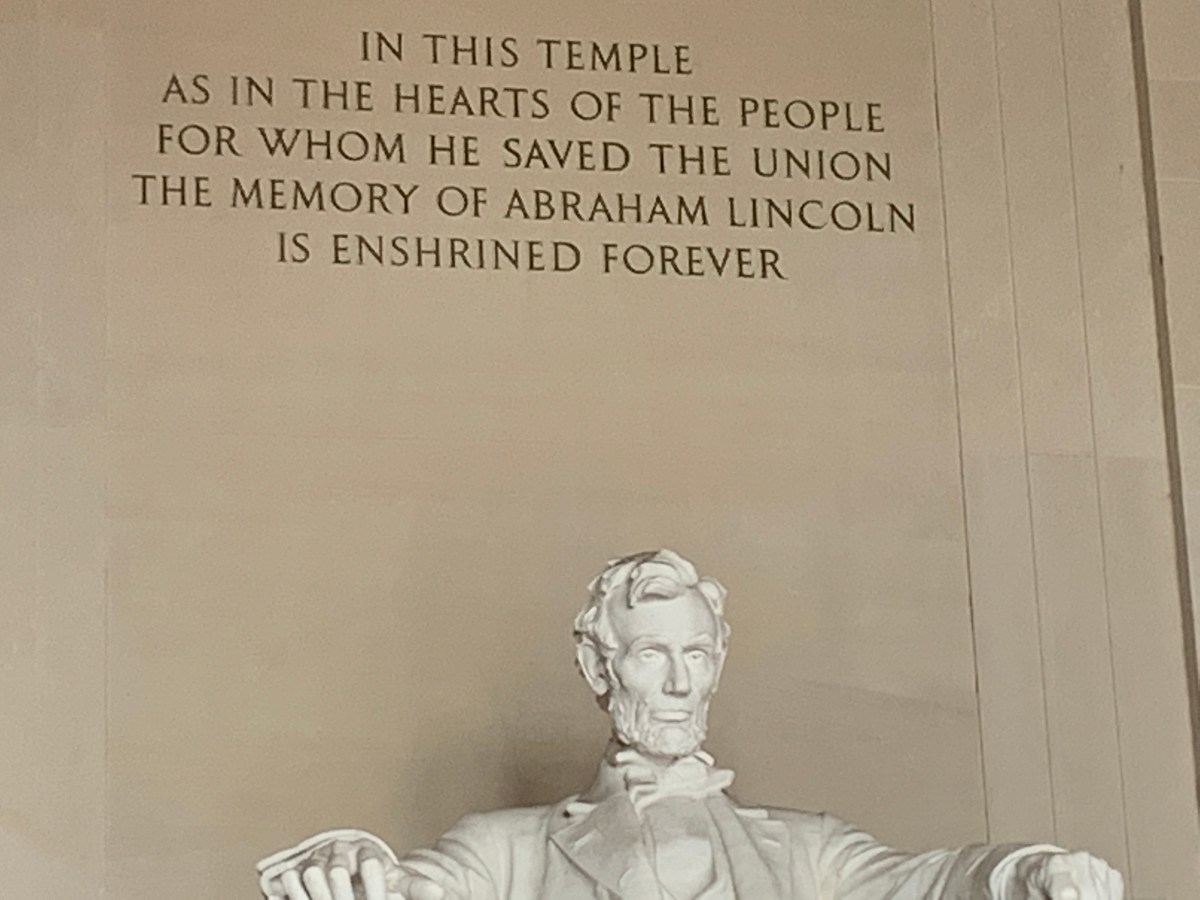
Lincoln Memorial

Carl Sandburg reported that Lincoln felt that the important monument was not the marble one but the “more enduring one…

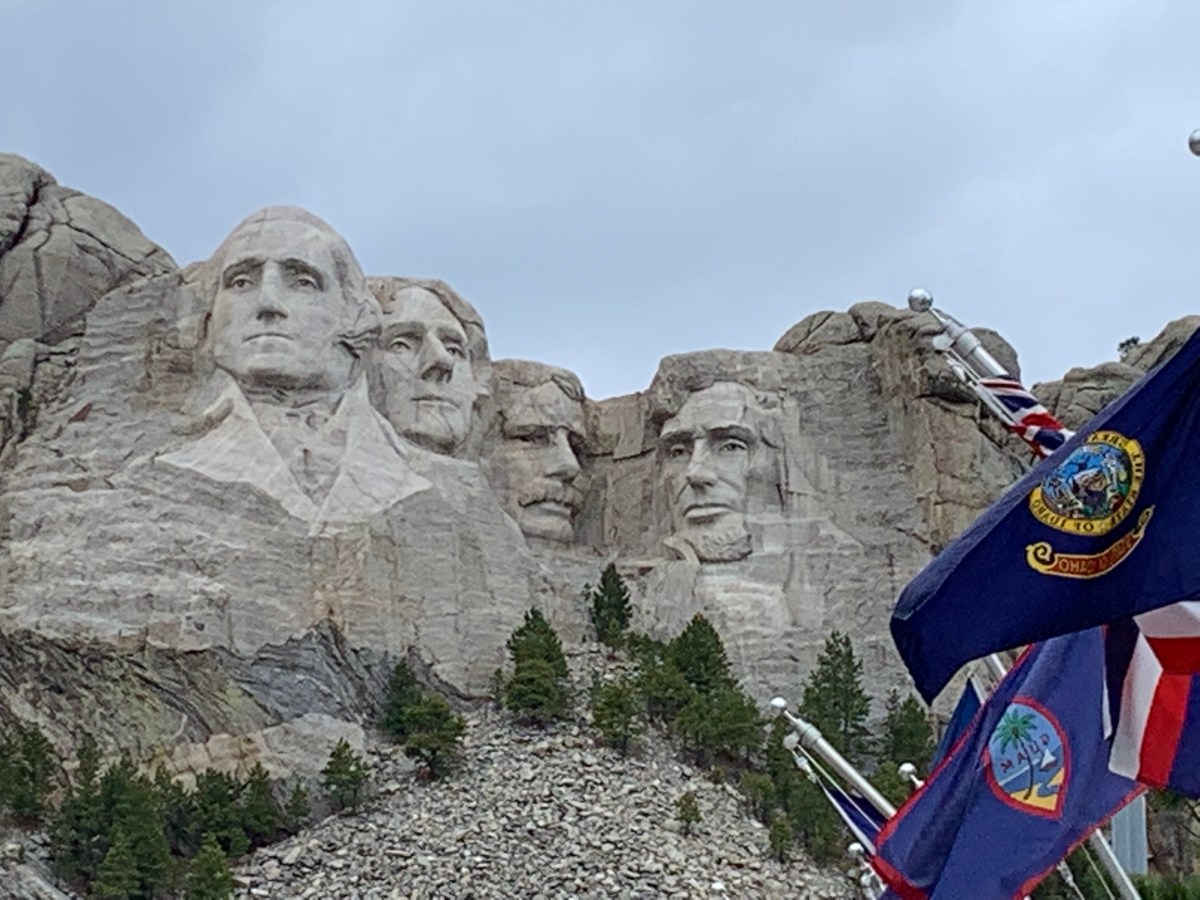
All Teddy Roosevelt Sites

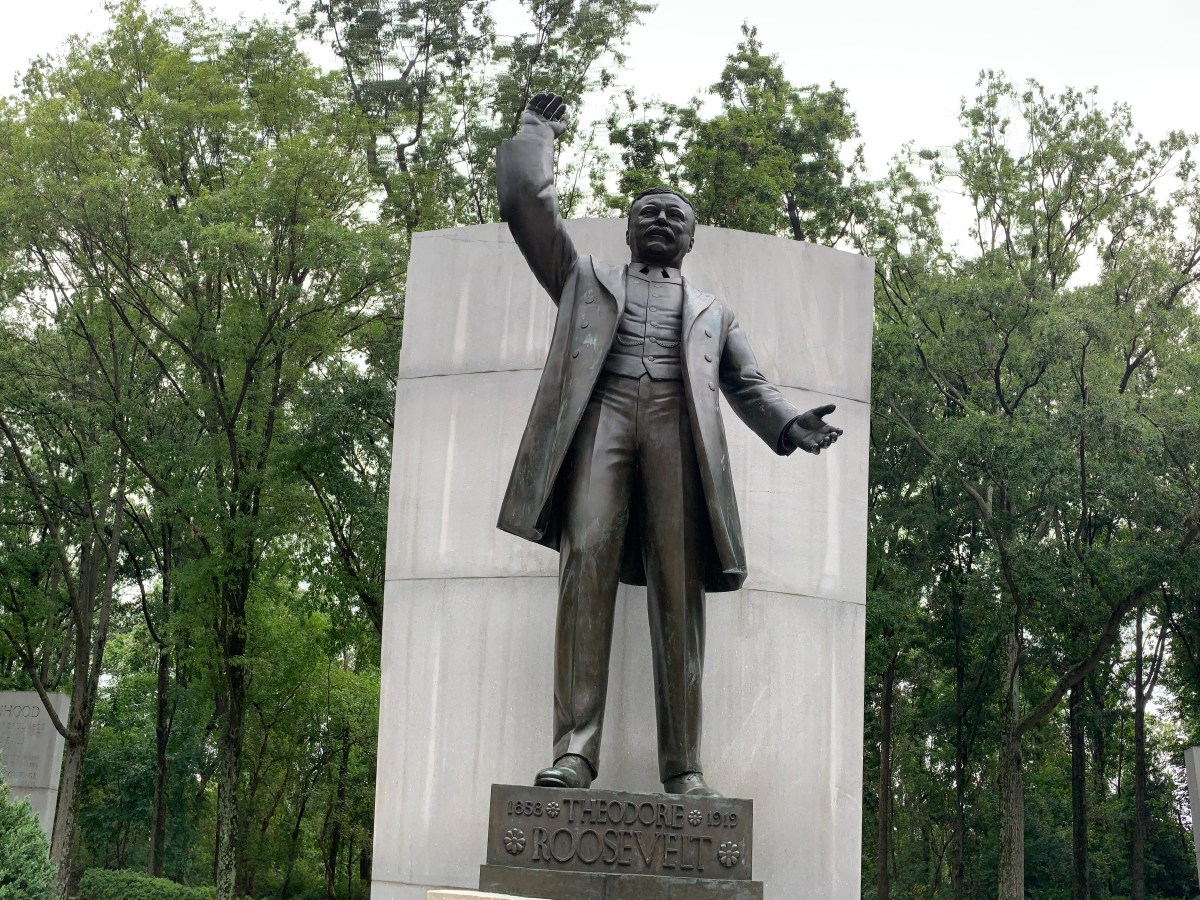
The park service commemorates six parks for Teddy Roosevelt, from his childhood home in NYC, to the ranch in North Dakota where he mourned, to his family home on Oyster Bay, to the room where he was sworn in after an assassination, to the DC island that celebrates his legacy and to the monument that rightly places him among our greatest presidents. The carbon crisis threatens to end the environment Teddy Roosevelt saved for us, so he would want us to switch to electric vehicles to enjoy all his parks, as I did.

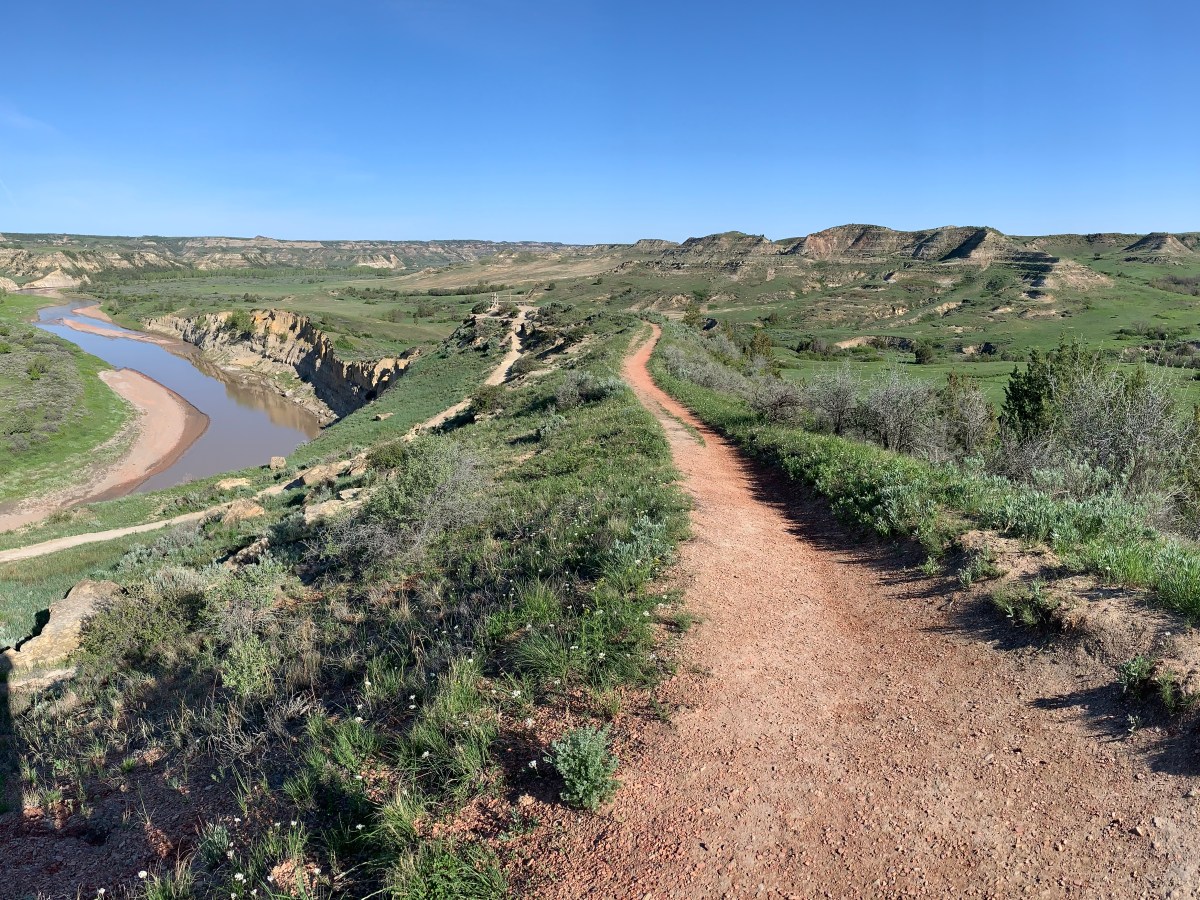
At least a dozen current National Parks began with Teddy Roosevelt protecting their land, besides his namesake park above. His friendship with John Muir inspired our entire national park system. We owe a debt that we can only repay by continuing his legacy of preservation for the future.

As President, Teddy Roosevelt protected 230 million acres for us in 20+ states, including national forests, rivers, preserves and more, such as around the beautiful San Luis Valley. He’s directly responsible for all the units listed below, plus others, as well as for signing the Antiquities Act by which presidents still designate national monuments.

“The civilized people of today look back with horror at their medieval ancestors who wantonly destroyed great works of art, or sat by slothfully by while they were destroyed.
We have passed that age, but we are, as a whole, still in that low state of civilization where we do not understand that it is also vandalism wantonly to destroy or to permit the destruction of what is beautiful in nature – whether it be a cliff, a forest, or a species of mammal or bird.
Here in the United States we turn our rivers and streams into sewers and dumping-grounds.
We pollute the air, we destroy forests and exterminate fishes, birds and mammals – not to speak of vulgarizing charming landscapes with hideous advertisements.
But at last it looks as if our people were awakening.
Above all we should realize that the effort toward this end is essentially a democratic movement!
Now there is a considerable body of opinion in favor of our keeping for our children’s children, as a priceless heritage, all the delicate beauty and all the burly majesty of the mightier forms of wildlife.
Surely our people do not understand, even yet, the rich heritage that is theirs!”

Teddy Roosevelt, 1913

Butterfield Overland & Pony Express National Historic Trails

From 1858 to 1861 John Butterfield operated the fastest and most reliable stagecoach route west via the Oxbow Route that bent from the central Mississippi River deep along the Mexican border and up California to San Francisco, before the Civil War put him out of business. The trip took 25 days (or less) and carried mail, passengers and freight. The current parks along that route are below.

From 1860-1861, express mail was carried by young riders—including a young ‘Buffalo’ Bill Cody—who would stop only briefly to switch ponies along the way. That trip took 10 days along the pioneer trail, but the completion of the transcontinental telegraph line later in 1861 put them out of business. Due to the simple nature of the operation, almost all of the original trail and stations are gone, but a few remain. I’ve visited stops and roughly driven the length of the trail by EV, and I recommend the following sites to enthusiasts.

  • Stable & Museum in St Joseph Missouri
  • Hollenberg Station in Hanover Kansas
  • Fort Kearney in Nebraska
  • Scotts Bluff in Nebraska
  • Fort Laramie in Wyoming
  • Heritage Park in Salt Lake City Utah
  • Wells Fargo Bank in Old Town Sacramento California