Favorites from All 508 Sites in 48 States

Late this year, I visited my 395th park site, earning a rare park stamps award for all official NPS sites in the 48 contiguous states (see map). Plus I drove my EV to 29 NPS affiliates, 60 heritage areas, and 24 national trails (not on map). Read about my favorite sites below.
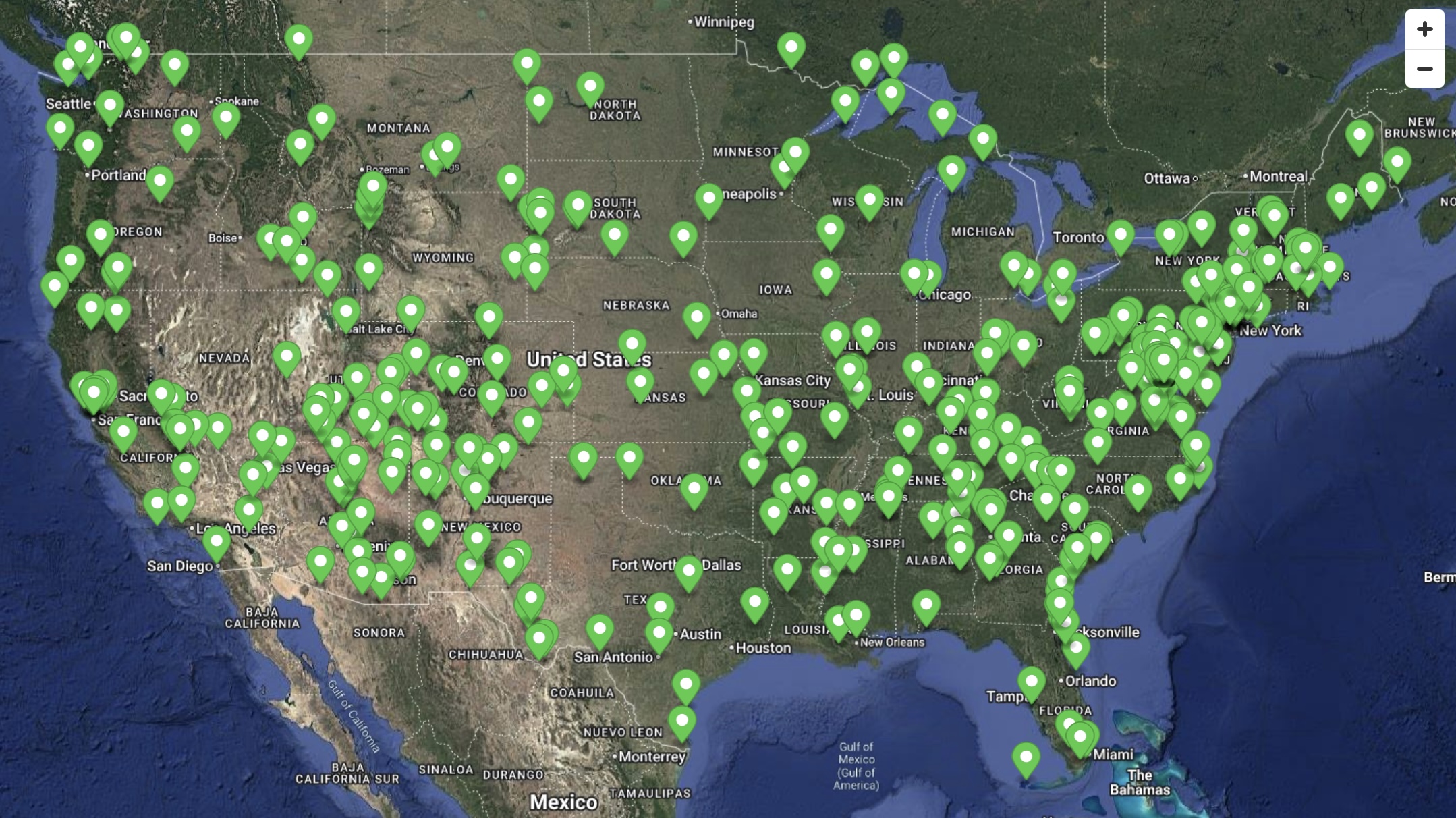
Screenshot of my NPS unit Visitation Map from the National Park Travelers Club website.

Best’ is subjective, as it depends so much on your individual taste and experience. If you are lucky enough to have great weather, a lucky wildlife sighting, or an inspiring ranger-led tour, that day will be one of your favorites. Click on the links to read my past favorites from 100, 200, and 300 park units visited, and here are favorites from 400 park sites, including affiliates, heritage areas and trails. I have no changes to my previous favorite park units, but I have a few additions.

Best Civil Rights Affiliate: Robert Russa Moton Museum.

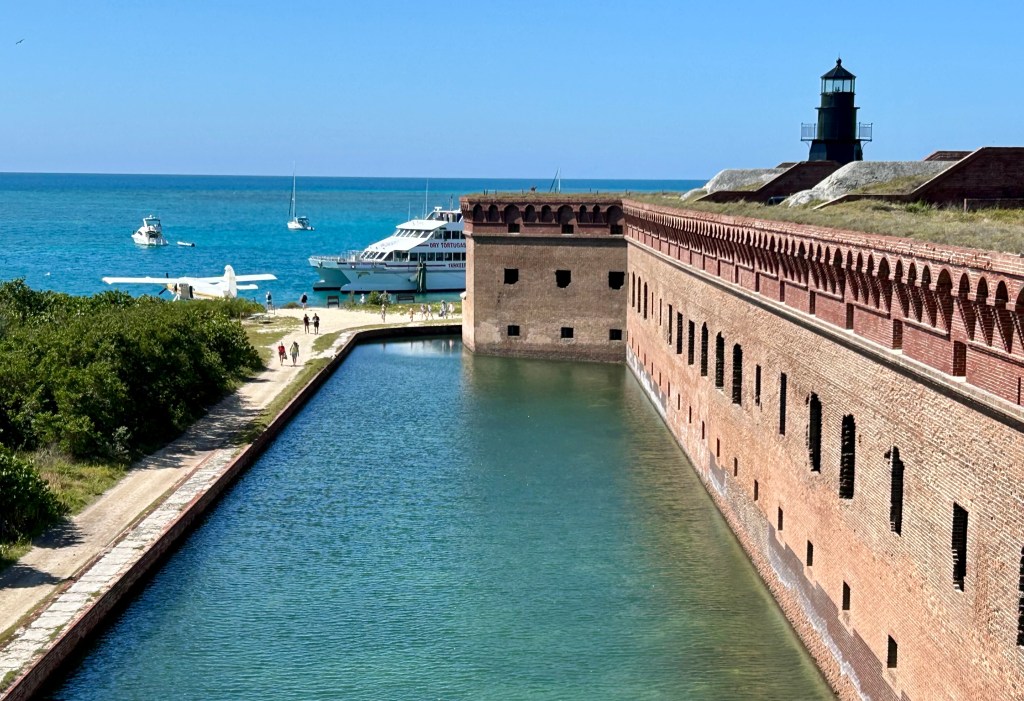
Best Flightseeing Tour: Dry Tortugas.

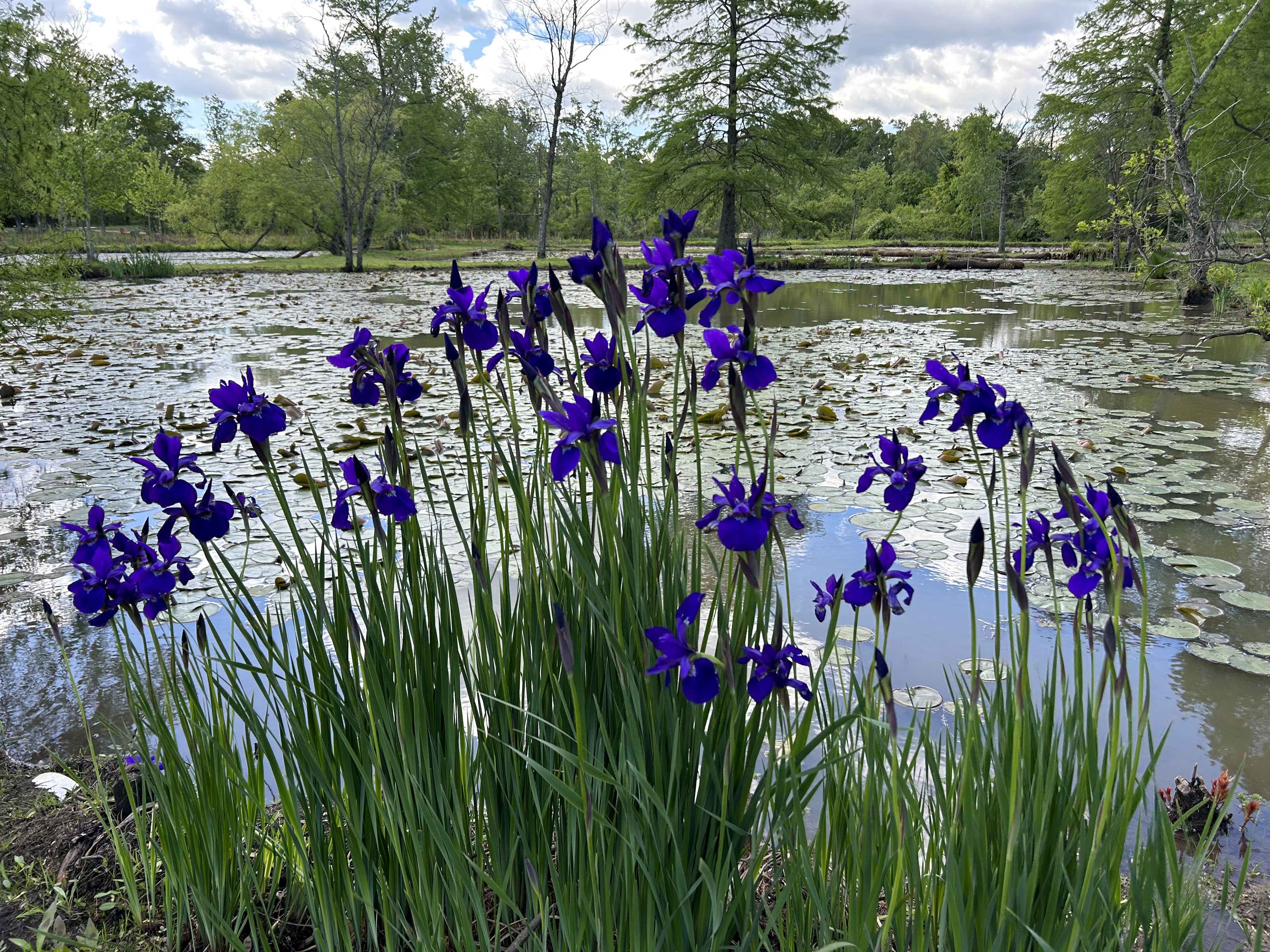
Best Garden: International Peace Garden.

Best Handshake: Red Hill.

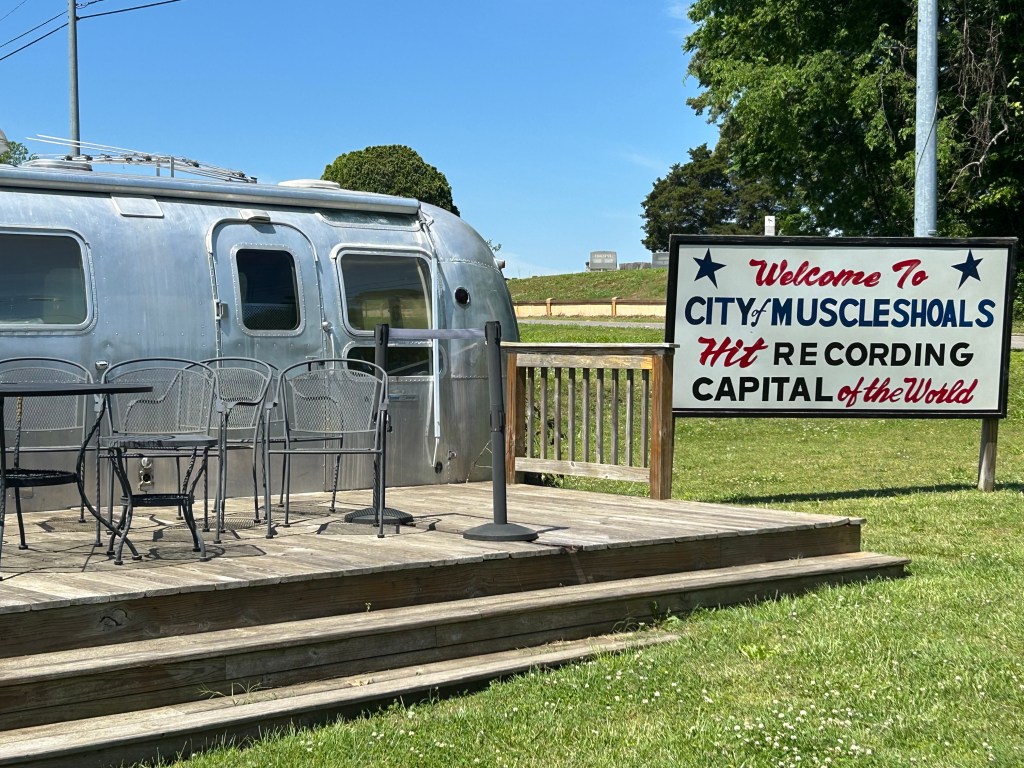
Best National Heritage Area: Muscle Shoals.

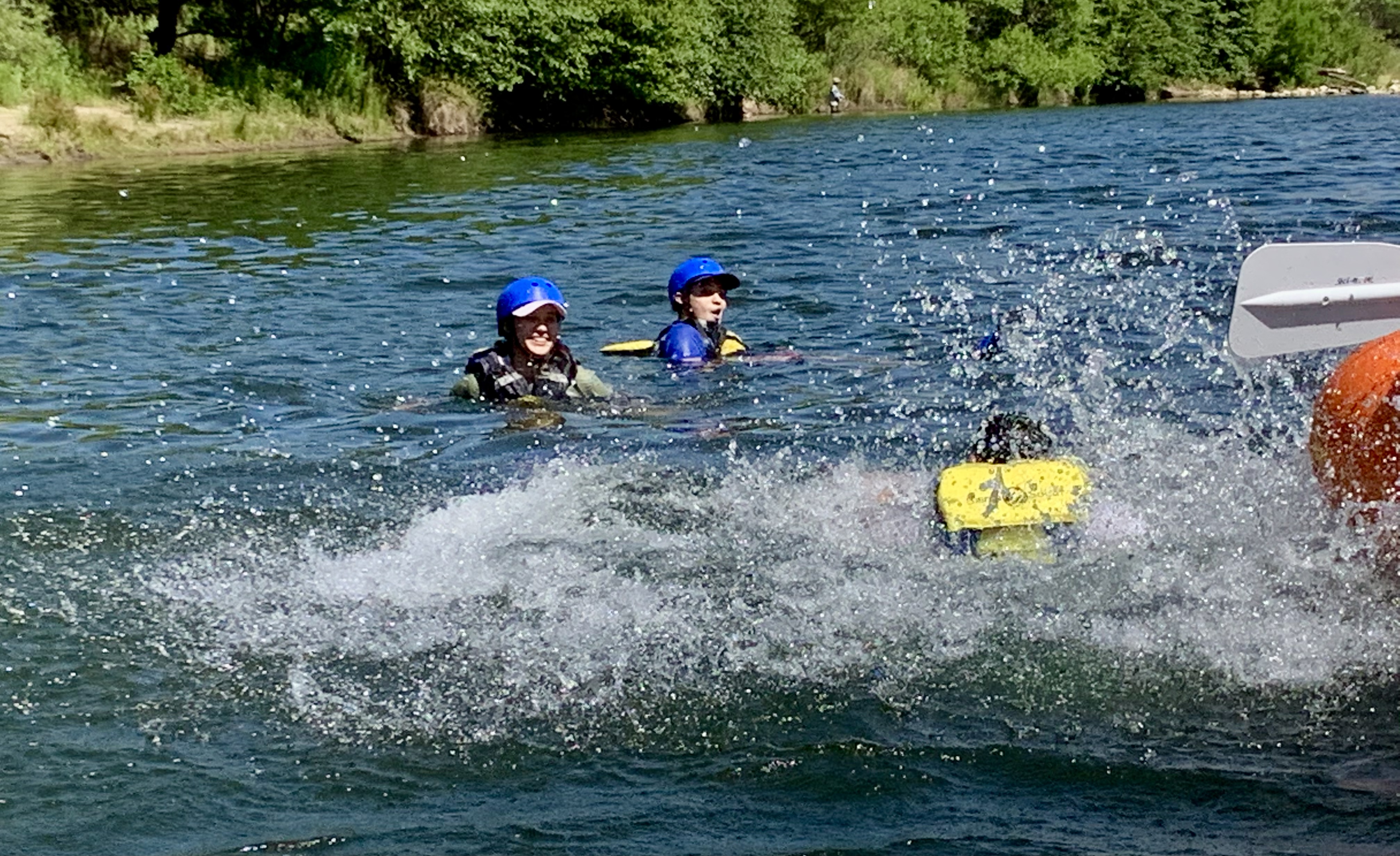
Best Paddling Tour: Channel Islands.

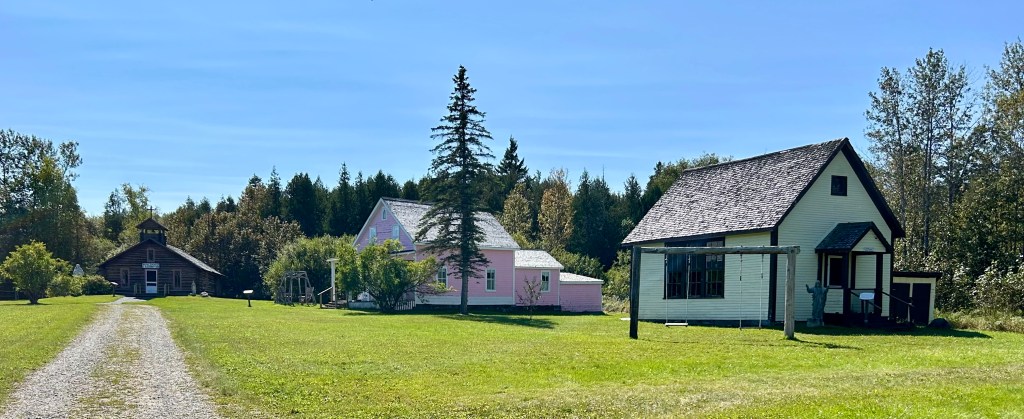
Best Partner Site: Acadian Village.

Best Revolutionary War Affiliate: Camden.

Most Demolished Since My Tour: White House.

Most Hauntingly Evocative Past: Cumberland Island.

Most Irrevocably Damaged by Climate Change: Biscayne.

All NPS National Recreation Areas

There are 18 NRAs managed by the park service for biking, boating, camping, fishing, hiking, horse riding, swimming and other activities. (I should note that there are also 13 NRAs managed by the US Forest Service, and I plan to visit some of those too.)

Two are in the North Atlantic region: Boston Harbor Islands and Gateway, which is shared with the Mid-Atlantic region. Both are great for birdwatching and hiking along the shorelines.

The Mid-Atlantic has two more: Delaware Water Gap and Gauley River, plus the Upper Delaware Scenic and Recreational River. All are great for paddling, although Gauley is more challenging.

Three are in the Pacific Northwest: Lake Chelan, Lake Roosevelt and Ross Lake. All have great lakeside camping.

Three are in the Rocky Mountain region: Bighorn Canyon, Curecanti and Glen Canyon, which is shared with the Western region. Each has great views.

The Western region has four more: Golden Gate, Lake Mead, Santa Monica Mountains and Whiskeytown, each unique.

The Southeast has one: Chattahoochee River, which is great for hiking and maybe tubing near Atlanta. Plus they have the Big South Fork National River & Recreation Area, which is great for paddling.

And the Southwest region has Amistad, Chickasaw and Lake Meredith, which all take advantage of dams for boating.

Oh, and while the Midwest doesn’t have any NRAs, they do have the Mississippi National River and Recreation Area and the Missouri National Recreational River, both with lovely hiking and paddling.

National Heritage Areas of Mississippi

Mississippi has three national heritage areas: Delta, Gulf Coast and Hills. Culturally, Mississippi is one of the best states in the country.

The Delta area is fascinating, and I recommend the Delta Blues Museum when you’re in the area listening to live blues music, like Terry ‘Harmonica’ Bean pictured in Clarksdale. Vicksburg and Emmett Till are both in the area too.

I drove the Gulf Coast area while visiting the Gulf Islands National Seashore, and it is beautiful. (I skipped Beauvoir, the Jefferson Davis “Presidential” Library, since he was never president of our country.) You will see signs marking the Mississippi Blueways, which are mostly paddling river routes near the coast and unrelated to the popular Mississippi Blues Trail.

This year, I visited William Faulkner’s home in Oxford, which is part of the Hills area, along with Elvis’ home in Tupelo, Tennessee Williams’ home and Eudora Welty’s too. Brices Cross Roads, Natchez NHP and Medgar and Myrlie Evers Home are in this area too. I enjoyed visiting Faulkner’s home, ‘Rowan Oak’, and walking in the pretty woods nearby, but Faulkner would much rather be remembered for his screenplays, stories and books, including The Sound and The Fury, As I Lay Dying, and Absolom, Absolom!.

National Capital Trails

There are 3 National Historic Trails in the beautiful District of Columbia below. Enjoy!

There are also 3 park units in the region that are different types of trails: sections of the Chesapeake & Ohio Canal NHP, George Washington Memorial Parkway, and the Potomac Heritage NST.

Trails are a great way to explore multiple parks in a region, especially when linked thematically.

Best of the Southwest

Best Park in the southwest: Big Bend NP in Texas. It has canyons, hiking, rivers, wildlife, views and it takes at least 2-3 days to see it properly. But go around winter, as it’s becoming dangerously hot much of the year.

Best State in the southwest: New Mexico. Some of the best natural wonders and native cultural sites in the country.

Best (and only) Affiliate Site: Oklahoma City Memorial.

Best Cave/ Most Bats: Carlsbad Caverns

Best Culture: New Orleans Jazz NHP. Get the ranger to play some of Louis Armstrong’s old trumpet recordings. And then go out, explore, eat, drink and find some live music.

Freak of Nature: White Sands

Most Haunting: Cane River Creole

Best Heritage Area: Atchafalaya. Deep in the bayou, learn the fascinating stories of the Cajuns!

Best Hiking: Gila Cliff Dwellings

Best Historic Site: Pecos NHP. Do both the Native American history and the Civil War battle tours.

Tallest Ladders: Bandelier

Best National Trail: Butterfield Overland Stage. Although it only ran for a few years, it cuts near the Mexican border through many fascinating historic sites.

Best Native Ruins/ Sacred Sites: Chaco Culture. Tough to get to. Unforgettable.

Best Paddling: Big Thicket. Slalom your kayak through the swamp. Glorious!

Best Recreation: Hot Springs NP. Take a hike or go shopping, if you like, but try to find a place to soak in the old style. Relax and enjoy!

Best Wildlife: Padre Island NS. Hike or better paddle along the shores and count the different species of birds.

Best World Heritage Site: Taos Pueblo. One of the oldest continuously inhabited places in the US.

Read more about my visits to all the parks in the southwest region. See my photos of Arkansas, Louisiana, New Mexico, Oklahoma and Texas.

Gateway National Recreation Area

Gateway is multifaceted, but for me the most important part is the Jamaica Bay Wildlife Refuge above. Here there are migratory and year round birds, butterflies, trails, groves of trees and pleasant views. The contrast between the busy planes of JFK and the mute swans could not be more striking. Although the road noise limited my birdsong app, I still lost count at a dozen species. With more time, I would have kayaked around to see more birds.

But for folks interested in other things, the park includes Forts Hancock, Tilden & Wadsworth, beaches, parks and more, spread out over western Long Island, Staten Island and Sandy Hook peninsula in New Jersey. The Sandy Hook unit has miles of beautiful beaches (below with NYC skyline view) and paved bike trails to enjoy.

Isle Royale National Park

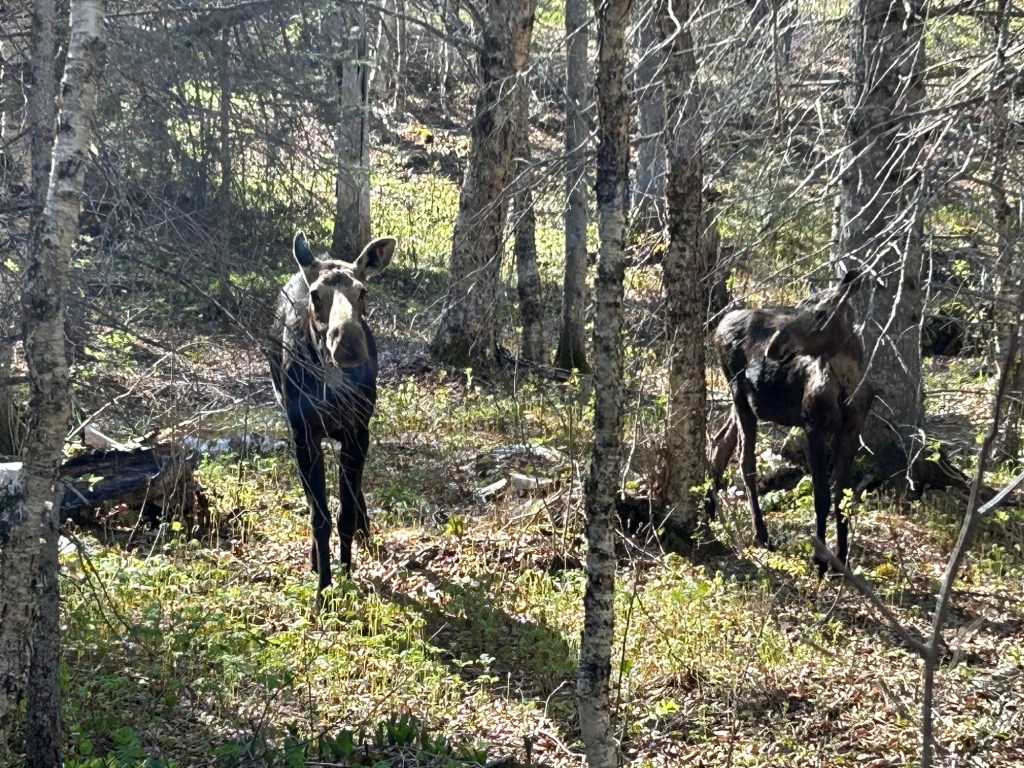
This is now my favorite park for wildlife. I was lucky to get a photo of this moose and her calf on the 1 mile Nature Trail in Windigo just before my boat left. Despite seeing loons, mergansers, swans, geese, and even a bushy tailed fox parading near my shelter on Washington Creek, I had neglected to take any decent wildlife photos, so until these two approached me, all I had was one photo of two ducks: a paradox.

I hiked a dozen miles and enjoyed the pitcher plants and boardwalks through the swampy areas and the mossy boulders on the north shore. The island is larger than I imagined, so be sure to download the park map in advance and charge your phone. This Biosphere is one of the least visited National Parks but most re-visited. Many folks hike the length over several days, and early in the season there were many volunteers hiking off-trail doing scientific research on wolf-moose predator-prey. A few were carrying a canoe for inland lakes. It’s an idyllic place, with hours of silence and solitude, a wonderful trip into the wilderness.

Isle Royale is in Lake Superior, and the shortest ferry ride is a couple hours from Minnesota to Windigo. The island is part of Michigan, and there are also ferries from the Keweenaw Peninsula in Upper Michigan to Rock Harbor. Most visitors are experienced hikers who backpack to their campgrounds, and it’s 40 miles between Windigo and Rock Harbor. Some arrive by private boat, and several campgrounds have docks. Lodgings are limited to Rock Harbor and a couple cabins in Windigo, and rooms are both very expensive and typically sold out many months in advance. The season roughly runs from early June to early September, so it’s a good idea to plan your trip a year in advance.

St. Croix National Scenic Riverway

Defining much of the border between Minnesota and Wisconsin, this river and its tributary the Namekagon were among the first rivers protected by the Wild & Scenic Rivers Act, supported by Walter Mondale and many other locals 55 years ago. The forest was quickly and heavily logged 150 years ago, but the water remained clean. Even though there are several dams, including a hydroelectric one at Taylors Falls, the river is much healthier than most, especially the upper St Croix. Below the dams, near the Mississippi, there are power boats, a power plant and non-native mussels, but higher up there are dozens of native mussel species, various fish, otters, bald eagles, kingfishers, great blue heron, several different colorful warblers and more.

The forests have regrown too, so it can be difficult to get a decent view of the river. The photo is from the Minnesota state park ($5 to park) below Taylors Falls, and it has a a canoe & kayak rental, picnic tables and camping. Nearby you can catch the scenic riverboat pictured that offers views of the basalt cliffs shattered by glacier melt. I’m going to have to return a third time, since my first trip was during spring floods and this summer during extreme low water. I believe the best views will be paddling the upper St Croix from the Namekagon confluence to highway 70, but I need good conditions for the rapids.

The Wisconsin parks are $11 to park with very similar views and features. There’s also a waterfall at Osceola, but the bluff trail there is now called the Falls Bluff Trail Loop, or the Cascade Falls Trail or the Eagle Bluff Trail or maybe the Simenstad Trail or the Osceola Rivertown Trail, but not the Osceola Bluff Trail like the park map says. Fortunately, you can also see the waterfall from the road, and the Watershed Café is quite good.

Ross Lake National Recreation Area

Ross Lake is atop three dams on the Skagit River which provides power to Seattle, but it still has some old growth forest near the visitor center which you can hike through on the River Loop and To Know a Tree Trails. Since the park is managed and surrounded by the North Cascades National Park, they run the visitor center. The Gorge High, Diablo & Ross Dams can all be seen in short hikes, and the good news this year after decades of tribal petitioning is that ‘fish passage’ will be added to all three dams! Hydroelectric power is zero carbon, but it must not be at the expense of salmon and other species that we’re driving extinct.

Anyway, I highly recommend those two hikes which total about three miles, and include waysides explaining the different types of trees, their niches in the forest and the natural cycle of wildfire. Another improvement would be building wildlife bridges along the highway & over the river, so that animals like Grizzly Bears could migrate between north and south sections of the park more easily. Well, in any case, Ross Lake extends to the Canadian border and has many paddle-in campsites for folks who rent gear from the resort or somehow portage their kayak around the Ross dam after paddling across Diablo Lake. Seemed like too much work to me to explore an artificial lake, but maybe if I had more time to try fishing, it would make a nice vacation.

Ozark National Scenic Riverways

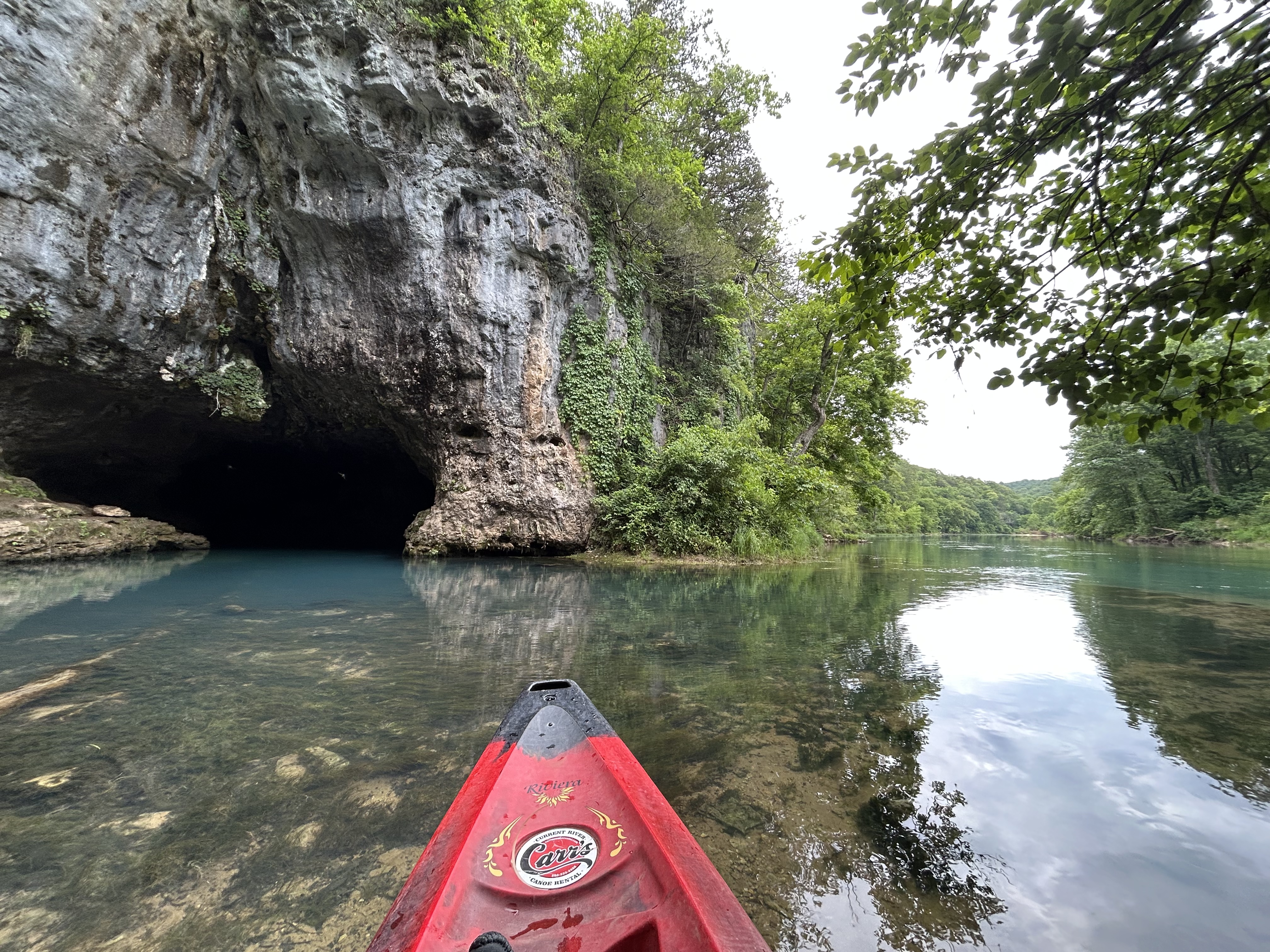
Nature requires pristine conditions to sustain diverse species, and here they exist undiminished. Cave Spring above is fed from Devils Well, a huge underground lake in a Karst cavern 100’ below the surface. The water is so clean and cold that bright green watercress grows in thick clumps underwater. I saw baby swallows above the cave mouth, baby ducks following their mother down the rapids, a river otter, great blue heron and bald eagles. The air was thick with mayflies over the water and butterflies on the wildflowers. Lovely.

Carr’s, aka Current River, offered to provide their equipment for the same price as a shuttle, so I paddled from Akers Ferry to my campground at Pulltite. There’s tubing downstream, but when the water is high enough, upstream is more scenic. There’s an excellent cave tour at Round Spring where I saw cave salamanders, but tickets are limited. The other river in the park is the Jack’s Fork, and there’s a scenic mill at Alley Spring where I saw baby skunks. The largest spring is unimaginatively called Big Spring, and it’s strikingly beautiful with hundreds of millions of gallons of aquamarine water pouring out of the rock daily. Blue Spring is one of the deepest in the world, but I didn’t have time to explore everywhere. This Missouri park is my favorite for kayaking, so I’m planning on returning to paddle another stretch soon.