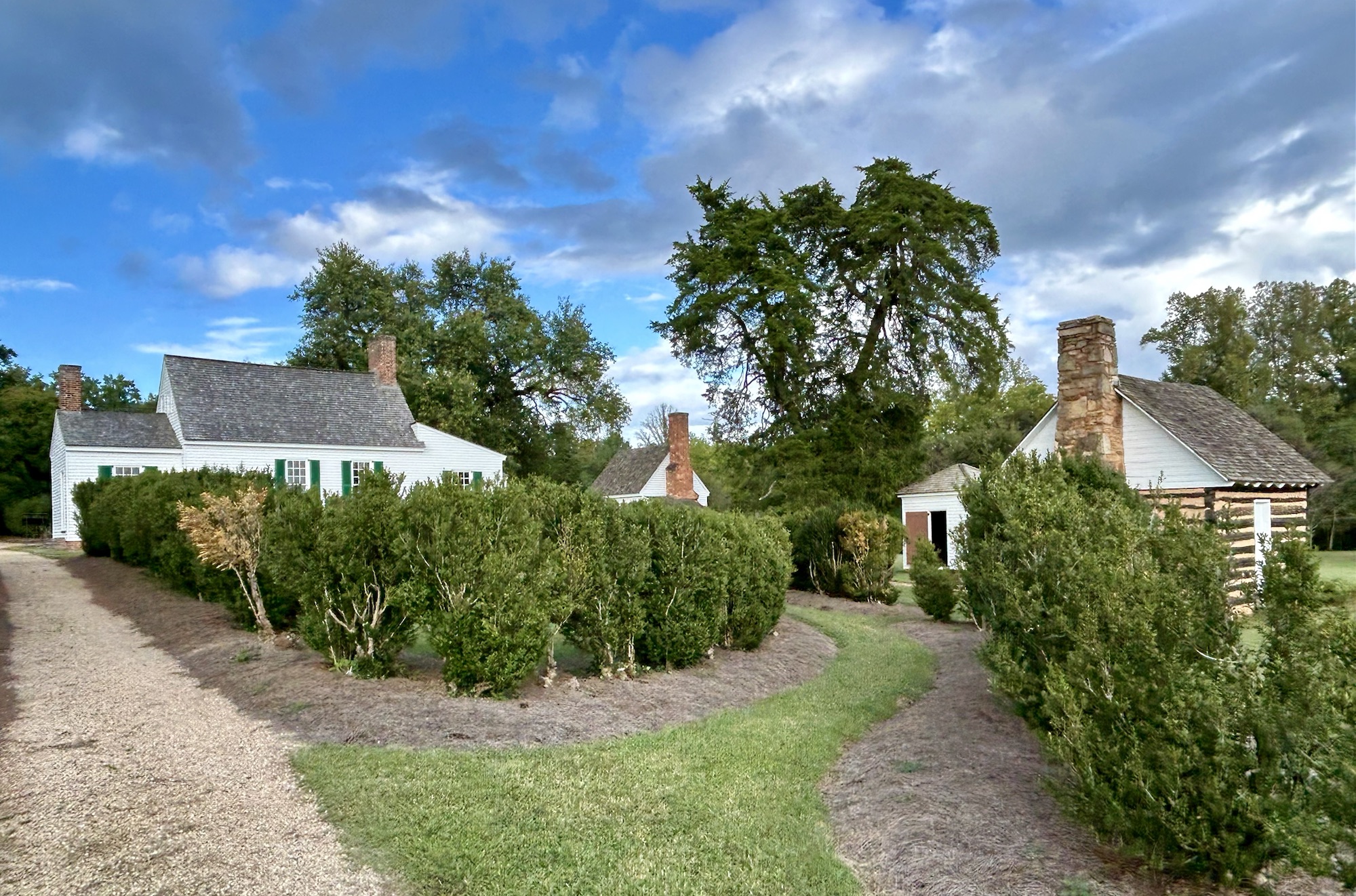
Patrick Henry Jolly, a direct descendant of his namesake, greeted me at Red Hill (one of my favorite affiliate sites, above), where his ancestor is buried on a 1,000 acre estate in Virginia. We discussed Jefferson, a man infamous for his many long, bitter personal grudges, and I learned that Jefferson called Henry “the greatest orator that ever lived”. Speaking to Daniel Webster, a well known orator himself, Jefferson described Henry’s gift as being almost magical, delighting and moving him, even when he spoke in opposition to Jefferson, and yet Jefferson, a genius, thought, “what the devil has he said?”
Henry has been described by biographers as the Prophet or Voice of the Revolution, but the title that strikes me is Demosthenes, the greatest orator of Ancient Greece. Ogilvy, the father of modern advertising, wrote, “When Aeschines spoke, they said, ‘How well he speaks.’ But when Demosthenes spoke, they said, ‘Let us march against Philip’”. You may have heard a mistaken version of this quote with the Roman Cicero as Demosthenes’ rhetorical rival, but, of course, Cicero lived hundreds of years after Demosthenes, and attributed some of his success to adopting Demosthenes’ techniques and phrases. Patrick Henry, through his spoken words, ignited the hearts of our country’s founders to declare independence, prepare for war and give their lives and sacred honor for the cause of liberty against tyranny. And they recognized him for it contemporaneously. Jefferson said that “no man was as well suited for the times”, that he didn’t know what they would have done without Henry, and that he was “far before all in maintaining the spirit of the revolution.”
Of course, Henry accomplished much in his own right, including supporting George Rogers Clark and being elected Governor of Virginia five times. But it his speeches with many lines that still resonate today, especially his most famous speech 250 years ago—as a slave owner speaking to fellow slave owners—boldly stealing and reimagining a line from the play Cato, A Tragedy, that make Henry immortal. With Jefferson and Washington listening attentively, Henry convinced the Virginia Convention to fund troops in anticipation of the Revolutionary War, punctuating the final line by dramatically plunging his (blunt) letter opener against his chest. The letter opener was preserved by Patrick Henry Jolly’s family and is now on display at Red Hill.
“Is life so dear, or peace so sweet,
Patrick Henry on 23 March 1775
as to be purchased at the price of chains and slavery?
Forbid it, Almighty God!
I know not what course others may take;
but as for me, give me liberty or give me death!”
 Zero Carbon Travel