Petrified Forest National Park

The Triassic forests are gone, and all that remains are fossils like these. Our climate changes frequently, but extremely slowly. Sudden change is a crisis, because plants and animals lack the ability to adapt or evolve quickly. Hundreds of millions of years ago, this area was an equatorial jungle. The trees were buried by volcanic ash and sediment and soaked in mineral rich waters to fossilize, offering a rare glimpse back before the Jurassic dinosaurs.

The park film explains the distant past, the recent past and current attractions. I hope they improve their camping opportunities, so that visitors spend more time here. I enjoyed my brief time here. But it was difficult to find a car-camping campground in the area, so I moved on too quickly.

Our carbon emissions since the industrial revolution are like an asteroid strike against all life on earth. The Anthropocene, or human dominated age, has been very short, but it will be characterized by extensive global mass extinctions. And unlike a meteor, this time the devastation is entirely by choice. We know that we’re killing the plants & animals that we claim to love. But most of us apparently don’t care enough about the future to make any significant changes to save life on earth.

Click to see my photos of all national park units in Arizona.

Tonto National Monument

This cliff dwelling was protected by President Theodore Roosevelt, and the lake in the distance bears his name. My maternal grandfather used to read The Roosevelt Bears to me, and he loved the west, wildlife and birds in particular. So it was especially meaningful for me to wake up beside Apache Lake, spot a hooded oriole, and then drive up to the monument in the morning. Despite a wildfire and protective burns in 2019, the wildflowers were beautiful. Unlike Montezuma Castle, visitors can climb up to and stand in the main alcove to inspect the ruins.

Click to see my photos of all national park units in Arizona.

Wupatki National Monument

The lower part of the Wupatki Pueblo including ball court.

I have mad respect for the ancient people who built these pueblos and traversed this land for centuries. Their descendants are still here, and often they remind the rest of us to protect the land and the wildlife that lives here. Climate change is already creating environmental refugees, more each year. Fossil fuel firm executives continue to make millions, despite the incredible hardships they foist upon our futures. And yet most of us still refuse to take action.

Click to see my photos of all national park units in Arizona.

Walnut Canyon National Monument

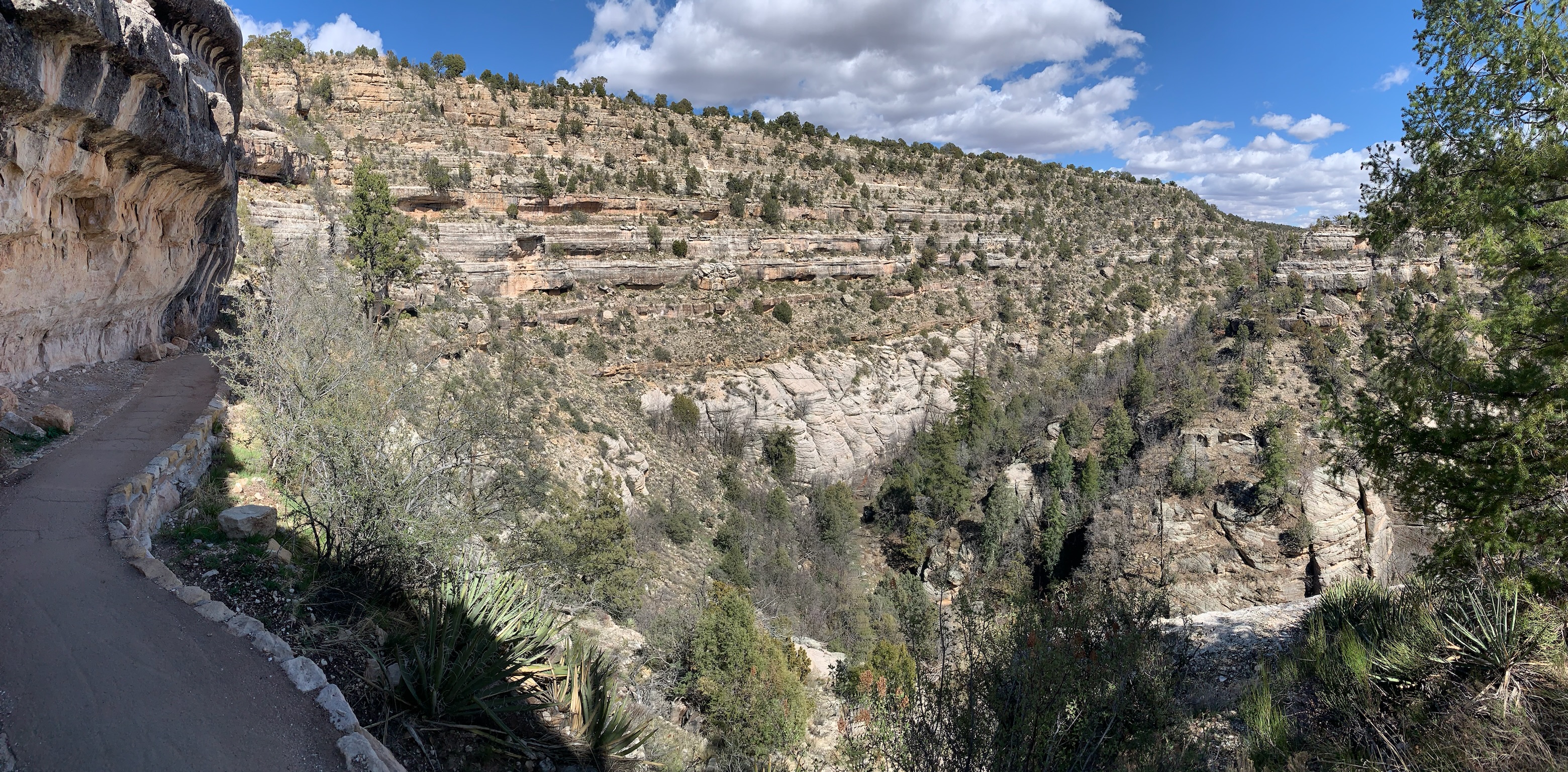
With a bit of hiking down into the canyon, you can walk right alongside many cliff dwellings and look across the canyon at more. The steps bring on a bit of vertigo and require extra breathing at around 6,500′, but the views are extraordinary. Plan ahead, since the Island Trail closes at 3:30 pm.

Both the alcoves along the trail and in the distance contain many cliff dwellings.

Click to see my photos of all national park units in Arizona.
Montezuma Castle National Monument

Montezuma was an Aztec who fought the Conquistadors in what is now Mexico. He had absolutely nothing to do with this place, which was built hundreds of years before he was born. Also, it was likely built for comfort and convenience, rather than war. Early tourists destroyed many cliff dwellings by taking home “souvenirs”, and many of the intact cliff dwellings show no signs of having ever been attacked by other tribes. The natural alcoves across the Southwest provided warmth in the winter, shelter from rain, coolness during summer, convenient places to cache items for trade and great hunting overlooks. I have to laugh at the so-called “mystery” of why early people built these cliff dwellings, especially considering the fancy modern hotels built into the canyons in Sedona. Why wouldn’t people want to stop when passing through, make themselves comfortable and move on when they wished?

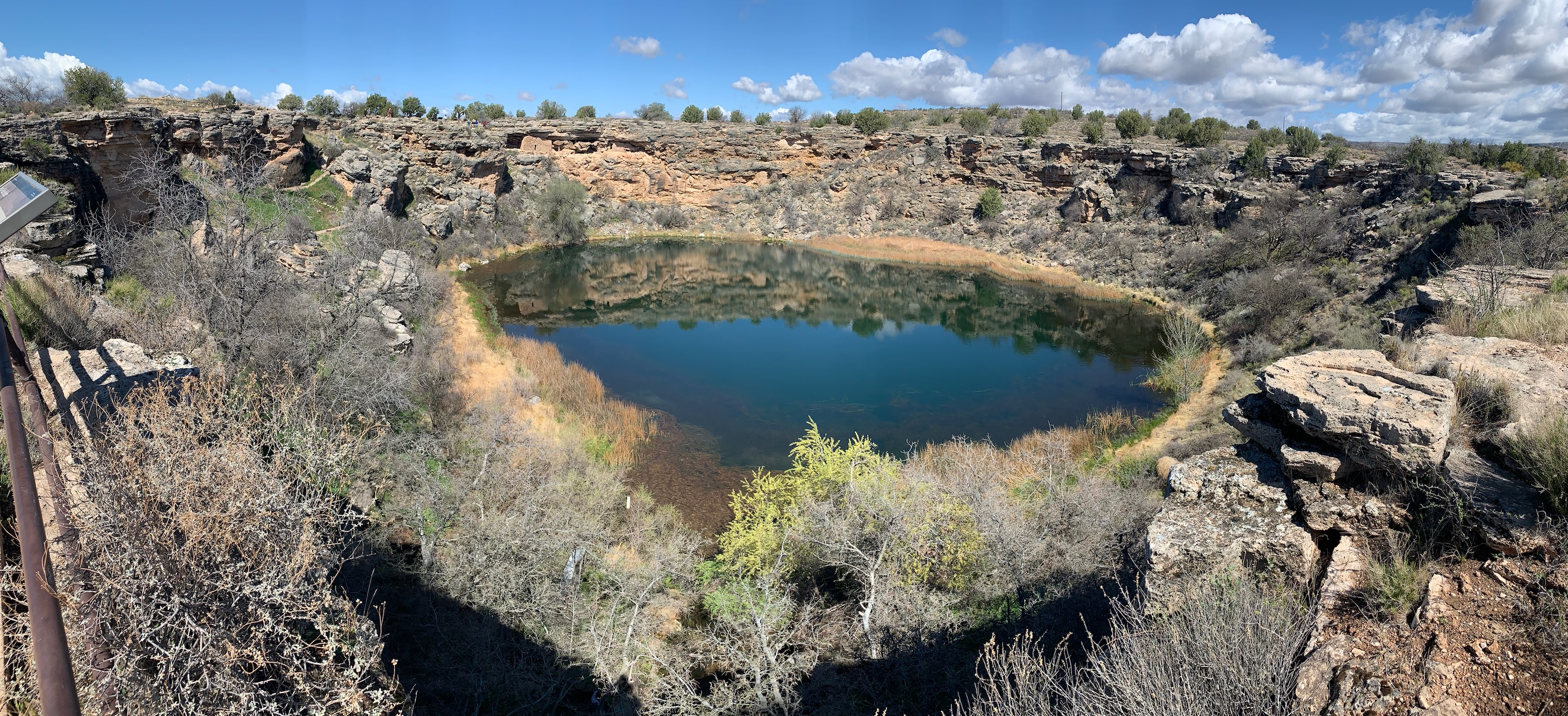
Montezuma’s Well is part of the same park unit and well worth a visit. There’s a closer view of the cliff dwellings, especially at the lower part of the well, ducks, and a still functioning irrigation channel.

Fed from underground, the well maintains a constant water level. Unfortunately, there are trace amounts of naturally occurring arsenic in the water, a reminder that nature never makes it too easy.

Click to see my photos of all national park units in Arizona.
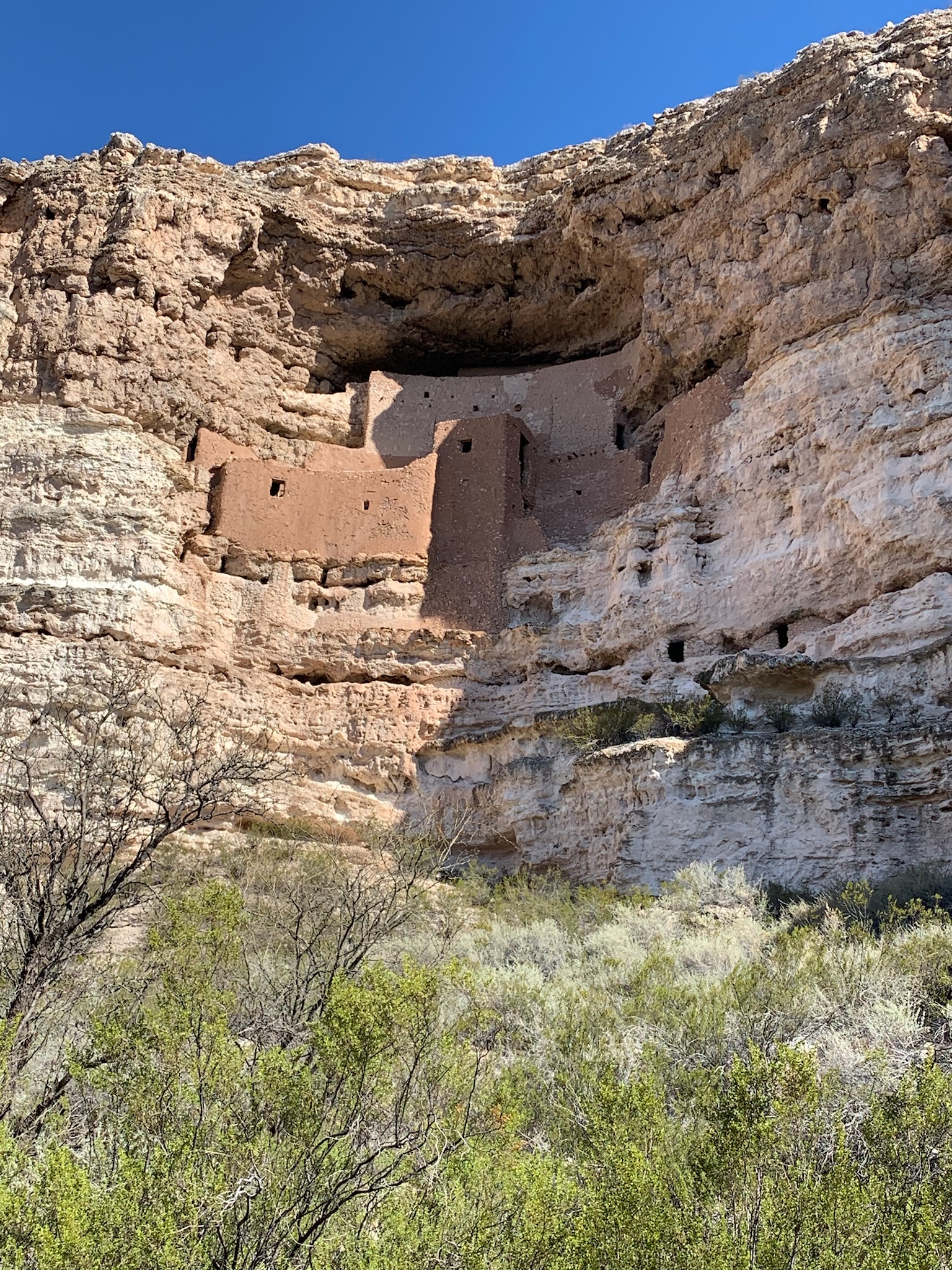
Tuzigoot National Monument

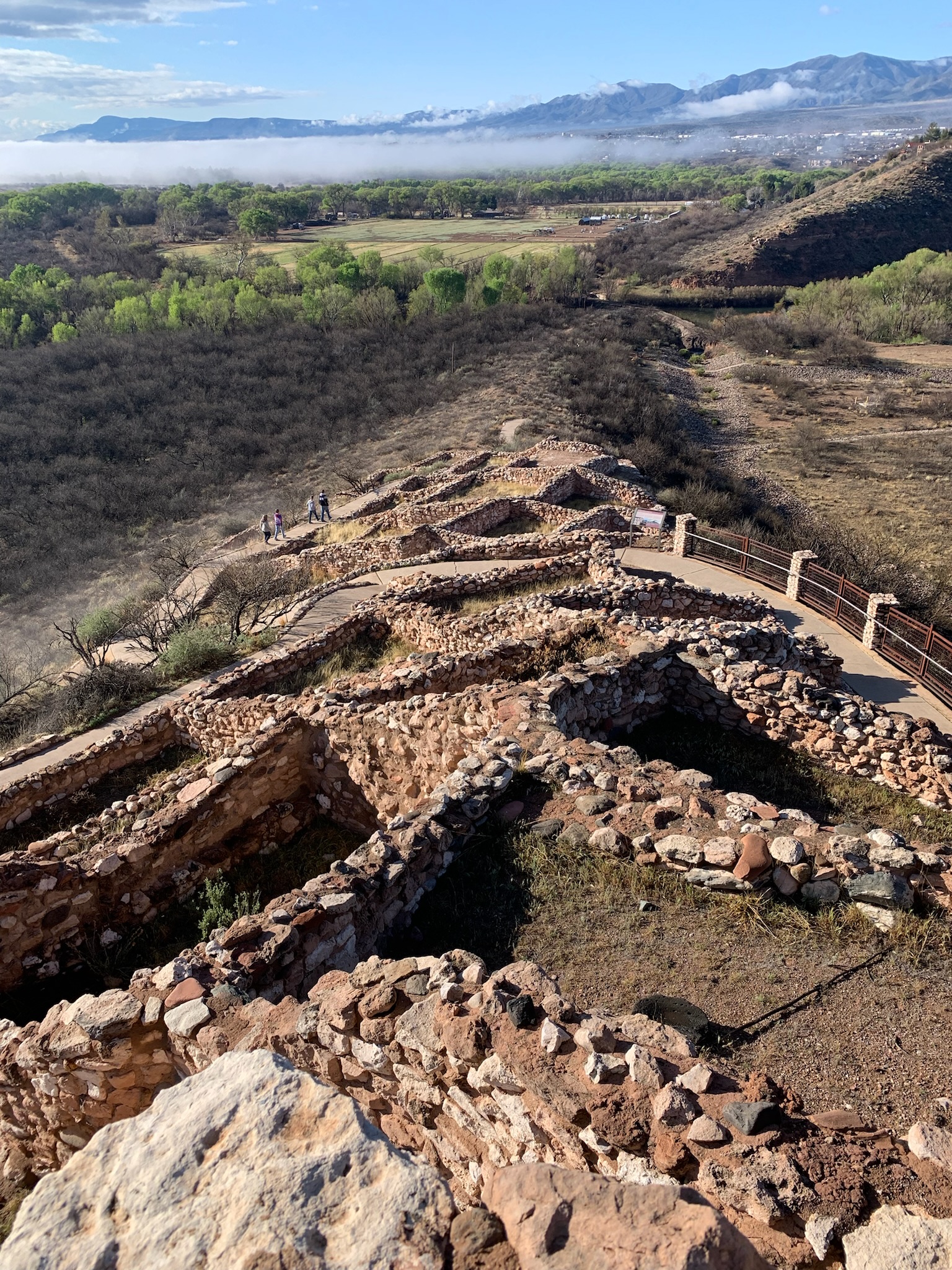
My recent trip started at this impressive hilltop pueblo overlooking the Verde River valley in Arizona. The ancestors of several different Native American tribes migrated through the Southwest over centuries. Each site provides another glimpse into this fascinating history.

While it looks like my photos never include people, they often do, if only for scale.

Click to see my photos of all national park units in Arizona.
How the NPS can help fight climate change

The Climate Crisis is devastating our national parks, threatening the wildlife, forests and beautiful coastlines that many parks were designed to protect. The National Park Service (NPS) needs to change its own policies to stop encouraging fossil fuel use and start encouraging electric vehicles. Right now, the NPS is updating its infrastructure, enhancing campsites, comfort stations and roads to better meet the needs of increasing visitors. They’ve also increased some fees and shuttle-services. Fighting the climate crisis needs to be a priority in all those decisions.

In my recent visit to Death Valley, the campers next to me in Texas Springs campground “bent” the rules. Their large 5th wheel and vehicles exceeded the campsite limit. I paid $2 extra to be in a “generator free” campground, but they idled their trucks for hours to recharge their batteries. They used one of their trucks to try to hold my campsite for themselves without paying. They left their campfire burning all night unattended. They used off-highway vehicles (two ATV’s and a dirt bike) in the park, which is prohibited. Besides being a nuisance, they also emitted more carbon than anyone else in the campground.

Since the Climate Crisis is exacerbating the drought, worsening wildfires and threatening species, the NPS should be more aggressive in discouraging fossil-fuel use. Charge carbon-burning vehicles per axle, charge extra for campfires, prohibit truck idling & alternator charging in no-generator sites and charge for their use in RV sites. Add more EV charging sites and add electric shuttle buses. Large gas-guzzling RV’s are terrible for the climate, and they require more expensive infrastructure (wider paved roads and longer pull-through campsites). They also produce more pollution in the park including noise and light. Instead of letting these fossil-fuel RV dinosaurs roll over the parks, the NPS must take a stand and change policies to be part of the climate solution.

Mojave National Preserve

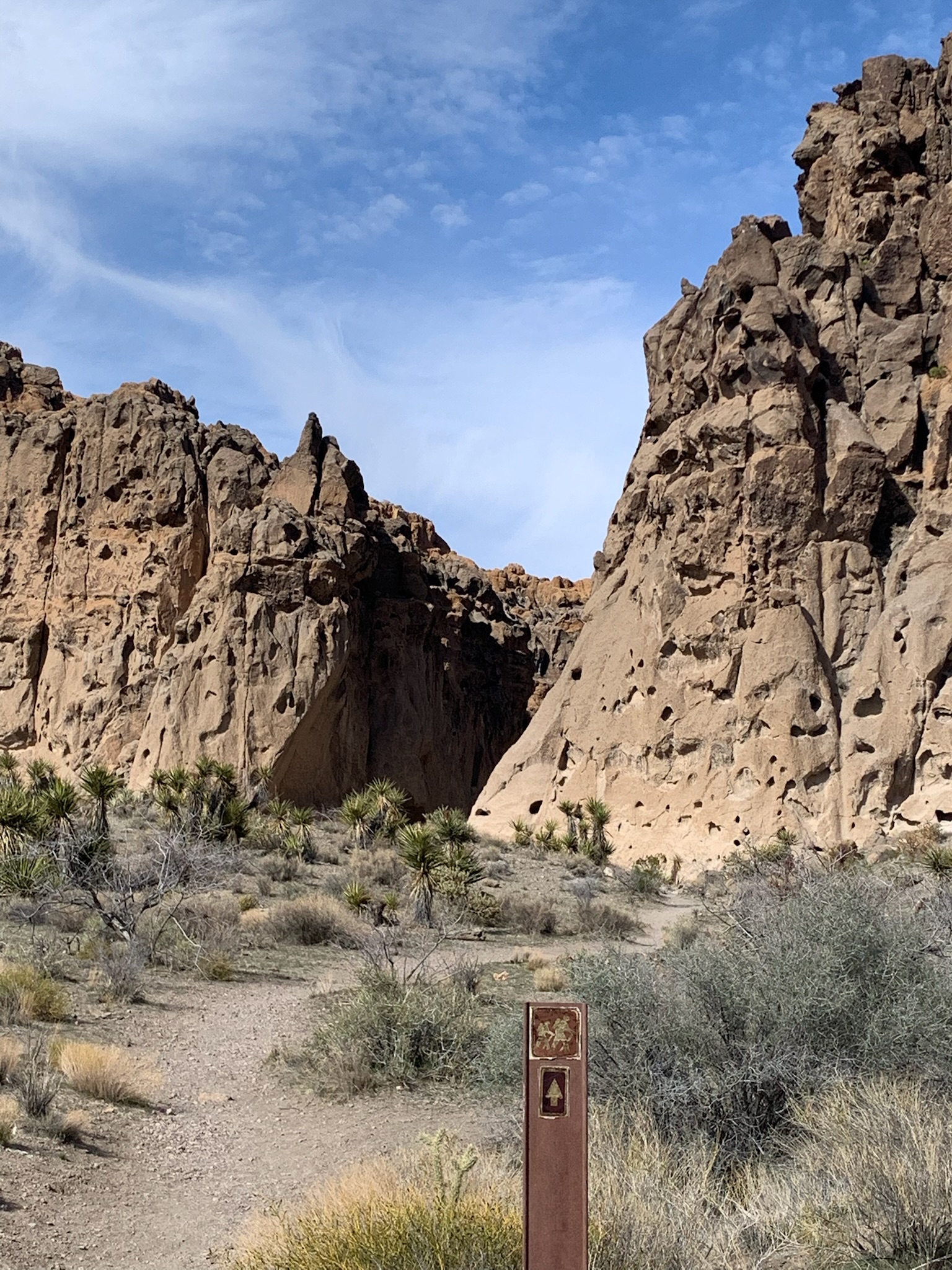
I wrongly assumed that this preserve was just a flat sandy desert, but it is a varied terrain of mountains, mesas, canyons, and volcanic landscapes, in addition to sand dunes.

The Rings Loop Trail pictured, near the Hole-in-the-Wall visitor center, goes right through a canyon with Swiss-cheese holes in the walls. There are petroglyphs to see, fascinating views, and short ladders of iron rings to climb.

A couple of retired campers asked me about my long range Tesla 3. The recent spike in gas prices ($7 in California) interests people who regularly spend over $100 to fill their tanks. Of course it’s also a very fun car to drive with a low center of gravity and instant acceleration. But too many folks resist change, even when their carbon travel habits contribute to devastating change.

Click to see my photos of all national park units in California.

Organ Pipe Cactus National Monument

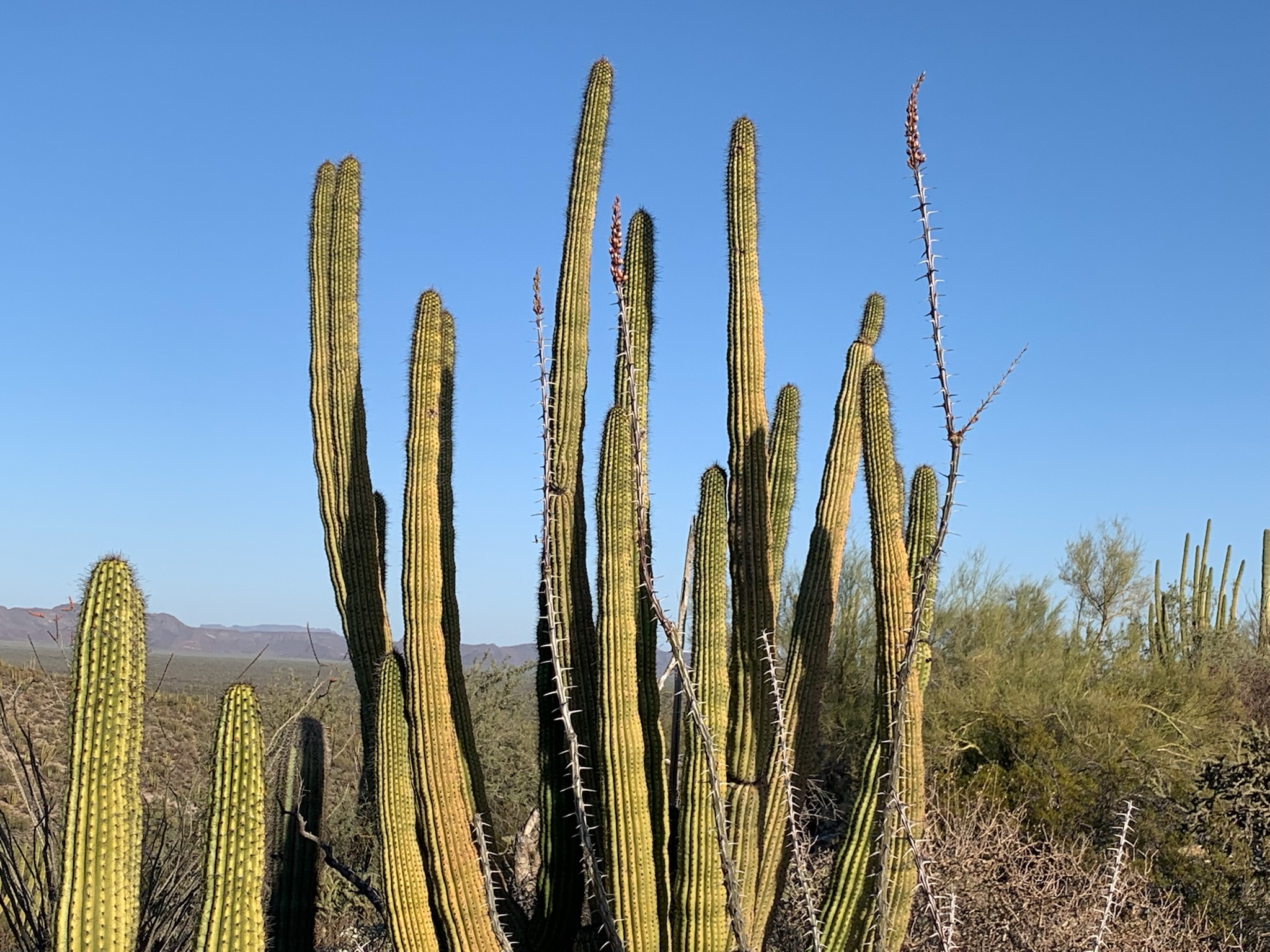
The skinny shrub reaching up in front of the cactus is Ocotillo, just beginning to bloom.

The ranger asked good questions. Given that we live in the Anthropocene or Human epoch, what exactly does wilderness mean to us now? This was one of my favorite ranger talks.

There’s a tiny endemic fish living in a corner of this park near the Mexican border. But because groundwater levels are now dropping sharply, the Quitobaquito pupfish’s natural habitat could disappear within a few years.

Some local school kids helped build a pond behind the visitor center to try to save the pupfish. The park service is re-lining the original Quitobaquito Springs to try to retain more water, but the springs are shrinking. People have been impacting the environment here for over 10,000 years, and, whether we like it or not, the little fish is now dependent on whether we choose to save it.

Ranger Kate asked the campers what we should do. The most common questions were about whether the Mexicans were at fault by siphoning off “our” water. They are actually on a different aquifer south of the Sonoyta River. And that jingoistic attitude really misses the point of being in an International Biosphere, next to the Pinacate y Gran Desierto de Altar Biosphere Reserve in Mexico. We’re supposed to be sister parks working together to save an internationally important natural area.

One suggestion was to “relocate the fish to a more viable habitat”. But if you take the pupfish out of Quitobaquito, are they still really Quitobaquito pupfish? Zoos don’t really prevent extinction in the wild.

I voted to add water to maintain the habitat. People think nothing of draining a river for a new golf course community and destroying ecosystems by burning fossil fuels. So why not reverse that destructive and short-sighted attitude and take this one chance to spend a few dollars to save a species?

Click to see my photos of all national park units in Arizona.