Alibates Flint Quarries National Monument

This little lady is an Eastern Collared Lizard, and she’s sitting on Alibates flint, which is an extremely hard and unusual type of flint used by Native Americans for sharp edged tools. These flints were used to hunt Mammoths (possibly to extinction) by the Clovis people over ten thousand years ago. (Clovis is the New Mexican town where they were studied). Successive groups of natives used these flints, notably the Antelope Creek tribe, who dug hundreds of quarry pits around here to dig out the best quality, unweathered flint, and traded them as far as Montana, California, Mexico and Alabama.

I’m not particularly interested in geology, but this was the funniest parks tour I’ve taken. The ranger, Ben, somehow got ten strangers roaring with laughter in ~100 degree heat while climbing a hill to look at rocks and taught us all lots of interesting facts along the way. He even got a Texas Horned Lizard (or “horned frog” or “horny toad”) to scramble in front of us, so we could all get a good look at the official lizard of the state. Actually, the only way into the park is by guided tour, and the only tour during the heat of summer is at 10am. Better to call and make a reservation.

If you are into geology, then this park is fascinating. There’s petrified algae, iron rich red beds, fossilized dolomite, salty gypsum, and of course the multi-colored, sometimes sparkly, agatized dolomite, known as Alibates flint. That name came from a cowboy guide named “Allie Bates”. Mysteriously, perhaps from Valles Caldera or Yellowstone volcanic activity, there was an abundance of silica-rich water that seeped into the dolomite and crystalized into a dense quartz along with an array of other colorful minerals. The flints have many of the rich colors and patterns of the mineralized trees found in the Petrified Forest.

I stayed the night in Palo Duro Canyon (2nd in size to the Grand Canyon) which is another great location for views of the colorful red, white, orange, and yellow rocks under a blue sky with lots of different green trees and plants. The night sky was also brilliant. Any recent rain can close roads though. There was a summer musical playing there for Texans about how wonderful the history of Texas is, but of course, it glosses over the theft of native lands and doesn’t mention slavery at all. It never occurred to me that Texans would be so insecure.
Andrew Johnson National Historic Site

Somebody has gone to a great deal of effort to rehabilitate disgraced President Andrew Johnson. The hagiographic film is narrated by the late Tennessee Senator (and actor) Fred Thompson. The exhibits extol Johnson’s fidelity to the Constitution against the “radical” views in Congress that African Americans should be granted full citizenship rights. This may be the worst site for informing people about history in the park service.

In fact, Johnson was an inveterate racist, a slave-owner who got a special exemption from Lincoln’s Emancipation Proclamation to extend slavery in Tennessee. After Lincoln’s demise, Johnson reversed Reconstruction and vetoed the Civil Rights Act, paving the way for a campaign of terror by the KKK (also from Tennessee in 1865) and the collapse of all efforts to let freed slaves participate fully in elections. He was impeached (148-27), but escaped conviction by one vote. Johnson’s presidency was such a threat to the nation that Grant was pressured to run “in order to save the Union again”. A long-time historical favorite of racists, modern historians generally rank Johnson among the worst presidents. Nowhere at this historic site could I find any acknowledgement that it was morally wrong and anti-democratic to deny freed slaves the right to vote.

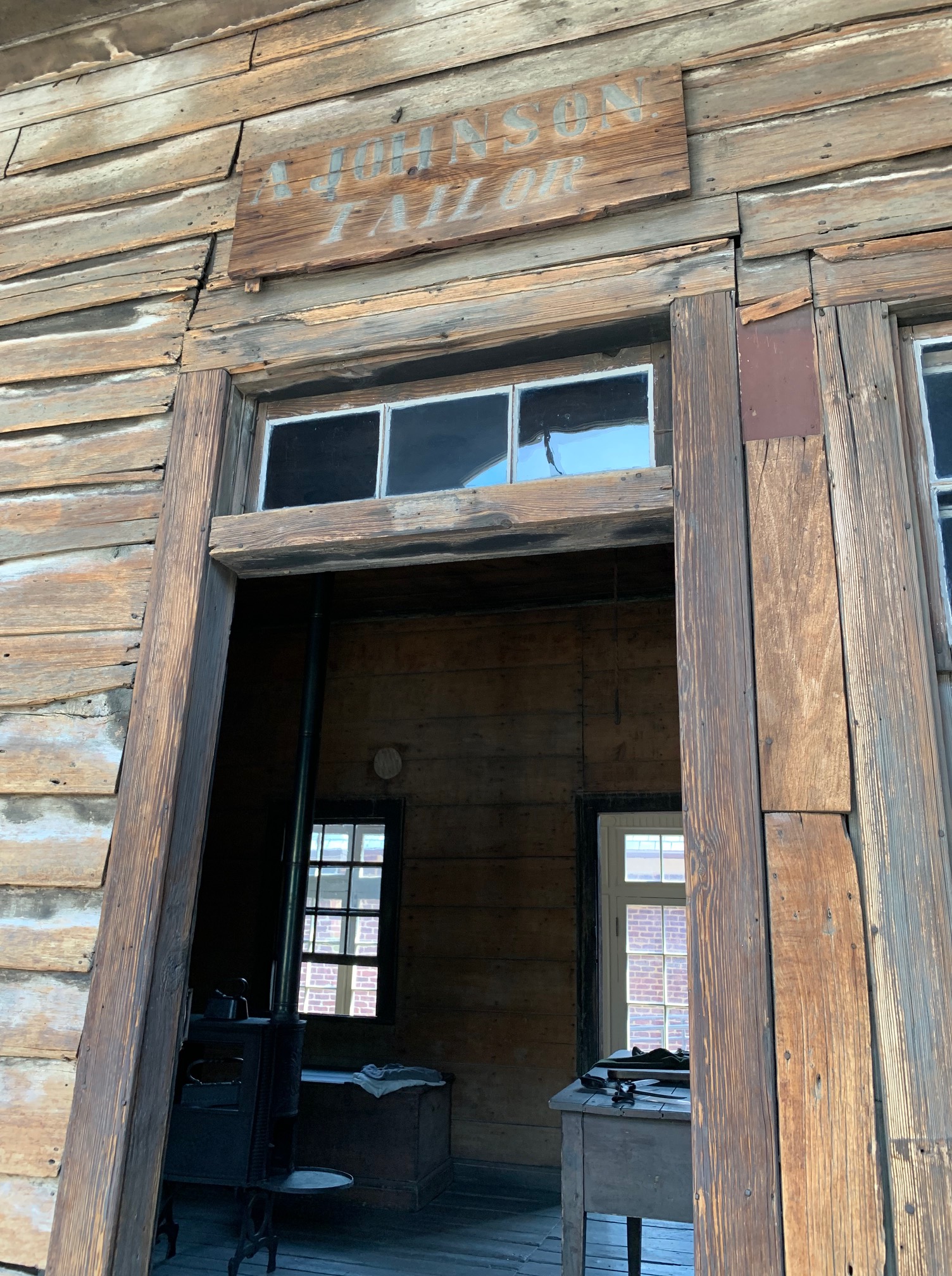
Johnson was a poorly-educated tailor who had the good fortune to be married by a relative of Abraham Lincoln.

Fossil Butte National Monument

Near Bear Lake, there was a much larger lake here during the Eocene around 50 million years ago, and there are many fossils of fish, reptiles, mammals and plants here. The one in the photo is a freshwater stingray. To help visitors get a sense of the timeframe, there are proportionately spaced signs from the entrance to the visitor center showing what evolved when.

We’re just the most recent to evolve, but we’re already driving a massive extinction wave, potentially as devastating as natural extinctions hundreds of millions of years ago. We take for granted the vibrant diversity of species, but even subtle changes can upset the balance and wipe most life off the earth suddenly. We evolved to overcome our limits, and now we need to learn how to control ourselves before we ruin the environment that sustains us.

Golden Spike National Historical Park

The two sides racing to complete the transcontinental railway actually went far past each other before they finally agreed to meet here. The celebration drew many, as did the centennial, but the location is fairly remote and sparsely populated. There’s a plaque honoring Chinese laborers who contributed, even though many were not allowed to remain in the US.

Many visitors come to see the old style trains shown periodically, but the site is most interesting as a historic symbol of a new age dawning. There’s a large solar array under construction nearby, and hopefully our next transportation revolution from fossil-fueled to electric vehicles can be as dramatic and sudden as the shift from horse to train and telegraph.

City of Rocks National Reserve

I think the best way to explore here is to camp. Many of the most interesting rock formations are steps from the primitive campsites and the best views are after dawn and around sunset. I spent a quiet night here imagining what the California Trail settlers thought as they camped nearby. The hard granite offers many handholds and steps for novice scramblers. Of course, the site is also popular among technical rock climbers who can prep on Practice Rock before working their way up to more challenges.

Minidoka National Historic Site

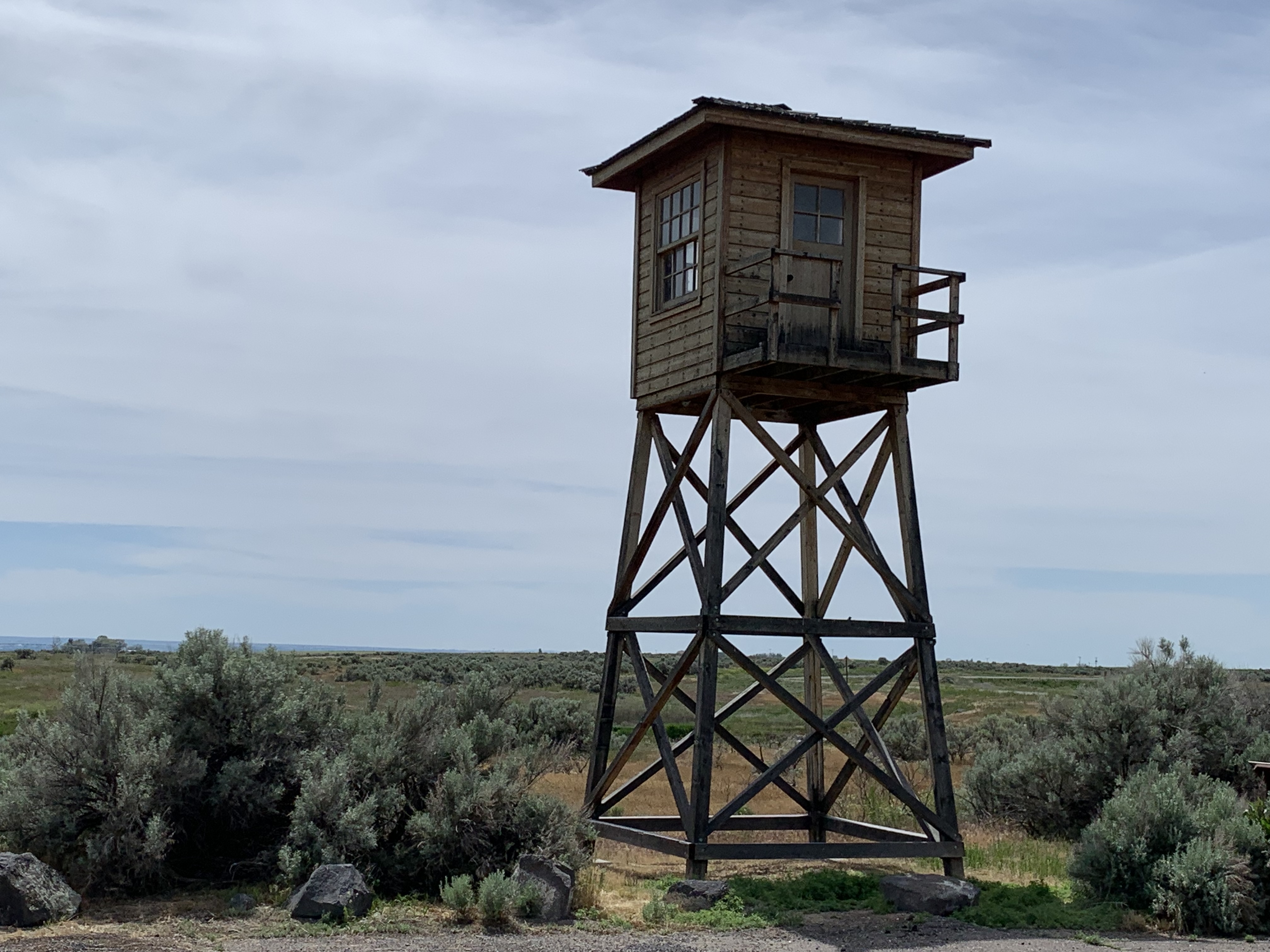
Named for the Dakota Sioux word for a spring, this concentration camp is along an irrigation canal, where the Japanese-American prisoners built a swimming hole and tried to fish. The sincere efforts to try to improve their confinement somehow make the circumstances even sadder. Thousands of Americans were cut off from their homes, neighbors and country, due to their national origin and race. Most German and Italian Americans were not incarcerated during WWII. Neither were most Japanese-Americans in Hawaii. Most of those kept here were from the Pacific Northwest and had lived in the US for a generation or more. Many also found their property had been stolen when they tried to go home. Under Carter and Reagan the survivors were paid $20,000 compensation for “race prejudice, war hysteria and a failure of political leadership”.

Hagerman Fossil Beds National Monument

I just realized that my photo is almost the same as on the NPS app, but that’s because there’s not much else to see. The fossil, a common ancestor of the horse and zebra, is actually “a Frankenstein’s monster” of bones left over from a big Smithsonian dig. On the way in, there’s an overlook where you can see the bluff on the other side of the Snake River where a herd of these guys were found. That’s about it.

The river canyon is spectacular, and I even watched base jumpers while charging my car nearby. The visitor center is jointly run with the state, so don’t drive past it like I did.

Big Hole National Battlefield

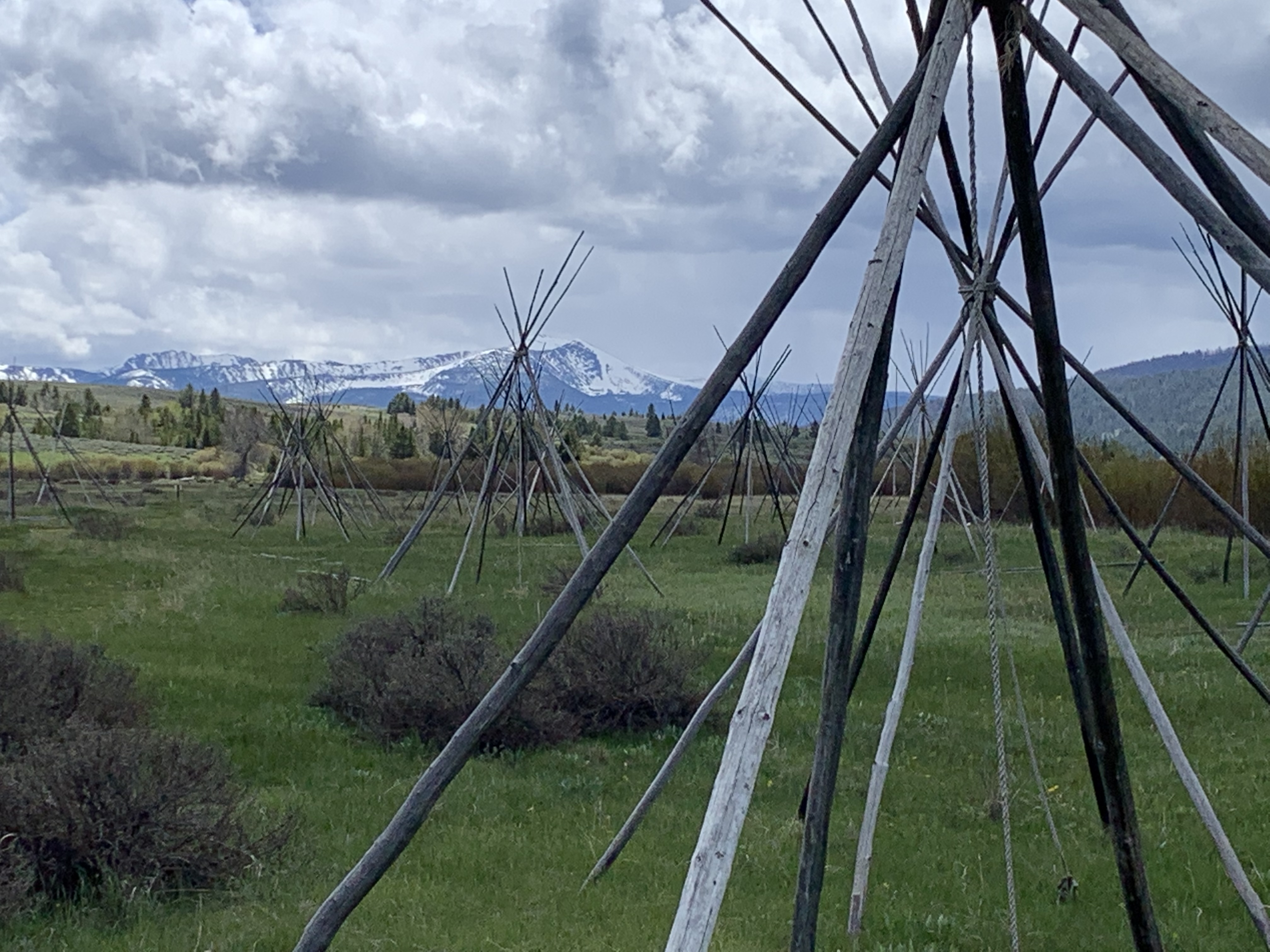
This uniquely tragic site in the War on Native America is also part of the Nez Perce National Historical Park, and it sits in the scenic Big Hole valley, right near the little town of Wisdom.

The US military was hunting down natives who refused to go to reservations and a few fugitives who had killed some settlers. They attacked the camp at night, burned the tipis and killed around 90 natives, mostly women and children, including babies bludgeoned to death. The warriors killed 31 soldiers in defense and then fled with the survivors. Some eventually escaped to Canada, but Chief Joseph later surrendered at Bear Paw with the rest.

Hail fell while I was at the Nez Perce cemetery above, and it felt appropriate, considering the terrible history here. I took some time after the film and walk to try to draw any wisdom, and all I could come up with was this.

No person can claim credit alone for greatness, as our existence is entirely due to the natural world that we evolved from, which sustained our ancestors and us. Yet a great idea, which is not limited by time and place, can inspire, destroy or outlast our civilizations, as long as there are still humans who understand it. So we must not think so much of ourselves. We must thank the natural world for everything it has given us. And we must try to cultivate thoughts, wisdom, moral judgements, insights, inspiration and kindness that may survive us and improve the future.

Grant-Kohrs Ranch National Historic Site

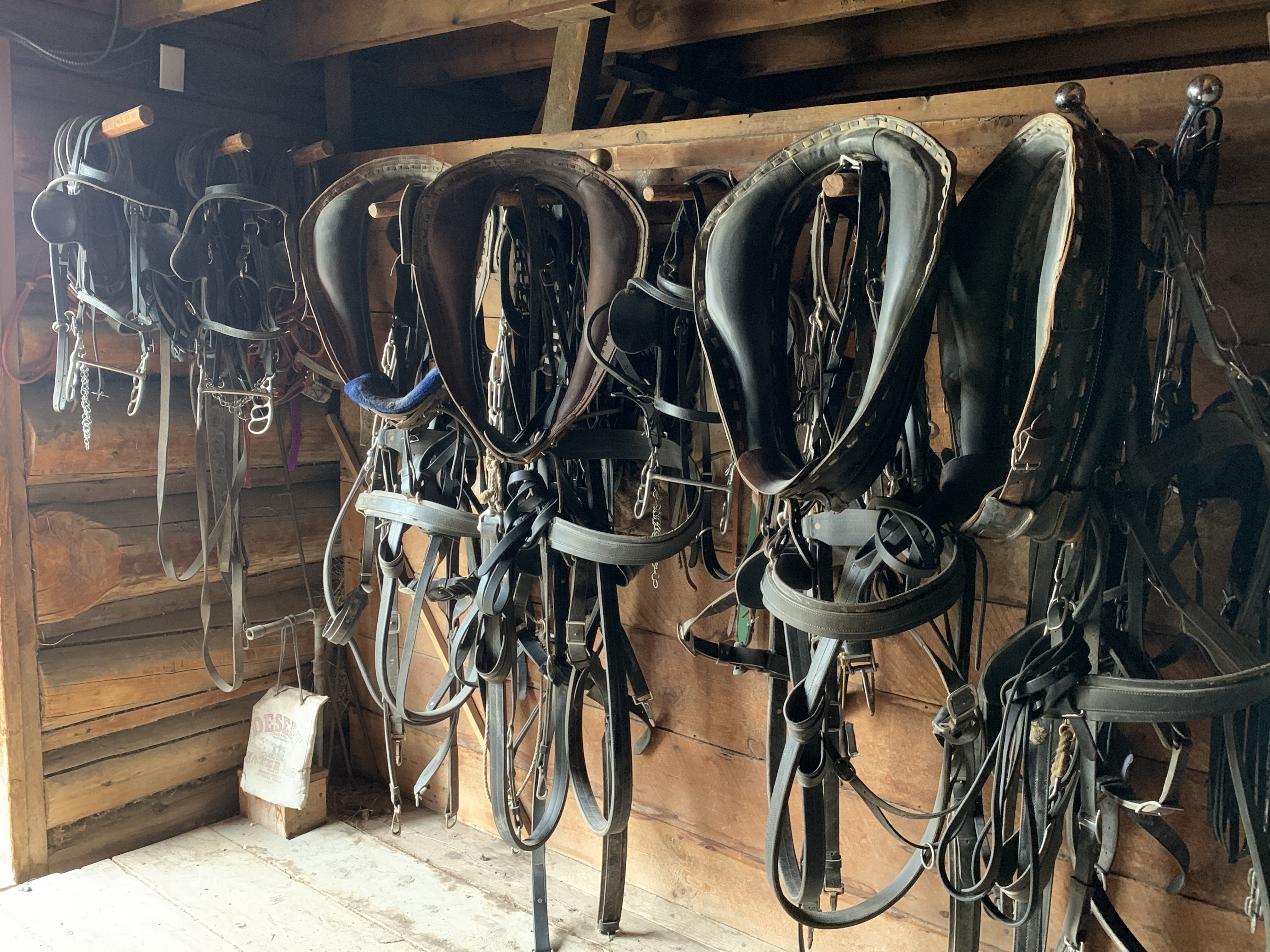
Before barbed wire many ranches raised cattle free range, meaning without fences, and cowboys would drive herds of cattle up to halfway across the country. This ranch helps preserve a few elements of that iconic way of life, as a working ranch with beaver-slide hay stackers (invented nearby) and a variety of animals. The displays depicting the cowboys put real faces on the young men whose lifestyle was romanticized by books, radio, TV and film.

When I stay in state park campgrounds, like Bannack near here, I’ve been reading Louis L’Amour’s books which helped mythologize the West. I often find I’m following the same routes and seeing the same places he did. One of his scripts could easily have come from the history of Bannack where a corrupt sheriff and his gang, ”the innocents”, killed over 100 people and robbed even more before the townspeople figured it out and hung him from his own gallows.

Another local site is the Anaconda copper mine smelting tower, site of a horrific pollution scandal. There’s still a large Superfund site cleaning up here. The mountains, valleys, forests and rivers here are stunning, but greed often drives men to devastate both their communities and their environment. We must look deeper than myths, see what’s going on behind the scenes and act before damage becomes irreparable.