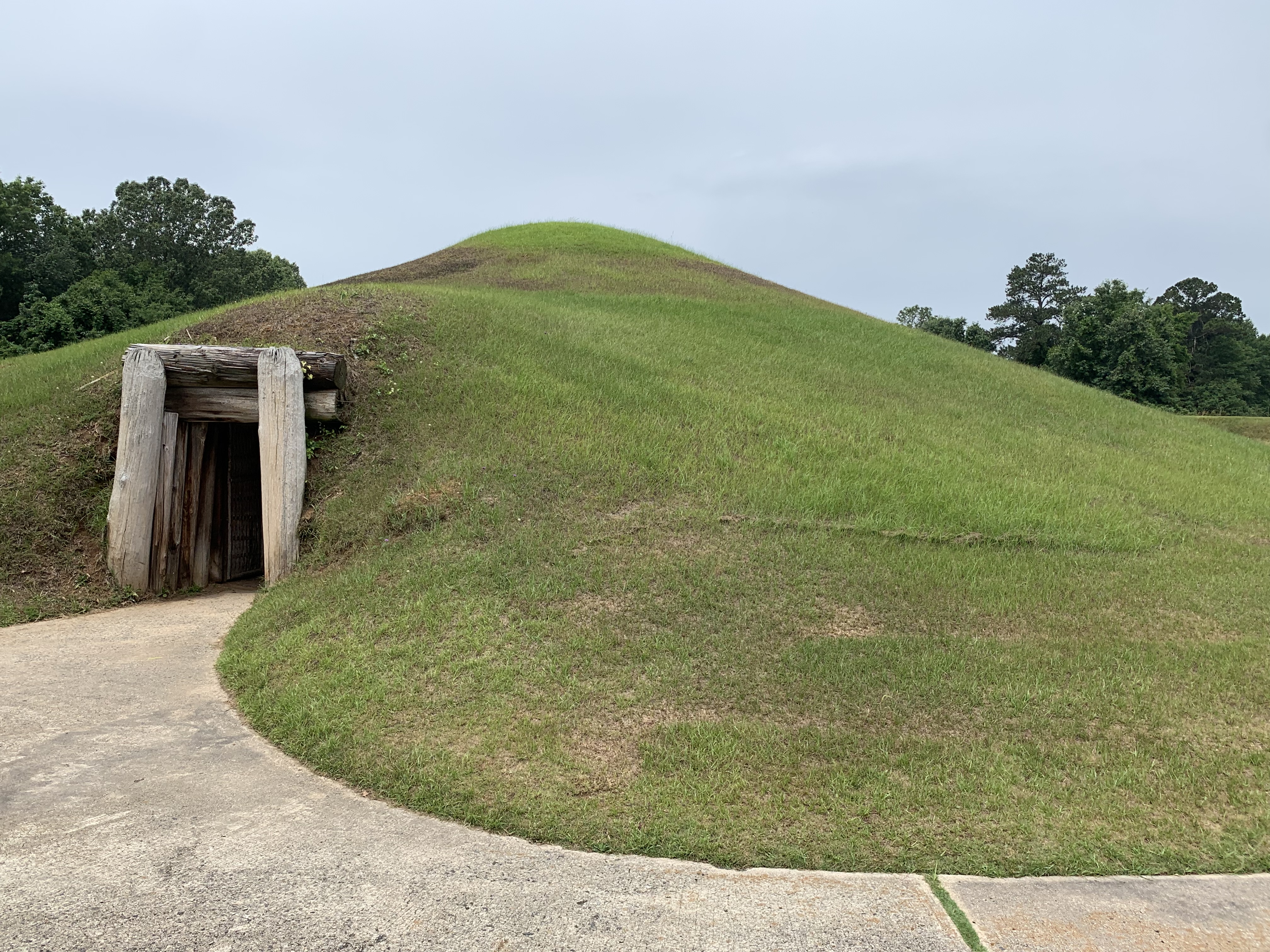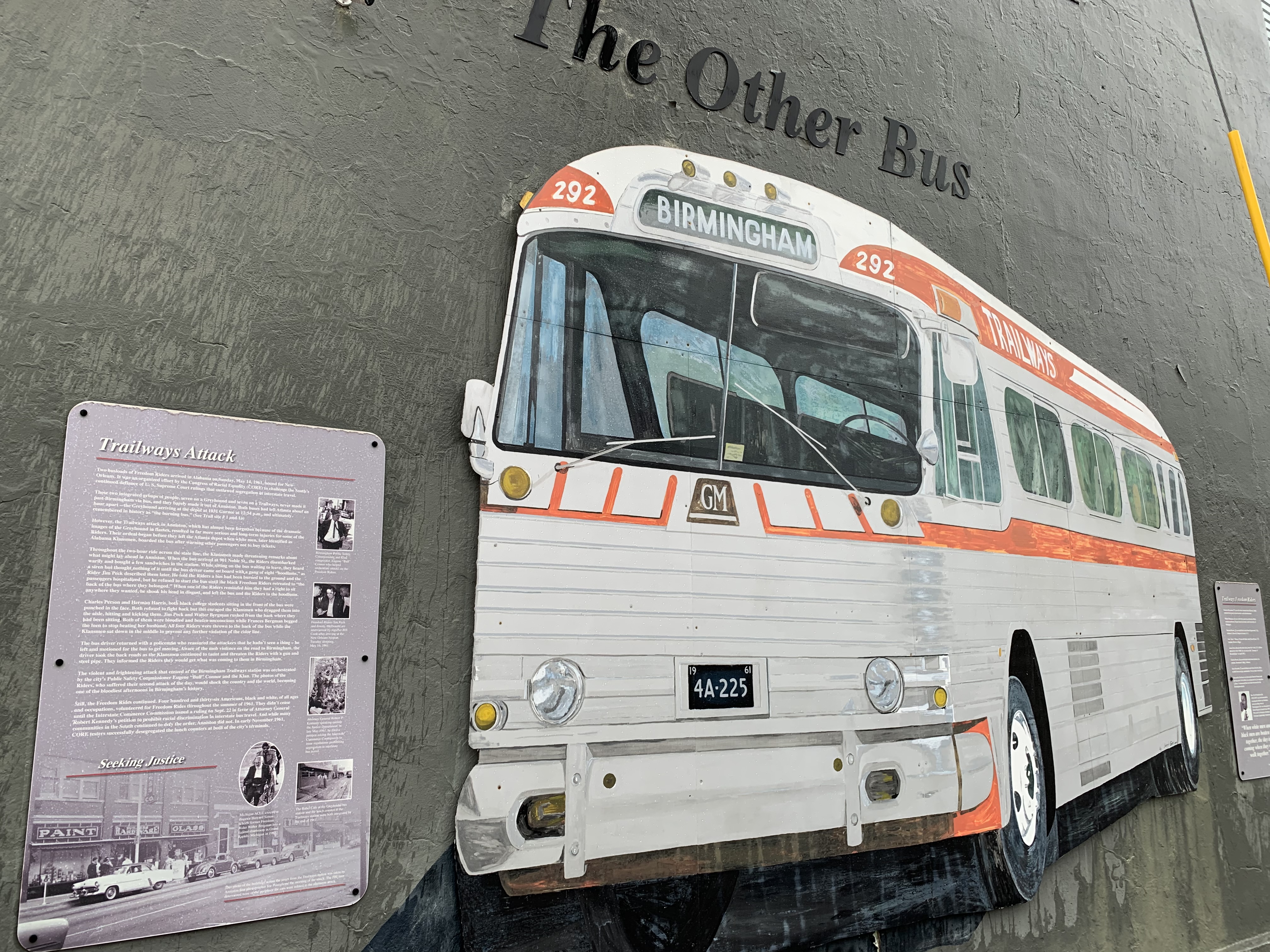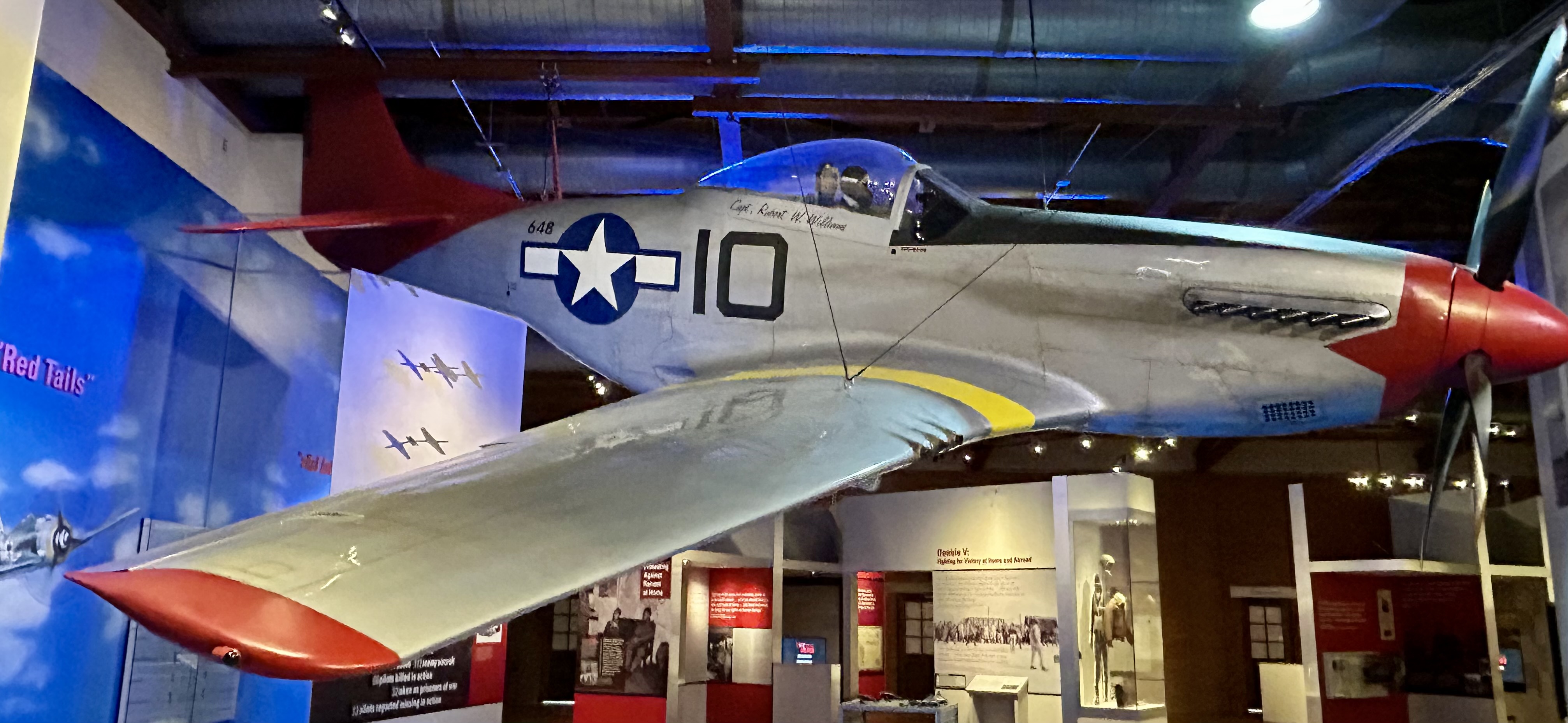
The southeast includes some of our oldest and most scenic trails, and the Florida NST, Natchez Trace NST and the Selma to Montgomery NHT are unique to the Southeast. Both Appalachian and Natchez Trace scenic trails are individual park units. Here’s a quick summary in case you are interested in exploring the trails in the region.
National Historic Trails
Lewis & Clark 1804-1806, runs along northern Kentucky, and they did some fossil hunting for Jefferson at Big Bone Lick.
Overmountain Victory celebrates the trail crossed by Patriots in 1780 to turn the war.
Selma to Montgomery has several fine exhibits at both ends and at a few stops along the way. Highly recommended.
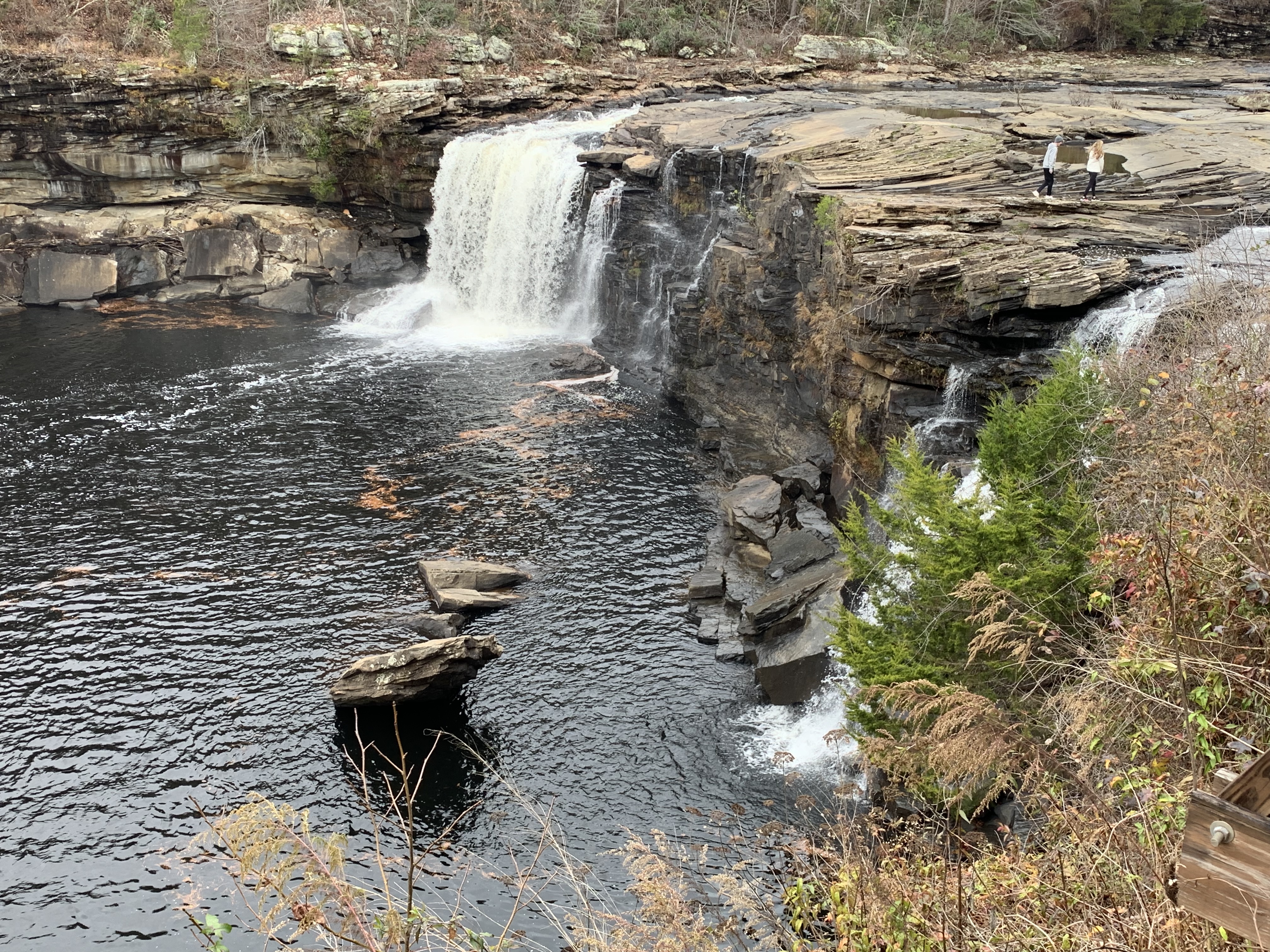
Trail of Tears ~1830 to ~1850, Native Americans from all across the region were forcibly removed on this trail that crosses through most states in the region. There are numerous sites along the trail, including Little River Canyon.
National Scenic Trails
Appalachian begins in Georgia, cuts through westernmost North Carolina, along the border with Tennessee, through Great Smoky.
Natchez Trace runs along the Natchez Trace Parkway through Mississippi, a small part of Alabama and up near Nashville Tennessee, and the trail includes many miles of trails maintained for hiking and horseback riding.
The southern end of Florida is home to Everglades National Park, which is also a UNESCO Biosphere and a World Heritage Site. Since 1900, the area has been both protected and threatened, with political battles needed to protect bird plumage, to create the park, and to protect the large, diverse ecosystem here. Marjory Stoneman Douglas wrote a book to explain how the Shark Valley River Slough runs as a “river of grass” through the Everglades. When summer rains fill Lake Okeechobee, a sheet of water overflows the low bank and floods the flat grasslands, revitalizing fish eggs and a whole ecosystem. A cross Florida road called the Tamiami Trail prevented that flow, and a political battle was fought to restore it partially. The fresh water eventually sinks through the limestone, filling the Biscayne Aquifer to provide drinking water for Miami. There are also canals crisscrossing lower Florida, including here, and that’s where these two young alligators were hanging out. Alligator Alcatraz, a temporary migrant detention center, is in the Everglades ecosystem, but it’s not in the national park. Alligator Alcatraz is north of the Tamiami trail in Big Cypress National Preserve.
The park is 1.5 million acres, including the mangrove islands that form the southern end of Florida, before the Keys. The best place to see the mangroves is by boat, either from Everglades City west of Big Cypress or by driving to Flamingo. I took my family to the latter, and we saw a large crocodile near the dock, plus much more wildlife on a quick cruise in the “submerged wilderness” of Florida Bay. Personally, I wouldn’t kayak these waters, but many people do, camping on the Chickees or raised bits of ground where natives camped seasonally and for different purposes for centuries at least. There’s even a paddling waterway to go between Everglades City and Flamingo. Before the highway was built out to Key West, visitors commonly took a similar route by boat.
The work of environmental protection is never done. Burmese pythons entered the park in the 1970s—likely as discarded pets—, and now they’ve wiped out most of the native animals, threatening the Florida panther with extinction. I was disappointed to see the dramatic decline in wildlife evident from the Shark Valley Tower, since I first visited decades ago and even since I visited again with my family not so many years ago. And since last year, the state government is not allowed to mention climate change, global warming or sea level rise, but that obviously won’t do anything to prevent rising sea levels from submerging much of southern Florida, including most of Miami and almost 1/2 the park in the coming decades. Especially if the government refuses to take action, climate science clearly shows that the environment will only continue to worsen more rapidly.
The southern terminus (above) of the Florida Scenic Trail is in Big Cypress National Preserve on the Loop Road. One of the two barely visible signs at the virtually unmarked entrance almost apologetically notes that the trail is maintained by volunteers. 1,500 meandering, swampy miles northwest is the northwestern terminus (below) at Fort Pickens in Gulf Islands National Seashore. While I’ve been to both ends of the trail, and crossed over it a few times, I have not hiked any significant sections. It’s reportedly a rather solitary experience likely requiring significant wading.
I should mention that Fort Pickens was a Union held fort during the Civil War, protecting Pensacola Bay. The Confederates tried taking it, but the fort is on a rare bluff in the area, giving it the high ground for miles. When the Confederates took some smaller forts across the channel, the Union guns expertly demolished the smaller positions. The beginning of the trail here is beautiful, with many birds and water on both sides.
Best Park: Harpers Ferry. In a region known for great historic sites, Harpers Ferry is exceptional. At the confluence of the Potomac & Shenandoah Rivers, where the C&O Canal, Potomac Heritage and Appalachian NSTs all merge, scouted by Jefferson and taken by Grant, martyred by John Brown and lifted up by WEB Du Bois, this park is essential for Civil War and Civil Rights history.
Best National Park: New River Gorge, with whitewater rafting, scenery, wildlife, hiking and coal mining historic heritage, this gorgeous new national park is more vibrant and exciting than its beautiful 100 year old competitor, Shenandoah.
Best State: Virginia has many Civil War sites, presidential birthplaces, and many other important historic sites, including world heritage Monticello, plus scenic mountains, rivers, valleys and coast.
Best City: Philadelphia is chockablock full of history and museums, mostly in world heritage Independence NHP.
The Mid-Atlantic specializes in history, exemplified by these best-in-class parks.
Best colonial history from start to finish: Colonial
In addition to part of the multi-state Gullah Geechee Cultural Heritage Corridor, Georgia has two unique heritage areas.
Arabia Mountain is a large site east of Atlanta, managed in sections by city, county and state park rangers. While Stone Mountain—infamous for its carving of three traitors—just north has similar granite monadnock geology, Arabia Mountain is a natural area, protecting Diamorpha and other rare species that thrive in shallow sandy puddles in the rock. It’s more of a low granite hill with a gentle slope, and there are signs of quarrying. At the top, I saw a Killdeer (see photo above) drinking out of one of the larger pools, so I turned on my birdsong identifier app and quickly recorded 18 more birds, including an uncommon Swainson’s Thrush, an Indigo Bunting, a Purple Martin, a Tufted Titmouse, 2 different Vireos and a Red-shouldered Hawk. I was well pleased for such a short hike. Panola Mountain is an even more protected part of the Arabia Mountain heritage area, but you need to reserve a hike with a ranger to climb it. The historic quarrying town of Lithonia is also in the area and has an old African American cemetery.
The other heritage area is the Augusta Canal NHA. That’s a miles long canal with tow-road paths, parks and views from the north of the city down to the historic district. The most famous historic sight along the canal is the Confederate Powderworks square chimney below. It’s the last remnant of the city’s impressive wartime industry. Late in the Civil War, one of the gunpowder mill buildings exploded killing 9, including one boy, which also sparked a strike. There’s now a fancy new Salvation Army multi-function center funded by the founder of McDonalds across the canal. The waterfront is a pretty area to hike or kayak.
I have visited over 90% of NPS affiliate sites. The three remaining are in the Aleutian Islands, on the north coast of Alaska, and in Saipan, the only affiliate unit in the western region.
Alabama has two national heritage areas, the Black Belt and Muscle Shoals, neither related to a gym.
Alabama Black Belt NHA includes many Civil Rights sites, reflecting the progress forged by the large African American community that descended from the people brought here and bred against their will to work the rich black soil extending in a belt from the Mississippi River across Alabama. Several of these sites are run by the national park service, including Tuskegee Institute, Selma to Montgomery NHT, and Freedom Riders NM. Two other sites I recommend highly are the National Voting Rights Museum and Institute in Selma and the Legacy Sites in Montgomery. The first is an authentic old place filled with memorabilia, well illustrated stories and contains many important exhibits from the Civil Rights struggle, carefully preserved near where the marchers began their march for voting rights. The second is a much newer series of bold exhibits, perhaps most importantly featuring an artistic memorial dedicated to the victims of lynching.
Muscle Shoals NHA is dedicated to the rhythm & blues soundtrack of many of our lives. In 1959 a local music promoter who failed to make it in Nashville took a big risk and opened the small Florence Alabama Music Enterprises studio across the river from Florence in a less developed area called Muscle Shoals. Rick Hall hired some local talent to who lived closely enough to come in as needed to be the studio band for visiting artists. They were joined by Duane Allman, who just showed up and lived in the parking lot until he got a job there. They recorded a few songs there you may know, including Mustang Sally by Wilson Pickett. Etta James went to FAME to try to revitalize her career and recorded her album, Tell Mama, in which she sang I’d Rather Go Blind just a couple miles away from Helen Keller’s birthplace and childhood home, which is another great place to tour. A trumpet player got a little fresh with a young singer, and her husband was pissed. Rick went to their hotel after, but he got in a new fight with her husband. Rick lost the singer and her label (Atlantic) as a result. Still, Aretha Franklin recorded I Never Loved a Man and Do Right Woman, before she walked out never to return. FAME did pretty well nevertheless, especially with a Mormon family called the Osmonds.
In 1969, Hall’s best house band bought a casket shop nearby and opened their own place, Muscle Shoals Sound Studio. Run by these experienced artists, they also wrote songs and ended up producing more hits than almost any other studio in the world, with most of the work done on the first take. They wrote a song called Old Fashioned Rock and Roll and eventually got Bob Seger to record the vocals over their track, although they accidentally duped the intro. A band called The Rolling Stones illegally recorded Sticky Fingers there, before going to a riotous concert with Hells Angels where they sang Brown Sugar. Another time Lynyrd Skynyrd was stuck with a song until a roadie suddenly announced he could play the piano and gave them the opening to Freebird (demo version). They went on to make the house band famous as the ‘Swampers’ in their song Sweet Home Alabama. Newer singers like Lana Del Rey sometimes just walk in and ask to record there too. The list of songs is too long to mention, so take the tours, maybe watch the Muscle Shoals documentary, enjoy the music and listen to the stories.
I should mention that American Music has its roots along the Natchez Trace and nearby rivers: New Orleans, Nashville, Memphis and Muscle Shoals. The songs of the enslaved, French & Spanish trader influences, back country pickers, gospel music and travelers singing for their supper all came together to form the Blues, Jazz and all the rest. WC Handy was born and grew up in Florence below, before being inspired to write down classic blues songs like St Louis Blues and Beale Street Blues. He preserved his log cabin, and there’s a small but excellent museum there now. This is a fascinating and emotionally moving area of the country to visit, and, if I can mention one more, the Jesse Owens Museum is worth a stop too.