North Atlantic National Heritage Areas

There are ten heritage areas in New York and New England, and all of them protect places frequently described as beautiful, historic and quaint. Growing up in the region, I am biased, but I highly recommend visiting all of them.

  • Blackstone River Valley NHC, explore the mill towns that defined the Industrial Revolution
  • Champlain Valley NHP, hike in the canyons of the Adirondacks on this route to Canada
  • Downeast Maine NHA, catch the first rays of sunrise on the scenic coast of Maine, have tea in Campobello, and learn about the Acadians near St Croix IHS
  • Erie Canalway NHC, take five looking for a mule named Sal, and sing a few bars
  • Essex NHA, wander the old streets of Salem past Hawthorne’s house of the seven gables and go see the 17th century Saugus Ironworks
  • Freedom’s Way NHA, see where the Minute Men fired the shot heard round the world and the small towns where they lived and dreamt revolutionary ideas
  • Hudson River Valley NHA, FDR, Van Buren, Vanderbilt, Saratoga, St Paul’s, Thomas Cole
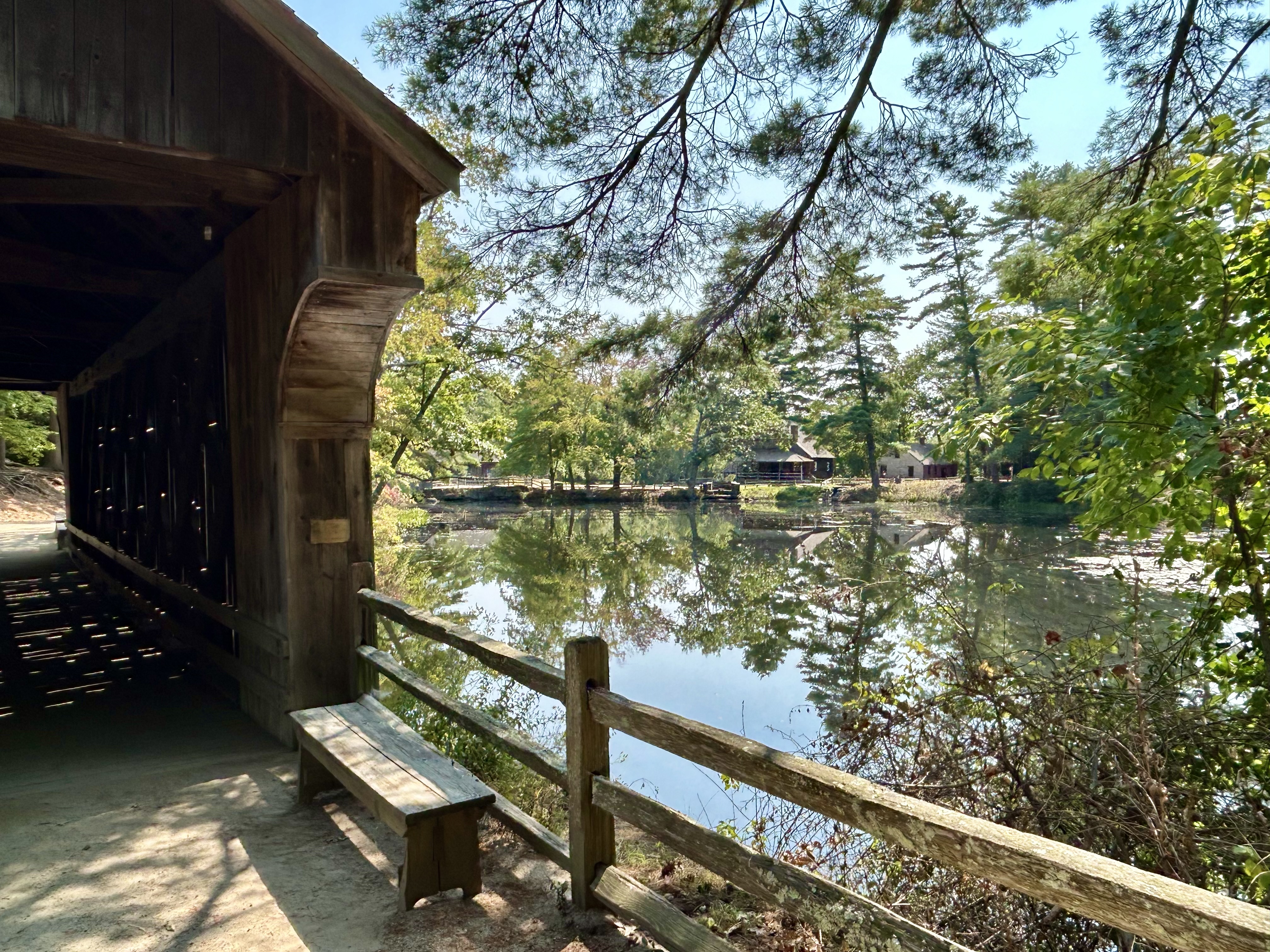
  • Last Green Valley NHC, step back into an authentic 19th century village (below)
  • Niagara Falls NHA, besides the obvious, visit the Old Fort and learn some history
  • Upper Housatonic NHA, visit Edith Wharton’s historic Mount in the Berkshires

Upper Housatonic Valley National Heritage Area

The Housatonic River runs down the western edge of Massachusetts through Connecticut, and the heritage area is shared by both states. Connecticut gets the best natural areas—the bogs, fern filled cobbles (hills) and pine forests—and Massachusetts gets the best historic places. My childhood schooling is filled with stories from the Berkshires, so I wanted to revisit The Mount (above) in Lenox Massachusetts most of all. And how much improved it is! But that’s getting far ahead of the story.

The Mohicans lived here first, and before the Revolution, English settlers swapped land with them. Some of the first to learn to speak the native language were missionaries, and Rev John Sergeant’s house in Stockbridge can be visited during the summer. After Independence, the Shakers settled in Pittsfield, and their living history museum is recommended too. The old mill of the company that makes the paper for US currency is in Dalton. Herman Melville and Nathaniel Hawthorne lived and wrote here around 1850, and Melville’s Pittsfield home can be visited too. W.E.B. Du Bois was born and raised in Great Barrington, and there’s a walking tour in addition to his homesite, not far from Simon’s Rock, which has an excellent program dedicated to Du Bois.

Edith Wharton built the Mount in 1902 and wrote many of her most famous books there. Her maiden name was Jones—as in the phrase “keeping up with the Joneses”—and her husband was related to the business school. She had already rebuilt Lands End on the Cliff Walk in Newport RI, making Interior Design a profession when she co-wrote a book about it. Gilded Age women were not supposed to be progressive writers, but Edith Wharton was, becoming the first woman to win a Pulitzer for Fiction in 1921 with The Age of Innocence.

When I visited the Mount as a child, the girls’ equestrian school there had just closed, and the once magnificent home was falling apart. I remember adults being much concerned with marble fireplaces collapsing, whether a Shakespeare company might help save it, or whether it would be demolished for condos. I liked the formal garden but little remained of the famous author who lived there. But thanks to some devoted preservationists, including a collection saved by a book dealer in London, the home and library have been gloriously restored. Highly recommended.

The Last Green Valley National Heritage Corridor

Old Sturbridge Village above in Massachusetts is emblematic of the Valley, which is delightfully wooded, rural and historic with mill villages, museums and natural preserves. In my youth I ran cross country through the area at small traditional New England schools, and I took many field trips to the living history museum pictured. There are old farmhouses, taverns, gardens, barns, gristmills, cider mills, meetinghouses, galleries, shops, pottery, bakeries, crafts and more, all through the valley, dozens of historic sites too. Patriots Clara Barton and Nathan Hale—‘I regret I have but one life to give to my country’—came from this valley. One uncommon benefit of preserving traditions here are the dark skies at night, perfect for star gazing. Much has been lost of the old ways in our sprawling busy modern developments, but not here.

Erie Canalway National Heritage Corridor

Just up the hill here past the Port Byron dry-dock/ lock is an old tavern. Maybe that’s why so many locals contracted to build the original canal: everyone knew life would be better with a canal. Once there was a passenger & freight shipping route between New York City and the Great Lakes, cities grew all along the canal. Turns out there have been several versions of the canal, from the original crowd-sourced 4’ deep, the bigger one (above) and the current large barge canal that a local brewery and many other folk still use now.

The canal connects the scenic and historic Hudson Valley to Lake Erie, below the Niagara Escarpment, or ‘from Albany to Buffalo’. I’ve driven the route many times in my electric car and visited the park sites in the heritage area, like Fort Stanwix, Saratoga, Women’s Rights and more, but I ignored the canal. Not because I don’t like it or discount its importance, but because I thought I might do the Great Loop someday and travel the length by boat. Anyway, I finally stopped along the way to chat with the seasonal staff and take a photo. It’s a wonderful 500 mile stretch of Americana. If you didn’t learn the song in Kindergarten, listen to Bruce Springsteen sing it on YouTube.

I’ve got a mule and her name is Sal
Fifteen miles on the Erie Canal
She’s a good old worker and a good old pal
Fifteen miles on the Erie Canal

We haul’d some barges in our day
Filled with lumber, coal, and hay
We know every inch of the way
From Albany to Buffalo

Low bridge, everybody down
Low bridge, yeah we’re coming to a town
And you’ll always know your neighbor
And you’ll always know your pal
If ya ever navigated on the Erie Canal

Heritage Areas in Pennsylvania

Pennsylvania has eight National Heritage Areas, by far the most of any state, and I have visited them all by EV. Kudos to their politicians, but Pennsylvania does have many unique areas worth visiting.

The Delaware & Lehigh National Heritage Corridor includes the National Canal Museum with summer canal boat rides and different trails and bike paths along historic routes for coal and early American industry. The trail runs (with a few gaps) from the Lower Delaware River, through Allentown and will eventually connect with Wilkes Barre on the Susquehanna River.

The Journey Through Hallowed Ground NHA covers Civil War sites across four states, with Gettysburg being the star in Pennsylvania.

Lackawanna Valley NHA’s star is Steamtown above, but the area includes electric trolleys, as well as historic coal, iron and industrial sites.

The Oil Region NHA includes Drakes Well and other sites related to the birth of the modern petroleum industry in the Quaker State.

Fort Necessity and Friendship Hill are both in the Rivers of Steel NHA, but the historic focus is best seen by visiting sites like a blast furnace or a foundry & machine shop that explain how the steel industry began.

Schuylkill River Greenways NHA includes Hopewell Furnace, Independence NHP and Valley Forge NHP, but there are also over 100 miles of river to explore paddling, hiking or driving. (Say SKOO-kil meaning ‘hidden river’; so Schuylkill River is redundant.)

Susquehanna NHA focuses on the river valley and colonial York more-so than the Amish communities of Lancaster County, and there are many beautiful natural places to explore.

The Path of Progress National Heritage Tour Route is currently a bit DIY, but it includes Allegheny Portage, Fallingwater and Johnstown Flood sites along picturesque, winding historic roads.

Bronzeville—Black Metropolis National Heritage Area

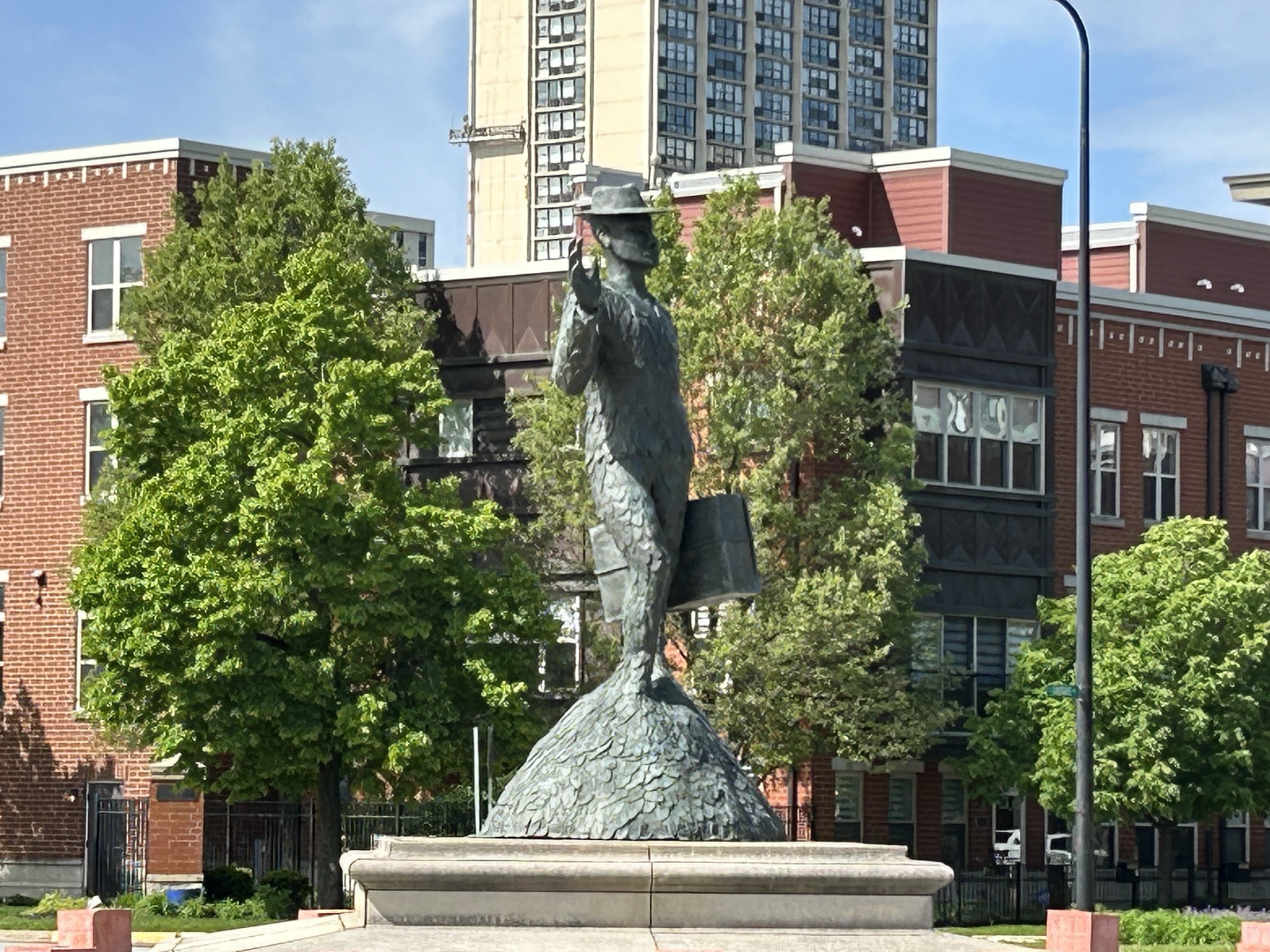
The South Side of Chicago has long been a historic district, and now it will be recognized as its own National Heritage Area. This is the neighborhood of activist Ida B. Wells, the church for Emmett Till’s funeral, of poet Gwendolyn Brooks, boxer Jack Johnson, musicians Louis Armstrong and Nat King Cole, and where a young community organizer named Barack Obama worked before law school. 1/2 a million African Americans moved to Chicago during the early 20th century. Above is the Monument to the Great Migration at MLK & 25th, welcoming people to join the community, and every so often you will find a bronze plaque recognizing accomplished residents on the walk to 35th, where there’s another statue, honoring the African American soldiers who chased the Germans at the end of WWI.

The neighborhood continues south, with many beautiful brownstone buildings and a few blues venues. Unfortunately, many historic buildings—like the Checkerboard Lounge where Muddy Waters used to play—were lost to poor government planning, an expressway that cut the neighborhood off, and expansion of the University of Chicago. Establishing a specific heritage area helps recognize the unique cultural value of a neighborhood, encouraging more visitors by promoting it. Now, I expect Black Metropolis will continue experiencing its renaissance, and I look forward to trying the food at Bronzeville Soul (closed Mondays) the next time I pass through town.