Favorites from All 508 Sites in 48 States

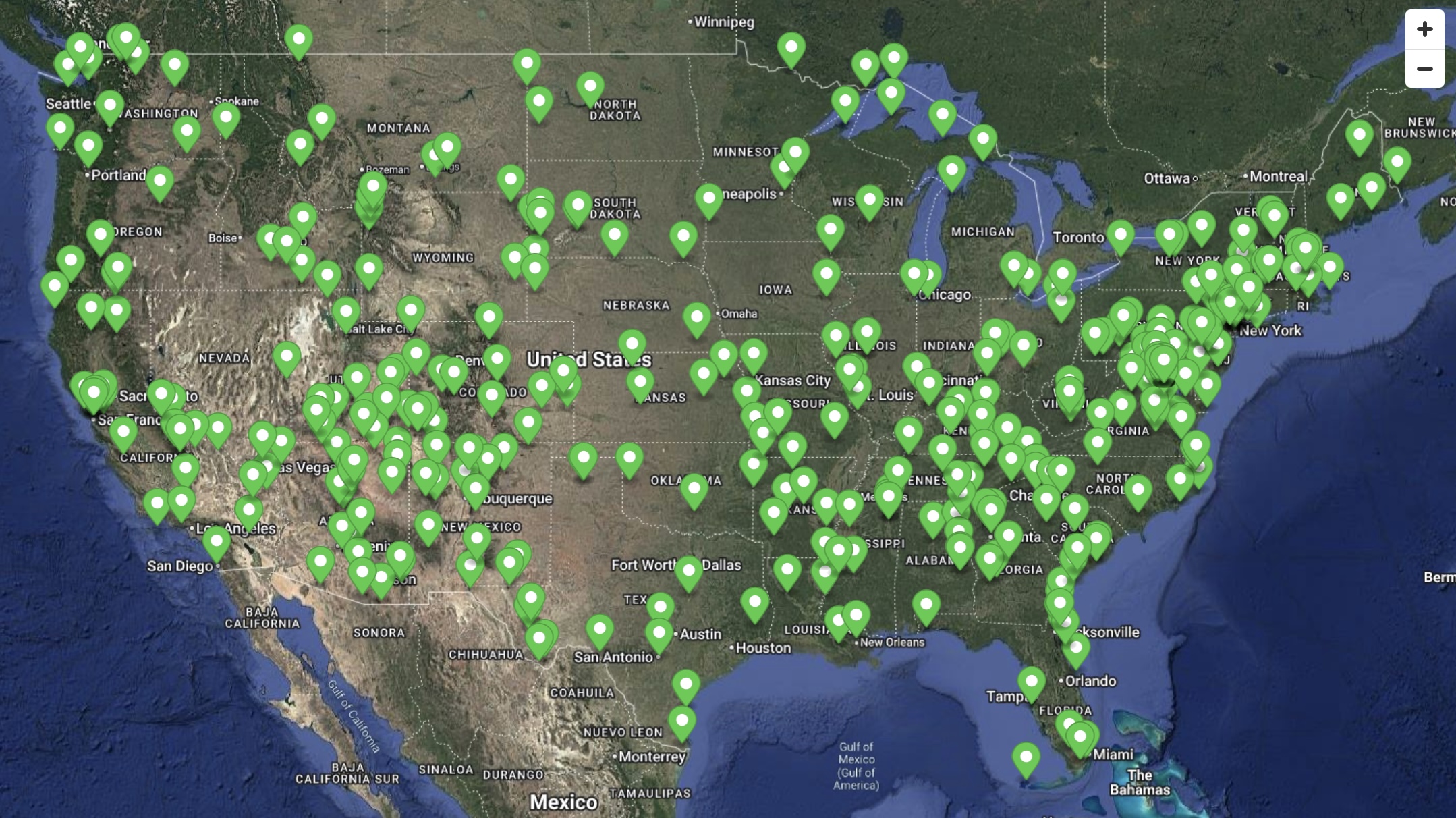
Late this year, I visited my 395th park site, earning a rare park stamps award for all official NPS sites in the 48 contiguous states (see map). Plus I drove my EV to 29 NPS affiliates, 60 heritage areas, and 24 national trails (not on map). Read about my favorite sites below.

Screenshot of my NPS unit Visitation Map from the National Park Travelers Club website.

Best’ is subjective, as it depends so much on your individual taste and experience. If you are lucky enough to have great weather, a lucky wildlife sighting, or an inspiring ranger-led tour, that day will be one of your favorites. Click on the links to read my past favorites from 100, 200, and 300 park units visited, and here are favorites from 400 park sites, including affiliates, heritage areas and trails. I have no changes to my previous favorite park units, but I have a few additions.

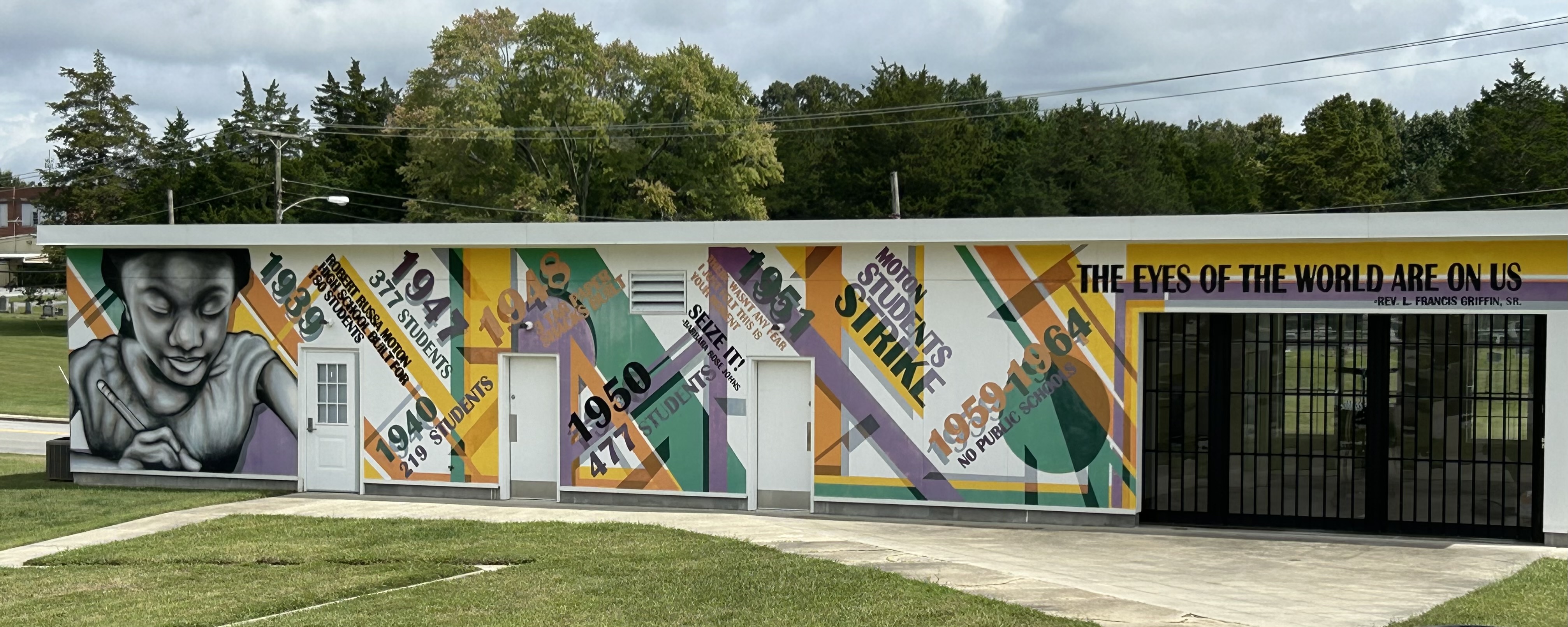
Best Civil Rights Affiliate: Robert Russa Moton Museum.

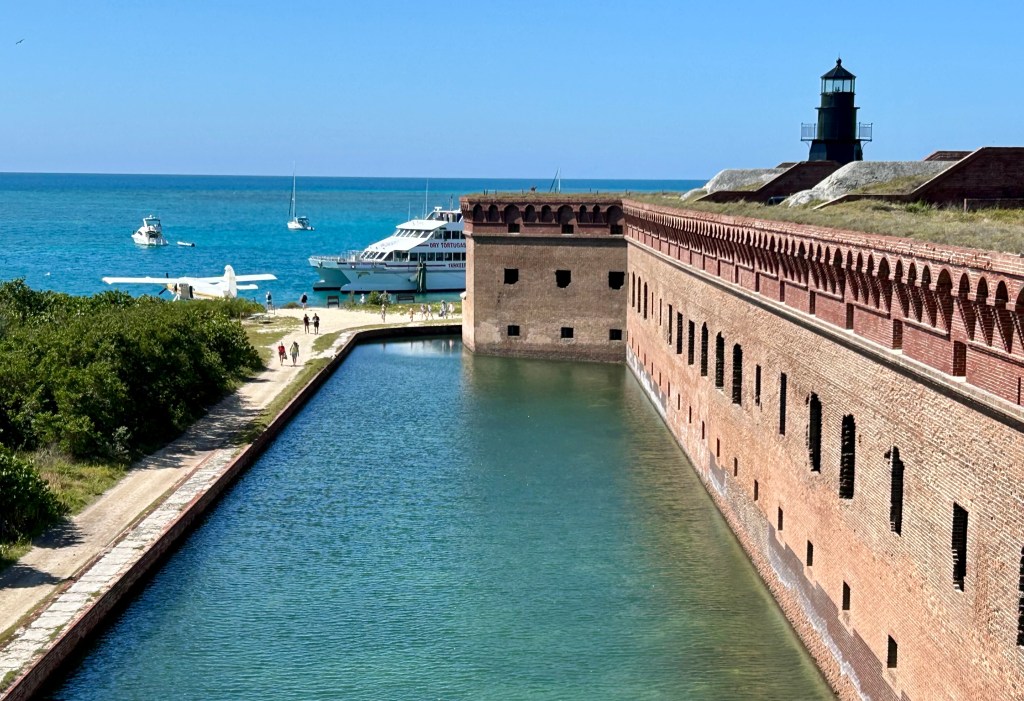
Best Flightseeing Tour: Dry Tortugas.

Best Garden: International Peace Garden.

Best Handshake: Red Hill.

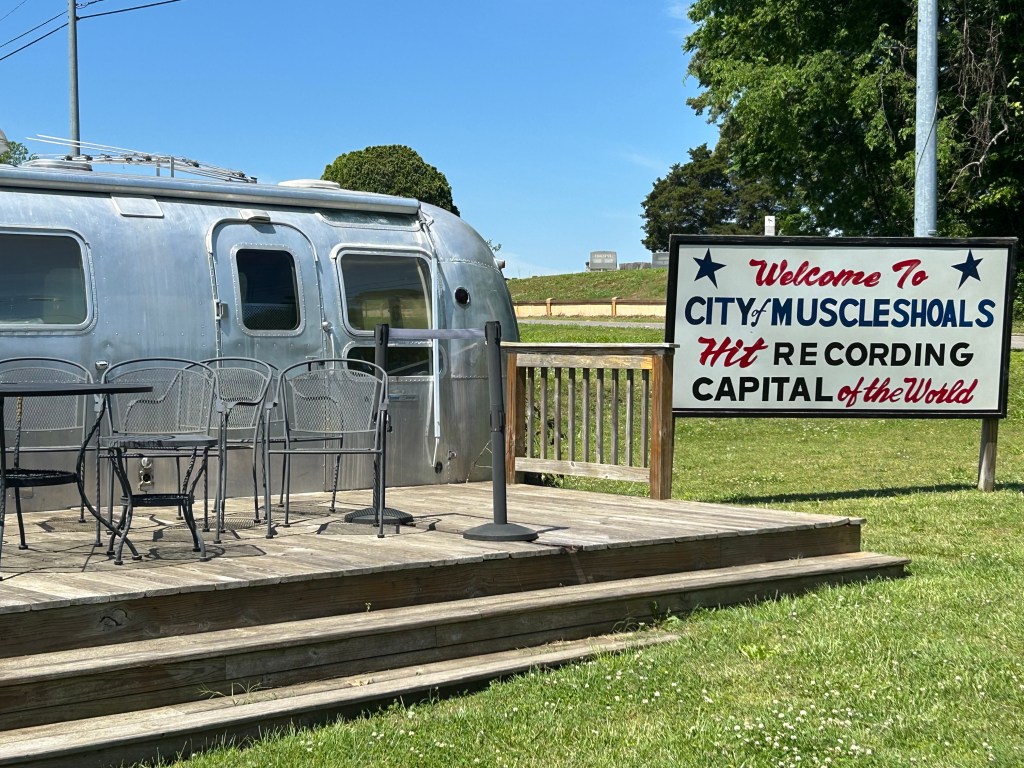
Best National Heritage Area: Muscle Shoals.

Best Paddling Tour: Channel Islands.

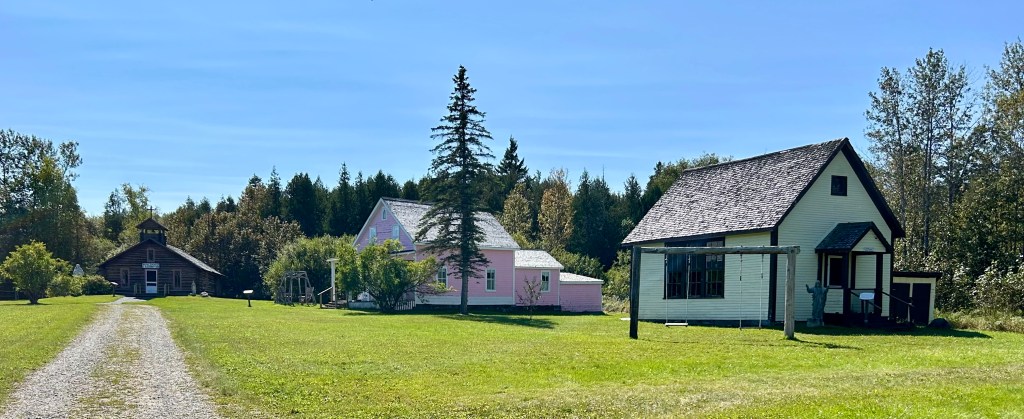
Best Partner Site: Acadian Village.

Best Revolutionary War Affiliate: Camden.

Most Demolished Since My Tour: White House.

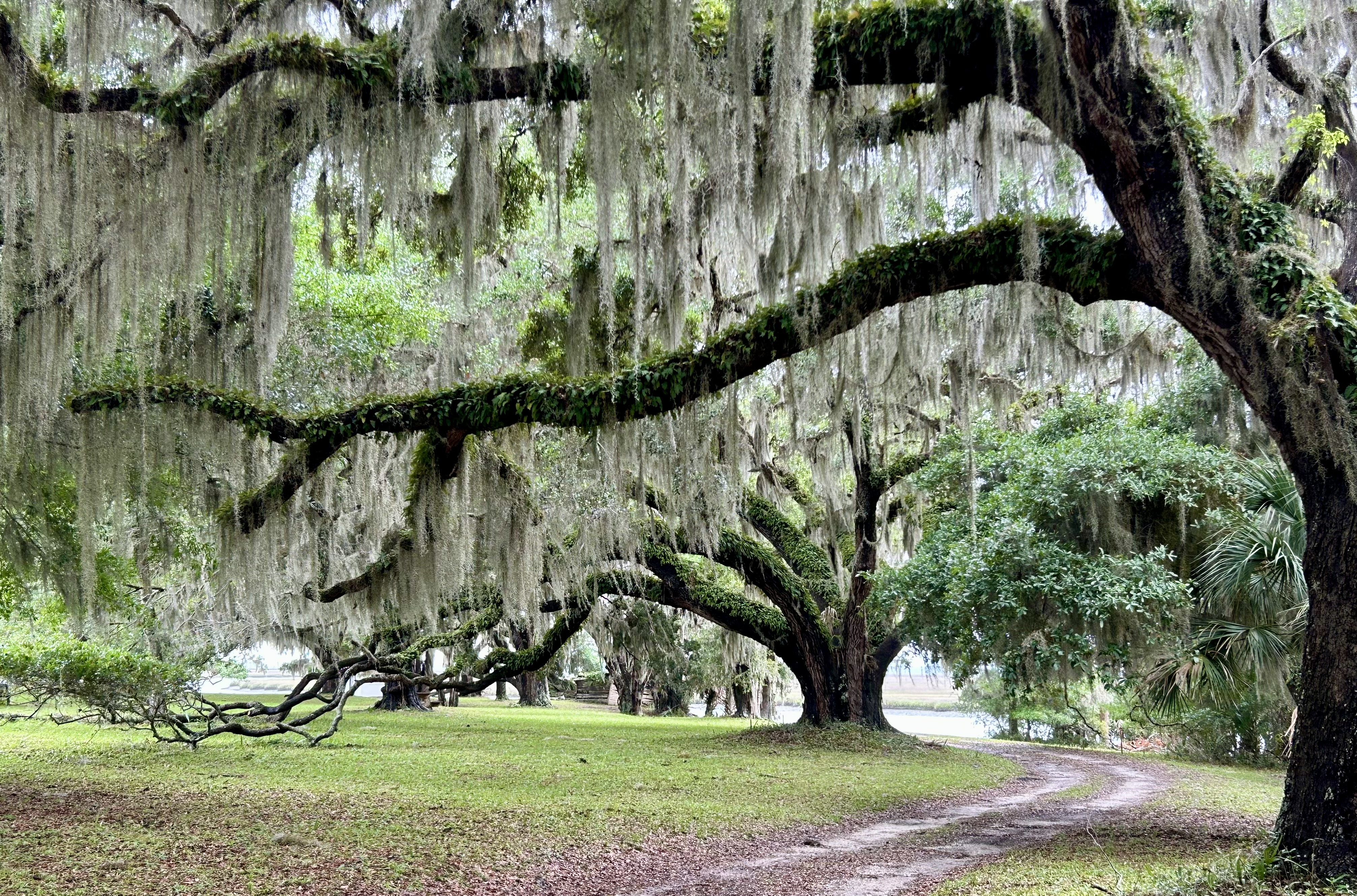
Most Hauntingly Evocative Past: Cumberland Island.

Most Irrevocably Damaged by Climate Change: Biscayne.

All Southeast Sites *

The southeast region has more park units (70) than any other region, and I have visited all the units—*except 6 in US Caribbean territories—including all the affiliates, heritage areas and trails in Alabama, Florida, Georgia, Kentucky, Mississippi, North Carolina, South Carolina and Tennessee. Given the large number of states and parks involved, the summary below is organized by theme.

Natural Areas

All of the National Parks in the southeast preserve natural areas, including the reef area of the Florida Keys from Biscayne to the Dry Tortugas, the lowlands of Congaree and the Everglades, the Great Smoky Mountains, and even underground at Mammoth Cave. Other park units, Canaveral, Cape Hatteras, Cape Lookout, Cumberland Island and the Gulf Islands, protect barrier islands. Big Cypress, Big South Fork, Chattahoochee River, Little River Canyon and Obed River all protect diverse riparian areas.

Pre Civil War

Ocmulgee Mounds, Russell Cave and Timucuan stretch back before history, but Horseshoe Bend covers a tragic event in Native American history. Several sites cover early colonial history, including Castillo de San Marcos, De Soto, and Forts Caroline, Frederica, Matanzas and Raleigh. Cowpens, Guilford Courthouse, Kings Mountain, Moores Creek and Ninety-Six cover the Revolution. Blue Ridge, Cumberland Gap, Lincoln Birthplace, Natchez HistoricParkwayTrace, and Pinckney, trace the path of history in the southeast, culminating in the war to abolish slavery.

Civil War and beyond

Andersonville, Brices Cross Roads, Camp Nelson, Chattanooga, Forts Donelson, Pulaski and Sumter, Kennesaw Mountain, Mill Springs, Shiloh, Stones River, Tupelo and Vicksburg are Civil War sites. Johnson, Reconstruction, and Tuskegee Institute cover post war struggles. Carter, Sandburg & Wright Brothers are historic highlights. Birmingham Civil Rights & Freedom Riders, Emmett Till, MLK, Medgar Evers, and Tuskegee Airmen reveal the continuing struggle for Civil Rights.

I learned more traveling in the southeast than any other region, as the area is so rich in history and culture. And the preserved natural areas include some of my favorite park experiences, from underwater and underground, to rivers and shores, and to wildlife experiences in mountain forests. And they can all be explored without traveling in a carbon-burning vehicle.

Best of the Midwest

Best Park: Isle Royale. Wildlife, wilderness, multi-day hiking, boating, camping, forests, mountains, waters. Isle Royale, above, is the best Midwest park in many categories, despite being the least visited national park in the lower 48.

Best State: Missouri. Under-appreciated Missouri has Ozark Scenic Riverways, a karst-cavern, spring-fed paddling, sparkling gem, and Ste. Geneviève, a cultural midwestern marvel, not to mention Gateway Arch and more.

The Midwest specializes in history, exemplified by these best-in-class parks.

Best Bicycling: Cuyahoga Valley.

Best Heritage Area: Freedom’s Frontier.

Best Museum(s): Dayton Aviation.

Best Native American Site: Pipestone.

Best Place to Lose Yourself in Nature: Voyageurs. (Get a boat-in campsite.)

Best Ranger: Nicodemus. She’s part of the living heritage.

Best Scenery: Pictured Rocks.

Best Trail: Learn About all the Pioneer Trails at Scotts Bluff.

Best World Heritage Site: Taliesin.

Most Tragic Folk Song: Keweenaw.

Read more about all parks in the Midwest region.

Affiliated Sites in Mid-Atlantic

All Mid-Atlantic NPS affiliate sites done ✓, including important colonial and civil rights history.

  • Benjamin Franklin National Memorial is inside the lobby of a Philadelphia science museum.
  • Delaware Brown v. Board of Education Civil Rights Sites include several schools.
  • Gloria Dei Church National Historic Site is in Philadelphia and not to be confused with this.
  • Green Springs National Historic Landmark District is a rural area of Virginia.
  • Jamestown National Historic Site is part of a larger park near colonial Williamsburg Virginia.
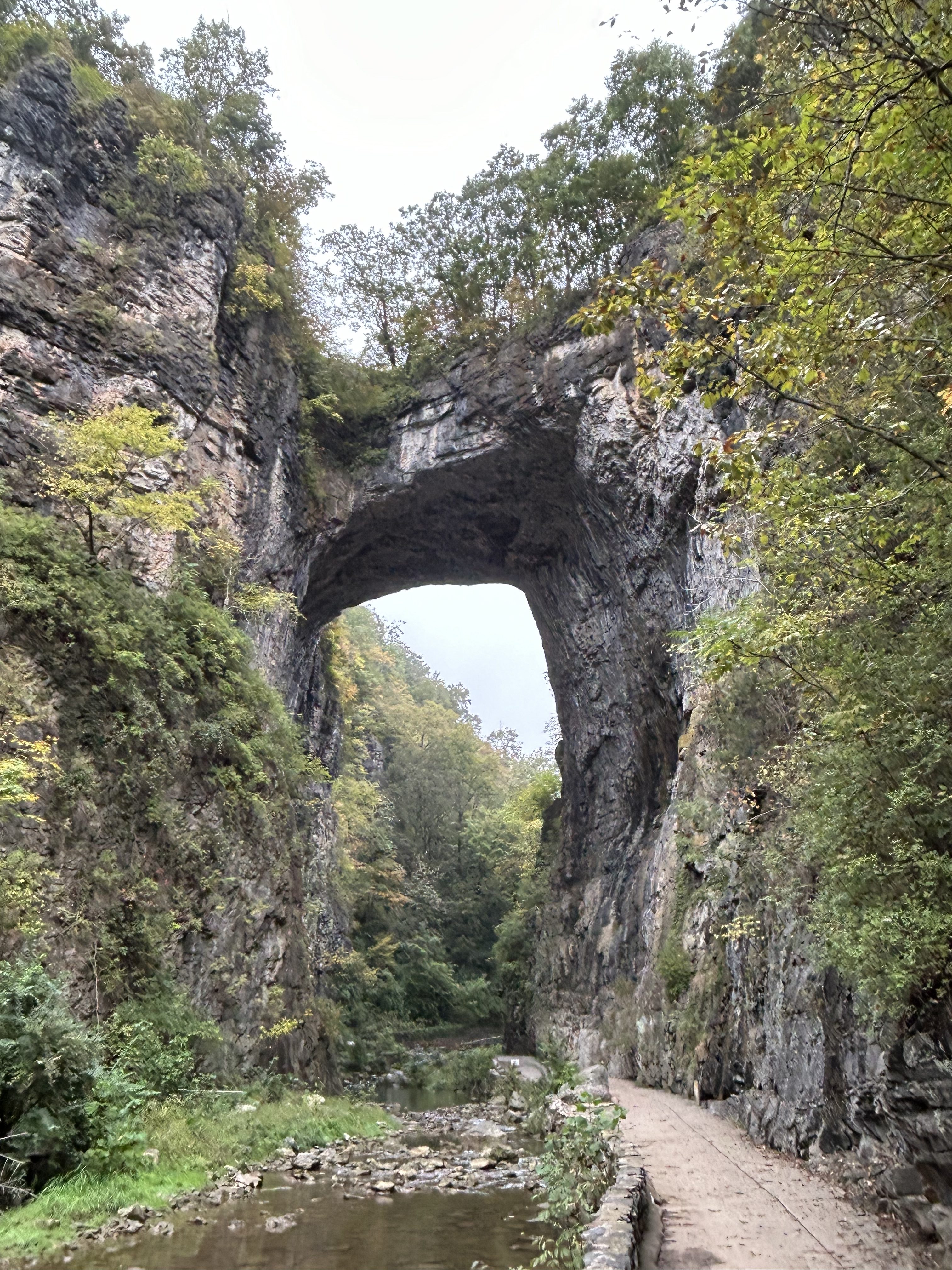
  • Natural Bridge State Park contains the historically important geologic feature below.
  • Pinelands National Reserve is a large forest biosphere in New Jersey.
  • Red Hill—Patrick Henry National Memorial is a large historic estate and museum in Virginia.
  • Robert Russa Moton is the school site above of a student Civil Rights protest.

Read more about affiliate sites and see those in other regions.

Best of the Southwest

Best Park in the southwest: Big Bend NP in Texas. It has canyons, hiking, rivers, wildlife, views and it takes at least 2-3 days to see it properly. But go around winter, as it’s becoming dangerously hot much of the year.

Best State in the southwest: New Mexico. Some of the best natural wonders and native cultural sites in the country.

Best (and only) Affiliate Site: Oklahoma City Memorial.

Best Cave/ Most Bats: Carlsbad Caverns

Best Culture: New Orleans Jazz NHP. Get the ranger to play some of Louis Armstrong’s old trumpet recordings. And then go out, explore, eat, drink and find some live music.

Freak of Nature: White Sands

Most Haunting: Cane River Creole

Best Heritage Area: Atchafalaya. Deep in the bayou, learn the fascinating stories of the Cajuns!

Best Hiking: Gila Cliff Dwellings

Best Historic Site: Pecos NHP. Do both the Native American history and the Civil War battle tours.

Tallest Ladders: Bandelier

Best National Trail: Butterfield Overland Stage. Although it only ran for a few years, it cuts near the Mexican border through many fascinating historic sites.

Best Native Ruins/ Sacred Sites: Chaco Culture. Tough to get to. Unforgettable.

Best Paddling: Big Thicket. Slalom your kayak through the swamp. Glorious!

Best Recreation: Hot Springs NP. Take a hike or go shopping, if you like, but try to find a place to soak in the old style. Relax and enjoy!

Best Wildlife: Padre Island NS. Hike or better paddle along the shores and count the different species of birds.

Best World Heritage Site: Taos Pueblo. One of the oldest continuously inhabited places in the US.

Read more about my visits to all the parks in the southwest region. See my photos of Arkansas, Louisiana, New Mexico, Oklahoma and Texas.

Appalachian Forest National Heritage Area

Smoke Hole above is a canyon formed by the South Fork of the Potomac River in West Virginia. Excursion trains take visitors on various trips through the area, but there are also country roads. I drove about 10 miles along the canyon admiring the views with fall foliage, and I never saw another person. The C&O Canal and Potomac Heritage NST are also in this NHA, which extends into the mountains of western Maryland. This is a rare, beautiful, underrated spot in the US to hike and enjoy nature.

Beaver Hills Biosphere

This large UNESCO biosphere near Edmonton Alberta includes Elk Island National Park, which has hundreds of plains and wood bison. But Elk Island is fenced, so, as important as that park is for restoring the bison population, I came to see beaver. And on the Beaver Hills Biodiversity Trail, I saw several large beaver dens, like the one above.

Beaver are quite destructive, and their homes are surrounded by felled and drowned trees and pointy stumps. But they also create year round dens and dams with ponds and small lakes for many other species. Besides the many waterfowl, blue dragonflies, and chattery squirrels, I saw a magnificent golden eagle circle above the pond. And of course, I saw five or six beaver, swimming far from their dens, playing and occasionally climbing on branches to dry off, scratch or hang out.

When humans create zoos, safari parks or even national parks with fences, it’s not right to call the enclosed animals ‘wild’. Some may have been born wild, but as long as they’re locked up, they’re no longer wild animals. Humans make the rules in those spaces, so, no matter how we try to copy nature, the spaces are artificial. But when beaver fell trees, build dams and create lakes, they make the rules. And the species gather there naturally. Beaver Hills is a natural area, filled with wild animals, and it is delightful to pause here and take in the peaceful balance of life.

All Parks in North Atlantic, Zero Carbon

I recently completed visits to all national park units in New York and New England. Connecticut, New Hampshire, Rhode Island and Vermont each count only 1 unique park. Maine has 4, including the only National Park in the region. Massachusetts has 14, and New York has 21 unique park units, plus 2 shared with the Mid Atlantic region and 2 world heritage sites. The multi-region Appalachian and North Country scenic trails start/end in the region, and the New England scenic trail crosses Connecticut and Massachusetts. Follow the links for more, including affiliates, heritage areas and the Washington-Rochambeau Revolutionary Route.

Connecticut’s star is Weir Farm, a lovely historic artist home in a rural community. Coltsville is pending. Both heritage areas are shared with Massachusetts: Last Green Valley and Upper Housatonic. Three trails pass through Connecticut: Appalachian, New England and the Rochambeau Route.

Maine has Acadia National Park, France Perkins, Katahdin Woods & Waters, and Saint Croix Island. All four parks showcase the state’s pine woods, clear waters and scenic views, while Perkins celebrates the woman in charge of the New Deal and Saint Croix tells the story of the first French settlers. If you want to hear French spoken, you can visit the Acadian Culture partner village area in the far north, where I hiked as a boy. Mt Katahdin is also the northern terminus of the Appalachian Trail. The coastal area from Acadia to Saint Croix Island is part of the Downeast Maine heritage area, including the bridge to Campobello in New Brunswick Canada.

All of Massachusetts’ parks are historic, even Boston Harbor Islands and Cape Cod seashore, where the Pilgrims landed. Boston, New Bedford Whaling, Salem Maritime and Saugus Ironworks all predate the Revolution. My hometown site of Minute Man focuses on the Revolution, and Adams, Boston African American, Longfellow-Washington, and Springfield Armory cover both the Independence War and later periods. Blackstone and Lowell cover the Industrial Revolution. And Olmsted and JFK cover more recent history. The Bay State also shares the Blackstone, Essex, Freedoms Way, Last Green Valley and Upper Housatonic heritage areas, the Appalachian and New England scenic trails and the end of the Rochambeau Route. If you love America, you must see its beginnings.

New Hampshire is home to the sculptor Augustus Saint-Gaudens’ studio and marvelous sculpture garden. Freedoms Way heritage area is shared with Massachusetts, and the Appalachian Trail crosses the state.

New York’s many historic sites begin with the Oneida portage at Fort Stanwix and the African Burial Ground in New Amsterdam (before the British captured the Dutch settlement and renamed it after the Duke of York). Federal Hall and St Paul’s Church illustrate the fight for freedoms that launched the Revolution. Fort Saratoga was a key turning point in that war. Hamilton Grange and Van Buren’s home reveal early American leaders. Castle Clinton and Governors Island preserve harbor forts. Harriett Tubman’s home in upstate New York teaches how she guided slaves to freedom and led a daring raid during the Civil War. Grant’s Memorial honors his service to our country as both general and president. Three sites are devoted to Teddy Roosevelt: his birthplace, inaugural site and Sagamore Hill. Women’s Rights are honored in Seneca Falls and at Eleanor Roosevelt’s home in Hyde Park, near FDR’s home and their neighbor’s modest Vanderbilt Mansion. And last, but not least, the historic Stonewall Monument stands proudly in the city.

Also in New York, Fire Island seashore, Gateway Recreation (shared with New Jersey) and the Upper Delaware River (shared with Pennsylvania) all preserve nature. The Kate Mullany, Lower East Side Tenement and the Thomas Cole sites are great affiliates to visit. The Champlain Valley, Erie Canalway and Niagara Falls heritage areas have miles to explore. The Appalachian hiking trail, John Smith Chesapeake water trail, North Country scenic trail and the Rochambeau Route pass here. New York also has the only world heritage sites in this region: Frank Lloyd Wright‘s Guggenheim and the Statue of Liberty.

Rhode Island protects our religious liberty at Roger Williams and affiliated Touro Synagogue, and the state preserves our mill town history at Blackstone, which extends into Massachusetts within a broader eponymous heritage area. The Rochambeau Route begins here.

Vermont is home to Marsh-Billings-Rockefeller experimental forest, not far from where the Appalachian and North Country scenic trails meet.

Boston Harbor Islands National Recreation Area

The view above is from the Ramparts at Fort Warren on Georges Island, one of the 34 beautiful & fascinating islands. The fort didn’t come into play in the Civil War, except as a prison for Confederate soldiers. When I was here in my youth, I heard the spooky story of the Lady in Black, who haunts the cliffs and corridors. With the help of local sympathizers, she snuck into the fort, whistled a tune that her husband knew, found him but accidentally shot him during the escape. She was tried and executed for treason, in a dress she had sewn herself from black curtains in the commander’s office. Her shadowy ghost has been seen by many since the Civil War.

Alas for fans of the supernatural, the story is nonsense. Despite the obviously dramatic appeal, there are no contemporary records of the women herself, the escape attempt, the death of her husband, the arrest, the investigation, the trial or what would have been the first official hanging of a woman for treason during the Civil War. The story began in the 1950s or 60s to encourage folks to visit the old fort in summer. But apparently we prefer lies to the truth. And nothing cools you off on a hot day like sitting in a dark 65° man-made cave listening to a ghost story.

The islands have been also been used as summer fishing grounds by Native Americans, by pirates, smugglers, for quarantine, as schools or asylums, and as way-stations on the Underground Railroad. Outward Bound holds one of its programs on Thompson Island, which Nathaniel Hawthorne once described as “a little world by itself”. The School for Field Studies once hosted me (photo) and a few other whale watchers for a month on a boat, including a day writing up our research in the church on Peddocks Island. A few of the islands remained relatively unchanged since the glaciers receded leaving steeply eroded drumlin cliffs and long low sand-spits. But Spectacle Island had to be completely reclaimed from “trash island” to beautiful natural recreation area.

The Boston Harbor of Tea Party fame is in the inner harbor in the distance above. The Tea Party Ships & Museum on Griffin’s Wharf is not part of the park service, but it’s a fun hands-on spot to learn about ‘no taxation without representation’. The Harbor Island ferries mostly leave from Long Wharf near Faneuil Hall, which is on the Freedom Trail. The islands make a nice excursion if you’re visiting Boston during their open season from mid May to mid October. Since I had already traveled to the islands many times by sailboat, I simply rode the park-partner ferry out for a few hours to take some photos and reminisce. But as I write this today, I can’t help but think about tomorrow’s election. We owe it both to those who fought to create and protect our country and to our future, to hold tightly to our democracy, and vote.

Adirondack Biosphere & Champlain Valley National Heritage Partnership

Much of upstate New York belongs to the Adirondacks, with old mountains, lakes, forests, wildlife and scenery. Two of the more famous tourist spots are the High Falls Gorge (above) and the Ausable Chasm (below), both on the Ausable River—from the French ‘au sable’ meaning ‘sandy’—which is fed from Lake Placid and flows down to Lake Champlain. Since they’re well developed old trails, walking along the secure walkways and overlooks costs about $20 each, but I think they’re still worth it, though neither is quite the scale I imagined for the ‘Grand Canyon of the East’.

Lake Champlain is part of the water route from New York City to Quebec, so several key battles were fought in the area, including at Saratoga and during the War of 1812. The British were winning in 1814, having sacked DC, but Thomas Macdonough won the Battle of Lake Champlain aboard his ship, the USS Saratoga, thwarting a British invasion down the Hudson in 1814.

This National Heritage Area preserves both history and beautiful nature, including Marsh-Billings-Rockefeller in Vermont. The Champlain-Adirondack Biosphere is also recognized by UNESCO for its forests, wetlands and mountains in both upstate NY and about 1/2 of Vermont. Unfortunately, the Trump administration ended the only other UNESCO Biosphere in the North Atlantic Region at New Hampshire’s Hubbard Brook hardwood forest research. Still, there are many other fascinating places to visit in this diverse heritage area, such as the Antique Boat Museum in Clayton New York on the St Lawrence River, as well as the scenic homelands of the Algonquin and Iroquois people near the Canadian border.