Best of DC

Before the 4th of July tomorrow, let me point out a few highlights from the 23 national park sites in our nation’s capital. Although this was my first region completed, I’ve returned several times for reopened exhibits and other sites. There’s lots to see and do in this compact city.

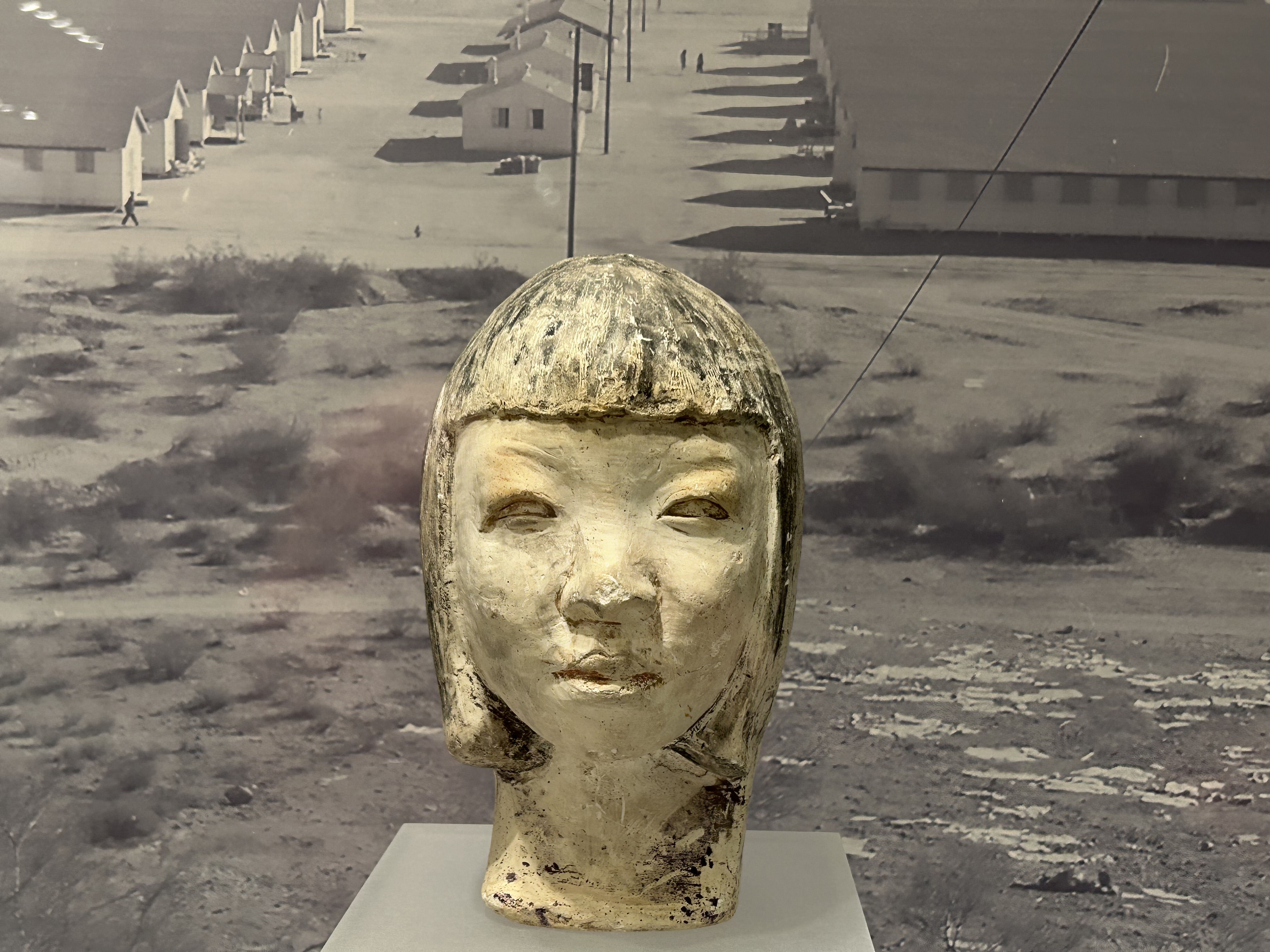
Best historic site: the Frederick Douglass home has much to teach us about the 19th century Civil Rights leader. (The recently refurbished Belmont-Paul house is also well worthwhile).

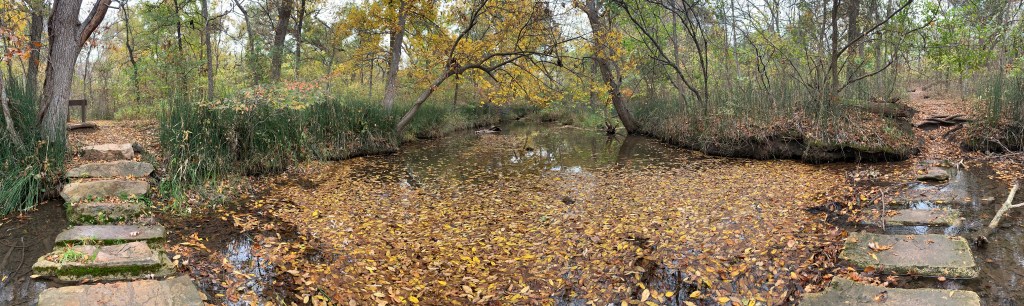
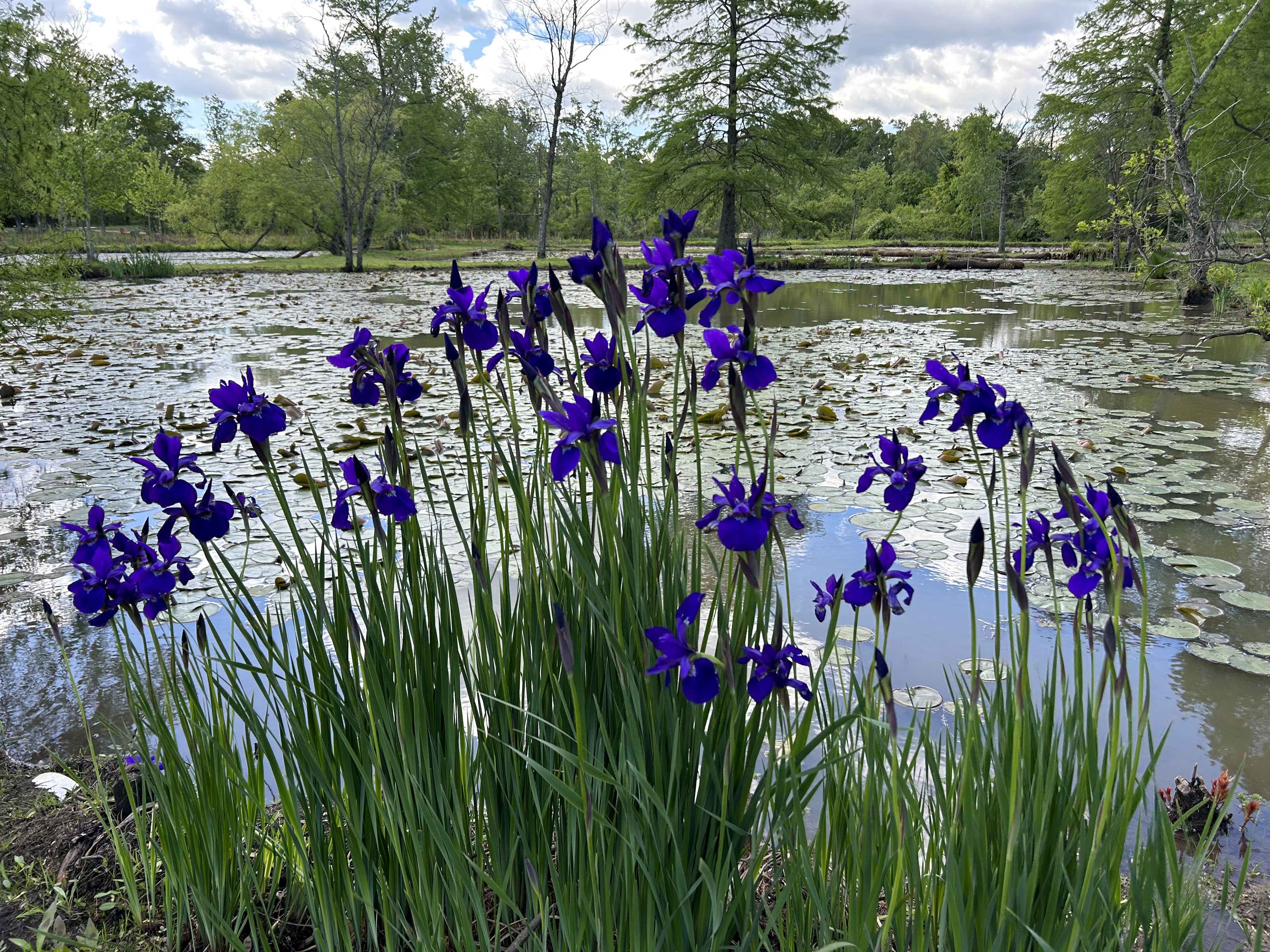
Best park: Kenilworth Park & Aquatic Gardens is beautiful, especially from lotus & lilies blooming in summer, with birds and reptiles and more to see all year.

Best presidential memorial: the Lincoln Memorial, with French’s statue inside, overlooking the reflecting pool outside.

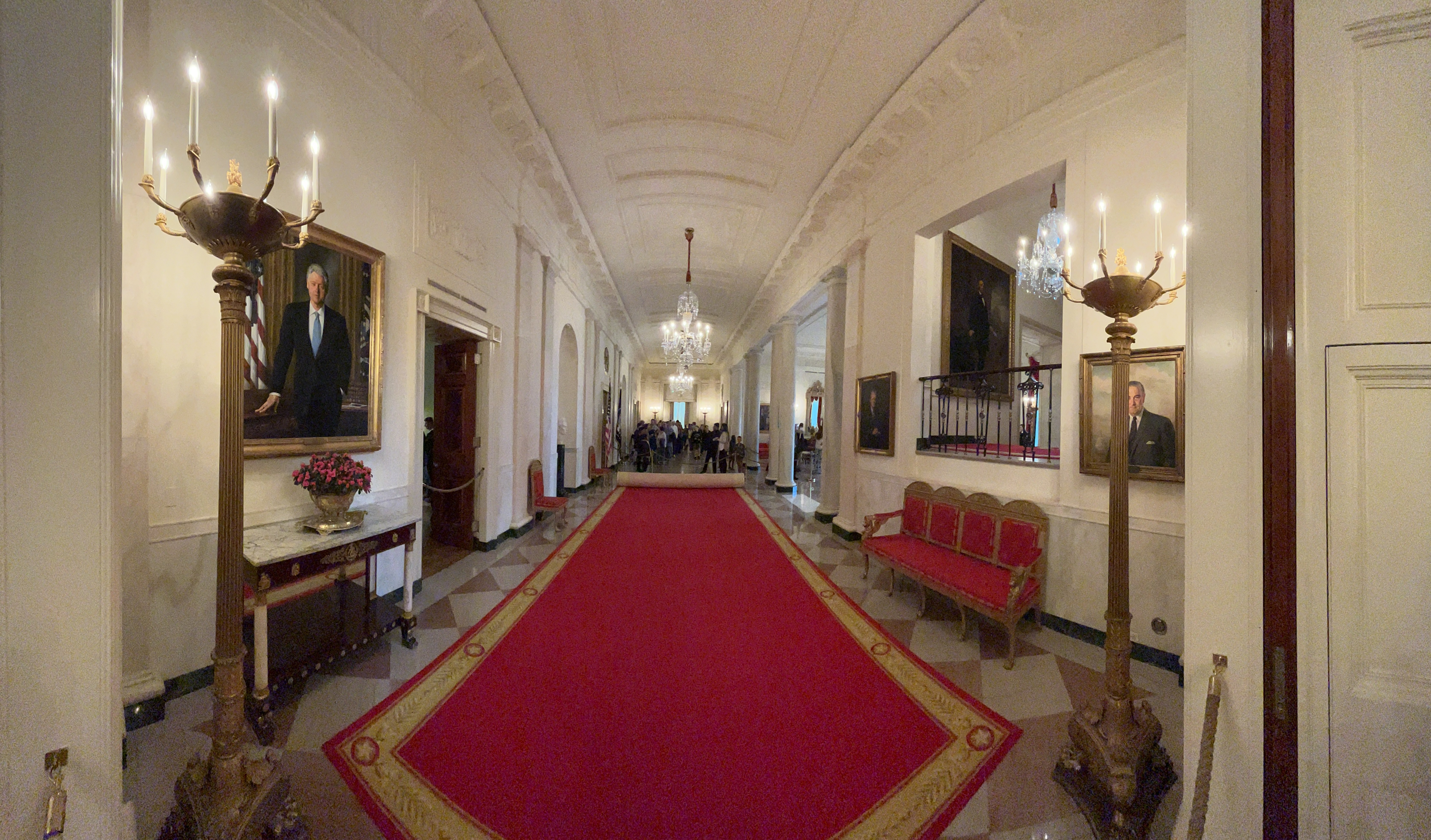
Best tour: the White House. Contact your Congressperson and get a ticket.

Best view: top of Washington Monument. I know it’s a pain to get tickets, that it’s cramped and the windows are small. But Washington hired L’Enfant to design the city & mall, and from here it all makes sense.

Best war memorial: the Vietnam Veterans Memorial takes you beneath the green grass to grieve.
Hope you have a happy Fourth of July!

Oklahoma in Photos

The Chickasaw National Recreation Area preserves a diverse ecotone habitat of east and west. The affiliated Oklahoma City National Memorial reflects a devastating, vengeful and misguided strike against the US. Washita Battlefield National Historic Site memorializes a devastating, vengeful and misguided attack by the US Cavalry.

Three historic trails pass through the state: Butterfield, Santa Fe and the Trail of Tears. A small part of Fort Smith too is on the Oklahoma side of the Arkansas River. Oklahoma may not have as many parks as other states, but it is beautiful and moving.

Gila River

Despite not being on the West Coast, the US military evicted all American citizens from the southern part of Arizona during WWII as potential ‘navy base saboteurs’, if they had Japanese ancestry. The military’s arbitrary exclusion zone ran through Phoenix, so if you lived on the south side of the city, you wound up incarcerated while your family on the north side kept their homes.

Like Poston, most Japanese-Americans were taken from their homes in Southern California. The barracks in the background of the photo above comprised a small part of camp 2 or Butte Camp at Gila. The Gila River Tribal Community protested, but the military appropriated over 17,000 acres of their land anyway and concentrated roughly 15,000 people here according to their ethnicity. 

The tribal community had been struggling since the Gila River was diverted by white settlers beginning in the 1880s. In 1934, archaeologists dug up their ancestral burial grounds, and after they dug again in 1964, the government also created a national park site. Now that site is closed and the tribes don’t allow visitors there. 

Survivors of internment built a monument on the ‘internment camp’ site, but someone shot it up with a machine gun a few years back, and unless you’re family, you can’t visit the site now. Given all the tragedies and harm done here under the American flag, seems like folks might benefit from a government funded educational center explaining the history and the importance of respecting Constitutional rights. 

The Gila River Tribal Community runs the excellent nearby Huhugam Culture Center free museum, which contains a small display case of ‘relocation center’ artifacts, including two busts of young prisoners. The one pictured is Sayoko ‘Jean’ Kawamura, and the other has no name, forgotten to history.