National Heritage Areas in Georgia

In addition to part of the multi-state Gullah Geechee Cultural Heritage Corridor, Georgia has two unique heritage areas.

Arabia Mountain is a large site east of Atlanta, managed in sections by city, county and state park rangers. While Stone Mountain—infamous for its carving of three traitors—just north has similar granite monadnock geology, Arabia Mountain is a natural area, protecting Diamorpha and other rare species that thrive in shallow sandy puddles in the rock. It’s more of a low granite hill with a gentle slope, and there are signs of quarrying. At the top, I saw a Killdeer (see photo above) drinking out of one of the larger pools, so I turned on my birdsong identifier app and quickly recorded 18 more birds, including an uncommon Swainson’s Thrush, an Indigo Bunting, a Purple Martin, a Tufted Titmouse, 2 different Vireos and a Red-shouldered Hawk. I was well pleased for such a short hike. Panola Mountain is an even more protected part of the Arabia Mountain heritage area, but you need to reserve a hike with a ranger to climb it. The historic quarrying town of Lithonia is also in the area and has an old African American cemetery.

The other heritage area is the Augusta Canal NHA. That’s a miles long canal with tow-road paths, parks and views from the north of the city down to the historic district. The most famous historic sight along the canal is the Confederate Powderworks square chimney below. It’s the last remnant of the city’s impressive wartime industry. Late in the Civil War, one of the gunpowder mill buildings exploded killing 9, including one boy, which also sparked a strike. There’s now a fancy new Salvation Army multi-function center funded by the founder of McDonalds across the canal. The waterfront is a pretty area to hike or kayak.

Pictured Rocks National Lakeshore

Superior is the biggest, deepest and cleanest of the Great Lakes, and our most scenic lakeshore park is on the north coast of the upper peninsula of Michigan. Within the park are ~10 miles of dramatic 200’ cliffs, painted by various minerals washed through the sandstone, and the best way to see is by boat. The pastels, turquoise shallow waters, green trees, blue skies and waterfalls (below) are spectacular.

Besides taking a popular commercial tour of the most scenic section of the cliffs in a couple hours, as I did, it’s possible to kayak or to hike along the edge. Lover’s Leap (above) has only 3’ of water below, so don’t take it literally. The lakeshore trail—part of North Country NST—is 40+ miles over dunes, creeks, and long beaches, with many side trails exploring forests, marshes, and lookouts. Short hikes can be done near the ends of the park, but the middle is roadless.

Niobrara National Scenic River

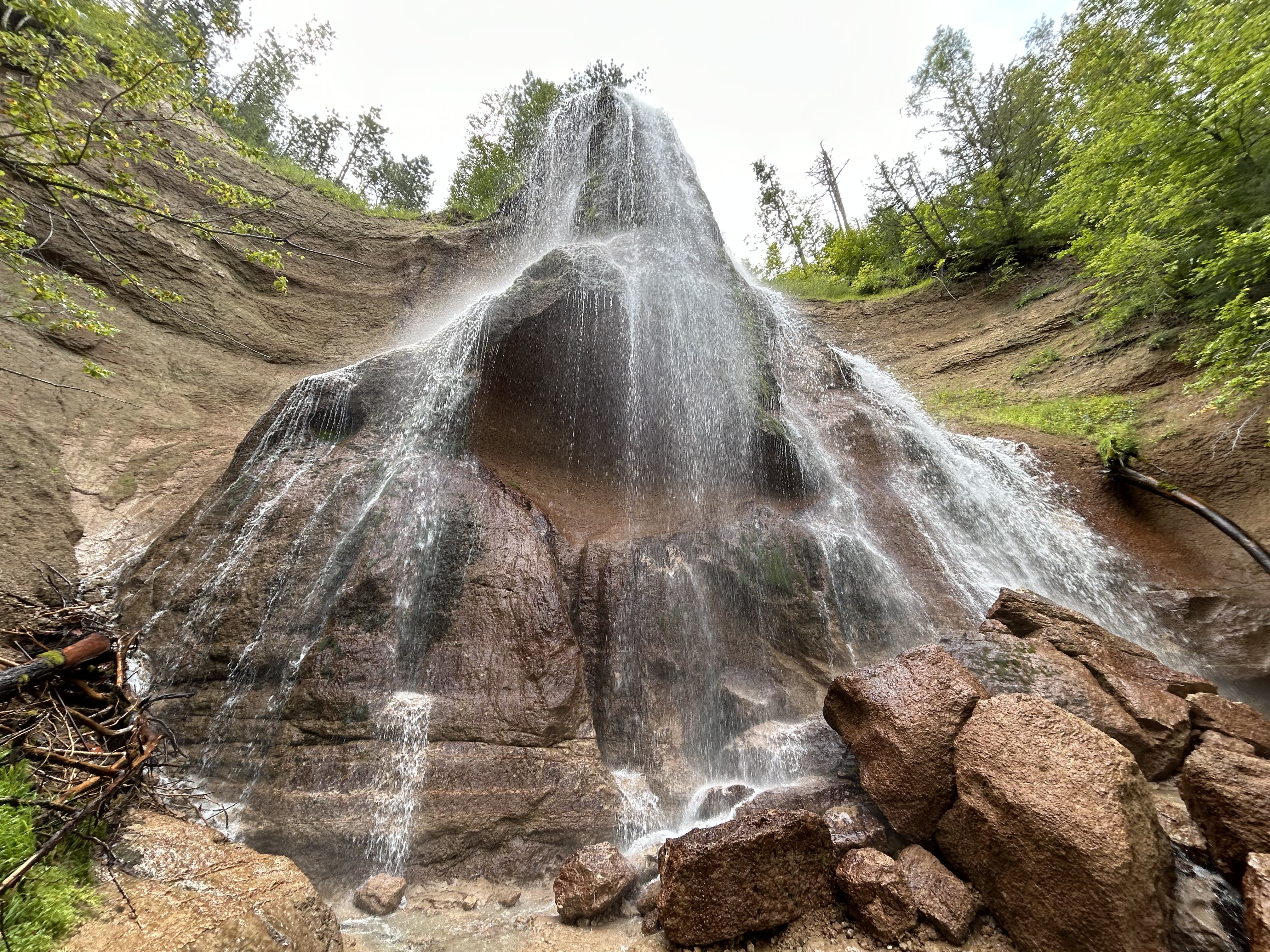
Smith Falls above is the largest waterfall in Nebraska, and it makes a good picnic stop when floating down river. I got a ride with Little Outlaw from Brewer Bridge up to Fort Niobrara and kayaked back. Most people start at Berry Bridge and just float down on giant tubes ‘lazy river’ style, but they miss the pretty part at the beginning. I suppose the nature reserve doesn’t allow alcohol, so that may explain it. Either way, it’s very pleasant, with thick grassy banks, high bluffs, a couple of Great Blue Heron, several smaller waterfalls and no boat engines.

The interesting little town of Valentine is a decent base, with the small visitor center and places to stay. It’s in a well known Dark Sky county, which makes sense since the area is remote & peaceful. There’s a large nature reserve to the south, where I spotted a bald eagle but no bison. With all the space, they should have even more wildlife areas. Somewhere downriver were likely hideouts of bank robbers Frank & Jesse James. There are a number of reservations in the area, especially in South Dakota. There are not many places to charge, so I had to plan and drive a little slower than usual. Be sure to try a Runza—meat pie/ sandwich—if you see the local chain restaurant in one of the larger towns. I recommend mushroom Swiss.

Gauley River National Recreation Area

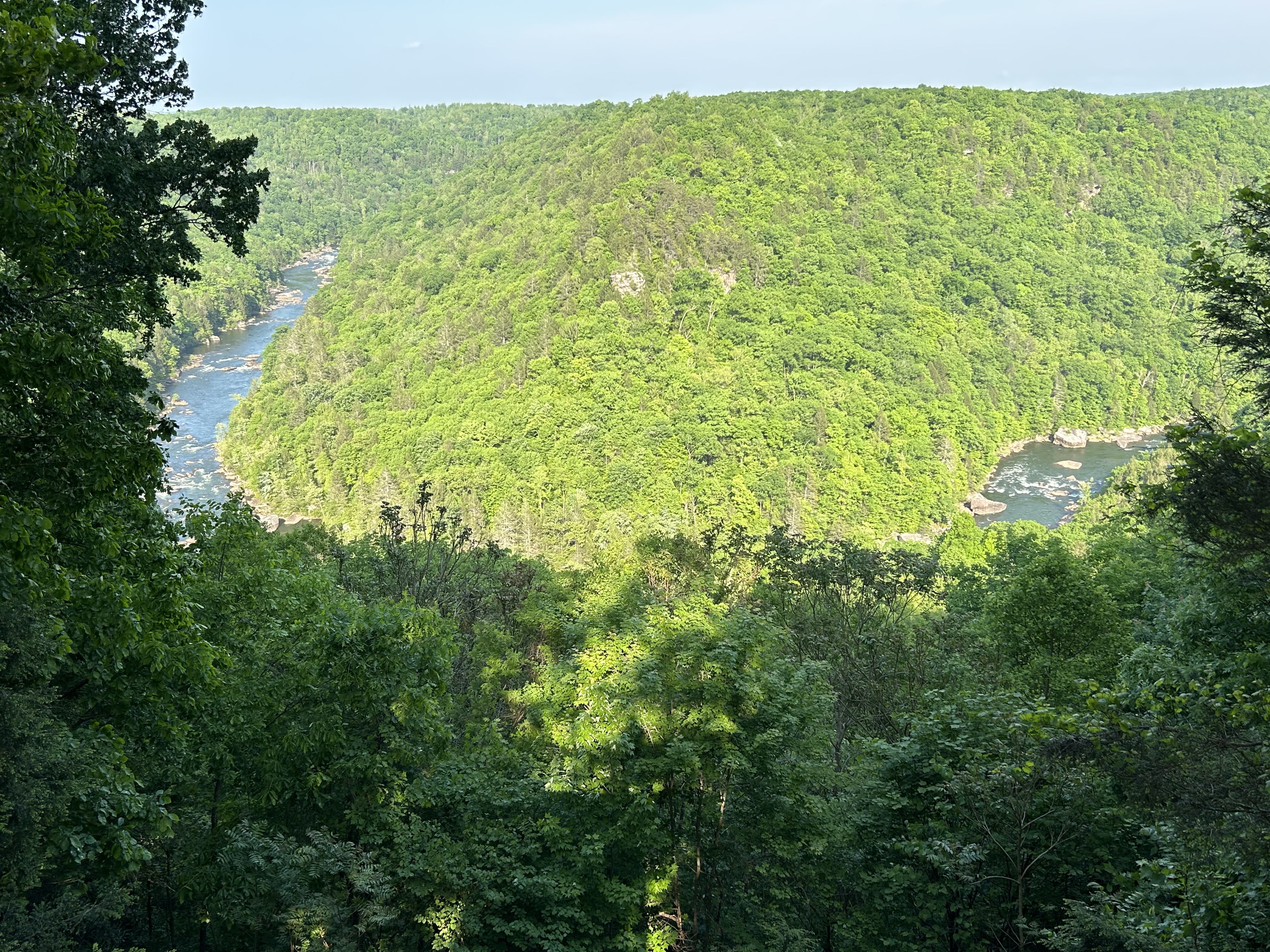
Upstream is the large Summersville Lake, which is drained each fall, creating a spectacular world class 25 mile whitewater kayak run for a few weekends through these woods and around the Pillow Rock Rapids bend above. The rest of the year, the West Virginia park belongs to the wildlife, without any significant visitor facilities and few easy access points. Information on hiking trails is available at New River Gorge nearby.

Obviously the whitewater is above my skills even if I waited until September, so I just decided to admire the views and hike in the beautiful woods. The best place for that is not the park campground—which is just a parking lot and kayak launch at the base of the Summersville Dam.

The place to go is the Carnifex Ferry Battlefield State Park—which commemorates the Civil War Union victory that helped drive the Confederacy out of western Virginia eventually leading to the creation of West Virginia. This is where I took the photo above, and where I walked into the park on the old ferry ‘road’ or trail. The state park is day use only, but it has nice facilities, beautiful lawns and a monument.