Heritage Areas in Pennsylvania

Pennsylvania has eight National Heritage Areas, by far the most of any state, and I have visited them all by EV. Kudos to their politicians, but Pennsylvania does have many unique areas worth visiting.

The Delaware & Lehigh National Heritage Corridor includes the National Canal Museum with summer canal boat rides and different trails and bike paths along historic routes for coal and early American industry. The trail runs (with a few gaps) from the Lower Delaware River, through Allentown and will eventually connect with Wilkes Barre on the Susquehanna River.

The Journey Through Hallowed Ground NHA covers Civil War sites across four states, with Gettysburg being the star in Pennsylvania.

Lackawanna Valley NHA’s star is Steamtown above, but the area includes electric trolleys, as well as historic coal, iron and industrial sites.

The Oil Region NHA includes Drakes Well and other sites related to the birth of the modern petroleum industry in the Quaker State.

Fort Necessity and Friendship Hill are both in the Rivers of Steel NHA, but the historic focus is best seen by visiting sites like a blast furnace or a foundry & machine shop that explain how the steel industry began.

Schuylkill River Greenways NHA includes Hopewell Furnace, Independence NHP and Valley Forge NHP, but there are also over 100 miles of river to explore paddling, hiking or driving. (Say SKOO-kil meaning ‘hidden river’; so Schuylkill River is redundant.)

Susquehanna NHA focuses on the river valley and colonial York more-so than the Amish communities of Lancaster County, and there are many beautiful natural places to explore.

The Path of Progress National Heritage Tour Route is currently a bit DIY, but it includes Allegheny Portage, Fallingwater and Johnstown Flood sites along picturesque, winding historic roads.

Midwest Region National Heritage Areas

The Midwest region has 8 NHA’s—more than most regions—ranging from industrial to pastoral, and most are devoted to travel by horse, boat, car or plane. Each heritage area provides a unique way for us to learn our history and explore our diverse culture in vibrant and interactive ways, such as riding in a Santa Fe Trail stagecoach above. Parks travelers tend to focus on the most famous iconic national parks, but I found some of my most treasured experiences below.

If you missed any of the posts above, I encourage you to click on them now, especially the last one. I’m slowly filling in the map and will continue posting Midwest state photo summaries on alternate Saturdays. I only have a few more Midwest national park units to post before I complete all sites in the region, and look for a few more New York sites. Thursdays will alternate between summaries like this one and eclectic extras like last week.

Hopewell Furnace National Historic Site

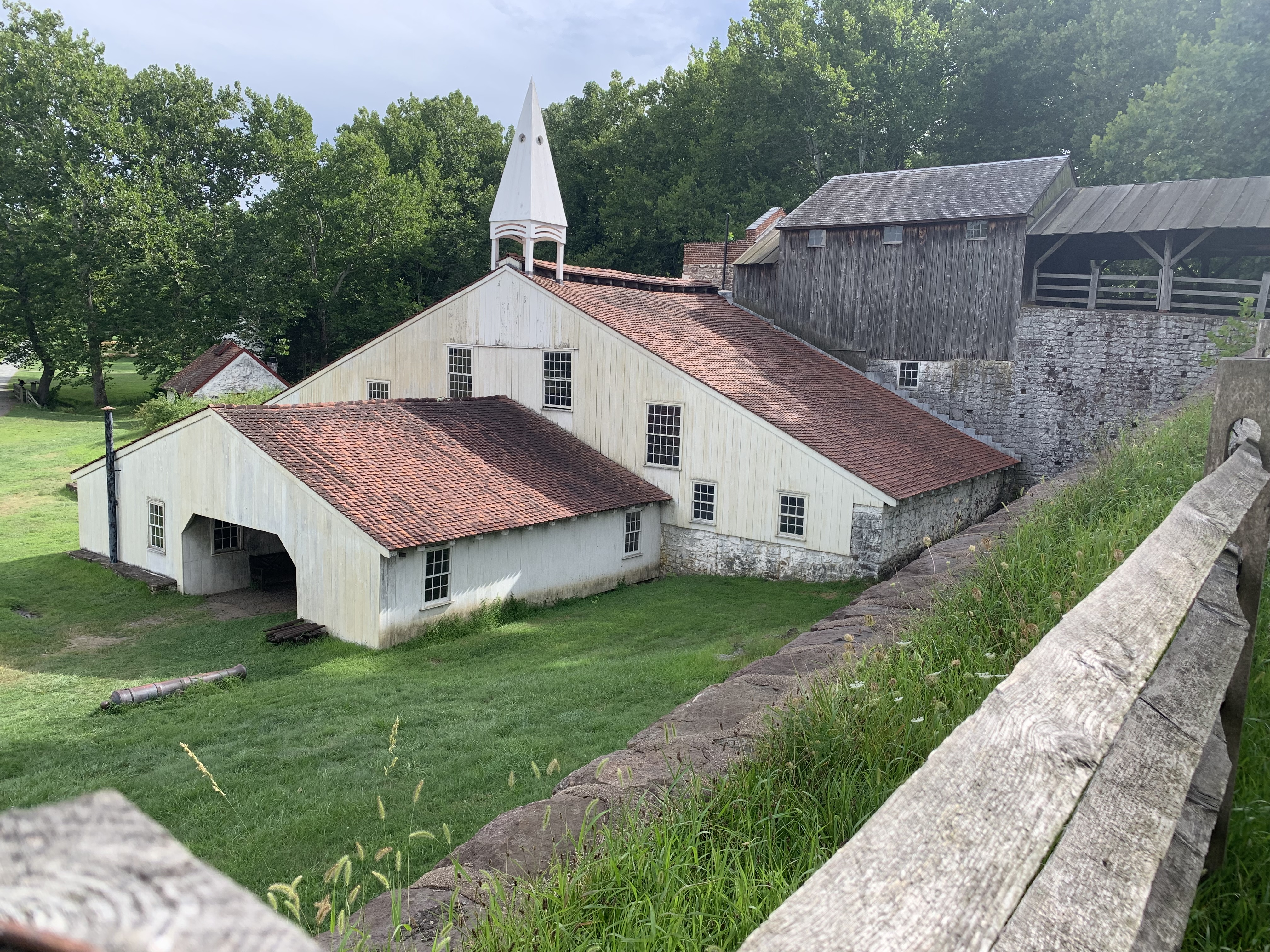
Among the sheep in this bucolic valley is the most complete early ironworks industrial site in America (unrelated to Hopewell Culture). Over 130 years after English settlers built the Saugus Iron Works, a more elaborate and higher volume factory was built here in 1771. Cannon and shot used at Yorktown and in our early Navy were forged here. Inside the red roofed cast house is a giant stone furnace, fed down the chimney by a constant stream of charcoal, limestone and iron ore through the grey wood building above. For over 100 years, the giant water wheel (which still turns today) blasted air into the crucible to pour iron ingots into the floor inside.

Upon arrival, I recalled visiting here at age 12, a number of years ago, on a school trip to Philadelphia and DC. One of my teachers still volunteers at a military park nearby. Each step in the process can be seen here, basically unchanged, from wood pile, to charcoal, worker housing and eventually to pig iron, ready for sale. Many great forests were felled for America to rise to the top of the iron and steel industry, but I notice that the owners kept many of their own fine old trees for shade and beauty. Now that we can harness nearly infinite clean, non-destructive power from the sun, I hope we make progress restoring nature.

Blackstone River Valley National Historical Park

The river flows from northern Massachusetts into Rhode Island and has a natural waterfall not far from a navigable ocean ship channel. That made it a perfect location for an experimental mill, to see if the fledgling Americans could copy the British mill industry. Here Moses Brown, a Quaker and reformed transatlantic slave trader, gathered an English mill expert/ industrial spy, several inventors, blacksmiths, shipwrights and skilled craftsmen to build the first successful water-powered cotton-spinning machine in America. Here, America joined the Industrial Revolution.

The mill owners knew that the cotton came from slave-plantations and some later owners even invested in plantations while still claiming to be Abolitionists. (The Brown family founded the eponymous University here with slave trade money). The ranger at Slater’s Mill did an excellent job in describing this hypocrisy and the pros and cons of industrial capitalism, along with explaining the mechanics and the history of the mill company towns that grew up all along the valley, until electrification moved the mills south. Pollution from heavy dyes is still a problem as are the dams, but major clean ups have restored much of the riparian ecosystems, for birds, fish, plants, hikers, bikers and paddlers to enjoy. The entire area is interesting, with old shops, an Audobon park, and legacy industrial buildings.