Cumberland Island National Seashore

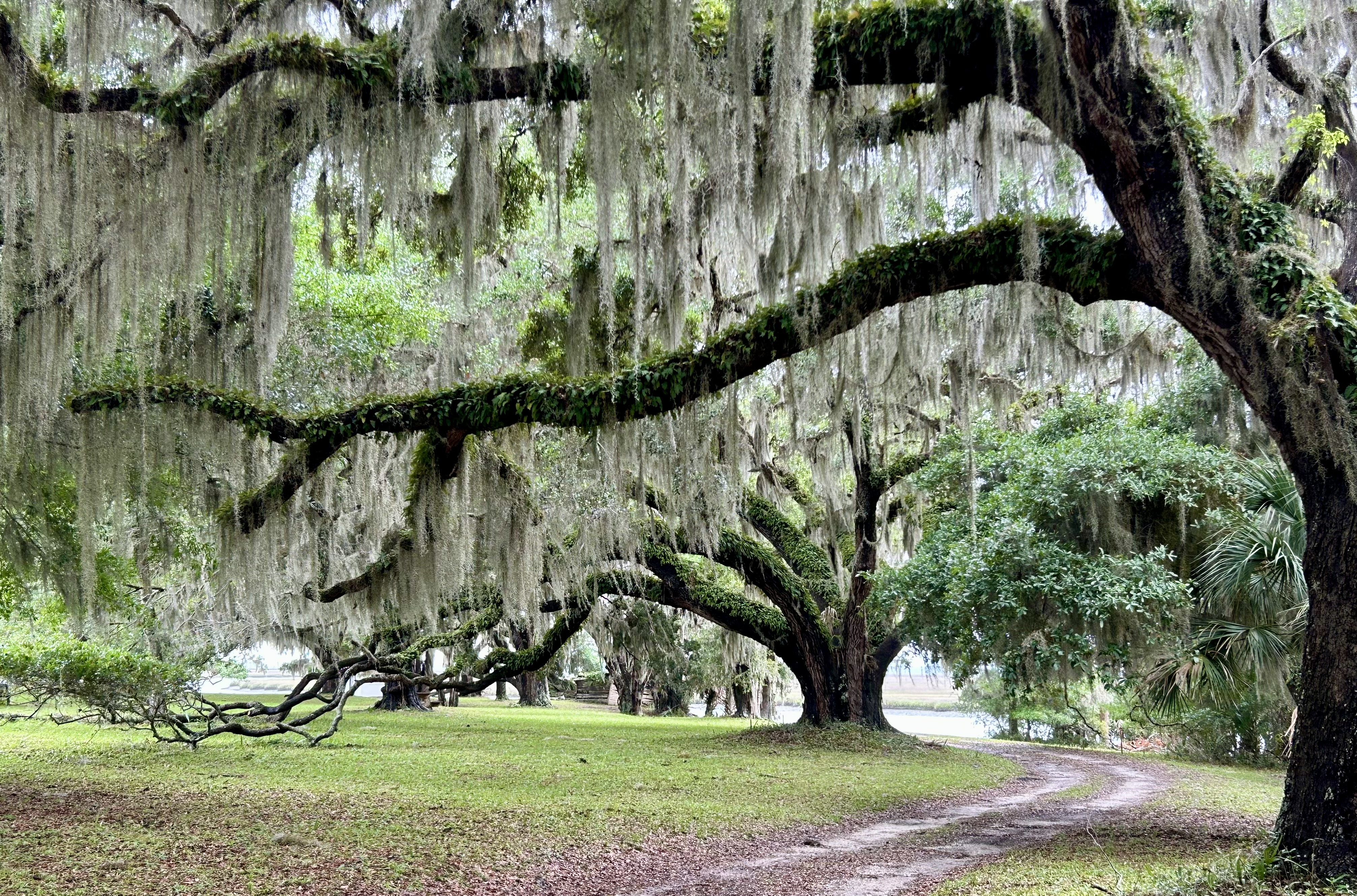
Decades later, I returned to see the southern live oaks that have haunted my dreams. Now I know the ferns that grow on the tops of their branches are called resurrection ferns, since they revive to a bright green after it rains. As a teen, I was told that humans could eat the Spanish Moss that hangs down from their branches, but returning as a tourist I was told that no humans ever did, only horses. I was too ashamed to admit I ate some long ago and thought it tasted OK.

Since I had been to the island before, I knew the only way to get to the north end on a day trip was to take a tour, so I joined the NPS recommended van tour and got to see everything from the settlements at the north to the Dungeness ruins in the south. The photo above is behind the Plum Orchard mansion, one of a few Carnegie family homes built on the island. The Carnegies were excluded by the other billionaires on neighboring Jekyll Island, so many of them settled here. Plum Orchard is beautiful and has interesting innovations, but plantation style troubles me. The center of the island is protected wilderness, and it feels like an ancient forest or overgrown jungle. Along the way we saw wild boar, wild horses, an alligator, several armadillos, and many beautiful birds.

I don’t always try to draw historic connections between parks, but bear with me this once. The natives here were related to the Timucuan. The Gullah Geechee (next week’s post) descendants of slaves are related to those all along the coast up to Reconstruction Era and down into Florida. The southern live oaks from this island were used to build the “iron sides” of the USS Constitution in Boston. Nathaniel Greene, commanding general of the Southern Campaign of the Revolutionary War, died shortly after retiring near Savannah Georgia, and his wife remarried and moved to Cumberland Island. There, Greene’s daughter Louisa cared for one of his cavalry officers, Henry Lee—veteran of Eutaw Springs—, before his death and burial at Dungeness mansion. Lee’s son was Robert E. Lee of Arlington House. And, if you want one more parks connection, the Carnegie’s innovative household DC power was likely overseen by Thomas Edison.

When I first arrived on the island several decades ago, I was invited as a guest of someone who knew the owners into a grand old home under the oaks for a meal, stories on the porch and an after dinner cognac, my first. As I recall, there was some discussion about whether the home would have to become an inn to survive, and we all agreed that it was important for beautiful old historic places to be preserved. (It later became the exclusive Greyfield Inn of Kennedy wedding fame). Folks need to come to places like Cumberland Island to try to imagine what it was like all those years ago, to walk along the barrier island beaches, to see the wild horses, to learn about dugout canoes, see photos of Primus and Amanda Mitchell who went from slaves to church and settlement founders, to learn about sea island cotton, and especially to feel the special old grandeur under those southern live oak trees.
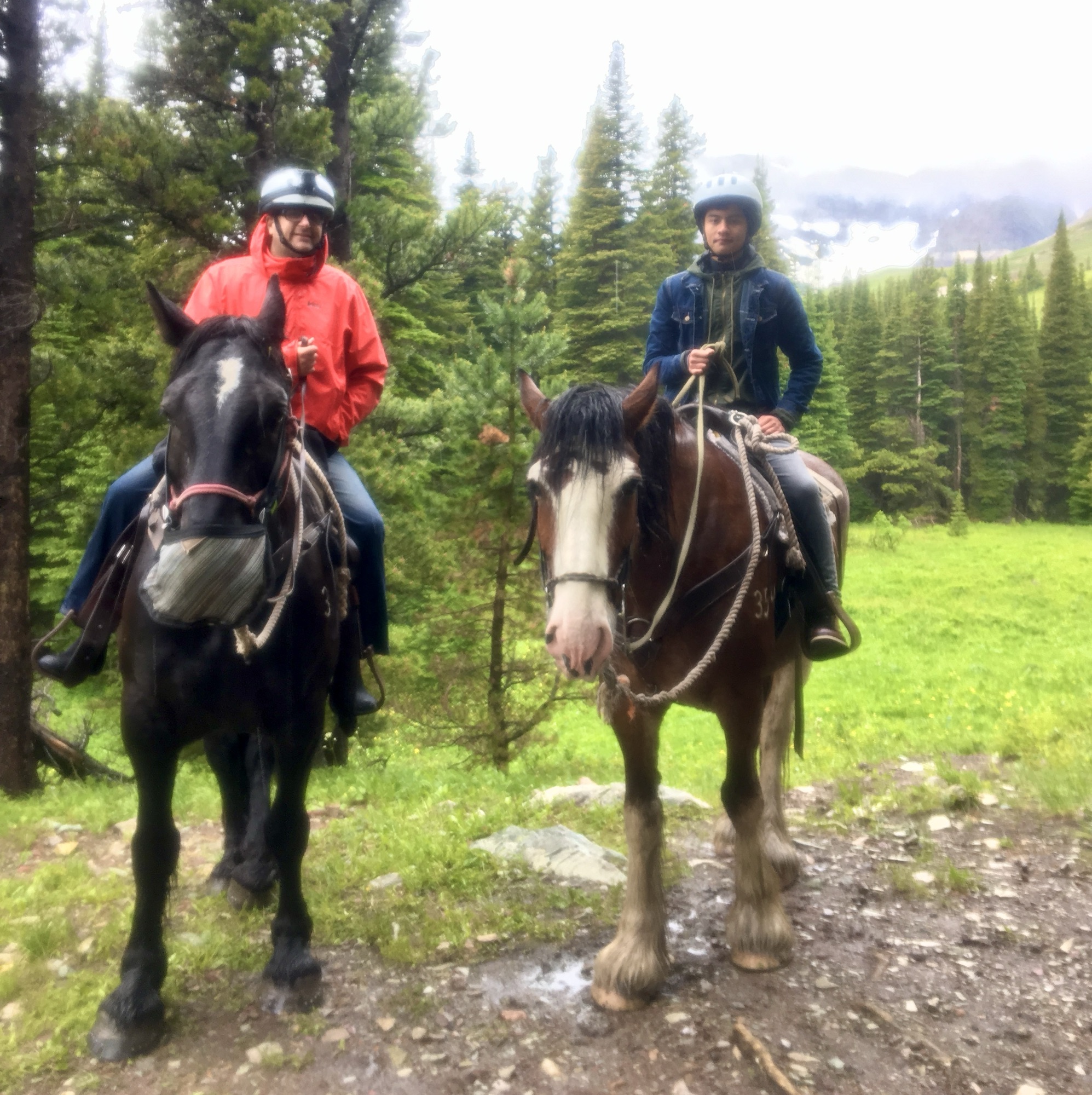
Montana in Photos

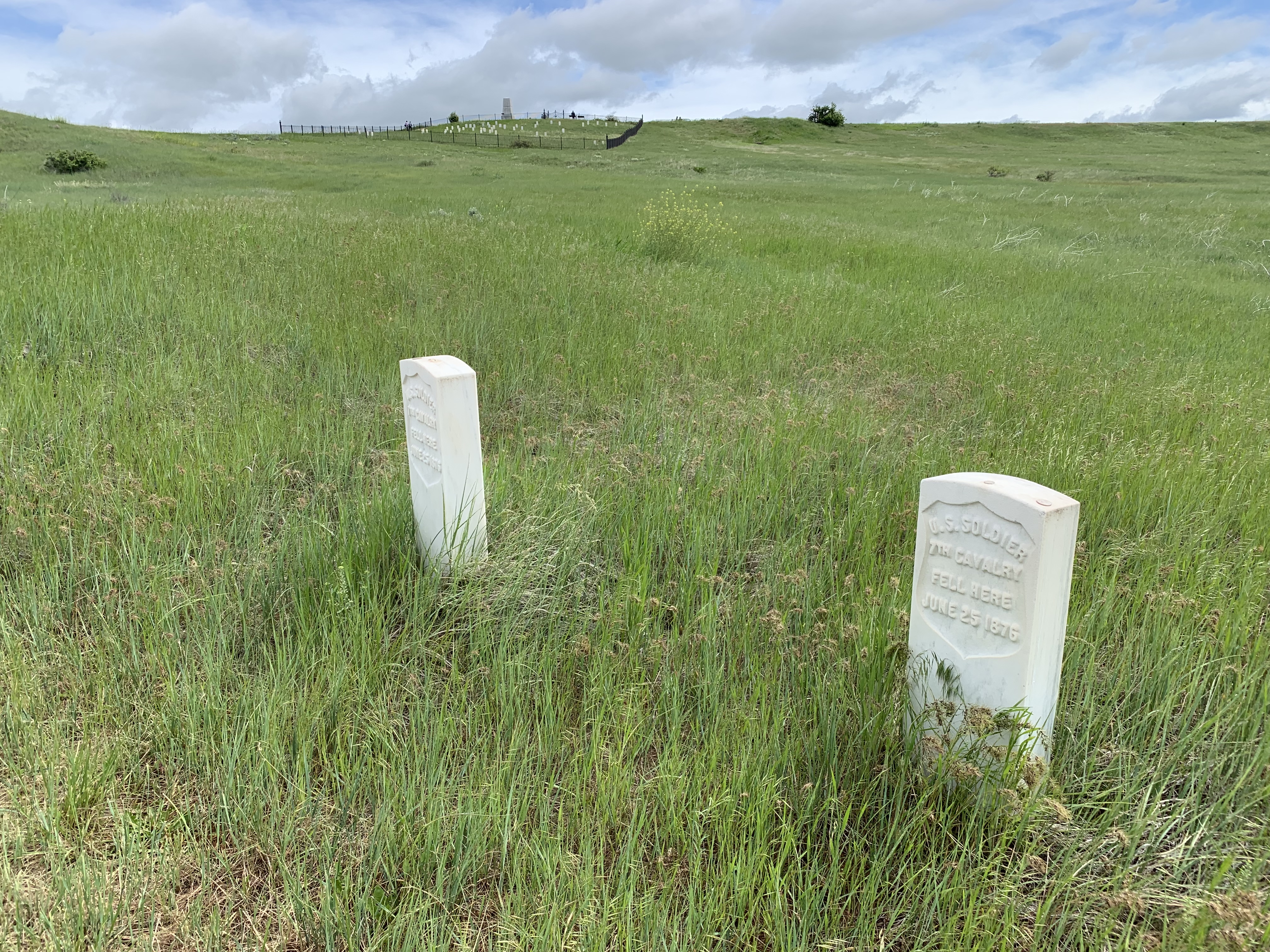
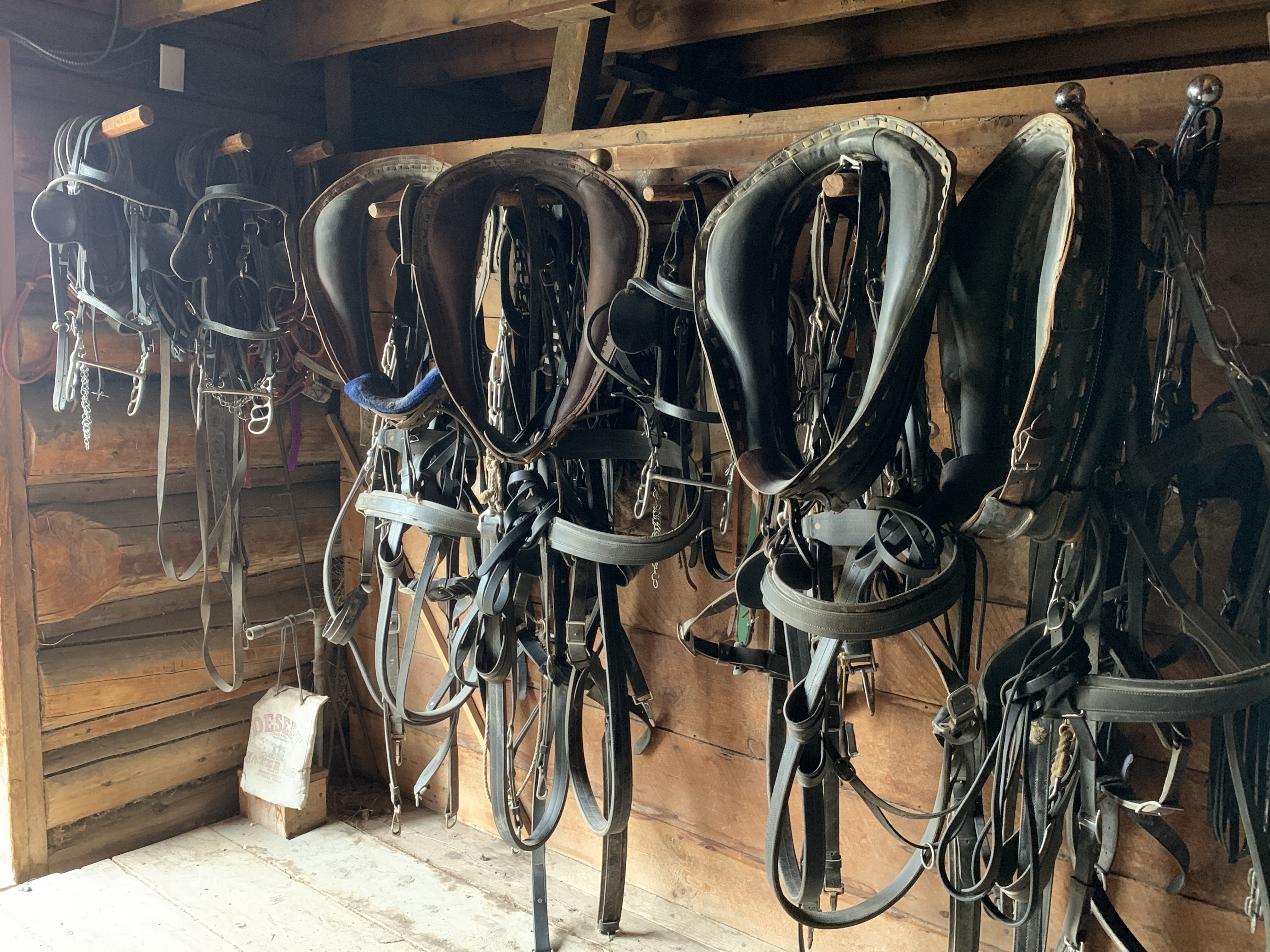
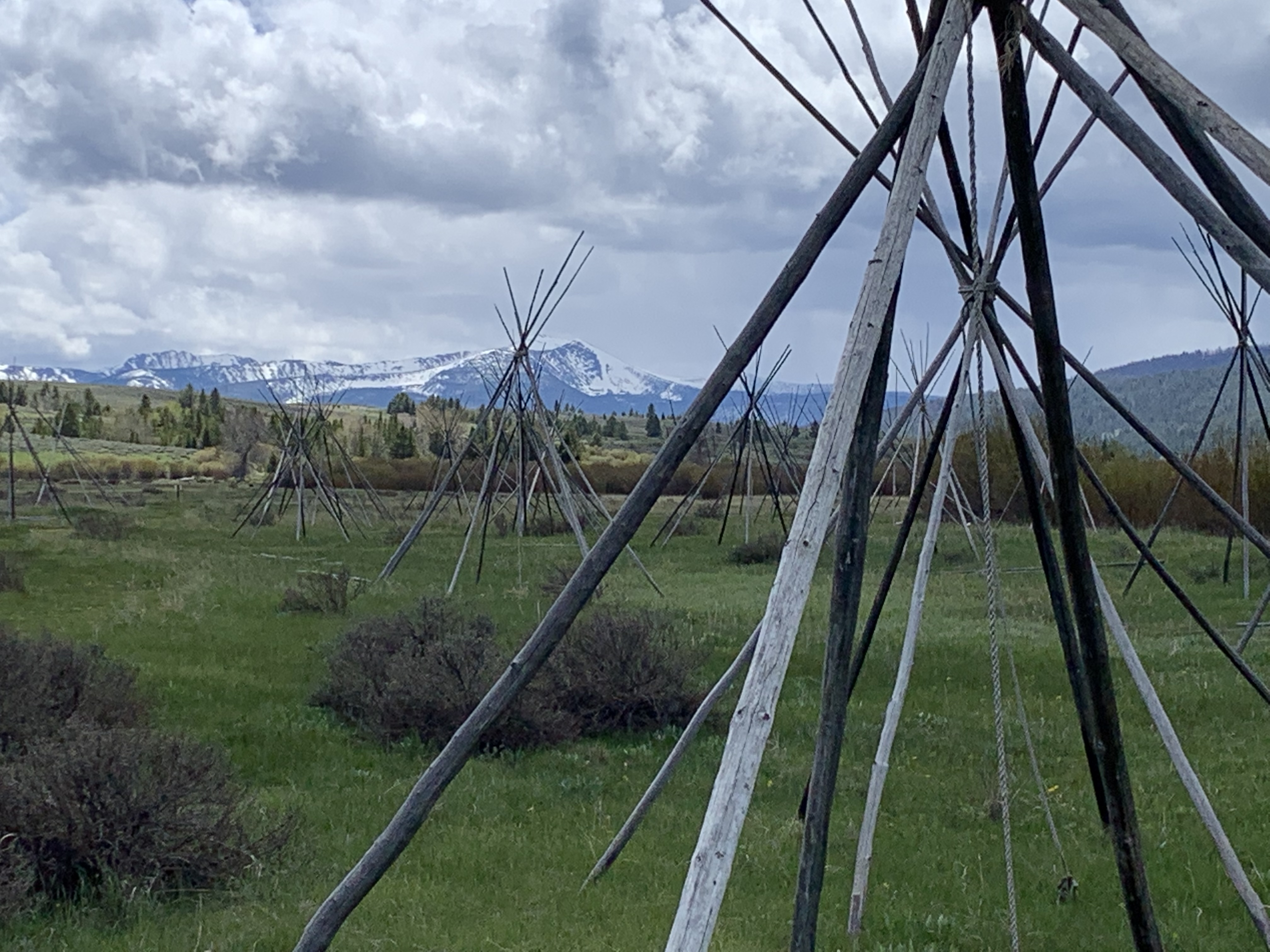
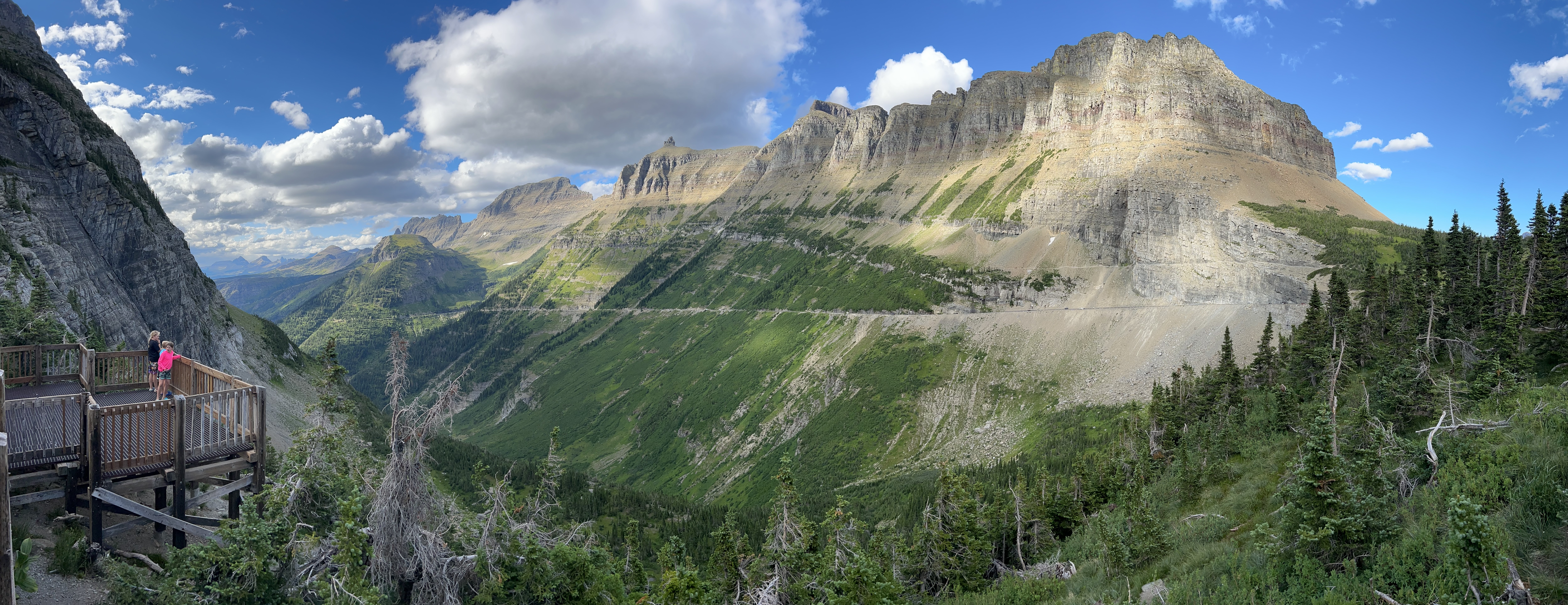
Bonus post to celebrate completing Montana—meaning ‘mountainous’—, with photos from Glacier, Little Bighorn, Grant-Kohrs, Bighorn Canyon and Big Hole. Lewis & Clark traversed this rough glacially carved country with the help of the Nez Perce. The parking lot of the Fort Union Trading Post is in Montana (and in a different time zone than the fort), as is a relatively small part of Yellowstone.

If you’re visiting Montana, you may want to camp at Bannack, briefly the territorial capital, and now a ghost town. The sheriff and his deputies allegedly conspired with ‘road agents’ (highway robbers) to rob and murder gold miners and travelers, before being discovered and lynched by vigilantes. The truth is murky, but the town is well preserved as a state park. See the jail below.

Bighorn Canyon National Recreation Area

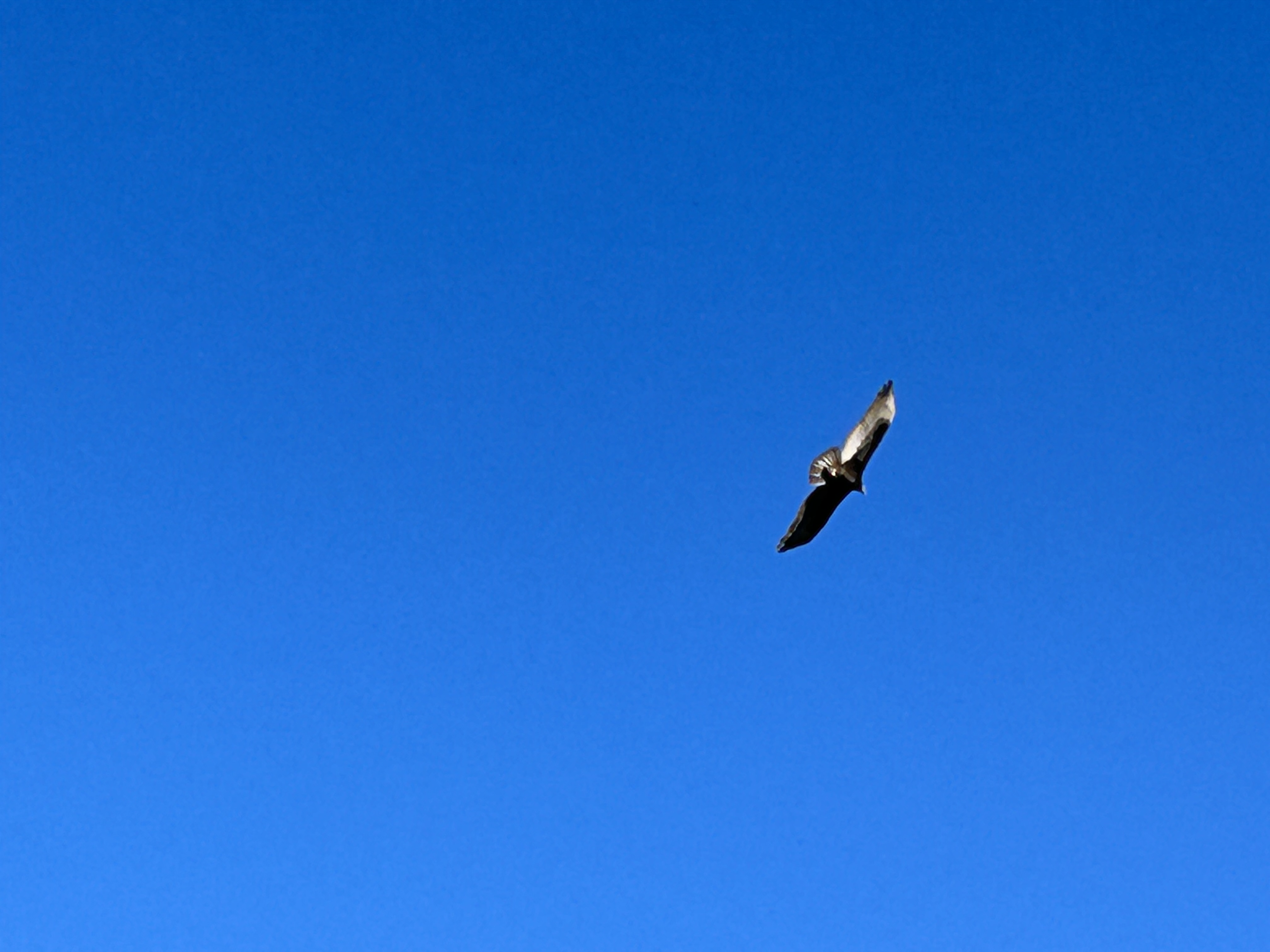
The choice is either to start at the dam in Montana and go up the canyon by boat or to start in Wyoming and take in the views from the rim. It was a long way for me to dodge power boats without easy stopping points, and the water level is obviously artificial. So, I chose to admire the views from above, passing through the wild horse refuge area and finding Devils Canyon Overlook above. I didn’t see any horses, but a turkey vulture flew right by my head so close the loud whoosh and sudden breeze startled me. Maybe he was hoping I’d fall over the extremely steep edge.

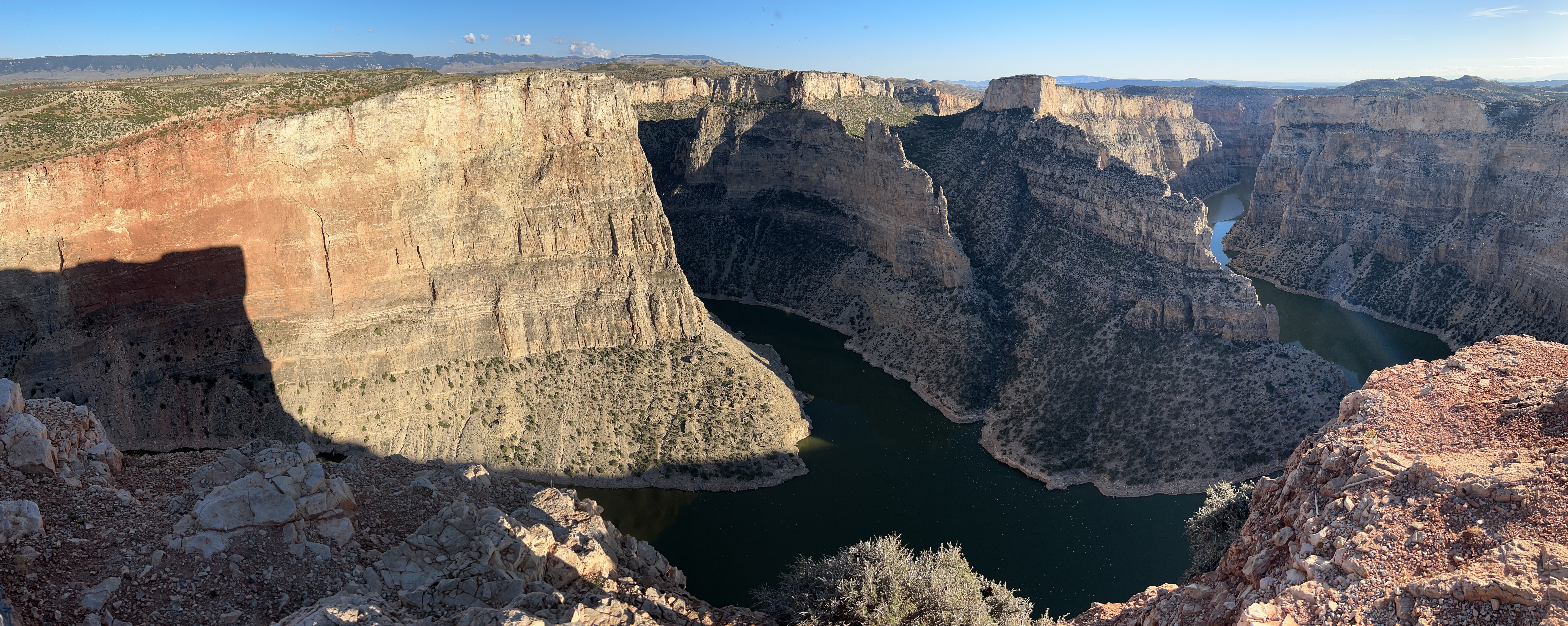
The topography of the area is disconcerting, as you see mountains & high ground and assume the Bighorn River would run south, but for all the uplift, the river has just carved its way deeper through the partially flooded canyon. Far upriver further south, it does the same thing, but there it’s called Wind River and cuts through Wind River Canyon. Ultimately, the basins and lesser mountain ranges in Wyoming matter far less to the river direction than the Rocky Mountains, which on this side of the Continental Divide cause the rivers like the Shoshone and Bighorn to flow east and north, joining here before flowing into the Yellowstone River on its way to the Missouri River. In the photo above, that flow is from the upper right to lower left, below the large shadow on the cliff across the canyon. The stretch of water in the upper middle, below the fans is Devil’s Canyon, partly filled by the dam’s backwash and sometimes fed by Porcupine Creek. The foreboding names match the inhospitable scenery. This is a rough and remote area, but it’s also starkly beautiful and dramatic.

Assateague National Seashore

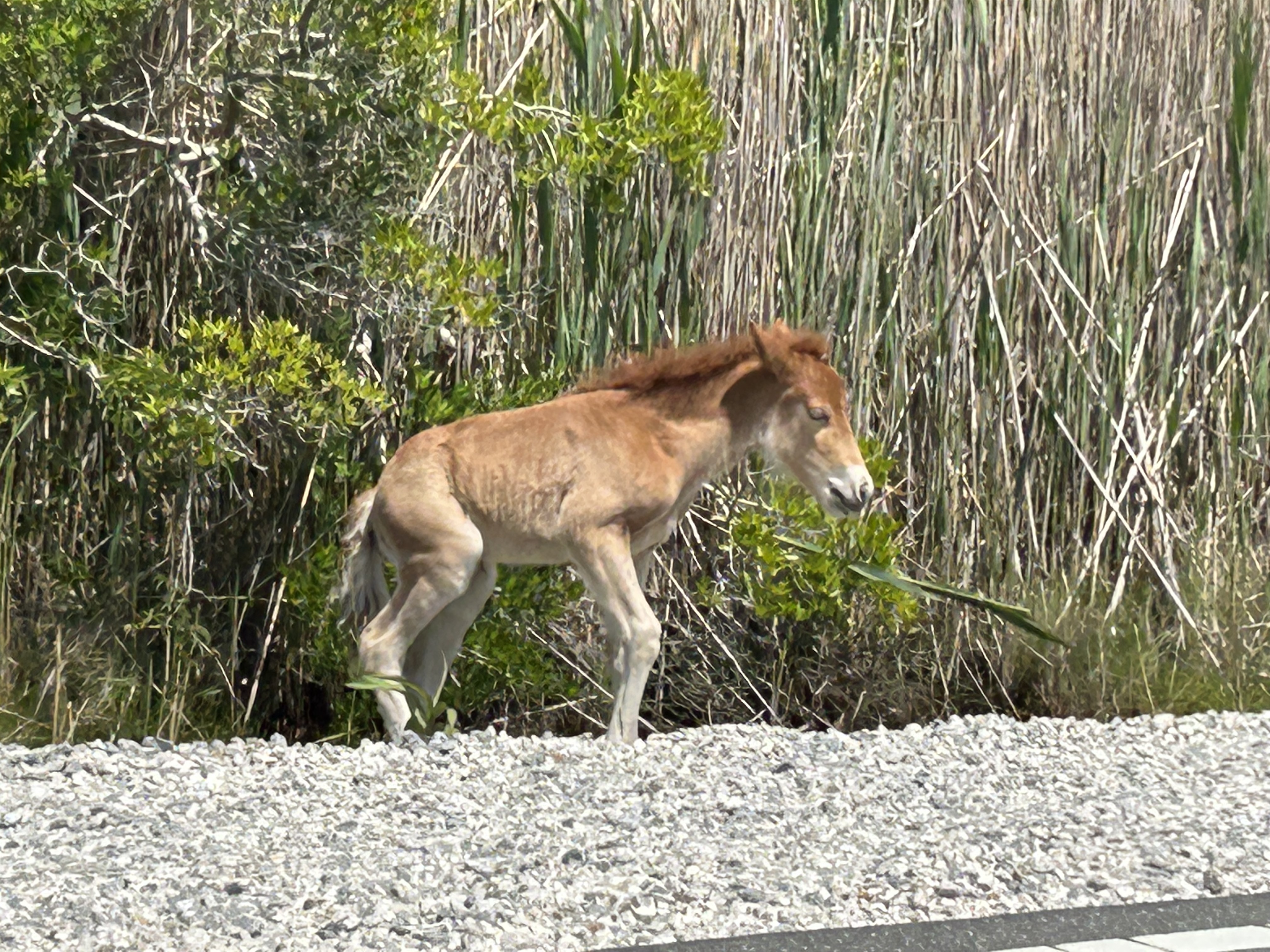
This sleepy foal was waiting by the roadside while his Mom grazed. The wild horses on the Maryland shore have adapted since escaping Spanish shipwrecks maybe 400 years ago. Their fur is thicker, legs short & stocky, and they have large bellies to help process the extra water needed to eliminate all the salt on their fodder. Colonists also kept horses on the island to evade livestock taxes, so the gene pool is healthy. The park service has an innovative birth control program to limit the mares to one foal, which involves firing (and retrieving) darts, and that keeps the population under control. While they’re not a native species, the environment would likely have had some ungulates (hooved animals), so the park service supports this popular wild population that run free on the entire island.

The park is in the Delmarva area—meaning Delaware, Maryland and Virginia all share the peninsula—, and the island runs around 40 miles along Maryland’s Atlantic coast. The Chincoteague Bay side is more scenic with more birds, but the beach side gets more visitors. There are a couple easy boardwalk hikes at the north end, along with a state beach section and access to the long roadless midsection. The Marsh Nature Trail was the prettiest when I visited, but check conditions at the visitor center before crossing the bridge to the island. The Virginia end of the island supports a different, less wild herd which is managed by ‘saltwater cowboys’, mostly firefighters, who sell the excess foals.

Rio Grande Wild & Scenic River

The Rio Pequeño (not grande with this low water) enters the Boquillas Canyon here and continues down to Amistad. Hiking into the canyon along the border, there are few signs of the modern world, and I suddenly felt like I was in a classic western movie when I heard horses approaching. Three horse riders offered handcrafted souvenirs and chicken tamales as they passed, and when one was crossing back to Boquillas Mexico on horseback, his horse had to bend down to knee level to drink from the middle of the river. Hardly worth crossing by rowboat at the port of entry, when folks were wading across the river. (Yeah, yeah rules, but no harm no foul with kids just playing in the water).

The Climate Crisis is playing havoc with my plans. Not sure when I’ll get the kayak wet this trip. A few days ago, I was trudging through the snow in Zion, and here in winter the temperature hit over 100 degrees on the trail. Best to visit in February, and always bring plenty of water. Last year I just carried a water bottle, but now I use a 3L hydration pack with another 5 gallon container in my car. The heat is no joke; a hiker died here just a few days ago, one more of many.

Due to low water and logistics, I’m only exploring the river from the dusty trails and grand overlooks within Big Bend. The US and Mexico protect 200 miles of land alongside the river, including the canyon above, another at Santa Elena and a big reserve on the south bank opposite Big Bend. In particular, there’s a nature trail at Rio Grande Village, where I spotted a half dozen bird species in minutes, including a Great Blue Heron and my first sighting of a Black Phoebe flycatcher. It’s unfortunate that so many communities take most of the river water without considering the downstream impact on birds and other species. I know people pay extra for golf courses, ornamental plants and water features, but national nature reserves suffer directly as a result. Americans need to invest in solar desalination facilities and leave rivers alone.

Hagerman Fossil Beds National Monument

I just realized that my photo is almost the same as on the NPS app, but that’s because there’s not much else to see. The fossil, a common ancestor of the horse and zebra, is actually “a Frankenstein’s monster” of bones left over from a big Smithsonian dig. On the way in, there’s an overlook where you can see the bluff on the other side of the Snake River where a herd of these guys were found. That’s about it.

The river canyon is spectacular, and I even watched base jumpers while charging my car nearby. The visitor center is jointly run with the state, so don’t drive past it like I did.