National Heritage Areas in Georgia

In addition to part of the multi-state Gullah Geechee Cultural Heritage Corridor, Georgia has two unique heritage areas.

Arabia Mountain is a large site east of Atlanta, managed in sections by city, county and state park rangers. While Stone Mountain—infamous for its carving of three traitors—just north has similar granite monadnock geology, Arabia Mountain is a natural area, protecting Diamorpha and other rare species that thrive in shallow sandy puddles in the rock. It’s more of a low granite hill with a gentle slope, and there are signs of quarrying. At the top, I saw a Killdeer (see photo above) drinking out of one of the larger pools, so I turned on my birdsong identifier app and quickly recorded 18 more birds, including an uncommon Swainson’s Thrush, an Indigo Bunting, a Purple Martin, a Tufted Titmouse, 2 different Vireos and a Red-shouldered Hawk. I was well pleased for such a short hike. Panola Mountain is an even more protected part of the Arabia Mountain heritage area, but you need to reserve a hike with a ranger to climb it. The historic quarrying town of Lithonia is also in the area and has an old African American cemetery.

The other heritage area is the Augusta Canal NHA. That’s a miles long canal with tow-road paths, parks and views from the north of the city down to the historic district. The most famous historic sight along the canal is the Confederate Powderworks square chimney below. It’s the last remnant of the city’s impressive wartime industry. Late in the Civil War, one of the gunpowder mill buildings exploded killing 9, including one boy, which also sparked a strike. There’s now a fancy new Salvation Army multi-function center funded by the founder of McDonalds across the canal. The waterfront is a pretty area to hike or kayak.

Curecanti National Recreation Area

The 700’ granite spire above that rises out of the Gunnison River at the confluence of Blue & Curecanti Creeks is the Curecanti Needle, formed by an earthquake fault running straight across the canyon. The half dozen turkey vultures in the foreground below it are drying out after a brief rain shower.

There are much more difficult ways to get here than driving to Pioneer Point Overlook, including climbing down hundreds of steps with gear and paddling down the river (and then back up), but I took the easy way. If someone is nice enough to build an overlook, then it’s best not to waste it.

Upriver from the Black Canyon, there are several dams and large basins with powerboats, and a very small, but pretty hike through the Cottonwoods along the riverside Neversink trail before the town of Gunnison. I skipped the artificial reservoirs and didn’t see any wildlife on the hike, but driving through colorful Colorado in early fall is always a pleasure.

Oregon Caves National Monument & Preserve

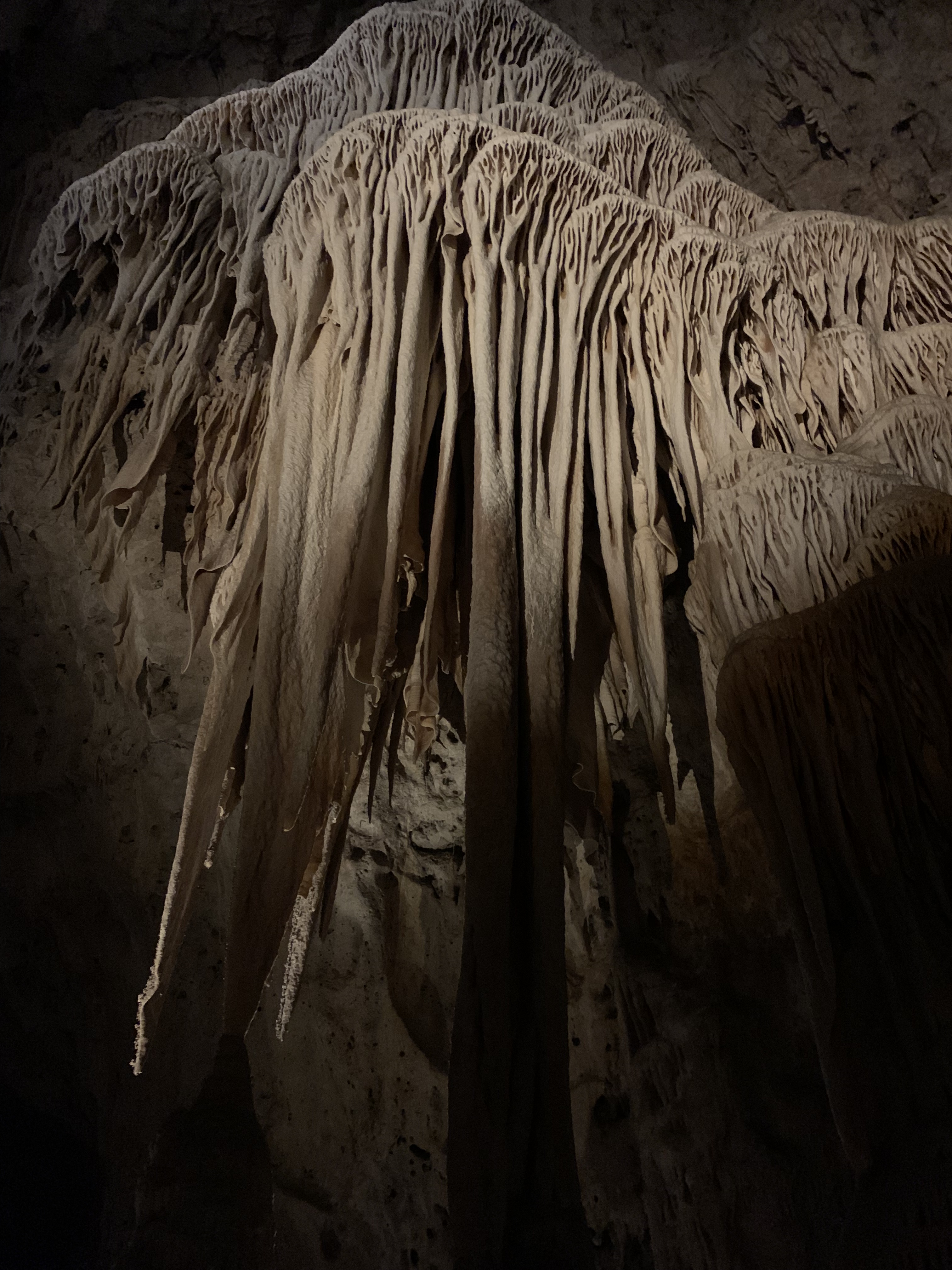
Since the cave was discovered in 1874, explored and expanded early, humans caused very significant damage to geologic structures making it hard to find beautiful natural features. The ‘cave drapery’ above is at the top of two flights of metal steps up to the Paradise Lost high ceiling above the Ghost Room in the far back of the cave tour. The cave has a stream pouring out from the entrance, and there’s a pretty pool there in front of the Château, which is closed pending renovations. There are also several pretty hikes above ground, including one to a very large Douglas Fir. Easy to get tickets at rec.gov or at the visitor center in Cave Junction, before driving all the way up to the cave itself. Be sure to check in as soon as you arrive at the other visitor center next to the cave, as they often let folks take an earlier tour when space is available, especially in the morning.

Guadalupe Mountains National Park

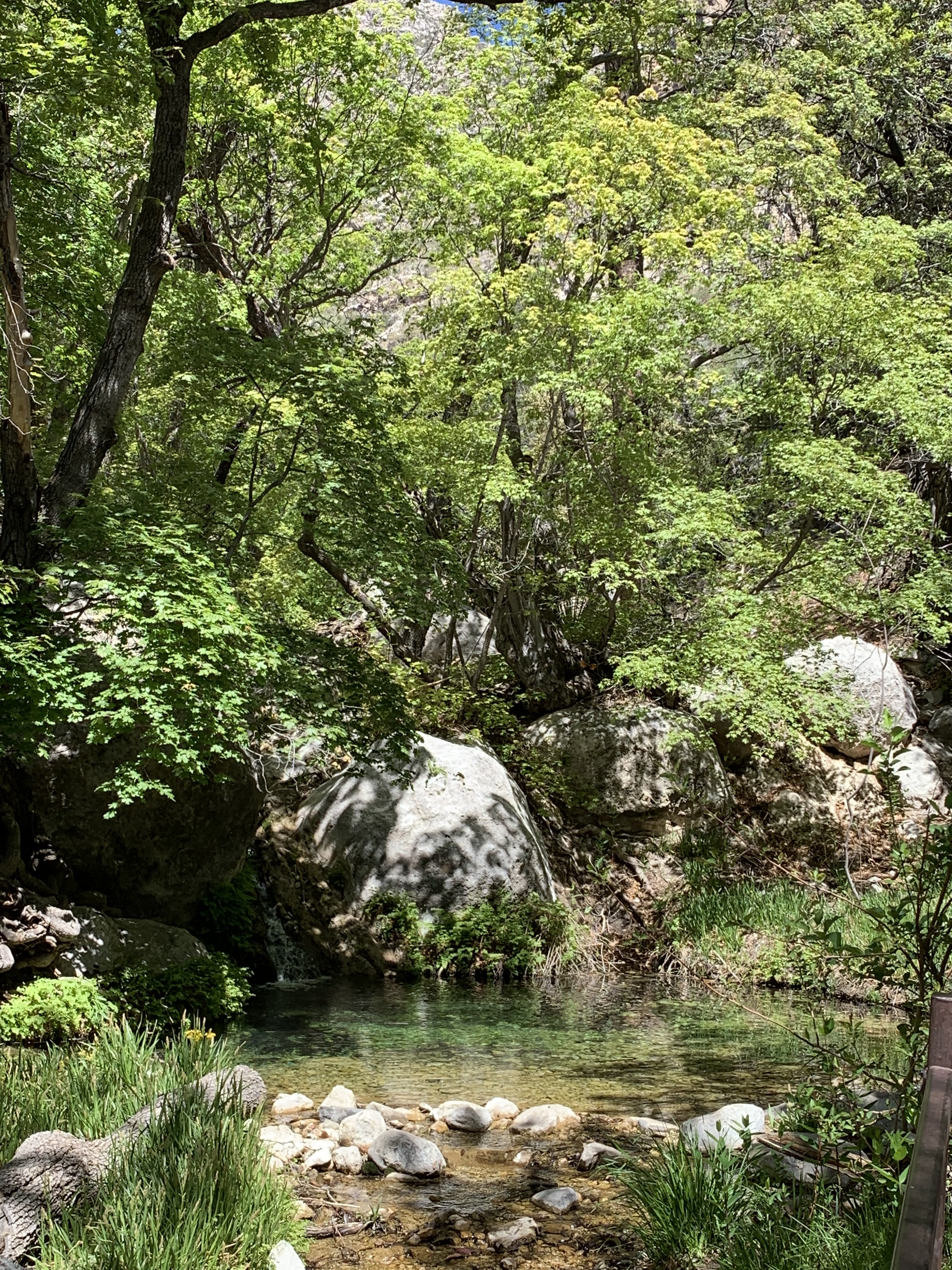
Even after planning, I still check with the rangers for suggestions on good hikes and photo ops. I originally planned to hike McKittrick Canyon, but the ranger suggested the trail at Frijoles Ranch instead, as its shorter and quite similar this time of year. The trail passes two different springs, including the mountainside one pictured.

Guadalupe is large, mountainous and mostly dry, which makes it both difficult to explore and also more barren than many other parks. But that’s what makes the occasional oasis above especially sweet.

Carlsbad Caverns National Park

While not as long as Mammoth Cave, Carlsbad is larger in terms of volume, and both are World Heritage Sites. The ceilings are often over a hundred feet high, and the Big Room spans over 8 acres, with a mile-long loop to see it. Even after descending 750 feet down the natural entrance, there are still deeper “bottomless” pits below. I was fairly sure I heard faint drumbeats coming up from the darkness, so I asked the rangers. They explained that there were only a few goblins, and that they try to catch them as they’re considered “invasive species”. I finished the hike as quickly as possible and took the elevator up.

Bandelier National Monument

While it is easy to see the impressive semi-circular pueblo ruins on the valley floor and peek in the various rooms along the canyon wall, Alcove House was open to those willing to hike a bit further and climb the series of steep ladders 140 feet up. I imagine it would have been much more difficult carrying supplies, children or elderly relatives up the ladders when the Native Americans were living here. There’s a creek running down the canyon from the large volcano which makes a pleasant place to consider the climb or to cool down on the hike back.