Flooding has always been a problem, but climate change means it will get worse. Since the Industrial Revolution, the oceans have risen at least a foot already and are on track for another three feet sometime this century. The atmospheric changes that we’re causing with our carbon pollution are unprecedented, making it difficult to predict. Heat makes water expand. Maybe the oceans will rise six feet, more or maybe less, maybe sooner or maybe later. Since the US has currently decided not to be part of the solution, then flooding will become worse than any human has ever experienced.
This means most of our current beaches will disappear in several decades, along with many lowland areas and even whole island countries. Oceanfront property—stable for centuries—will be inundated. Productive farms and ranches will be ruined by salt water intrusion. Some large populated areas, including several cities, will become uninhabitable. Bird habitats and coastal ecosystems will be devastated. Since the process has been slow and gradual so far, many folks assume that we will adapt easily. But since we’re not solving the problem, the flooding will continue to accelerate.
Even inland, flooding is becoming increasingly more deadly, a trend that will also accelerate. Our hotter atmosphere is evaporating more water more quickly, resulting in destructive downpours, flash floods and broken levees. Flooding events are increasing globally, killing people, making them homeless, and spreading diseases. Again, having put more carbon into the air than any other country, we’re the biggest part of the problem. We’re unwilling to try to fix it, and we are unprepared for how bad it will get.
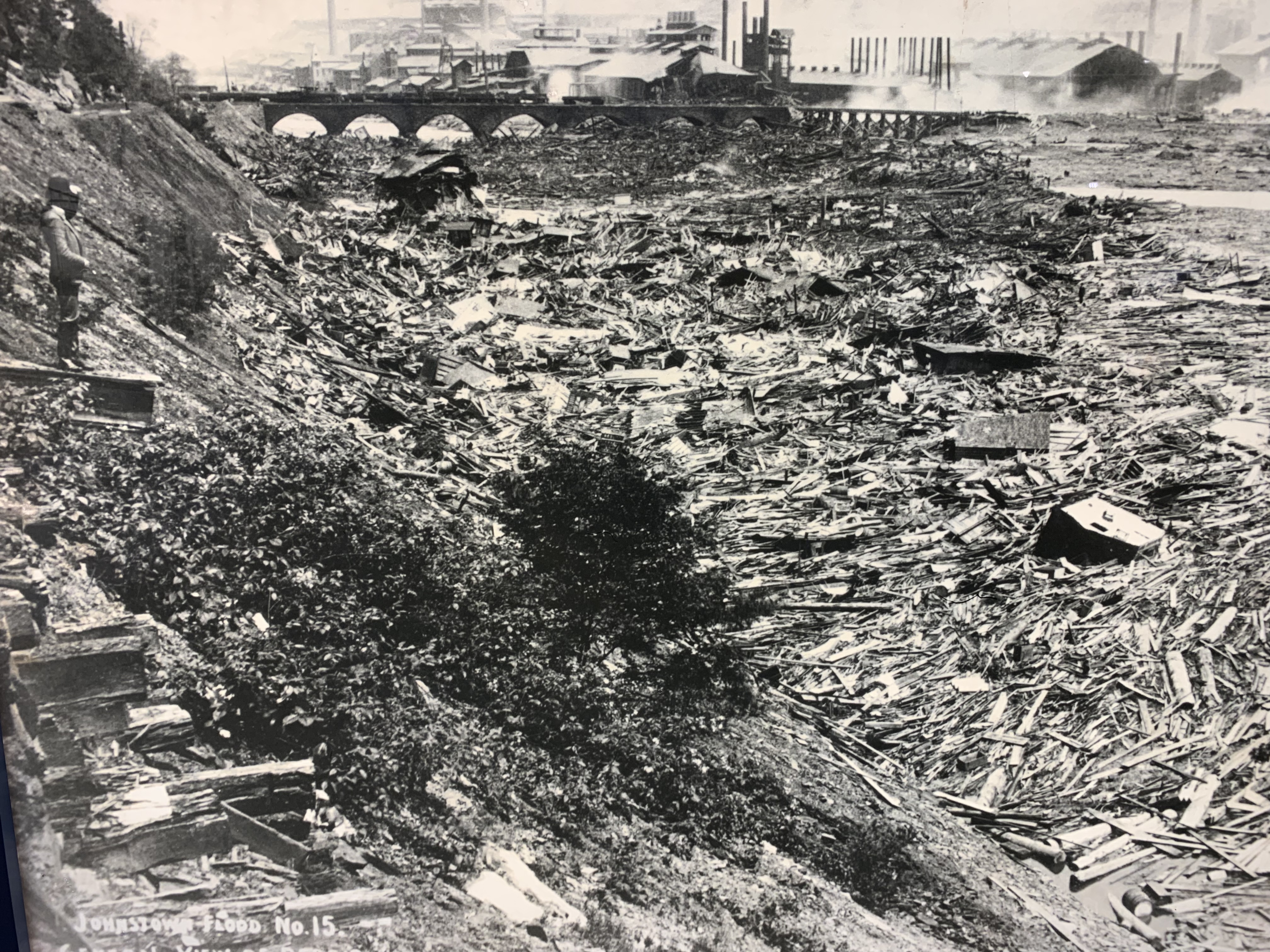
March is American Red Cross month. Clara Barton, who founded the Red Cross after providing battlefield and prisoner aid during the Civil War, began their flood relief efforts at Johnstown. That terrible flood killed 2,200 people, and it was entirely preventable. Future floods will be even more deadly, and many of those deaths are also entirely preventable by reducing our carbon emissions today. We just need to make better choices.

 Zero Carbon Travel