All Rocky Mountain Parks, Zero Carbon

I recently completed visits to all national park units in the Rocky Mountain region by electric vehicle, including 3 in North Dakota, 5 in South Dakota, 5 in Montana, 6 in Wyoming, 10 in Colorado and 12 in Utah. I count multi-state parks where I spend my time, and I pick a favorite from each state at the end.

North Dakota’s parks are each glorious. At Knife River early Native American life is revealed in middens, plants, a round earthlodge, and living exhibits. At Fort Union the early interactions between Native Americans and fur traders also come to life. And Teddy Roosevelt’s 3 park areas protect both wildlife and the formative experience of our greatest conservationist president. And the state has the only affiliate in the region, International Peace Garden.

South Dakota’s parks cluster in the southwest corner, but they are varied. Wind and Jewel Caves give entry to the subterranean world, Badlands to the wall across the wide foreboding landscape, Mt Rushmore to the Black Hill cliffs, and Minuteman to the Cold War apocalyptic thinking.

Montana has two powerful parks describing our tragic history of brutal war against Native Americans: Big Hole and Little Bighorn. Grant-Kohrs preserves a piece of the old cowboy west, and Bighorn Canyon has striking views and wild horses. Glacier is stunning, rugged and a great place for horse riding, backcountry camping, kayaking and hiking.

Wyoming has parks in each corner, but the best are in the northwest. Fossil Butte does an admirable job of illustrating the full scale of evolution on earth, Devils Tower evokes some otherworldly monolith, and Fort Laramie recalls the days of wagon trains and unjust war on Native Americans. But Grand Teton, the Rockefeller Parkway and Yellowstone, in particular, are spectacular.

Half of Colorado’s parks preserve some of its impressive scenery, and half preserve the past. Black Canyon, Great Sand Dunes and Rocky Mountain National Parks are self-explanatory and awesome. Curecanti and Colorado also have dramatic canyon views. Bent’s Old Fort is a trading post out of a western movie, and Florissant protects fossilized trees, plants and animals from eons ago. Mesa Verde National Park (one of four in the state) and Yucca House preserve early native dwellings and artifacts, and Sand Creek preserves a shameful massacre of Native Americans by US troops and volunteers.

Utah has more than their fair share of scenic parks: Cedar Breaks vistas and Timpanogos Cave up in the mountains, Rainbow and Natural Bridges, Dinosaur fossils, Hovenweep native ruins and the Golden Spike. Oh, and they also have the big five: Arches, Bryce, Canyonlands, Capitol Reef and Zion National Parks. (Full disclosure: I drove to a stamp office for my official Rainbow Bridge EV visit and then took a carbon-burning tour boat to enjoy the park).

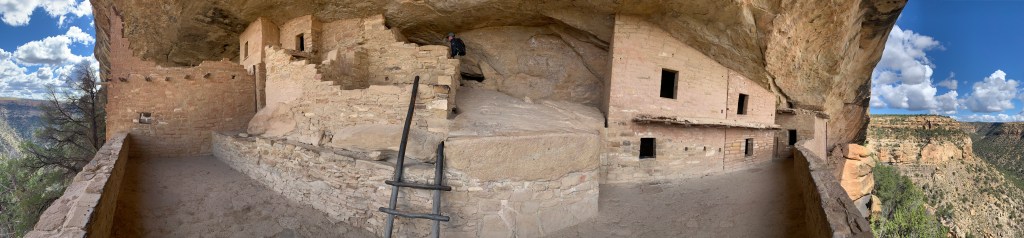
My favorite parks in each state are wildlife refuge Teddy Roosevelt, starkly scenic Badlands, dramatic drive & trails Glacier, geyser popping Yellowstone, native dwelling etched Mesa Verde (see Cliff Palace photo above) and stunning hikes Zion. While other regions may have more total park units, Rocky Mountain has many of the most spectacular parks in the system.

All Parks in the Mid-Atlantic, Zero Carbon

I recently completed visits to all national park units in the Mid-Atlantic region by electric vehicle, including First State in Delaware, 4 in New Jersey, 5 in West Virginia, 13 in Maryland, 16 in Pennsylvania and 17 in Virginia. I have also completed all the NPS affiliate sites, national heritage areas and NPS run trails in the region. Parks that stretch across multiple states count in whichever state I focus more of my visit, and I pick a few favorites at the end.

New Jersey does not deserve all the grief it gets from NYC talk show hosts. Get off the turnpike; it’s scenic and interesting. Great Egg Harbor River is lovely, Morristown is historic, Paterson Great Falls is impressive and Thomas Edison is fascinating.

West Virginia is almost heaven. Harpers Ferry is one of my favorite parks and it hosts the Appalachian Trail HQ. The three river parks, Bluestone, Gauley and New—a National Park—, contrast the dangerous and polluting history of coal mining with the beauty of nature when given our protection.

Maryland may be a small state, but it is packed with parks from Catoctin Mountain, down the C&O Canal, past the Greenbelt, down to Piscataway, out to the Underground Railroad and all the way to Assateague’s seashore. It’s also packed with history, from Hampton & Stone, to Forts Washington & McHenry, to Antietam & Monocacy and Clara Barton.

Pennsylvania’s parks are historic. There’s early US history at Fort Necessity, Hopewell Furnace, Independence, Kosciuszko, Valley Forge and Friendship Hill. There’s transportation history at Allegheny Portage and Steamtown. There are imagined terrors from Poe, and real terror at Johnstown Flood and Flight 93. There’s Gettysburg, where Eisenhower lived. There’s a new unit, Carlisle Indian Boarding School. And there are the Gap, Middle and Upper parts of the Delaware River, first explored by Europeans in the 17th century, who traded with the natives who lived here for millennia.

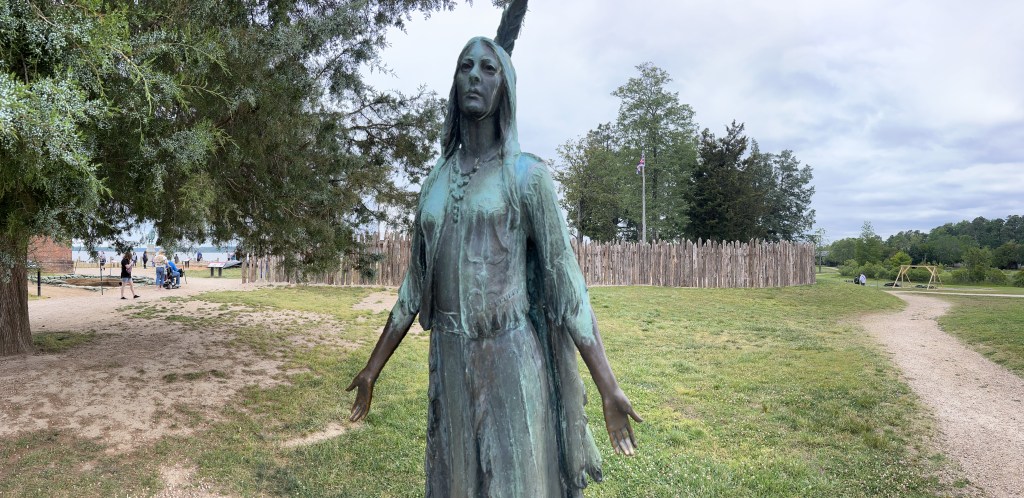
Virginia has the first British colony (see photo) and the birthplace of our first President. Many of Virginia’s parks are Civil War battle sites, including Manassas, Cedar Creek, Fredericksburg, Richmond and Petersburg. Others relate to slavery, the end of the war & civil rights, including Arlington House, Fort Monroe, Appomattox, Booker T. Washington and Maggie L. Walker. I enjoyed driving Shenandoah’s Skyline Drive, the Potomac Heritage Trail to Prince William Forest and the GW Parkway on my way to Wolf Trap. Virginia is for park lovers.

My favorite parks in each state are First, Edison, Harpers, McHenry, Independence and Colonial, but your favorite parks should be based on your interests.

All Parks in the Southwest, Zero Carbon

I recently completed visits by EV to all the national park units in the southwest, including 2 in Oklahoma, 4 in Louisiana, 7 in Arkansas, 14 in Texas and 15 in New Mexico. I’ve also visited the southwest biospheres and heritage areas. Here’s a summary of each state with my favorites.

Oklahoma is a beautiful state where many Native American tribes were forced to live and where many famous singers emerged, including Woodie Guthrie, Reba McEntire, Toby Keith, Roy Clark, Carrie Underwood, Vince Gill, Blake Shelton, Patti Page and many more. The Chickasaw Recreation Area is good for nature hikes and borders the fascinating Chickasaw Cultural Center. Washita Battlefield is a difficult site to visit, since it is covers a shameful episode in US history. My report turned into a rant after a park service employee dramatically exaggerated the numbers of white settlers killed in native raids, despite sitting outside the park bookstore which revealed lots of white fear but very few documented killings in historic records. The only affiliated park in the southwest is the Oklahoma City National Memorial.

Louisiana also has important history that must never be forgotten, from prehistoric Poverty Point, to the Cajun culture in Jean Lafitte Park, to the haunting plantations at Cane River Creole and to the birth of uniquely American music in the New Orleans Jazz. The accents, architecture, atmosphere, food, music, scenery, stories and style of the state make it unforgettable. If you’ve never been, go and stay awhile. If you’ve been, go again.

Arkansas styles itself as the natural state—true based solely on armadillos—, but the parks are mostly historic. Early French settlers at the Arkansas Post traded with the natives for furs from the Buffalo River. Later Fort Smith was a critical junction on the Trail of Tears, and Pea Ridge was the site of a key Civil War battle. More recently, Bill Clinton was born here, and Little Rock High was integrated in the face of racism. Even Arkansas’ National Park, Hot Springs, is a throwback to an earlier era. This is one of the few states I hadn’t really visited before starting this quest, but now I know better what an interesting state I was missing.

Texas has a lot of big beautiful parks to enjoy nature: two National Parks, Big Bend (see photo) and Guadalupe Mtns, two recreational lake parks, Amistad and Meredith, along with Big Thicket, Padre Island and Rio Grande. There are also two sites tied to prehistoric man: Alibates quarries and Waco Mammoth. San Antonio Missions predate the US, and Palo Alto Battlefield predates Texas. Fort Davis shows frontier conflict with natives, and Chamizal demonstrates border cooperation with Mexico, as approved by LBJ. Besides all that, Texas has many of the best state parks in the country, with top rate rangers, facilities, activities and scenery.

New Mexico has exceptional places to explore unusual geologic formations, including two national parks, Carlsbad Caverns and White Sands, and volcanic zones Capulin, El Malpais and Valles Caldera. There are seven Native American park sites: Aztec, Bandelier, Chaco, El Morro, Gila, Petroglyph and Salinas Pueblo. And there are three military sites: Fort Union, Pecos (also native) and Los Alamos. Even if you don’t use their state parks to charge your EV, a state parks pass is a good deal for longer stays.

UNESCO recognizes five World Heritage Sites in the southwest: Carlsbad Caverns, Chaco Culture, Poverty Point and Taos Pueblo. My personal favorite sites in the southwest are Big Thicket for paddling, Cane River for tragedy, Carlsbad for imagination and Gila Cliff Dwellings for details and the trail. But where you should go depends on your tastes and interests.

Favorites from 300 Park Sites

I’ve recently completed visits to 3/4 of the 424 national park units, and I have a couple updates to my first 100 favorites.

Alas Agate, Dinosaur is the best fossil site.

Move over Grant, the best Presidential home—not including the White House—is Sagamore Hill.

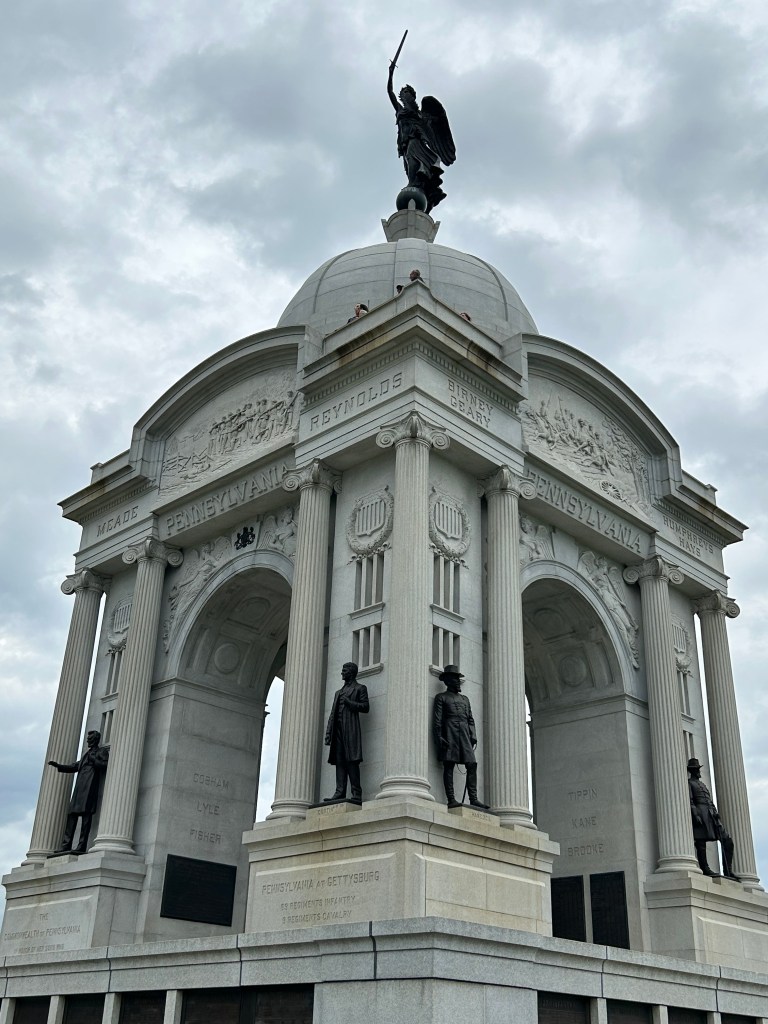
Shiloh keeps the best battle tour, but Gettysburg has the best Civil War museum.

My second 100 favorites still hold. Now, here are some my new favorites from my most recent 100 visits.

Best bicycling: Cuyahoga.

Best cliff dwellings: Mesa Verde.

Best colonial era park is, uh, Colonial.

Best fort: Castillo de San Marco.

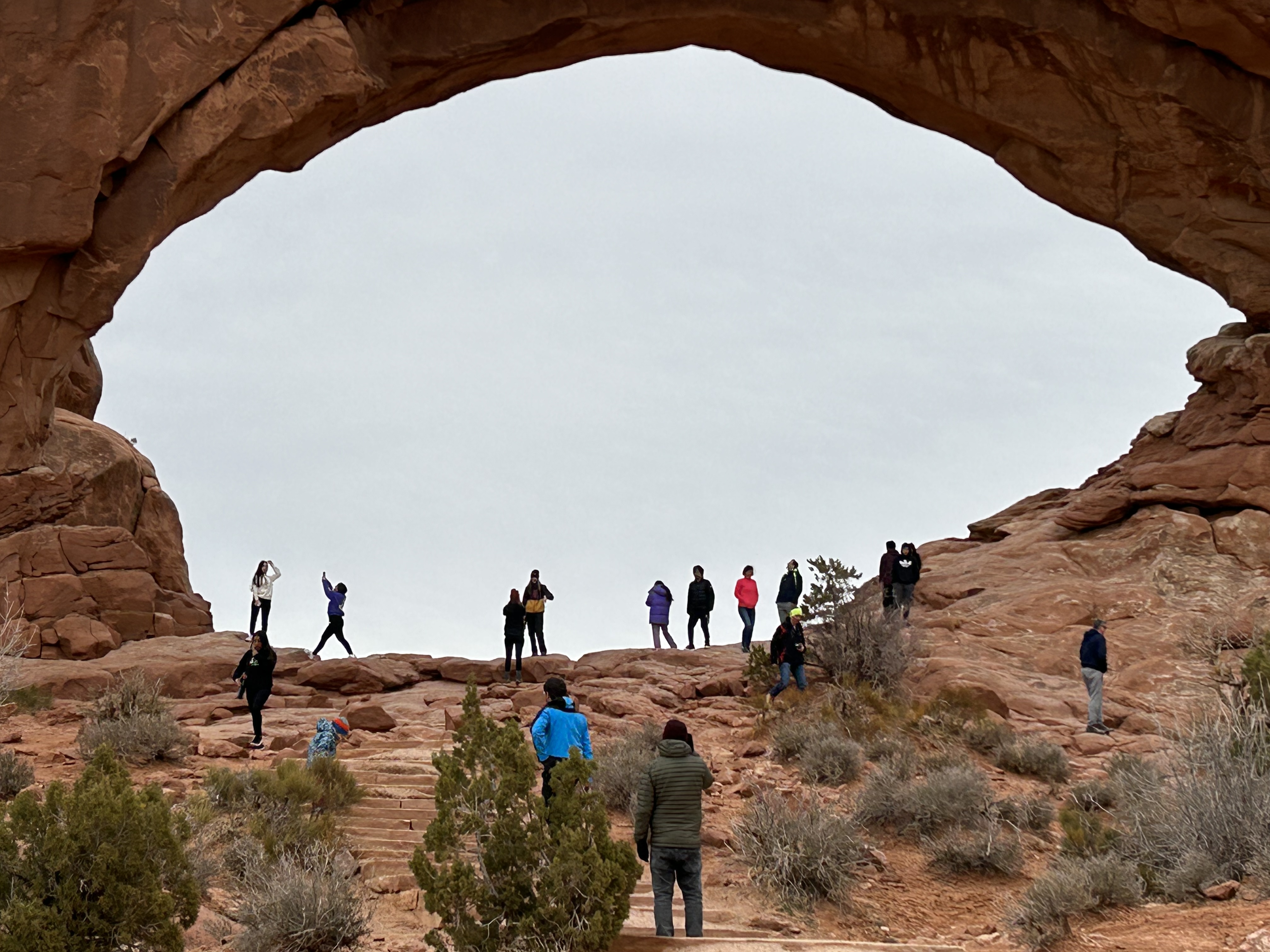
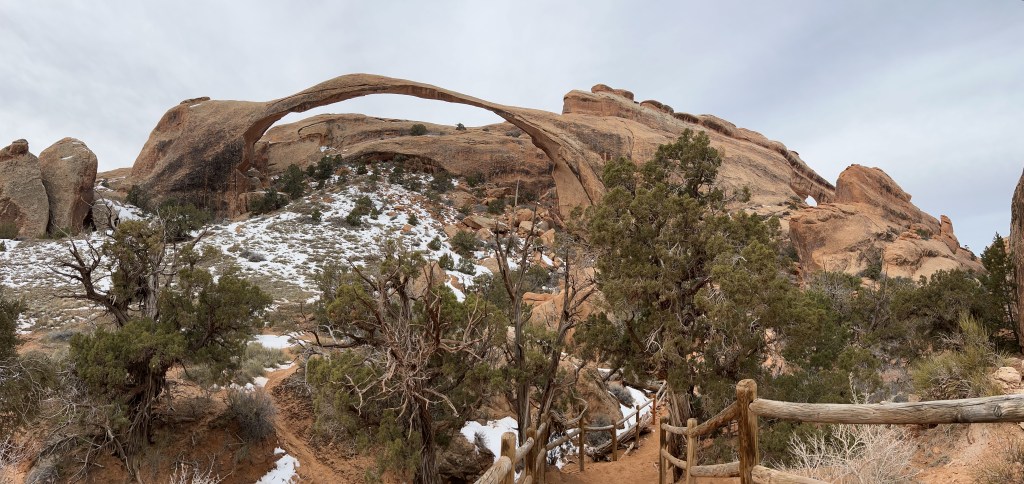
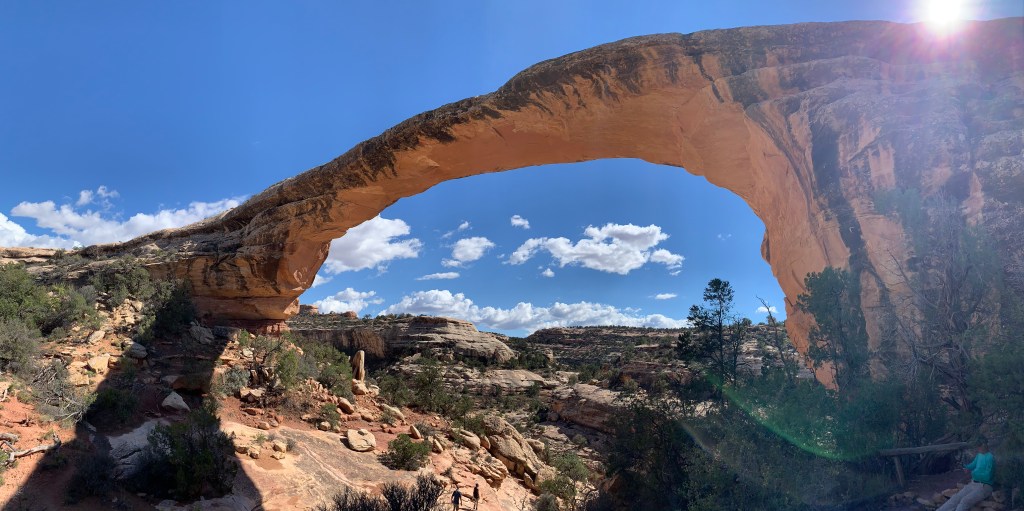
Best geologic feature: Arches (see photo) or Natural Bridges.

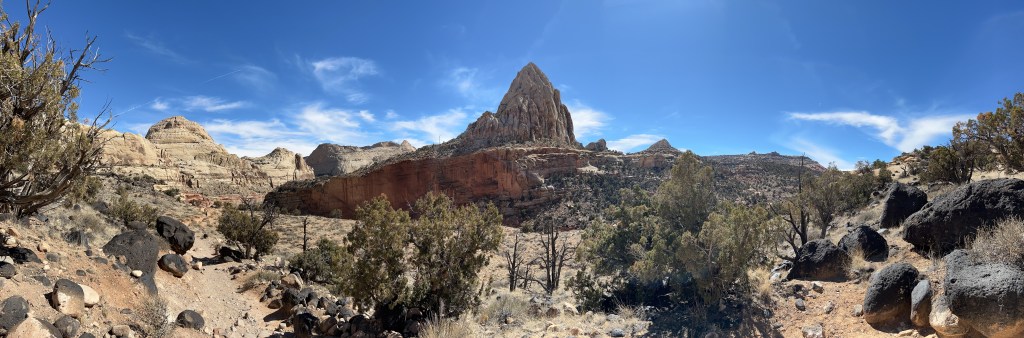
Best place to learn geology: Capitol Reef.

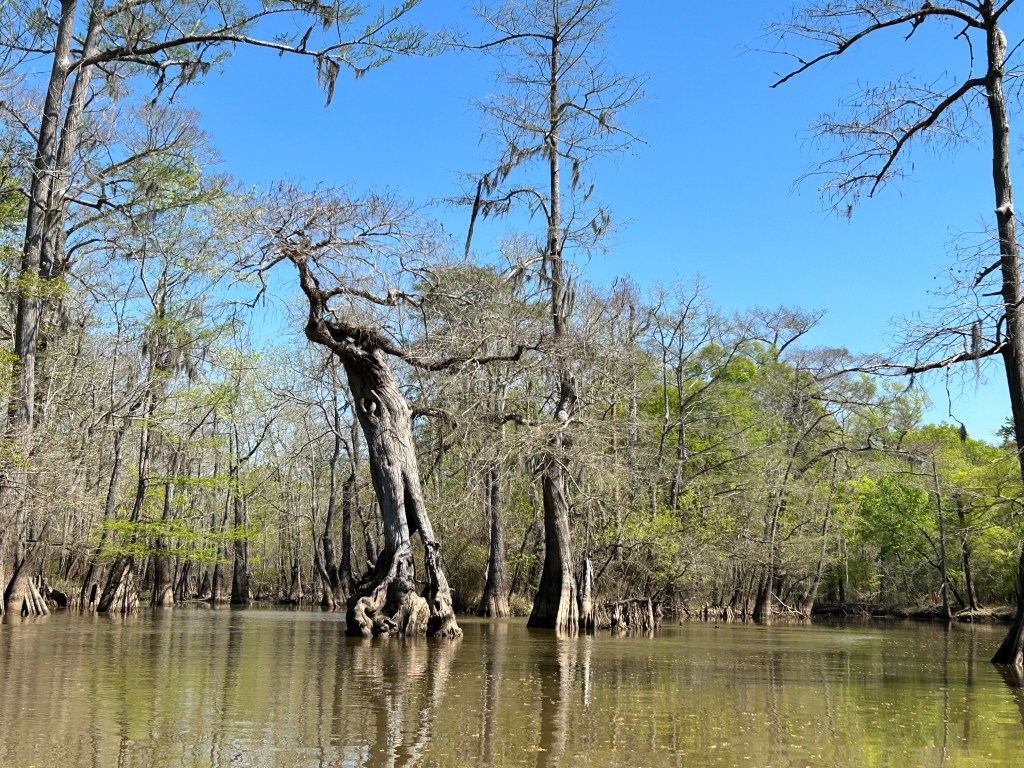
Best kayaking: Big Thicket.

Best snow day: Zion.

Best trees: Great Basin.