All Rocky Mountain Parks, Zero Carbon

I recently completed visits to all national park units in the Rocky Mountain region by electric vehicle, including 3 in North Dakota, 5 in South Dakota, 5 in Montana, 6 in Wyoming, 10 in Colorado and 12 in Utah. I count multi-state parks where I spend my time, and I pick a favorite from each state at the end.

North Dakota’s parks are each glorious. At Knife River early Native American life is revealed in middens, plants, a round earthlodge, and living exhibits. At Fort Union the early interactions between Native Americans and fur traders also come to life. And Teddy Roosevelt’s 3 park areas protect both wildlife and the formative experience of our greatest conservationist president. And the state has the only affiliate in the region, International Peace Garden.

South Dakota’s parks cluster in the southwest corner, but they are varied. Wind and Jewel Caves give entry to the subterranean world, Badlands to the wall across the wide foreboding landscape, Mt Rushmore to the Black Hill cliffs, and Minuteman to the Cold War apocalyptic thinking.

Montana has two powerful parks describing our tragic history of brutal war against Native Americans: Big Hole and Little Bighorn. Grant-Kohrs preserves a piece of the old cowboy west, and Bighorn Canyon has striking views and wild horses. Glacier is stunning, rugged and a great place for horse riding, backcountry camping, kayaking and hiking.

Wyoming has parks in each corner, but the best are in the northwest. Fossil Butte does an admirable job of illustrating the full scale of evolution on earth, Devils Tower evokes some otherworldly monolith, and Fort Laramie recalls the days of wagon trains and unjust war on Native Americans. But Grand Teton, the Rockefeller Parkway and Yellowstone, in particular, are spectacular.

Half of Colorado’s parks preserve some of its impressive scenery, and half preserve the past. Black Canyon, Great Sand Dunes and Rocky Mountain National Parks are self-explanatory and awesome. Curecanti and Colorado also have dramatic canyon views. Bent’s Old Fort is a trading post out of a western movie, and Florissant protects fossilized trees, plants and animals from eons ago. Mesa Verde National Park (one of four in the state) and Yucca House preserve early native dwellings and artifacts, and Sand Creek preserves a shameful massacre of Native Americans by US troops and volunteers.

Utah has more than their fair share of scenic parks: Cedar Breaks vistas and Timpanogos Cave up in the mountains, Rainbow and Natural Bridges, Dinosaur fossils, Hovenweep native ruins and the Golden Spike. Oh, and they also have the big five: Arches, Bryce, Canyonlands, Capitol Reef and Zion National Parks. (Full disclosure: I drove to a stamp office for my official Rainbow Bridge EV visit and then took a carbon-burning tour boat to enjoy the park).

My favorite parks in each state are wildlife refuge Teddy Roosevelt, starkly scenic Badlands, dramatic drive & trails Glacier, geyser popping Yellowstone, native dwelling etched Mesa Verde (see Cliff Palace photo above) and stunning hikes Zion. While other regions may have more total park units, Rocky Mountain has many of the most spectacular parks in the system.

All Caving Parks, Zero Carbon

I recently completed visits to all the caving parks by electric vehicle. To be clear, with caves running under all 50 states and over 100 parks having some type of named cave, this only lists parks where the primary activity is to visit a cave, almost always on a guided tour.

Subconsciously I become a bit claustrophobic in subterranean spaces, so I compensate by imagining what type of monsters best suit the scene. Rangers who do cave tours are quick to get this humor, although it’s best not to spook other troglocenes—cave visitors—in case anyone is seriously fearful. Below, I describe both the scientific cave category and my own cave creature category.

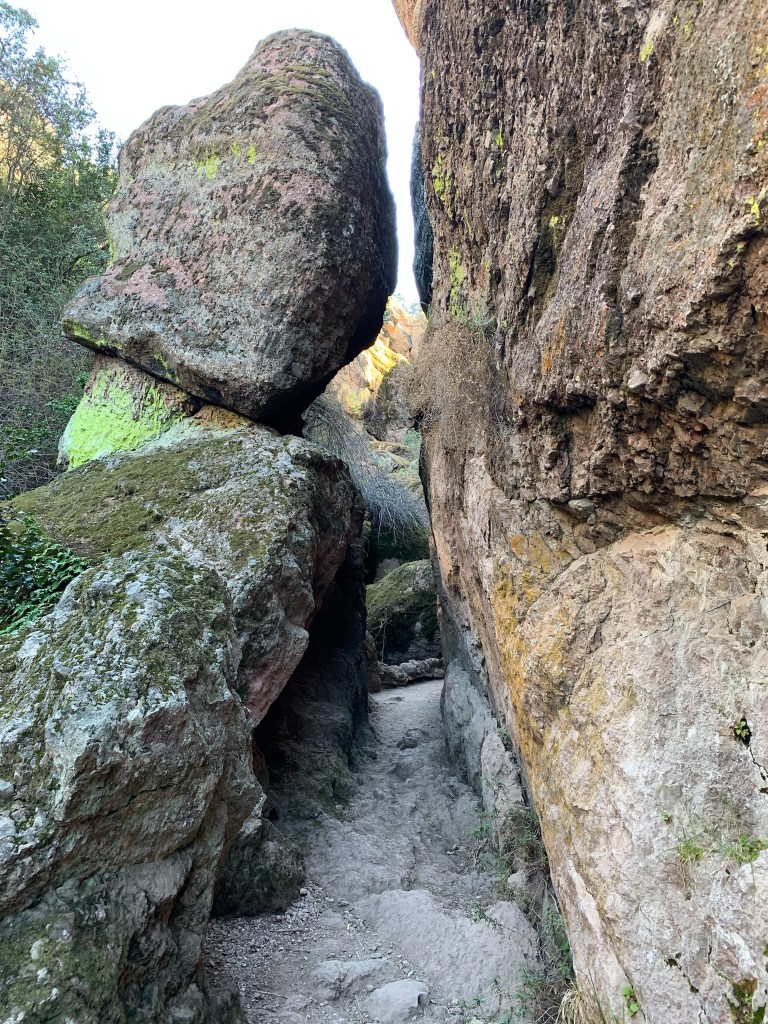
Talus caves are formed when boulders stack up in narrow passages, and Pinnacles in California is the unit to explore these. The large boulders and varying heights made me feel like a dwarf, my first category.

“Caves, they say! Caves! Holes to fly in time of war, to store fodder in!
My good Legolas, do you know that the caverns of Helm’s Deep are vast and beautiful? There would be an endless pilgrimage of Dwarves, merely to gaze at them, if such things were known to be. Aye indeed, they would pay pure gold for a brief glance!”

— Gimli

California’s Lava Beds is the best place to explore different types of lava tube caves, and the skulls and ice-cold rooms are ghostly. Craters of the Moon in Idaho has a similar cave, but obviously that’s more werewolf. El Malpais is more for self-guided, serious spelunkers, but many natural entrances can be seen. Definitely bats.

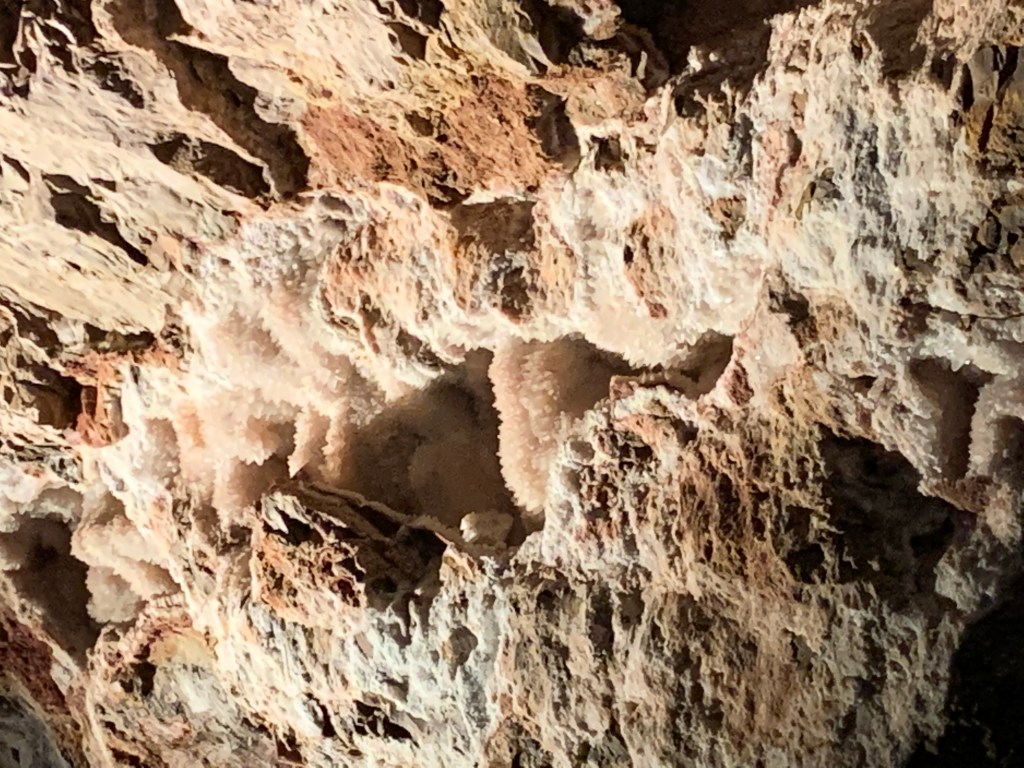
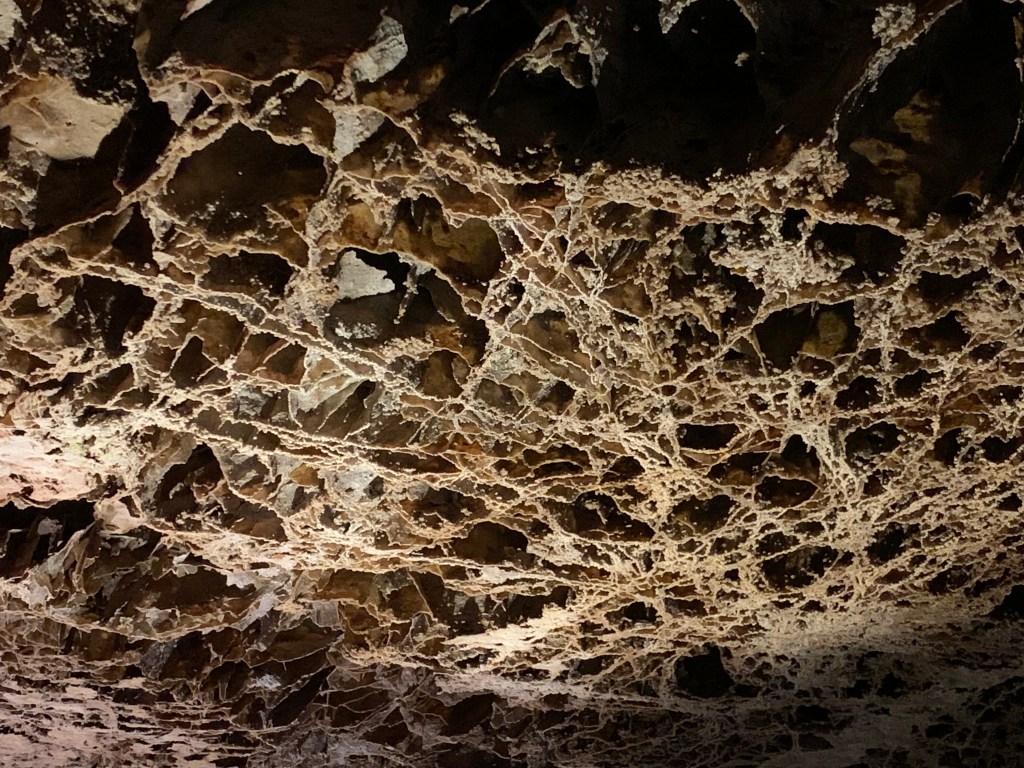
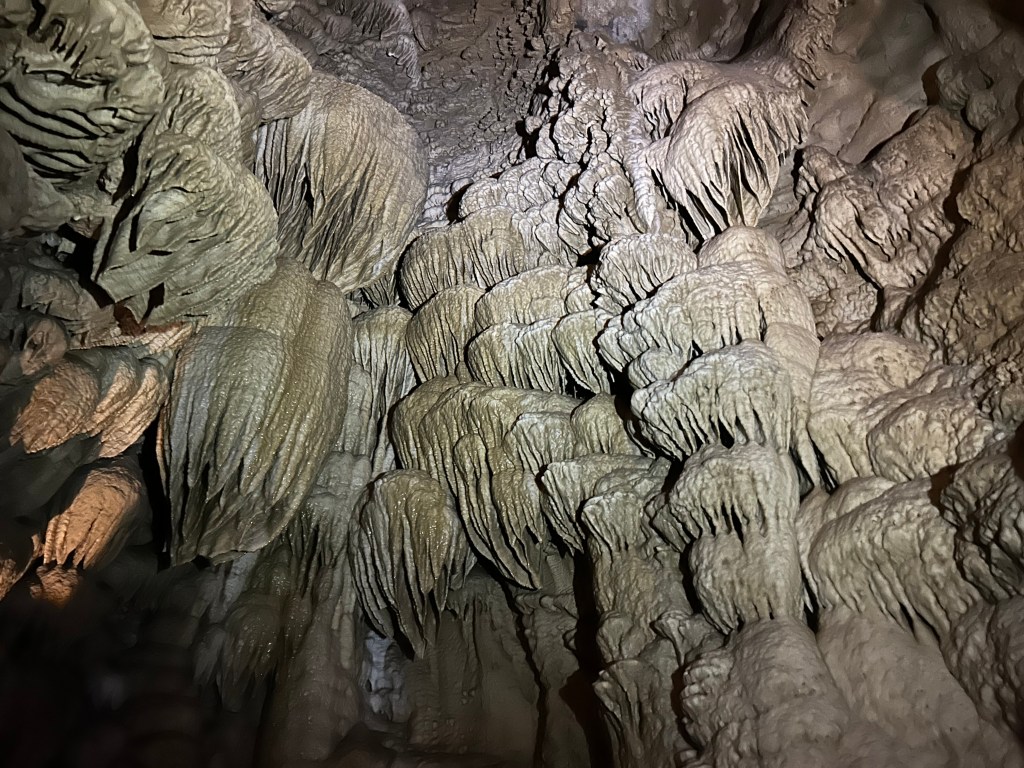
My favorite cave park is Timpanogos in Utah, due to the good condition and variety of speleothems (features created by water). The alien features evoke melon heads. Solution caves, created when liquids dissolve bedrock, are the most common types of cave parks. Carlsbad in New Mexico is the largest with grand speleothems that tower overhead (see photo). Try not to listen for goblin drums coming from the deep. Mammoth in Kentucky is the longest in the world with tunnels fit for lizard people. South Dakota’s Jewel and Wind caves rank 3 & 7 in the world for length, each with different speleothems to see. Also, think Djinn and Minotaur, respectively. Oregon completed my solution cave set, and it’s a good example of a marble cave. Definitely a troll cave.

That’s my complete list of caving parks. Great Basin is not primarily a caving park despite dragonesque Lehman Caves, because the park has such wonderful above-ground scenic views and alpine hiking. Neither is the vampiresque Karst-cave Ozark, since paddling is primary. Nor is archaeological Russell in Alabama. Before going zero carbon, we visited lava tubes in Hawaii, but there’s flowing lava to see. The parks have many more mines, ice, sea or littoral caves, but not primarily for caving.

And always remember to wear completely different clothes and shoes when visiting different caves, so you can help prevent the spread of the lethal white nose syndrome among different populations of bats! I never imagined I’d use all those Chuck Taylors I bought during their bankruptcy underground; perfect in case I need to run from a basilisk.

Progress Report

  • 95,000 miles traveled in locust-covered, long range electric vehicle above
  • 3rd set of tires, 2nd windshield, and 1 speeding ticket
  • 48 states visited
  • 30 states completed all national park units
  • 3 of 9 regions completed: Mid-Atlantic, National Capital & Southwest
  • 42 of 63 national parks visited
  • 25 of 25 battlefields & military parks visited: e.g. Revolutionary War
  • 40 of 42 memorials visited
  • 71 of 75 historic sites
  • 55 of 62 historical parks (broader than historic sites)
  • 77 of 84 monuments
  • 48 of 73 recreational areas, reserves, rivers and others
  • 24 of 31 world heritage sites in USA, plus 5 in Canada

I spent $9,000 on charging, over 85% at superchargers. Heavy use of superchargers beyond the recommended daily limit has also reduced my battery capacity by 9%. Most electric car drivers charge overnight at home, so their costs are far lower. I should have cut costs with more free chargers and better route planning, but I drive capriciously, rushing around depending on weather and my curiosity. Like my mileage, my charging cost excludes borrowing an S when my 3 was in the shop and includes driving to visit family. A comparably priced new pickup truck for the same distance would have cost at least $16,000 for gas, based on average mpg and $/ gallon, more if they carried a boat or a bike like I do.

In September I plan to post a few of the affiliated trails I’ve stopped along, more west coast parks, a couple others I still need to edit, and hopefully some more Rocky Mountain parks from the road. Posting schedule will slow down in Q4 but each week will include a national park. Stay tuned for more adventures!

All Revolutionary War Parks

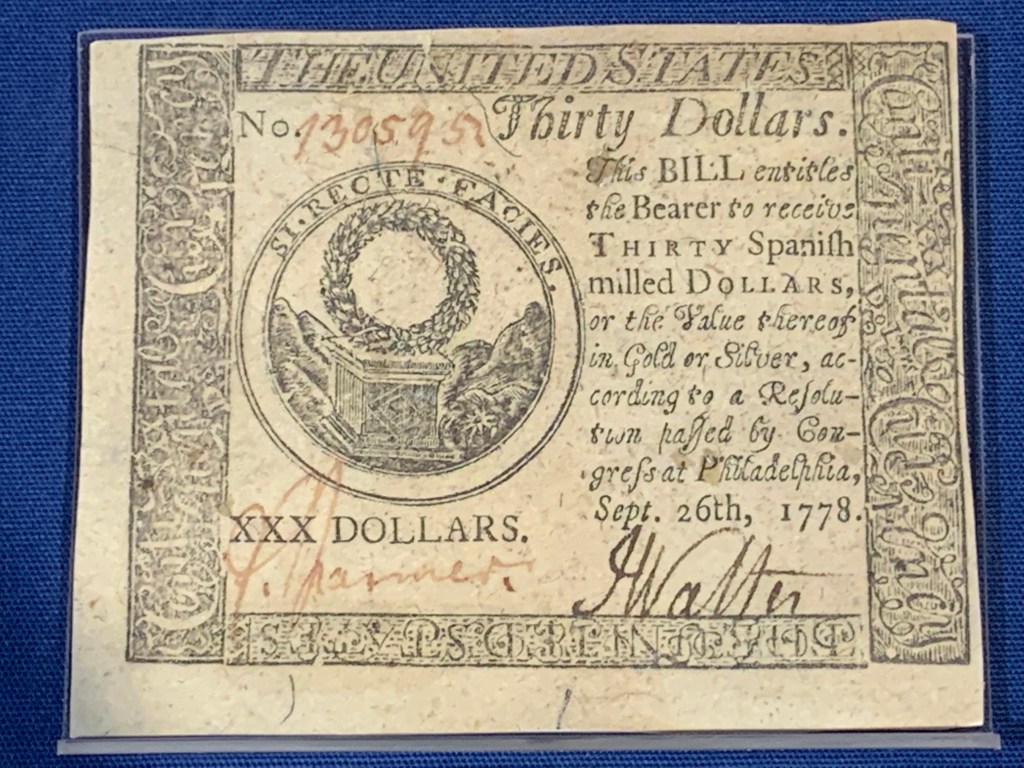
Read the chronology of the Revolutionary War below, and click on the links to read my visits to each battlefield park by Electric Vehicle. Our country’s independence was the result of many hard fought battles, bravery, determination, moments of military genius, critical help from our allies and luck. Visiting the sites helps bring to life the story we should all know.

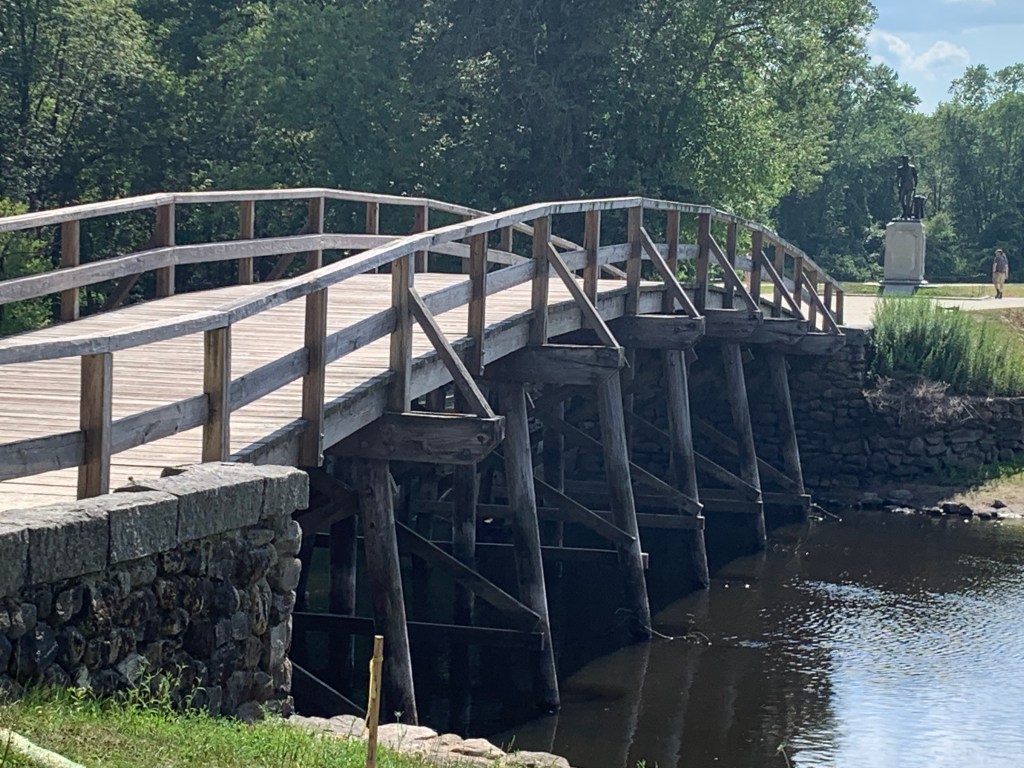
On the 19th of April 1775 at the Old North Bridge in Concord, Massachusetts, the embattled farmers resisted British efforts to take their stockpile of weapons and fired ‘the shot heard round the world’ against the world’s dominant military power.

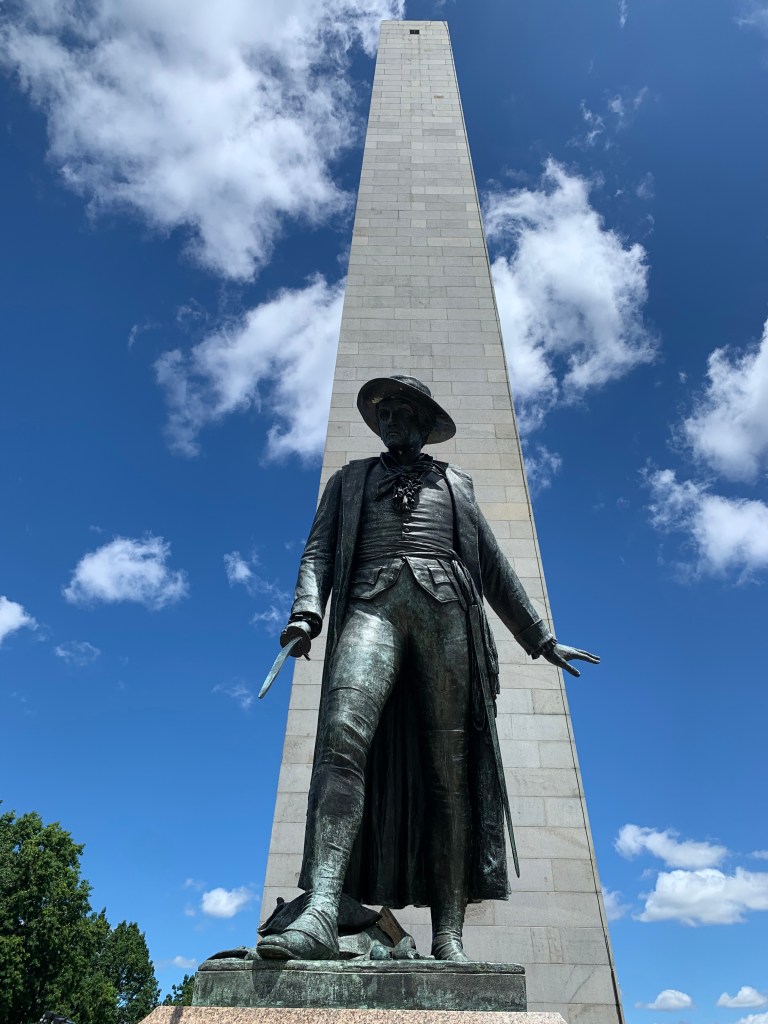
After the British retreated from Concord to Boston, the rebellious colonists tried to trap the British in Boston. The monument on Bunker Hill commemorates the siege in June 1775, but the Americans were unable to defeat the British that year.

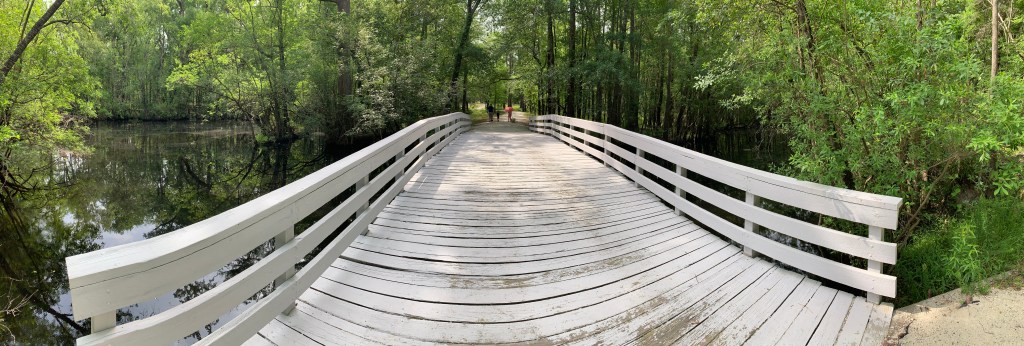
The first significant Patriot victory happened in Moores Creek North Carolina in February 1776 at a bridge much like Concord’s, where Scottish Highlanders charged with broadswords and were cut down by muskets behind low earthworks.

That same winter, Henry Knox brought captured cannon from Fort Ticonderoga in New York on sleds to Boston, surrounding the British. They withdrew to Canada in March 1776, but that summer the British took New York City. Washington crossed the Lower Delaware River in December 1776, defeating the British at Trenton and Princeton, but he was unable to dislodge the British fleet or army from New York.

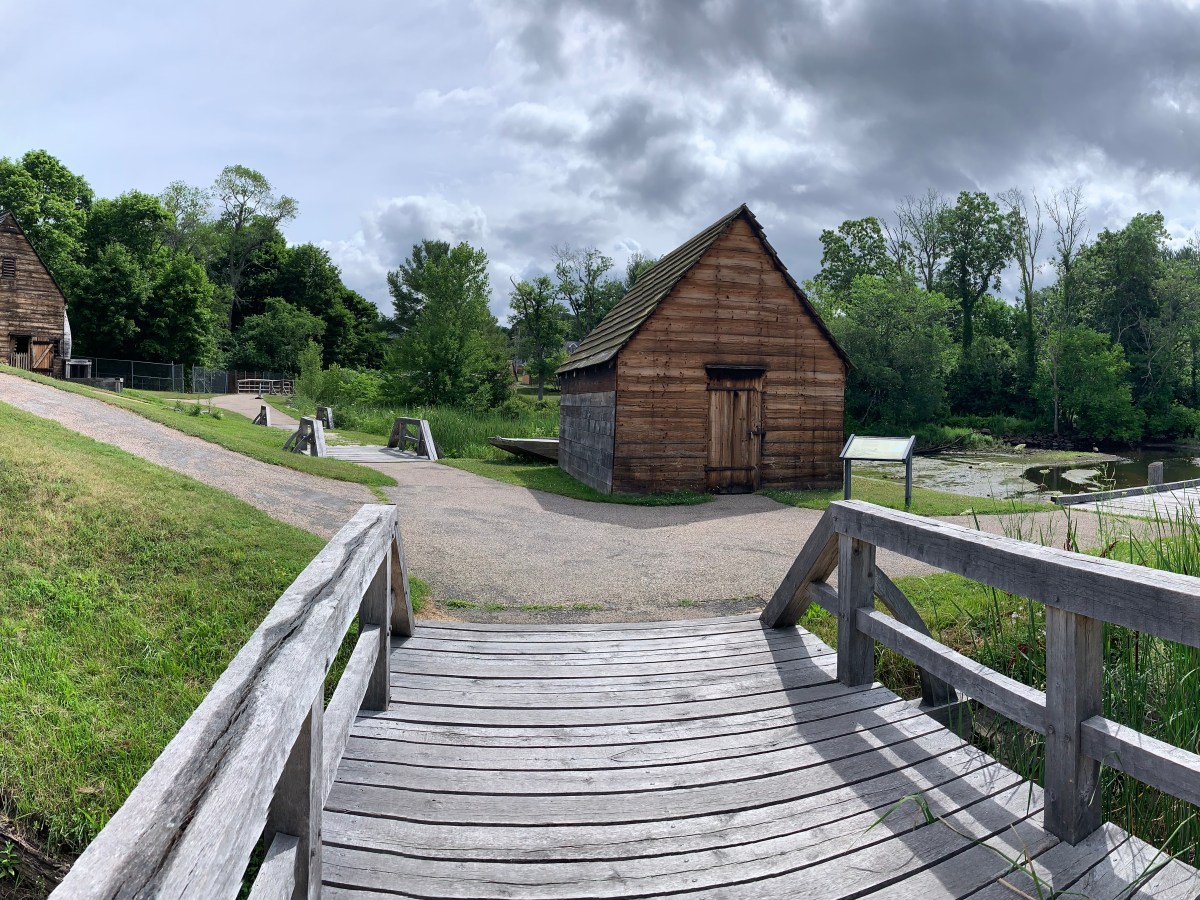
In 1777, the British tried to join their Quebec & New York forces and to take the de facto capital of the colonies, Philadelphia. At Forts Stanwix and Saratoga (see photo) in New York the Patriots defeated the British in August and September 1777, convincing the French to help us. But the British landed troops in Maryland and took Philadelphia from the south.

Washington trained and wintered with his army in Valley Forge in 1778 and 1779 and in Morristown 1779 and 1780. The most notable victory in that time was when George Rogers Clark took Fort Sackville Indiana in February 1779, winning control of the lands bordering the Great Lakes.

But in 1780 the British took Charleston South Carolina and attempted to take control of the southern colonies. In October, the Patriots won at Kings Mountain South Carolina. In January 1781, the Patriots executed a rare maneuver to win at Cowpens South Carolina, but Cornwallis eked out a costly victory at Guilford Courthouse North Carolina in March. Then in June the Patriots failed to take the British fort at Ninety-Six South Carolina.

The war may have continued for a couple more years, but our French allies helped us win the critical victory that fall. Washington and Rochambeau secretly marched their combined armies down the coast to Yorktown Virginia, while the French fleet blocked the entire entrance to the Chesapeake Bay. Cornwallis surrendered on the 19th of October 1781.

All Revolutionary War Battles, Zero Carbon

Read the chronology of the Revolutionary War below, and click on the links to read my visits to each battlefield park by Electric Vehicle. Our country’s independence was the result of many hard fought battles, bravery, determination, moments of military genius, critical help from our allies and luck. Visiting the sites helps bring to life the story we should all know.

On the 19th of April 1775 at the Old North Bridge in Concord, Massachusetts, the embattled farmers resisted British efforts to take their stockpile of weapons and fired ‘the shot heard round the world’ against the world’s dominant military power.

After the British retreated from Concord to Boston, the rebellious colonists tried to trap the British in Boston. The monument on Bunker Hill commemorates the siege in June 1775, but the Americans were unable to defeat the British that year.

The first significant Patriot victory happened in Moores Creek North Carolina in February 1776 at a bridge much like Concord’s, where Scottish Highlanders charged with broadswords and were cut down by muskets behind low earthworks.

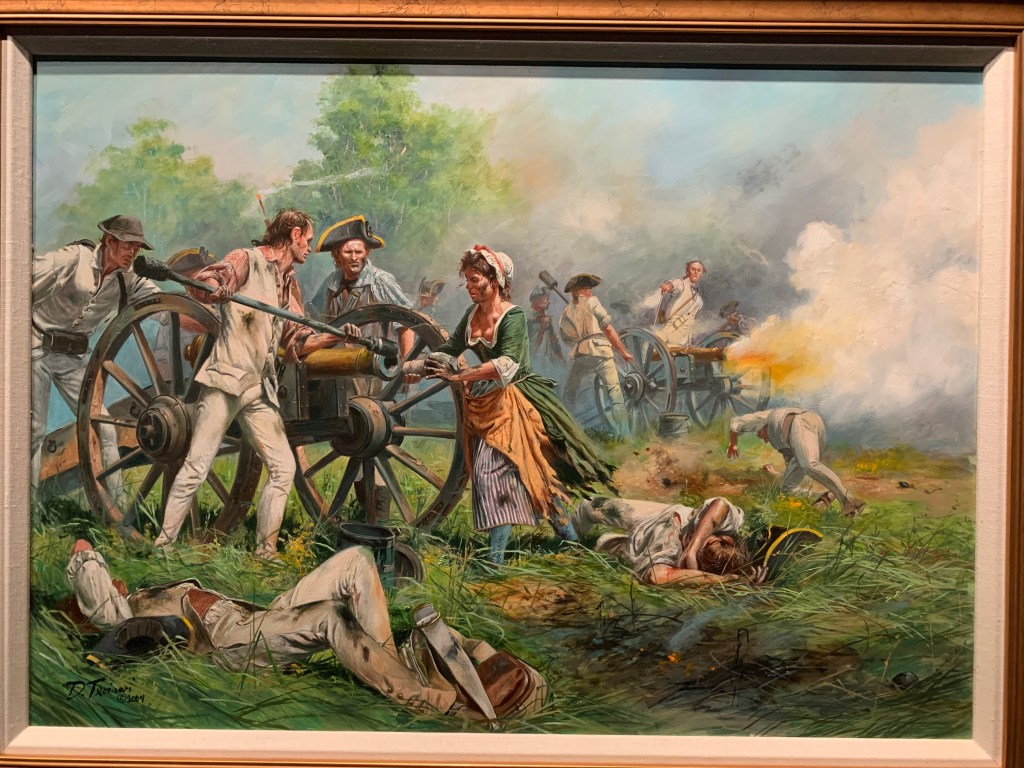
That same winter, Henry Knox brought captured cannon from Fort Ticonderoga in New York on sleds to Boston, surrounding the British. They withdrew to Canada in March 1776, but that summer the British took New York City. Washington crossed the Lower Delaware River in December 1776, defeating the British at Trenton and Princeton, but he was unable to dislodge the British fleet or army from New York.

In 1777, the British tried to join their Quebec & New York forces and to take the de facto capital of the colonies, Philadelphia. At Forts Stanwix and Saratoga (see photo) in New York the Patriots defeated the British in August and September 1777, convincing the French to help us. But the British landed troops in Maryland and took Philadelphia from the south.

Washington trained and wintered with his army in Valley Forge in 1778 and 1779 and in Morristown 1779 and 1780. The most notable victory in that time was when George Rogers Clark took Fort Sackville Indiana in February 1779, winning control of the lands bordering the Great Lakes.

But in 1780 the British took Charleston South Carolina and attempted to take control of the southern colonies. In October, the Patriots won at Kings Mountain South Carolina. In January 1781, the Patriots executed a rare maneuver to win at Cowpens South Carolina, but Cornwallis eked out a costly victory at Guilford Courthouse North Carolina in March. Then in June the Patriots failed to take the British fort at Ninety-Six South Carolina.

The war may have continued for a couple more years, but our French allies helped us win the critical victory that fall. Washington and Rochambeau secretly marched their combined armies down the coast to Yorktown Virginia, while the French fleet blocked the entire entrance to the Chesapeake Bay. Cornwallis surrendered on the 19th of October 1781.

All National Capital Parks

My first region completed! There are currently 23 national park sites in our nation’s capital (exclusively), including Presidential memorials, war memorials, historic sites, and parks. The District of Columbia national park sites are the easiest to visit without using a carbon burning vehicle. The DC Metrorail subway cars are all electric, some of the DC Circulator $1 buses are electric, there are bicycles & electric scooters for rent, and most of the sites are in walking distance. I visited most on foot, some by metro and the rest by my Tesla 3 LR, which I drove from California.

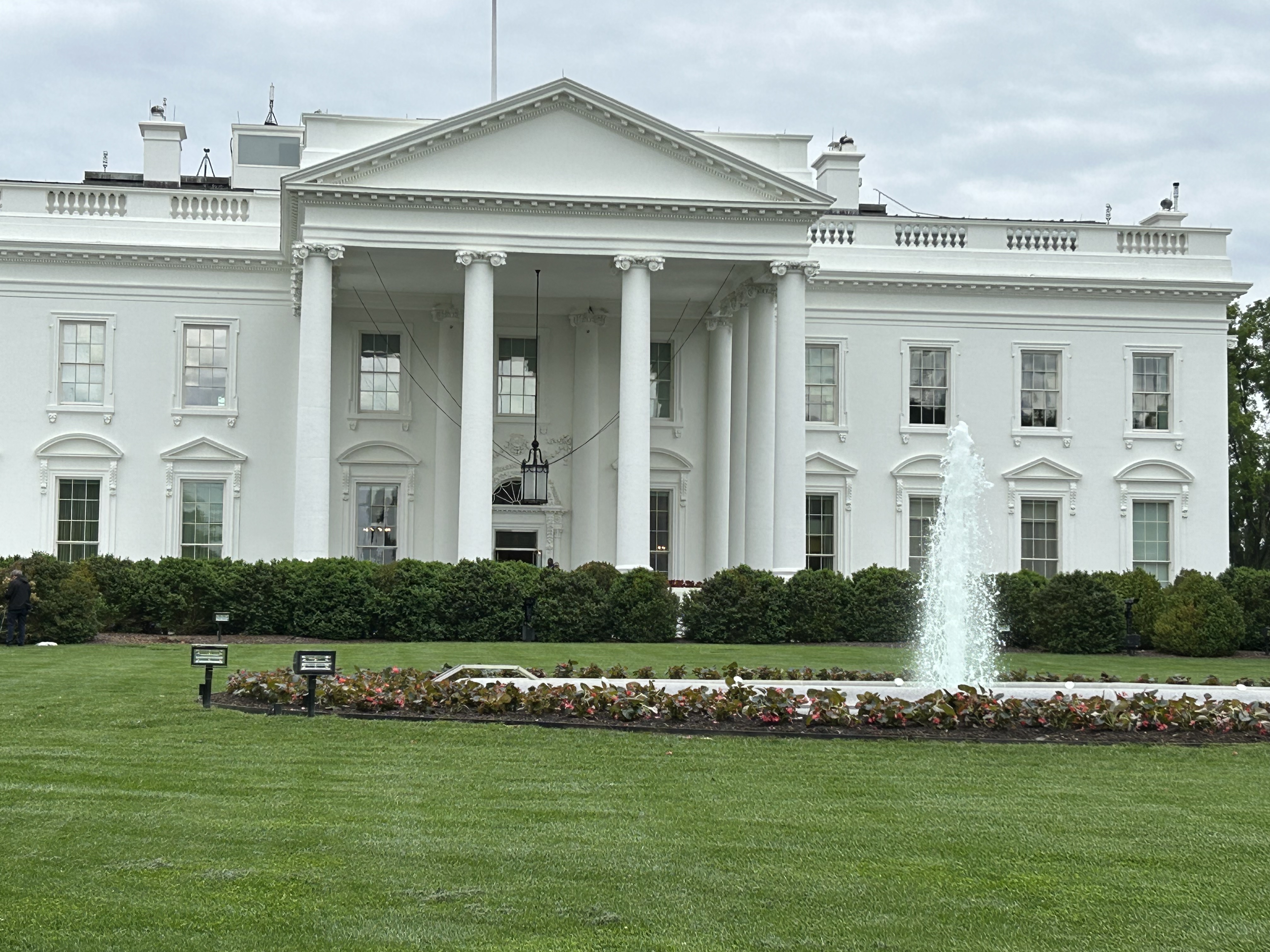
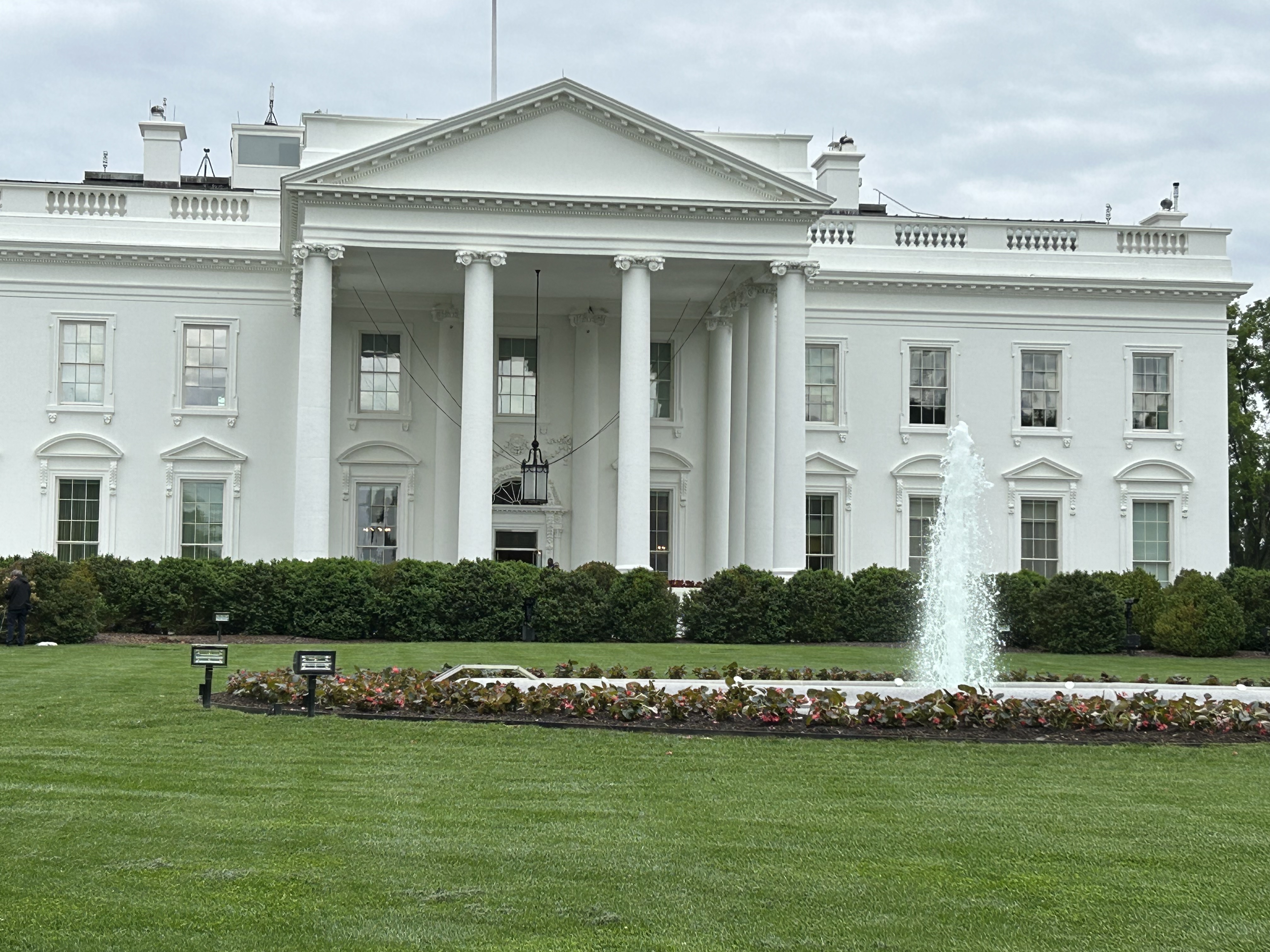
The Presidential sites are The White House (see photo), the Washington Monument, the Thomas Jefferson Memorial, the Lincoln Memorial, the Theodore Roosevelt Island National Memorial, the Franklin Delano Roosevelt Memorial, the Dwight D. Eisenhower Memorial, and the Lyndon Baines Johnson Memorial Grove on the Potomac National Memorial.

The war sites are the National World War I Memorial, the World War II National Memorial, the Korean War Veterans Memorial, and the Vietnam Veterans Memorial.

The only memorial site for a civilian is the Martin Luther King, Jr. National Memorial.

The historic sites are the Belmont-Paul Women’s Equality National Monument, the Carter G. Woodson Home National Historic Site, the Frederick Douglass National Historic Site, Ford’s Theatre National Historic Site, the Mary McLeod Bethune Council House National Historic Site, and the Pennsylvania Avenue National Historic Site. (The first two of these sites have been closed for over a year, so I only visited the front steps).

The parks are Constitution Gardens, National Capital Parks—including Kenilworth Park & Aquatic Gardens—, the National Mall, and Rock Creek Park.

In addition, there are a number of national trails that run through DC. Also, John Philip Sousa Junior High was part of Brown v. Board, and, as it’s still a public middle school, it’s run as an affiliate site.

Our nation’s capital has so many of our most important park sites, and I encourage you to click on the links and read my posts, each with a photo. There’s much to be learned from these special places. Of course, if you visit DC, you should also visit some of the Smithsonian museums and other great tourist sites.

All National Capital Parks, No Carbon Vehicles

My first region completed! There are currently 23 national park sites in our nation’s capital (exclusively), including Presidential memorials, war memorials, historic sites, and parks. The District of Columbia national park sites are the easiest to visit without using a carbon burning vehicle. The DC Metrorail cars are all electric, some of the DC Circulator $1 buses are electric, there are bicycles & electric scooters for rent, and most of the sites are in walking distance. I visited most on foot, some by metro and the rest by my Tesla 3 LR, which I drove from California.

The Presidential sites are The White House (see photo), the Washington Monument, the Thomas Jefferson Memorial, the Lincoln Memorial, the Theodore Roosevelt Island National Memorial, the Franklin Delano Roosevelt Memorial, the Dwight D. Eisenhower Memorial, and the Lyndon Baines Johnson Memorial Grove on the Potomac National Memorial.

The war sites are the National World War I Memorial, the World War II National Memorial, the Korean War Veterans Memorial, and the Vietnam Veterans Memorial.

The only memorial site for a civilian is the Martin Luther King, Jr. National Memorial.

The historic sites are the Belmont-Paul Women’s Equality National Monument, the Carter G. Woodson Home National Historic Site, the Frederick Douglass National Historic Site, Ford’s Theatre National Historic Site, the Mary McLeod Bethune Council House National Historic Site, and the Pennsylvania Avenue National Historic Site. (The first three of these sites have been closed for over a year, so I only visited the front steps).

The parks are Constitution Gardens, National Capital Parks—including Kenilworth Park & Aquatic Gardens—, the National Mall, and Rock Creek Park.

I can’t choose favorites from a list like this with so many of our nation’s most important park sites, but I encourage you to click on the links and read my posts. Every post has a photo, although they are slow to load sometimes. There’s much to be learned from these special places. Of course, if you visit DC, you should also visit some of the Smithsonian museums and other great tourist sites.

What About Charging?

It’s easier than you may think. Does your car tell you when you’re about to drive too far from the nearest gas station? Does it include fuel stops in your itinerary automatically, or let you know the prices before you decide where to fuel up? When was the last time you filled up for free? Can you fuel up overnight while staying at Mesa Verde, in a campground, while eating a burger, drinking a white mocha or watching the base jumpers fly off the bridge into the Snake River Gorge in Twin Falls, Idaho, above?

I have only had a few tricky charging situations so far. One was at the Dairy Queen in Needles, California, where every time the owner updates his seasonal specials, his sign truck blocks 3 of the 4 chargers for much of the day. I asked him why he didn’t tell Tesla in advance, so that the cars would route drivers to a different charger, but that never occurred to him. I also suggested that he could park the truck on the other side of the sign and only block 2 of 12 gas pumps, and he looked at me like I was crazy. I decided not to buy any ice cream while waiting.

Recently, I was unable to contact the owner of a JuiceBox charger in Terlingua, Texas, so I just charged up a little for free. One more tricky situation was at the supercharger in Lamar, Colorado, where the town was celebrating some event and the street was temporarily blocked off. But while I was waiting, a town councilwoman came up to offer me BBQ and asked if I was enjoying the live band. I had a beer to help me survive the wait.

Like any vehicle, you can go further if you slow down or turn off heating/cooling and open the windows. To extend my range while traveling in remote areas, I use the free PlugShare App to scout out my charging options and use my adapters (standard J1772, RV 50v, RV 30v, and rarely CCS). The trick is to remember that you need to sleep somewhere on a long road trip, so just find a campground with electricity or a hotel near a slow charger and plug in over night. Tesla destination chargers can be found in some spectacular areas, and they’re often free to hotel guests. [No, I’m not compensated by Tesla in any way].

A few folks quibble that this is not entirely “zero carbon” travel, but it’s not my fault if the grid isn’t fully renewable yet. The sooner we all switch to electric vehicles, the sooner fossil fuel goes extinct. My vehicle doesn’t burn carbon, and I can’t help exhaling carbon dioxide. And to clarify my rules, I have two different goals: 1) to travel to as many places as I can without burning carbon and 2) to enjoy those places, which sometimes involves burning a little bit of carbon to get around the parks.

Most folks seem to understand that driving EV’s save money compared to gas, but I don’t think people fully appreciate the difference. While I was on my way to the restroom, a guy asked me how much it cost to fill up, so I told him usually less than $20. He said, “just like my truck”, but I know his truck costs $200 to fill up at those gas prices. And both vehicles have comparable range. Math isn’t that hard.

I tried to convince the rangers at Death Valley to do more to encourage visitors to switch to EV’s, but they said that they don’t want to force people to buy “expensive vehicles”. A $100,000 5th Wheel or $200,000 Class A rig only goes a mile or two per dollar of fuel. I go at least ten times that, over 15 miles per dollar. It’s very easy to save $10,000 in fuel costs per year switching to an EV, and even more if you go on long road trips, find free charging or use solar to recharge at home.

But the real reason to switch to EV’s is to save life on Earth. Why wait?

Zion National Park

Having visited now in winter as well as in summer, clearly this is a drop dead gorgeous park. A California Condor circled overhead waiting to see if the views would really kill me. Perhaps that’s why so many of the natural geologic features are given heavenly names, like the Great White Throne, Angel’s Landing and the Temple of Sinawava (the Paiute Coyote God). With fresh snow on the Riverside Walk above, I felt like a kid gawking up at waterfalls until my neck hurt, and I spotted other adults who childishly made snow angels and slid down slopes. Best of all, I had sections of the park to myself, a far cry from summer crowds. This is my favorite ‘snow day’ park.

If you haven’t yet visited, go in any season and hike. Explore as many corners as you can from driving the tunnel, to walking in from the pedestrian bridge, to the Kolob Canyons, the Narrows and any of the wilderness. It’s indescribable. If you can, stay at the Zion Lodge in the park, with a good restaurant, comfortable cabins and EV charging. Despite folks complaining about EVs in cold, I was happy to have dual motors and remote defrost. My vehicle went from snow drift to clear windows, heated seat and steering wheel, while I packed up in my cabin. I wanted to avoid the mandatory shuttle, as it is not yet fully electric (soon!), and seeing Zion in winter is like visiting a different less crowded park. In summer, it’s easier to get to the higher viewpoints and see more wildlife, but winter has a desolate stark beauty even in the middle of the canyon. Next time I should try spring or fall.

Fort Matanzas National Monument

The shaded grove interests me, more so than the fort. In the southeastern US, a grove like this is called a hammock, a Native American word that entered European languages with two meanings shortly after Columbus visited around 1500. Hammocks, the sleeping nets hung between trees, date back to the Maya civilization in Central America, and the Taino in the Caribbean would have been the first to introduce those as ‘hammocks’ to Columbus. Perhaps the grove meaning stems from ‘net’ as a way to describe the interlaced canopy of branches. Or, perhaps an explorer pointed at a grove asking what it was, and a native answered “that’s my hammock”. The wonderful brief boardwalk hike covers a great variety of species. I saw a great horned owl, ghost crabs, eastern red cedar, sand live oak, holly & myrtle and the burrow of a gopher tortoise.

458 years ago and long before any fort, the inlet here—with its strategic opening to the Atlantic—was named Bahía de Matanzas, or ‘Slaughter Bay’. The French had settled on the Florida coast just before the Spanish, and in 1565 Fort Catherine sent 250 French soldiers down here to seize St Augustine, 15 miles up the inland waterway. But a storm intervened as their ships were crossing the bar, and they were shipwrecked. When they were discovered, the Spanish slaughtered them.

283 years ago, the British, under Governor Oglethorpe of Georgia, also tried to seize St Augustine, laying siege to to Castillo de San Marco for 39 days in 1740. The Spanish improved their defenses in 1742, including building Fort Matanzas to guard the southern approach. That same year, the British returned and the fort fulfilled its mission by firing warning shots across the inland waterway, helping prevent another sneak attack on St Augustine.

The fort itself is small and unremarkable, but it has a commanding view of the narrow channel. Unless you have your own kayak, you have to take a gasoline-powered ferry to get there (no ferry Monday or Tuesday). Of all the places to convert a boat to electric, this seems perfect. The ferry has a large flat roof that could charge up by solar and it only runs a short distance on a limited schedule. But for all the talk about “saving nature forever”, not enough practical steps are being taken to protect wonderful natural habitats like this from the climate crisis.