Big Cypress National Preserve

In the bigger, more famous neighboring park in southern Florida, the paid guide assured me that the American alligator “is a solitary creature, you never see more than one or two together”. In Big Cypress, I counted 16 alligators in one puddle and 17 in the next. Unlike most other wildlife I try to photograph, the alligators don’t run away; they look you right in the eyes and even slowly move towards you. Some are easy to spot, but while I was counting, three more were sneaking up on me.

Most of the million acres in Big Cypress and its smaller partners are actually prairie habitat for the endangered Florida panther, but there was a devastating fire recently, in our rapidly heating world. I drove the loop road instead, looking for gators in the gullies, but I often found myself looking up at the various trees to look at the air flowers hanging on to trunks and branches. In the hardwood hammocks, you might see some tree snails. And I saw a lot of birds, especially wood storks and other large wading birds.

Coming from the Naples side, I stayed in Everglades City, which is tucked in between the Ten Thousand Islands, the Everglades western estuaries and mangrove islands, and Big Cypress. Before the highway was extended to Key West, many visitors took boats to Key West from Everglades City. They’re rebuilding the hurricane damaged visitor center there in the name of Marjorie Stoneman Douglas, who wrote the book, River of Grass, that led to the protection of 2.5 million acres of lower Florida. Fortunately, large commercial efforts to farm, graze and otherwise exploit the land had all failed, so the environmental coalition won. Carbon pollution raises sea levels, so the future is uncertain. But for now, this is a good place for adventure travel out into the mangroves.

Santa Monica Mountains National Recreation Area (Bonus)

California’s Golden Age architect, Edwin Neff, designed a grand ranch, above, for King Gillette of razor blade fame, in the roaring ‘20s, who sold it to Clarence Brown, who directed dozens of successful films, including National Velvet and The Yearling. Later the property had numerous colorful owners, but eventually it was saved by conservationists who won national protection for the stretch of mountains overlooking the Pacific above Malibu. The recreation area includes state and city parks, numerous film locations, horse riding trails, scenic vistas and wildlife, not far from Santa Monica and the LA basin.

This was actually the first park I visited for this blog, on the same day I picked up my EV. But I was so upset by the devastation of Paramount Ranch after the Woolsey Fire, that I neglected to take a photo. So, since I driving by on Thursday, I decided to do this redux visit to get a proper photograph or three. The visitor center is in the old Gillette Ranch carriage house, with the horse stalls and round hayloft now an exhibit space. And if you walk up the hill, you get a grand view of the Santa Monica Mountains below.

The whole recreation area is fascinating, especially if you’re a fan of scouting old TV and film locations: the Rockford Files beachfront home/ office at Paradise Cove, M*A*S*H’s camp in ‘Korea’ and Planet of the Apes, including Zuma Beach where Charlton Heston famously dropped to his knees to curse us all.

All Teddy Roosevelt Sites

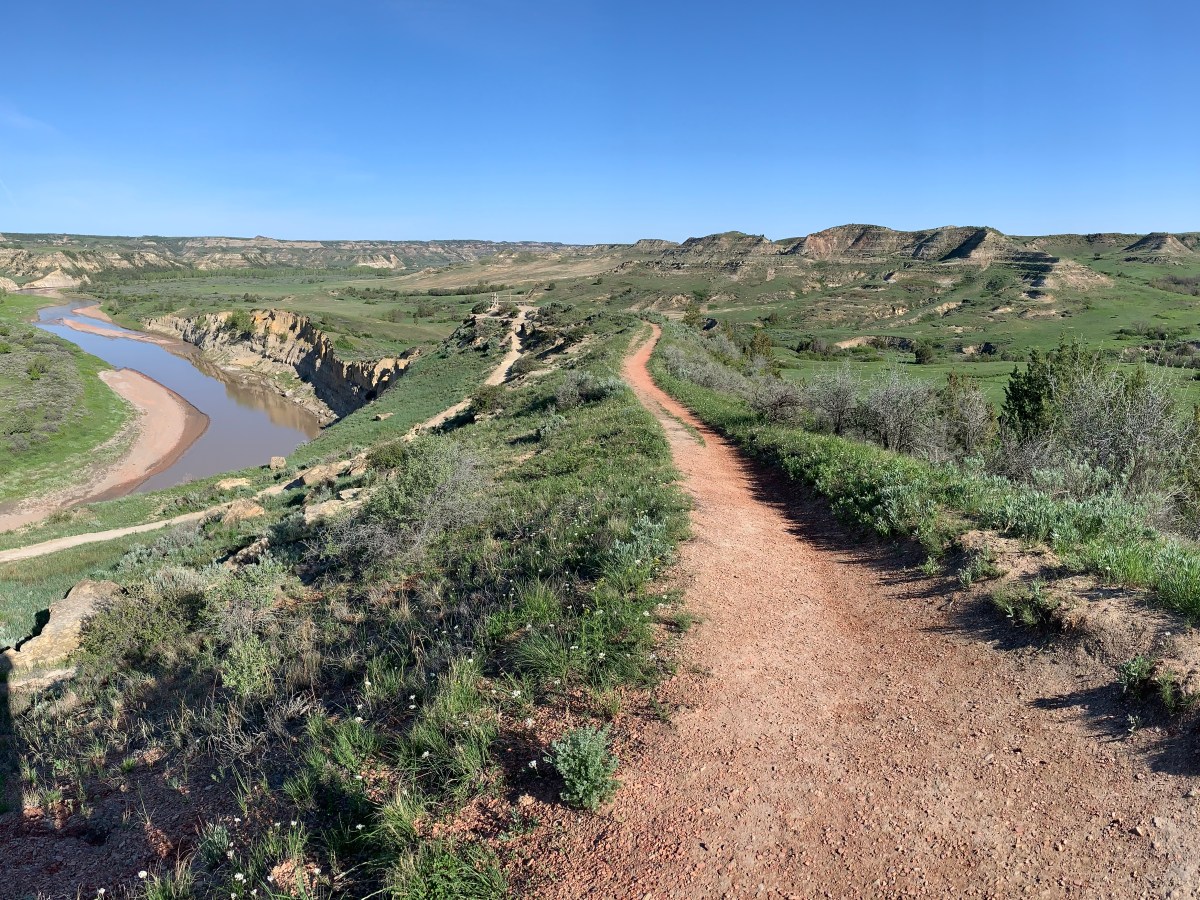
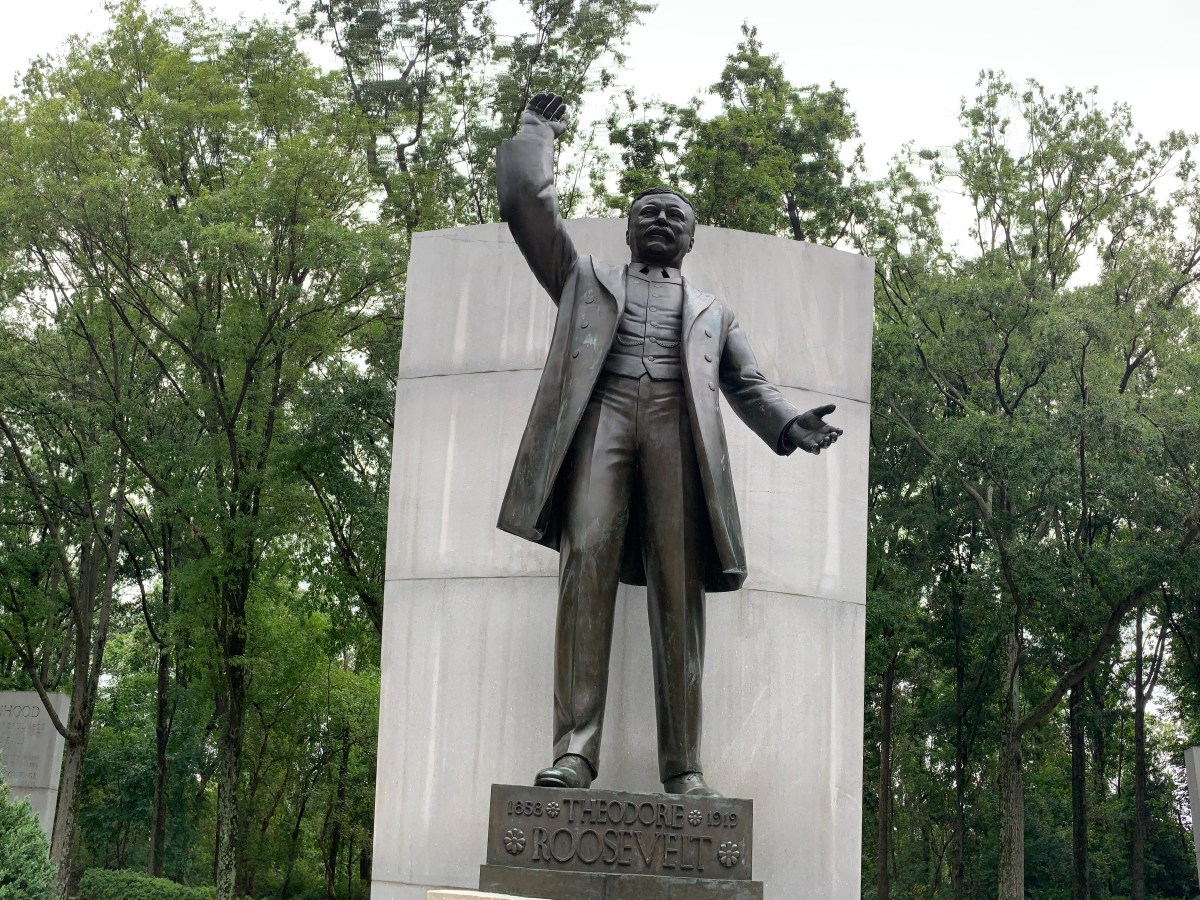
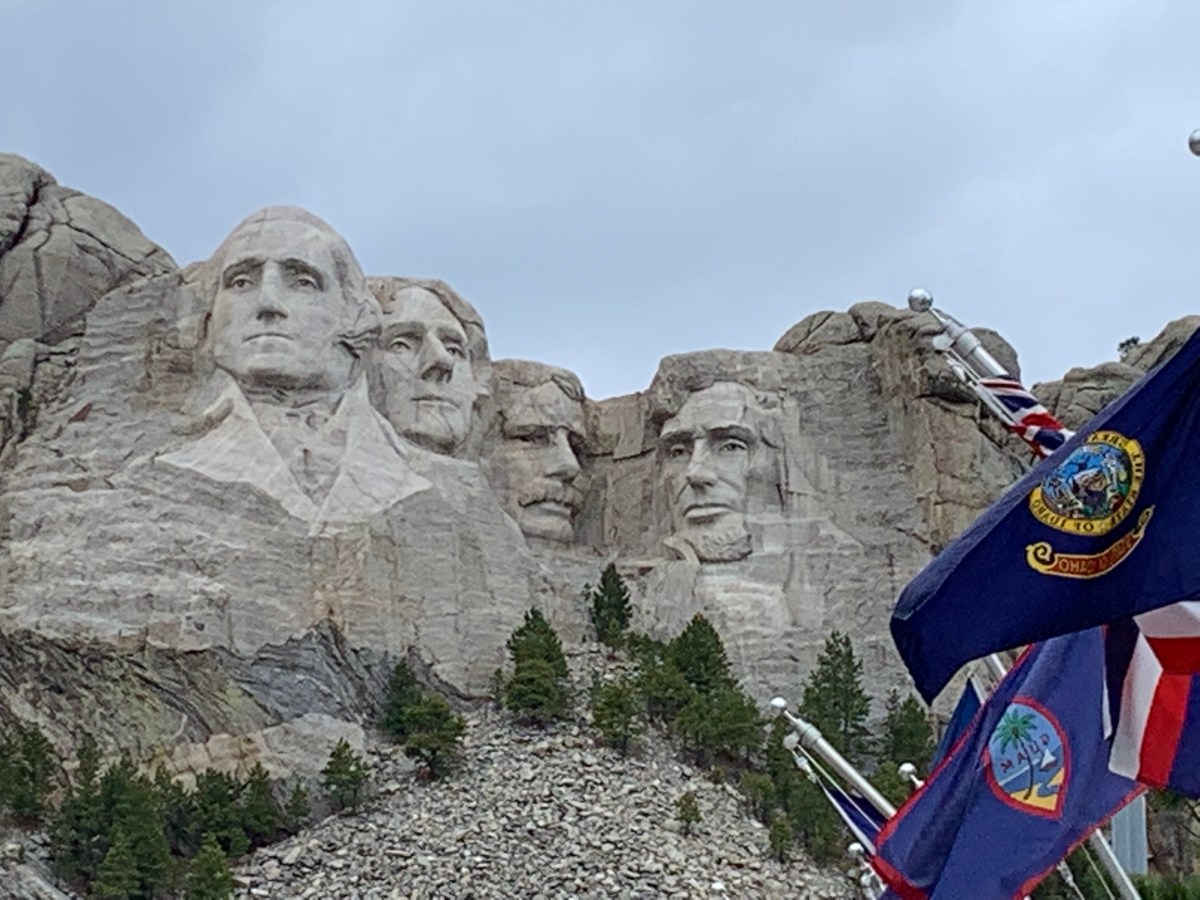
The park service commemorates six parks for Teddy Roosevelt, from his childhood home in NYC, to the ranch in North Dakota where he mourned, to his family home on Oyster Bay, to the room where he was sworn in after an assassination, to the DC island that celebrates his legacy and to the monument that rightly places him among our greatest presidents. The carbon crisis threatens to end the environment Teddy Roosevelt saved for us, so he would want us to switch to electric vehicles to enjoy all his parks, as I did.

At least a dozen current National Parks began with Teddy Roosevelt protecting their land, besides his namesake park above. His friendship with John Muir inspired our entire national park system. We owe a debt that we can only repay by continuing his legacy of preservation for the future.

As President, Teddy Roosevelt protected 230 million acres for us in 20+ states, including national forests, rivers, preserves and more, such as around the beautiful San Luis Valley. He’s directly responsible for all the units listed below, plus others, as well as for signing the Antiquities Act by which presidents still designate national monuments.

“The civilized people of today look back with horror at their medieval ancestors who wantonly destroyed great works of art, or sat by slothfully by while they were destroyed.
We have passed that age, but we are, as a whole, still in that low state of civilization where we do not understand that it is also vandalism wantonly to destroy or to permit the destruction of what is beautiful in nature – whether it be a cliff, a forest, or a species of mammal or bird.
Here in the United States we turn our rivers and streams into sewers and dumping-grounds.
We pollute the air, we destroy forests and exterminate fishes, birds and mammals – not to speak of vulgarizing charming landscapes with hideous advertisements.
But at last it looks as if our people were awakening.
Above all we should realize that the effort toward this end is essentially a democratic movement!
Now there is a considerable body of opinion in favor of our keeping for our children’s children, as a priceless heritage, all the delicate beauty and all the burly majesty of the mightier forms of wildlife.
Surely our people do not understand, even yet, the rich heritage that is theirs!”

Teddy Roosevelt, 1913

John Muir National Historic Site

The view from the cupola of Muir’s father-in-law’s orchard estate upsets me. Between the palm trees, you can see smoke rising from the refineries in Martinez, and to the right across the street is a gas station. Muir never rode in cars, took horse carriages and preferred walking. In the house, there’s a print of the Muir Glacier in Alaska, now the Muir Inlet. He lived just long enough to lose the battle to prevent Hetch Hetchy Dam at Yosemite. Many of the giant sequoia groves at Sequoia have been destroyed by wildfires. And all his work with Teddy Roosevelt and the Sierra Club he helped found to protect millions of acres of wilderness is failing to protect nature from the man made climate crisis.

The battle for conservation will go on endlessly.
It is the universal warfare between right and wrong.

John Muir, 1896

At least he was happy in this house. Muir visited the owner, a Polish botanist who introduced varieties of fruit trees to the valley, and fell in love with his daughter, Louie. They married, settled here and inherited the orchards. They had children and also invited some of Muir’s siblings to join them, allowing John time to write. One of the oldest buildings in the area is the Martinez Adobe in the back of the property, which gave room for the Muir clan to stay and take care of the orchards. Influenced by Emerson, who he met later in life, Thoreau and Marsh, Muir continued traveling and became the most influential conservationist in the world, writing books, articles and letters to protect Yosemite, sequoia groves, glaciers and other natural wonders from human consumption. He would not forgive us for our fossil fuel pollution.