Oil Region National Heritage Area

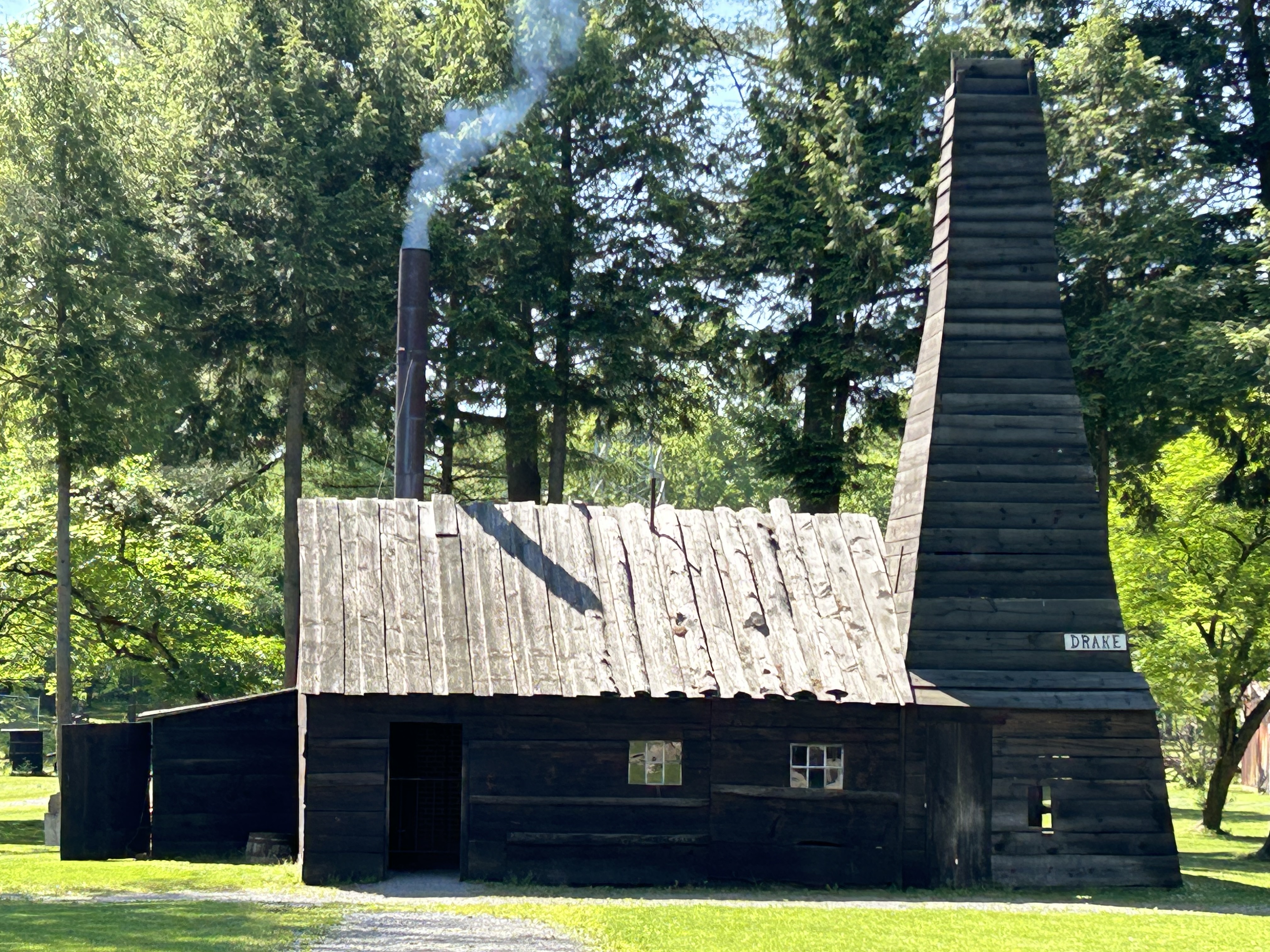
[Apologies for posting this a day behind schedule.] Light sweet crude oil (above) means a thin, low-sulfur, unrefined oil, and at one time the global price was set here in western Pennsylvania, where it was found in 1859 at 70’ in a lucky strike by Edwin Drake. Of course, the Seneca had already discovered the oil where it seeped into Oil Creek, and they had long used it for various purposes, including as Vaseline, but Drake built a well to extract oil as fast as it could be pumped out. His backers already knew of many commercial uses, including replacing whale oil which was used for lamps. The industry helped the Union win the Civil War. Quaker State and Pennzoil were born near here, and John D. Rockefeller was an early customer. Ida Tarbell, daughter of a local independent forced out by the monopoly, went on to write a critical history of Standard Oil.

The hub of the heritage area, the Drake Well Museum has a variety of equipment over 100 years old and many exhibits explaining the different oil products produced by refining at different temperatures and occasional demonstrations of (recycled) oil pumped up by the reconstructed historic well below. If you want to learn the story, you can look up the 1954 Vincent Price movie about “Colonel” Drake on YouTube; it was made by the American Petroleum Institute. With Halloween almost upon us, nothing could be more appropriate than watching a movie about the oil industry starring an actor famous for horror movies.

No matter how cleanly carbon is burned, it is still dangerous, as running a car inside a garage proves. In only 165 years, we extracted and burned millions of years of accumulated oil, and we changed the composition of our atmosphere. Carbon levels have risen at an incredibly fast rate back to where they were about 3 million years ago, ten times as long ago as when human Homo sapiens (wise) evolved. Considering the mass extinctions our carbon burning will cause and our inexcusable refusal to stop, we should probably rename ourselves Homo stultus (foolish).

The Great Lakes & Midwest Biospheres

This year I completed loops around all the Great Lakes, crossing the Canadian border in Minnesota, upper & lower Michigan, and western & northern New York, visiting biospheres in both countries. In Canada, UNESCO Biospheres are tourist destinations, where you can hike and see and learn about wildlife, in addition to and separately from their wonderful national and provincial parks. In the US, while some national parks are also internationally recognized biospheres, the United Nations Educational, Scientific and Cultural Organization, UNESCO, is hardly mentioned.

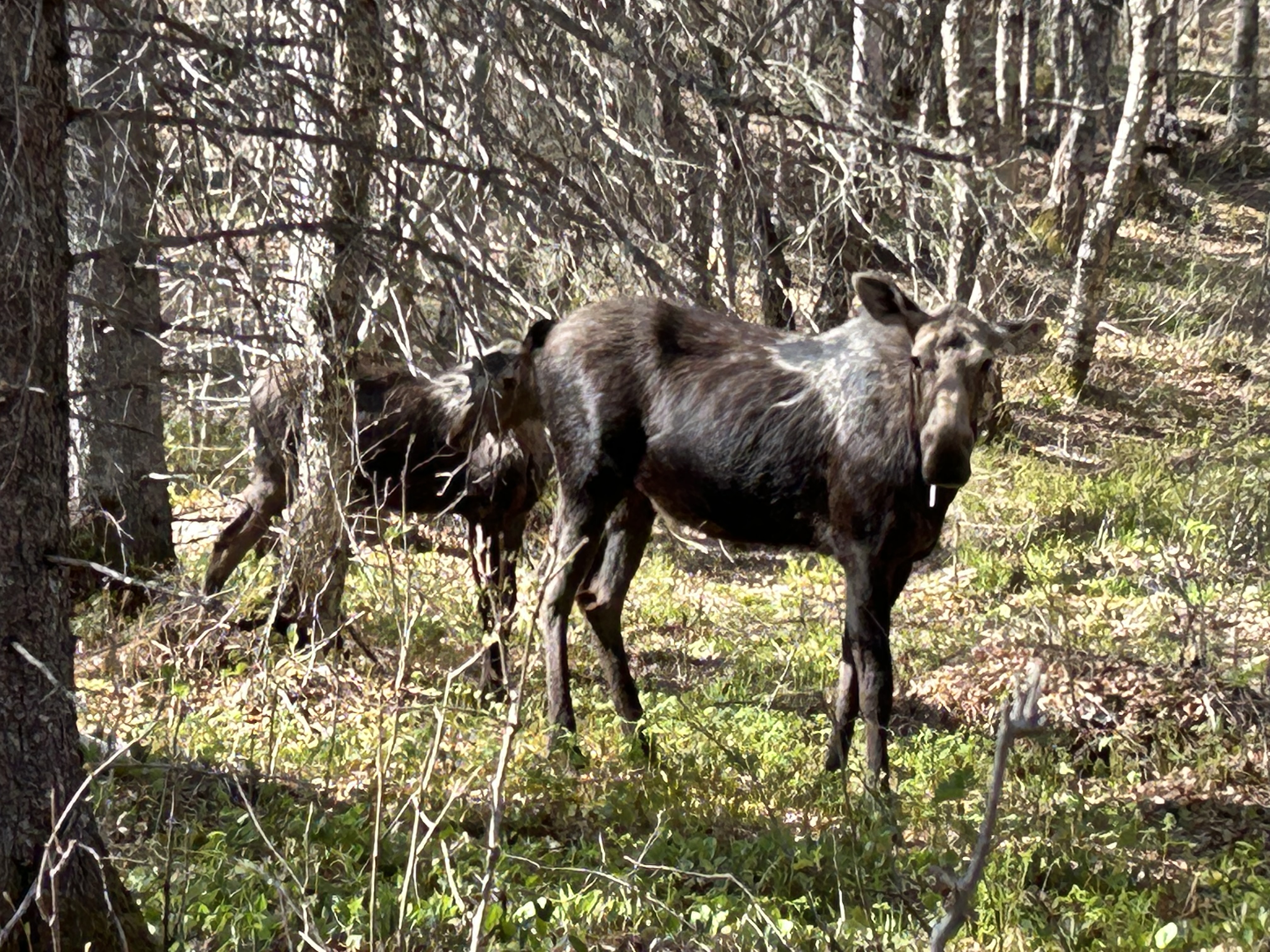
Obtawaing Biosphere is a university project, not well known despite its international scientific research cooperation. Isle Royale National Park attracts many midwestern volunteers for its prey-predator study (see tagged moose above), but even if you ask a ranger, you’re unlikely to learn much about the site being a UNESCO Biosphere. And it took some research for me to learn that Sleeping Bear Dunes is also part of the larger global biosphere network.

Many Americans view our parks as recreation areas for workers to take vacations and spend money as tourists. That nature thrives there is taken for granted. What’s important for most is that you can exercise by climbing a dune, hiking across an island, renting a kayak or biking on a trail. If science is considered at all, it should be presented to the kids in an entertaining, limited format, where kids can learn about ‘weird’ or ‘cool’ animals.

Canada has all of that too, but they also cooperate in international scientific efforts to protect nature. Adults are encouraged to increase their scientific understanding of species too. Their Great Lake biospheres have online visiting information, campgrounds, cooperative agreements with First Nations, birding resources, museums, and both areas that are closed to the public and where the public is welcome. UNESCO is on the signs and in the exhibits.

Sadly, a few Americans believe stupid conspiracies about UNESCO, and some leaders disparaged the science group over an unrelated Israel/ Palestine dispute. As President, Trump removed 17 US Biospheres from the UN program, including Konza Prairie in Kansas. Kansas may not be demographically diverse, but its Tallgrass Prairie is ecologically important to species diversity on earth. The research at Konza used to receive international funding and cooperate with UN scientific efforts, including climate and wildfire research.

There is no logic behind stopping us from receiving funding from the UN for many of our critically important research biospheres, when we need international cooperation to fix the climate crisis. Humans impact nature, and if we’re not careful, we will irrevocably destroy much of our natural environment. Americans should learn about and celebrate our UNESCO biospheres. Please support scientific research and the environment.

Obtawaing Biosphere

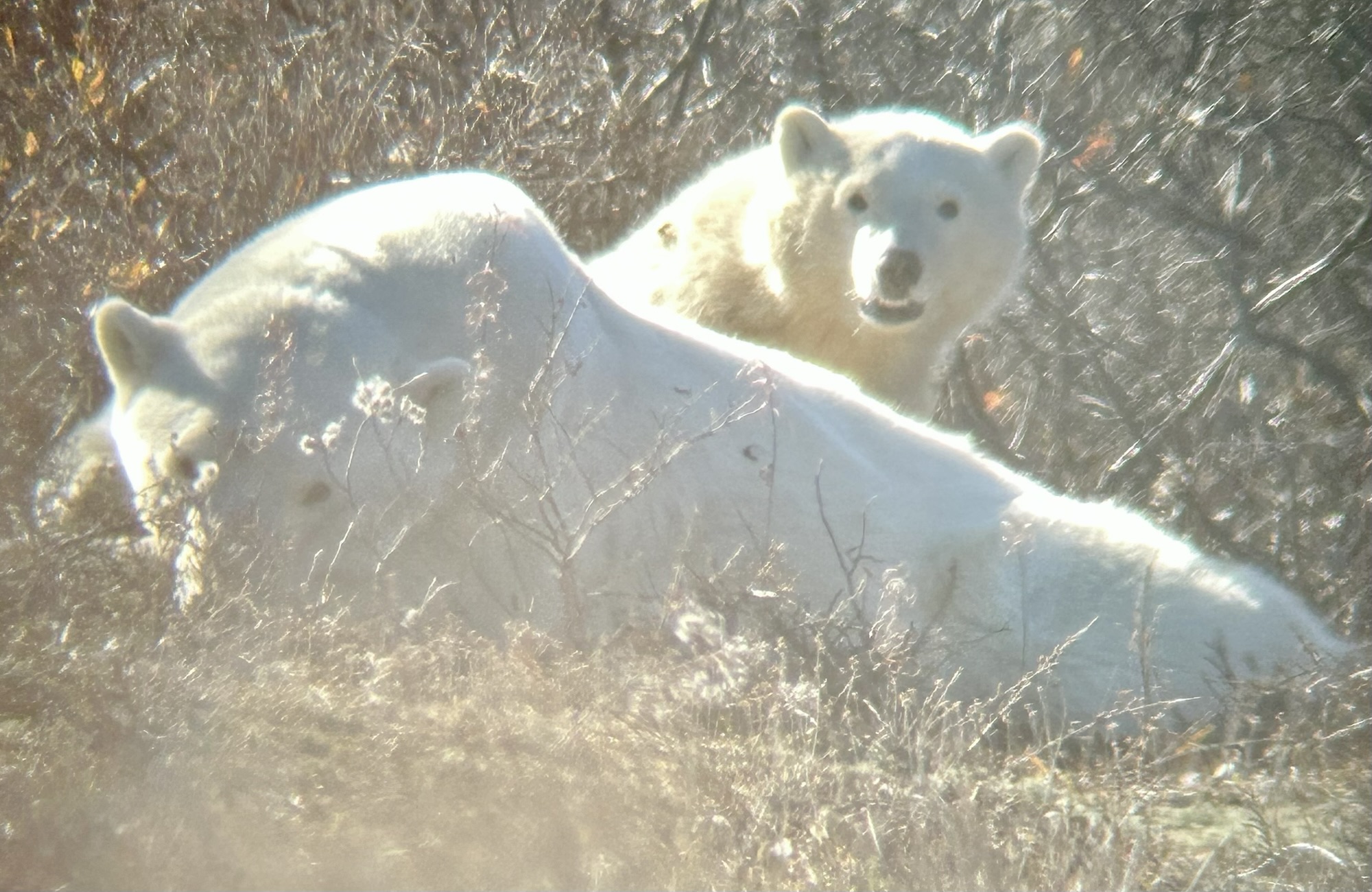
The University of Michigan Biological Station—better known as ‘bug camp’—on Douglas Lake (above) began over 100 years ago, and now, under its new Anishinaabemowin name, it is recognized as the heart of a huge UNESCO biosphere protecting species in northern Michigan. While UMBS is not a tourist destination at all, I saw groups of enthusiastic students and researchers preparing scientific experiments and data collection, various boats and a large protected forest. They are doing important research on the Climate Crisis and preparing a new generation of experts with hands on experience. We need to stop climate change denial, pay attention to the science and stop carbon pollution, before it’s too late.

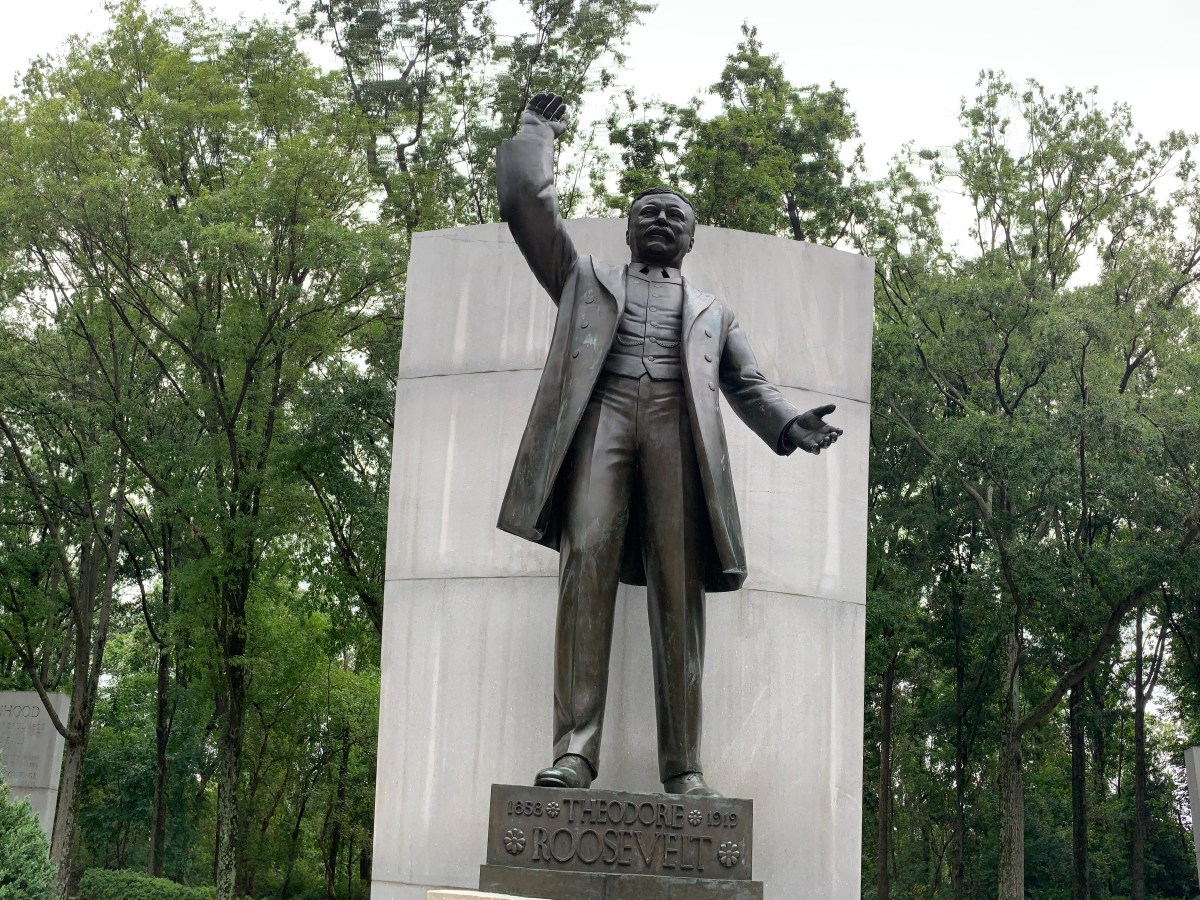
All Teddy Roosevelt Sites

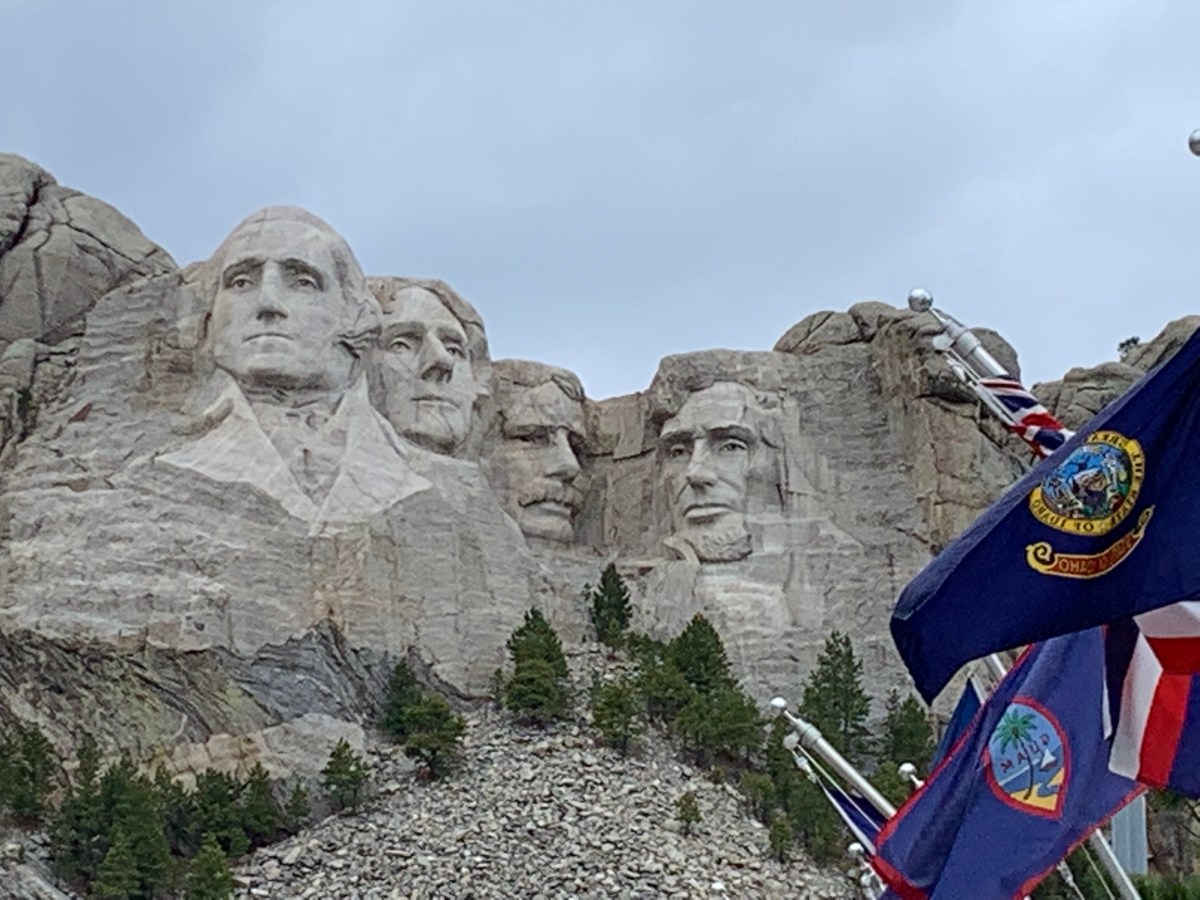
The park service commemorates six parks for Teddy Roosevelt, from his childhood home in NYC, to the ranch in North Dakota where he mourned, to his family home on Oyster Bay, to the room where he was sworn in after an assassination, to the DC island that celebrates his legacy and to the monument that rightly places him among our greatest presidents. The carbon crisis threatens to end the environment Teddy Roosevelt saved for us, so he would want us to switch to electric vehicles to enjoy all his parks, as I did.

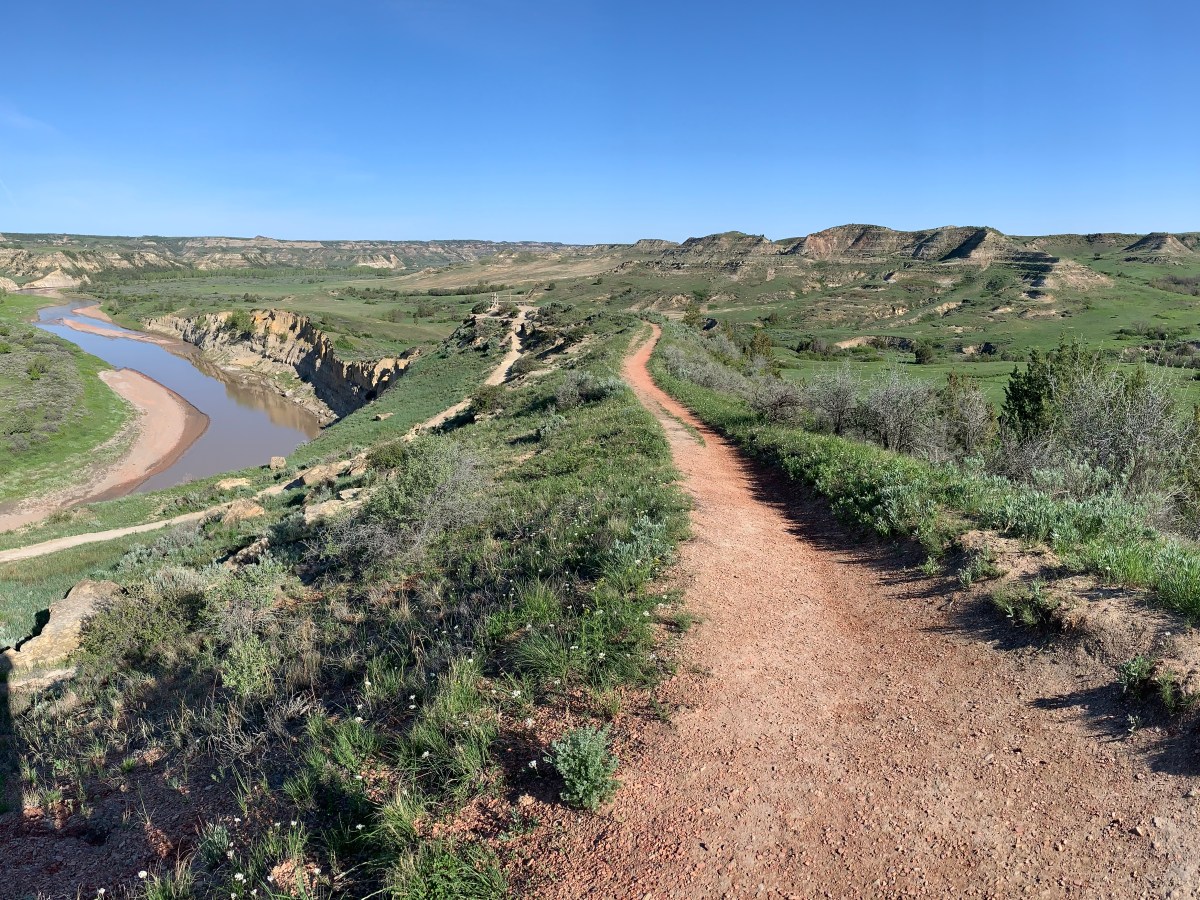
At least a dozen current National Parks began with Teddy Roosevelt protecting their land, besides his namesake park above. His friendship with John Muir inspired our entire national park system. We owe a debt that we can only repay by continuing his legacy of preservation for the future.

As President, Teddy Roosevelt protected 230 million acres for us in 20+ states, including national forests, rivers, preserves and more, such as around the beautiful San Luis Valley. He’s directly responsible for all the units listed below, plus others, as well as for signing the Antiquities Act by which presidents still designate national monuments.

“The civilized people of today look back with horror at their medieval ancestors who wantonly destroyed great works of art, or sat by slothfully by while they were destroyed.
We have passed that age, but we are, as a whole, still in that low state of civilization where we do not understand that it is also vandalism wantonly to destroy or to permit the destruction of what is beautiful in nature – whether it be a cliff, a forest, or a species of mammal or bird.
Here in the United States we turn our rivers and streams into sewers and dumping-grounds.
We pollute the air, we destroy forests and exterminate fishes, birds and mammals – not to speak of vulgarizing charming landscapes with hideous advertisements.
But at last it looks as if our people were awakening.
Above all we should realize that the effort toward this end is essentially a democratic movement!
Now there is a considerable body of opinion in favor of our keeping for our children’s children, as a priceless heritage, all the delicate beauty and all the burly majesty of the mightier forms of wildlife.
Surely our people do not understand, even yet, the rich heritage that is theirs!”

Teddy Roosevelt, 1913

Biospheres of the Rocky Mountains

Biospheres are important ecological areas around the globe for protecting species diversity and for learning how to best sustain development ecologically, economically and socially. Science and solutions learned in each area are shared globally through the United Nations, and this is particularly important now that we face a global climate crisis. UNESCO currently recognizes three biospheres in the Rocky Mountain Region, and up to 2017, there were five more described below.

The Rocky Mountain Biosphere in Colorado roughly encompasses Rocky Mountain National Park and some of the Rocky Mountain Wilderness to the north. Some of the charismatic species in the biosphere are Bighorn Sheep, Elk, Mountain Lions, Pika and Snowshoe Hare. Scientists have studied species that have been wiped out of the area, like the Grizzly, Gray Wolf and Bison, as well as species that have moved in, like Moose. The exceptionally high altitudes define unique ecosystems of global importance.

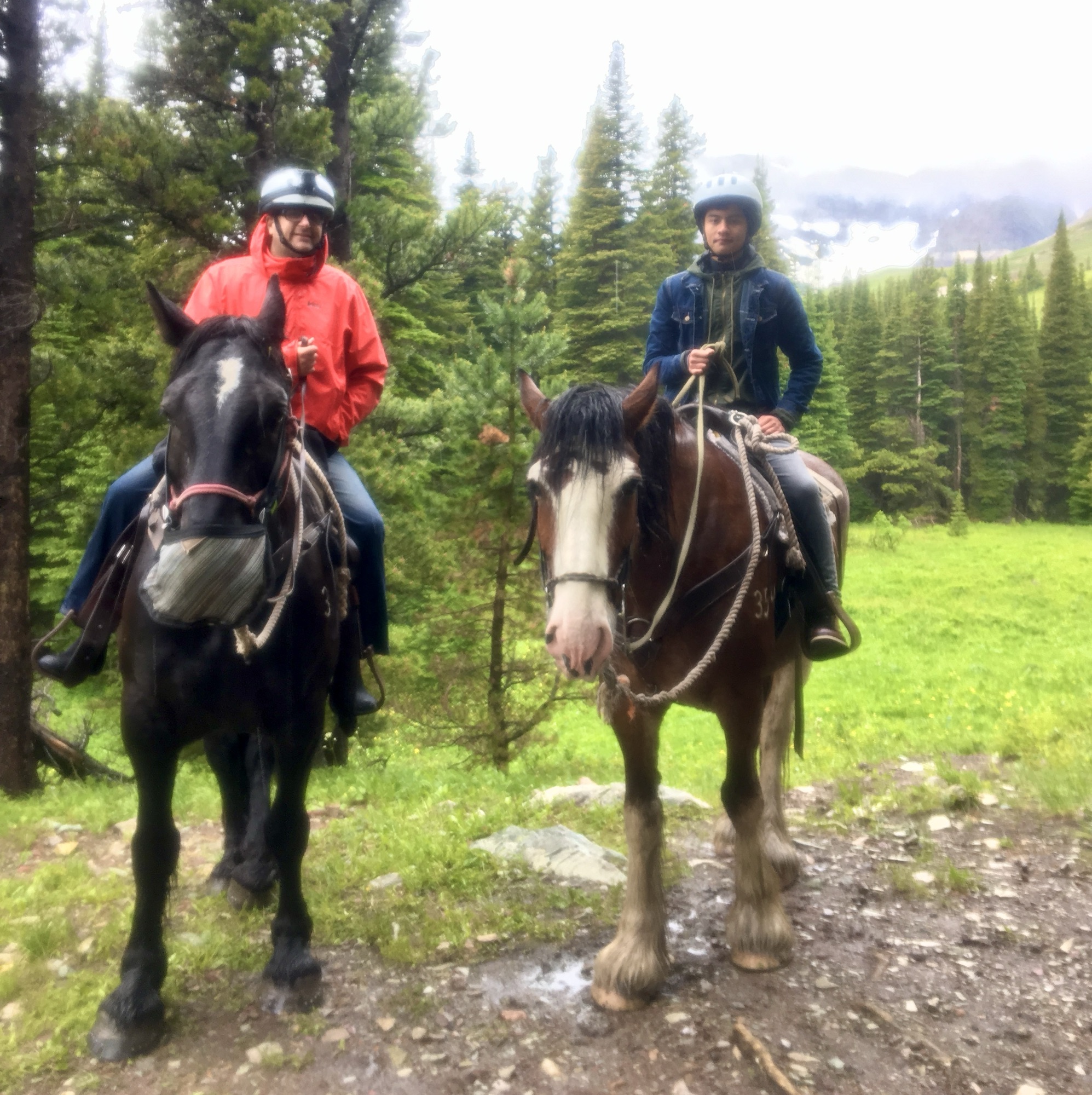
The Crown of the Continent Biosphere in Montana includes Glacier National Park (see photo of author & son above). (Perhaps to de-emphasize the shrinking glacier problem, the Biosphere dropped the name “Glacier” in 2017). The biosphere is home to rare charismatic species like Grizzly Bears, Lynx and Wolverines. Over 100 years of scientific data on wildfires, snowpack, species populations, and more have been collected and shared from this park and its sister park Waterton Glacier in Canada. Like Rocky Mountain, the biospheres here cover the Continental Divide, which defines the direction of rivers across the US to the Atlantic & Pacific, but from here rivers also flow north to the Arctic, making these biospheres of particularly important for studying migrating species.

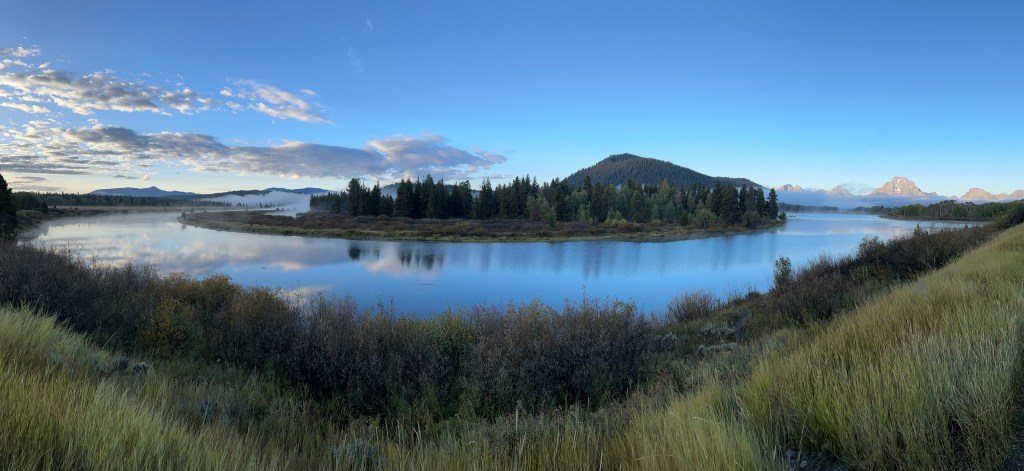
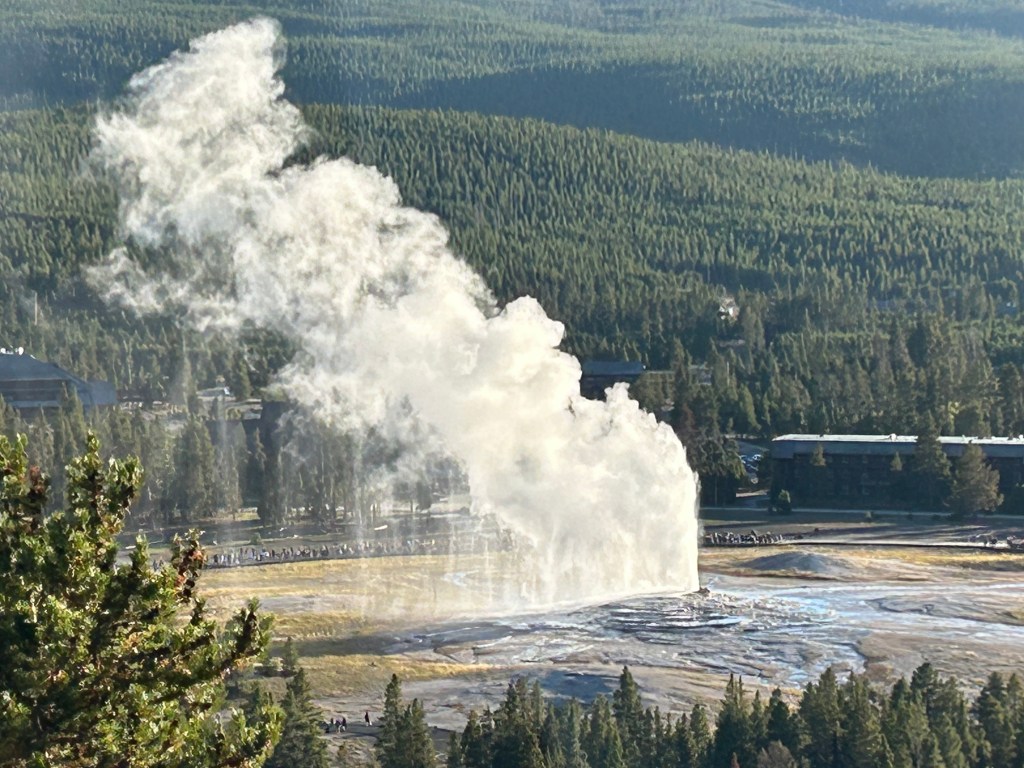
Yellowstone-Grand Teton Biosphere in Wyoming obviously includes Yellowstone and Grand Teton National Parks. One of the most intact predator-prey-scavenger biospheres on earth, with large herds of Elk and Bison, Grizzly Bears, Cutthroat Trout and Bald Eagles, and unrestricted rivers, this is an exceptionally important global biosphere.

Unfortunately, in 2017 the Trump Administration canceled 5 other biospheres in the Rocky Mountain Region. Apparently, the Israelis were upset that Palestinians were allowed to participate in UNESCO and used the place name “Palestine” in the name of a joint heritage site, so the US ended over forty years of scientific cooperation and research sharing with the world and removed many US biospheres from the global program.

The programs canceled in 2017 included three in Colorado: Central Plains Biosphere in the northeast, Fraser Biosphere in central, and Niwot Ridge Biosphere in the north. The Central Plains was particularly valuable in the study of short grass prairie ecosystems. Fraser was important in studying the interaction of forests, rivers and climate. Niwot Ridge contributed important research into alpine tundra ecosystems, glaciers, high altitude plants and climate change.

In Montana, the Coram Biosphere, west of Glacier NP ended in 2017. Coram was important in the study of forest regeneration and forest management. And in Utah, the Desert Biosphere, near Great Basin also ended in 2017. Desert, begun by President Hoover, contributed to our understanding of scrublands and pasturelands in hot and dry areas.

I’ve traveled in, through or next to all five canceled Rocky Mountain biospheres in my electric car, and they’re also uniquely beautiful places. But biospheres aren’t primarily meant for tourists, they’re meant for nature and for scientists. While some research continues at many of these sites, the international scientific and policy management cooperation was cut off. Especially facing a global climate crisis, we need to be actively cooperating to find global solutions to our ecological threats. Also, it seems bizarre to remove our own natural scientific research areas from participation in international science, due to deep-rooted political feuds in the Mideast. I hope these irrational mistaken biosphere withdrawals can be reversed by the current or future administrations, so that the global learning can continue.