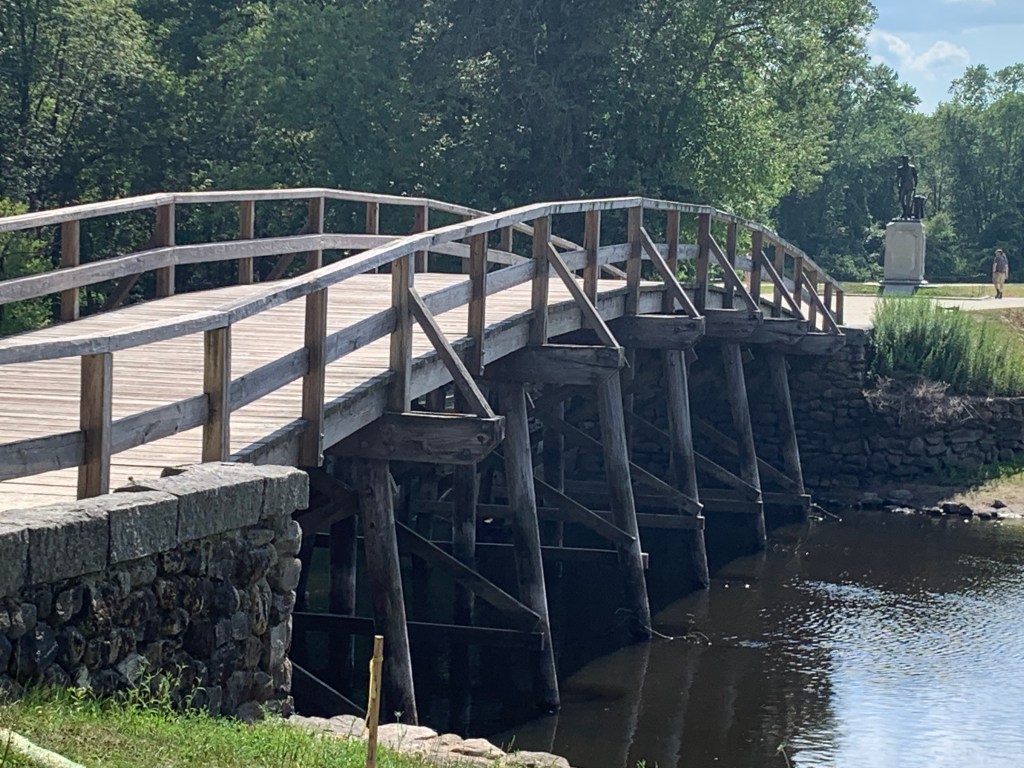
My old favorites from the first 100 sites still stand. But, especially traveling so much in the northeast recently, many of my new favorites are Historical Parks, which are treasure troves.
Most in need of a big budget Hollywood epic to tell the story: Clark.
The ranger blamed Clinton for choosing the overly long name of the site, and he also explained why some Presidents get public sites and some stay private. Mostly it depends on what the family and community decide. Truman’s family donated their home, and the community here in Hope started trying to turn this house into a national park site as soon as Clinton was elected. The park is still developing as the Clintons are very much still living. One tip, unless you’re interested in the history of a particular brand of cone-shaped speakers, ignore the “open” sign at the large yellow house next to the parking lot and head through the black iron gate in the corner.
Since it is open to tours, including the upstairs which was closed during Covid, you can stand in the living room, amid mementos arranged by Clinton’s mother, and listen to the poignant story of Clinton’s early childhood. His father, a WWII veteran, traveled to Chicago for work and died in a car accident driving back here, never meeting his son. His step-father was an abusive louse, who Bill kicked out of the house when he grew large enough. To spare his younger half-brother Roger from any embarrassing questions about their mixed family, Bill changed his last name to Clinton, despite how he felt about his step-father. There’s not much evidence of Clinton’s life there, beyond a book, a letter from Georgetown and the neighborhood itself, which still has the low railroad crossing nearby where young Bill used to listen to the trains go by and wonder if he was ever going anywhere.






 Zero Carbon Travel