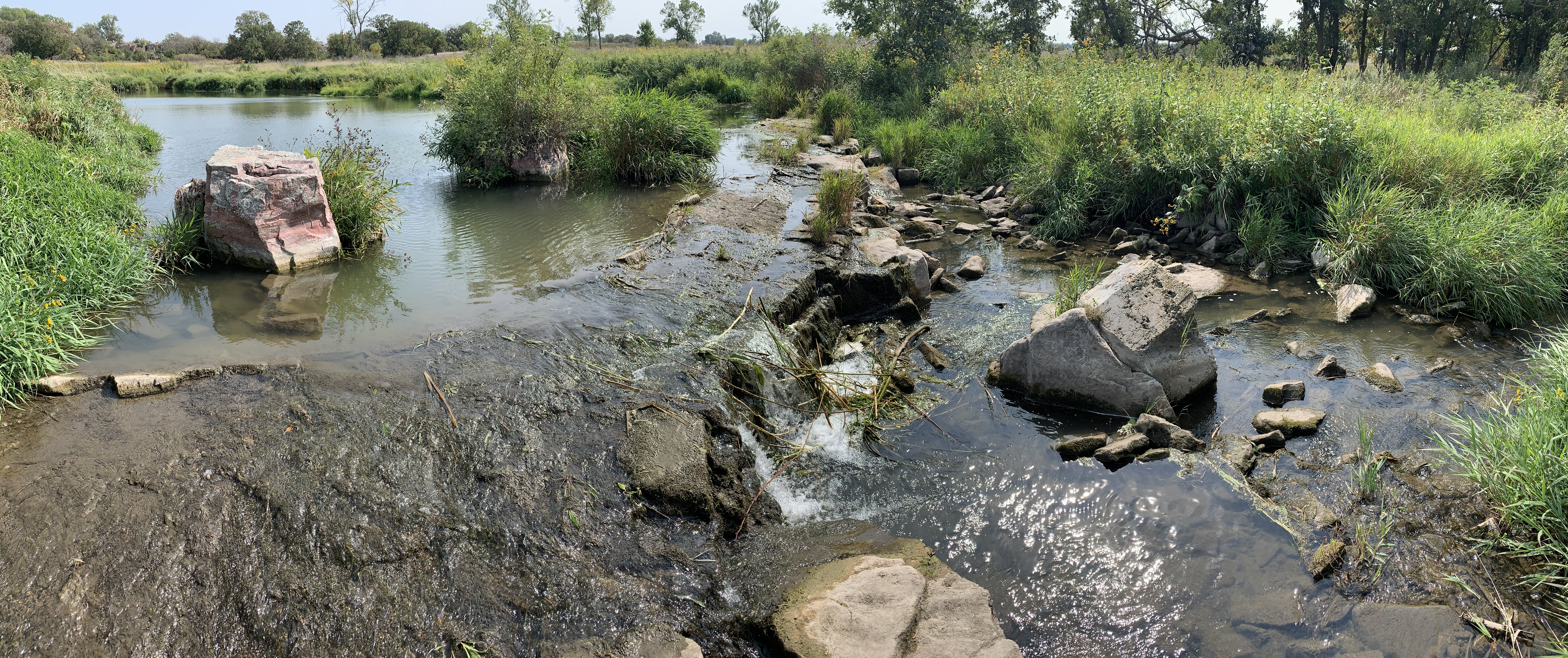
In some Native American mythology stories, the red pipestone comes from the blood of ancestors killed in floods. Similar to the story of Noah, prayers are heard and a few survive. The pipes send prayers to heaven. So this quarry has special religious and cultural significance, and the pipes are still formed using traditional techniques. There’s a great exhibition inside the visitor center, where native artisans answer questions while working and beautiful pipes are displayed. The film explains the importance of the local plants, including a field of red Smooth Sumac, used in making medicine and blends to smoke or hang in offering ties on sacred cottonwood trees where ceremonies like the Sun Dance are performed. The short circle trail up the creek past the small Lake Hiawatha leads through a beautiful hewn ravine of red pipestone across a footbridge and back around to an exhibit quarry.
Here’s the link to my visits to all parks in Minnesota.

 Zero Carbon Travel