What’s the Point of History?

What’s the point of history? Why bother learning all those boring facts and dates? Sure, there are some interesting characters and conflicts, but surely all that old stuff doesn’t have much relevance to today’s problems with AI, mass shootings, war in the Middle East and global warming. The world changes so quickly now, so what’s the point dwelling on the past, when we need to fix future problems? 

Glad you asked. 

There’s a common misconception that we have some sacred obligation not to judge the past and just to record it as it happened without questioning it. Out of vanity, many people like to study the history of their ancestors, believing that they were virtuous and victorious, in order to be inspired. We’re passive spectators, taking note of past events, and maybe defending the actions and beliefs of our own ancestors, as if we were cheering for our home team. If someone criticizes part of our history, then we say that nobody should judge what they did using hindsight. We read history in order to validate our beliefs that our origins were honorable, and by not questioning anything, we declare ourselves honorable historians. 

That is all lazy, narcissistic nonsense that wastes our time, misses the point entirely and prevents us from learning anything useful. We do not study history in some vain attempt to feel better about our selves due to something our ancestors did. We study history to make better choices now, so that we can rightfully feel proud that we are doing our best. The dead can suffer some honest criticism, and they do not enjoy being excuses for our mistakes. Rather than being forgotten, I’m sure they’d prefer being inspiration for our future successes. 

The point of studying history is to learn from the past—both admirable actions and atrocious mistakes—in order to make better decisions today. History didn’t have to happen the way it did. As today, people made mistakes, were driven by greed or hate, and acted out of ignorance. They could and often should have made better decisions, but, no matter how flawed they were, we should not simply dismiss and forget them. We must learn from their mistakes. We must constantly apply our highest moral judgements, use our imagination creatively, and draw the most logical conclusions possible, whenever we study history. That way we will learn as much as we can, so that we can apply the lessons of history to our future decisions. 

Above is a Ghost Dance Shirt from 1890, decorated with eagle and owl feathers, worn by a Lakota (Sioux) warrior who hoped that it would protect him from bullets. That December 29th, at Wounded Knee, under a flag of truce, the US Cavalry, driven by settlers’ often imaginary racist fears, machine gunned 250 to 300 men women and children to death. The point of history is neither to let such facts sit dryly without emotion or judgement in a book, nor to toss it in the dustbin, nor to argue that the massacre was inevitable, nor to compare whether your ancestors were more mistaken than mine or anyone else’s. The point of history is to learn from past mistakes in order to avoid the doom of repeating them. 

620,000 men, roughly 2% of the population died in the line of duty during the Civil War. If we apply no judgement as to why they died, then we learn nothing useful. If we are dishonest or allow ourselves to be confused by old misinformation, then we will draw the wrong conclusions. If we understand the plain truth—that the war was fought over slavery—, study its racist roots, and apply our best judgement, then we can fight racism better and perhaps avoid a future war. Learning to be better must be our main goal, after considering the consequences. 

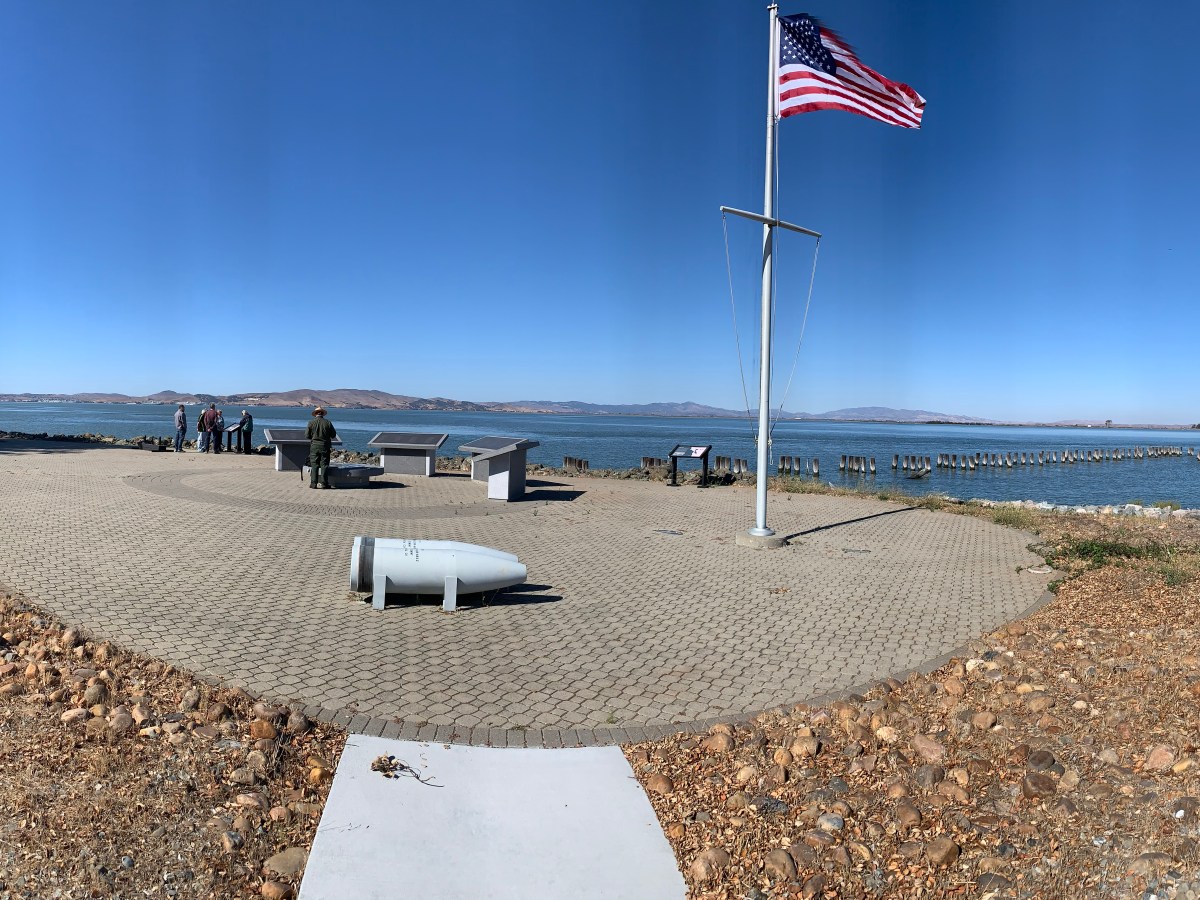
Some lessons can be applied immediately, and others are evergreen. For example, if the safety lessons of Port Chicago had been learned immediately, another similar disaster could have been prevented. The deeper lesson, that bias kills and that diversity can save lives, is one many of us are still struggling to learn. If you can’t learn anything useful from history, you’re not trying hard enough. 

Today’s problem of AI replacing skilled labor can be better understood by studying labor history. The most intractable conflicts today can be understood better by studying hatred and injustice from our past. The climate crisis can be better understood by studying evolution, archaeology, and our few remaining intact ecosystems. History is the reservoir of our past experiences and knowledge, and we must draw on that as thoughtfully as possible, always driven by the need to improve ourselves. That’s the point. 
Gila River

Despite not being on the West Coast, the US military evicted all American citizens from the southern part of Arizona during WWII as potential ‘navy base saboteurs’, if they had Japanese ancestry. The military’s arbitrary exclusion zone ran through Phoenix, so if you lived on the south side of the city, you wound up incarcerated while your family on the north side kept their homes.

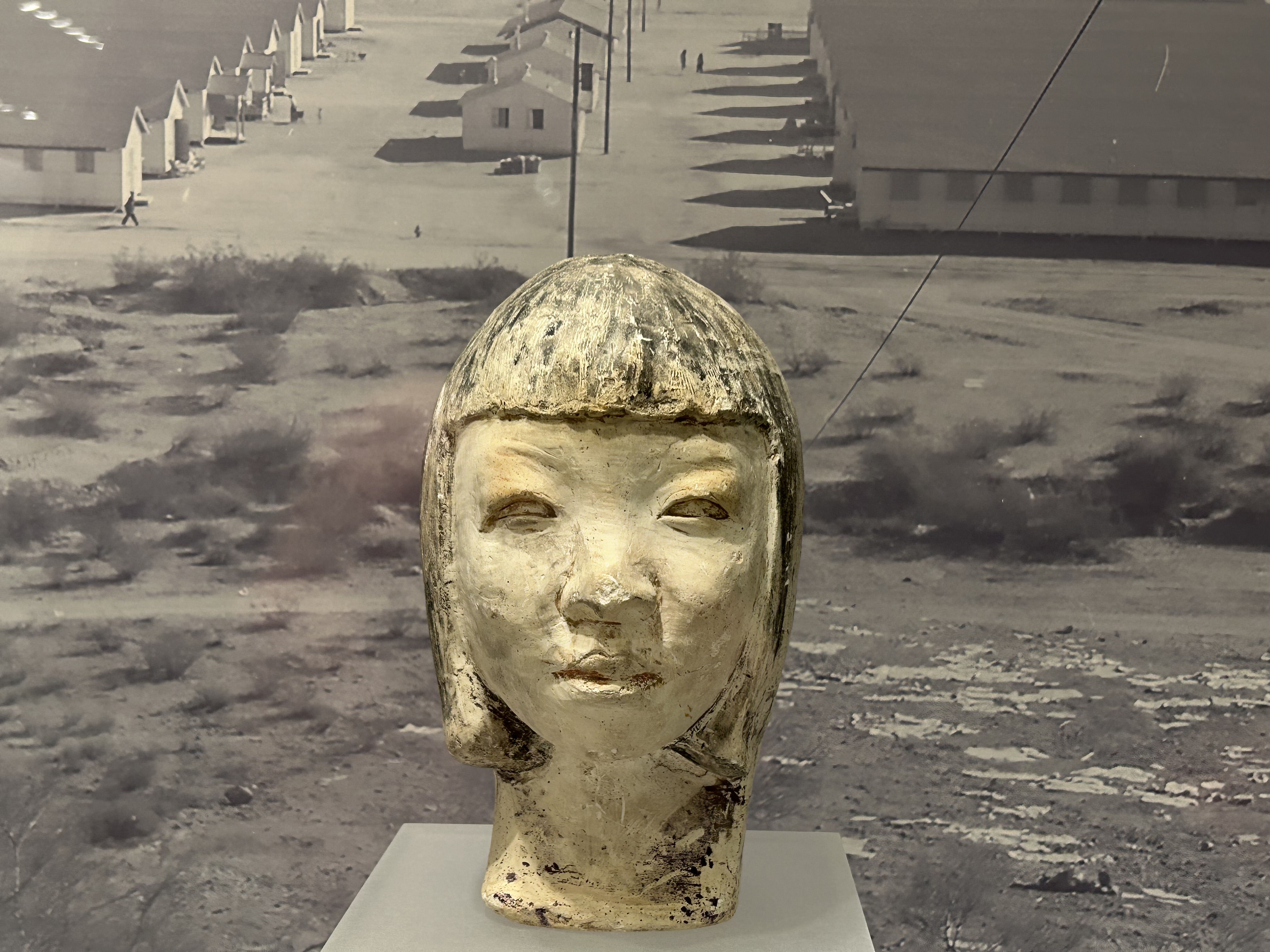
Like Poston, most Japanese-Americans were taken from their homes in Southern California. The barracks in the background of the photo above comprised a small part of camp 2 or Butte Camp at Gila. The Gila River Tribal Community protested, but the military appropriated over 17,000 acres of their land anyway and concentrated roughly 15,000 people here according to their ethnicity. 

The tribal community had been struggling since the Gila River was diverted by white settlers beginning in the 1880s. In 1934, archaeologists dug up their ancestral burial grounds, and after they dug again in 1964, the government also created a national park site. Now that site is closed and the tribes don’t allow visitors there. 

Survivors of internment built a monument on the ‘internment camp’ site, but someone shot it up with a machine gun a few years back, and unless you’re family, you can’t visit the site now. Given all the tragedies and harm done here under the American flag, seems like folks might benefit from a government funded educational center explaining the history and the importance of respecting Constitutional rights. 

The Gila River Tribal Community runs the excellent nearby Huhugam Culture Center free museum, which contains a small display case of ‘relocation center’ artifacts, including two busts of young prisoners. The one pictured is Sayoko ‘Jean’ Kawamura, and the other has no name, forgotten to history. 

Here are my visits to all American Concentration Camps.

Forest Wildfires

I know it’s winter, but we need to talk about wildfires. There is a common, simple-minded view—popular among those who deny climate change—that overzealous park employees unnaturally suppressed fires, causing wildfires today. End of story. Once we ‘catch up’ on the ‘fire deficit’ everything will be fine. This is bunk.

Last year Canada had a record-smashing year of wildfires, and the frequency of wildfires far exceeds what is normal, considering the naturally slow growth rate of trees in boreal forests. Most of these fires were in remote northern Canada, where historic fires were not even reported, let alone suppressed. The estimated number of fires was not too high, but many of the fires were mega fires, burning over seven times as many acres as the modern historic average. There is only one explanation for the scale of the wildfires last year, and it isn’t Smokey the Bear. The primary cause of increasingly severe forest fires is carbon pollution. 

The first humans to change natural fire ecology in North America were natives who for centuries used fires in the valley for agriculture and to attract game with new grass. The most destructive humans by far were loggers who clear cut whole forests. During the Great Depression, roads and campgrounds were developed in both old and regrown forests, bringing millions of visitors who parked their hot cars on dry grass, dropped their cigarettes on pine needles and left their campfires unattended, causing a dramatic increase in forest fires. Firefighters responded by putting out fires when they threatened nearby communities.

We changed forest fire ecology in complex ways over centuries, so the simple ‘fire suppression’ explanation is false. We don’t know exactly what the forest’s natural ecology was like before man started playing with fire here, but man’s brief experiments for a few decades last century—causing wildfires due to camping and suppressing some fires at the edges—all account for maybe 2% of the life of a Giant Sequoia. Yosemite park rangers tracked all fires within the park since the 1930’s, and for decades none of the fires were large enough to matter to the overall health of the forests until recently. Past fires were often 100 or maybe 1000 acres, but recent forest fires are 100,000 or 1,000,000 acres. Our hotter climate has changed everything. Now we need to change our perspective from our recent past to the consequences of our carbon pollution on the future. Extinction is not a mistake we can correct later. 

California has the most national parks with 28 park units, and about 12 of them have some type of large forest, often wilderness. I’ve been in all of those forest parks in the past year or so, and 9 now have huge swaths of dead trees from recent wildfires. 

Only Muir Woods, a small coastal redwood forest park along a creek surrounded by wealthy suburbs, has been spared. Pinnacles has had multiple wildfires in the past three years, but firefighters managed to contain them quickly. Even foggy Redwood park lost 11,000 acres in 2003 due to the Canoe Fire. 

This level of wildfire is not normal; it is out of control, and it is getting worse. Discussing past firefighting efforts and increasing the rate of manmade fires is not going to fix the problem. If we do not stop our carbon pollution, then 100 years of environmentalists’ efforts to save these forests for future generations will be wasted. 

Poston

In Arizona, across the Colorado River from California, there’s a desert hamlet called Poston in an area governed by the Colorado River Indian Tribes. Spanish Missionaries visited in 1775 and their King recognized tribal sovereignty. Mexico lost the whole territory after the War, and the US government established reservations to ‘protect’ the Mohave, Chemehuevi and others here. Today, despite some irrigation improvements, much of the population is poor, and each winter many RVers spend months living cheaply in the desert nearby. 

But from 1942 to 1945, the US concentrated as many as 17,000 US citizens of Japanese ancestry forcibly relocated from their homes on the west coast to three camps, known as Roastin’, Toastin’ and Dustin’. The highs are over 105° all summer long. Besides the 50 year memorial (pictured above) to the families, children and highly decorated WWII veterans once incarcerated here, there’s not much left to see, except a few origami cranes left by visitors. 

But there’s much to think about. Constitutional rights and freedoms, so cherished in this country, are an ‘all or nothing’ deal. For you to enjoy a right or freedom, you must recognize that same right belongs to all your fellow citizens, regardless of their background or beliefs. Our legal system depends on the idea that the law applies equally to everyone, that no one man is above the law and that there are no permanent classes of people entitled to extra privileges. If we want to continue to enjoy our own full rights as citizens, we must make sure that no other US citizens are trammeled, as they were here, ever again. 

Here are my visits to all American Concentration Camps.

No Time To Wait

The warmest time of the day is from 3-5 pm, not noon when the sun peaks. The warmest week of the year is between mid July and mid August, not the summer solstice in June. Similarly, the peak year of manmade global warming will come years after we stop increasing carbon pollution. The delay in feeling the full effects means, if we wait until the climate gets intolerable before acting, then we will have to endure many years beyond that intolerable level before our actions take effect. 

We know we are abruptly shifting our climate out of the comfortable zone that enabled human evolution, and we don’t know how bad it will get. We only know that we must act long before the climate becomes intolerable, in order to avoid catastrophe. 

Some say we should wait for more evidence about global warming before acting, such as scientific proof showing the damage caused by carbon pollution. This is like refusing to stop smoking and start taking medicine, until after the disease kills you. Climate scientists have already diagnosed the problem and prescribed the solution, but too many of us are unwilling to face the truth, change our behavior and take our medicine. 

Pacific Crest National Scenic Trail

My favorite trail runs from the California border with Mexico up around LA to Sequoia and Kings Canyon, through Devil’s Postpile, Yosemite and Lassen. Then it continues up to Crater Lake in Oregon, crosses over the Lewis & Clark trail on the Columbia River into Washington, past Mt Rainier, to the high bridge (see photo) between Lake Chelan and the North Cascades, crosses the Pacific Northwest trail and finally crosses the Canadian border.

The PCT is 2,650 miles and grew out of Clinton Clarke’s idea in the 1930s to link existing trails to create a border-to-border extremely scenic trail. Although in 1968 it officially became one of the two first national scenic trails—along with the 2,190 mile Appalachian Trail—, the PCT wasn’t completed until 25 years later. It’s a foot trail (e.g. horses), no vehicles (e.g. bicycles). Having visited all the parks and many of the national forests wilderness areas along the trail, including places photographed by a PCT founder named Ansel Adams, it’s one of our great national treasures. 

Here are my visits to all parks in California, Oregon and Washington.

All Labor Sites, Zero Carbon

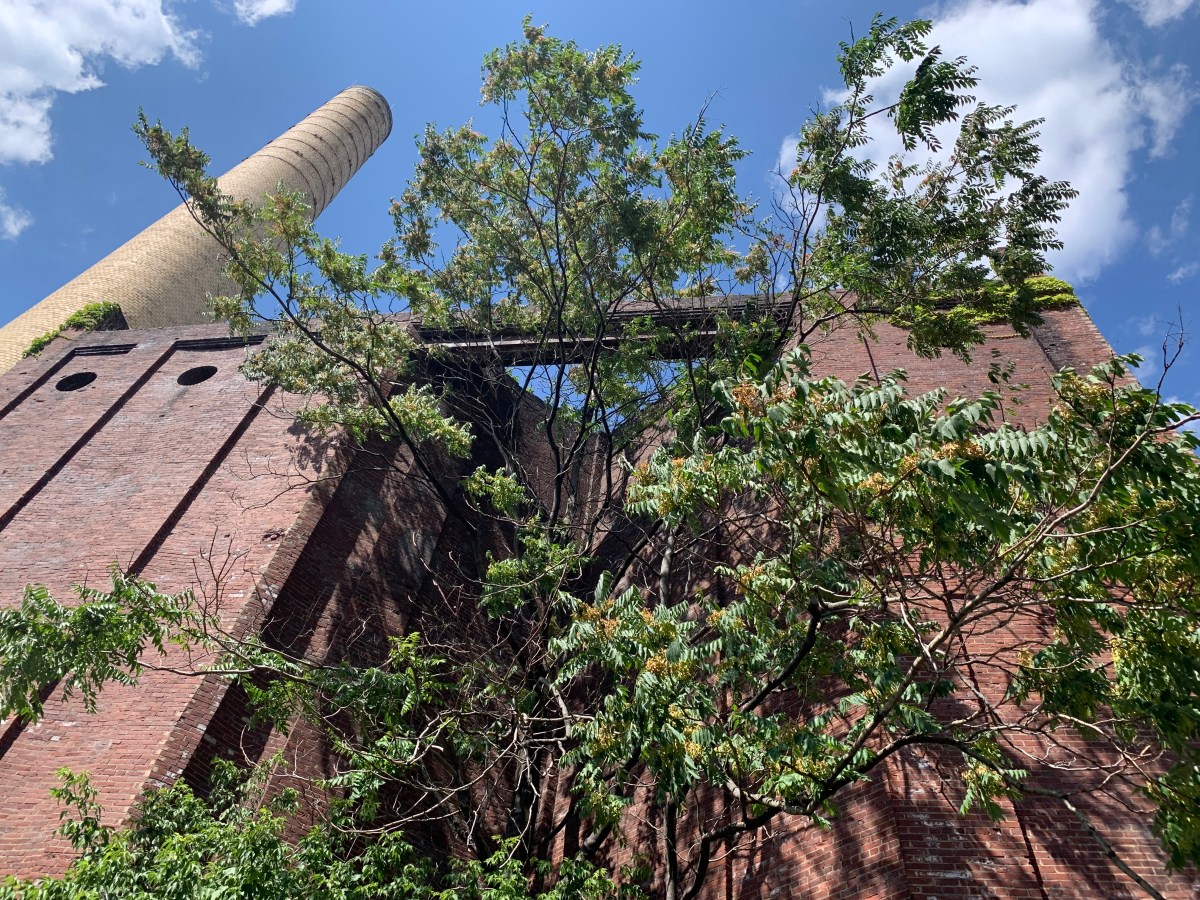
I recently completed visits by electric vehicle to all US national park sites primarily focused on (paid) labor issues, including agriculture, mills, mining, railroads and steel. Even more interesting than learning about dangerous early working conditions, was realizing that the worst cases of labor conflicts and disasters in our history share common circumstances. When there is excess capital with extreme time pressure to achieve returns especially in a limited geographic area, owners engaged in hyper-competition often resort to unethical, unsafe and/or illegal tactics to extract profits at the expense of their own employees.

Agriculture

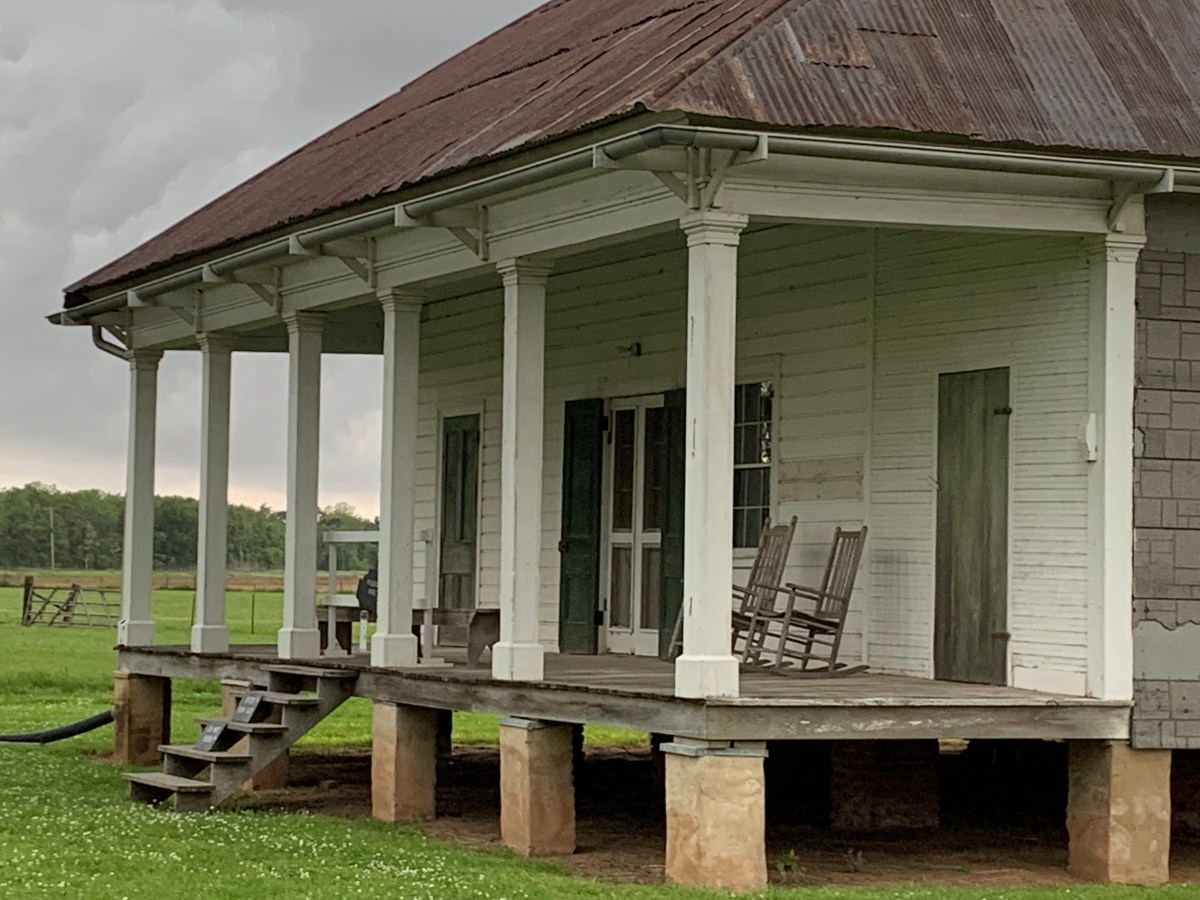
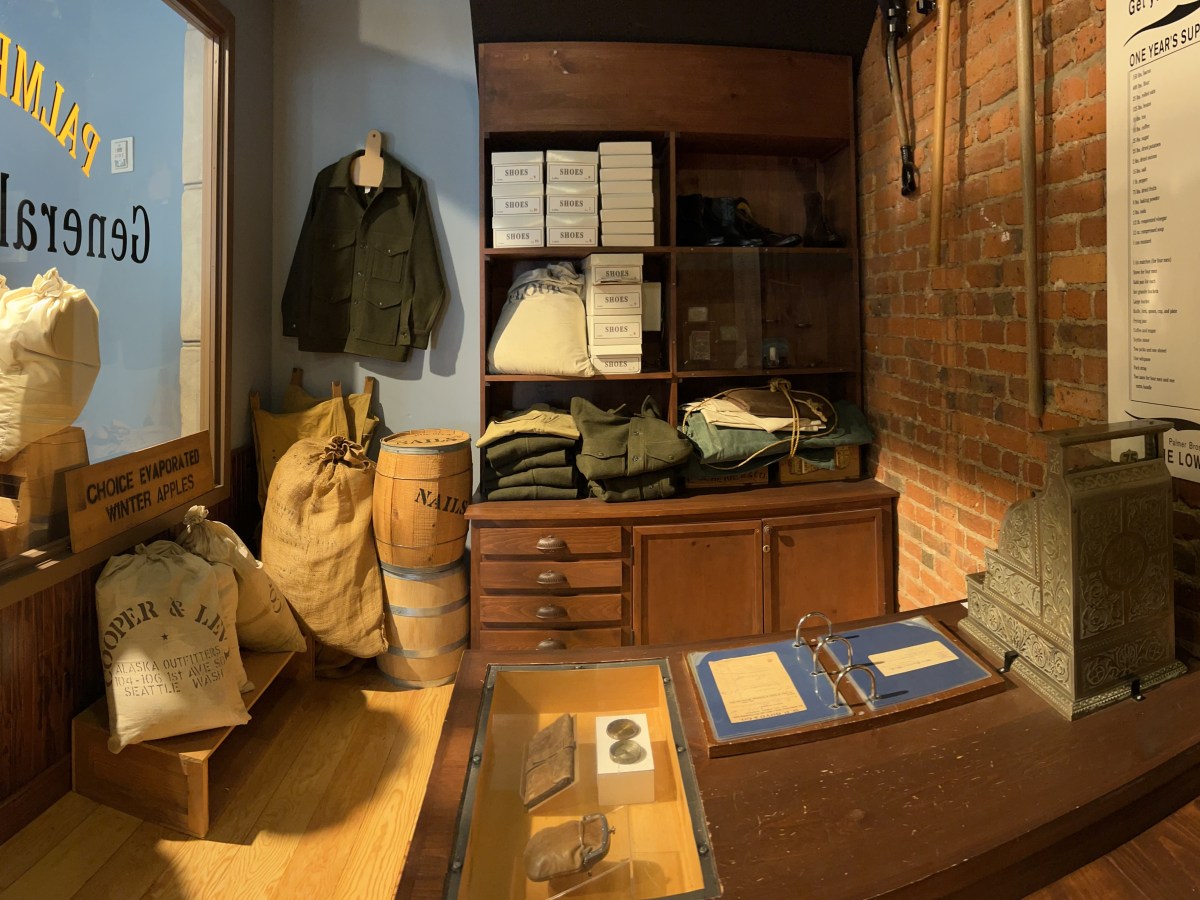
After visiting one more site, I will write a separate post about slavery. Even after emancipation, agriculture continued to exploit farm labor brutally, through sharecropping & tenant farming, where workers were kept in perpetual debt to the owner.  Cane River is a good place to learn how a plantation adapted to exploit farm labor in different ways from before the revolution to WWII.  As black workers moved into industry after that war, agriculture began to exploit more migrant workers, especially Pilipino & Mexican workers on the west coast.  National chains engaged in ruthless competition with local owners over the most productive fruit farmland in California—supported by unjust foreign labor policies—cutting labor costs to maintain profits as prices fell.  César Chávez park is a good place to learn about the history and resulting farm worker strike.   

Mills 

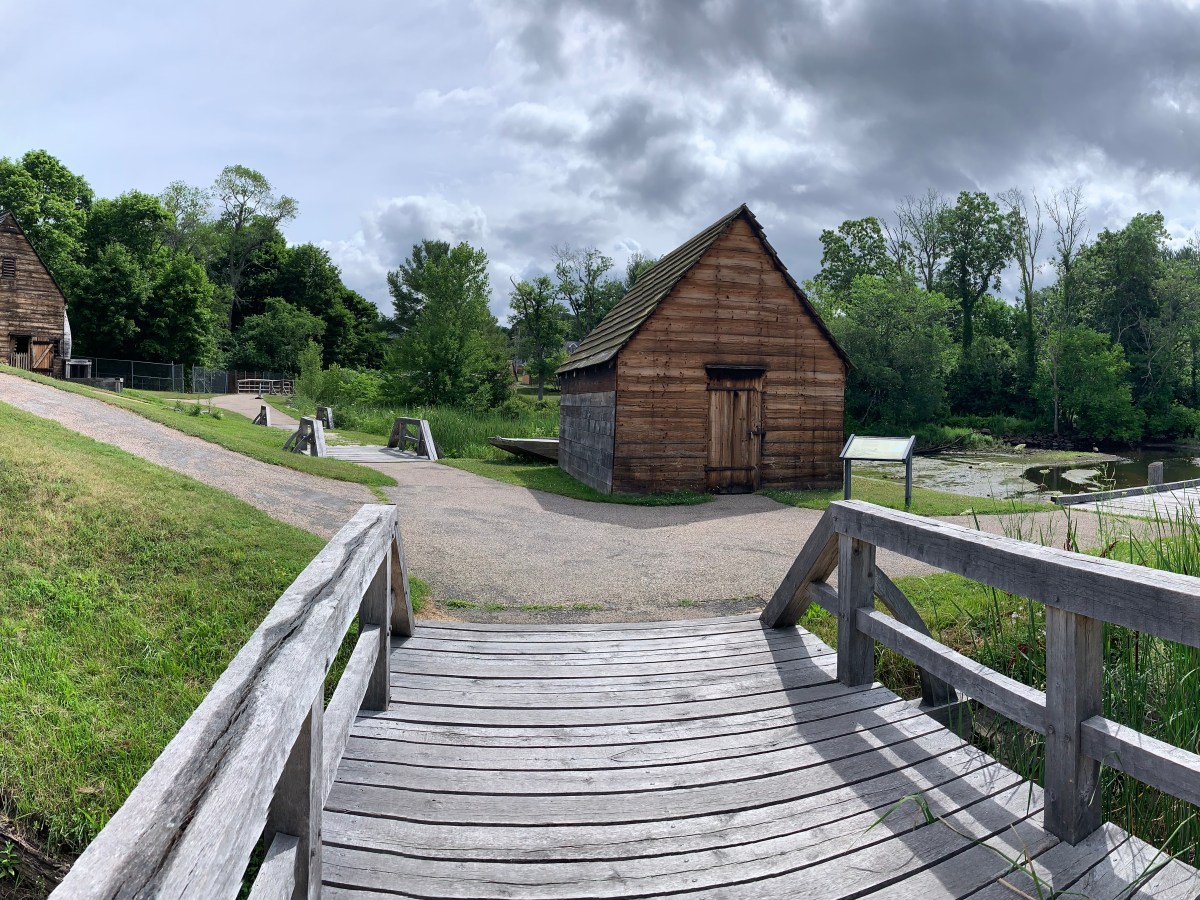
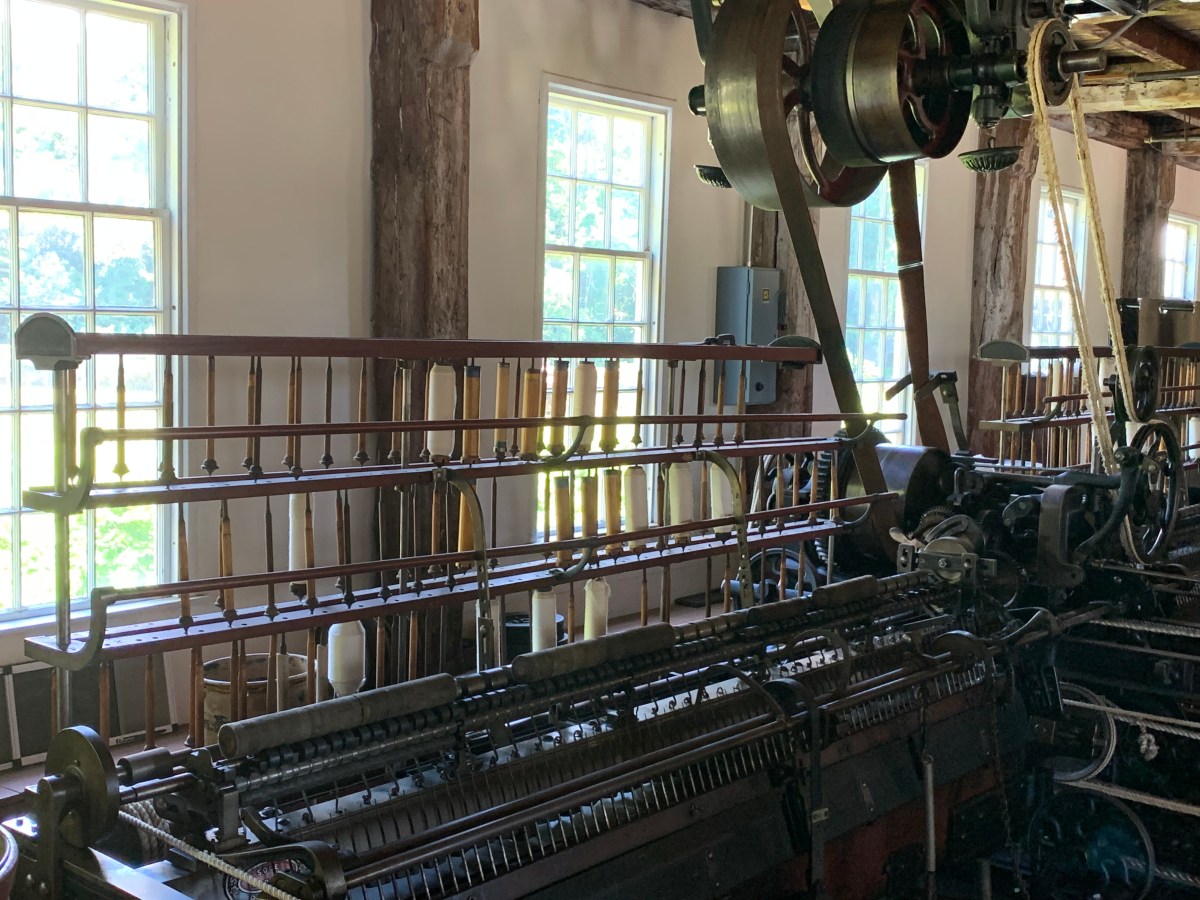
Water-powered industrial mills pre-date our country, but they were refined and boomed after the revolution.  The company town developed near the first cotton mills in Rhode Island and were copied at similar sites in New JerseyMassachusetts and Ohio.  Before electrification allowed factories to be built in cheaper locations, mill towns only formed in very specific places along rivers with large volume water falls near ports.  This meant concentrated competition among many firms using the same techniques.  Labor needed training and skilled, small fingers were more nimble than large.  So, owners hired women and children.  Immigrants arrived by the boat load.  Supplies of cotton came from slave plantations often owned by the mill owners.  The incredible boom in productivity led to collapses in prices.  70+ hour work weeks, strict control of women’s lives, economic control of labor through company housing, stores, entertainment and even churches, and child labor became used to sustain competitive advantage.  Strikes, often organized by women, were oppressed with dirty tricks and pressure tactics including media smear campaigns and violence.  Safety was disregarded, as seen in disasters like Pemberton Mill near Lowell in 1860 when over 100 women & children were crushed by heavy machinery or 50 years later in the Triangle Shirtwaist garment district fire.  

Mining

Mines often create cruel capitalism conditions.  Investors see growing demand & high prices and over-invest, funding multiple aggressive firms with similar equipment.  Labor and small operators flood the area, with everyone trying to ‘strike it rich’ with the mother lode.  From black lung in coal country to radiation sickness in uranium mines, owners sacrifice miner lives and crush strikes with violence and dirty tricks.  (Watch “Harlan County USA”).  The world’s largest pure copper lode was found and mined in upper Michigan (see photo), where at a Christmas party for striking families upstairs in Keweenaw’s Italian Hall, an anti-unionist outside shouted ‘fire’ and blocked the door: 59 children and 14 parents were crushed to death.   

Railroads 

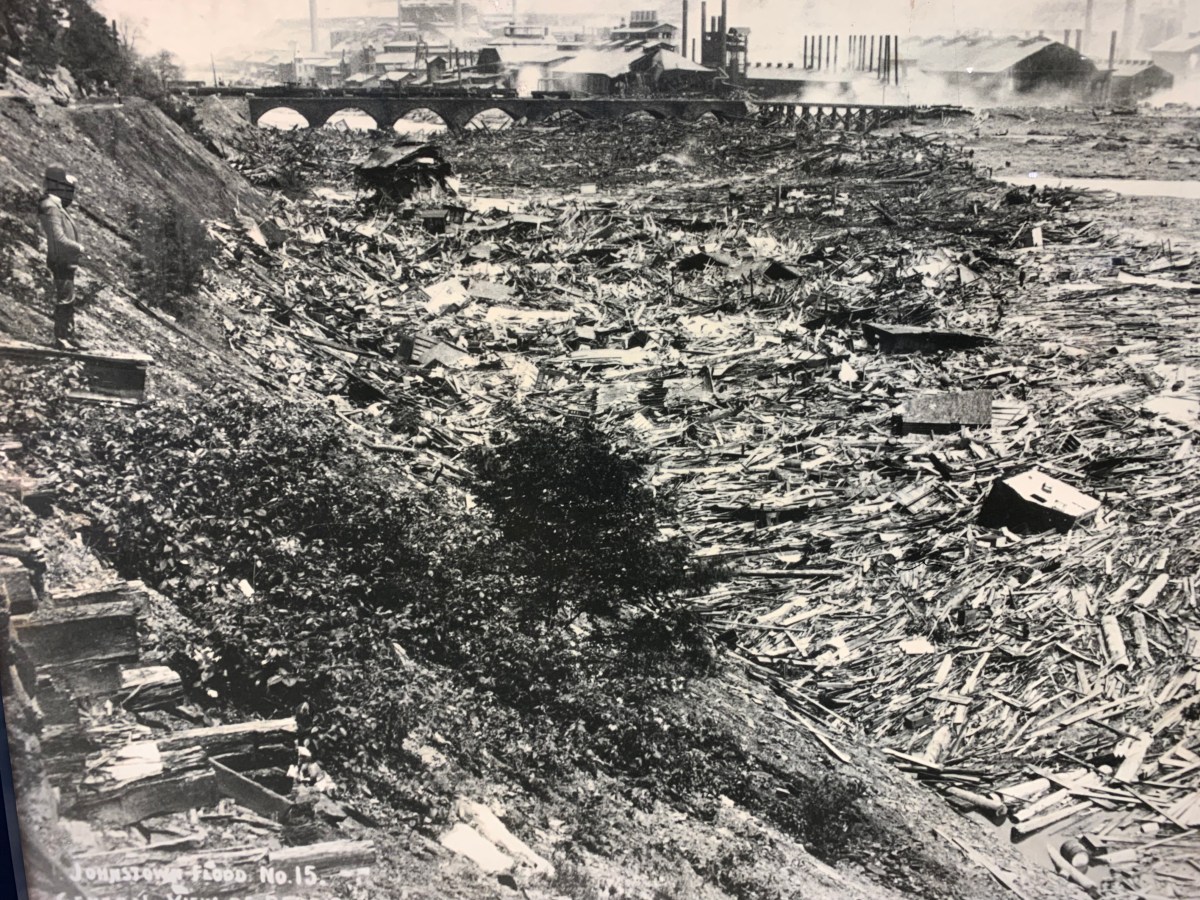
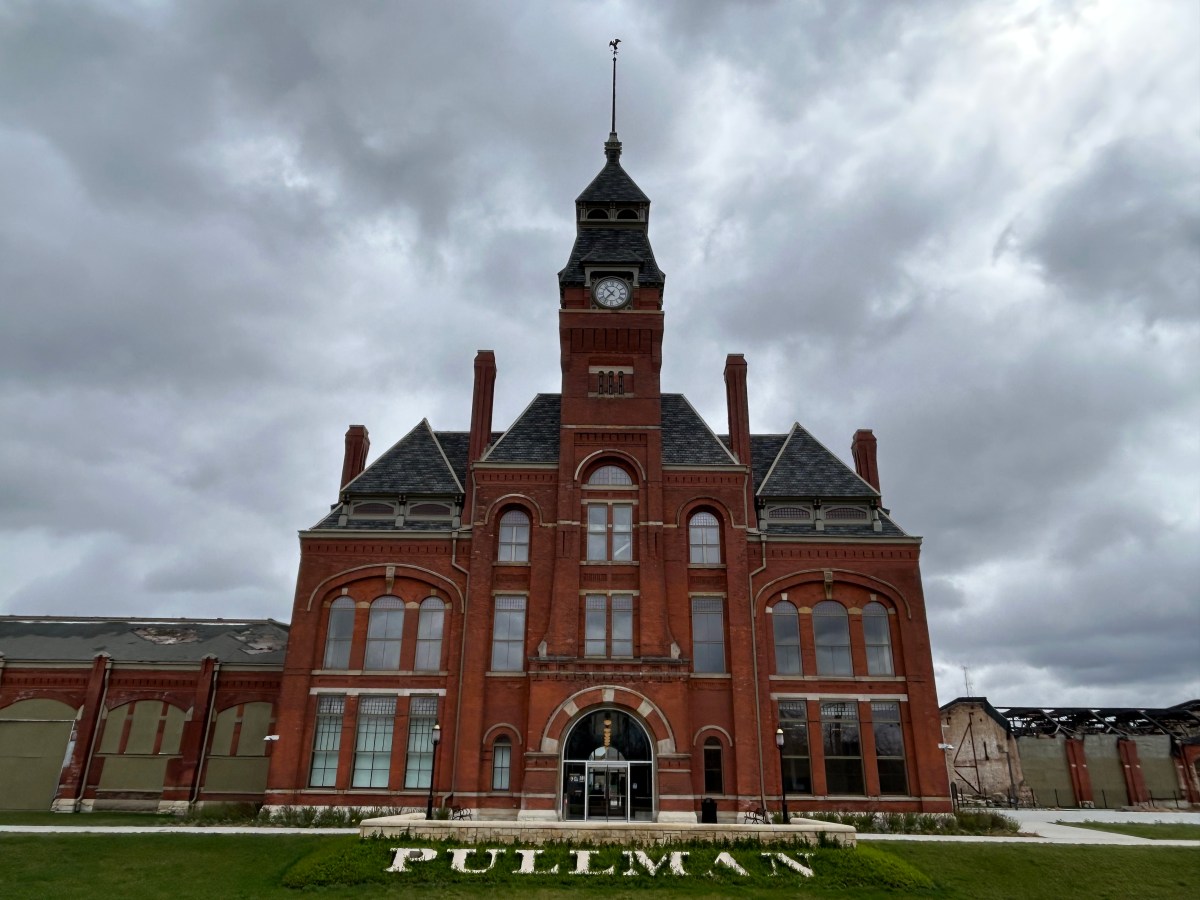
Disregard for the lives of their workers became part of the gilded age tycoon culture.  Despite repeated safety warnings, the wealthy club members on Lake Conemaugh voted to raise their dam an extra two feet to avoid dirtying their hems while crossing.  The resulting flood wiped out the company town of Johnstown Pennsylvania, killing over 2,200 people.  Speculation on railroad stocks led to frequent booms and busts and much over-investment, with only limited lines becoming profitable.  Labor was also imported from China with strict laws prohibiting settling permanently.  Railroad owners faced diminishing returns, and repeatedly pressed labor for concessions, provoking a massive strike led by Pullman porters.  Rather than negotiate, management bought the US Attorney General and influenced President Cleveland to bring in the troops.  

Steel

The history of labor is replete with examples of class division: people of color, women, children and immigrants are systematically paid less. Capitalists can cut labor costs by keeping one group down, which they leverage to lower labor costs for all. World War II broke standard labor practices, hiring women and minorities to build ships and produce armaments, but as after other wars, many labor gains were later lost. Racism is not always understood as an economic tactic, but the history of labor and civil rights are inextricably linked. Birmingham Alabama had a hyper-competitive steel industry—as the only location in the world with significant amounts of iron, coal and limestone nearby—, and owners organized to divide labor along racial lines to lower their costs: they codified racial segregation, including prohibiting black and white children from playing together.  The modern civil rights movement grew in response to racist social policies imposed by steel factory owners seeking to perpetuate a two-tiered wage system. 

Lessons

Capitalism is mutually beneficial for customers, employees, owners and society. But especially when an owner is at personal risk in a hyper competitive business with diminishing returns, there is an incentive to cheat, act unethically or even commit crimes.  Some capitalists use their wealth & power to corrupt government and civic leaders, influencing media and disenfranchising voters. Cruel labor conditions have persisted in this country for centuries, changing only with war, disasters, violent strikes or specific market collapse: i.e. too late.  

If we learn from history, we can curb the excesses of hyper-competitive capitalism. Look for large concentrations of capital aggressively competing to dominate a single market in a short time frame. Look for extreme funding of misinformation, government corruption, efforts to divide the public and restrict voting. Hold business leaders to strict legal and ethical behavior. Then, perhaps, the next tragic chapter in our labor history can be avoided. 

Buffalo Bill and New Year’s Resolutions

Happy New Year! This injured bald eagle, Jade, resides at the Buffalo Bill Center of the West in Cody, Wyoming, which is also home to the museums of Annie Oakley & Buffalo Bill, Cody Firearms, Draper Natural History, Plains Indian & Whitney Western Art. While showmanship seems a bit silly to me, I love stories of exploration and adventure. My favorite museum was the Plains Indian, but there are enough exhibits to interest folks for days. While not an affiliated park or world heritage site, this is an exceptional place to visit in the American West. 

I’m feeling like a caged bird this winter, resting up at home and trying to figure out my next steps. Where can I go next? Great Lakes? Northeast? Florida? Alaska? Looking back, I visited over 1/2 of the US parks in 2022, including these favorites. Last year, I visited another 1/4 of the parks, including more favorites, and finished four regions: DC, Mid-Atlantic, Southwest and Rocky Mountain. Many of the remaining US parks are either difficult, expensive or impossible to reach in my electric car, so expect fewer US park visits this year and more world heritage sites. 

Every Monday I plan to post one visit to a world heritage, national park, or similarly important site. Doing so will require me to revisit every region, to go beyond the reach of superchargers, to cross borders and even travel by small boat. On Thursdays, I plan to post more eclectically on zero carbon travel, the climate crisis and related topics.

So, here are my top 3 New Year’s resolutions. 

  • Complete visits to American Concentration Camps
  • Visit World Heritage Sites in Mexico and Canada
  • Complete the North Atlantic & Midwest regions

Logistical challenges will undoubtedly upset some of my plans, but every visit is a new adventure. Thanks for reading, wish me luck and I wish you a Happy New Year! 

Continental Divide National Scenic Trail

As we prepare to cross into a new year, take a moment to think about the high ground that divides the west from the east. Rivers, agriculture, ports and cities all are shaped and developed by changing elevation across the land. Watersheds support different species and define much of our history. Colonial America is set east of the Appalachians, along rivers like the Savannah, Susquehanna and Hudson that flow into the Atlantic, while the Ohio and Tennessee Rivers flow down the western slopes on their way to the Mississippi and Gulf of Mexico. But from Alaska to Tierra del Fuego, all of the Americas are divided by one great line of mountains and high elevations.

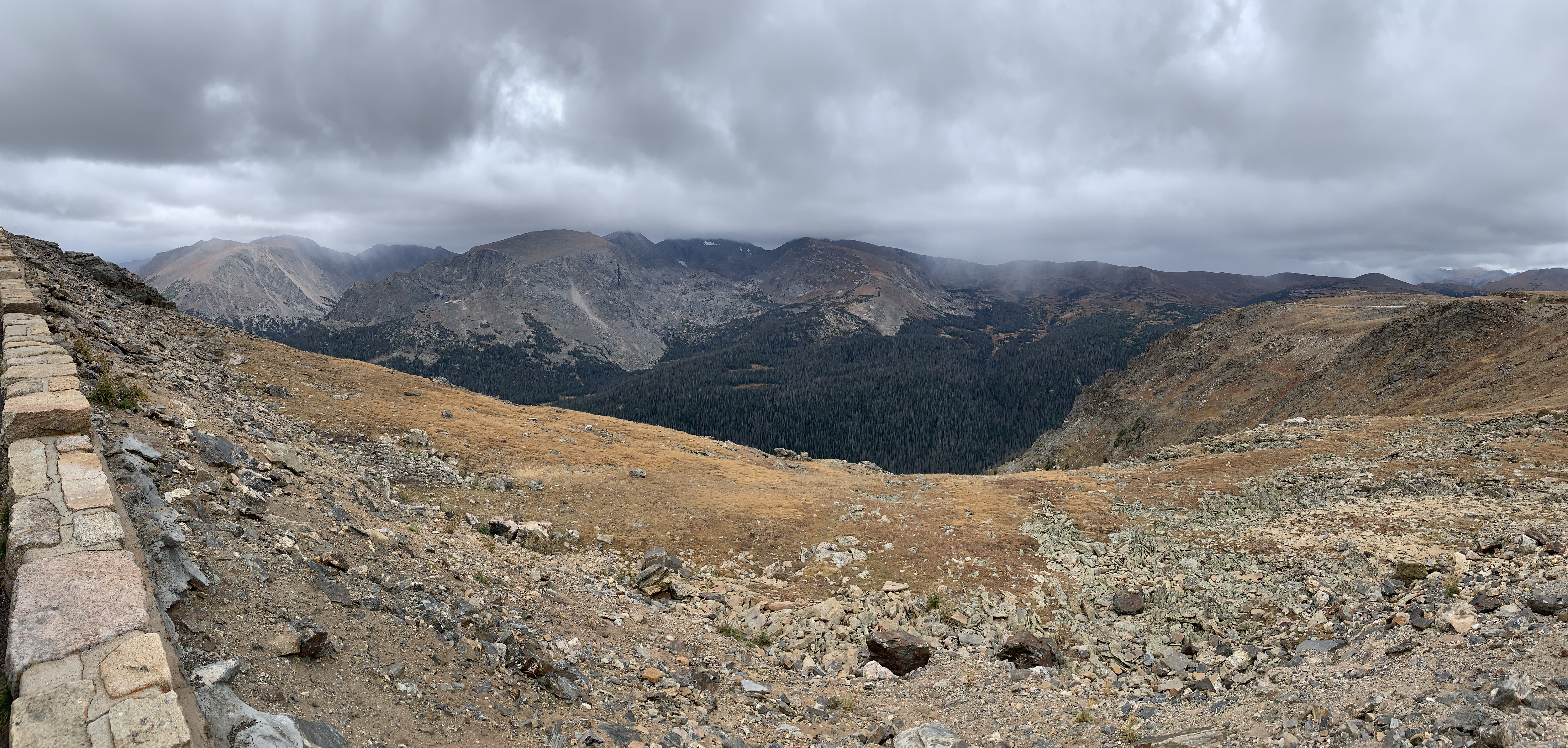
In the US, the 3,100 mile Forest Service managed trail starts at the New Mexico border, runs up near the Gila Cliff Dwellings, through El Malpais, cuts up west above Taos into Colorado, winds high through the Rockies, near Camp Hale, reaching its highest point at 14,270 feet on Gray’s Peak and then crosses through Rocky Mountain park (see photo). Here are the headwaters of both the North Platte River that flows east to the Mississippi and the Colorado River that flows west to the Sea of Cortez.

The trail continues north into Wyoming, where it crosses the Pioneer trails, through Yellowstone, where it crosses the Lewis & Clark trail, near the headwaters of both the Snake River which flows west to the Pacific and the Missouri River which flows east to the Mississippi. The mountainous divide continues up into Idaho and Montana, above Big Hole and Grant-Kohrs, connects with the Pacific Northwest trail and crosses through Glacier to Waterton in Canada. In Glacier, the epic trail summits Triple Divide Peak, which marks the hydrological apex of North America, where the Atlantic, Pacific and Arctic watersheds meet. Hope you have a happy new year!

Sequoia National Park

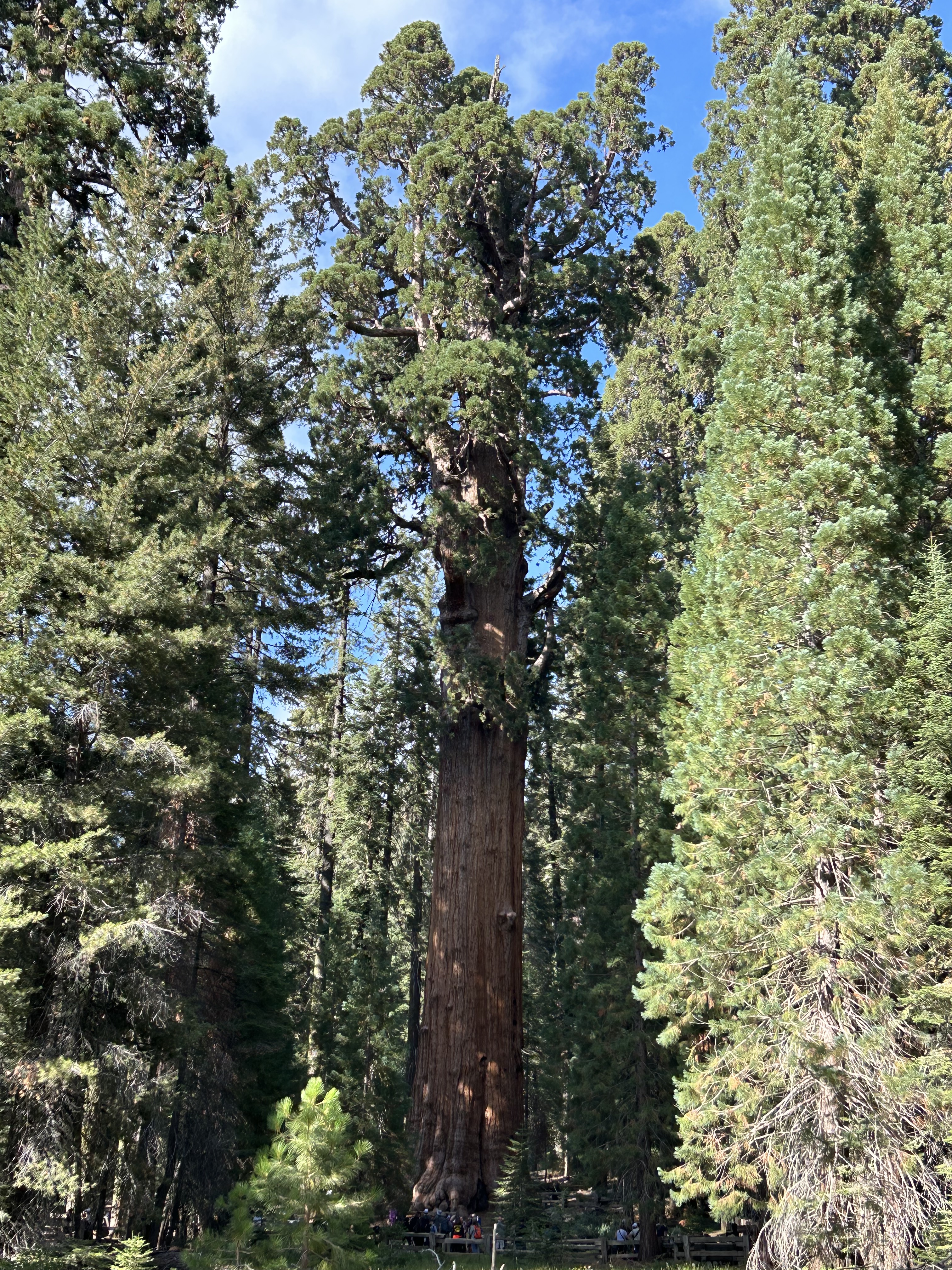
General Sherman, the Giant Sequoia above, is the largest living single organism on earth. Over half of the largest trees on earth are in this park and in neighboring Sequoia National Monument, Sequoia National Forest and Kings Canyon. This park is my favorite for giant trees. For millions of years, these magnificent trees thrived here, near the southern end of the Sierra Nevada—‘jagged, snowy’—mountains. The taller, thinner coastal redwoods mainly live closer to the Pacific where cool ocean breezes bring fog, protecting them.

But in a small fraction of one Giant Sequoia’s 3,000 year lifespan, humans have burned so much carbon into the atmosphere that the mountains here no longer hold snow all year, serving the immovable trees an eviction notice. Just in 2020-2021, between 13% and 19% of the world’s Giant Sequoias were burned to death in consecutive huge wildfires here. These trees evolved to survive fire, and, until recently, mature Giant Sequoias survived wildfires. The Climate Crisis has changed that, putting this species at risk of extinction in our lifetimes.

Many of the groves and much park wilderness are currently unreachable, due to post-fire erosion washing out roads, bridges and trails. Finding sections of the park unmarred by burn scars is challenging. The trees here are magnificent, but I recommend visiting Redwood to find solace. While most of our Giant Sequoias still live here for the time being, please don’t burn gas to get here. The last giant forests the loggers failed to destroy with sawmills, we are destroying with our cars and airplanes. By choosing to burn carbon, we are destroying the ecosystem these magnificent trees needed to live naturally for thousands of years. It would be too sad to visit only to say goodbye. 

Here are my visits to all parks in California.