Cowpens National Battlefield

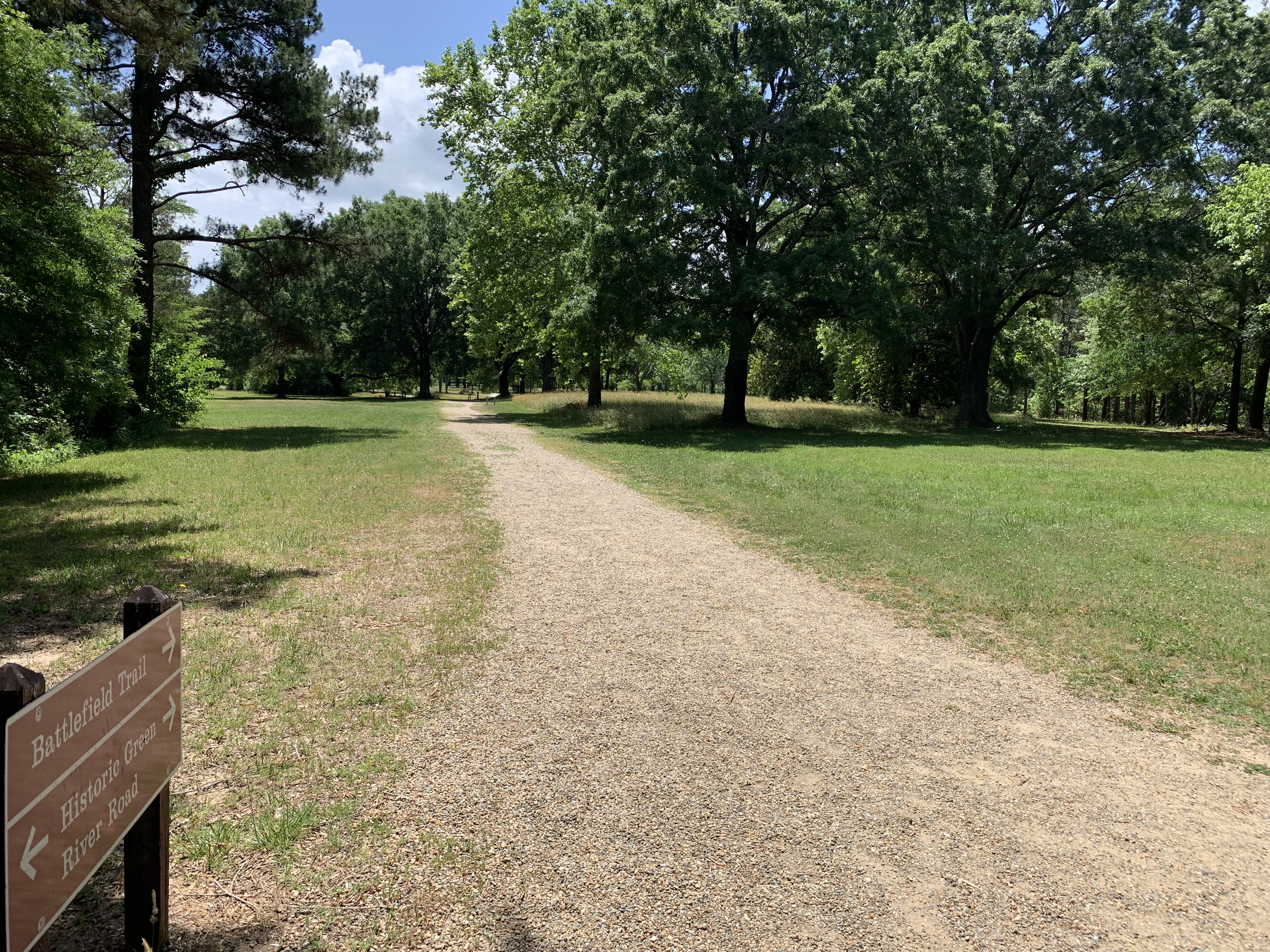
Popular among war buffs, here the patriots won an impressive victory against the British. The British commander was a young hothead named “Bloody” Tarleton who had recently killed over 100 men flying a flag of truce at Waxhaws. The patriot commander was 45 year old veteran Daniel Morgan. Morgan chose the site due to thick woods and canebrakes (sugar cane thickets) that would make flanking difficult for the advancing British. His light skirmishers volleyed and fell back, and then his next line was to do similarly. They muffed it, and the British rushed forward, expecting a rout. The patriots about-faced and fired point blank. The British front line faltered while the back was still advancing, and then William Washington’s cavalry, which had emerged from a low spot to keep the enemy cavalry at bay, turned and flanked from the other side. This classic pincer or double envelopment movement is difficult and rare, yet it has won victories for thousands of years.

Tarleton was forced to retreat with his cavalry, reporting over 100 dead and 700 captured. He blamed his troops. After the war he served in the House of Commons, where he argued for continuing the slave trade.

The Mel Gibson movie “Patriot” is based in part on the battle between Morgan and Tarleton here.
Kings Mountain National Military Park

After the British took Charleston, they moved inland trying to gain momentum and more loyalists. Here, they lined this narrow ridge with skilled marksmen prepared to defend the high ground. The patriots had troops moving overland from the northwest and local milita massing on the other side. Using Native American tactics of advancing from tree to tree, the patriots were able to get close on both sides and catch the defenders in a deadly crossfire. Having learned that the British commander was wearing a checkered jacket, they targeted and eliminated him, winning a decisive battle here.

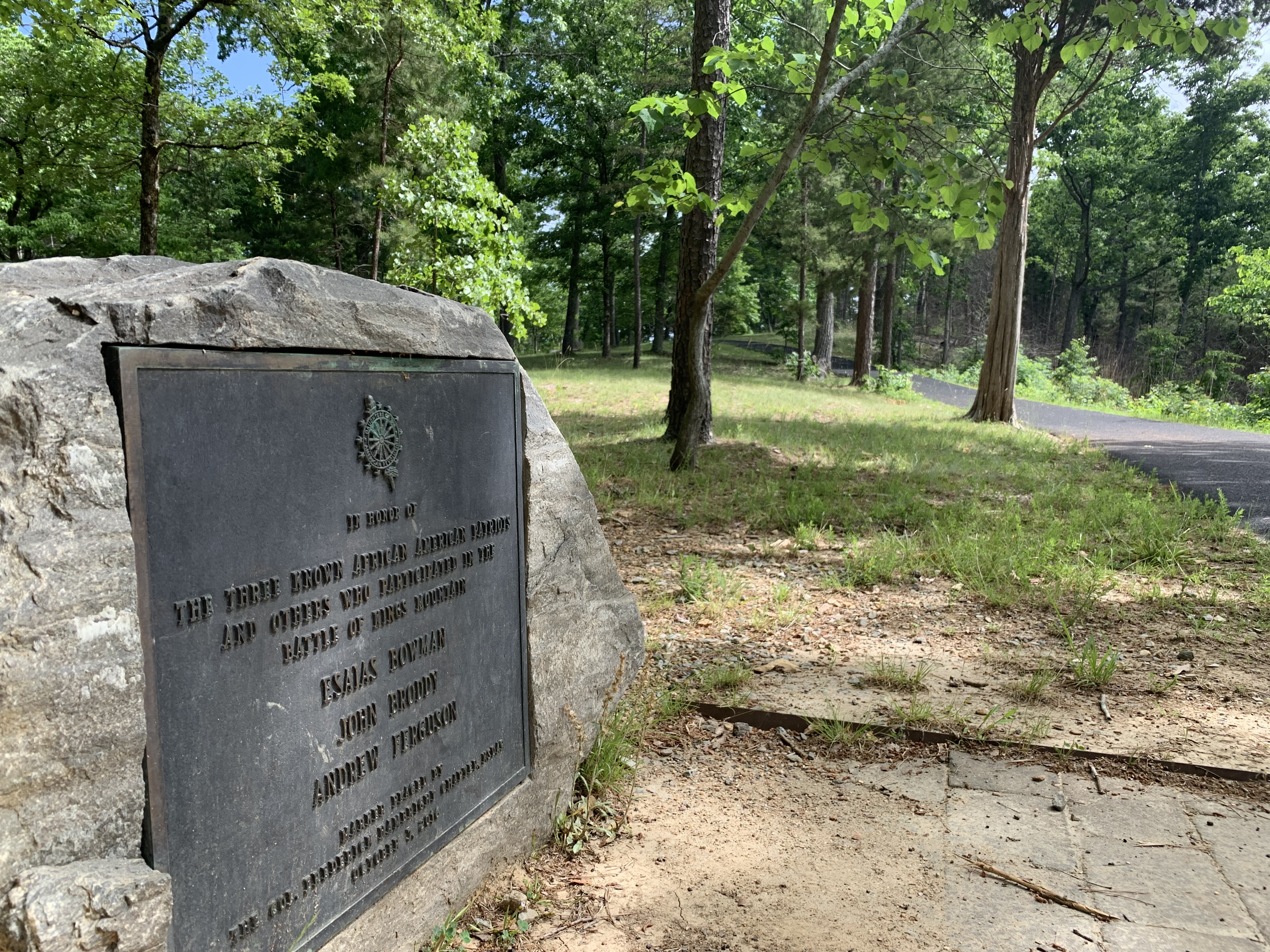
The first of the three African American patriots memorialized above, Elaias Bowman, was a free militiaman, one of several who shot the British commander. For some reason that I can’t fathom, there’s a far bigger memorial to the British commander, a Scot named Ferguson, and local visitors speak of him fondly, often leaving stones near his marker. I left a stone for the patriot Bowman instead.

Moores Creek National Battlefield

As at the Old North Bridge in Concord, Patriots removed many of the bridge planks and greased the beams. Once the loyalists crossed, they found themselves surrounded by Patriots behind hastily built earth walls with muskets, one medium sized cannon and a swivel gun. The British-employed highlanders attacked with broadswords, which was the last time that tactic was ever tried. Here on February 27th, 1776 the Patriots won a clear victory in the War for Independence.

Normally, I would stop here, but the ranger expressed some views which were misleading and incorrect. The battle is described in the visitor center as America’s “first civil war”. The ranger described the Patriots as ”fake news” northerners and corrupt townspeople who hypocritically denied the people in the backwoods their rights while over-taxing them, using the Regulator rebellion of 1761 to support his argument. Which is poppycock.

Let’s start by noting that the battle took place before America was a country. The Patriots were British colonists in open rebellion, and the loyalists were British mercenaries and colonists paid to put down the rebellion. Any over-taxation and denial of rights was done at the behest of the British Governor, who used a variety of means to control the colony, including bribery, hanging, and dividing the colonists into factions. Without sanctifying the Patriots, some who owned slaves, or condemning the loyalists, some who had been forced to swear oaths, there’s simply no honest way to recast this colonial battle as civil war. The Regulator history is interesting, but it was a tax revolt and was neither a part of the Revolutionary nor Civil War.

Guilford Courthouse National Military Park

The Revolutionary War may have started in Concord Massachusetts, but it was won in the Carolinas and Virginia, at places like this. Rhode Island Quaker Nathaniel Greene was given the southern command by General Washington, and he fought a critical battle here with Cornwallis, with Washington’s cousin William leading the dragoons (cavalry). Technically, the British won the battle, but Greene inflicted more than 1/4 casualties upon them while keeping his own force ready to fight again. The British recognized it as a Pyrrhic victory, and Cornwallis had to regroup. The two sides would clash repeatedly before Yorktown.

Camp Nelson National Monument

While obviously fortified, the camp is best remembered as a refugee and training site for escaped and liberated slaves to join the Union. A heartless commander here burned shelters before winter to try to dissuade refugees from staying, leading to over 100 deaths from exposure, national outrage and new legislation to build more permanent refugee shelters at many Union bases, including food, clothing & education. There’s a community nearby that persists since that time. Many of the US Colored Troops that served, especially in the second half of the war, were trained here.

Mill Springs Battlefield National Monument

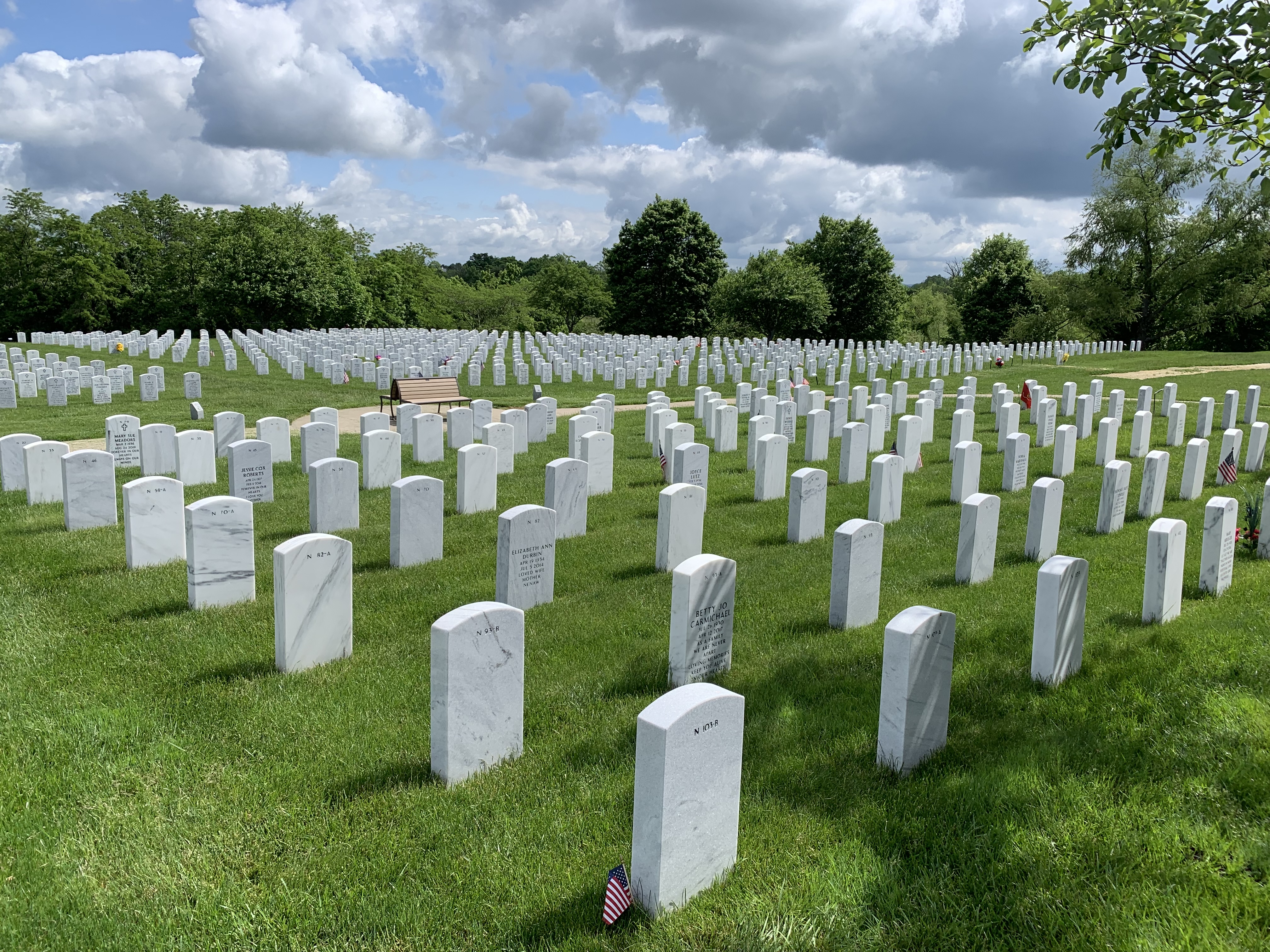
The photo is from the eponymous national cemetery next door to the visitor center.

Lincoln said ”I hope to have God on my side, but I must have Kentucky.” Kentucky was neutral early, perhaps since they enjoyed betting on horses, especially when they could tell who was going to win. In 1861, it wasn’t clear, at least until this battle.

The confederate troops had entered Kentucky from the East through the Cumberland Gap and soon fortified near the river. Unfortunately, Zollicoffer split his troops on both banks and a rising river made redeployment difficult. Worse, when fighting started, he approached some troops to stop “friendly fire”, not realizing that they were the enemy. With their general dead, the confederates became disorganized and lost. This led to a string of Union victories leading south.

Stones River National Battlefield

This was one of the bloodiest battles of the Civil War. Lincoln wanted a victory and ordered General Rosencrans to advance up the Nashville Pike. The confederates struck hard, the union army dug in, set up artillery and won the day. The photo shows part of the remains of Fort Rosencrans built to defend the supply route for the rest of the war.

African American labor typically built these massive earthen fortifications, and despite the Union victory, their new rights were often denied.

Fort Donelson National Battlefield

As today, logistics and rivers are critical in war. The fort is in what’s now ”the land between the lakes” where the bends and confluence of rivers gave the Union multiple openings to attack. This confederate battery stopped the Union ironclads, but Grant’s army came around from another side, surrounded the fort by land, and forced its unconditional surrender, earning Grant a nickname, a promotion and a key juncture for his supply-chain based campaign.

Shiloh National Military Park

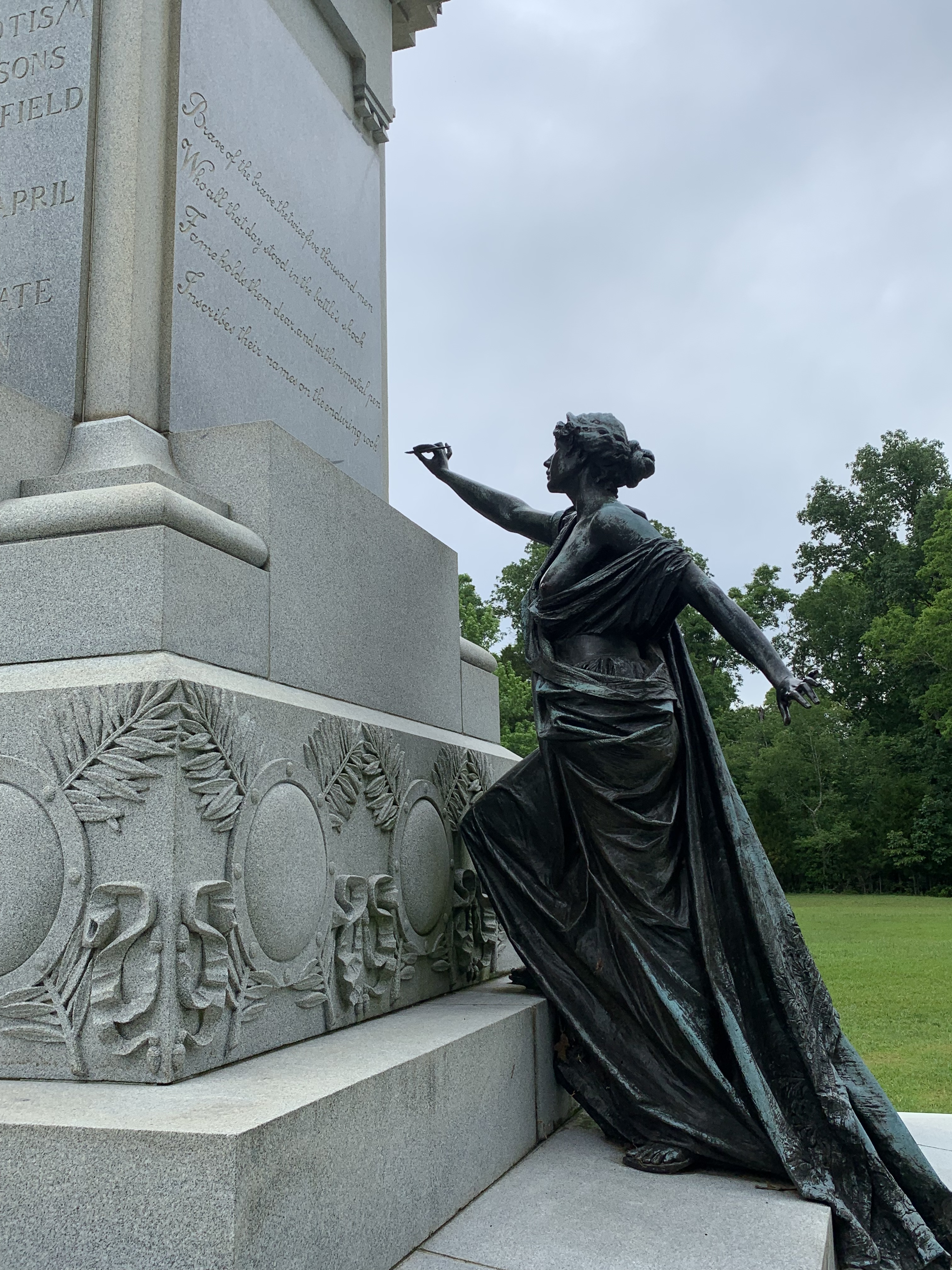
Shiloh is a beautiful park, with lovely memorials like the Iowa one above. The self-guided car tour is comprehensive yet easy to follow, since the battle only lasted two days. The site includes Native American mounds, the National Cemetery, well organized placards and a reproduction of the log church for which the battle was named. Shiloh is my favorite battlefield & military site.

The Union graves often are adorned with pennies, in honor of Lincoln, and many confederate graves have flowers. Unfortunately, many soldiers were buried unmarked in trenches, and many confederates were not re-interred. It was a mistake to leave the confederates in mass graves and not make more effort to identify them. There must have been prisoners who could have helped identify the dead, at least by unit. After the war, veterans from both sides petitioned for proper burials and a fitting memorial.

There’s a difference between respecting war dead and agreeing on the honor of the cause. No soldier wants to be forgotten, especially after serving bravely or knowing they might pay the ultimate cost. Lincoln’s Gettysburg Address is reproduced at the cemetery, and he was correct in saying that the ground has been consecrated by the blood of the dead. But that does not mean that the causes were equal. One side fought to end slavery, and the other side fought to keep it. Both sides deserve respectful burials, but only one cause deserves to be remembered honorably.

Brices Cross Roads National Battlefield Site

North of Tupelo, there’s another memorial to another Civil War battle where the goal was to protect railroads and also included US Colored Troops. While the Union was forced to retreat, the confederates were drawn away from the Union’s other advance. There’s a self-guided car tour through the fields where the battle was fought. And here’s another photo.