All Sites in Arizona, California & Nevada

While I can’t drive to Hawaii, I have visited all the other sites in the western region, including all the sites below and these national historic and scenic trails: Arizona NST, California Pioneer NHT, Juan Bautista de Anza & Old Spanish NHTs, Pacific Crest NST, and the Pony Express & Butterfield Overland NHTs.

Arizona

California

Nevada

Lake Mead National Recreation Area

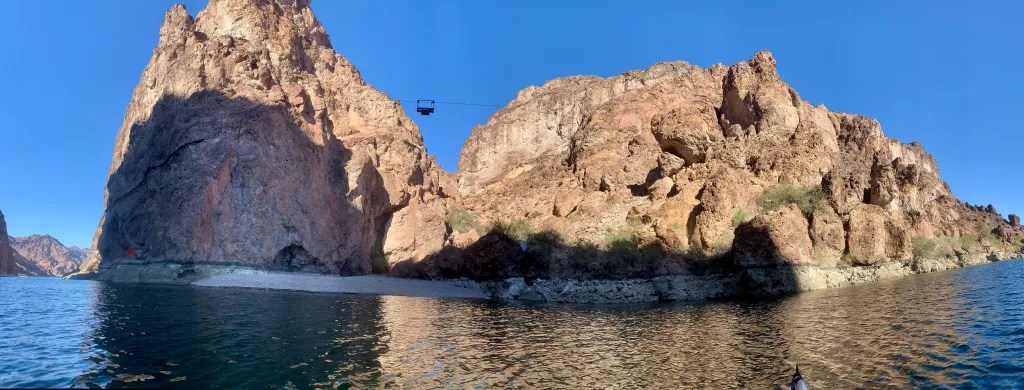
Apologies for the twisted Pano, but I’m still getting the hang of my new kayak. This is Black Canyon, and the hand-pulled cable car was built so the guy in charge of gauging the river could get from his house to the gauge station via the catwalk on the cliff to the left. I paddled up part of the Black Canyon National Water Trail a couple miles from Willow Beach to get a decent photo of Emerald Cave, which also failed (I blame the low water level and too many people). But in the sunlight, the shallows along this stretch of the river do turn a beautiful green, and seeing the fish and ducks helps emphasize the importance of the Colorado River to life in the desert.

There are many different ways to recreate in the area, but this self-guided kayak tour appealed to me. I think I’ll keep my OruKayak in my trunk for trips just like this. There are longer paddling tours from Hoover Dam, a paddle wheeler, boating on Lake Mead, backcountry horseback riding, hiking, biking, scuba diving (historic plane wreck) and many more. I took the kids to tour Hoover dam years ago, and it’s fascinating. This trip I stayed just outside the park downstream below Davis Dam (which forms Lake Mojave) at the Pioneer in Laughlin, which was cheap and had free overnight EV charging (ClipperCreek). All the Colorado River lakes are in trouble now, due to the climate crisis and misuse of water, so I wanted to visit before things get worse.

100 years ago yesterday, the Colorado River Compact was signed. Ecology, Native Americans and Mexico had no input. Today, more water exists on paper than in the river. The states say they are unwilling to renegotiate, but every year the cities get bigger and the water levels drop. Like other human activities, our use of the river is unsustainable. As thankful as I am that this area is preserved for recreation, unless we do something, it won’t be for long.

Tule Springs Fossil Beds National Monument

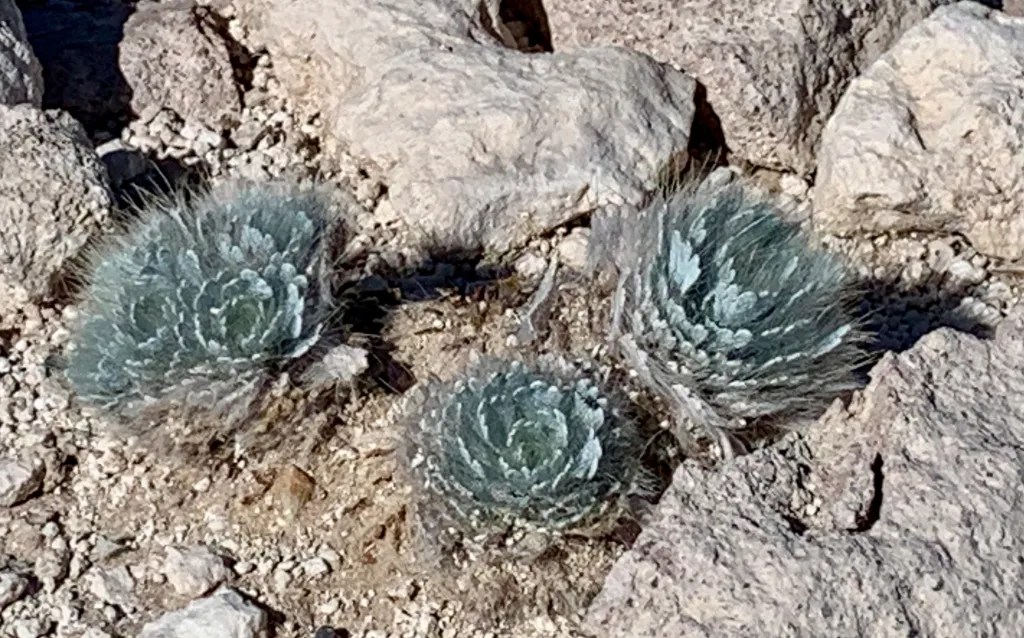
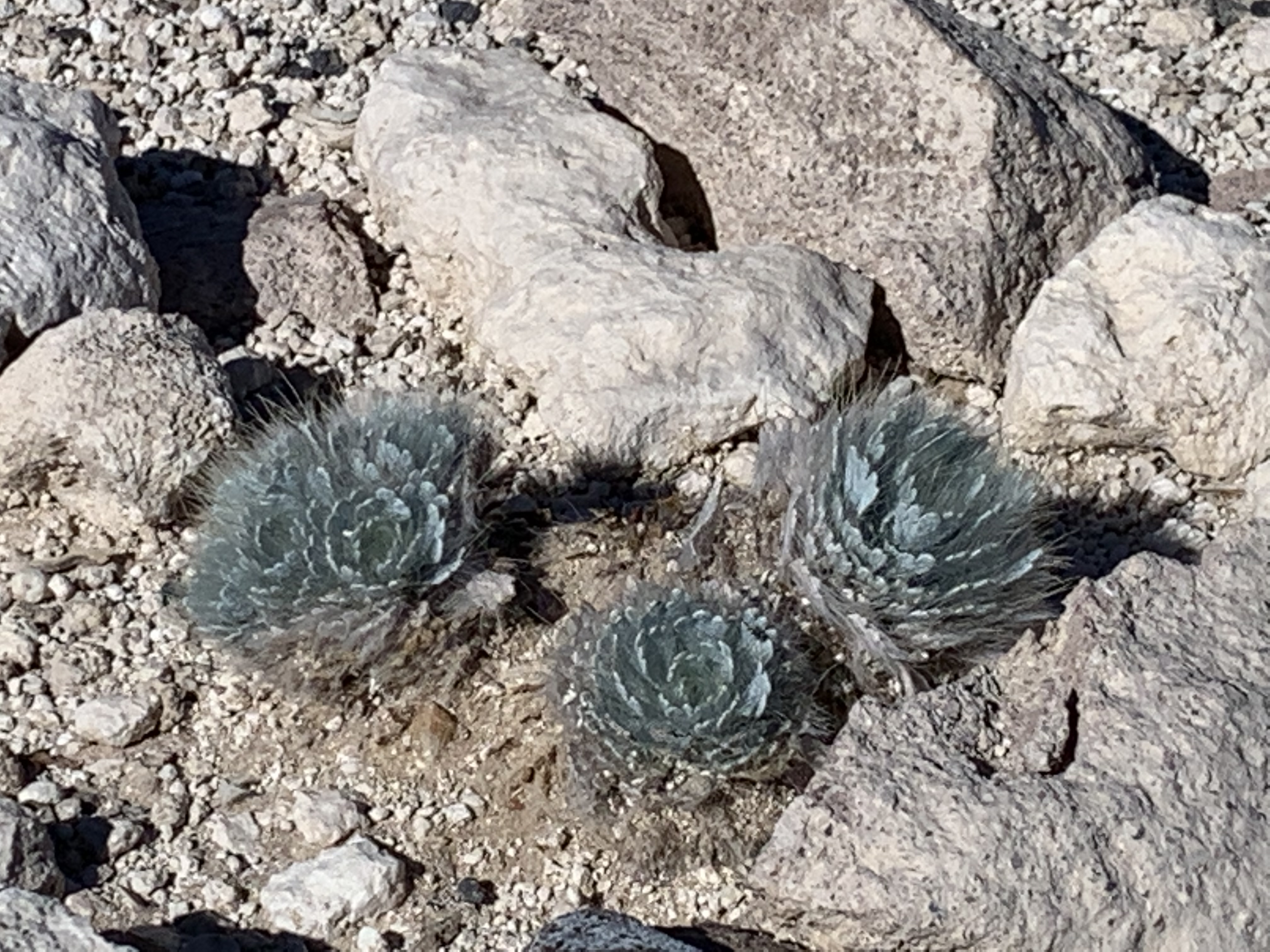
I’m pretty sure these are the endangered Las Vegas Bearpoppy with yellow flowers in spring. Endangered, because Vegas sprawl exceeds monumental. Honestly, there wasn’t much else to see in this “still in planning stage” park site. There’s a temporary 3.25 mile Alicante Loop Trail and parking on North Aliante Parkway at West Moonlight Falls Ave, but the desert is subtle in natural features. There are mats of desert mistletoe in the acacia and mesquite, but they’re parasitic plants best appreciated by the rare silky flycatcher. Despite free dog waste bags and signs, the locals use this place to let their pets run off leash and much of the brush has poop and trash stuck in it. The park extends for miles from North Vegas up 95 northwest, and hopefully they will soon be employing a ranger to protect the park from the residents and pets of the lushly landscaped neighborhoods across the street. Vegas isn’t known for keeping realistic boundaries.

Great Basin National Park

First, if you can’t get a reservation in time to visit Lehman Caves, just visit the park anyway. I took the virtual cave tour, and, I suspect that Timpanogos in Utah is better and less damaged. Besides, the park isn’t a cave park, it’s the highlight of the Great Basin area, which includes most of Nevada, western Utah and parts of three other states, and has a glacial basin of its own at the top of a 13,500 foot mountain.

Second, stop at Mather Overlook to admire the views and fall foliage of yellow and orange Aspen amid the dark green conifers. There’s a bronze model there that shows the structure of the basin, which is helpful orientation, since it is a long winding road.

Third, understand that the glacier here, “the only glacier in Nevada”, is gone. In theory, there might be some subterranean ice under some of the rocks for another couple years, but climate change has wiped this glacier off the face of the earth. The park maps showing a “rock glacier” in white are out of date. Any snow you see up there is seasonal.

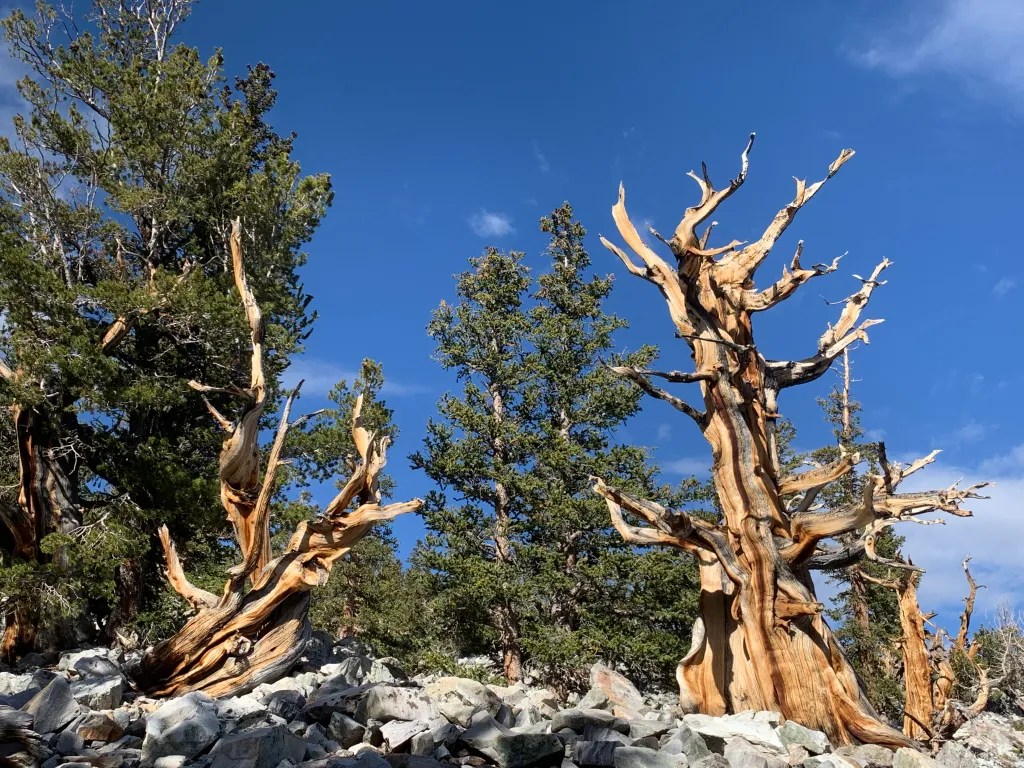
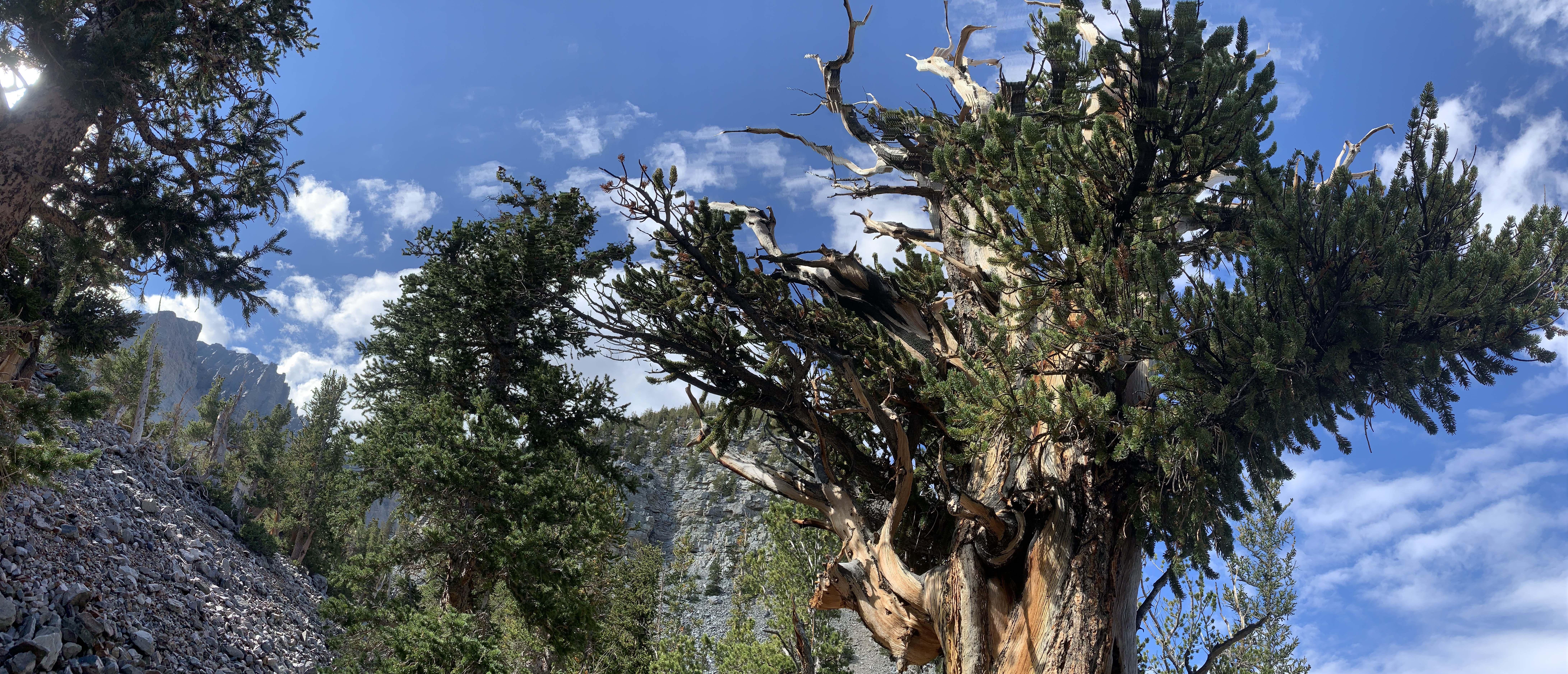
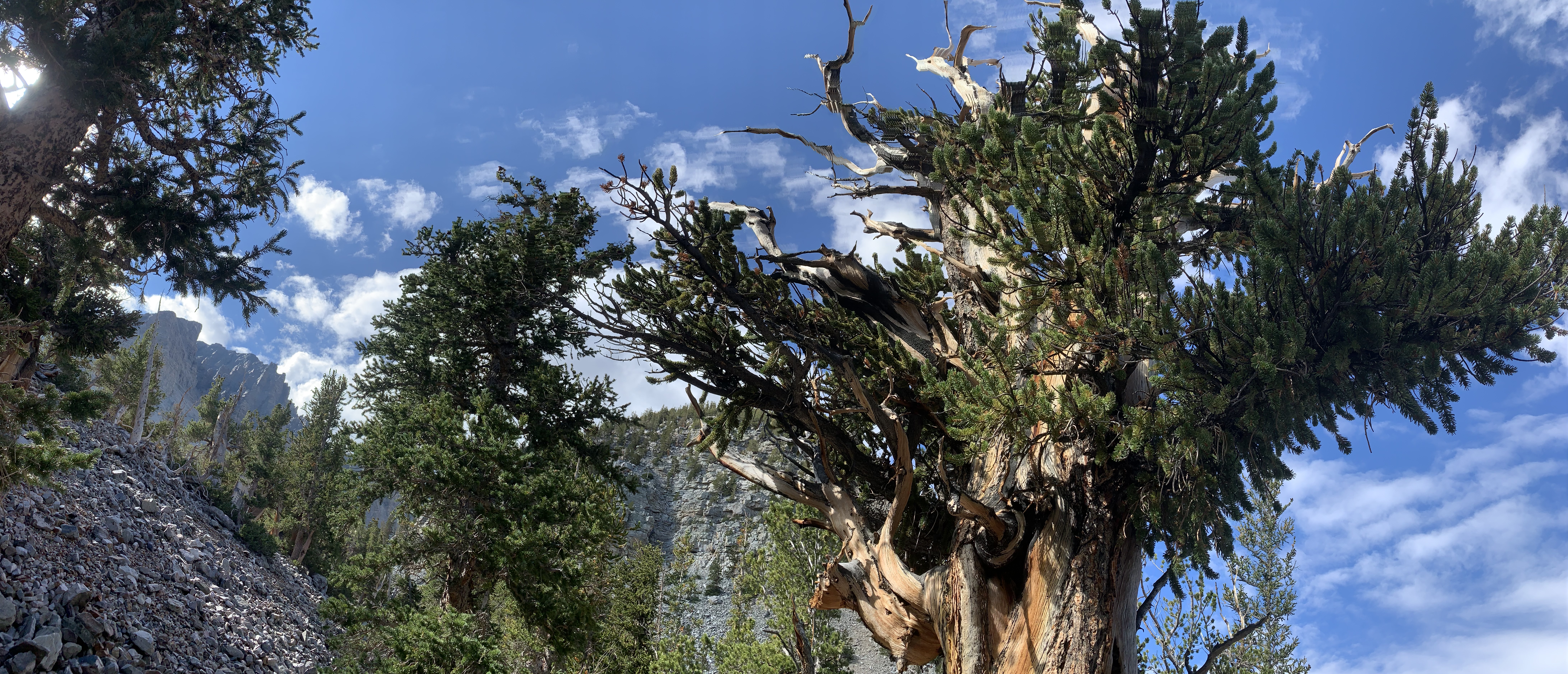
Fourth, take the Glacier Trail anyway, since it goes through the Bristlecone Pine grove and up into the basin. If you only get as far as the grove (2.8 miles roundtrip), that’s what I felt was the highlight of the park. The other two Bristlecone Pine groves are in very remote areas of the park. There are also some trails to pretty alpine lakes, but be careful, as many of the hikes are over 10,000 feet. Spending the night at altitude can help, as well as give you lovely views of the Milky Way.

Finally, this is my favorite park for old trees. The Bristlecone Pine, far from merely eking out a bleak minimal survival, is a gold resinous Adonis, shining in the bright Alpine sun, with luxurious thickly packed bright green bristles. We don’t know how long they can live. One that was removed from here in 1964 was over 4,900 years old. Unfortunately, climate change will likely make them extinct, as other trees will grow at higher elevations, crowding them and subjecting them to more wildfire damage.