In the bigger, more famous neighboring park in southern Florida, the paid guide assured me that the American alligator “is a solitary creature, you never see more than one or two together”. In Big Cypress, I counted 16 alligators in one puddle and 17 in the next. Unlike most other wildlife I try to photograph, the alligators don’t run away; they look you right in the eyes and even slowly move towards you. Some are easy to spot, but while I was counting, three more were sneaking up on me.
Most of the million acres in Big Cypress and its smaller partners are actually prairie habitat for the endangered Florida panther, but there was a devastating fire recently, in our rapidly heating world. I drove the loop road instead, looking for gators in the gullies, but I often found myself looking up at the various trees to look at the air flowers hanging on to trunks and branches. In the hardwood hammocks, you might see some tree snails. And I saw a lot of birds, especially wood storks and other large wading birds.
Coming from the Naples side, I stayed in Everglades City, which is tucked in between the Ten Thousand Islands, the Everglades western estuaries and mangrove islands, and Big Cypress. Before the highway was extended to Key West, many visitors took boats to Key West from Everglades City. They’re rebuilding the hurricane damaged visitor center there in the name of Marjorie Stoneman Douglas, who wrote the book, River of Grass, that led to the protection of 2.5 million acres of lower Florida. Fortunately, large commercial efforts to farm, graze and otherwise exploit the land had all failed, so the environmental coalition won. Carbon pollution raises sea levels, so the future is uncertain. But for now, this is a good place for adventure travel out into the mangroves.
In addition to part of the multi-state Gullah Geechee Cultural Heritage Corridor, Georgia has two unique heritage areas.
Arabia Mountain is a large site east of Atlanta, managed in sections by city, county and state park rangers. While Stone Mountain—infamous for its carving of three traitors—just north has similar granite monadnock geology, Arabia Mountain is a natural area, protecting Diamorpha and other rare species that thrive in shallow sandy puddles in the rock. It’s more of a low granite hill with a gentle slope, and there are signs of quarrying. At the top, I saw a Killdeer (see photo above) drinking out of one of the larger pools, so I turned on my birdsong identifier app and quickly recorded 18 more birds, including an uncommon Swainson’s Thrush, an Indigo Bunting, a Purple Martin, a Tufted Titmouse, 2 different Vireos and a Red-shouldered Hawk. I was well pleased for such a short hike. Panola Mountain is an even more protected part of the Arabia Mountain heritage area, but you need to reserve a hike with a ranger to climb it. The historic quarrying town of Lithonia is also in the area and has an old African American cemetery.
The other heritage area is the Augusta Canal NHA. That’s a miles long canal with tow-road paths, parks and views from the north of the city down to the historic district. The most famous historic sight along the canal is the Confederate Powderworks square chimney below. It’s the last remnant of the city’s impressive wartime industry. Late in the Civil War, one of the gunpowder mill buildings exploded killing 9, including one boy, which also sparked a strike. There’s now a fancy new Salvation Army multi-function center funded by the founder of McDonalds across the canal. The waterfront is a pretty area to hike or kayak.
I have visited over 90% of NPS affiliate sites. The three remaining are in the Aleutian Islands, on the north coast of Alaska, and in Saipan, the only affiliate unit in the western region.
Alabama has two national heritage areas, the Black Belt and Muscle Shoals, neither related to a gym.
Alabama Black Belt NHA includes many Civil Rights sites, reflecting the progress forged by the large African American community that descended from the people brought here and bred against their will to work the rich black soil extending in a belt from the Mississippi River across Alabama. Several of these sites are run by the national park service, including Tuskegee Institute, Selma to Montgomery NHT, and Freedom Riders NM. Two other sites I recommend highly are the National Voting Rights Museum and Institute in Selma and the Legacy Sites in Montgomery. The first is an authentic old place filled with memorabilia, well illustrated stories and contains many important exhibits from the Civil Rights struggle, carefully preserved near where the marchers began their march for voting rights. The second is a much newer series of bold exhibits, perhaps most importantly featuring an artistic memorial dedicated to the victims of lynching.
Muscle Shoals NHA is dedicated to the rhythm & blues soundtrack of many of our lives. In 1959 a local music promoter who failed to make it in Nashville took a big risk and opened the small Florence Alabama Music Enterprises studio across the river from Florence in a less developed area called Muscle Shoals. Rick Hall hired some local talent to who lived closely enough to come in as needed to be the studio band for visiting artists. They were joined by Duane Allman, who just showed up and lived in the parking lot until he got a job there. They recorded a few songs there you may know, including Mustang Sally by Wilson Pickett. Etta James went to FAME to try to revitalize her career and recorded her album, Tell Mama, in which she sang I’d Rather Go Blind just a couple miles away from Helen Keller’s birthplace and childhood home, which is another great place to tour. A trumpet player got a little fresh with a young singer, and her husband was pissed. Rick went to their hotel after, but he got in a new fight with her husband. Rick lost the singer and her label (Atlantic) as a result. Still, Aretha Franklin recorded I Never Loved a Man and Do Right Woman, before she walked out never to return. FAME did pretty well nevertheless, especially with a Mormon family called the Osmonds.
In 1969, Hall’s best house band bought a casket shop nearby and opened their own place, Muscle Shoals Sound Studio. Run by these experienced artists, they also wrote songs and ended up producing more hits than almost any other studio in the world, with most of the work done on the first take. They wrote a song called Old Fashioned Rock and Roll and eventually got Bob Seger to record the vocals over their track, although they accidentally duped the intro. A band called The Rolling Stones illegally recorded Sticky Fingers there, before going to a riotous concert with Hells Angels where they sang Brown Sugar. Another time Lynyrd Skynyrd was stuck with a song until a roadie suddenly announced he could play the piano and gave them the opening to Freebird (demo version). They went on to make the house band famous as the ‘Swampers’ in their song Sweet Home Alabama. Newer singers like Lana Del Rey sometimes just walk in and ask to record there too. The list of songs is too long to mention, so take the tours, maybe watch the Muscle Shoals documentary, enjoy the music and listen to the stories.
I should mention that American Music has its roots along the Natchez Trace and nearby rivers: New Orleans, Nashville, Memphis and Muscle Shoals. The songs of the enslaved, French & Spanish trader influences, back country pickers, gospel music and travelers singing for their supper all came together to form the Blues, Jazz and all the rest. WC Handy was born and grew up in Florence below, before being inspired to write down classic blues songs like St Louis Blues and Beale Street Blues. He preserved his log cabin, and there’s a small but excellent museum there now. This is a fascinating and emotionally moving area of the country to visit, and, if I can mention one more, the Jesse Owens Museum is worth a stop too. In my opinion, Muscle Shoals is the best national heritage area.
Mississippi has three national heritage areas: Delta, Gulf Coast and Hills. Culturally, Mississippi is one of the best states in the country.
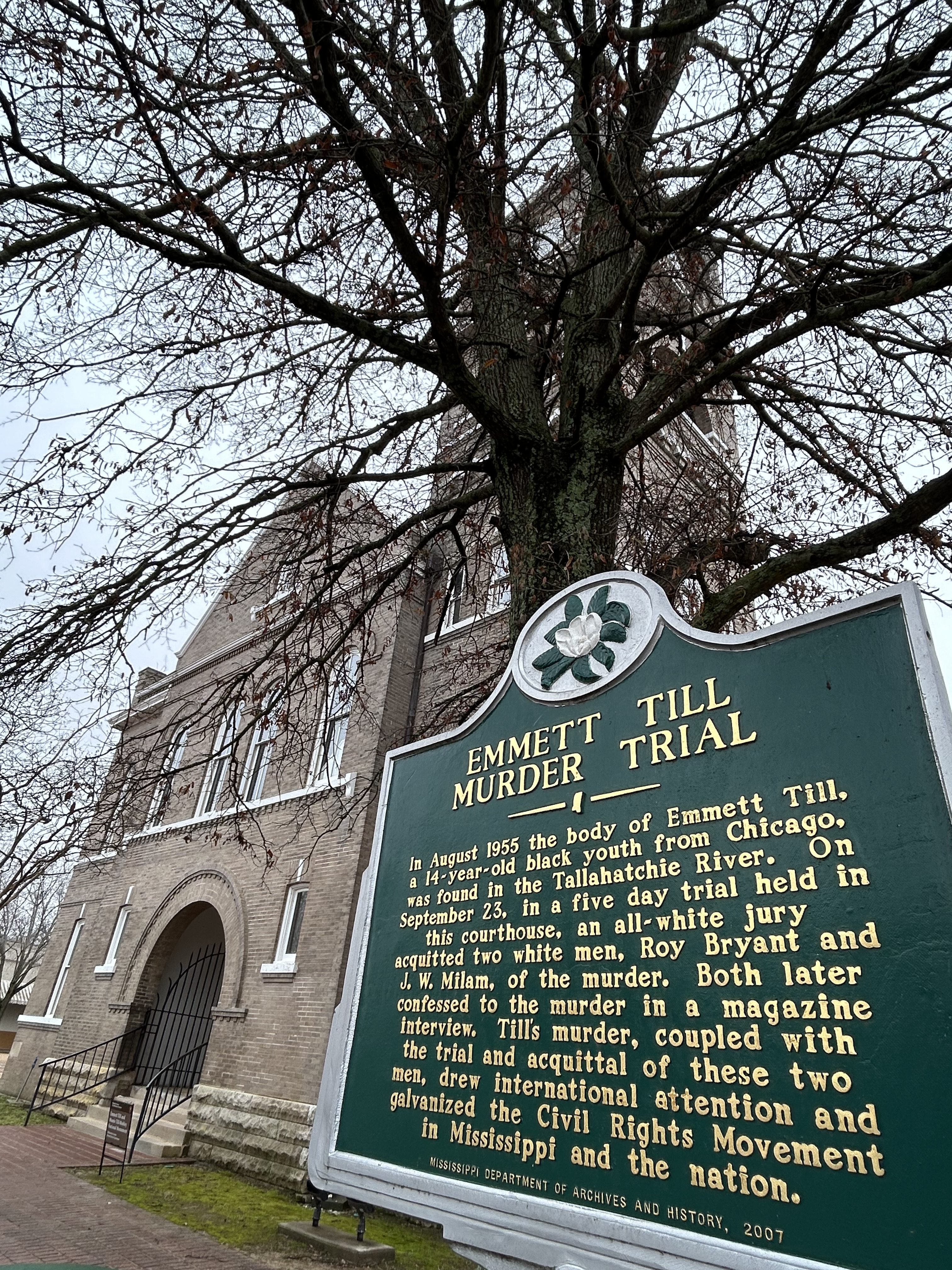
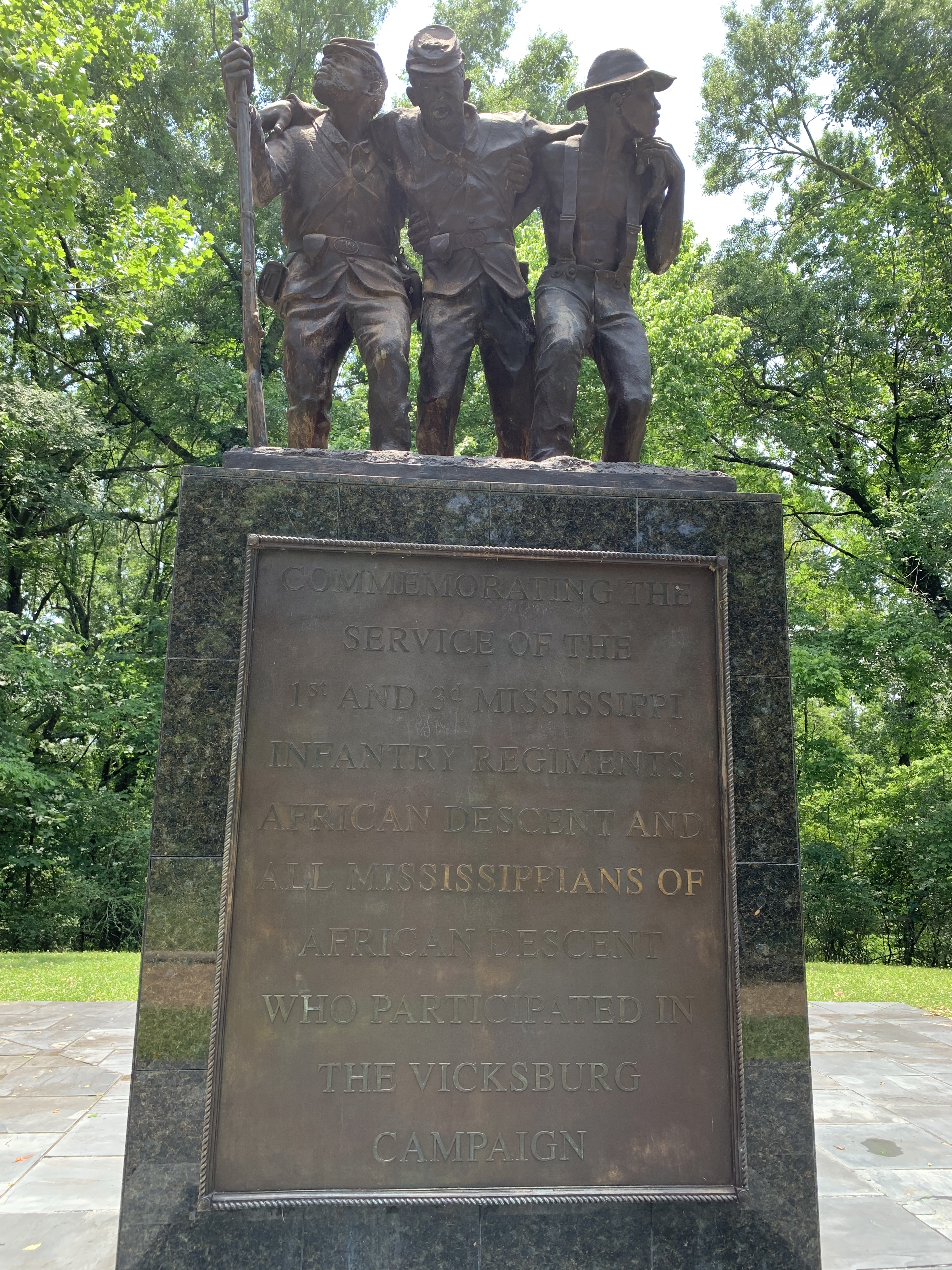
The Delta area is fascinating, and I recommend the Delta Blues Museum when you’re in the area listening to live blues music, like Terry ‘Harmonica’ Bean pictured in Clarksdale. Vicksburg and Emmett Till are both in the area too.
I drove the Gulf Coast area while visiting the Gulf Islands National Seashore, and it is beautiful. (I skipped Beauvoir, the Jefferson Davis “Presidential” Library, since he was never president of our country.) You will see signs marking the Mississippi Blueways, which are mostly paddling river routes near the coast and unrelated to the popular Mississippi Blues Trail.
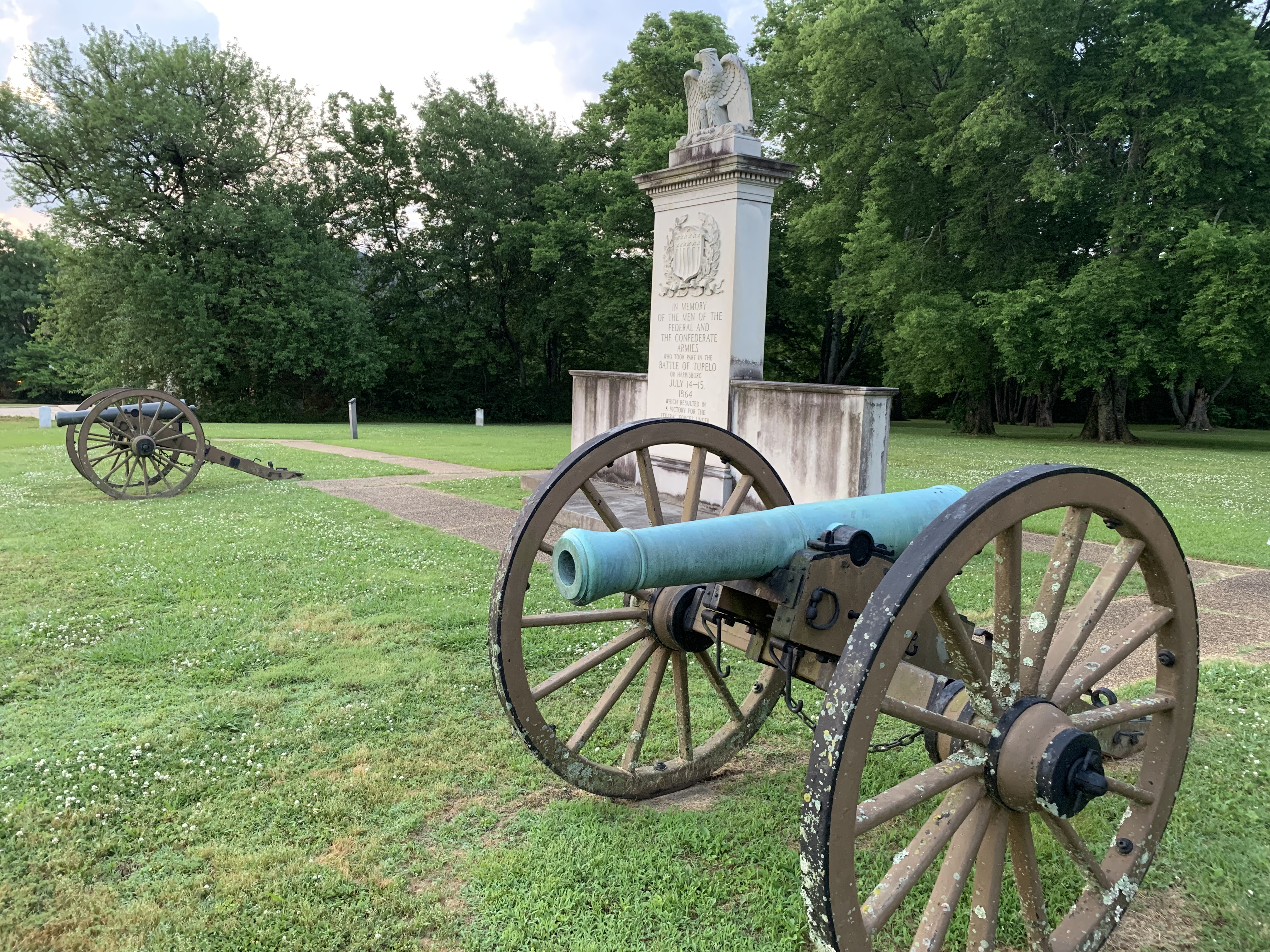
This year, I visited William Faulkner’s home in Oxford, which is part of the Hills area, along with Elvis’ home in Tupelo, Tennessee Williams’ home and Eudora Welty’s too. Brices Cross Roads, Natchez NHP and Medgar and Myrlie Evers Home are in this area too. I enjoyed visiting Faulkner’s home, ‘Rowan Oak’, and walking in the pretty woods nearby, but Faulkner would much rather be remembered for his screenplays, stories and books, including The Sound and The Fury, As I Lay Dying, and Absolom, Absolom!.
Tennessee is the only state that is also a national heritage area, focused on the Civil War, with four national park units, three other battlefield parks, three Civil War oriented museums, and Andrew Johnson NHS. The nationally established parks cover the history best, but state parks—especially Fort Pillow—are also historically important.
1862 Fort Donelson NB Grant gained access to the Cumberland River in the northwest.
1862 Shiloh NMP Grant won a costly battle, despite a Confederate surprise attack.
1862-3 Stones River NB, with slaughter pen & hell’s half acre, a bloody victory.
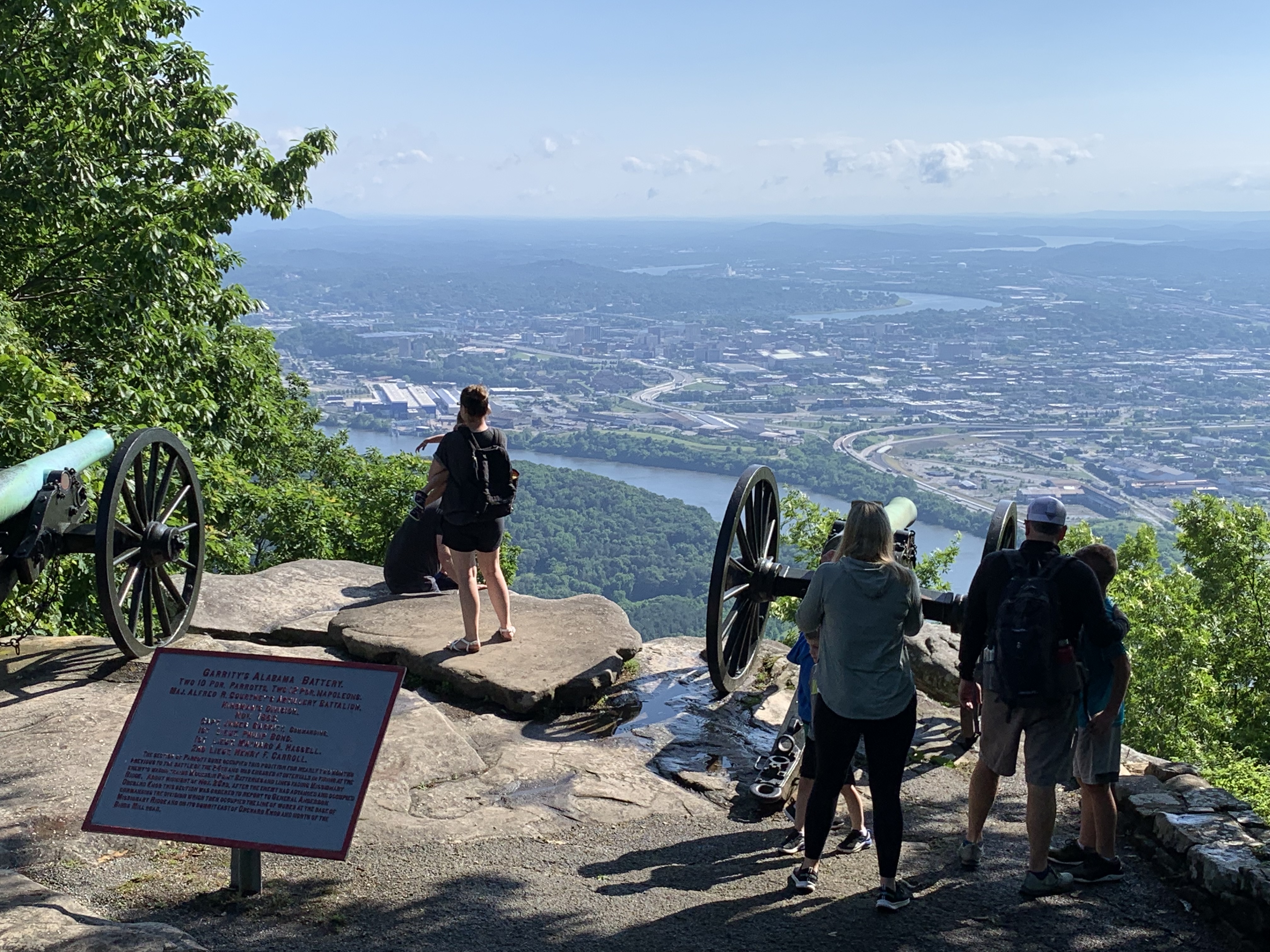
1863 Chattanooga NMP another Union victory, securing railroads in the southeast.
1864 Fort Pillow a massacre of surrendering black soldiers by Nathan Bedford Forrest.
1864 Battle of Franklin a disaster for the Confederates, especially a dozen or so generals.
Fort Pillow is on a bluff then overlooking a sharp bend in the Mississippi River north of Memphis. It is well sited for firing down at passing ships, but there are several higher hills around the fort, making it defensively weak against a land attack. Nathan Bedford Forrest brought superior troops in number and experience, and attained the element of surprise. The Union leader was shot dead early on by sharpshooters, and his replacement refused to surrender. The battle was soon over, as the Confederates surrounded the fort, moved in and overran the ditch defenses.
Except that the slaughter continued, long after the battle was won.
The state park visitor center at Fort Pillow has a disappointing exhibit that repeatedly describes the 1864 congressionally designated “massacre” as only a “controversy”, displays grandiose portraits of General Forrest, and provides numerous excuses for the one-sided outcome (see below list of dead). Over the years, many apologists—the same who describe the Civil War as a heroic cause for states rights—have tried to defend the actions of the Confederates at Fort Pillow, but there’s nothing honorable about a 20 to 1 slaughter.
The facts—excluded in the museum exhibit—tell the true story. Most of the Union white soldiers were taken prisoner, while almost all of the black soldiers were killed. One of Forrest’s own sergeants described many black soldiers trying to surrender and wrote, “General Forrest ordered them shot down like dogs”. Black soldiers were denied prisoner of war status throughout the war, and the Union stopped prisoner transfers due to this official Confederate policy, clearly stated after Fort Pillow. Forrest became the first Grand Wizard of the Ku Klux Klan after the war. The site should be a national battlefield, and the history of Forrest’s massacre of black soldiers told accurately.
This is an affiliate site in Tennessee focused on Nathan Bedford Forrest, who fought most of his Civil War battles in the Volunteer State. At the end of 1862, Forrest was in the midst of his guerrilla warfare destroying railroads, bridges, raiding supplies, recruiting rebels, taking prisoners and attacking the Union. Union troops moved near a key railroad and roadway crossing in the middle of western Tennessee to cut off Forrest’s escape south across the Tennessee River. Forrest attacked, was repelled, and tried to flank the Union troops. But more troops arrived behind him, so he ordered his men to ‘charge both ways’ and withdrew in the confusion. Forrest lost more men in the battle, but he escaped as the Union failed to cut him off.
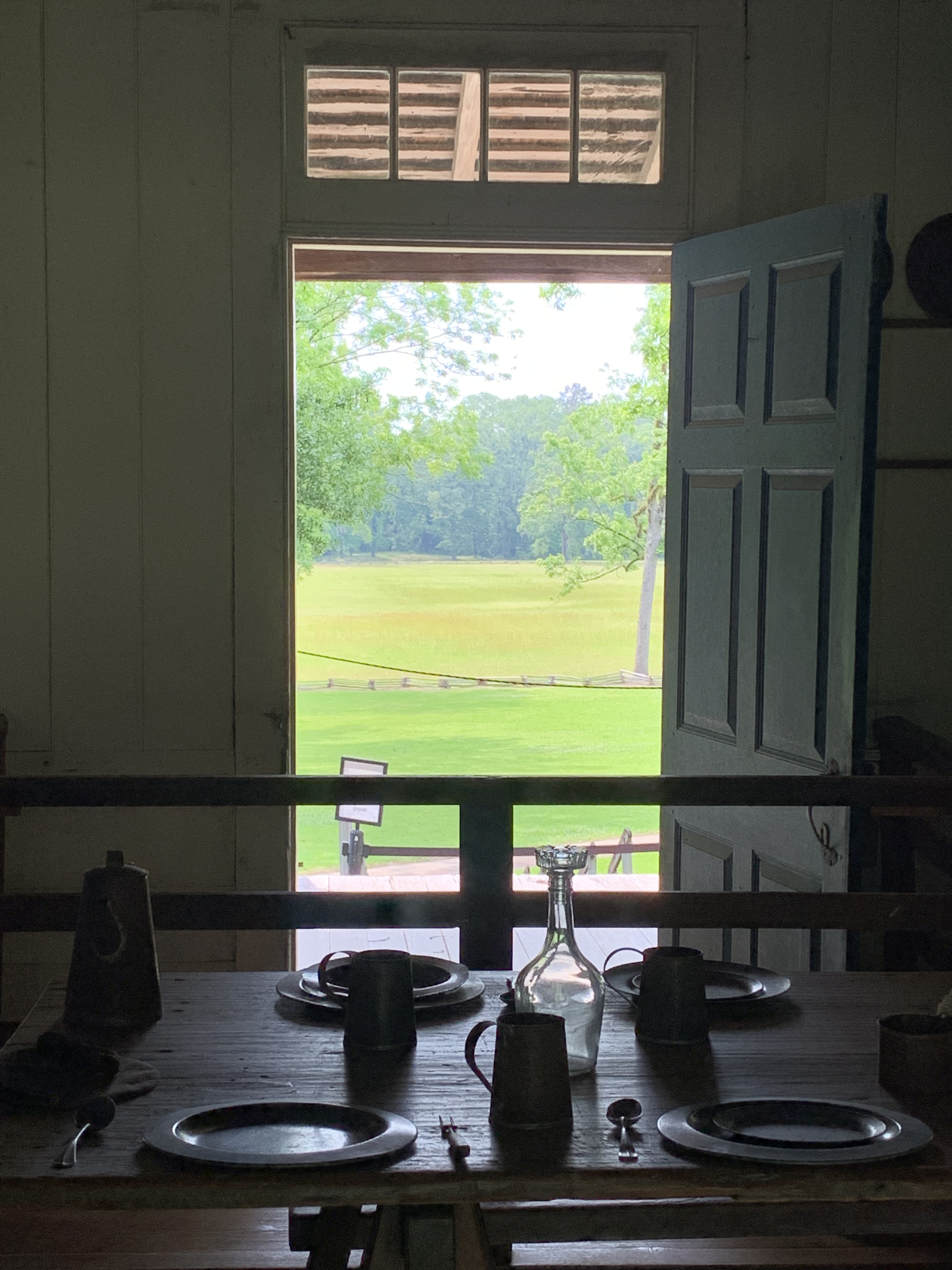
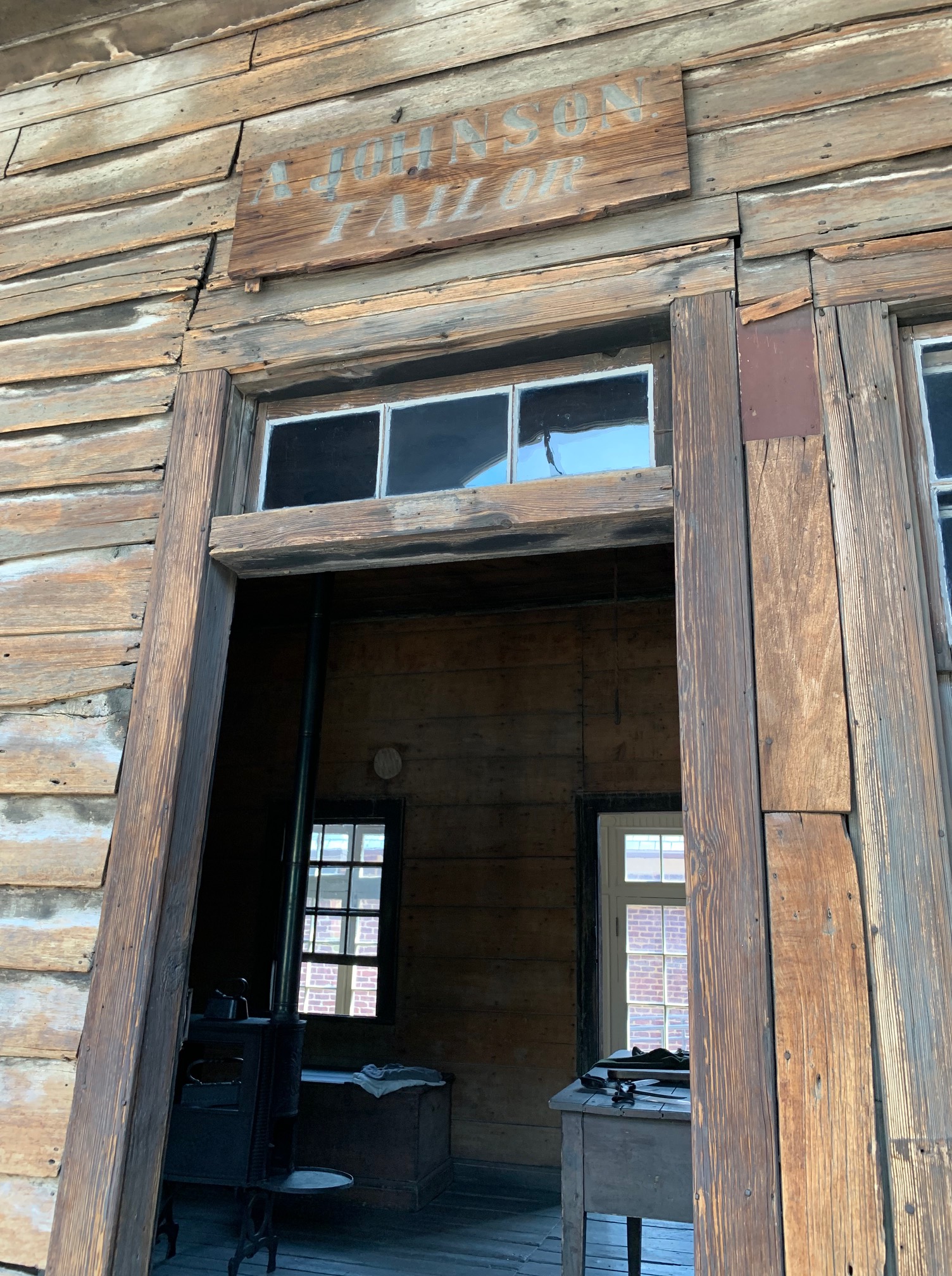
If you visit the site, you might get the mistaken impression that this was a great victory for Forrest, who is compared with Napoleon in the park film. This is ironic, since ‘Napoleon’ is synonymous with having delusions of grandeur. The grounds are well kept, but there’s not really much to see. The cabin below was moved to the site later, as were examples of cannon and a caisson. There are reenactments held here. There are also many romanticized images of Forrest in the museum. As he later became the first Grand Wizard of the Ku Klux Klan, this hagiography of Forrest is both tragic and an embarrassment for the great state of Tennessee, which was divided during the war. Forrest was a brutal leader responsible for perhaps the worst atrocity of the Civil War, which I will summarize next week. History must endeavor to tell the truth.













 Zero Carbon Travel