Natural Bridges National Monument

The Bridges, so designated because water flowed through them and formed them, are much older (Permian) than Utah’s famous Arches (Jurassic). There are three main bridges to see here, each only a short hike from the scenic drive to view, and they span two canyons, Armstrong and White. The Owachomo Bridge above is over a dry creek bed and can easily be hiked under. The Kachina Bridge is at a more challenging viewing angle near the intersection of the canyons, but if you’re up for the Loop Trail hike, I bet it’s spectacular. Sipapu Bridge, second in size only to Rainbow Bridge, is named for the emergence gateway mythology common to Native American tribes. There’s an impressive view from the overlook, and if you hike and climb about halfway down and go out along a wide ledge, you can get a view from the other side, which is equally magnificent.

This is one of my favorite parks for geologic features. Unfortunately, none of the bridges were working as portals to distant past or other dimensions. The surrounding forest and beautiful canyon lands are part of the Bears Ears National Monument (managed by the US Forest Service and the Bureau of Land Management), and the mesa top buttes that look vaguely like ears from a distance can be seen from the parking lot as well as from miles away in several directions. I drove in from the east, stunned by the scenery, and then left south, where the road drops into Monument Valley. Wow.

“I’m pretty tired…. I think I’ll go home now.”

Forrest Gump

Hovenweep National Monument

Hovenweep Castle to the right and the Square Tower in the middle were likely part of a connected, multi-story pueblo, part of a complex of buildings surrounding this small canyon. 750 years ago, the farmers who built and lived in this castle grew corn, beans, squash, amaranth and probably cotton. They kept domesticated turkeys in the canyon and built small dams to control flash floods and enrich soil. The 2 mile round trip Little Ruin Trail is easy to follow to photograph the varied ruins from different angles.

Maybe if I had come out west here before visiting Europe, I would not have told my host family that we don’t have any old stone castles in America. This is an extremely photogenic place, and I was happy to walk the loop in the morning, before others arrived. The drive through the Canyons of the Ancients National Monument (managed by the Bureau of Land Management) and on ‘reservation roads’ is worth doing slowly.

Dinosaur National Monument

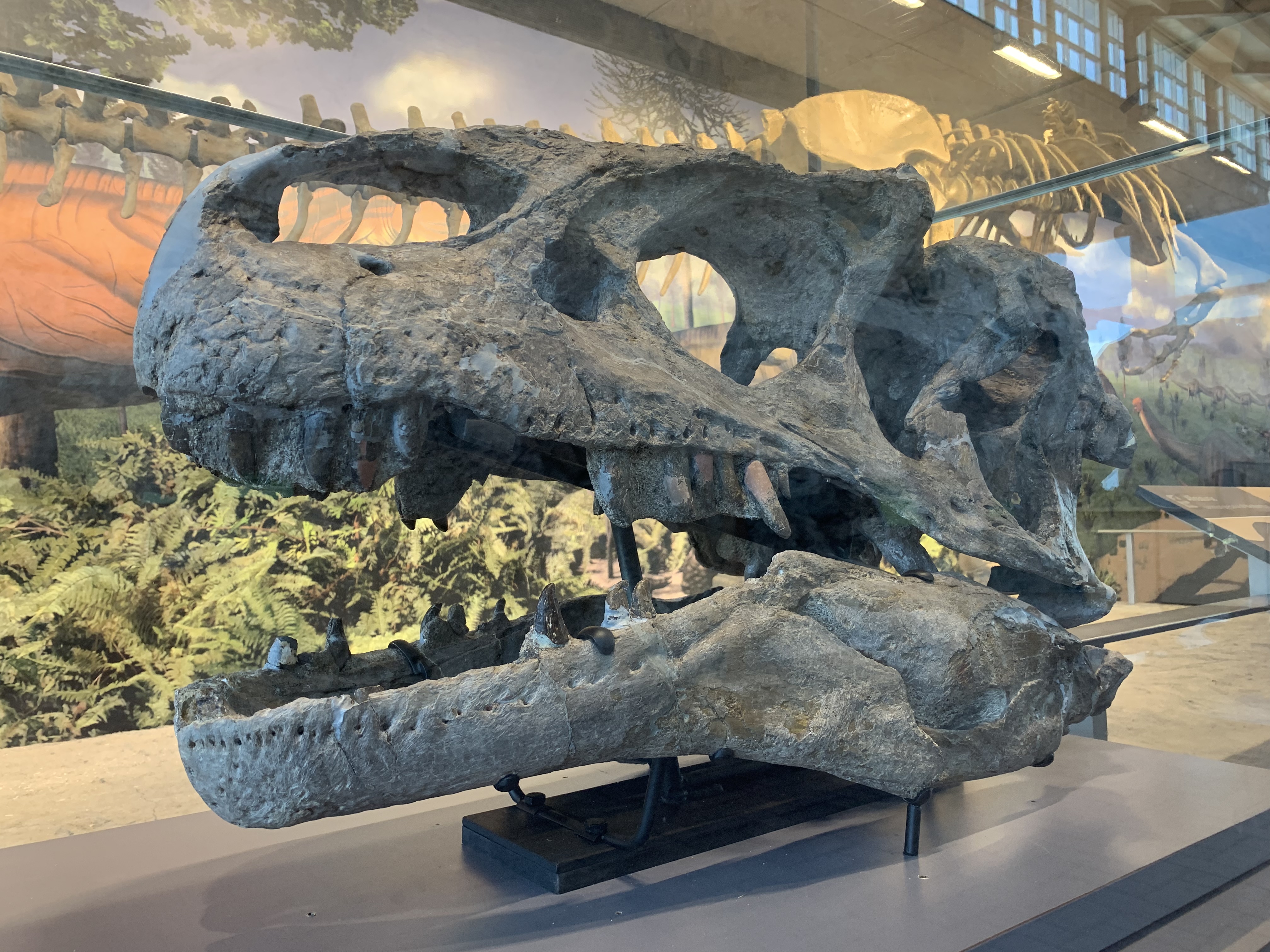
The Quarry Exhibit Hall, near Jensen Utah, has a crazy collection of large, late Jurassic dinosaur bones set in a two story high, very wide quarry wall, and you can touch them. It’s awesome. The Allosaurus skull above, a raptor talon-claw, Apatosaurus leg bones, and many Camarasaurus bones including a skull still set high in the quarry wall are all fascinating. This dinosaur exhibit is at the east end of the park after the Green River comes out of Split Mountain Canyon, and there’s a nice view, petroglyphs & pictograms.

Up the Green River is the extremely deep Canyon of Lodore, explored by John Wesley Powell, accessed from the north via permitted river trips or visible after a hike from the Gates of Lodore campground. Colorado’s Yampa River joins the Green from the east near Harper’s Corner, which has “the best view in the park” at the end of a hike and a 48 mile round trip drive. Unfortunately, I did not plan my charging to include either of those sections, so maybe next time.

There aren’t many good Tesla chargers around Dinosaur. Not sure why, but I noticed that some of the surrounding towns still support coal, have Halliburton operations, and have unfortunately unstable, irrational, fossil-fuel supporting representation in Congress. There’s a welcome center in Dinosaur Colorado with EV charging, but I don’t (yet) have the right kind of “combined charging system” CCS adapter. Since I’m in a hurry trying to visit high altitude parks during a short timeframe, I made due with a couple of 3rd party chargers I found using the PlugShare app, rather than stay in state park campgrounds. Especially when you get unexpected roadwork detours, being able to tap into other chargers is helpful.

Timpanogos Cave National Monument

The cave is famous for its helactites, the squiggly ones that seem to defy gravity. To see them, I’d recommend a reservation or getting here early (open at 7am), as they do sell out. Then, walk up the switchback trail for 1.5 miles, and be careful not to wander off the near vertical drops while you gawk at the stunning views. The gap between the mountains appears to be deeper than it is wide, and there’s a river flowing through a forest at the bottom along with the road. Don’t mind the many hikers. They’re probably just out for exercise, as one lady told me her friend had climbed it over 100 times. And I suspect they exercise regularly with mountain goats here, since I also saw two moms carrying two kids each with more in tow.

The regular tour is ranger led and includes three sections of cave. The middle section has a crack in the ceiling which has dripped water for ages to create the amazing structures: flowstone, soda straws, popcorn, bacon, small crystals, stalactites, stalagmites and columns, in a variety of colors. We also saw a party of explorers with caving equipment entering small passages, which is another tour option for the skinny and flexible. This is my favorite cave.

Golden Spike National Historical Park

The two sides racing to complete the transcontinental railway actually went far past each other before they finally agreed to meet here. The celebration drew many, as did the centennial, but the location is fairly remote and sparsely populated. There’s a plaque honoring Chinese laborers who contributed, even though many were not allowed to remain in the US.

Many visitors come to see the old style trains shown periodically, but the site is most interesting as a historic symbol of a new age dawning. There’s a large solar array under construction nearby, and hopefully our next transportation revolution from fossil-fueled to electric vehicles can be as dramatic and sudden as the shift from horse to train and telegraph.