While the Appalachian Trail passes through the White Mountains, the Granite State has only one national park unit. Fortunately, that is the beautiful Saint-Gaudens NHP, below.



Completed
While the Appalachian Trail passes through the White Mountains, the Granite State has only one national park unit. Fortunately, that is the beautiful Saint-Gaudens NHP, below.
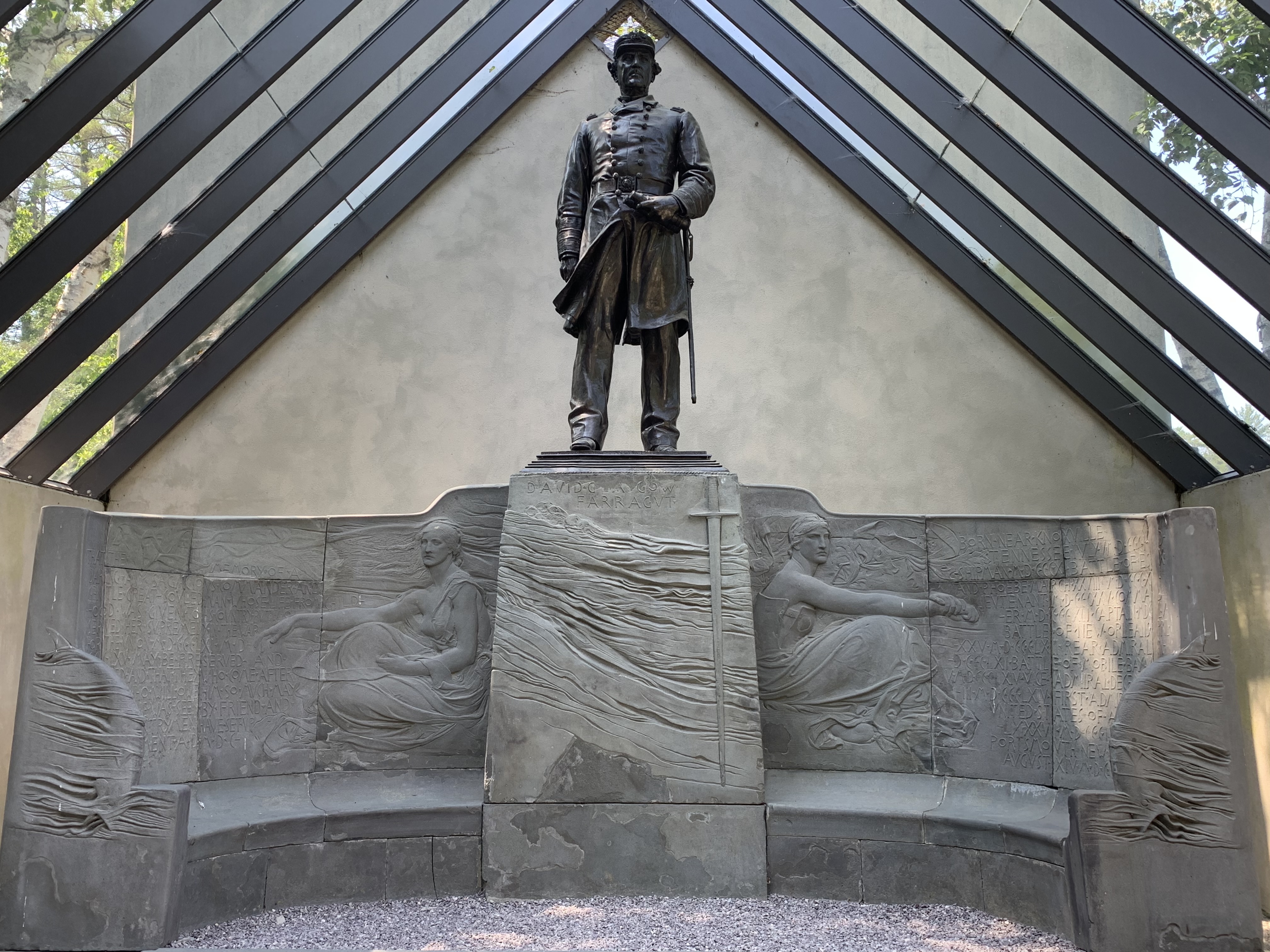
Ranger Naomi, an artist, was kind enough to put up with my incessant, ignorant questions during the outside tour this morning. We discussed the stunning Robert Shaw memorial depicting the Massachusetts 54th volunteer regiment marching in Boston, the statue of Lincoln that drew Saint-Gaudens here to find lanky & tall models, how Daniel Chester French considered Saint-Gaudens his mentor although they were the same age, the collaboration evident in the Farragut monument, his nude model for the huntress Diana (his mistress), Victory on the Sherman monument, and more, including how “poor artists imitate, good artists copy and great artists steal”. All these glorious pieces can be seen around the country, or, better yet, all here in one beautiful garden, where the sculptor worked and led a colony of artists, below a lonely mountain and above a covered bridge. This is my favorite art site.
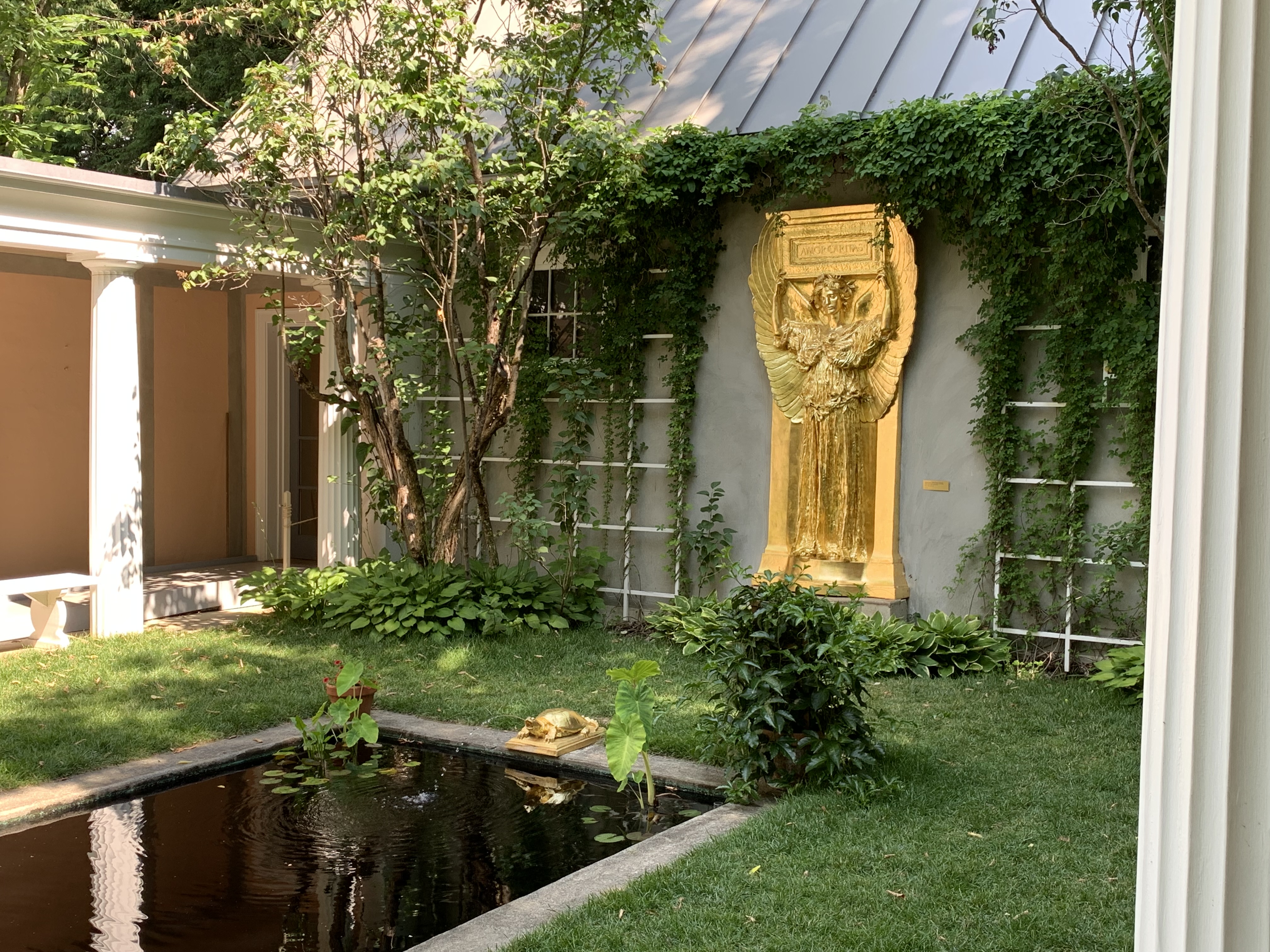
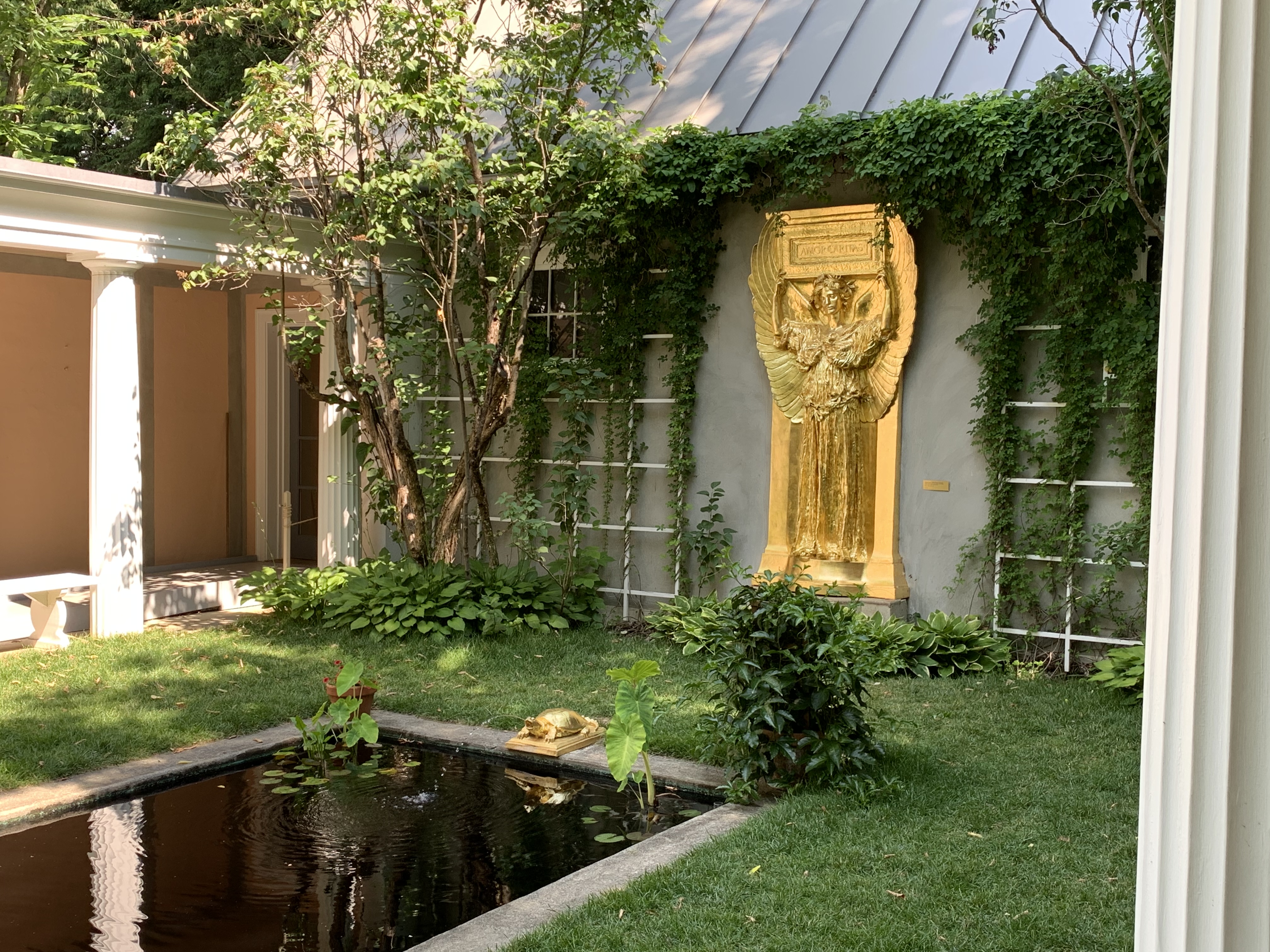
This piece, “Amor Caritas”, set in a lovely atrium, is also modeled by Augustus Saint-Gaudens’ mistress, whose love-child’s education was paid for by his wife. I often see the Latin mistranslated as “Angel of Charity” or “Love and Kindness”, but my seven years of Latin study says different. While in a church or graveyard setting for which the piece was created, it might be acceptable to translate it that way using church Latin, but that’s not what it originally meant, especially to someone as familiar with Greco-Roman themes as Saint-Gaudens. To the Romans, before their language was coopted by medieval Christians, I believe the phrase would have meant something more like “Oh the costly affair”. (Amor meaning physical love, and Caritas, “the expensiveness”, positioned after as vocative case to call out). At least, it was a double-entendre.
 Zero Carbon Travel