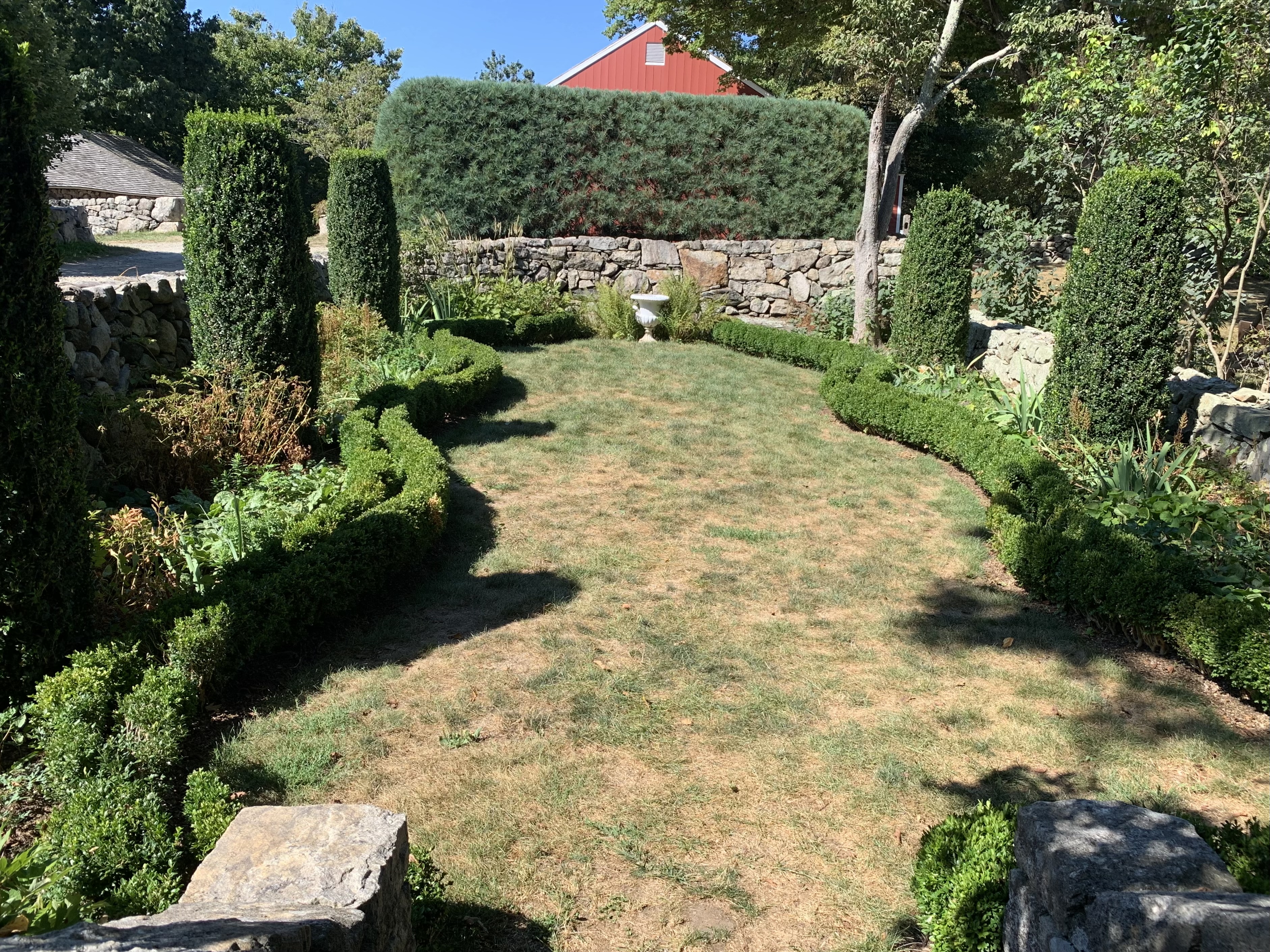
The Housatonic River runs down the western edge of Massachusetts through Connecticut, and the heritage area is shared by both states. Connecticut gets the best natural areas—the bogs, fern filled cobbles (hills) and pine forests—and Massachusetts gets the best historic places. My childhood schooling is filled with stories from the Berkshires, so I wanted to revisit The Mount (above) in Lenox Massachusetts most of all. And how much improved it is! But that’s getting far ahead of the story.
The Mohicans lived here first, and before the Revolution, English settlers swapped land with them. Some of the first to learn to speak the native language were missionaries, and Rev John Sergeant’s house in Stockbridge can be visited during the summer. After Independence, the Shakers settled in Pittsfield, and their living history museum is recommended too. The old mill of the company that makes the paper for US currency is in Dalton. Herman Melville and Nathaniel Hawthorne lived and wrote here around 1850, and Melville’s Pittsfield home can be visited too. W.E.B. Du Bois was born and raised in Great Barrington, and there’s a walking tour in addition to his homesite, not far from Simon’s Rock, which has an excellent program dedicated to Du Bois.
Edith Wharton built the Mount in 1902 and wrote many of her most famous books there. Her maiden name was Jones—as in the phrase “keeping up with the Joneses”—and her husband was related to the business school. She had already rebuilt Lands End on the Cliff Walk in Newport RI, making Interior Design a profession when she co-wrote a book about it. Gilded Age women were not supposed to be progressive writers, but Edith Wharton was, becoming the first woman to win a Pulitzer for Fiction in 1921 with The Age of Innocence.
When I visited the Mount as a child, the girls’ equestrian school there had just closed, and the once magnificent home was falling apart. I remember adults being much concerned with marble fireplaces collapsing, whether a Shakespeare company might help save it, or whether it would be demolished for condos. I liked the formal garden but little remained of the famous author who lived there. But thanks to some devoted preservationists, including a collection saved by a book dealer in London, the home and library have been gloriously restored. Highly recommended.
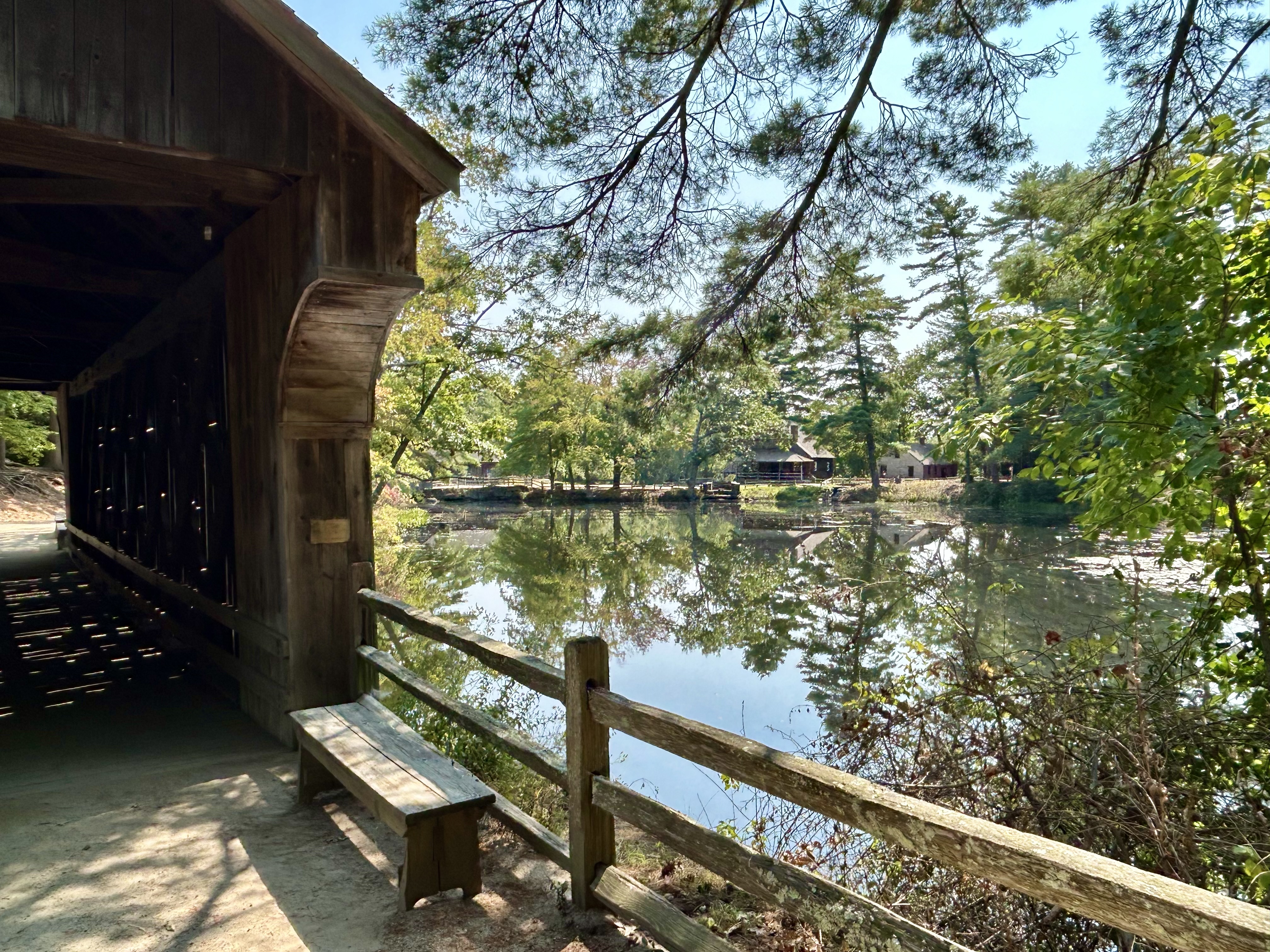
Old Sturbridge Village above in Massachusetts is emblematic of the Valley, which is delightfully wooded, rural and historic with mill villages, museums and natural preserves. In my youth I ran cross country through the area at small traditional New England schools, and I took many field trips to the living history museum pictured. There are old farmhouses, taverns, gardens, barns, gristmills, cider mills, meetinghouses, galleries, shops, pottery, bakeries, crafts and more, all through the valley, dozens of historic sites too. Patriots Clara Barton and Nathan Hale—‘I regret I have but one life to give to my country’—came from this valley. One uncommon benefit of preserving traditions here are the dark skies at night, perfect for star gazing. Much has been lost of the old ways in our sprawling busy modern developments, but not here.
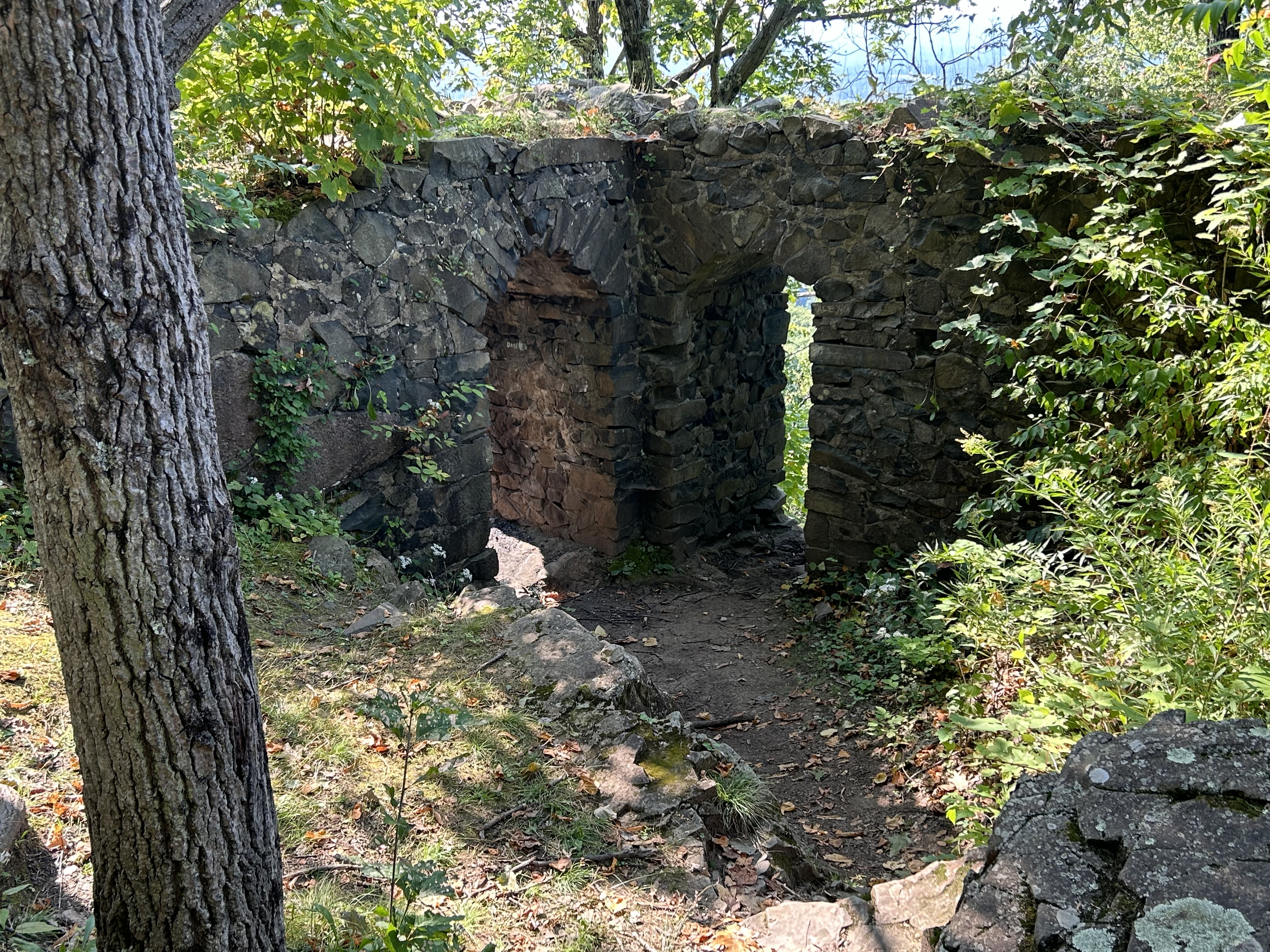
Mt Tom in Holyoke Massachusetts is a high point of the trail along the Connecticut River (although there are mountains over ten times higher in Colorado). The trail runs along a high ridge with several lookout towers to watch hawks or catch a glimpse of the river over the trees. The Eyrie House Ruins above are of a view hotel that burned down 123 years ago. As usual, I had forgotten about my childhood visit here, until I reached the ruins and climbed a rusty old tower to see the view below.
The trail is 235 miles from Long Island Sound to the New Hampshire border, through native lands, over rugged mountains, through annually brilliant foliage, past reservoirs, waterfalls and quaint New England villages. Last year, President Biden elevated the trail to a full national park unit, along with North Country and Ice Age National Scenic Trails. Hopefully, this step will encourage more people to hike and explore this lovely area of our country.
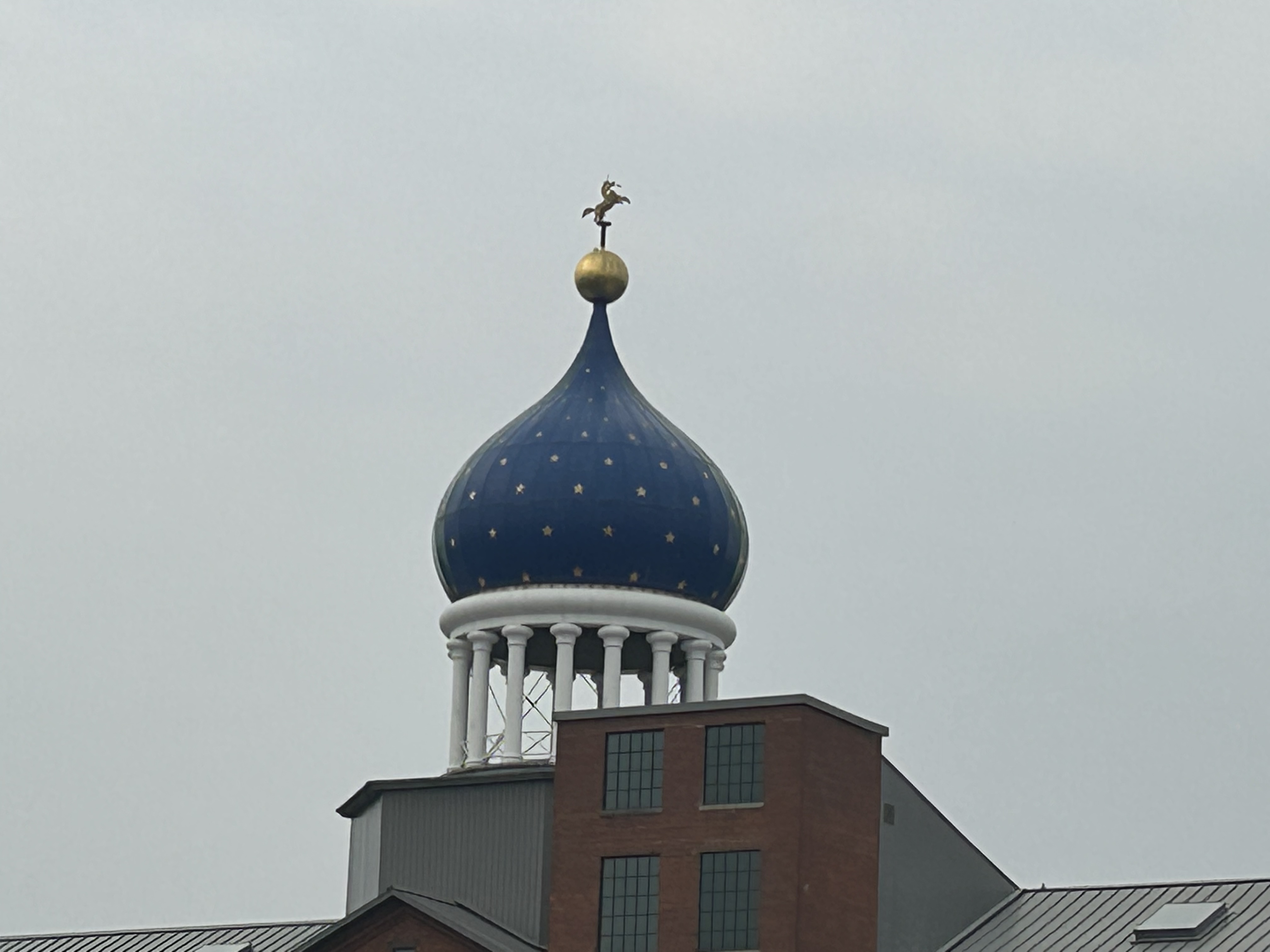
Samuel Colt sold a lot of guns to Russia, one of their first major clients, so he built the original iconic onion dome that defines the Hartford CT skyline (the one above is a replacement after a fire). You may notice the “rampant colt” on the top, which symbolizes loyalty, as the animal is breaking a lance to defend its fallen knight. The dome is actually one reason for the delay in converting the park to full status, as leaseholders control access to the dome which the park service needs. The two original brick buildings that the park service owns are in dire need of restoration too. There’s a nice walk through the large recreational Colt park to find his estranged brother’s house and through the company town to a church commissioned by the widow Elizabeth Colt, who ran the company for decades. Until this park opens officially, you may want to visit the Springfield Armory to learn more about the development of guns in the Connecticut River Valley.
When I say that I don’t like J. Alden Weir’s paintings, don’t misunderstand me. I was kicked out of my only art class at age 9 for drawing sketches of a battle including graphic illustrations of stick figures getting blown apart by WWII tanks & planes. I couldn’t tell you the difference between a tint or a tinge from a tincture. One of my favorite pieces of modern art remains the remains of an artist named Art, who, according to his will, was cremated and put on display. So, don’t judge Weir by my predilections.
Actually, I do like “On the Porch”, a Japanese inspired watercolor of two of his daughters painted here on his farm. But I don’t like “The Red Bridge”, where he contrasts a natural setting with a railroad bridge, and I find his landscapes to be too muted and subtle in color to hold my attention. Unlike some European impressionists, Weir didn’t typically paint laborers, preferring farm animals or his family (although he sold paintings to help the unemployed). In any case, tastes change, so creativity must overcome tastes.
Weir, the son of a West Point drawing instructor, helped found American Impressionism. Where his brother went to Hudson Valley, Julian went to Paris, where he overcame his initial horror of Impressionism to adopt some of the techniques. Soon he was back in the US, exhibiting impressionist paintings with his friends, Twachtman, Ryder, and others who organized a group of ten artists to promote the new style. His daughters grew up to be artists as well, and one married one of Brigham Young’s grandsons, Mahonri Young, whose studio is also on the Weir Farm.
While the tour of Weir’s house and studio is interesting, the magic of the place is in the artists who continue coming here to paint. Art colonies and communities constantly influence and depict each other, as when a student of Saint-Gaudens created a bronze relief of Weir. There’s an artist-in-residence, and a small army of artists of all levels who continue to see the new in the old barn, gardens, fields, forest, pond and porch. Some of their paintings are in bold, bright dramatic colors, which I like.
But honestly, real nature is subdued and muted in color. Light on leaves reflected in water is blurred. Roots and rocks on dirt trails near muddy banks are all shades of brown and gray. The real bear in the woods here isn’t kaleidoscopic. Nature is messy, mostly dully boring and awkwardly chaotic, with one tiny amphibian emerging from the algae to catch one’s eye on a stone before almost being trampled. Hmm, maybe I should go back and take another look at Weir’s landscapes.



 Zero Carbon Travel