Before the 4th of July tomorrow, let me point out a few highlights from the 23 national park sites in our nation’s capital. Although this was my first region completed, I’ve returned several times for reopened exhibits and other sites. There’s lots to see and do in this compact city.
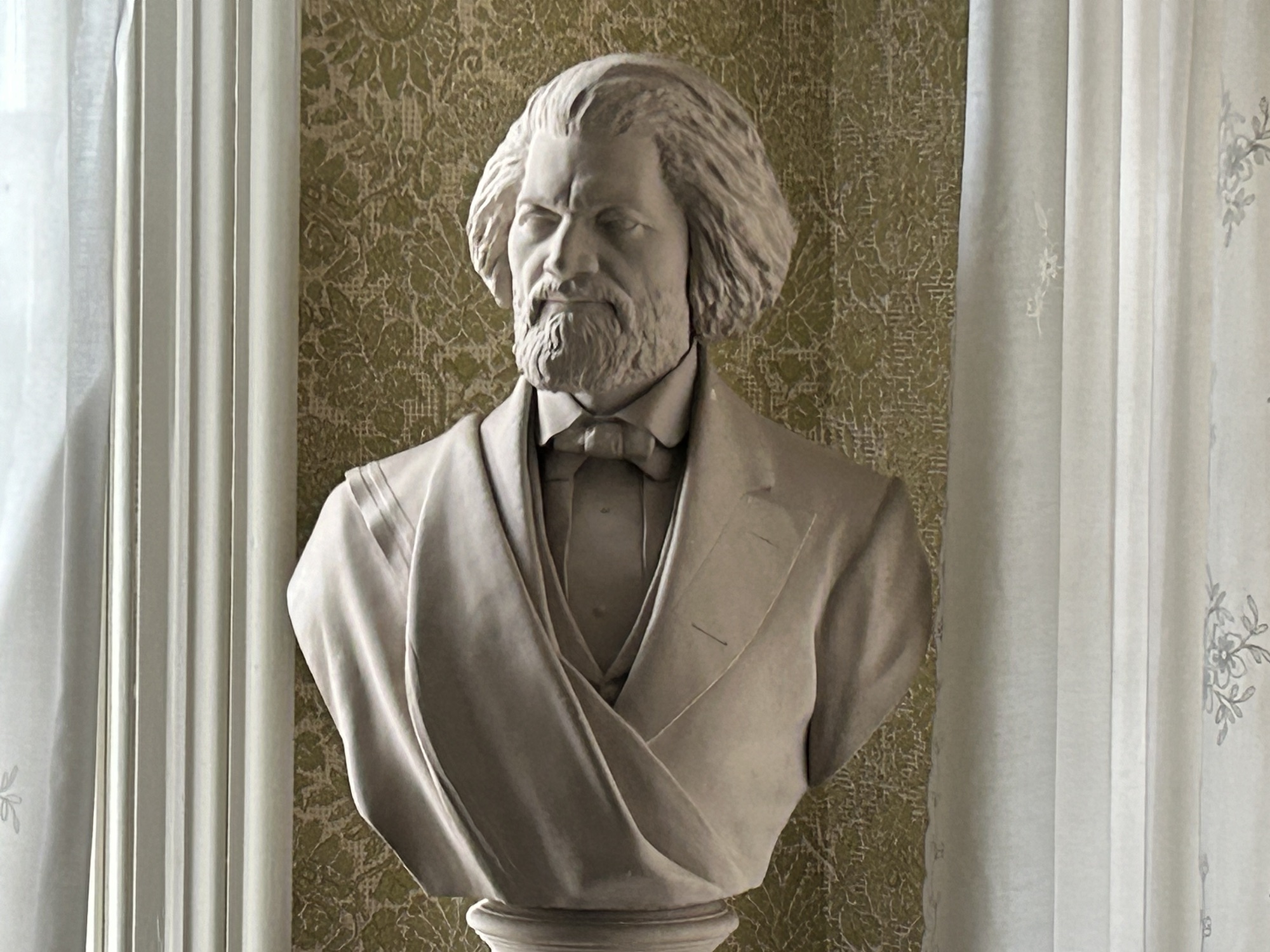
Best historic site: the Frederick Douglass home has much to teach us about the 19th century Civil Rights leader. (The recently refurbished Belmont-Paul house is also well worthwhile).
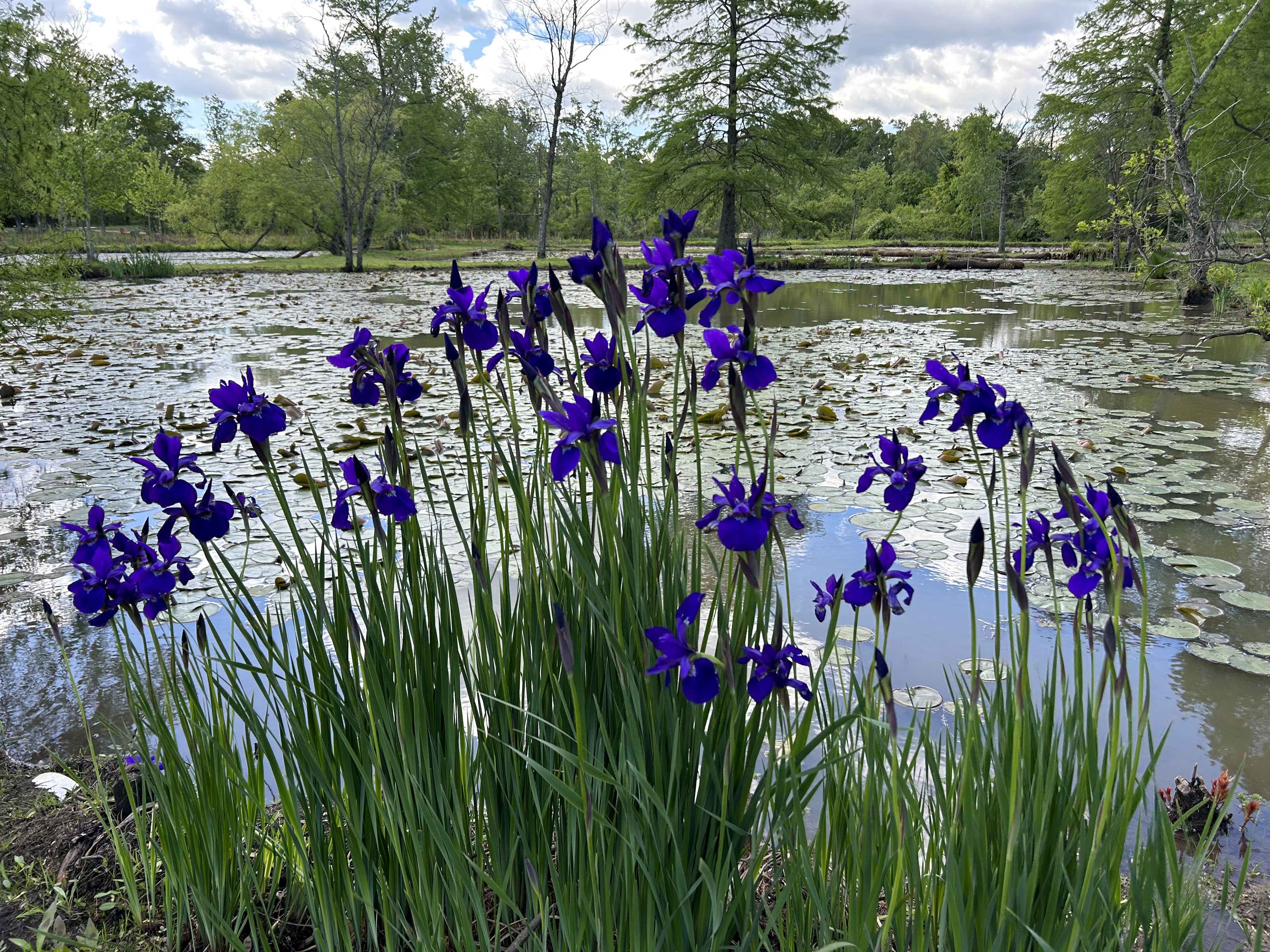
Best park: Kenilworth Park & Aquatic Gardens is beautiful, especially from lotus & lilies blooming in summer, with birds and reptiles and more to see all year.
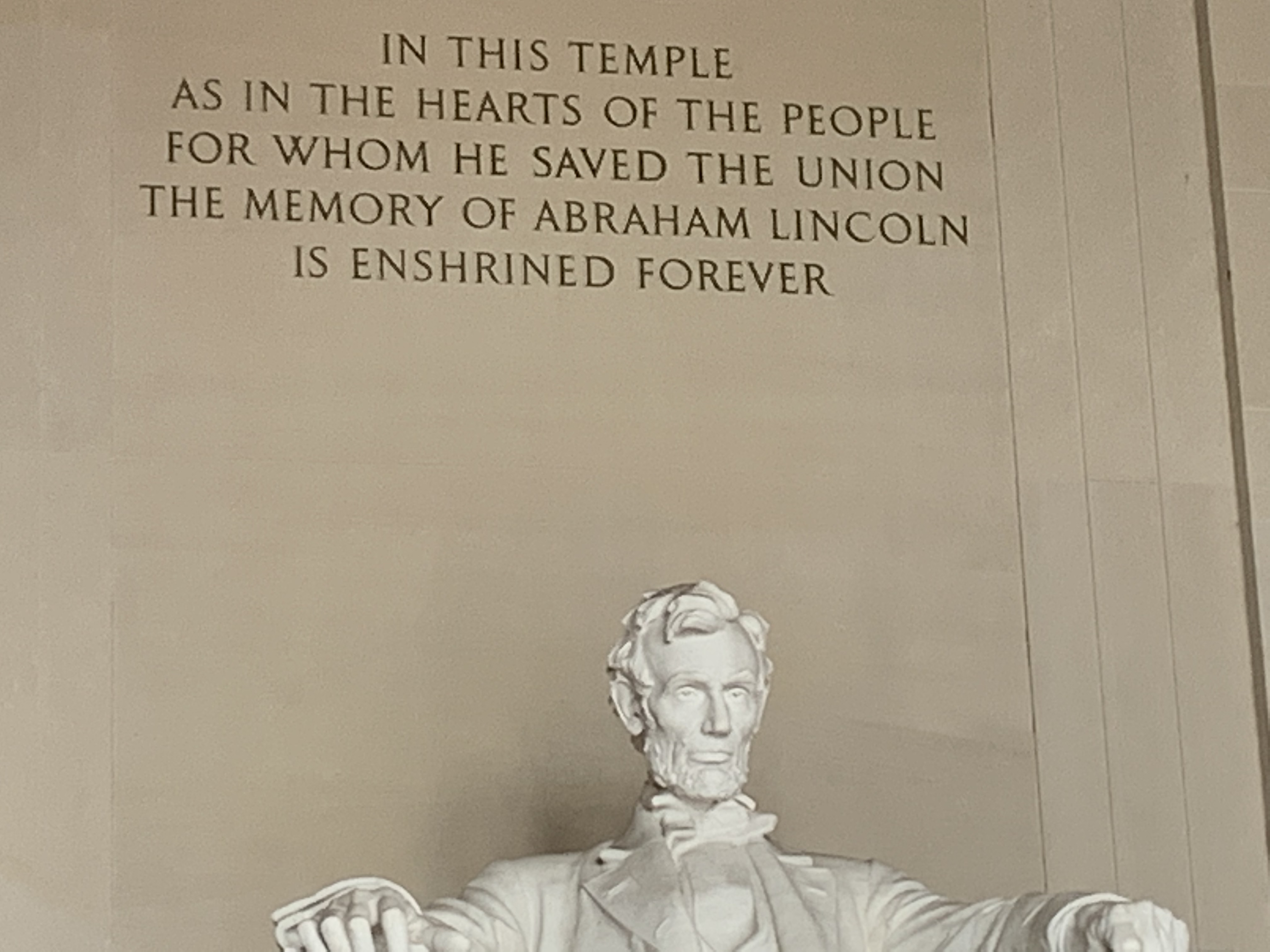
Best presidential memorial: the Lincoln Memorial, with French’s statue inside, overlooking the reflecting pool outside.
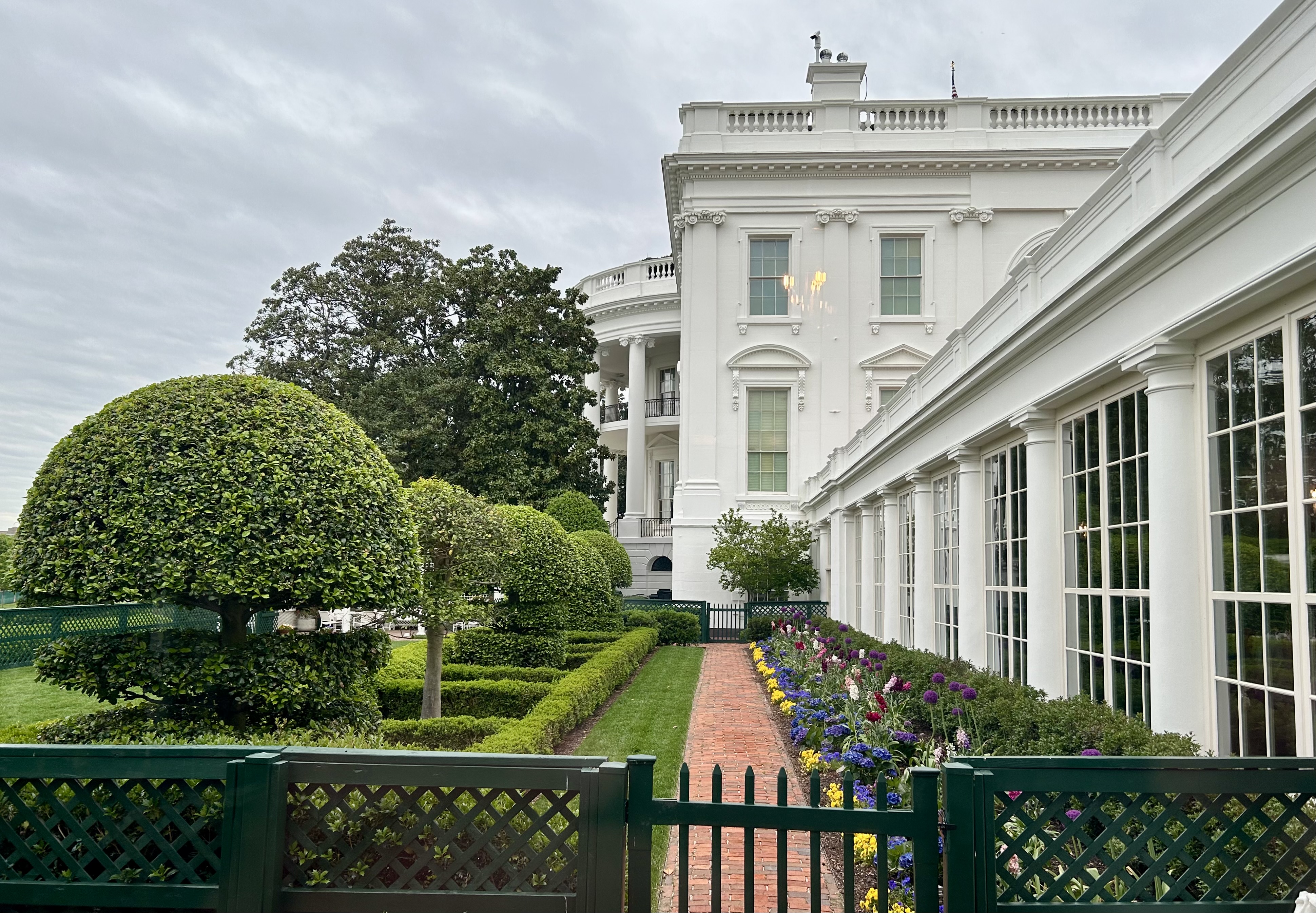
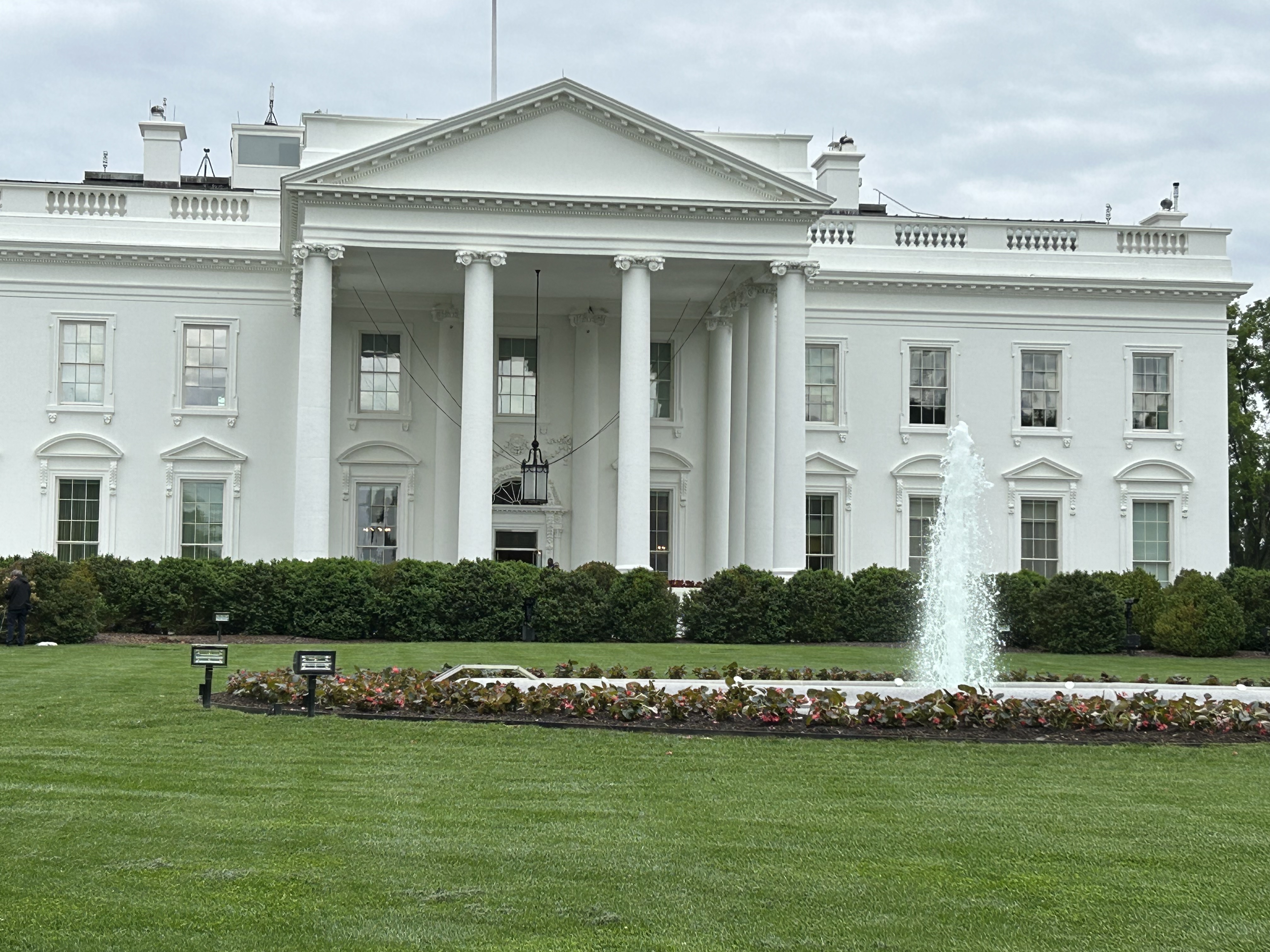
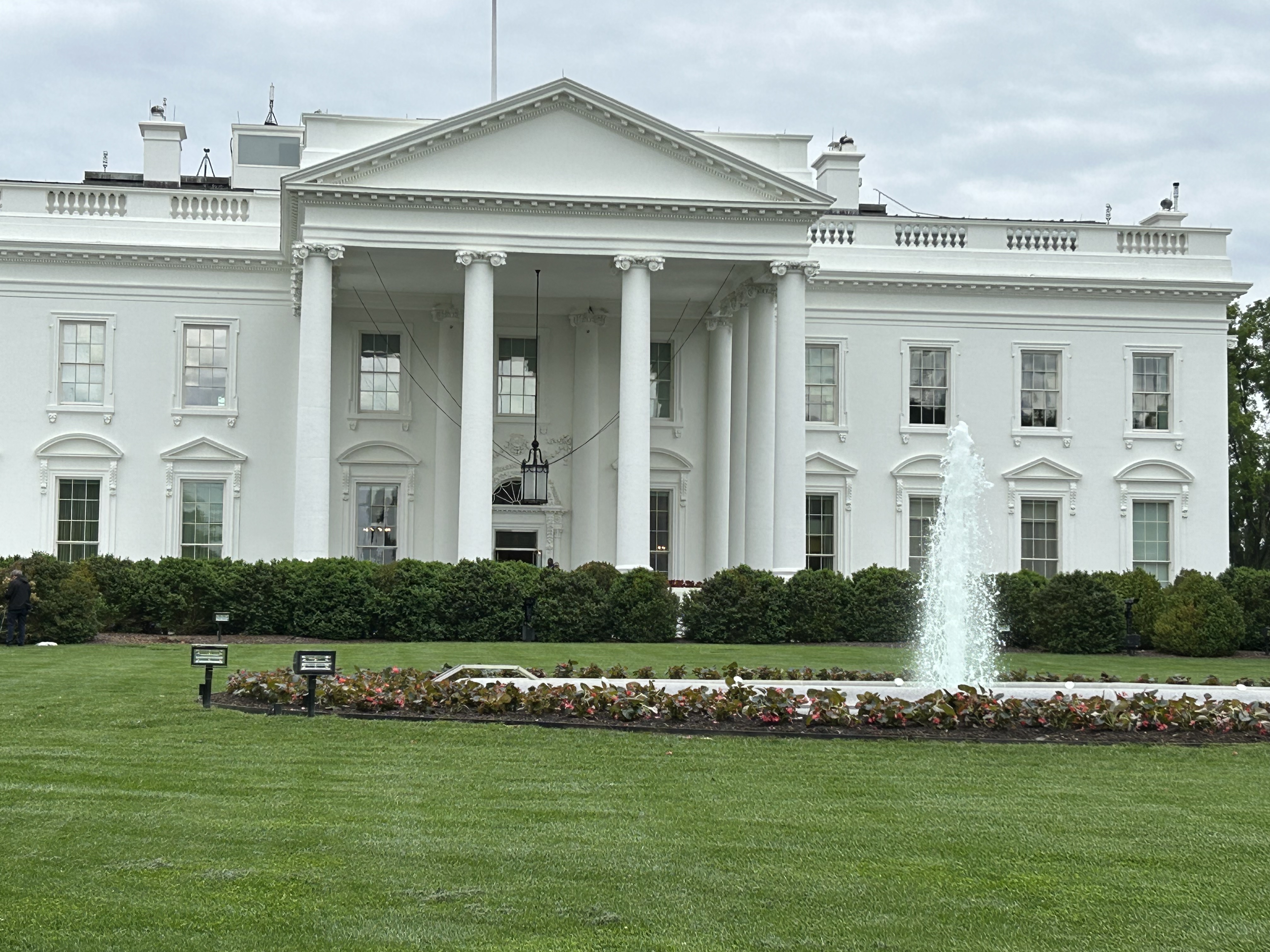
Best tour: the White House. Contact your Congressperson and get a ticket.
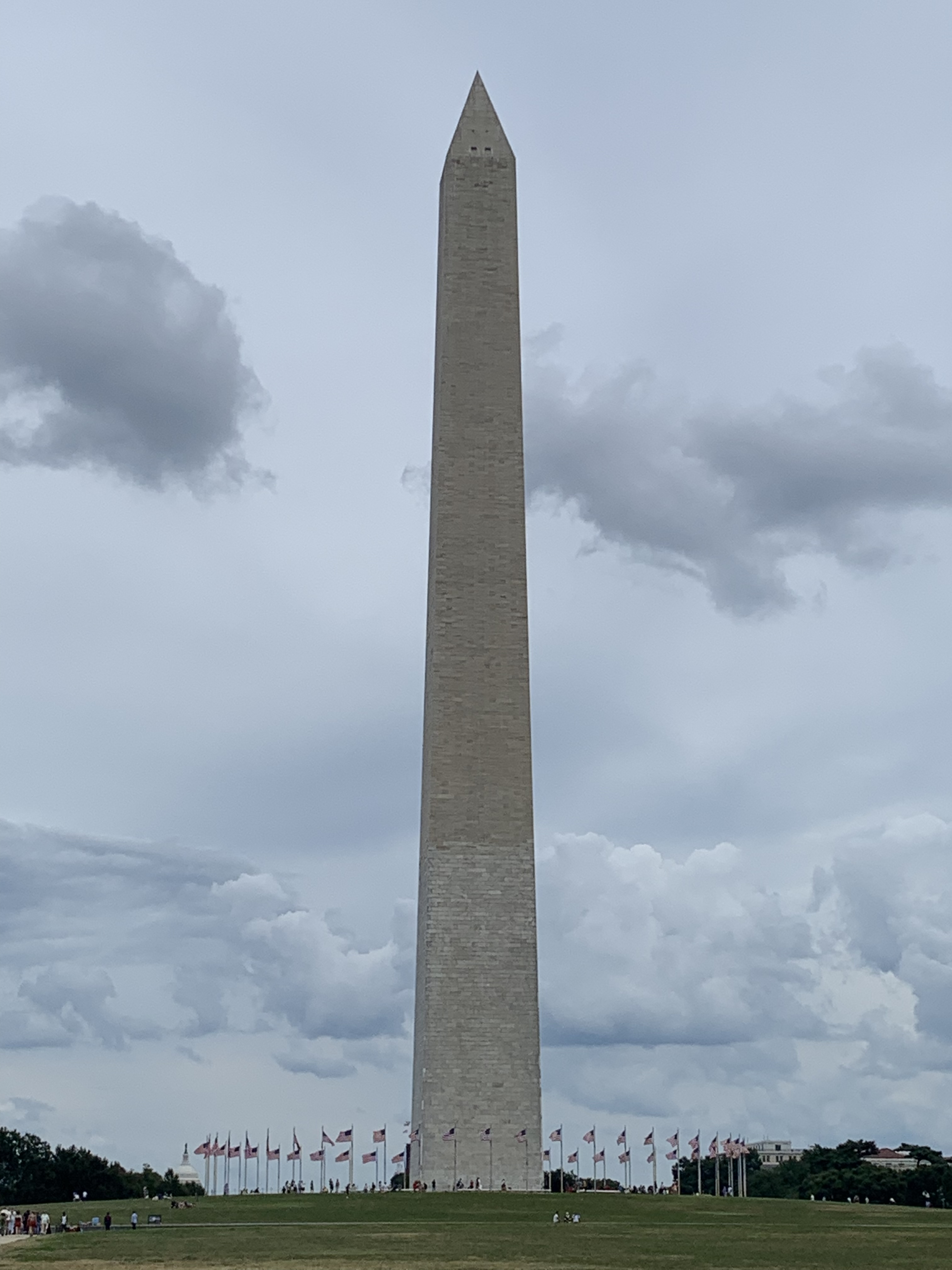
Best view: top of Washington Monument. I know it’s a pain to get tickets, that it’s cramped and the windows are small. But Washington hired L’Enfant to design the city & mall, and from here it all makes sense.
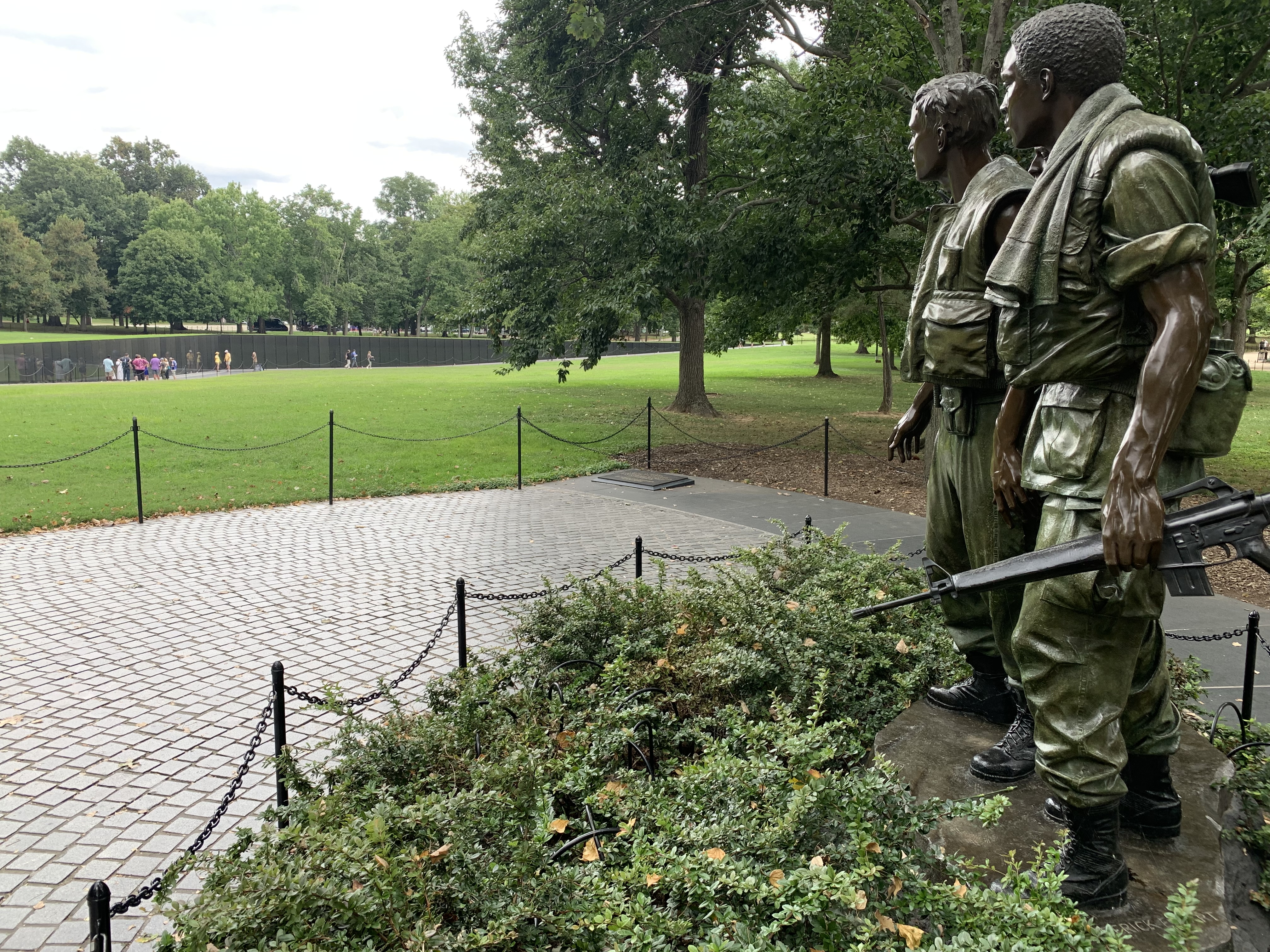
Best war memorial: the Vietnam Veterans Memorial takes you beneath the green grass to grieve.
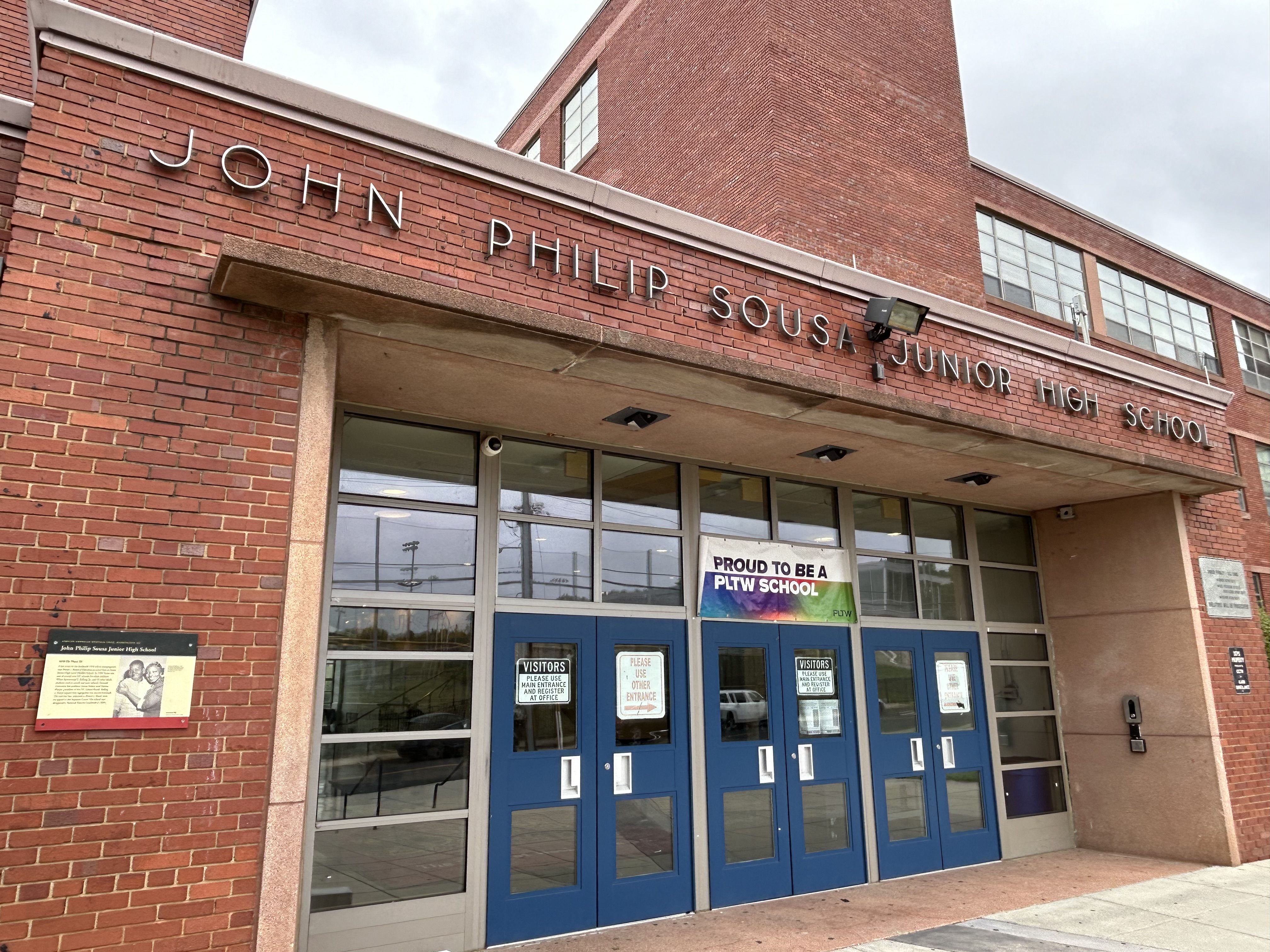
In 1950 a group of black students were denied admission to the then white school above (now a middle school in a predominantly African American neighborhood). At the time, black schools were severely overcrowded, while white schools had plenty of empty seats for students. Integration was proposed to make education more fair. A law professor at Howard University sued the DC school board president on behalf of one of the students, Spottswood Bolling, pictured to the left of the old entrance above. Bolling v Sharpe became part of the landmark Supreme Court case Brown v Board of Education. This park is affiliated with Brown v Board NHP in Kansas, and it is the only NPS affiliate site in DC.
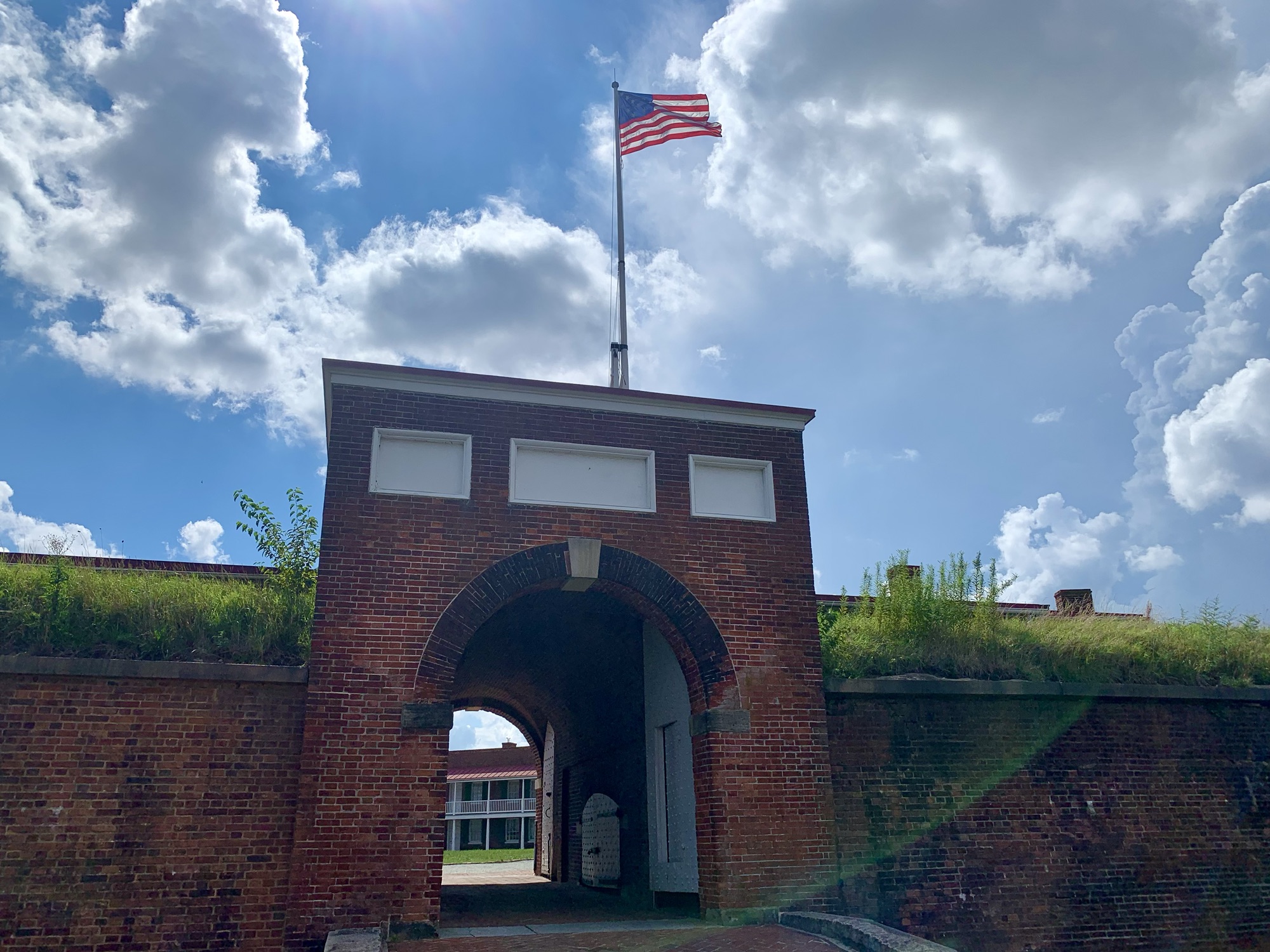
Although his namesake bridge collapsed in Baltimore, Francis Scott Key is best remembered for capturing the spirit of renewed patriotism that grew out of the War or 1812, as he penned his description of the defense of Fort McHenry (above) that became our National Anthem. The War of 1812 was a national low point in many ways, as Congress had ended Alexander Hamilton’s National Bank, and Albert Gallatin’s budget cuts had eviscerated the military. The trail traces the British advances on land and sea, leading up to the siege of Baltimore. Many of the DC area sites are part of this trail, including Fort Washington, Greenbelt Park, Kenilworth Aquatic Gardens, the National Mall, Pennsylvania Avenue, the White House, the George Washington Parkway, and the Potomac Heritage Trail, but there are lesser known battlefields, forts, museums, plantations, gardens, parks, the Pride of Baltimore II, the house of Mary Pickersgill, who made the flag, and more throughout Maryland.
Dolley Madison may have been our greatest First Lady—especially compared to the feckless Congress and Cabinet, often only barely loyal to the US and open to surrender—, but Dolley did everything she could to support her husband and her country. She invented the Inaugural Ball, hosted Native American Chiefs, smoothed quarrels between European and African envoys, and, in our hour of need, stood fast in the White House, even as the marauding British Troops approached in 1814 and as her husband tried to rally the local militia to defend the Capitol. At the last possible moment, she evacuated, with the President’s papers, the curtains, china, an original copy of the Declaration of Independence, and a famous portrait of George Washington, torn from its immovable frame. The British burned the White House to the ground. Dolley’s famous diplomacy helped convince Congress not to abandon Washington DC and to rebuild the White House and the Capitol. And through the news reports of her defense of our country, the nation rallied, shocked that the British would burn down DC’s public buildings.
However, in the war’s aftermath came a new sense of national identity, including our national flag and national anthem, setting the foundation for a more aggressive and stronger nation. That nationalism was fatal to many Native Americans, as the British had tried to enlist them and as the USA became more assertive and expansionist. And today, there are self-proclaimed ‘nationalists’ who support the second attack on the Capitol.
My first region completed! There are currently 23 national park sites in our nation’s capital (exclusively), including Presidential memorials, war memorials, historic sites, and parks. The District of Columbia national park sites are the easiest to visit without using a carbon burning vehicle. The DC Metrorail cars are all electric, some of the DC Circulator $1 buses are electric, there are bicycles & electric scooters for rent, and most of the sites are in walking distance. I visited most on foot, some by metro and the rest by my Tesla 3 LR, which I drove from California.
I can’t choose favorites from a list like this with so many of our nation’s most important park sites, but I encourage you to click on the links and read my posts. Every post has a photo, although they are slow to load sometimes. There’s much to be learned from these special places. Of course, if you visit DC, you should also visit some of the Smithsonian museums and other great tourist sites.
My first region completed! There are currently 23 national park sites in our nation’s capital (exclusively), including Presidential memorials, war memorials, historic sites, and parks. The District of Columbia national park sites are the easiest to visit without using a carbon burning vehicle. The DC Metrorail subway cars are all electric, some of the DC Circulator $1 buses are electric, there are bicycles & electric scooters for rent, and most of the sites are in walking distance. I visited most on foot, some by metro and the rest by my Tesla 3 LR, which I drove from California.
In addition, there are a number of national trails that run through DC. Also, John Philip Sousa Junior High was part of Brown v. Board, and, as it’s still a public middle school, it’s run as an affiliate site.
Our nation’s capital has so many of our most important park sites, and I encourage you to click on the links and read my posts, each with a photo. There’s much to be learned from these special places. Of course, if you visit DC, you should also visit some of the Smithsonian museums and other great tourist sites.
[Update, due to the recent tragic demolition of the above Jackie Kennedy garden, the colonnade on the right and the East Wing, tours have been suspended until sometime in 2026 or later.]
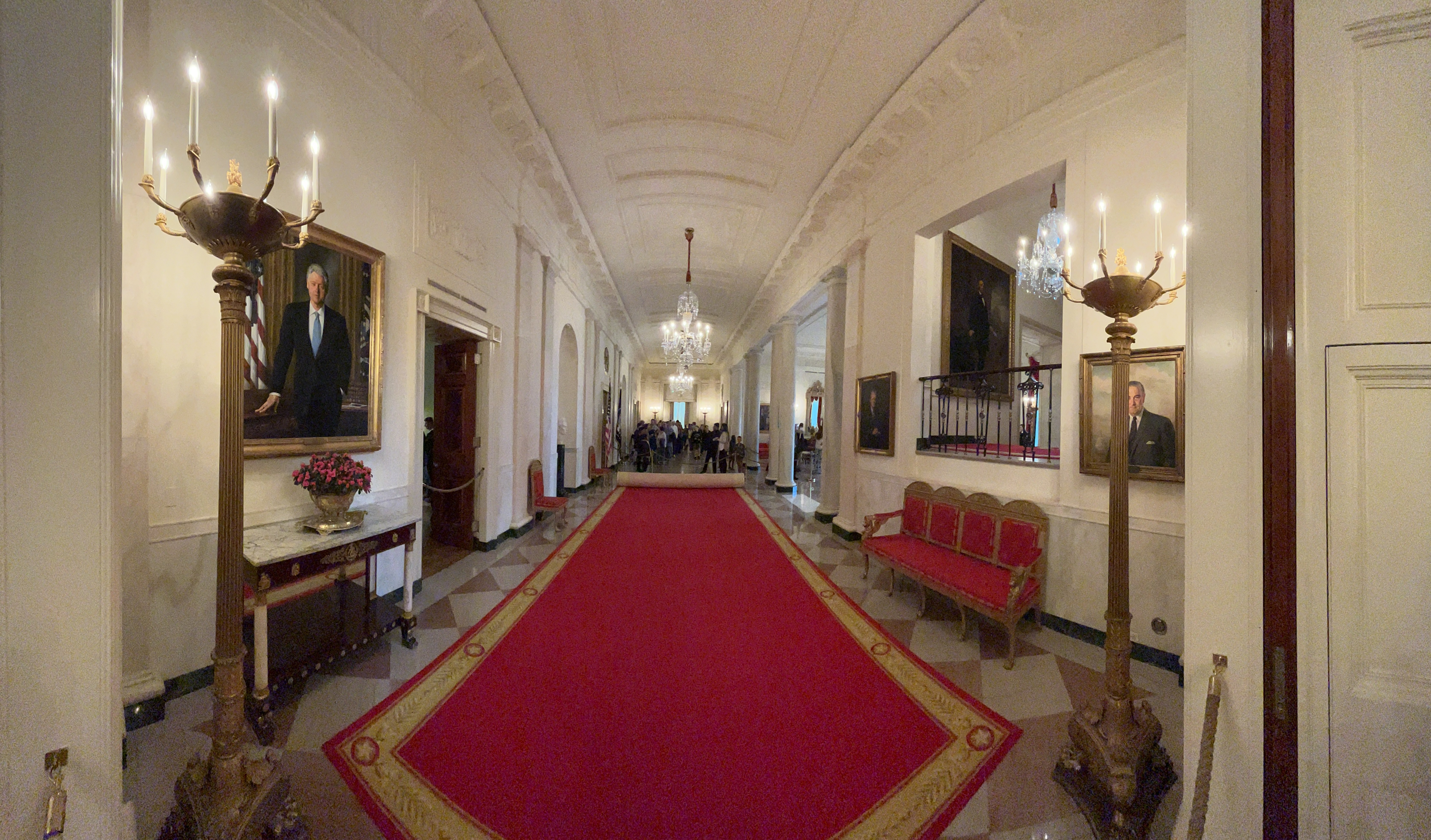
I took the tour! After standing outside the fence last year, I finally got organized and made a reservation. You need to make reservations through your Congressperson—even if you didn’t vote for them—to request a date within 3 weeks to 3 months in advance. Tours are currently given Tuesday through Saturday mornings, and they’re very popular. I requested any date in April, and they said no, the first available was in May. They confirm 2-3 weeks before. So, I changed my schedule, and a few months later, I’m walking through the East Portico, through the historic red, green, blue and other historic rooms. The best experience is to download the WHExperience App from the Historical Society and get all the details on your phone. The staff inside will answer questions and reveal a few fascinating stories, but they’re also there to make sure people behave. It’s difficult to imagine a more historic site, since the residents literally make history. I enjoyed both the recent photographs and the historic portraits.
If you can’t get a reservation, you can peer through the fence on either the north or south sides—pedestrians are once again allowed to walk up to the fence to take a decent photo. There is also a visitor center (no reservations needed) near the East Gate with a movie, detailed model and exhibits. Oh, and my sister reminded me to always put the park site location in my posts—she’s in Real Estate and location is very important—, so, the White House is located at 1600 Pennsylvania Ave, NW, in Washington DC. Thanks!
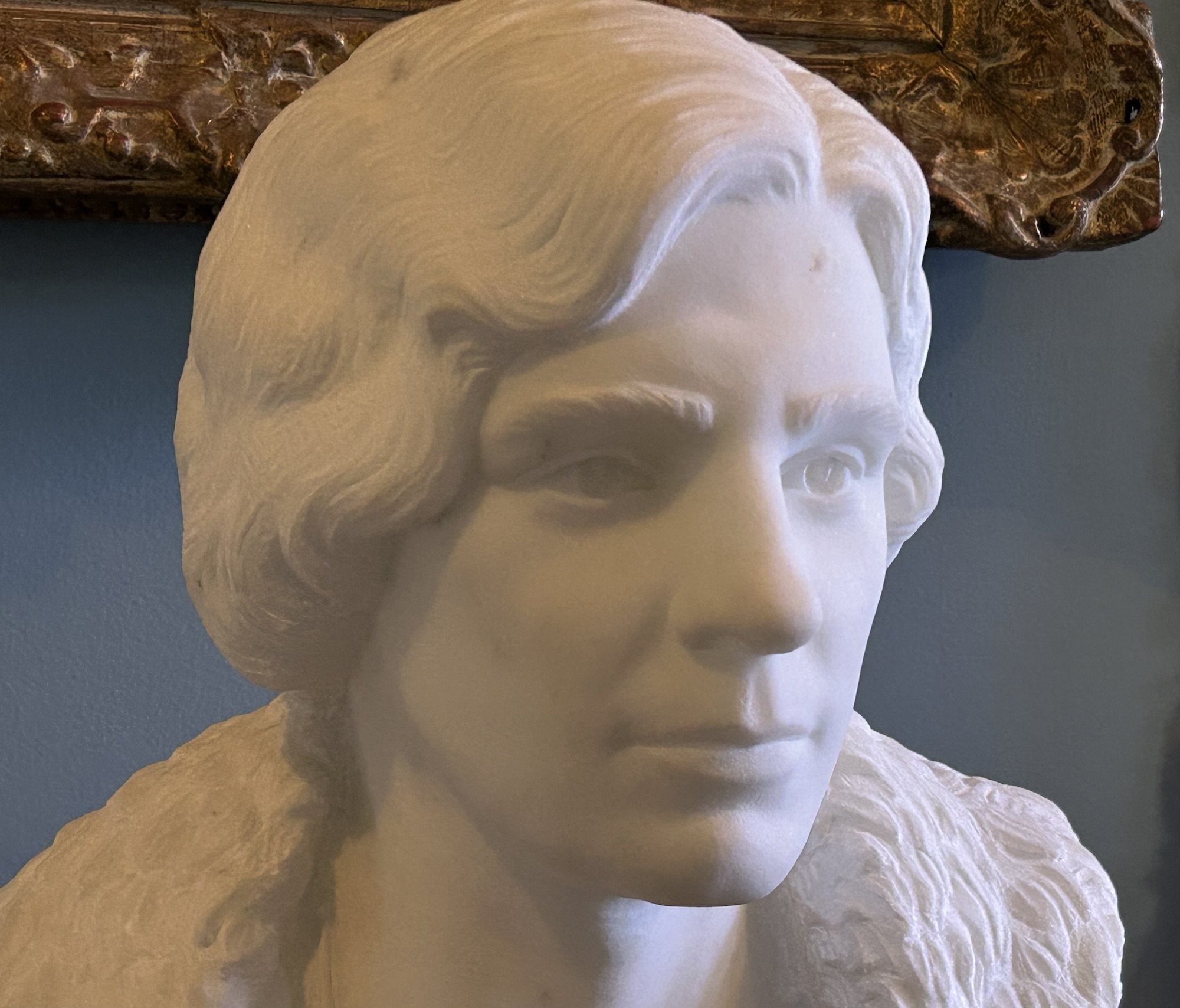
The house once belonged to the Treasury Secretary Gallatin, was burned by the British and was later named after Alva Belmont, a Vanderbilt divorcee, donor and leader of the women’s movement, who bought it to lobby Congress. The site today primarily recognizes the women’s movement leader Alice Paul (above), who founded the National Women’s Party before women had the right to vote. Finishing what began in Seneca Falls, Paul led the campaign in DC for women’s suffrage and for the Equal Rights Amendment. Here pressure was exerted for gender equality language in the UN Charter and the 1964 Civil Rights Act, among many similar efforts around the world.
The tour allows you to see the many portraits, sculptures and photos of the women’s movement and is very educational. I learned about Inez Milholland, an icon for the movement who inspired the superhero Wonder Woman, Marie Louise Bottineau Baldwin an indigenous woman who marched with the other leaders and later became a lawyer, and more about Ida B. Wells, who refused to march in the back of a parade and joined her state’s delegation from the side. Be sure to ask about segregation, as the topic is apparently only discussed upon request in our new political era.
I did not realize how many women were imprisoned or how many were badly beaten upon their arrest. The photo below shows Alice Paul and Lucy Burns, posing in a cell they once occupied. Over 200 suffragists were imprisoned for protesting in front of the White House, and Alice Paul led a hunger strike that was instrumental in pressuring President Wilson towards passing the 19th Amendment. I recommend the HBO film Iron Jawed Angels to learn about these events. Read more about Women’s History park units.
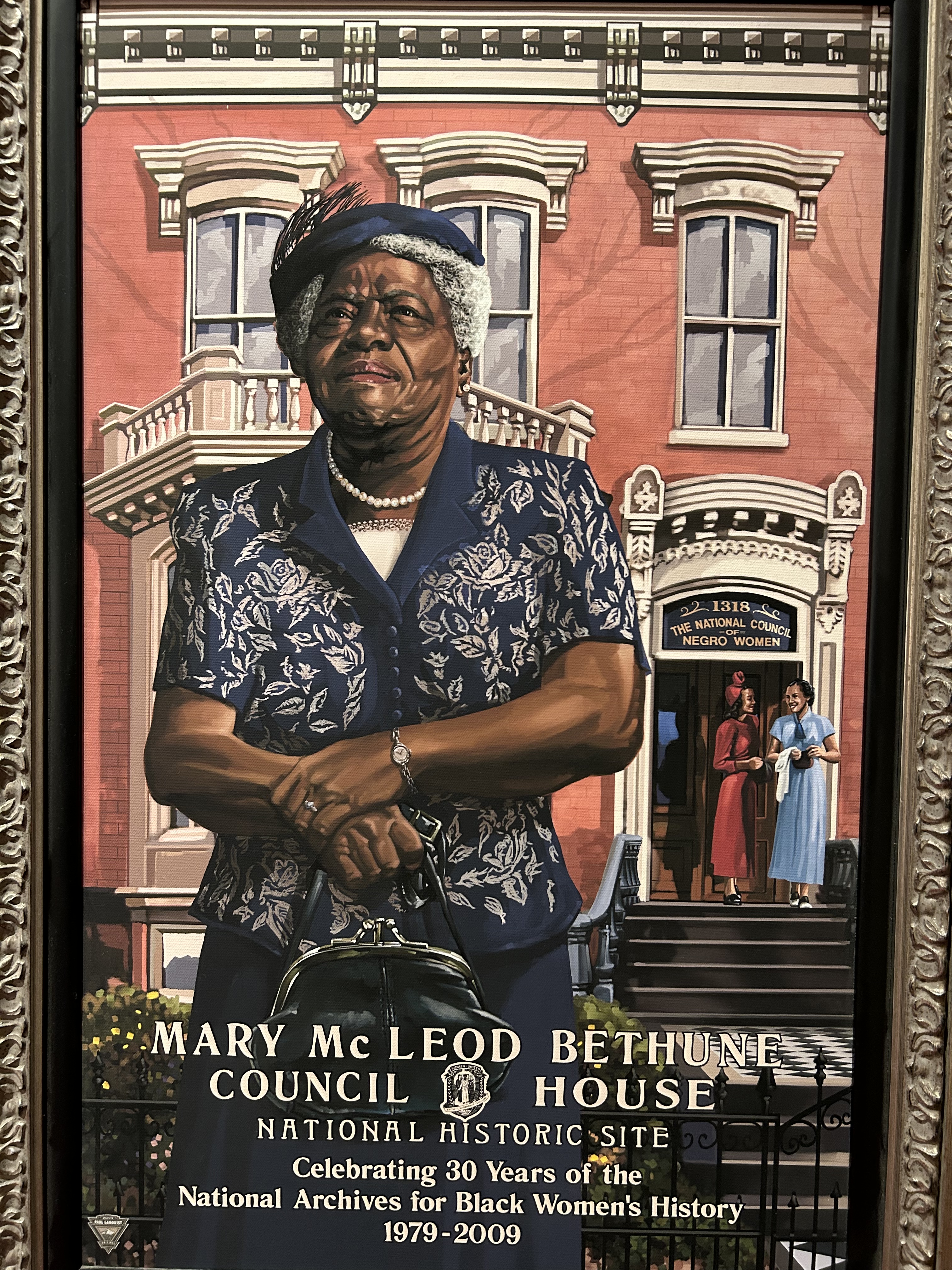
An advisor to half a dozen presidents, founder of schools, civics organizations and the archive above, Mary McLeod Bethune was a dynamo who devoted her life to advancing the lives of people who had been denied equal rights for centuries. Her home office in DC, the headquarters for the African American women’s movement, is just up the street from the White House, where she worked in FDR’s administration, as the first African American woman to lead a federal department. She later was the only African American woman to attend the founding of the UN in San Francisco. She worked with Frederick Douglass, Booker T. Washington, WEB Du Bois, Maggie L Walker, Nannie Burroughs, and Carter Woodson, and she skillfully raised funds from John D. Rockefeller and many white elites at the Palmetto Club in Florida.
The house has recently reopened after some renovations, but the interior rooms and exhibits are still being reorganized. Given the extensive race and gender barriers, the home often had to put up visitors in the top floor, who were unwelcome at DC hotels. The upstairs office was full of busy staff, managing events, publishing articles, and coordinating activities nationally. Downstairs the parlor hosted guests and the conference room hosted important meetings and kept detailed records. The tour guide was exceptionally knowledgeable and provided the context needed to judge the scale of her contributions to our history. Guaranteed to learn here.












 Zero Carbon Travel