All Parks in the Southwest, Zero Carbon

I recently completed visits by EV to all the national park units in the southwest, including 2 in Oklahoma, 4 in Louisiana, 7 in Arkansas, 14 in Texas and 15 in New Mexico. I’ve also visited the southwest biospheres and heritage areas. Here’s a summary of each state with my favorites.

Oklahoma is a beautiful state where many Native American tribes were forced to live and where many famous singers emerged, including Woodie Guthrie, Reba McEntire, Toby Keith, Roy Clark, Carrie Underwood, Vince Gill, Blake Shelton, Patti Page and many more. The Chickasaw Recreation Area is good for nature hikes and borders the fascinating Chickasaw Cultural Center. Washita Battlefield is a difficult site to visit, since it is covers a shameful episode in US history. My report turned into a rant after a park service employee dramatically exaggerated the numbers of white settlers killed in native raids, despite sitting outside the park bookstore which revealed lots of white fear but very few documented killings in historic records. The only affiliated park in the southwest is the Oklahoma City National Memorial.

Louisiana also has important history that must never be forgotten, from prehistoric Poverty Point, to the Cajun culture in Jean Lafitte Park, to the haunting plantations at Cane River Creole and to the birth of uniquely American music in the New Orleans Jazz. The accents, architecture, atmosphere, food, music, scenery, stories and style of the state make it unforgettable. If you’ve never been, go and stay awhile. If you’ve been, go again.

Arkansas styles itself as the natural state—true based solely on armadillos—, but the parks are mostly historic. Early French settlers at the Arkansas Post traded with the natives for furs from the Buffalo River. Later Fort Smith was a critical junction on the Trail of Tears, and Pea Ridge was the site of a key Civil War battle. More recently, Bill Clinton was born here, and Little Rock High was integrated in the face of racism. Even Arkansas’ National Park, Hot Springs, is a throwback to an earlier era. This is one of the few states I hadn’t really visited before starting this quest, but now I know better what an interesting state I was missing.

Texas has a lot of big beautiful parks to enjoy nature: two National Parks, Big Bend (see photo) and Guadalupe Mtns, two recreational lake parks, Amistad and Meredith, along with Big Thicket, Padre Island and Rio Grande. There are also two sites tied to prehistoric man: Alibates quarries and Waco Mammoth. San Antonio Missions predate the US, and Palo Alto Battlefield predates Texas. Fort Davis shows frontier conflict with natives, and Chamizal demonstrates border cooperation with Mexico, as approved by LBJ. Besides all that, Texas has many of the best state parks in the country, with top rate rangers, facilities, activities and scenery.

New Mexico has exceptional places to explore unusual geologic formations, including two national parks, Carlsbad Caverns and White Sands, and volcanic zones Capulin, El Malpais and Valles Caldera. There are seven Native American park sites: Aztec, Bandelier, Chaco, El Morro, Gila, Petroglyph and Salinas Pueblo. And there are three military sites: Fort Union, Pecos (also native) and Los Alamos. Even if you don’t use their state parks to charge your EV, a state parks pass is a good deal for longer stays.

UNESCO recognizes five World Heritage Sites in the southwest: Carlsbad Caverns, Chaco Culture, Poverty Point and Taos Pueblo. My personal favorite sites in the southwest are Big Thicket for paddling, Cane River for tragedy, Carlsbad for imagination and Gila Cliff Dwellings for details and the trail. But where you should go depends on your tastes and interests.

All Frank Lloyd Wright World Heritage Sites by EV

UNESCO chose eight Frank Lloyd Wright sites for World Heritage status, and I visited them all this year by EV. An exhaustive tour of Wright’s designs could visit 100 sites, but the Heritage 8 are sufficient for me. My cross country trip went from Hollywood, to Arizona, Wisconsin, Chicago, Pennsylvania and finally to New York, but it’s easier to understand his life’s work below chronologically.

His home and studio in Oak Park Illinois showcases his various styles, influences and experiments, including his first design: his own home. While this is the one site I visited that is not on the World Heritage list, just walking the neighborhood is worth the trip.

Unity Temple in Oak Park in 1905 is a church built for his mother.

Robie House at University of Chicago in 1910 is my favorite, built for a wealthy client who only lived in it briefly.

Taliesin in Spring Green Wisconsin in 1911, later rebuilt after a dramatic tragedy, used funds from Robie to build a family country home with a school for his acolytes.

Hollyhock House in Hollywood California in 1921, was built for a theatrical oil heiress who fired him for going over budget.

Fallingwater (above) in Mill Run Pennsylvania in 1937, is his most iconic private residence, built for a wealthy department store owner whose son gave it to the park service.

Taliesin West in Scottsdale Arizona in 1937, used funds from Fallingwater to build a winter home with another school for his acolytes.

Jacobs House in Madison Wisconsin in 1937, was built to demonstrate that Wright could design something affordable on a budget.

The Guggenheim in New York City in 1959, was built to display art and to be art, for the future.

I hope you enjoyed this brief tour of 50+ years of the most widely recognized designs from America’s greatest architect.

Favorites from 300 Park Sites

I’ve recently completed visits to 3/4 of the 424 national park units, and I have a couple updates to my first 100 favorites.

Alas Agate, Dinosaur is the best fossil site.

Move over Grant, the best Presidential home—not including the White House—is Sagamore Hill.

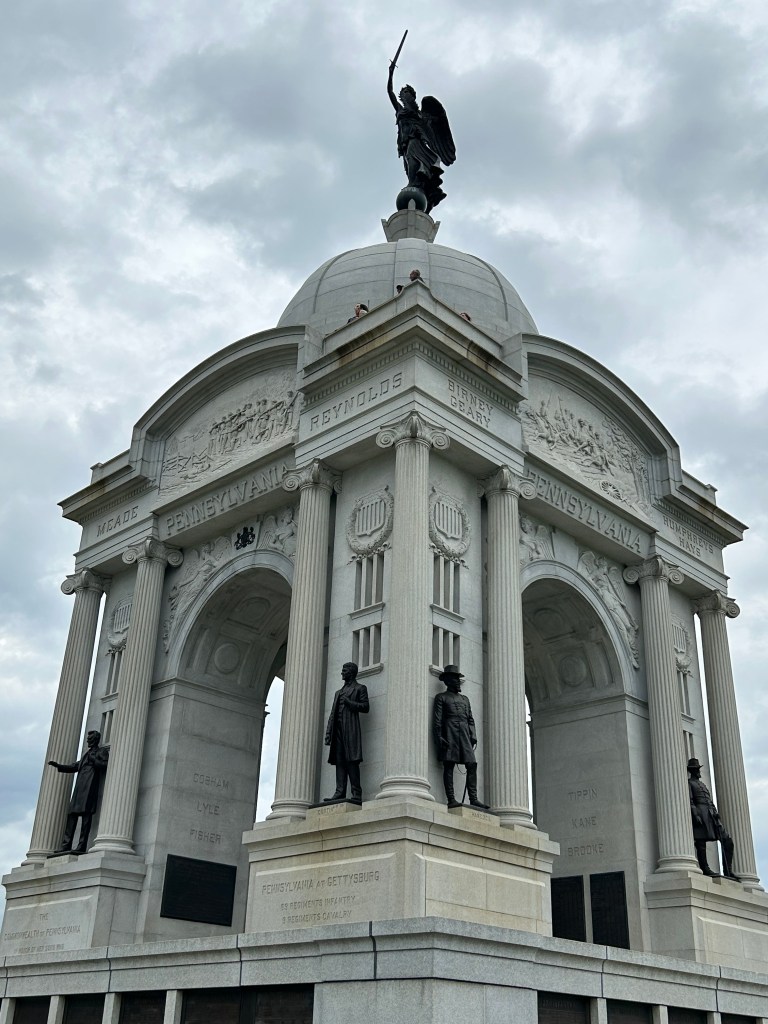
Shiloh keeps the best battle tour, but Gettysburg has the best Civil War museum.

My second 100 favorites still hold. Now, here are some my new favorites from my most recent 100 visits.

Best bicycling: Cuyahoga.

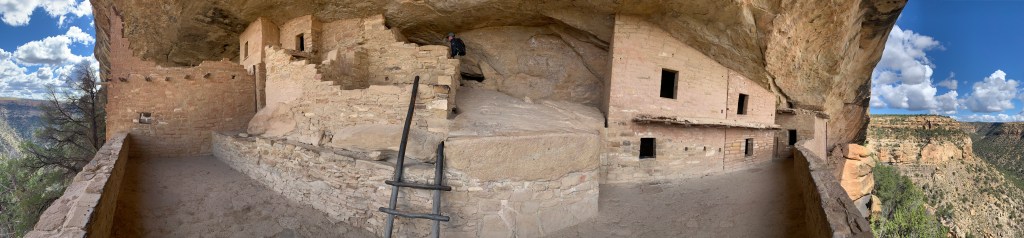
Best cliff dwellings: Mesa Verde.

Best colonial era park is, uh, Colonial.

Best fort: Castillo de San Marco.

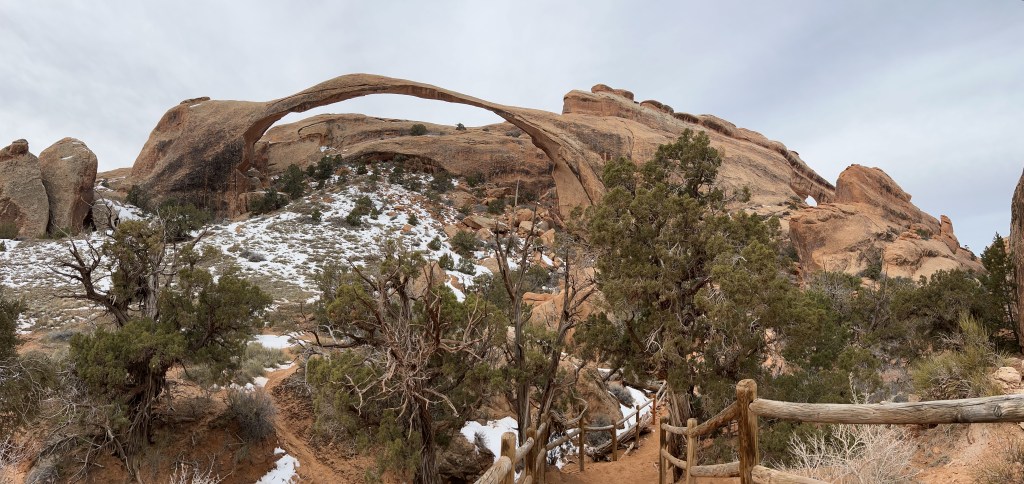
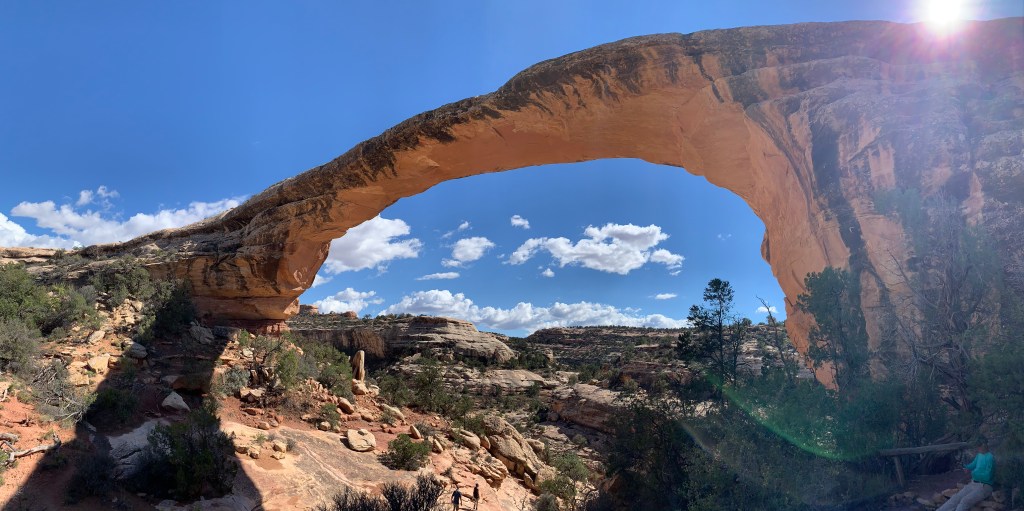
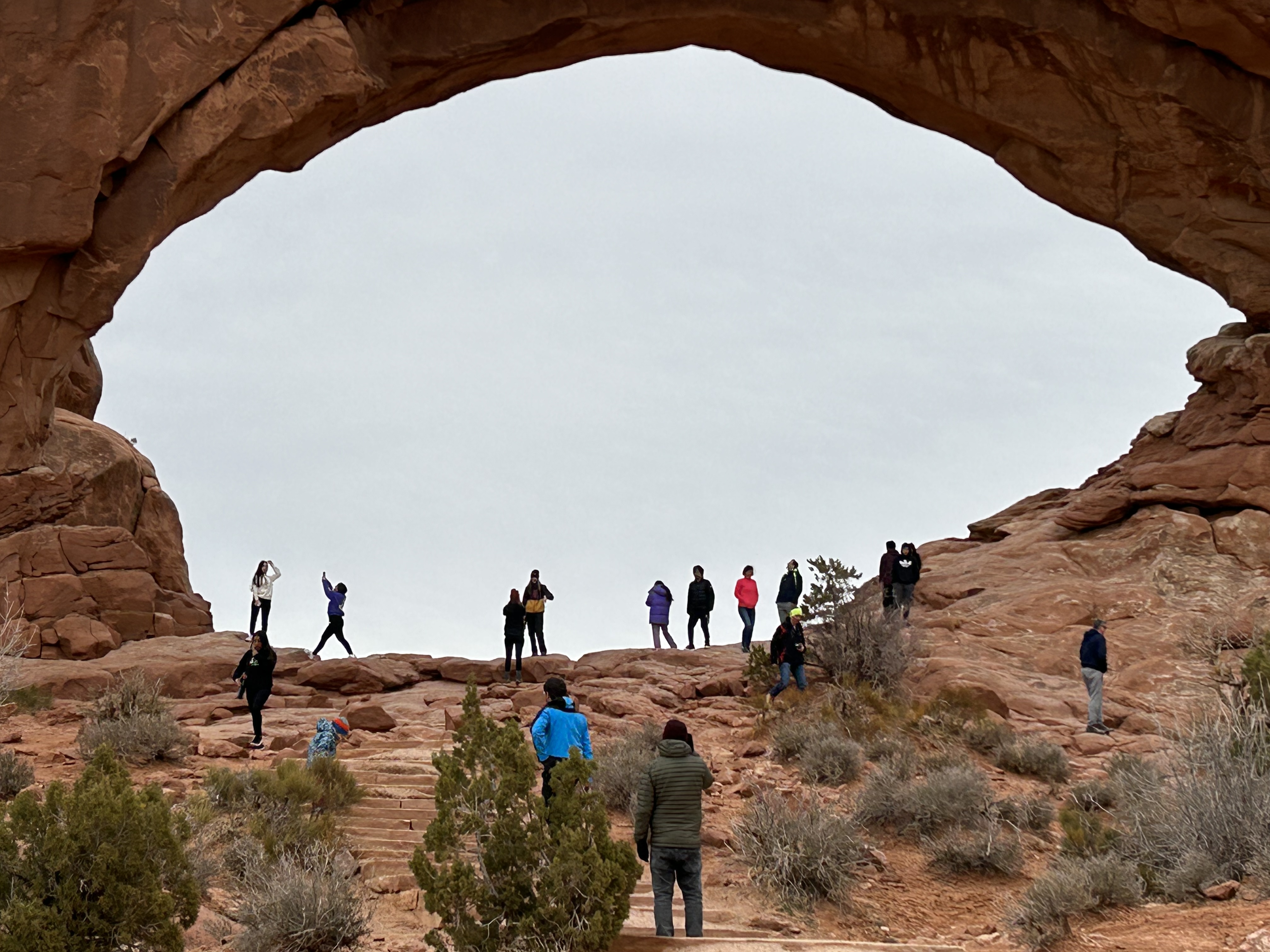
Best geologic feature: Arches (see photo) or Natural Bridges.

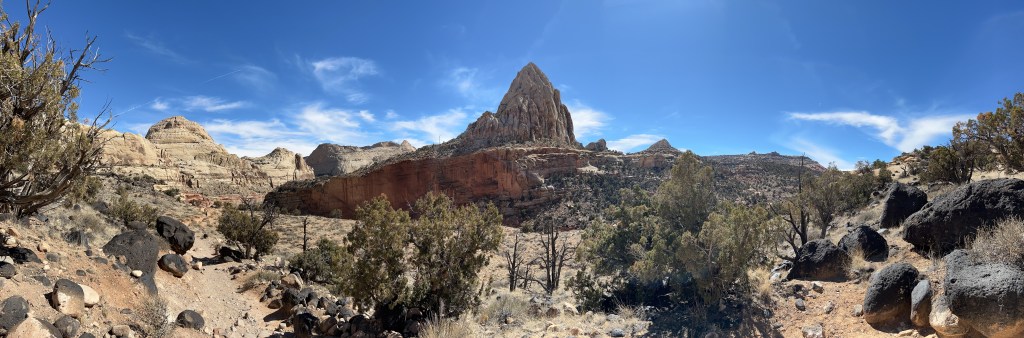
Best place to learn geology: Capitol Reef.

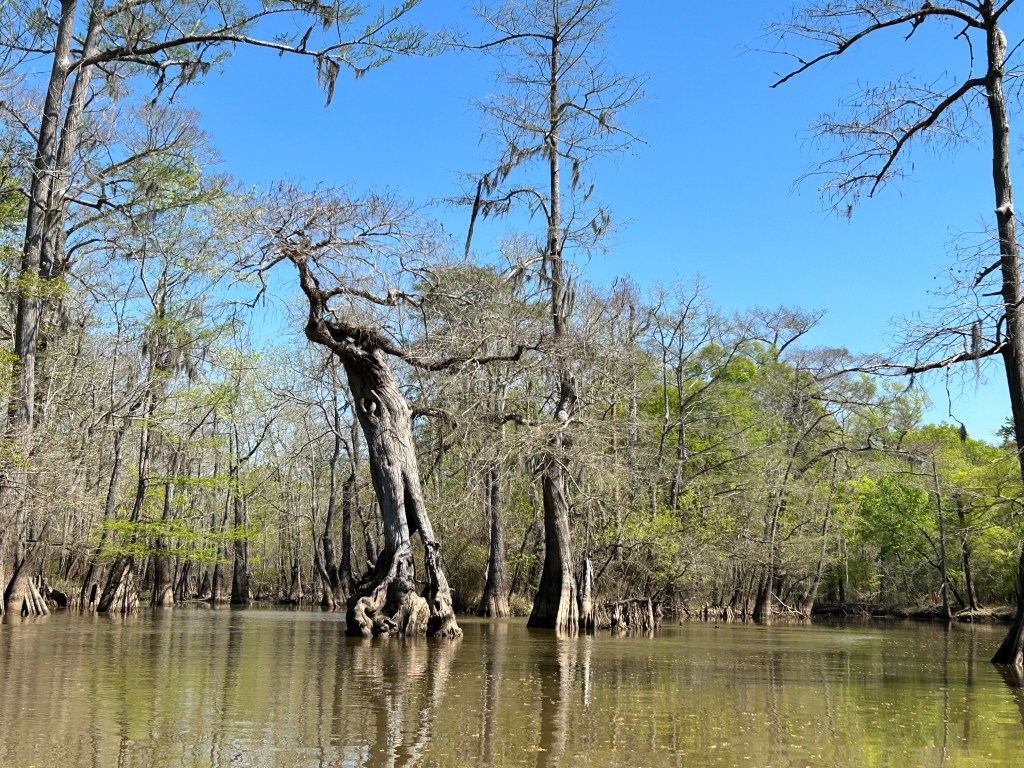
Best kayaking: Big Thicket.

Best snow day: Zion.

Best trees: Great Basin.

All Revolutionary War Battles, Zero Carbon

Read the chronology of the Revolutionary War below, and click on the links to read my visits to each battlefield park by Electric Vehicle. Our country’s independence was the result of many hard fought battles, bravery, determination, moments of military genius, critical help from our allies and luck. Visiting the sites helps bring to life the story we should all know.

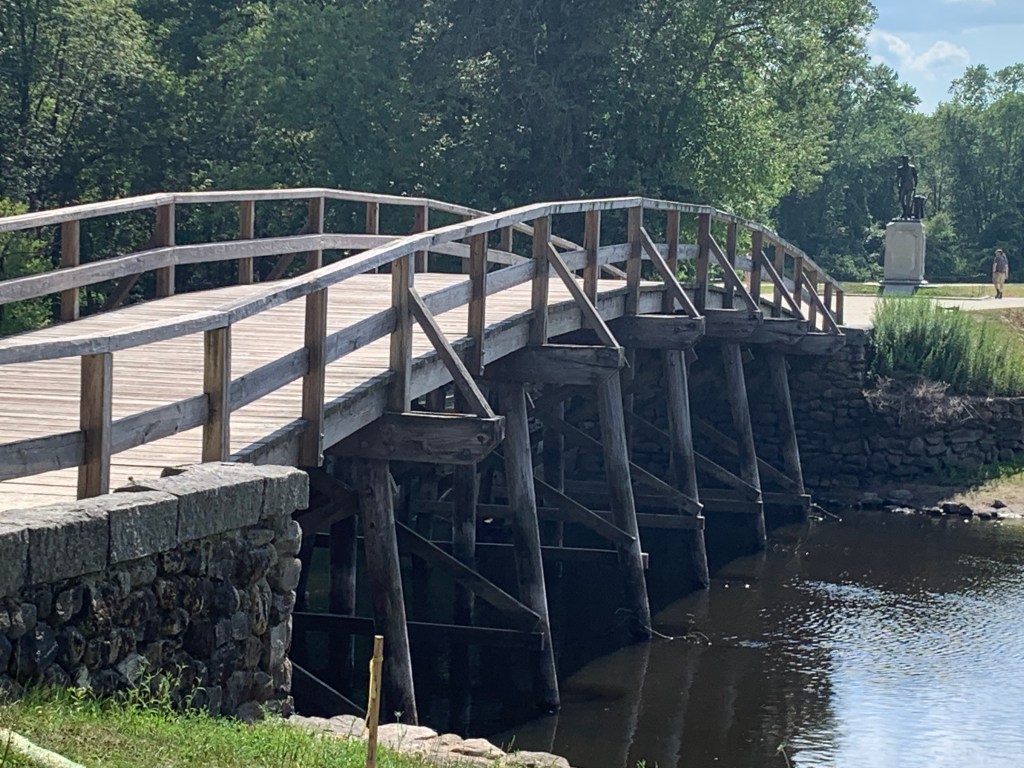
On the 19th of April 1775 at the Old North Bridge in Concord, Massachusetts, the embattled farmers resisted British efforts to take their stockpile of weapons and fired ‘the shot heard round the world’ against the world’s dominant military power.

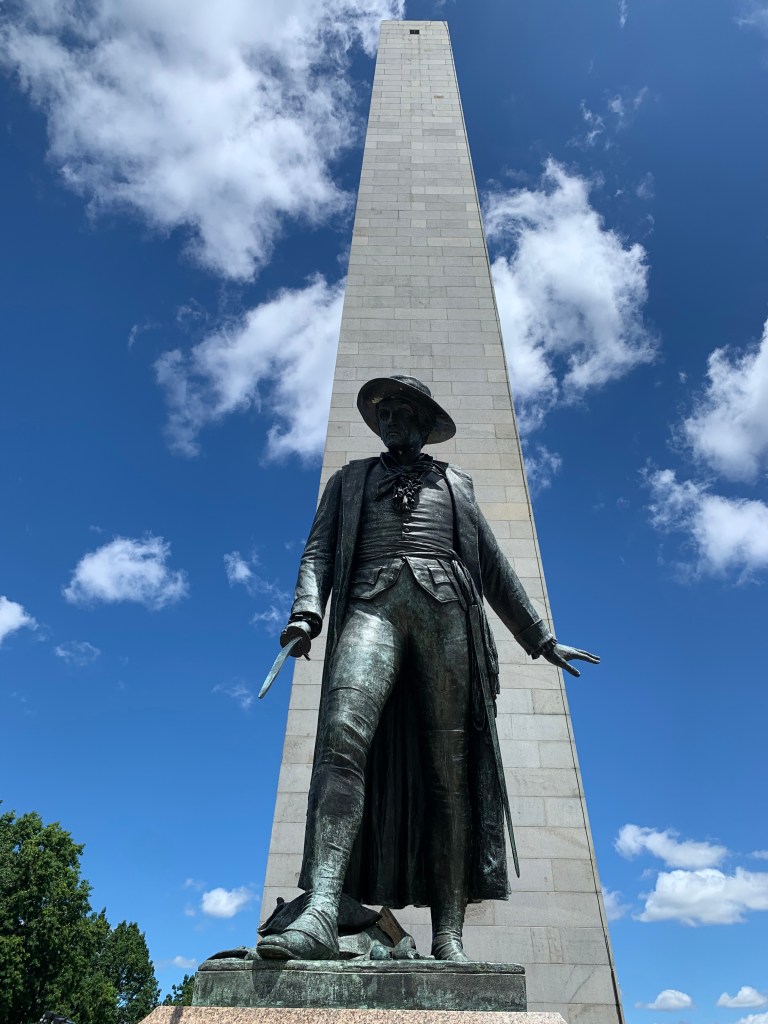
After the British retreated from Concord to Boston, the rebellious colonists tried to trap the British in Boston. The monument on Bunker Hill commemorates the siege in June 1775, but the Americans were unable to defeat the British that year.

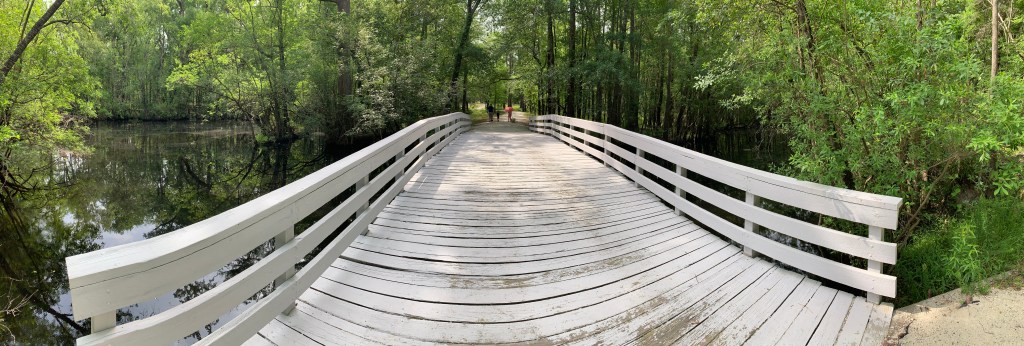
The first significant Patriot victory happened in Moores Creek North Carolina in February 1776 at a bridge much like Concord’s, where Scottish Highlanders charged with broadswords and were cut down by muskets behind low earthworks.

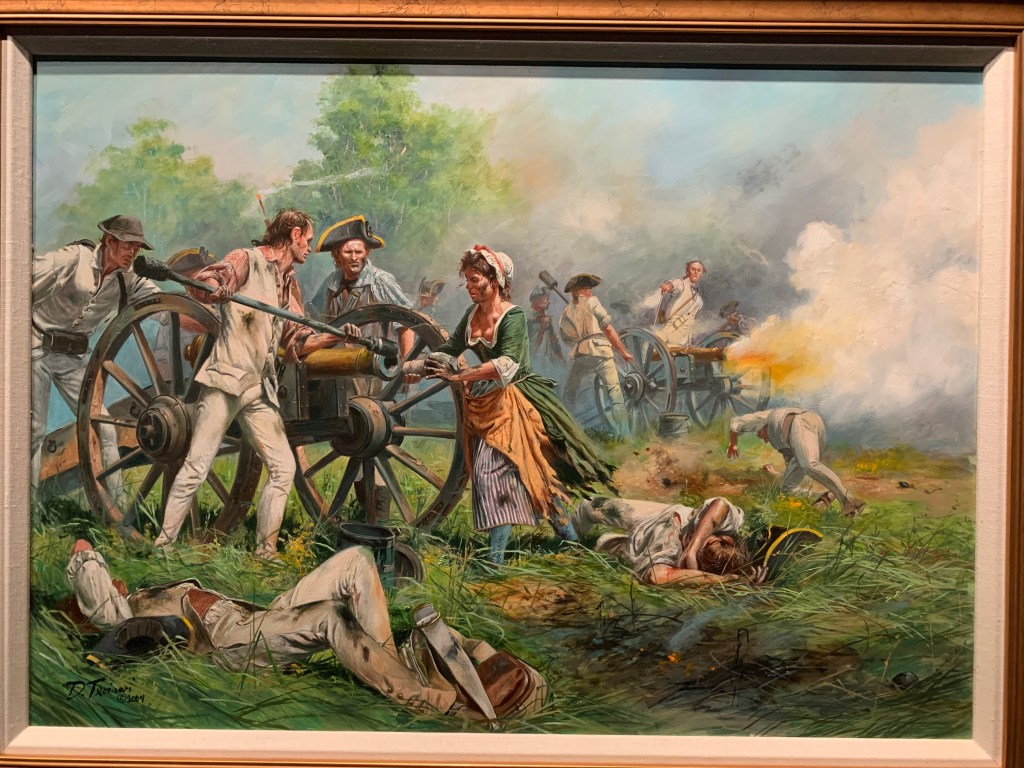
That same winter, Henry Knox brought captured cannon from Fort Ticonderoga in New York on sleds to Boston, surrounding the British. They withdrew to Canada in March 1776, but that summer the British took New York City. Washington crossed the Lower Delaware River in December 1776, defeating the British at Trenton and Princeton, but he was unable to dislodge the British fleet or army from New York.

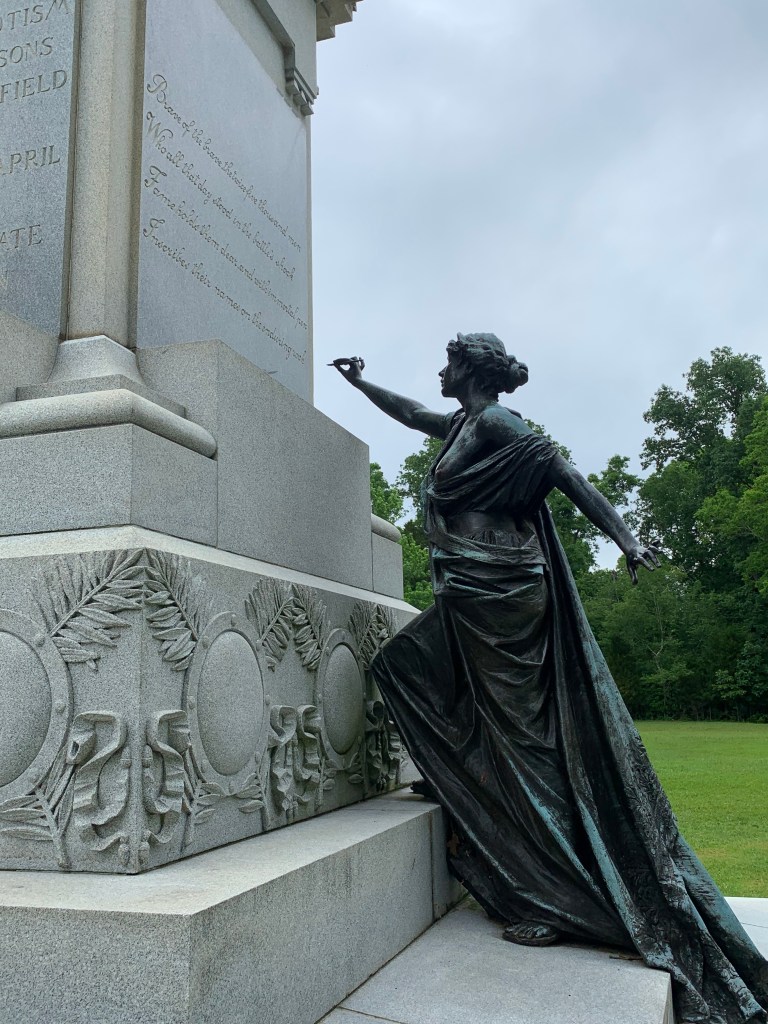
In 1777, the British tried to join their Quebec & New York forces and to take the de facto capital of the colonies, Philadelphia. At Forts Stanwix and Saratoga (see photo) in New York the Patriots defeated the British in August and September 1777, convincing the French to help us. But the British landed troops in Maryland and took Philadelphia from the south.

Washington trained and wintered with his army in Valley Forge in 1778 and 1779 and in Morristown 1779 and 1780. The most notable victory in that time was when George Rogers Clark took Fort Sackville Indiana in February 1779, winning control of the lands bordering the Great Lakes.

But in 1780 the British took Charleston South Carolina and attempted to take control of the southern colonies. In October, the Patriots won at Kings Mountain South Carolina. In January 1781, the Patriots executed a rare maneuver to win at Cowpens South Carolina, but Cornwallis eked out a costly victory at Guilford Courthouse North Carolina in March. Then in June the Patriots failed to take the British fort at Ninety-Six South Carolina.

The war may have continued for a couple more years, but our French allies helped us win the critical victory that fall. Washington and Rochambeau secretly marched their combined armies down the coast to Yorktown Virginia, while the French fleet blocked the entire entrance to the Chesapeake Bay. Cornwallis surrendered on the 19th of October 1781.

All Revolutionary War Parks

Read the chronology of the Revolutionary War below, and click on the links to read my visits to each battlefield park by Electric Vehicle. Our country’s independence was the result of many hard fought battles, bravery, determination, moments of military genius, critical help from our allies and luck. Visiting the sites helps bring to life the story we should all know.

On the 19th of April 1775 at the Old North Bridge in Concord, Massachusetts, the embattled farmers resisted British efforts to take their stockpile of weapons and fired ‘the shot heard round the world’ against the world’s dominant military power.

After the British retreated from Concord to Boston, the rebellious colonists tried to trap the British in Boston. The monument on Bunker Hill commemorates the siege in June 1775, but the Americans were unable to defeat the British that year.

The first significant Patriot victory happened in Moores Creek North Carolina in February 1776 at a bridge much like Concord’s, where Scottish Highlanders charged with broadswords and were cut down by muskets behind low earthworks.

That same winter, Henry Knox brought captured cannon from Fort Ticonderoga in New York on sleds to Boston, surrounding the British. They withdrew to Canada in March 1776, but that summer the British took New York City. Washington crossed the Lower Delaware River in December 1776, defeating the British at Trenton and Princeton, but he was unable to dislodge the British fleet or army from New York.

In 1777, the British tried to join their Quebec & New York forces and to take the de facto capital of the colonies, Philadelphia. At Forts Stanwix and Saratoga (see photo) in New York the Patriots defeated the British in August and September 1777, convincing the French to help us. But the British landed troops in Maryland and took Philadelphia from the south.

Washington trained and wintered with his army in Valley Forge in 1778 and 1779 and in Morristown 1779 and 1780. The most notable victory in that time was when George Rogers Clark took Fort Sackville Indiana in February 1779, winning control of the lands bordering the Great Lakes.

But in 1780 the British took Charleston South Carolina and attempted to take control of the southern colonies. In October, the Patriots won at Kings Mountain South Carolina. In January 1781, the Patriots executed a rare maneuver to win at Cowpens South Carolina, but Cornwallis eked out a costly victory at Guilford Courthouse North Carolina in March. Then in June the Patriots failed to take the British fort at Ninety-Six South Carolina.

The war may have continued for a couple more years, but our French allies helped us win the critical victory that fall. Washington and Rochambeau secretly marched their combined armies down the coast to Yorktown Virginia, while the French fleet blocked the entire entrance to the Chesapeake Bay. Cornwallis surrendered on the 19th of October 1781.

All National Capital Parks

My first region completed! There are currently 23 national park sites in our nation’s capital (exclusively), including Presidential memorials, war memorials, historic sites, and parks. The District of Columbia national park sites are the easiest to visit without using a carbon burning vehicle. The DC Metrorail subway cars are all electric, some of the DC Circulator $1 buses are electric, there are bicycles & electric scooters for rent, and most of the sites are in walking distance. I visited most on foot, some by metro and the rest by my Tesla 3 LR, which I drove from California.

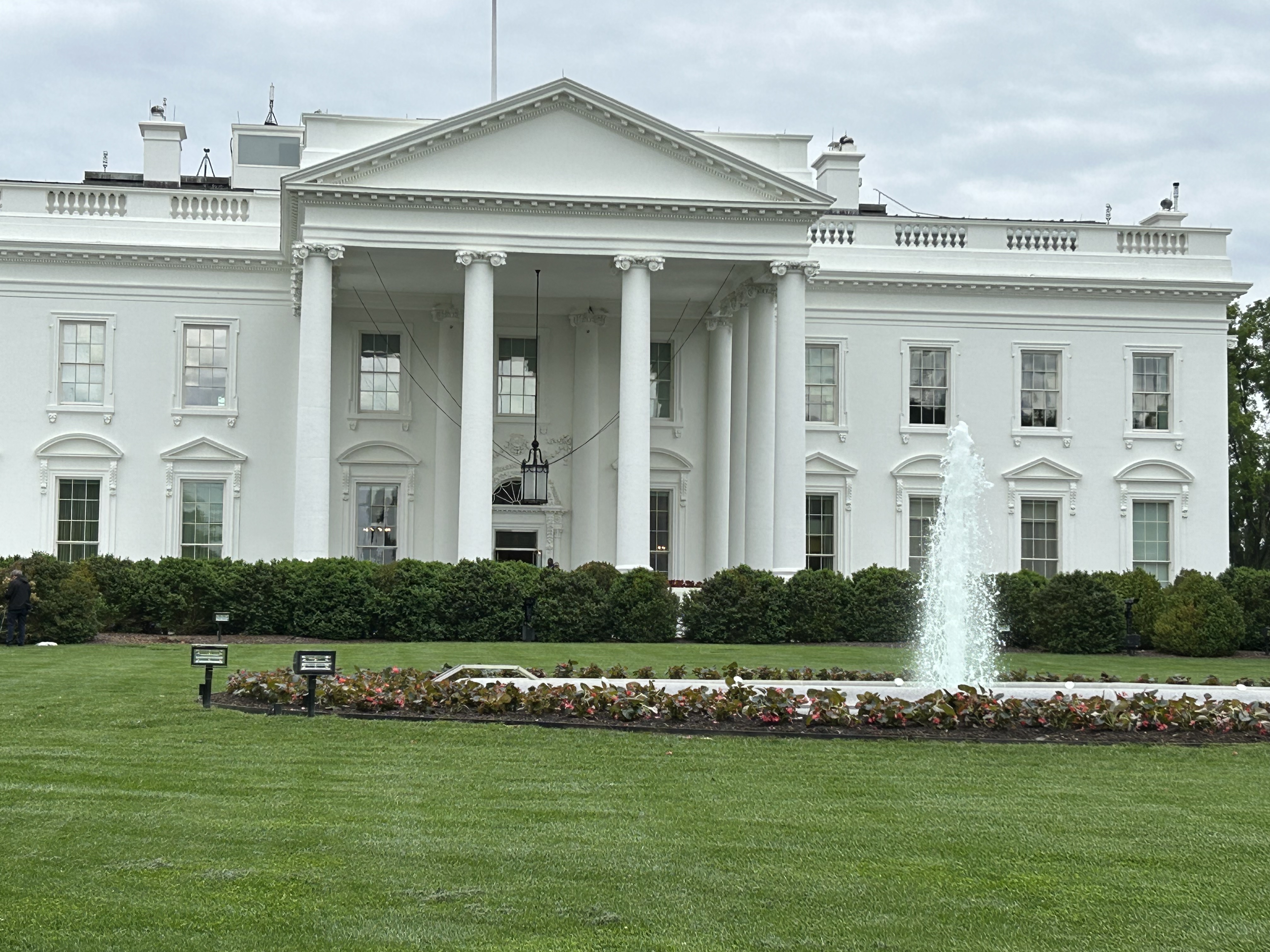
The Presidential sites are The White House (see photo), the Washington Monument, the Thomas Jefferson Memorial, the Lincoln Memorial, the Theodore Roosevelt Island National Memorial, the Franklin Delano Roosevelt Memorial, the Dwight D. Eisenhower Memorial, and the Lyndon Baines Johnson Memorial Grove on the Potomac National Memorial.

The war sites are the National World War I Memorial, the World War II National Memorial, the Korean War Veterans Memorial, and the Vietnam Veterans Memorial.

The only memorial site for a civilian is the Martin Luther King, Jr. National Memorial.

The historic sites are the Belmont-Paul Women’s Equality National Monument, the Carter G. Woodson Home National Historic Site, the Frederick Douglass National Historic Site, Ford’s Theatre National Historic Site, the Mary McLeod Bethune Council House National Historic Site, and the Pennsylvania Avenue National Historic Site. (The first two of these sites have been closed for over a year, so I only visited the front steps).

The parks are Constitution Gardens, National Capital Parks—including Kenilworth Park & Aquatic Gardens—, the National Mall, and Rock Creek Park.

In addition, there are a number of national trails that run through DC. Also, John Philip Sousa Junior High was part of Brown v. Board, and, as it’s still a public middle school, it’s run as an affiliate site.

Our nation’s capital has so many of our most important park sites, and I encourage you to click on the links and read my posts, each with a photo. There’s much to be learned from these special places. Of course, if you visit DC, you should also visit some of the Smithsonian museums and other great tourist sites.

All National Capital Parks, No Carbon Vehicles

My first region completed! There are currently 23 national park sites in our nation’s capital (exclusively), including Presidential memorials, war memorials, historic sites, and parks. The District of Columbia national park sites are the easiest to visit without using a carbon burning vehicle. The DC Metrorail cars are all electric, some of the DC Circulator $1 buses are electric, there are bicycles & electric scooters for rent, and most of the sites are in walking distance. I visited most on foot, some by metro and the rest by my Tesla 3 LR, which I drove from California.

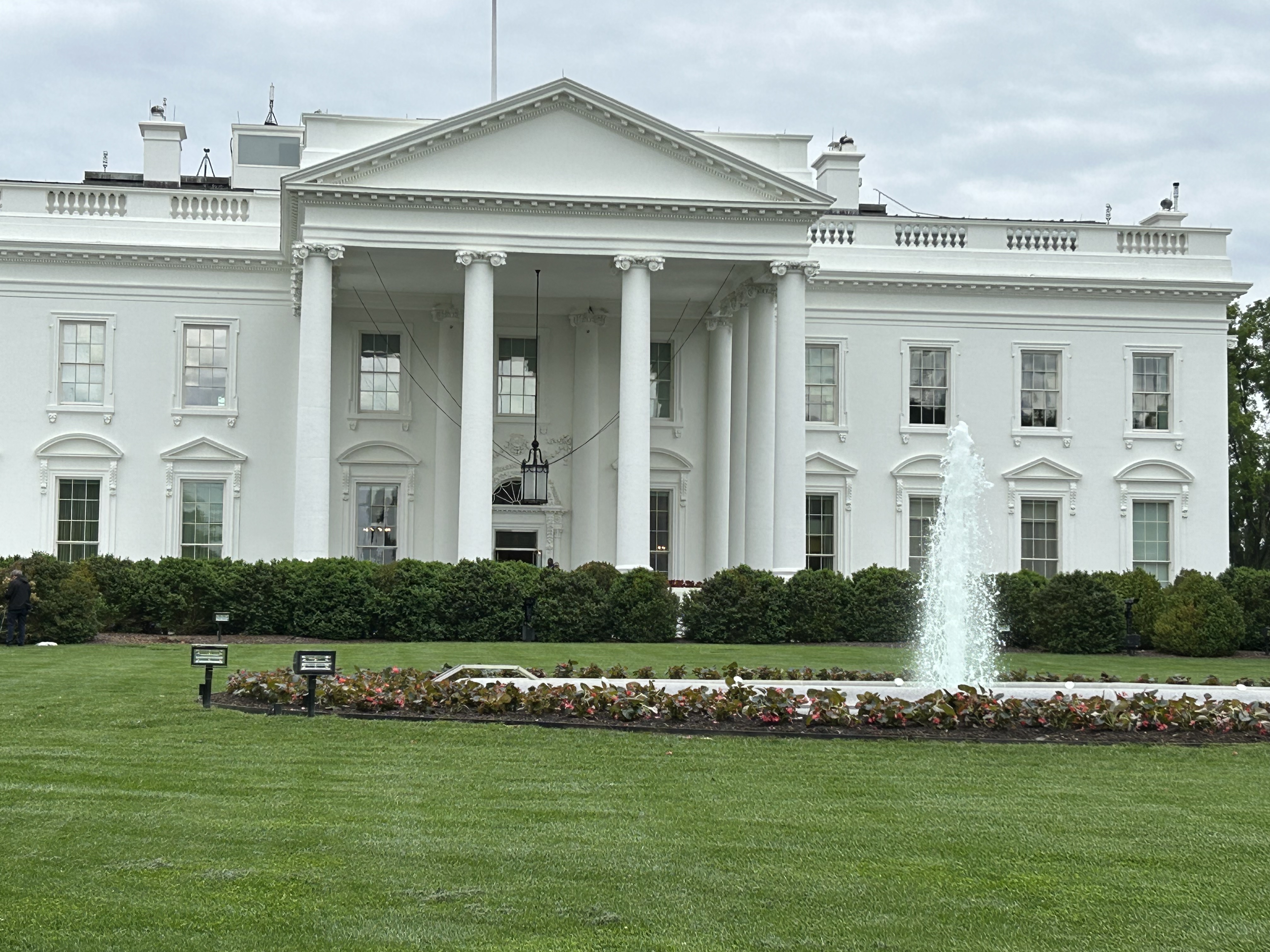
The Presidential sites are The White House (see photo), the Washington Monument, the Thomas Jefferson Memorial, the Lincoln Memorial, the Theodore Roosevelt Island National Memorial, the Franklin Delano Roosevelt Memorial, the Dwight D. Eisenhower Memorial, and the Lyndon Baines Johnson Memorial Grove on the Potomac National Memorial.

The war sites are the National World War I Memorial, the World War II National Memorial, the Korean War Veterans Memorial, and the Vietnam Veterans Memorial.

The only memorial site for a civilian is the Martin Luther King, Jr. National Memorial.

The historic sites are the Belmont-Paul Women’s Equality National Monument, the Carter G. Woodson Home National Historic Site, the Frederick Douglass National Historic Site, Ford’s Theatre National Historic Site, the Mary McLeod Bethune Council House National Historic Site, and the Pennsylvania Avenue National Historic Site. (The first three of these sites have been closed for over a year, so I only visited the front steps).

The parks are Constitution Gardens, National Capital Parks—including Kenilworth Park & Aquatic Gardens—, the National Mall, and Rock Creek Park.

I can’t choose favorites from a list like this with so many of our nation’s most important park sites, but I encourage you to click on the links and read my posts. Every post has a photo, although they are slow to load sometimes. There’s much to be learned from these special places. Of course, if you visit DC, you should also visit some of the Smithsonian museums and other great tourist sites.
Favorites after visiting half the park sites

My old favorites from the first 100 sites still stand. But, especially traveling so much in the northeast recently, many of my new favorites are Historical Parks, which are treasure troves.

Most in need of a big budget Hollywood epic to tell the story: Clark.

Favorite Revolutionary War site: Minute Man.

Best site for art’s sake: Gaudens.

Most stirring patriotic site: McHenry.

Site with the least to see but the most fun I had writing a blog entry: Poe.

Favorite from childhood memory: Marsh.

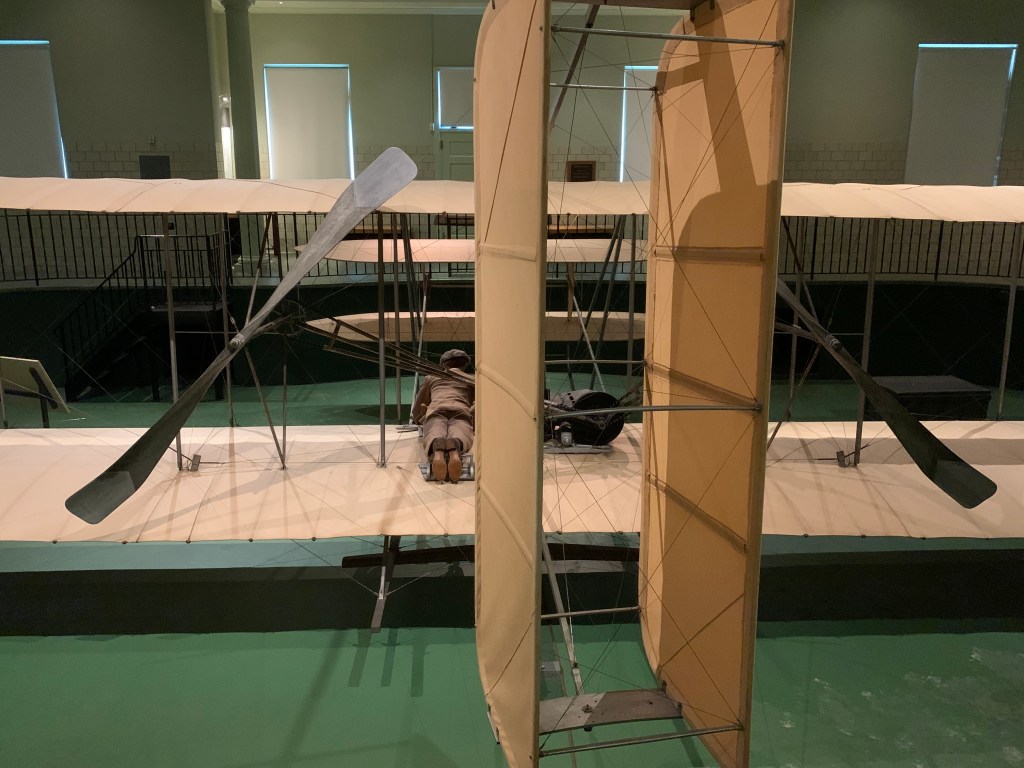
Biggest rule broken: Steamtown.

Most innovative site that also serves historic beer: Dayton.

Best overall city park? Honorable mentions go to Boston and New Bedford, but the best so far is Philly.

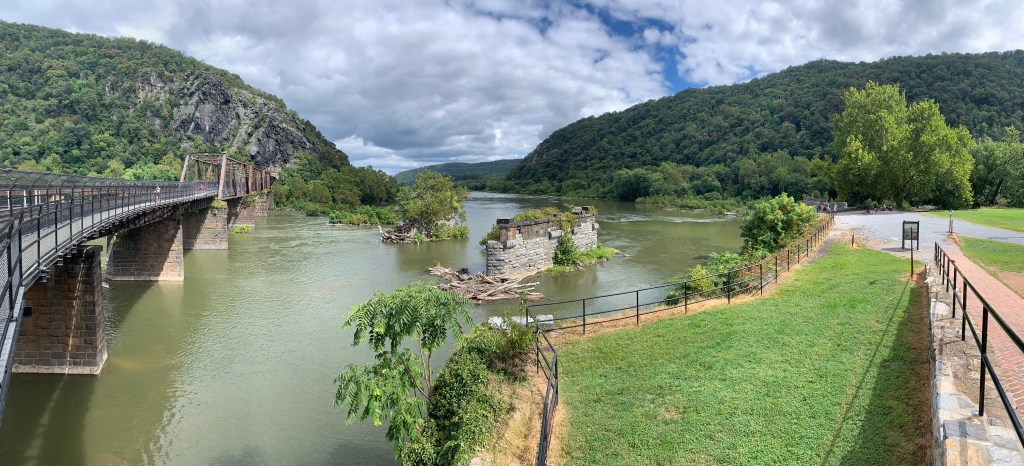
Can’t choose a favorite? Oh yes I can: Harpers.

My favorites after visiting over 100 park sites

Best battlefield & military site: Shiloh in Tennessee. The battle road tour is easy to follow & understand, and the cemetery and monuments are moving. (Honorable mention goes to Little Bighorn for the native ranger’s description of the battle).

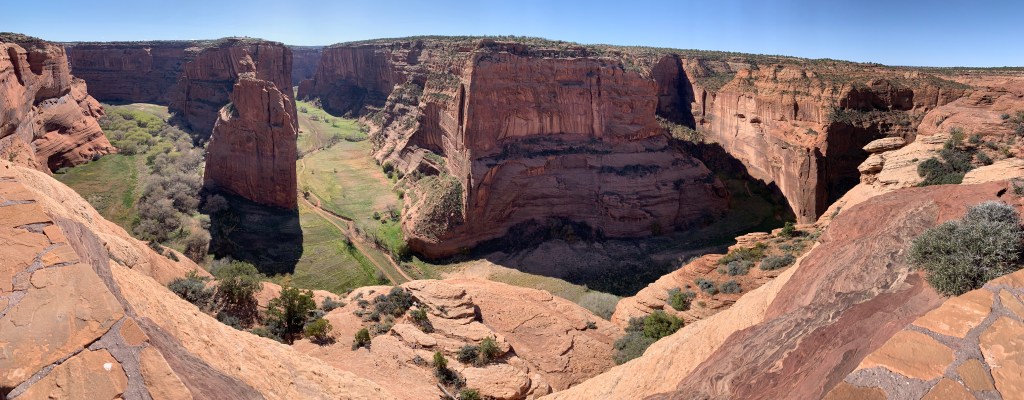
Best canyon: Canyon de Chelly in Arizona. Strikingly beautiful, with Navajo guided tours available.

Best cave: Timpanogos in Utah. Carlsbad may be the largest and Mammoth the longest, but Timpanogos has the most features to see on its regular tour. Also, the hike up to the entrance is simply stunning.

Best Civil Rights site: MLK in Georgia. Grand in purpose, history and inspiration. (Honorable mention goes to Birmingham’s Civil Rights Institute.)

Best fossil site: Agate in Nebraska. I loved the diorama, the Native Art collection, and the lush natural setting.

Best national park: Teddy Roosevelt in North Dakota. Both north & south units have a great variety of natural features, scenic drives, hikes, views and more.

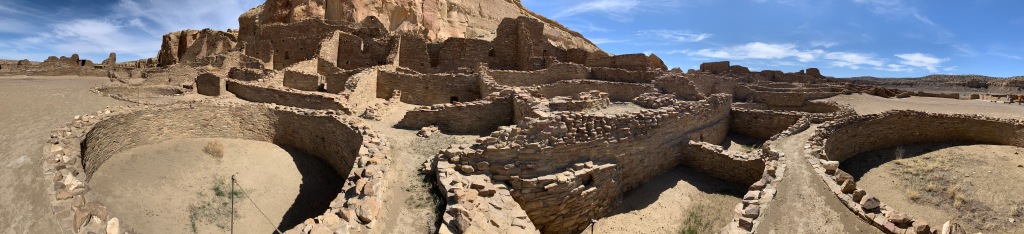
Best native ruins: Chaco in New Mexico. Well preserved in a remote location, the grand scale of the many pueblo structures here is awesome.

Best presidential home: Grant in Missouri. Excellent films, exhibits, and informative tour.

Best rangers: Fort Union Trading Post in North Dakota. Three different rangers here brought to life the personalities, ideas and history brilliantly. (Honorable mention to Organ Pipe for Ranger Kate’s provocative wilderness talk).

Best tragic site: Big Hole in Montana. The film, the setting, and the tipi-pole memorial all bring the painful story of the flight of the Nez Perce to heart and mind. (Honorable mention to Cane River for its haunting cotton plantation slave quarters).

Best volcanic site: Craters of the Moon in Idaho. Best camping, hiking, and volcanic features.

Best wildlife experience: Smoky in Tennessee. I loved the little bear there (no, not Smokey Bear) and the horses rolling and playing. (Whooping Cranes in TR just get an honorable mention, because I didn’t get a photo).