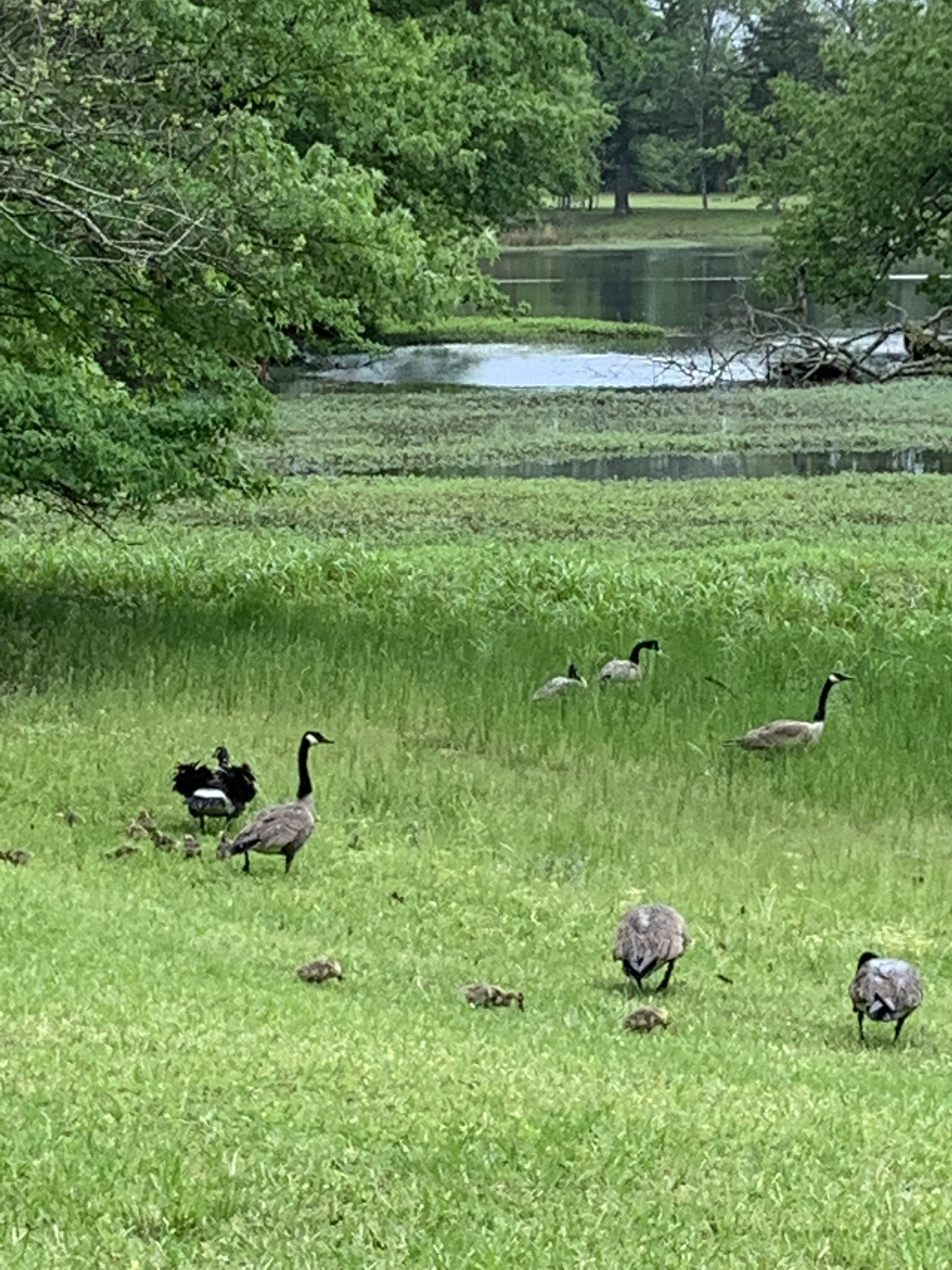
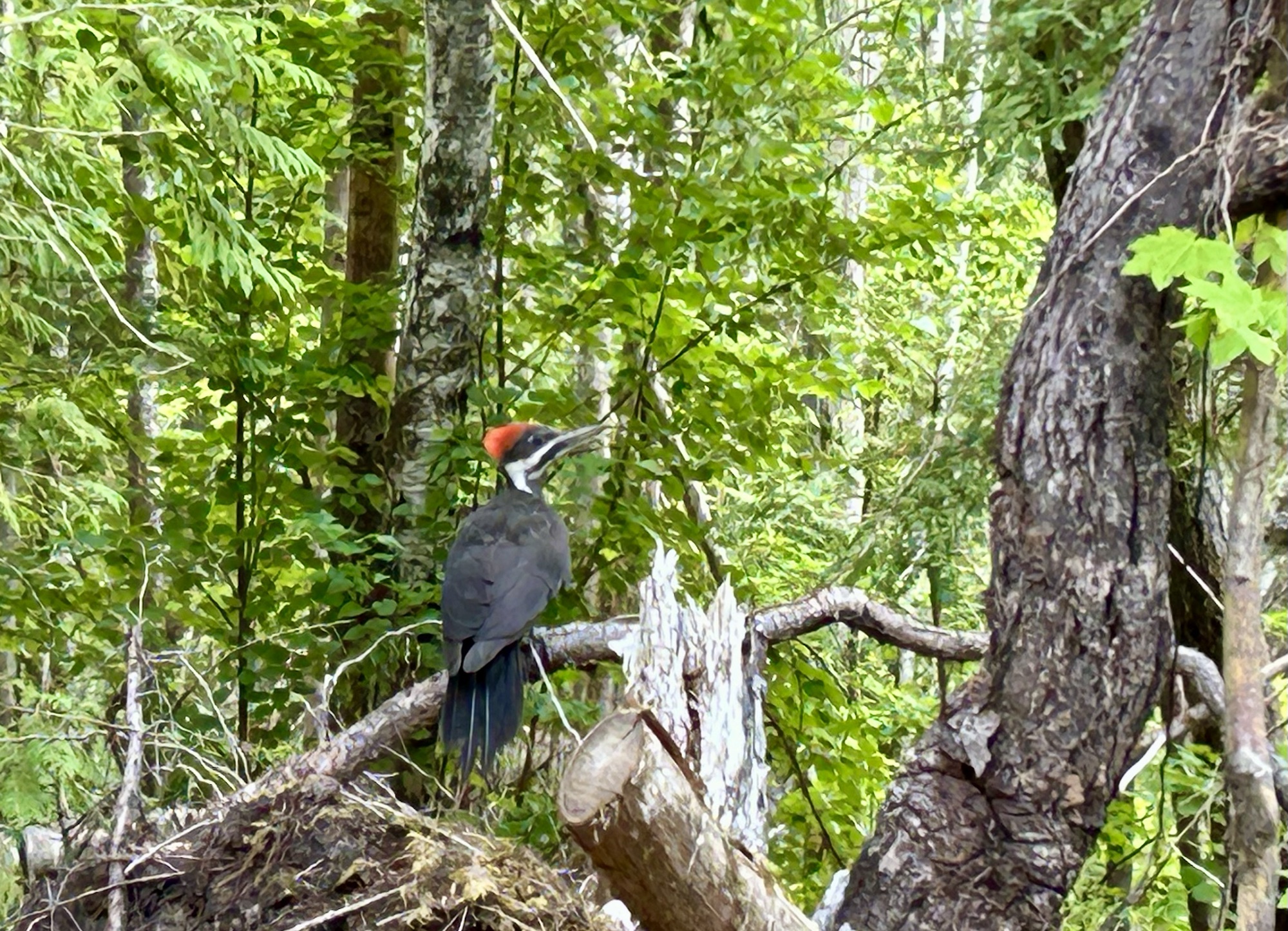
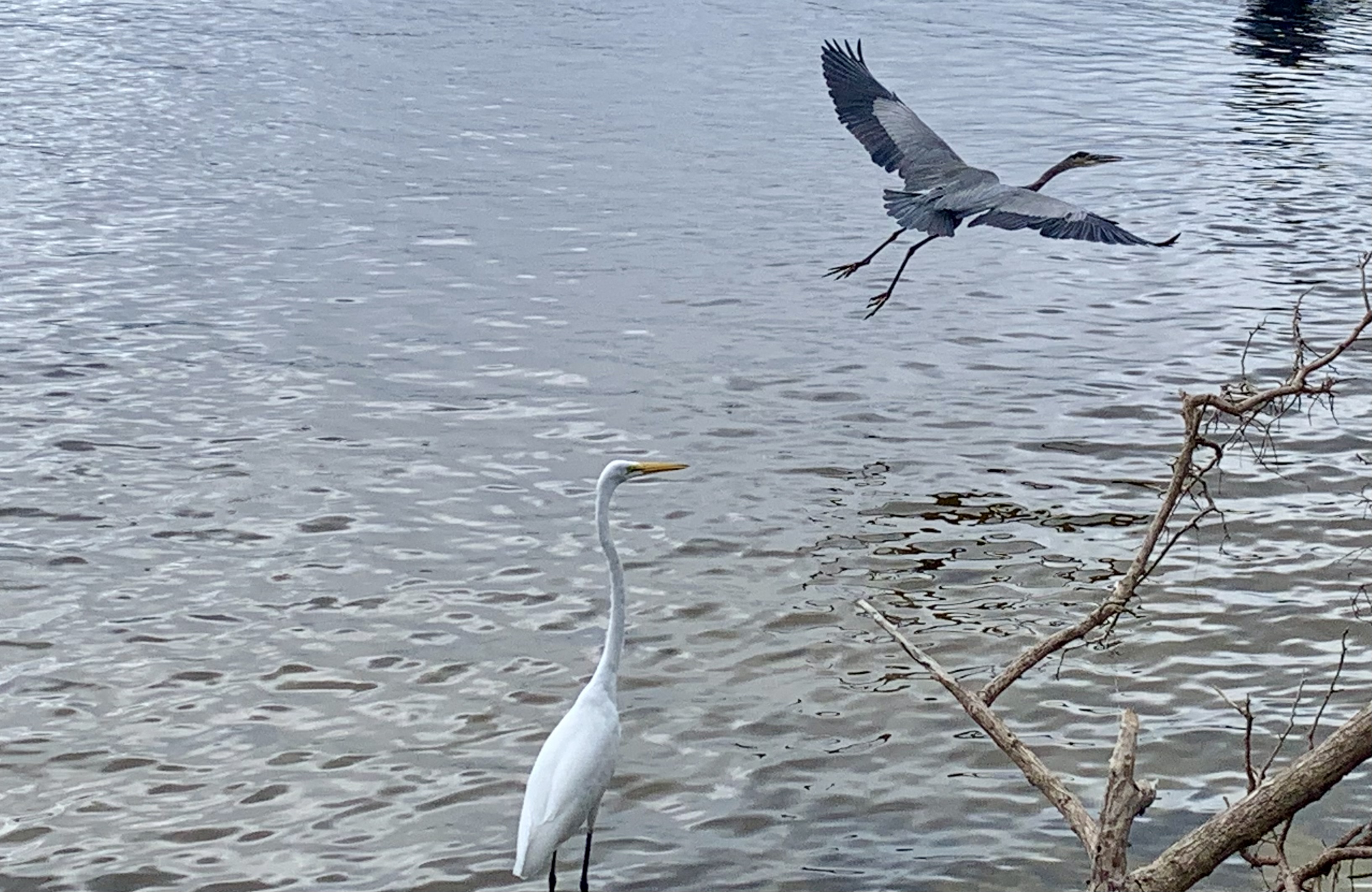
Absolutely no sponsoring or commercial involved here, but Mom recently introduced me to the free, updated Merlin Bird App from Cornell’s Ornithology Lab, and it’s pretty amazing. I see a lot of birds in my travels, including Sandhill Cranes just recently, but the app takes it to the next level. I went on a couple short hikes in a park last weekend, and I counted a half dozen birds or so. But the app identified over a dozen by their birdsongs alone, including separating several types of sparrows, differentiating three different yellow birds, identifying an uncommon Willow Flycatcher and even recording a rare Indigo Bunting. Mom says that now I need to go back and visit the first 300 parks again, because I probably missed half the birds I heard. That’s not going to happen, but here are some bird photos from my travels for you to enjoy.
I arrived at this World Heritage Site on Sunday late morning, and with a minor miracle I found parking one block from the cathedral above. When I stepped inside a beautiful mezzo-soprano voice echoed through the high ceilings and alcoves. What a spectacular and moving service!
The city and state are named after José Morelos, born a block behind the cathedral (now a museum), a priest in the cathedral, who answered the cry for independence and supported multi-racial equality. Morelos also demonstrated remarkable skill as a military strategist, and after Hidalgo was executed in 1811, Morelos became the leader of Mexican Independence. After dozens of victories that roused the insurgents, Morelos was eventually captured in Puebla, tried by the Inquisition, defrocked and executed near the end of 1815. He is remembered as one of Mexico’s founding fathers.
Three historic trails pass through the state: Butterfield, Santa Fe and the Trail of Tears. A small part of Fort Smith too is on the Oklahoma side of the Arkansas River. Oklahoma may not have as many parks as other states, but it is beautiful and moving.
At 36, Jacques Marquette was already a famous explorer and missionary. He spoke at least half a dozen Native American dialects and languages, had helped found Sault (‘Soo’) Ste. Marie, and he helped others settle and avoid conflicts. But then he embarked on a trip through Green Bay, down the Mississippi, to the Arkansas and back up the Illinois, greatly enhancing settlers’ understanding of central North America. The return route, suggested by native guides, proved the pivotal Chicago Portage. Beyond his importance to French Catholics and their descendants, he introduced Christianity to many Native American tribes, and his explorations and settlements helped determine the future of trade and growth in the Great Lakes, on both sides of the border.
Missionaries also brought deadly diseases into the lives of many people with no natural immunity, and their practices of baptizing babies, distributing bread at Communion, and gathering closely together weekly for songs and prayers were lethal for many native communities. But Marquette traveled among the tribes a few years before Leeuwenhoek discovered bacteria. Marquette himself died after contracting dysentery at 37, and his memorial is on the north side of the above Mackinac Bridge—which connects upper and lower Michigan—in the touristy town of St. Ignace which Marquette founded. There’s honestly not much to see in this affiliated park site (since the small museum burned down years ago) except for a few plaques and a short trail, but nearby there’s a nice view of the Mackinac Bridge (above) over the straights that Marquette explored and traveled through often.
Full disclosure: the three houses here were being renovated the week I was in Mexico City, and it is only on the tentative UNESCO World Heritage Site list. Architect & artist Juan O’Gorman had the complex built for the famous couple while they were touring in the US in 1931-32, and their patrons the Kaufmanns, of Fallingwater, visited the couple here in the upscale San Ángel neighborhood in 1938. The big house and studio in the front was Diego’s, the blue one was Frida’s, and O’Gorman lived in the third house in back. There’s a bridge between Diego & Frida’s homes. This arrangement worked for about 5 years, but then they divorced.
To be clear, Frida’s blue house above is not La Casa Azul, The Blue House, where Frida was born and died. That more famous one is in the Coyoacán neighborhood less than an hour’s walk away. Frida hosted Leon Trotsky there, after helping him get asylum, although he was ultimately assassinated in his home nearby (now a museum). Diego & Frida remarried and lived in her original home until her death, keeping the complex above as Diego’s studio. Diego Rivera donated Frida’s Casa Azul as a museum, and it’s one of the most visited sites in the city. Tickets to her home and museum are essential to buy online well in advance, as they recently stopped offering in person ticket sales.
Way back in 1673, French explorers Louis Jolliet and Father Jacques Marquette were preparing to travel east to return to Canada after exploring the Mississippi River. Though the statue wrongly implies that Marquette pointed out the route, their Native American guides showed them a shortcut, by traveling up the Illinois River and portaging (carrying) their canoes between some muddy lakes to Lake Michigan. Marquette realized that if there were a canal, weeks-long journeys would reduce to days. 175 years later, the government finally built the canal, and suddenly, Chicago became one of the largest and most important transportation hubs and cities in the US.
The site itself is in a small woods between the Des Plaines and Chicago Rivers, and as part of Chicago’s river greenways, it’s managed by Cook County in affiliation with the NPS. The canal itself is 100 miles long with a bike trail, and there is a 1 mile canal boat tour in LaSalle at the Illinois River end. A non-profit association runs summer boat tour as well as the larger Illinois and Michigan Canal National Heritage Area, which includes Chicago Portage, the Pullman National Historical Park and promotes tourism to neighboring communities and parks. The canal is a key part of the Great Loop, a boat trip around the eastern part of the country, from the Great Lakes down the Mississippi, around Florida, up the eastern seaboard to New York, and back to the Great Lakes.
Luis Barragán was an architect from Guadalajara around 1930, after WWII he designed projects in Mexico City, and he produced many influential works through the 1970s. Primary colors, smooth walls, angular structures and exceptional lighting is how I would describe his style. When he purchased the land for his home and studio, it was on the outskirts of Mexico City, but now it’s central. The modern architecture tucked into a narrow upscale neighborhood south of Chapultepec park looks like some nouveau riche shoe-horned it in, instead of being the original that inspired so many followers.
OK, the photo is across the street from #14, and I couldn’t actually get a ticket to tour the inside. There are only a few tours a week, and they sell out online quickly. Even the bookstore wasn’t open when it was supposed to be. Oh well, technically I arrived at this architect’s home by electric vehicle, the Metro, which was cheap and convenient. If you are a visiting professor of architecture, you can probably arrange a tour of this World Heritage Site through your university. But there were a few disappointed common folk outside. Maybe architecture isn’t meant for the masses?
There are five NHAs in the Rocky Mountain Region: three in Colorado, one in North Dakota and one in Utah. I’ve visited all of them (plus the Great Basin that extends into Utah), and I encourage you to visit too. As befits the region, they are areas of great natural beauty, but each differs distinctly.
Cache La Poudre(Buried Gunpowder) River National Heritage Area follows the river through Fort Collins, a fair sized city north of Denver. The headwaters of the river begin in Rocky Mountain National Park, outside the NHA, and the beautiful upper portion is a popular rafting Wild & Scenic River run by the Forest Service. I love the naturally-flowing sections of the river, which are remarkable, even in a state known for whitewater rafting. The NHA includes historic water works, irrigation canals, a bridge for sugar beet effluent, picnic areas, lakes & reservoirs, bluffs, wildlife areas and a whitewater practice area. The cooperative water district is considered a model for preserving early water rights, although it diverts water through tunnels that would otherwise flow west or north to drier states. Water policies need to be decided nationally, even if it means changing water rights established over 100 years ago. While I’m impressed with how industrious people have been making money with the river, the Climate Crisis is affecting the snow-pack, causing wildfires, and threatening species that depend on the river. So, I believe there’s still much work to be done.
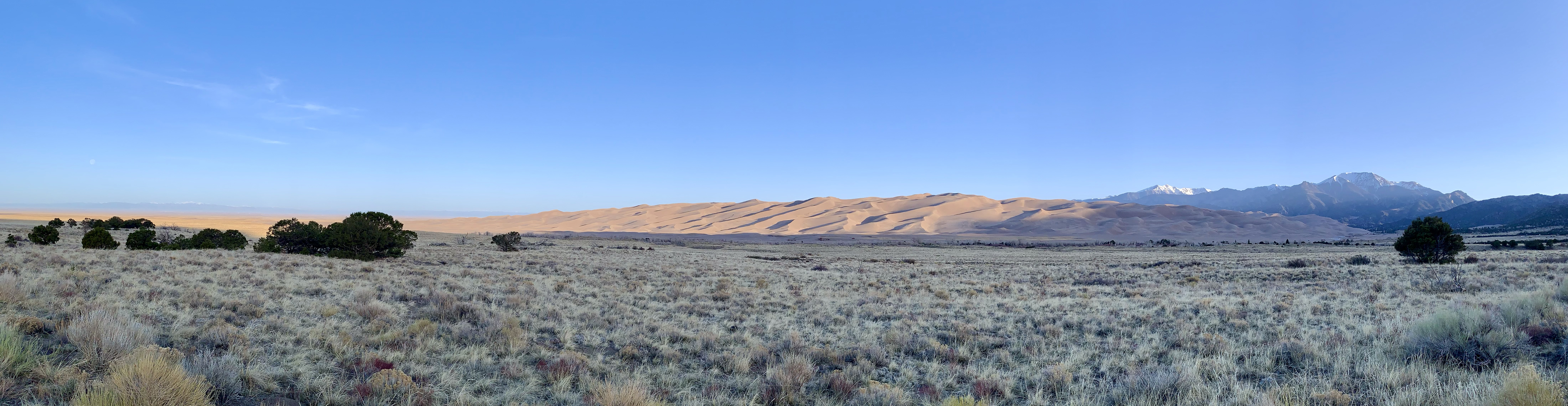
Sangre de Cristo—Blood of Christ, referring to color of the mountains at sunset—National Heritage Area includes Great Sand Dunes National Park & Preserve (above) and many forests and wildlife areas in southern Colorado. The area figures often in the novels of Louis L’Amour, loved by my grandfather, and there are still stark stretches of remote beauty along the Old Spanish Trails below and among the towering mountains. This NHA borders the Northern Rio Grande NHA in New Mexico, and the headwaters of that river begin here. Some of the oldest settlements and churches in Colorado were built here by Spanish-speaking settlers, following the Rio Grande up from Santa Fe, as I did, enjoying the scenery.
I drove through South Park National Heritage Area looking for a scenic route from Florissant Fossil Beds to the Black Canyon of the Gunnison, and there are half a dozen scenic historic auto tours here, amidst many wildlife refuges, historic ranches, canyons and old mining outfits. I spent my time gawking at the peaks, vistas and fall colors, without taking photos. Colorado has that kind of indescribably rugged beauty that makes you want to change your life, sell your belongings and move into the mountains, although I admit I haven’t spent winter there.
The Northern Plains National Heritage Area in North Dakota is also ruggedly beautiful. I remember driving great distances to see Knife River Indian Villages NHS before it closed, and I stayed at several state parks to charge. Maybe half a dozen state parks are in the NHA, and they have good facilities, are uncrowded, and are in beautiful spots, often near lakes or rivers. Several of the state parks are stops on the Lewis & Clark NHT. The Native American tribes who assisted them on their journey were later described and painted by European artists and authors, fulfilling great curiosity across the Atlantic and inspiring many Europeans to immigrate to the New World. As with other NHAs, there is a unique sense of place, fleeting historic moments and cultural details that enrich the land with atmosphere, and of course, great natural beauty. But you have to drive, stop, pay attention, keep your eyes open, read, try to understand and make connections, or the whole country just appears to be empty space that you fly over, recklessly burning carbon.
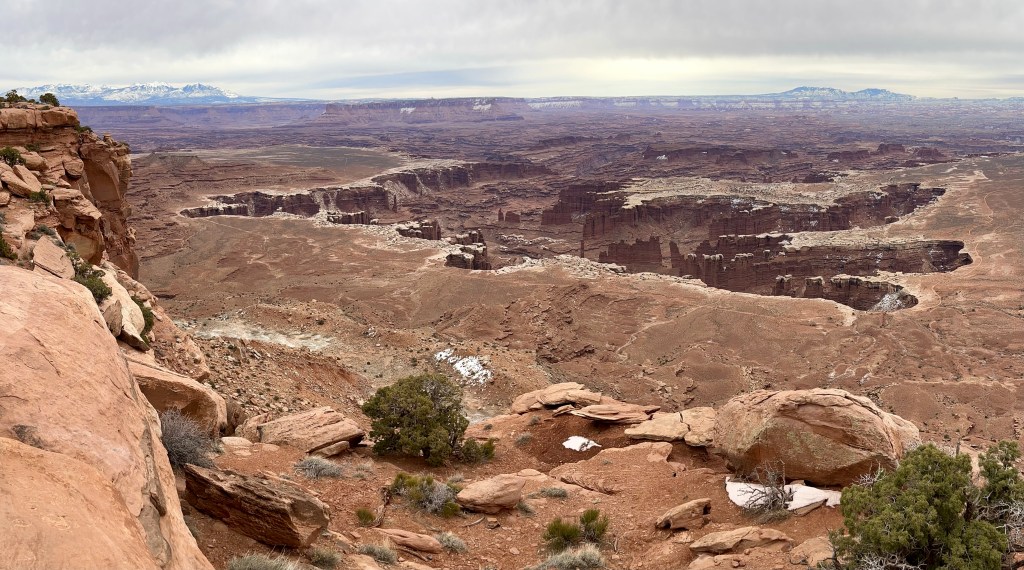
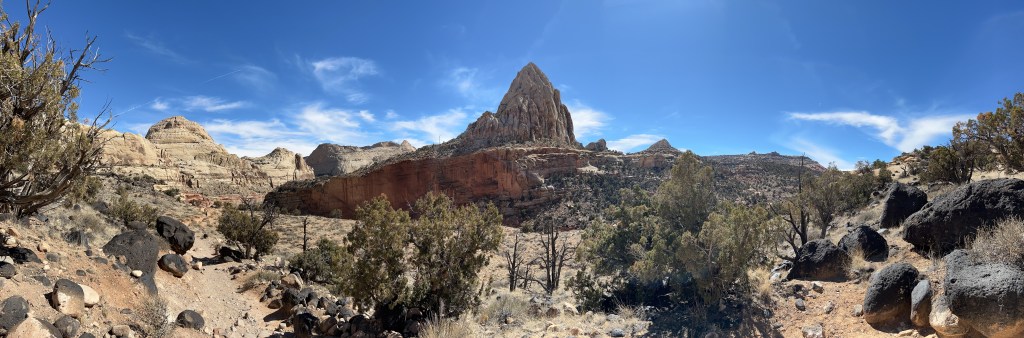
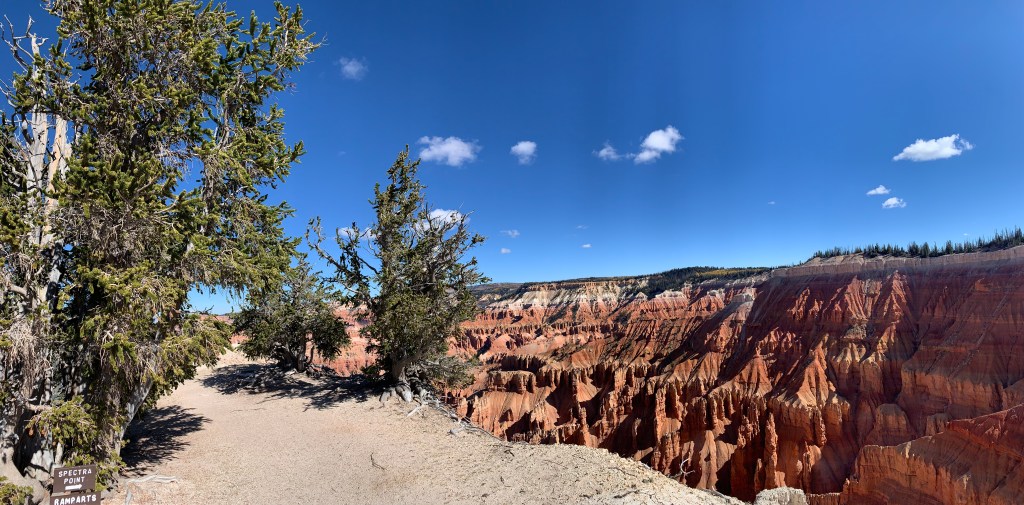
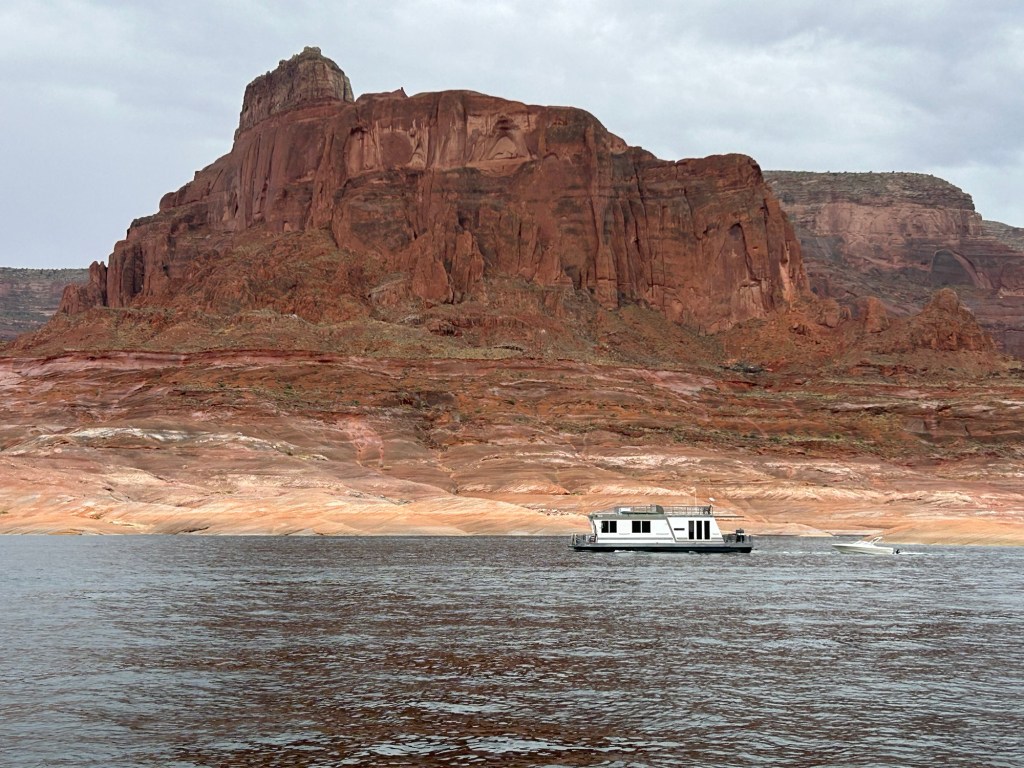
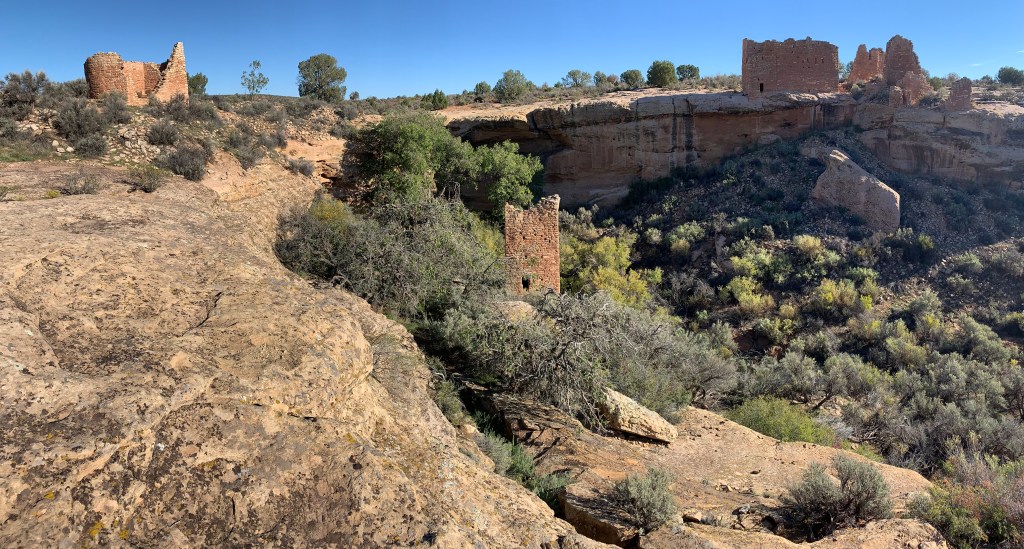
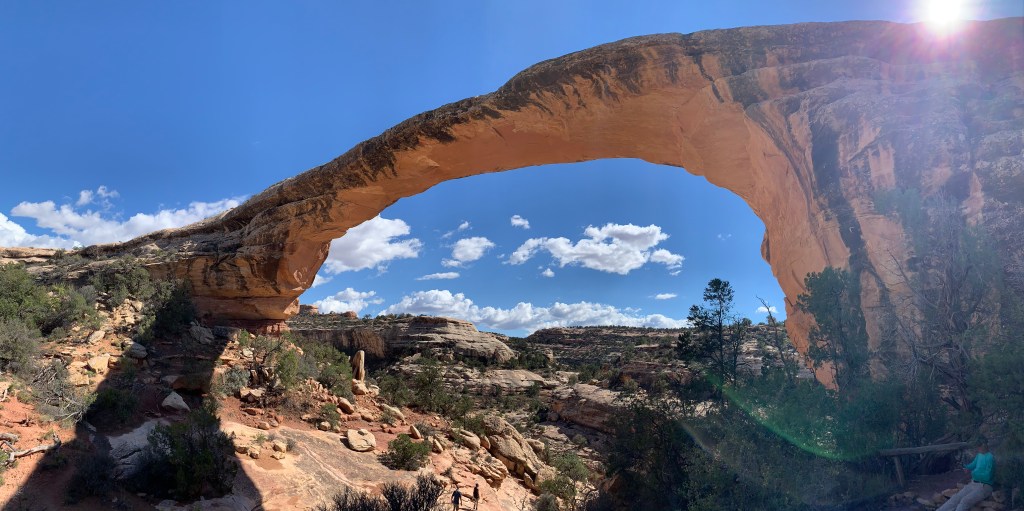
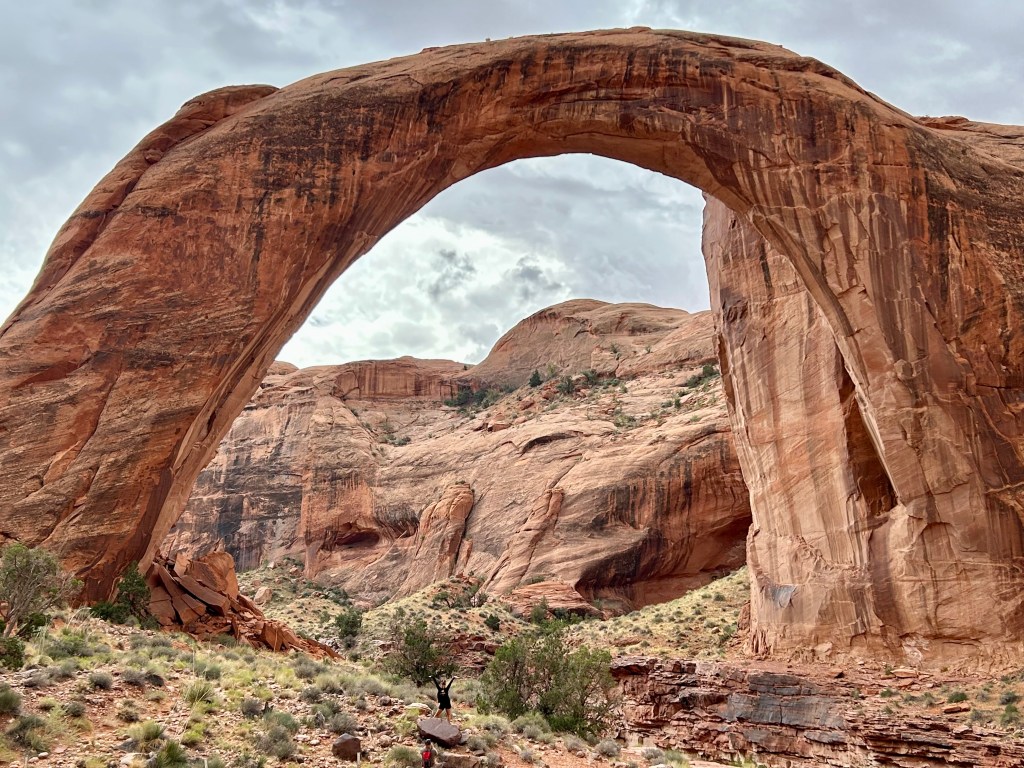
The Mormon Pioneer National Heritage Area includes Bryce, Canyonlands, Capitol Reef, Cedar Breaks and Zion. But besides those geologic wonders, the idea is to encourage more travel on routes 89, 12 and 24. There’s a Scandinavian community around Ephraim in the pretty Sevier Valley on 89. There’s Grand Staircase-Escalante, Goblin Valley, outlaw hideouts, ghost towns, old theaters, and more. I’ve traveled through the NHA in every season taking different routes, and I don’t remember any ugly or boring scenery. Utah is an extremely beautiful state. I occasionally wish it were easier to get something stronger to drink, get a table at a decent restaurant for dinner, or find out more about the Native Americans who used to live there, but it’s unquestionably easy on the eyes.




















 Zero Carbon Travel